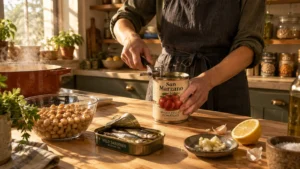
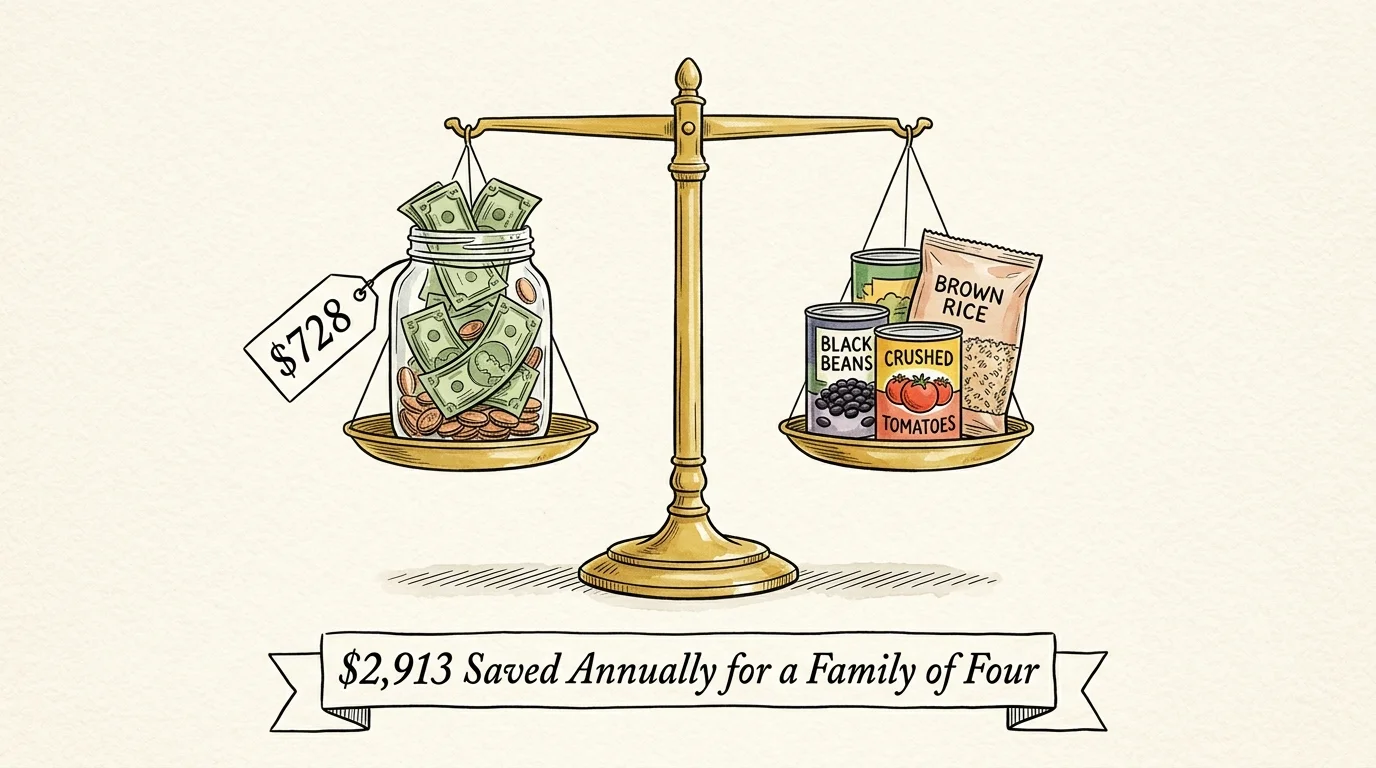
Transforming shelf-stable ingredients into delicious, nutrient-dense dinners saves time, slashes grocery costs, and preserves vital food resources. You can build balanced, high-protein meals right now using forgotten staples like canned beans, brown rice, rolled oats, and canned fish without stepping foot inside a store. According to recent data from the U.S. Environmental Protection Agency, food waste costs the average American $728 per year, totaling $2,913 annually for a family of four. Harnessing the food already sitting in your kitchen cabinets keeps hard-earned money in your wallet while lowering household waste. By applying basic nutritional principles and creative flavor pairing, your pantry becomes a reliable source of versatile, quick weeknight nourishment.
The Science and Economics of Pantry Cooking
Navigating daily meal choices requires balancing nutritional quality with economic reality. Recent figures from the U.S. Bureau of Labor Statistics show that the Consumer Price Index for food at home was 2.7% higher in June 2026 compared to June 2025. This persistent inflation prompts consumers to re-evaluate their kitchen inventory before spending money on extra groceries. According to official estimates from the United States Department of Agriculture, between 30% and 40% of the entire U.S. food supply is wasted annually, representing roughly 133 billion pounds of food. An U.S. Environmental Protection Agency food loss report notes that consumer food waste costs individual Americans an average of $728 per year, which equates to $2,913 per year—or nearly $56 per week—for a family of four. Encouragingly, ReFED reported in 2026 that U.S. residential food waste dropped by 950,000 tons in 2024—a nearly 4% reduction—with 56% of surveyed households actively taking steps to waste less food due to grocery affordability concerns. In addition, ReFED highlighted that households reducing waste save significantly on weekly food expenses while minimizing ecological impacts.
From a biological standpoint, shelf-stable ingredients offer exceptional health benefits that rival fresh produce. Canned legumes, seeds, and intact grains retain macronutrient integrity throughout extended storage. Studies featured in a National Institutes of Health analysis of processed food nutrients demonstrate that commercially canned vegetables and beans preserve essential dietary fiber, minerals, and vitamins. Thermal processing also increases the bioavailability of specific antioxidants, such as lycopene in canned tomatoes and beta-carotene in canned pumpkin, making these budget staples exceptionally nutrient-dense options for weeknight dinners.
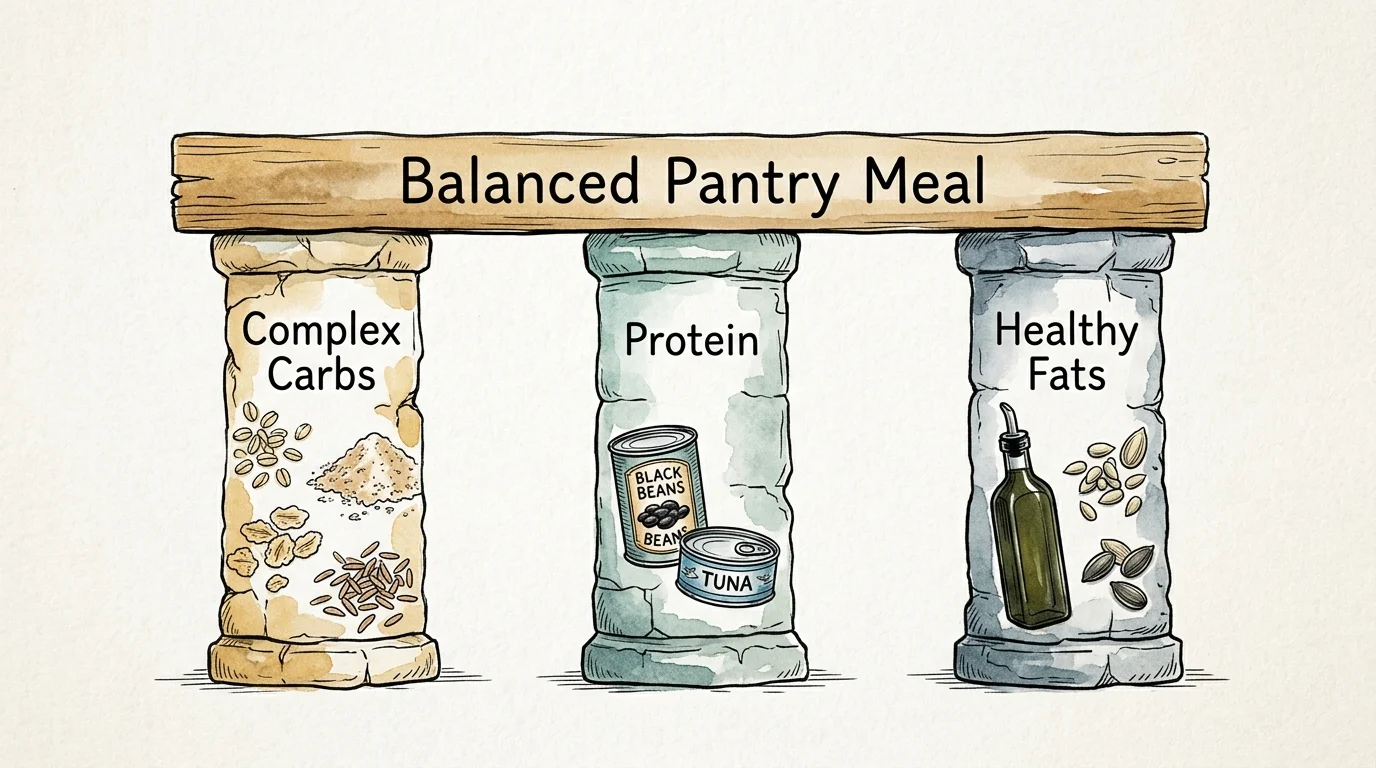
Three Pillars for Building Balanced Pantry Meals
1. The Core Nutrient Framework
Every nutritionally complete meal relies on three macronutrient anchors: complex carbohydrates, protein, and healthy dietary fats. When shopping your pantry, select one item from each group. For instance, pairing brown rice or quinoa with canned black beans establishes a complete protein profile containing all nine essential amino acids. Drizzling olive oil or adding sunflower seeds supplies healthy fats, ensuring sustained energy and stable blood sugar levels. Incorporating shelf-stable fats like canned coconut milk, extra virgin olive oil, or roasted almonds elevates the caloric density and absorption of fat-soluble vitamins A, D, E, and K.
2. Strategic Flavor Layering
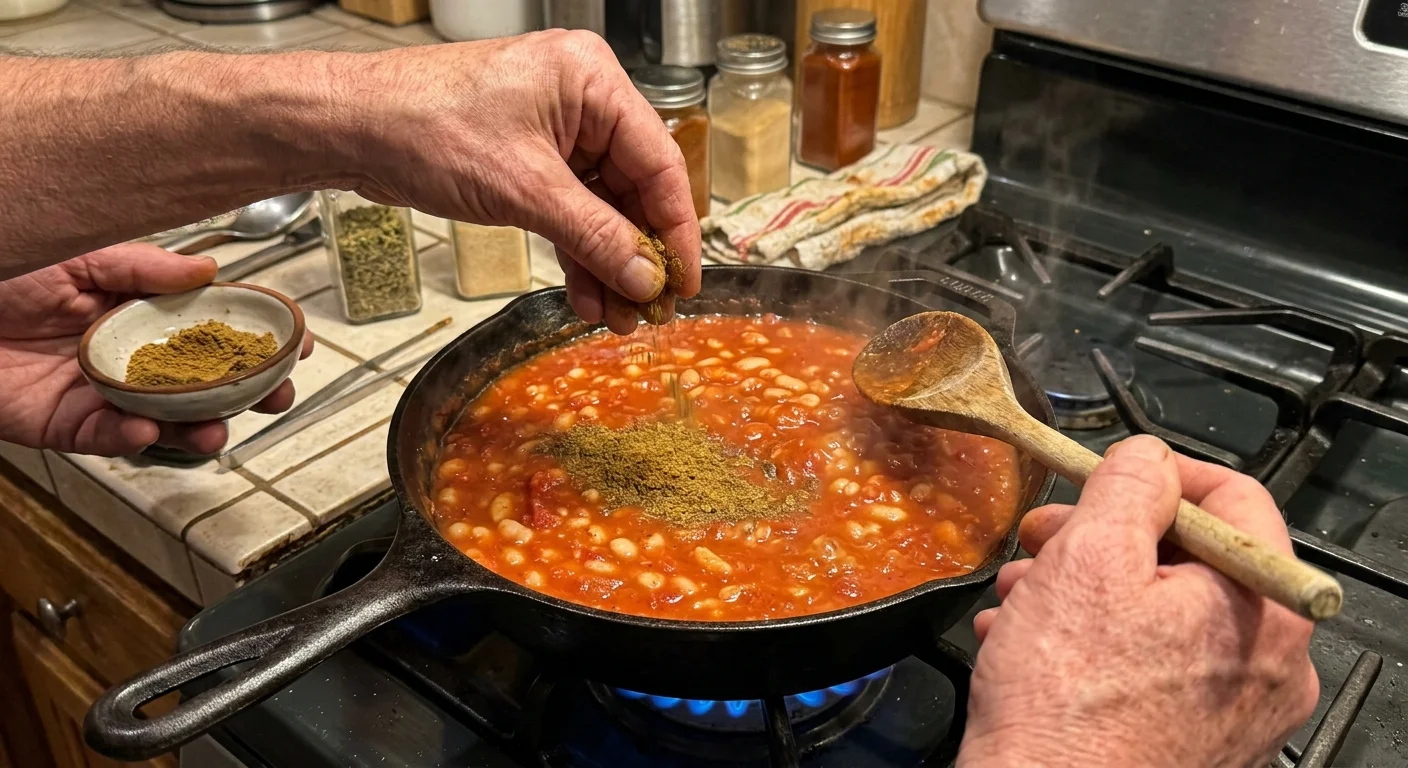
Pantry meals often fail due to flat flavor rather than poor nutrition. Acid, spices, and natural umami boosters transform basic canned ingredients into vibrant dishes. Keep ground cumin, smoked paprika, garlic powder, low-sodium soy sauce, dried oregano, and vinegar in regular rotation. Acidic components like lemon juice or apple cider vinegar instantly brighten heavy bean stews, while tomato paste or dried mushrooms impart deep savory complexity.
3. Rotating Kitchen Inventory
Adopting commercial kitchen habits prevents forgotten cans from expiring in your cabinets. Organize your pantry using the First-In, First-Out method by placing newly purchased items behind older inventory. Conducting a brief weekly inventory check before writing your grocery list prevents duplicate purchases and ensures ingredients are consumed while flavor remains optimal.
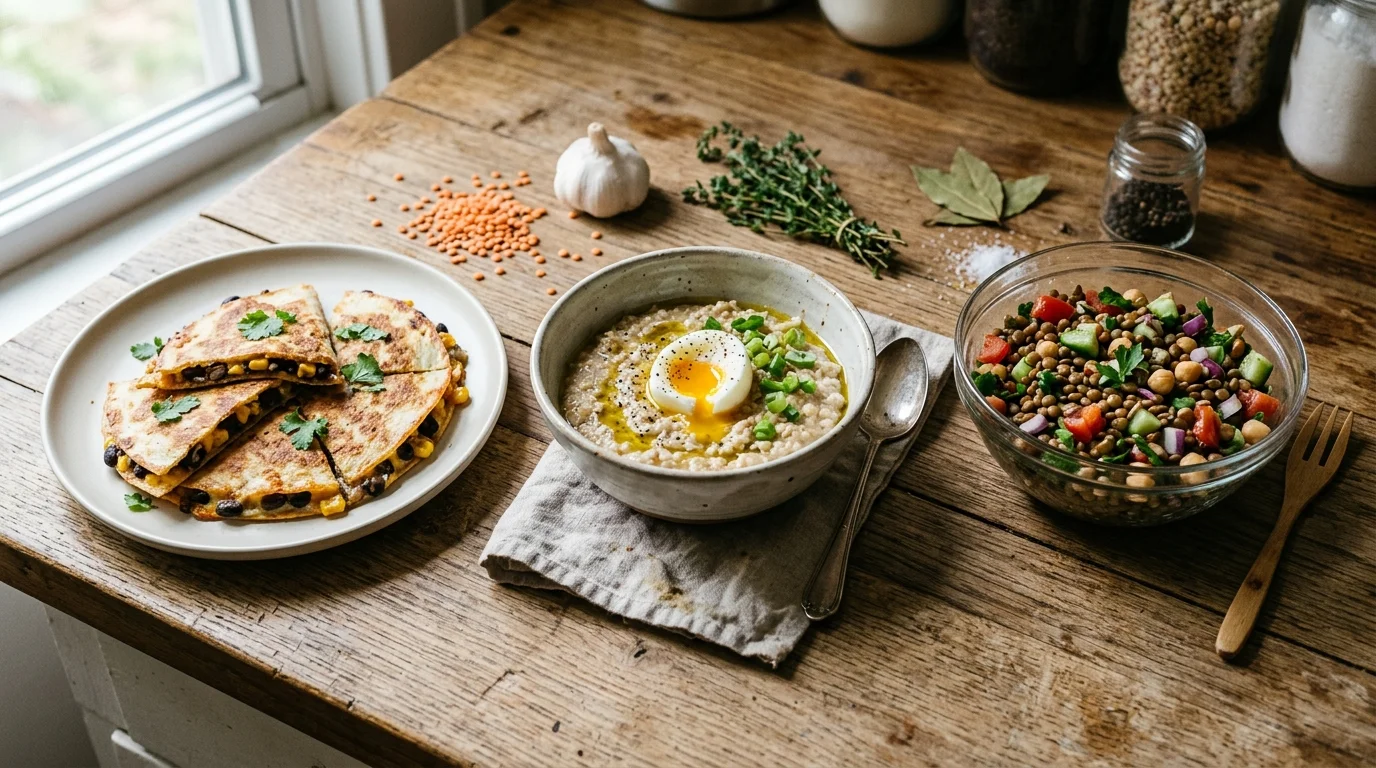
10 Meals You Can Make From Pantry Staples
1. Black Bean and Quinoa Bowl
Simmer brown rice or quinoa in low-sodium vegetable broth alongside a drained can of black beans, sweet corn, and ground cumin. Top this base with pumpkin seeds and hot sauce. Black beans supply soluble fiber, which actively binds to cholesterol in your digestive system and aids in its elimination, supporting cardiovascular health. For low-FODMAP diets, swap black beans for canned lentils.
2. Mediterranean Chickpea Stew
Combine rinsed canned chickpeas with whole peeled tomatoes, dried oregano, garlic powder, and red pepper flakes in a heavy pot. Simmer for fifteen minutes until the sauce thickens. Chickpeas provide slow-digesting complex carbohydrates that promote fullness without causing rapid blood glucose spikes. Stir in crushed walnuts for texture and anti-inflammatory omega-3 fatty acids.
3. Sesame Salmon and Rice Bowl
Flake canned wild salmon or sardines over cooked brown rice, then drizzle with toasted sesame oil and low-sodium soy sauce. Canned fish with edible bones serves as a rich source of bioavailable calcium and omega-3 fatty acids, which lower systemic inflammation. If you have seafood allergies, substitute canned green lentils or shelf-stable tofu for lean protein.
4. Tuscan White Bean Pasta
Boil whole-grain pasta, then toss it with drained cannellini beans, tomato paste, garlic powder, and reserved pasta water. White beans offer iron and folate, essential nutrients that drive cellular energy production and red blood cell creation. To make this dish gluten-free, select chickpea or brown rice pasta and cook until al dente.
5. Savory Peanut Veggie Noodles
Whisk creamy peanut butter with warm water, low-sodium soy sauce, chili flakes, and maple syrup to create a rich satay sauce. Toss this peanut sauce with cooked spaghetti or rice noodles and a drained can of sliced carrots or baby corn. Peanuts deliver heart-healthy monounsaturated fats. Substitute sunflower seed butter if managing peanut allergies.
6. White Bean and Garlic Soup
Heat canned vegetable broth in a saucepan with dried thyme, garlic powder, and rinsed navy beans. Puree half of the soup with an immersion blender to create creaminess without adding heavy dairy. Navy beans supply magnesium, which supports nerve signaling and muscle function. Serve alongside whole-grain crackers for a fiber-dense meal.
7. Red Lentil Coconut Curry
Combine dry red split lentils, canned light coconut milk, curry powder, and canned diced tomatoes in a pot. Cook for twenty minutes until the lentils soften into a thick porridge. Red lentils cook quickly and provide high amounts of dietary fiber and plant protein. Replace half the coconut milk with vegetable broth to reduce saturated fat.
8. Savory Oatmeal with Seeds
Cook rolled oats in low-sodium broth, then stir in nutritional yeast, black pepper, garlic powder, and chia seeds. Oats contain beta-glucan fiber, which improves insulin sensitivity and nourishes beneficial gut bacteria. Top with crushed walnuts or a fried egg for additional healthy fat and complete protein.
9. Herb Tuna and White Bean Salad
Mix canned skipjack tuna with drained cannellini beans, extra virgin olive oil, dried parsley, and lemon juice. Skipjack tuna contains lower mercury levels than albacore while delivering dense lean protein that builds muscle tissue and stabilizes energy levels. Plant-based eaters can substitute tuna with mashed chickpeas or green peas.
10. Smoky Black Bean Chili
Simmer crushed canned tomatoes, black beans, kidney beans, and sweet corn with smoked paprika, chili powder, and onion powder for twenty minutes. Tomatoes provide lycopene, a potent antioxidant that protects cell membranes from oxidative damage. Serve this nutrient-dense chili alongside baked tortilla chips or corn muffins.
Expert Insights and Customization Strategies
Nutrition professionals emphasize that cooking with shelf-stable goods provides full nutritional value. According to the Academy of Nutrition and Dietetics guide to essential pantry staples, stocking core ingredients allows families to assemble complete, nutrient-dense meals quickly while honoring budget constraints. Clinical dietitians confirm that canned legumes, canned fish, and whole grains deliver macronutrients and minerals comparable to fresh alternatives. By keeping a foundational supply of beans, grains, and seasonings on hand, you eliminate the stress of last-minute grocery trips and stay consistent with healthy eating goals.
Personalizing pantry recipes ensures everyone eats safely and comfortably. If you manage hypertension or kidney disease, prioritize low-sodium or no-salt-added canned goods, or thoroughly rinse standard canned items. For individuals managing diabetes, pairing high-fiber legumes with whole grains slows carbohydrate absorption, preventing post-meal blood sugar spikes and supporting long-term metabolic control.
Food Safety, Sodium Management, and Storage Guidelines
Maintaining safety with pantry ingredients begins before opening a can. Inspect food packaging for deep dents, bulges, rust, or leaks. Per Centers for Disease Control and Prevention guidance on canned food safety, damaged cans can harbor dangerous bacteria like Clostridium botulinum. Discard compromised cans immediately and store intact inventory in a cool, dry area below 80 degrees Fahrenheit.
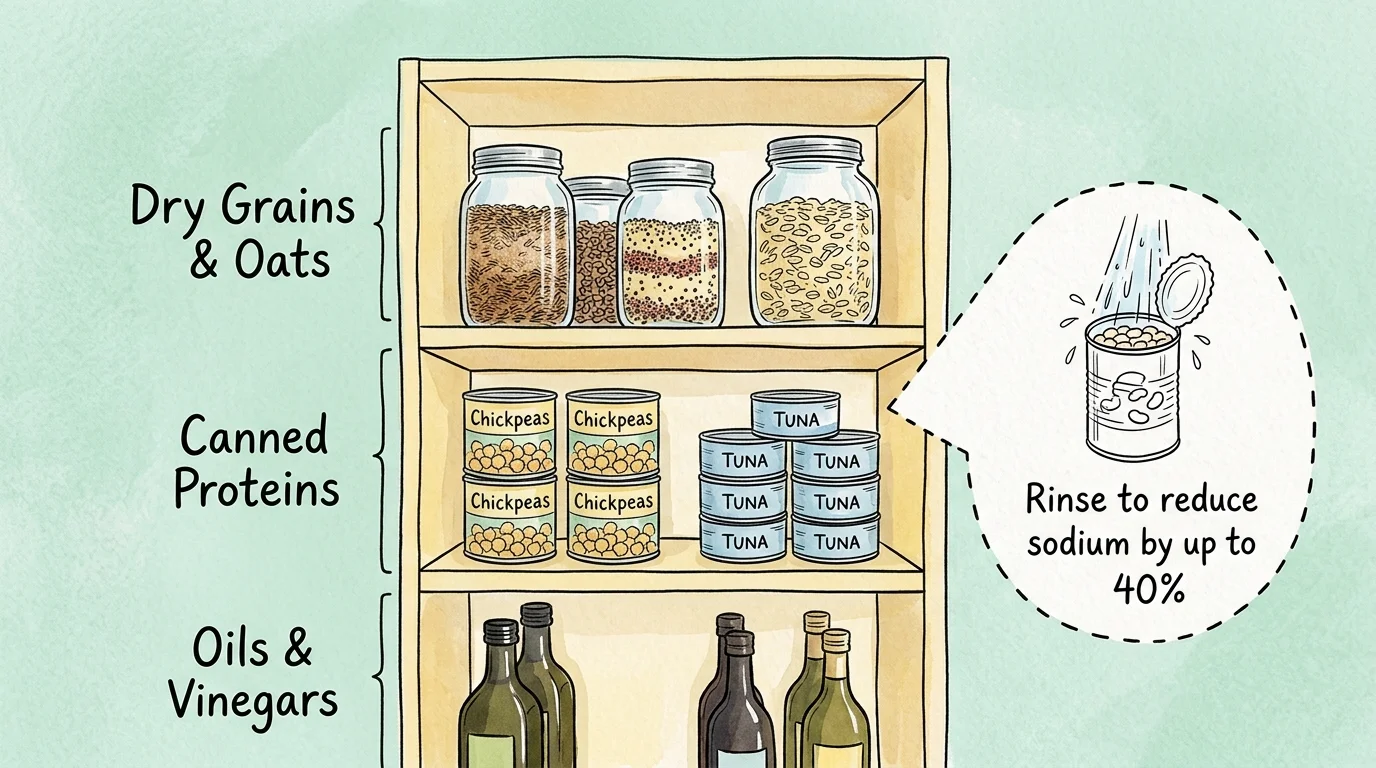
Sodium requires careful monitoring when relying on canned products, as salt is frequently added as a preservative. Rinsing canned beans and vegetables under running water for 30 seconds removes up to 40% of added sodium. Additionally, check expiration dates on whole grains and nuts; natural oils in whole grains can oxidize over time, altering taste and nutritional quality.
Frequently Asked Questions
Are canned fruits and vegetables as nutritious as fresh produce?
Yes, canned produce is harvested at peak ripeness and processed immediately, locking in vital nutrients. While heat processing slightly reduces water-soluble vitamins like vitamin C, minerals, fiber, and fat-soluble vitamins remain stable and highly bioavailable.
How do I reduce sodium in canned pantry staples?
Buy canned goods labeled low-sodium or no-salt-added whenever possible. If using standard items, drain the liquid and rinse ingredients in a fine-mesh strainer for 30 seconds to wash away up to 40% of added sodium.
What pantry items replace animal protein in plant-based diets?
Canned legumes such as chickpeas, black beans, lentils, and kidney beans provide excellent plant protein. Combining legumes with whole grains like brown rice, quinoa, or pasta creates complete protein profiles packed with dietary fiber.
How long can unopened canned goods stay in the pantry?
High-acid canned items like tomatoes remain fresh for 12 to 18 months. Low-acid canned foods, including canned beans, vegetables, fish, and meats, remain safe and nutritious for two to five years when stored properly in cool environments.
Take Action in Your Kitchen Today
Transforming your meal routine does not require an expensive trip to the supermarket. Open your pantry right now, select one canned legume and one whole grain, and cook one of these nourishing recipes within the next 24 hours. Taking this single practical step will boost your cooking confidence, save money, and cut household food waste immediately.