Adding high-nutrition fish to your weekly menu boosts heart health, elevates cognitive performance, and enhances overall vitality without exposing your body to harmful contaminants. By prioritizing seafood varieties that accumulate minimal methylmercury, you secure essential long-chain omega-3 fatty acids, high-quality protein, and vital micronutrients like vitamin D and selenium. Many health-conscious consumers hesitate at the seafood counter due to conflicting safety warnings, yet selecting the right ocean species eliminates this stress entirely. You can easily meet your cellular health needs while enjoying delicious, sustainable meals. Embracing these top low-mercury seafood options transforms your routine into a seamless, deeply nourishing habit that yields long-term well-being.
Understanding Seafood Safety and Mercury Bioaccumulation
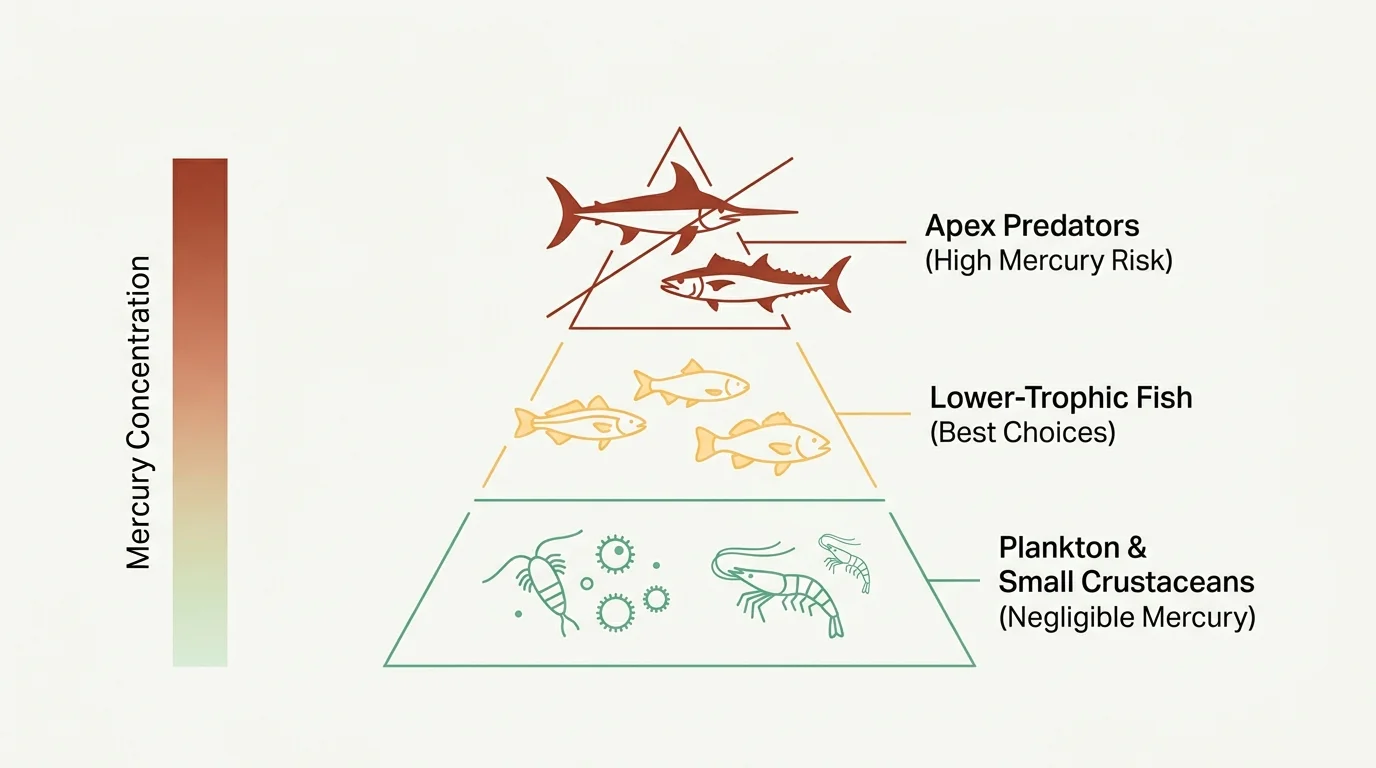
Industrial emissions release inorganic mercury into waterways, where bacteria convert it into toxic methylmercury. This heavy metal binds to tissue proteins and accumulates through marine food chains. Apex predators such as swordfish, shark, king mackerel, and tilefish accumulate high mercury concentrations that present neurological risks when eaten frequently. Conversely, smaller species and fast-growing fish reside near the bottom of the food web, absorbing negligible trace amounts. Choosing lower-trophic fish delivers clean nutrition while safeguarding your nervous system.
Data from the National Fisheries Institute shows Americans consumed an average of 19.1 pounds of seafood per person in 2023. Although this demonstrates growing interest in seafood, consumers often select species carrying elevated chemical loads. To guide safe choices, the FDA and EPA joint guidance updated in October 2021 categorizes seafood into clear safety tiers. Their official “Best Choices” list highlights clean, nutrient-dense species that you can consume multiple times weekly without toxic exposure.
The Science Snapshot: Cardiovascular and Brain Benefits
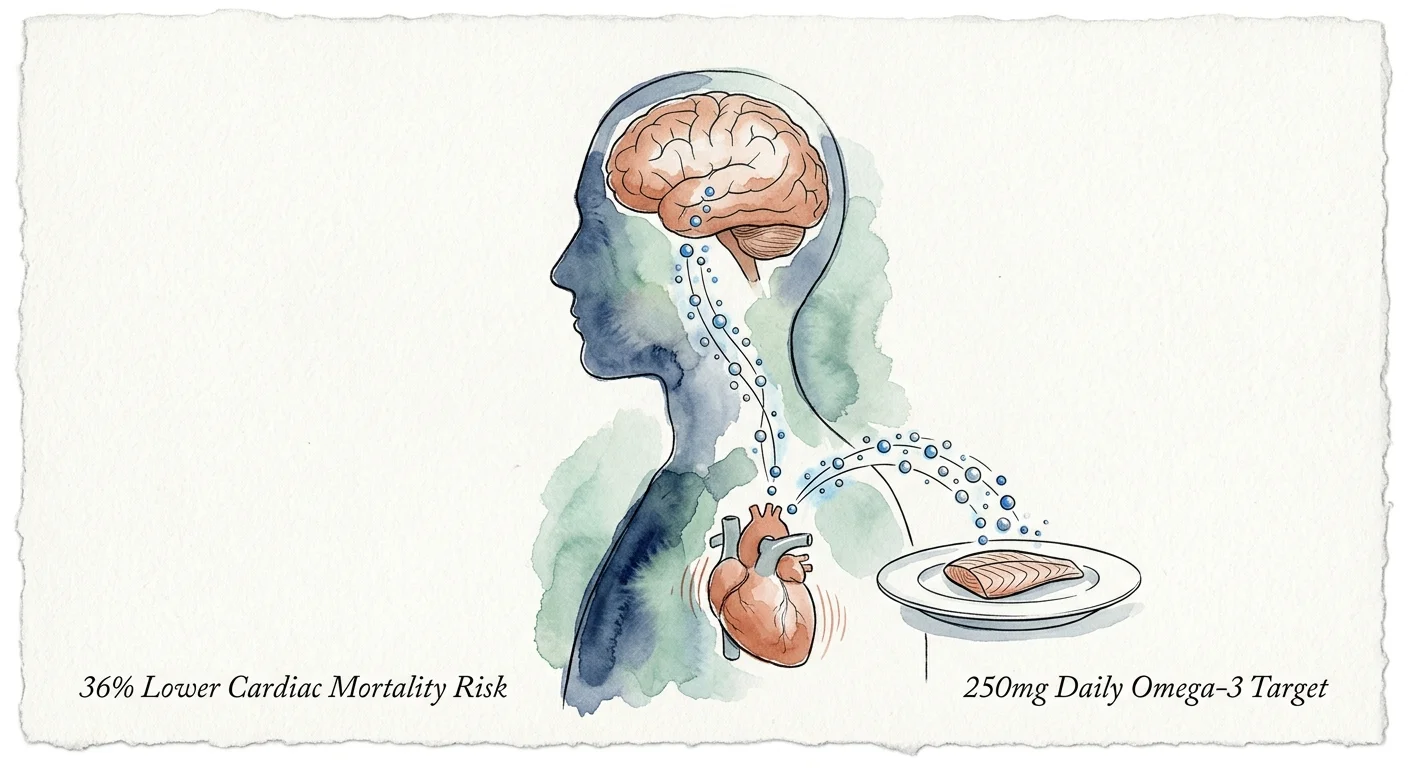
Consuming low-mercury fish provides powerful benefits for your heart and brain. Oily marine species supply eicosapentaenoic acid (EPA) and docosahexaenoic acid (DHA)—essential long-chain omega-3 fatty acids that lower inflammation, decrease triglycerides, and protect arterial health. A meta-analysis cited by the Harvard T.H. Chan School of Public Health research summary indicates that eating one to two servings of oily fish weekly lowers cardiac disease mortality risk by 36 percent.
Reaching these protective benchmarks requires consistent intake. Eating eight ounces of oily, low-mercury seafood weekly yields an average daily target of 250 milligrams of long-chain omega-3s, supporting optimal cellular function. The Dietary Guidelines for Americans recommends adults on a 2,000-calorie diet consume at least eight ounces (two to three 4-ounce servings) of low-mercury seafood per week, increasing to 8 to 12 ounces weekly for pregnant or breastfeeding individuals. Official serving definitions set an adult portion at 4 ounces uncooked, while children aged 1 to 11 require scaled portions from 1 to 4 ounces.
The 7 Top Low-Mercury, High-Nutrition Fish
1. Wild Salmon
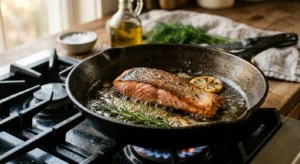
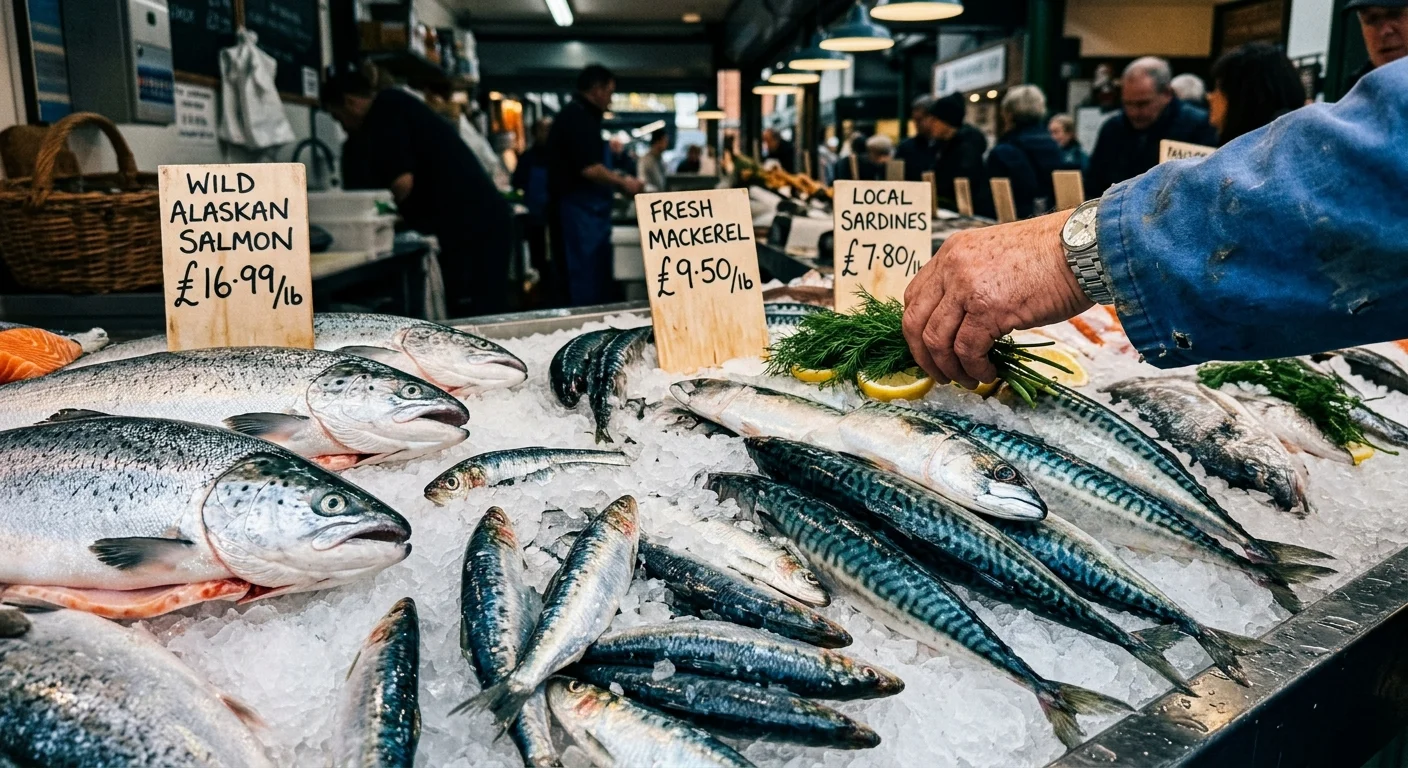
Wild salmon from Alaskan waters serves as a premier nutritional source. Delivering over 1,500 milligrams of combined EPA and DHA per four-ounce serving, wild salmon provides clean protein, vitamin D, vitamin B12, and selenium. Its pink color comes from astaxanthin, a potent carotenoid antioxidant that shields cellular membranes. Because wild salmon feeds naturally on plankton and small crustaceans, it retains a exceptionally clean chemical profile. Pan-searing salmon fillets in olive oil creates a rapid, high-protein dinner.
2. Sardines
Sardines offer an exceptionally safe, affordable way to increase daily nutrient density. Because these small forage fish feed on plankton, they accumulate virtually zero methylmercury. Eating canned sardines with their soft bones supplies bioavailable calcium, vitamin D, and long-chain omega-3s. A single three-ounce can provides over 300 milligrams of calcium and 1,000 milligrams of healthy fats. Mash sardines onto sourdough toast with lemon juice or stir them into green salads.
3. Anchovies
Anchovies pack remarkable micronutrient density without risk of heavy metal contamination. These small fish mature quickly in open ocean waters, preventing environmental toxin accumulation. Rich in iron, calcium, niacin, and omega-3s, anchovies deliver concentrated nutrition in modest portions. Their rich umami profile enhances Mediterranean meals. Melting canned anchovies into warm olive oil with garlic creates a flavorful base for roasted vegetables, pasta, or grain bowls.
4. Rainbow Trout
Rainbow trout, cultivated in strictly monitored U.S. freshwater raceways, offers a mild taste ideal for sensitive palates. The National Institutes of Health omega-3 evidence summary underscores rainbow trout as an excellent source of EPA, DHA, potassium, and B vitamins. Because clean flowing water fuels freshwater farming, rainbow trout contains negligible methylmercury. Baking trout fillets with lemon and fresh herbs yields a delicious, high-protein meal in fifteen minutes.
5. Atlantic Mackerel
Atlantic mackerel delivers high concentrations of essential fats, matching or exceeding salmon in total EPA and DHA content. Note the vital distinction between Atlantic mackerel and king mackerel; king mackerel contains high mercury levels, whereas Atlantic mackerel remains safe and clean. This cold-water species also supplies abundant vitamin B12 for cellular energy. Broiling Atlantic mackerel over medium heat renders its natural oils, producing a rich meal that pairs well with citrus salsas.
6. Herring
Herring represents a traditional dietary staple across North Atlantic communities due to its purity and nutritional wealth. This cold-water fish contains minimal contaminants while supplying vitamin D, selenium, and long-chain fats. A four-ounce serving meets your daily vitamin B12 needs while providing over 1,200 milligrams of omega-3s. Enjoying smoked or pickled herring on whole-grain rye crispbread with mustard and dill delivers sustained mental focus and stable energy.
7. Pacific Cod
Pacific cod provides an outstanding option for those preferring a mild, lean white fish. Although cod contains lower omega-3 levels than oily species, it delivers a superior protein-to-calorie ratio while supplying iodine, selenium, and phosphorus. Iodine supports healthy thyroid function and metabolic regulation. Cod features a firm texture that bakes or air-fries easily. Baking cod with diced tomatoes, capers, garlic, and olive oil produces a light meal that supports lean muscle maintenance.
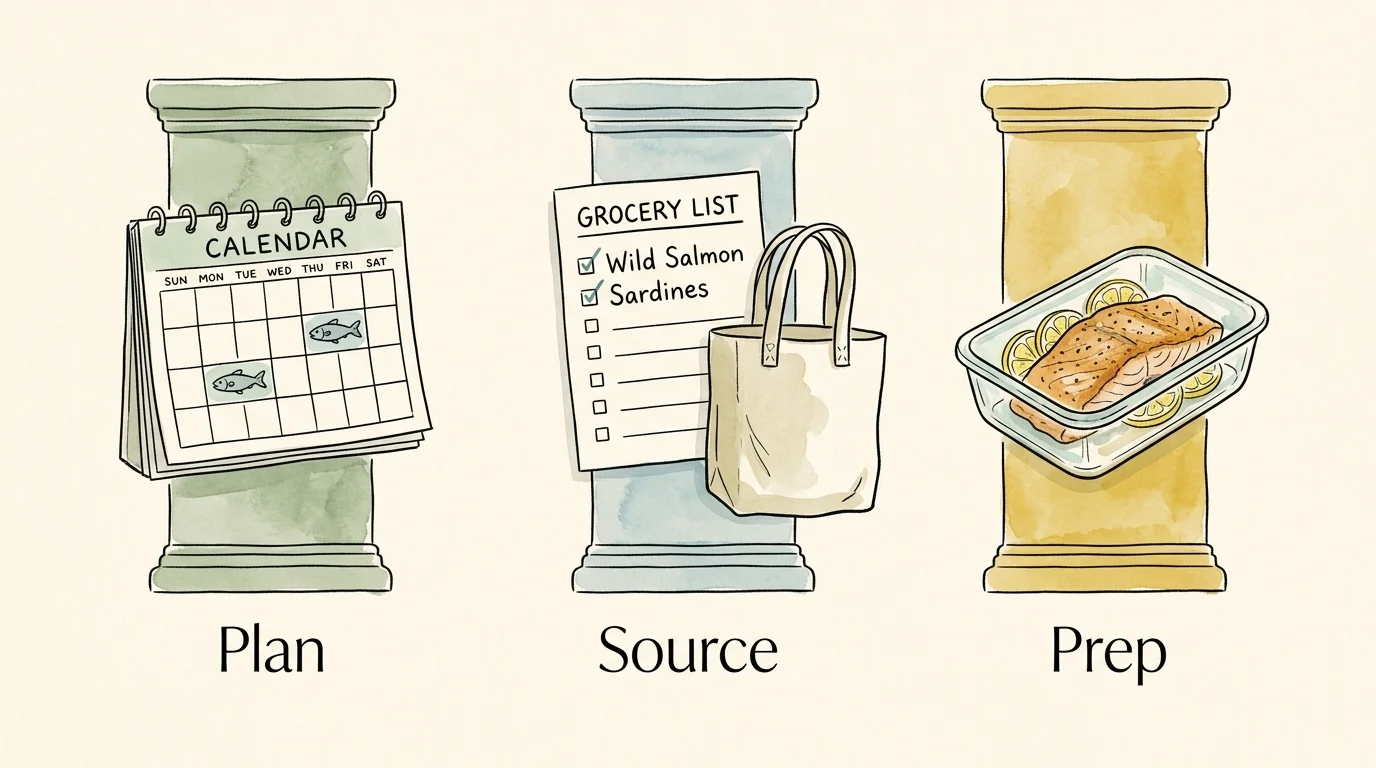
Three Strategy Pillars for Seamless Seafood Integration
Pillar 1: Smart Purchasing and Pantry Planning
Building a permanent seafood habit starts with stocking accessible items. Canned sardines, anchovies, and salmon cost significantly less than fresh cuts and store for years. When buying fresh or frozen options, choose wild-caught fish or responsibly farmed freshwater choices like rainbow trout. Vacuum-sealed frozen fillets thaw in cold water within twenty minutes, preventing waste and ensuring convenient meals.
Pillar 2: Maximizing Culinary and Nutrient Synergies
Pairing low-mercury fish with functional ingredients enhances absorption and taste. Combine iron-rich species like sardines with vitamin C from lemon juice or bell peppers to boost non-heme iron uptake. When preparing lean choices like cod, cook them in extra-virgin olive oil to absorb fat-soluble nutrients. Adding fresh herbs like rosemary provides antioxidants that protect delicate omega-3 fats during cooking.
Pillar 3: Effortless Preparation Routines
Simplify cooking by focusing on fast methods. Sheet-pan roasting allows you to cook fish fillets alongside chopped vegetables at 400 degrees Fahrenheit in twelve minutes. Alternatively, pan-searing fish in a skillet creates a crispy texture in under three minutes per side. Mastering these basic techniques removes cooking stress and makes seafood a regular weeknight habit.

Expert Perspectives and Real-World Application
Integrative dietitians frequently recommend small, lower-trophic fish as the premier choice for human health and ocean conservation. Clinical experts highlight that prioritizing species like anchovies, sardines, and herring delivers clean nutrients while preserving marine habitats. Public health documentation from the Centers for Disease Control and Prevention guidelines emphasizes that replacing processed meats with nutrient-dense seafood lowers chronic cardiovascular risk markers. Real-world routines show that blending canned salmon into weeknight patties or adding sardines to lunch salads makes reaching weekly targets simple and budget-friendly.

Safety Precautions, Histamine Risks, and Personalization
While low-mercury seafood offers remarkable benefits, individual health needs require personalization. Finfish allergies represent a specific immune response separate from shellfish allergies; individuals with finfish allergies must avoid all fish species entirely. Additionally, improper storage of dark-fleshed species like mackerel can cause scombroid poisoning from bacterial histamine accumulation. Always purchase seafood from trusted sellers maintaining strict refrigeration standards. Individuals managing gout or kidney disease should monitor intake of purine-dense options like sardines and consult a clinician to tailor their diets.
Frequently Asked Questions
Can you safely consume low-mercury fish every day?
Yes, you can safely consume seafood from the FDA “Best Choices” category daily, provided you vary your choices and maintain standard serving sizes. Small species like sardines, wild salmon, and cod carry negligible mercury loads that do not build up to harmful levels in human tissues.
Is canned fish as nutritious as fresh fish?
Canned fish offers equivalent, and sometimes superior, nutrition compared to fresh cuts. The canning process preserves omega-3 fats, protein, and minerals. Furthermore, canned small fish consumed with soft bones provide significantly more bioavailable calcium than skinless fresh fillets.
How does wild-caught fish compare to farm-raised fish regarding mercury?
Mercury levels depend on species diet and lifespan rather than wild versus farmed status. However, farmed fish fat profiles vary based on feed composition. Selecting low-trophic wild fish or certified sustainable farmed trout ensures minimal mercury exposure and high fat quality.
What are the official serving sizes for children?
Pediatric guidelines specify serving sizes by age: 1 ounce for ages 1 to 3, 2 ounces for ages 4 to 7, 3 ounces for ages 8 to 10, and 4 ounces for ages 11 and older. Children should eat these scaled portions twice weekly from low-mercury options.
Your Action Plan for the Next 24 Hours
Transforming your nutritional habits requires simple, decisive action. Within the next 24 hours, visit your local grocery store and buy two versatile staples: a tin of wild-caught sardines in extra-virgin olive oil and a package of frozen wild salmon fillets. Prepare one serving tomorrow using fresh lemon juice, sea salt, and olive oil. By making this deliberate choice, you actively enhance your cardiovascular, brain, and cellular health while avoiding heavy metal toxicity entirely. Take this step today to power your ongoing journey toward total wellness.