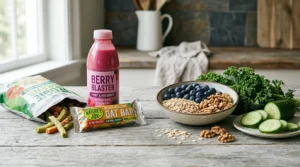
You can transform sluggish afternoons into productive hours by pinpointing the subtle dietary culprits that quietly drain your physical stamina. The specific foods on your plate dictate whether you sustain vibrant mental clarity or face sudden midday exhaustion.
When you consume meals that trigger steep glucose spikes or induce cellular dehydration, your body expends massive metabolic energy managing the internal fallout.
By understanding how everyday nutrition shapes cellular energy production, you can make strategic dietary swaps that sustain your vitality throughout the busiest days.
The Biological Connection Between Food and Daily Fatigue
Your body relies on a continuous supply of glucose, oxygen, and micronutrients to synthesize adenosine triphosphate within your cells.
According to research from the CDC National Center for Health Statistics, ultra-processed foods account for 53.0% of total daily calories consumed by American adults.
These heavily refined foods lack adequate dietary fiber and protein, which accelerates gastric emptying and leads to severe postprandial fatigue.
When simple carbohydrates flood your bloodstream, your pancreas rapidly secretes large amounts of insulin to clear the excess glucose.
This aggressive hormonal surge causes reactive hypoglycemia; your blood sugar crashes below baseline levels, leaving you irritable, sluggish, and unfocused.
Furthermore, high-sodium and preservative-laden foods force your cardiovascular and digestive systems to work harder, diverting vital resources away from your brain.
Chronic consumption of hyper-palatable convenience foods also provokes low-grade metabolic inflammation throughout your gastrointestinal tract.
This persistent immune activation drains cellular resources, leaving less metabolic energy available for cognitive tasks and physical movement.

10 Foods That Secretly Drain Your Daily Energy
1. Sugary Breakfast Cereals and Morning Pastries
Morning pastries and sweetened breakfast cereals deliver dense concentrations of refined flour and added sugars with negligible dietary fiber.
The American Heart Association recommends capping added sugars at 25 grams daily for women and 36 grams for men.
A single bakery muffin often exceeds 40 grams of sugar, triggering a massive insulin spike within thirty minutes of consumption.
Swap these processed breakfast staples for steel-cut oats topped with raw walnuts and blueberries to secure sustained morning fuel.
2. Refined White Bread, Bagels, and Pasta
Refined grain products undergo extensive industrial milling that strips away the fiber-rich bran and nutrient-dense germ.
Because your digestive enzymes break down refined starches almost instantly, they elevate your blood glucose just as quickly as pure sucrose.
The resulting glycemic crash leaves your skeletal muscles and central nervous system starved for steady, reliable fuel.
Choose sprouted grain bread, quinoa, or whole-wheat alternatives that digest slowly and provide long-lasting metabolic energy.
3. Sweetened Coffee Beverages and Flavored Lattes
Commercial coffee drinks frequently disguise dozens of grams of liquid syrup beneath a layer of steamed milk and whipped cream.
Although the initial dose of caffeine boosts alertness, the accompanying sugar load inevitably causes a steep drop in stamina.
Relying on sweetened beverages creates a cycle of mid-afternoon exhaustion that tempts you to consume even more stimulants.
Order regular drip coffee or an espresso with unsweetened almond milk to enjoy the benefits of caffeine without the crash.
4. Ultra-Processed Frozen Dinners and Microwave Meals
Packaged frozen dinners often rely on excessive sodium, industrial emulsifiers, and modified starches to enhance texture and shelf stability.
Consuming over 1,000 milligrams of sodium in a single sitting draws fluid into your digestive tract and promotes dehydration.
This systemic fluid shift forces your heart to work harder, leaving you feeling heavy, bloated, and mentally drained.
Prepare batch meals at home using whole roasted chicken, brown rice, and fresh vegetables to avoid artificial preservatives.
5. High-Stimulant Commercial Energy Drinks
Many commercial energy drinks combine synthetic caffeine with massive quantities of high-fructose corn syrup and artificial flavoring agents.
The FDA advises healthy adults to keep total daily caffeine consumption below 400 milligrams to avoid adverse effects.
Because caffeine has a half-life of 4 to 6 hours, afternoon consumption blocks brain adenosine receptors and impairs restorative sleep.
Replace canned energy drinks with brewed green tea, which provides gentle stimulation alongside the calming amino acid L-theanine.
6. Processed Deli Meats and Canned Soups
Packaged cold cuts and canned soups contain substantial amounts of sodium nitrates and chemical flavor enhancers.
The average American consumes over 3,400 milligrams of sodium daily, far exceeding the recommended 2,300-milligram upper limit.
Clinical studies demonstrate that mild dehydration—losing just 1% to 2% of body fluid—significantly impairs alertness and mood.
Opt for home-cooked roasted turkey slices and low-sodium vegetable broths to maintain optimal cellular hydration and daily stamina.
7. Deep-Fried and Fast-Food Items
Fried fast foods contain heavy concentrations of oxidized vegetable oils, trans fats, and refined coatings.
Digesting dense fats requires extensive digestive enzyme production and diverts significant blood flow toward your gastrointestinal tract.
This reduced systemic circulation to your brain and extremities produces profound post-meal drowsiness and mental lethargy.
Air-fry your potatoes or bake your proteins with extra virgin olive oil to enjoy crisp textures without the digestive burden.
8. Low-Calorie Diet Snacks with Artificial Sweeteners
Packaged diet snacks often replace natural fats and sugars with synthetic sweeteners like sucralose, aspartame, and acesulfame potassium.
These non-nutritive compounds stimulate your sweet taste receptors without providing usable caloric energy to your working cells.
Your brain detects the missing calories and signals hunger, provoking intense cravings and noticeable mental fatigue.
Satisfy your midday appetite with whole-food options like raw almonds, sunflower seeds, or organic plain yogurt with fresh berries.
9. Evening Alcoholic Beverages
Many adults consume a glass of wine or beer before bed, mistakenly believing it enhances overall sleep quality.
According to the National Institute on Alcohol Abuse and Alcoholism, alcohol suppresses REM sleep by 20% to 50%.
Alcohol metabolism also causes nocturnal micro-awakenings and dehydration, leaving you exhausted and unrefreshed when your morning alarm rings.
Sip calming chamomile or passionflower herbal tea in the evening to unwind without disrupting your natural sleep architecture.
10. Bottled Smoothies and Fruit Juice Concentrates
Commercial bottled smoothies often discard the fibrous fruit skins and pulp while concentrating the liquid fructose of several servings.
Drinking liquid fructose floods your liver and prompts a rapid glycemic spike without triggering your natural satiety hormones.
Without adequate dietary fiber, healthy fats, or protein to slow absorption, your energy levels crash shortly after finishing the bottle.
Blend whole fruits at home with unsweetened Greek yogurt, spinach, and hemp seeds to maintain a balanced blood sugar curve.
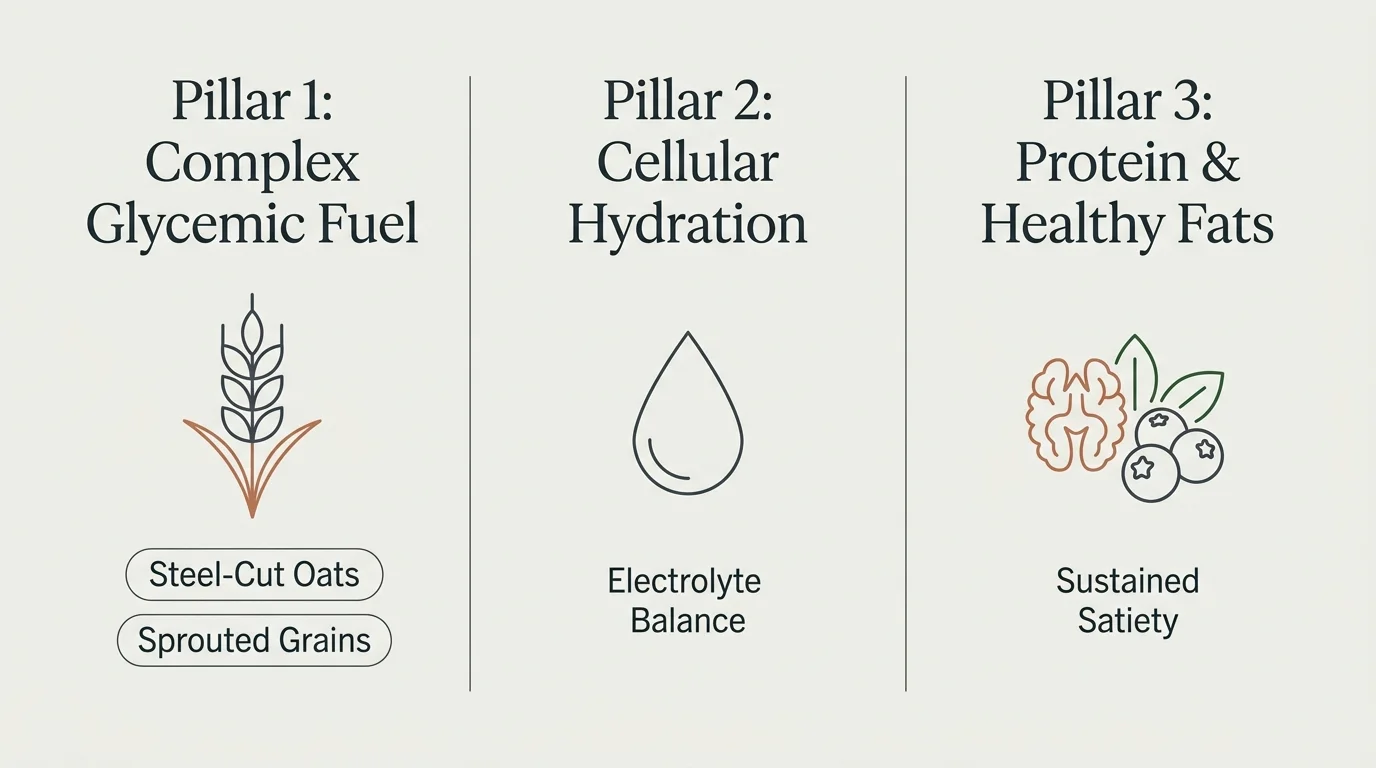
Three Strategic Pillars for Sustained Vitality
Pillar 1: Balanced Macronutrient Pairing
Construct every meal around the macronutrient trifecta: high-quality protein, complex carbohydrates, and wholesome dietary fats.
Pairing complex carbohydrates with fibrous vegetables slows gastric emptying and moderates your post-meal glucose response.
For lunch, combine grilled wild salmon with brown rice and steamed broccoli rather than relying on a refined flour wrap.
This balanced combination delivers a steady trickle of fuel to your bloodstream, supporting optimal mental clarity for four to six hours.
You can achieve balanced macronutrient profiles on any grocery budget by utilizing affordable staples like dry lentils, canned beans, and frozen vegetables.
Traditional culinary staples across varied cultures—such as corn tortillas paired with black beans or brown rice with edamame—naturally provide sustained stamina.
Pillar 2: Micronutrient Density and Cellular Hydration
Prioritize whole foods rich in magnesium, iron, zinc, and B vitamins to support mitochondrial ATP generation.
The National Institutes of Health highlights that adequate cellular hydration is critical for cellular nutrient transport and metabolic waste removal.
Drink pure water consistently throughout the day, aiming for approximately half your body weight in ounces.
Eat water-dense vegetables like cucumbers, bell peppers, and zucchini to replenish vital intracellular minerals naturally.
Pillar 3: Habit Formation and Circadian Meal Timing
Establish regular meal intervals to train your digestive system and maintain predictable metabolic energy expenditure.
Cease caffeine intake at least eight hours before bedtime to protect your slow-wave restorative sleep cycles.
Prepare nutrient-dense whole snacks ahead of time to eliminate impulsive trips to office vending machines during afternoon slumps.
These simple environmental cues protect your body from unnecessary metabolic stress and sustain your daily productivity.
Clinical Perspectives and Real-World Results
Registered dietitians frequently observe that clients who swap refined carbohydrates for whole grains report improved afternoon focus within days.
Clinical endocrinologists note that daily energy relies far more on hormonal balance and glycemic stability than sheer caloric volume.
Patients who replace midday fast food with Mediterranean-style grain bowls consistently describe eliminating their chronic post-lunch lethargy.
Long-term dietary compliance improves significantly when you focus on adding nourishing whole foods rather than obsessing over restriction.
Dietary adjustments should celebrate cultural heritage and individual preferences rather than imposing rigid, restrictive meal rules.

Safety Considerations and Personalized Nutrition
Metabolic requirements differ widely based on your age, physical activity, genetic background, and underlying health profile.
If you manage medical conditions like diabetes, kidney disease, or celiac disease, consult a dietitian before modifying your carbohydrate intake.
Severe, unyielding fatigue that does not respond to dietary adjustments may indicate underlying conditions like anemia or thyroid disorders.
Always consult your physician to rule out clinical issues if your exhaustion persists despite consistent healthy eating habits.
Frequently Asked Questions
How quickly will my energy improve after eliminating refined sugars?
Most people notice significant improvements in their mental focus and physical stamina within three to five days.
As your insulin sensitivity normalizes and blood glucose stabilizes, afternoon crashes and severe food cravings dissipate rapidly.
Can I still drink coffee without experiencing a fatigue crash?
Yes, you can enjoy coffee by drinking it black or with unsweetened dairy alongside a balanced breakfast.
Avoid added flavored syrups and finish your final cup before 2:00 PM to safeguard your nighttime sleep quality.
Are natural sugars in whole fruits as draining as added sugars?
No, whole fruits contain intact soluble fiber, water, and essential micronutrients that significantly slow sugar absorption.
This protective physical matrix prevents the rapid blood glucose spikes and subsequent crashes caused by processed fruit juices.
What is an ideal midday snack to prevent the afternoon slump?
Select a snack that pairs unrefined complex carbohydrates with healthy dietary fats or lean protein.
A crisp apple sliced with natural almond butter provides steady energy and prevents reactive hypoglycemia throughout your afternoon.
Reclaim Your Daily Vitality
Restoring your daily stamina does not demand an immediate, overwhelming overhaul of your entire lifestyle.
Select just one energy-draining food from this guide to replace with a nourishing alternative over the next 24 hours.
Whether you swap a morning pastry for oatmeal or replace soda with herbal tea, your body will reward your effort with vibrant energy.