Ground meat often turns out dry, bland, and uninspiring when you rely solely on basic salt and pepper. Master the right spice combinations, however, and you will transform affordable proteins into deeply savory, restaurant-quality meals in minutes.
Spices do far more than elevate taste; they deliver potent protective polyphenols and allow you to dramatically slash dietary sodium without sacrificing richness. Choosing fat-soluble aromatics unlocks complex flavor compounds trapped inside lean beef, turkey, chicken, pork, or plant-based crumbles.
Here are twelve research-backed seasoning strategies designed to amplify flavor tenfold while supporting your daily metabolic health.
The Flavor Chemistry of Ground Meat
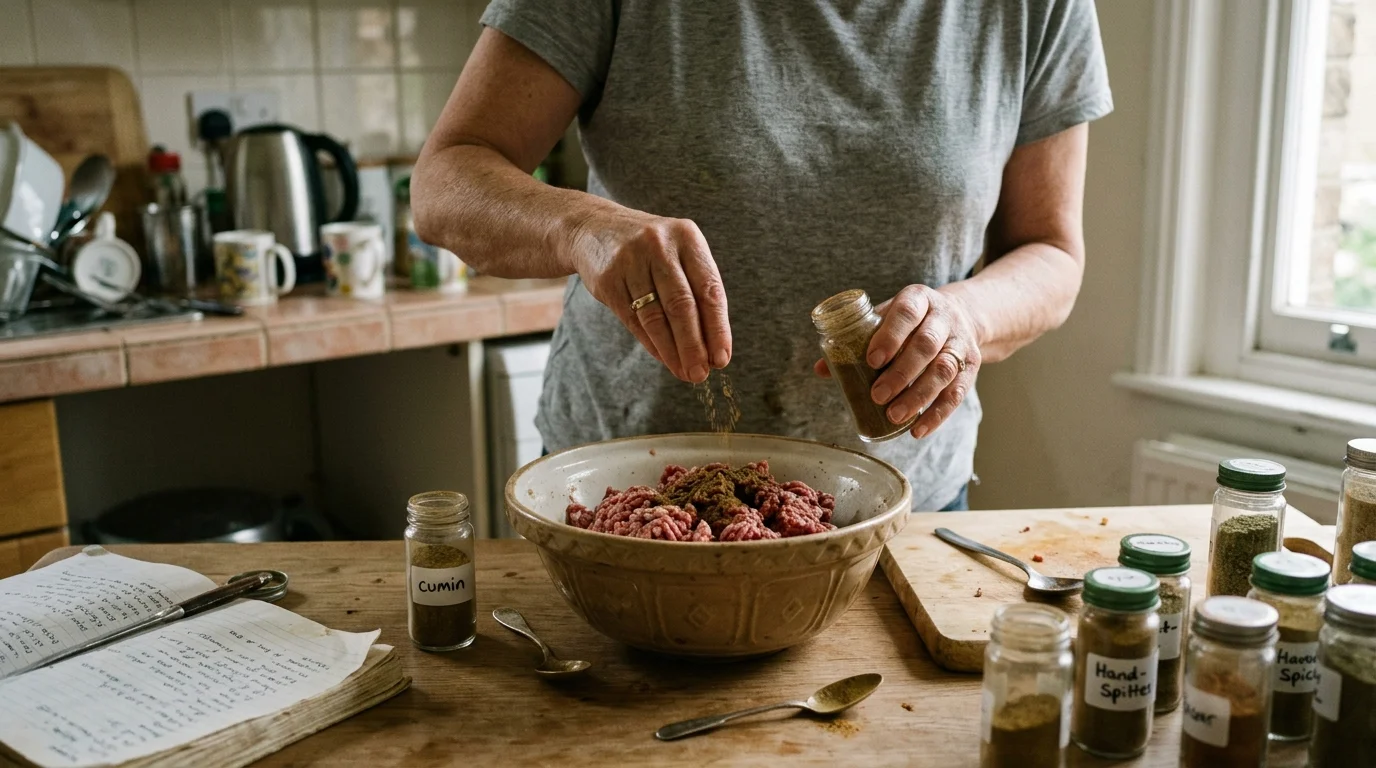
Ground meats behave differently in the pan than whole-muscle cuts like ribeyes or chicken breasts. Grinding breaks down muscle fibers, dramatically increasing surface area and accelerating moisture loss during cooking. This increased surface area exposes millions of cellular binding sites, creating an exceptional canvas for seasoning absorption and caramelization through the Maillard reaction.
Most aromatic compounds in culinary herbs and spices are lipophilic, meaning they dissolve in and bond with lipids rather than water. When you heat spices in the presence of the natural fats found in ground meat, you dissolve these volatile flavor compounds into the cooking fat. The fat then coats your palate evenly, sustaining the perception of flavor far longer than water-soluble seasonings ever could. Researchers at the National Institutes of Health have highlighted how culinary spices also deliver dense concentrations of antioxidant compounds, which can help inhibit lipid oxidation during high-heat cooking.
12 Powerhouse Seasonings for Tenfold Flavor
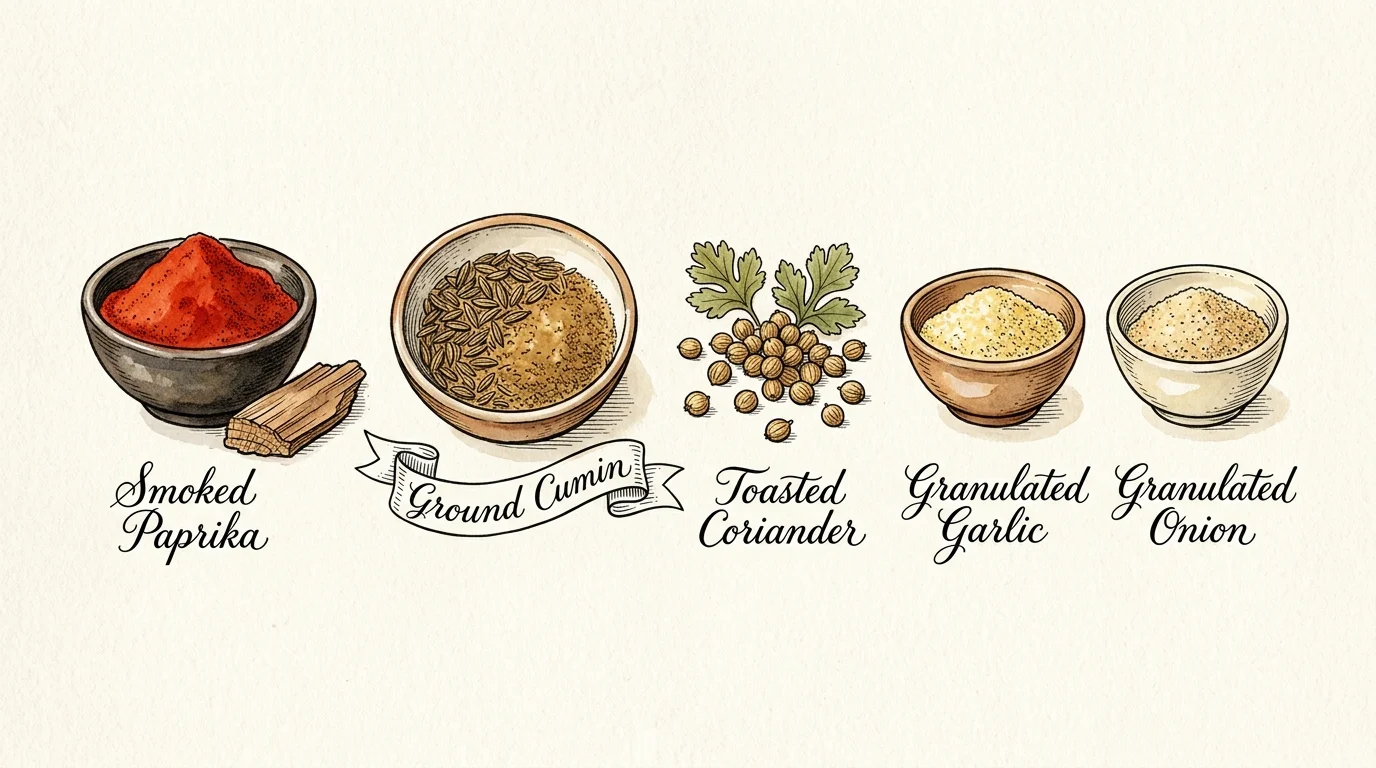
You do not need complicated marinades or artificial flavor enhancers to achieve deep, layered savory notes. Integrating the following twelve individual seasonings into your ground meat prep will dramatically upgrade your everyday cooking.
1. Smoked Paprika
Smoked paprika, particularly Spanish pimentón, delivers immediate wood-smoked depth without firing up an outdoor grill. Slowly dried over smoking oak logs before grinding, this vibrant red powder contains fat-soluble carotenoids and mild capsanthin. It pairs exceptionally well with lean ground turkey and chicken, compensating for the lack of natural animal fat by mimicking the flavor profile of slow-cured bacon or barbecue.
2. Ground Cumin
Cumin owes its unmistakable warm, earthy profile to cuminaldehyde, an organic aromatic compound that thrives in warm lipids. When cooking ground beef, bison, or lamb, cumin acts as a foundational base note that anchors brighter, more acidic ingredients. Toasting ground cumin directly in the rendered meat fat for thirty seconds unlocks a nutty, complex backbone essential for chili, taco fillings, and Middle Eastern kofta.
3. Toasted Coriander
Coriander seeds come from the same plant as cilantro, yet they produce an entirely different aromatic profile dominated by linalool. This terpene imparts a bright, citrusy, and slightly floral flavor that cuts through the heaviness of higher-fat meats like pork and lamb. When you combine toasted ground coriander with cumin, you create a classic spice synergy where coriander provides the crisp top notes while cumin supplies the deep foundation.
4. Granulated Garlic
While fresh garlic can easily burn and turn bitter in a searing skillet, granulated garlic distributes evenly through ground meat mixtures. Dehydrated garlic contains alliin and alliinase, which rehydrate in the meat juices to produce savory allicin derivatives. Granulated garlic caramelizes gently on the meat crust, creating a sweet, roasted undertone that elevates burgers and meat sauces.
5. Granulated Onion
Granulated onion provides concentrated natural sugars and sulfurous compounds that reinforce the natural savoriness of meat proteins. As the meat browns, the dehydrated onion granules undergo accelerated caramelization alongside the meat amino acids. This combination yields the rich, simmered flavor of slow-cooked French onion soup in a fraction of the standard cooking time.
6. Dried Mexican Oregano
Distinct from sweet Mediterranean oregano, Mexican oregano belongs to the lemon verbena family and contains high levels of thymol and carvacrol. These compounds yield a pungent, citrus-tinged herbal flavor that stands up to robust meats and spicy chilies. It provides an earthy counterbalance in ground beef picadillo, turkey meatballs, and sausage fillings without overpowering the dish.
7. Coarsely Ground Tellicherry Black Pepper
Pre-ground table pepper often tastes flat and dusty because its volatile oils evaporate shortly after milling. Freshly cracked Tellicherry black pepper provides high concentrations of piperine, an alkaloid that creates a sharp, tongue-warming sensation. This heat stimulates salivary glands and enhances your taste receptors, amplifying your perception of neighboring savory flavors.
8. Ground Fennel Seed
Fennel seeds contain anethole, a volatile compound responsible for a sweet, anise-like aroma that instantly evokes classic Italian sausage. Adding finely ground fennel seed to lean ground turkey, pork, or plant-based crumbles gives you artisanal sausage flavor without the excessive nitrates, saturated fats, or high sodium levels found in packaged links.
9. Nutritional Yeast
Nutritional yeast represents one of the culinary world’s best-kept secrets for building deep savoriness. This deactivated yeast provides exceptionally high concentrations of naturally occurring free glutamates, the chemical compounds responsible for triggering umami taste receptors on your tongue. Kneading two tablespoons of nutritional yeast into ground beef or turkey burgers creates an intense savory richness reminiscent of aged cheese while contributing vital B-complex vitamins.
10. Ground Allspice
Despite its name, allspice is the dried berry of the Pimenta dioica tree rather than a spice blend. Dominated by eugenol, the same aromatic chemical found in cloves, allspice imparts a warm, peppery aroma with hints of cinnamon and nutmeg. It serves as the secret flavor anchor in Jamaican jerk patties, Middle Eastern spiced minced beef, and Swedish meatballs, rounding out gamey flavors in darker ground meats.
11. Ground Sumac
Sumac berries provide a tart, astringent punch thanks to high concentrations of natural malic and citric acids. When working with rich, fatty meats like ground lamb or chuck beef, adding ground sumac provides bright acidity without introducing unwanted liquid that might impede hard browning. Its wine-colored hue also enhances the visual appeal of grilled kebabs and meatballs.
12. Dried Porcini Mushroom Powder
Grinding dried porcini or shiitake mushrooms into a fine flour creates an unmatched umami booster. Mushrooms contain concentrated guanylate, a ribonucleotide that works synergistically with the natural glutamates in meat to multiply savory perception up to eightfold. Incorporating mushroom powder into lean ground poultry transforms an otherwise mild dish into a rich, deeply satisfying culinary experience.
Three Pillars of Seasoning Mastery
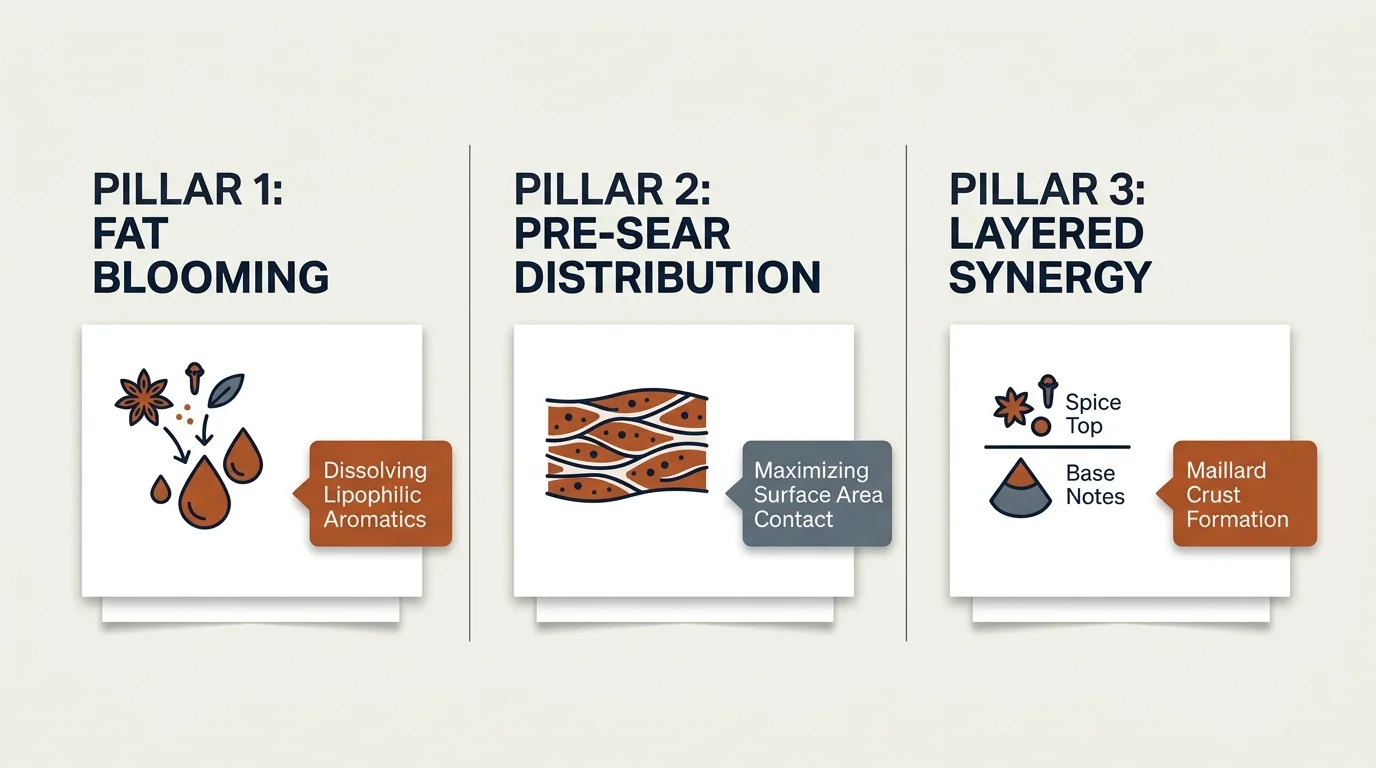
Transforming your cooking requires more than gathering great ingredients; you must understand the mechanics of how and when to apply them. Implementing these three culinary medicine pillars ensures maximum flavor extraction and optimal nutrient retention every time you cook.
Pillar 1: The Blooming Technique
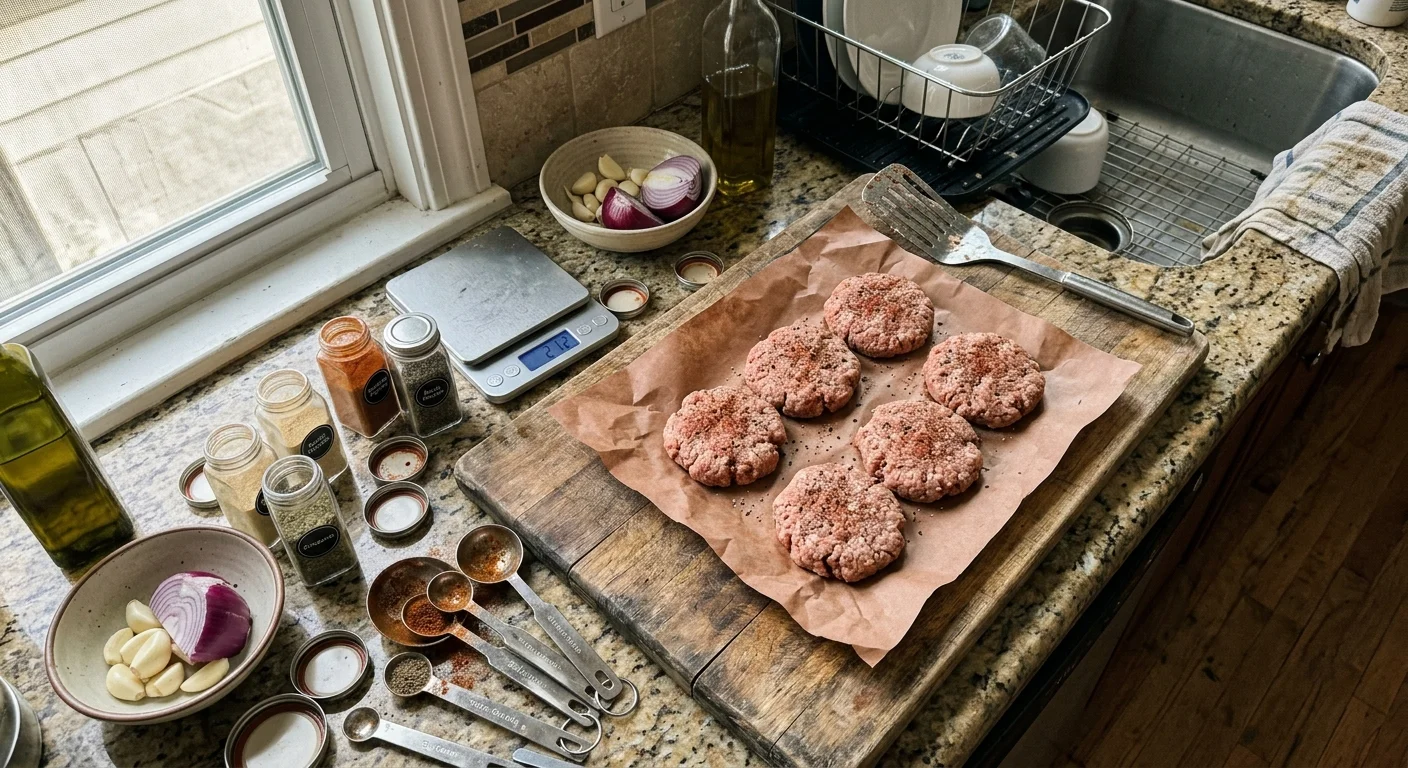
Volatile aromatic oils remain locked inside dried spices until heat and lipids release them. If you simply sprinkle dry spices over boiling, water-heavy meat, the flavors remain muted and chalky. Instead, push your browned ground meat to the sides of your pan, creating a clear well in the center. Add a teaspoon of cooking oil to the well, drop in your dry spice mixture, and let it sizzle for thirty seconds until fragrant before stirring it into the meat. This process, known as blooming, dissolves lipophilic flavor molecules directly into the cooking oil, coating every morsel of meat.
Pillar 2: Timing Your Salt
Salt alters the physical structure of meat proteins through osmotic extraction. If you mix salt into raw ground meat hours before cooking, the salt dissolves myosin proteins, causing the meat to cross-link and form a tight, springy, sausage-like texture. For light, tender burgers and meatballs, season your raw ground meat with salt immediately before it hits the hot skillet. If you want a denser, sliceable meatloaf or sausage texture, work the salt into the ground meat mixture ahead of time.
Pillar 3: The Umami Synergy Ratio
Savory satisfaction does not rely solely on high fat or salt levels. You can achieve superior depth by pairing glutamate-rich ingredients with ribonucleotide-dense seasonings. Combining natural ground meat with mushroom powder, nutritional yeast, and roasted alliums activates distinct taste receptors simultaneously. This biochemical synergy tricks your palate into registering the meat as richer and fattier than it actually is, allowing you to use 93 percent lean ground meats without ending up with a dry, bland meal.
Health, Safety, and Customization
Seasoning blends do heavy lifting for your cardiovascular health by reducing the need for excessive sodium. The American Heart Association advises adults to limit sodium intake to under 2,300 milligrams per day, with an ideal target of 1,500 milligrams for optimal blood pressure management. Replacing commercial seasoning packets, which often contain up to 600 milligrams of sodium per serving, with your own single-ingredient spice blends puts you in complete control of your cardiovascular wellness.
For individuals managing gastroesophageal reflux disease (GERD) or irritable bowel syndrome, heavy applications of cayenne, chili powder, and fresh alliums can trigger digestive distress. You can easily tailor your spice profiles by leaning into gentle, soothing aromatics like ground coriander, sumac, sweet paprika, and fennel seed, which provide complex flavor without irritating sensitive stomach linings.
Food safety remains non-negotiable when handling ground proteins. Because the grinding process distributes surface bacteria throughout the entire meat mixture, the Centers for Disease Control and Prevention recommends cooking ground beef, pork, and lamb to an internal temperature of 160 degrees Fahrenheit (71 degrees Celsius). Ground poultry, including turkey and chicken, must reach an internal temperature of 165 degrees Fahrenheit (74 degrees Celsius) as verified by a digital food thermometer.
If you have questions about adjusting your sodium or spice intake for specific medical conditions, consulting a credentialed nutrition expert through the Academy of Nutrition and Dietetics will provide personalized guidance tailored to your health goals.
Frequently Asked Questions
When is the best time to add dry spices to ground meat?
Add dried herbs and spices during the last minute of searing or bloom them directly in rendered fat. Adding delicate dry spices to a blazing-hot pan at the start of cooking can cause them to scorch and turn bitter. Blooming spices in the pan’s center fat well just before adding liquids or simmering sauces ensures the volatile oils disperse evenly without burning.
Can I use these spice combinations for plant-based ground meat alternatives?
Yes. Plant-based ground alternatives made from soy or pea protein benefit tremendously from these spice strategies. Plant proteins often carry subtle vegetal or earthy undertones that need robust aromatics like smoked paprika, granulated garlic, cumin, and porcini mushroom powder to achieve a classic, savory profile. Because plant-based meats contain added oils, they bloom dry spices just as effectively as animal fats.
How do I keep extra-lean ground turkey or chicken from tasting dry?
Lean poultry lacks the intermuscular fat that carries flavor and retains juiciness in ground beef. To overcome this, incorporate mushroom powder and nutritional yeast directly into the raw meat before cooking. These ingredients trap moisture and boost umami. Adding a splash of rich liquid, such as low-sodium bone broth, alongside your bloomed spices restores lost moisture and creates a velvety pan sauce.
How long do ground spices retain their potency in the pantry?
Ground spices generally maintain peak aromatic potency for roughly six to twelve months when stored in airtight containers away from heat, light, and humidity. While older spices rarely spoil, their essential oils degrade over time, leading to a weak, dusty flavor that fails to season meat effectively. Refresh your essential seasonings annually, or buy whole seeds and grind them as needed for maximum flavor.
Take Action in Your Kitchen Today
Building bold, crave-worthy flavor does not require complex culinary techniques or expensive specialty products. By understanding how fat-soluble aromatics interact with protein and heat, you can transform simple ground meat into deeply flavorful, nutrient-rich meals that support your long-term health goals.
Pick one new seasoning from this guide, such as smoked paprika, toasted coriander, or porcini mushroom powder, and incorporate it into your next ground meat meal within the next 24 hours. Taste the difference that simple flavor chemistry makes on your plate tonight.