
Building a resilient defense against seasonal bugs starts directly on your grocery list, where everyday whole foods deliver the exact micronutrients your white blood cells require. While no single ingredient acts as a magical shield against illness, consistent intake of nutrient-dense foods primes your immune cells to respond swiftly to everyday pathogens. Under FDA guidelines, foods provide vital nutritional support rather than instant medical cures; your body relies on steady biochemical building blocks from whole food sources. By making smart dietary choices today, you actively supply your lymphatic network with the antioxidants, trace minerals, and essential vitamins necessary for optimal, year-round immunological defense.
How Nutrition Directly Shapes Immune Defenses
Your immune system functions not as an isolated organ, but as an intricate network of specialized cells, signaling proteins, and physical barriers. When a pathogen enters your body, physical barriers like your skin and mucous membranes form the initial perimeter. If microbes breach those tissues, your innate immune system deploys swift-acting neutrophils and natural killer cells, followed by adaptive T-cells and B-cells that produce targeted antibodies. Every phase of this defensive cascade depends upon specific dietary substrates to fuel cell division, enzyme activation, and cytokine production.
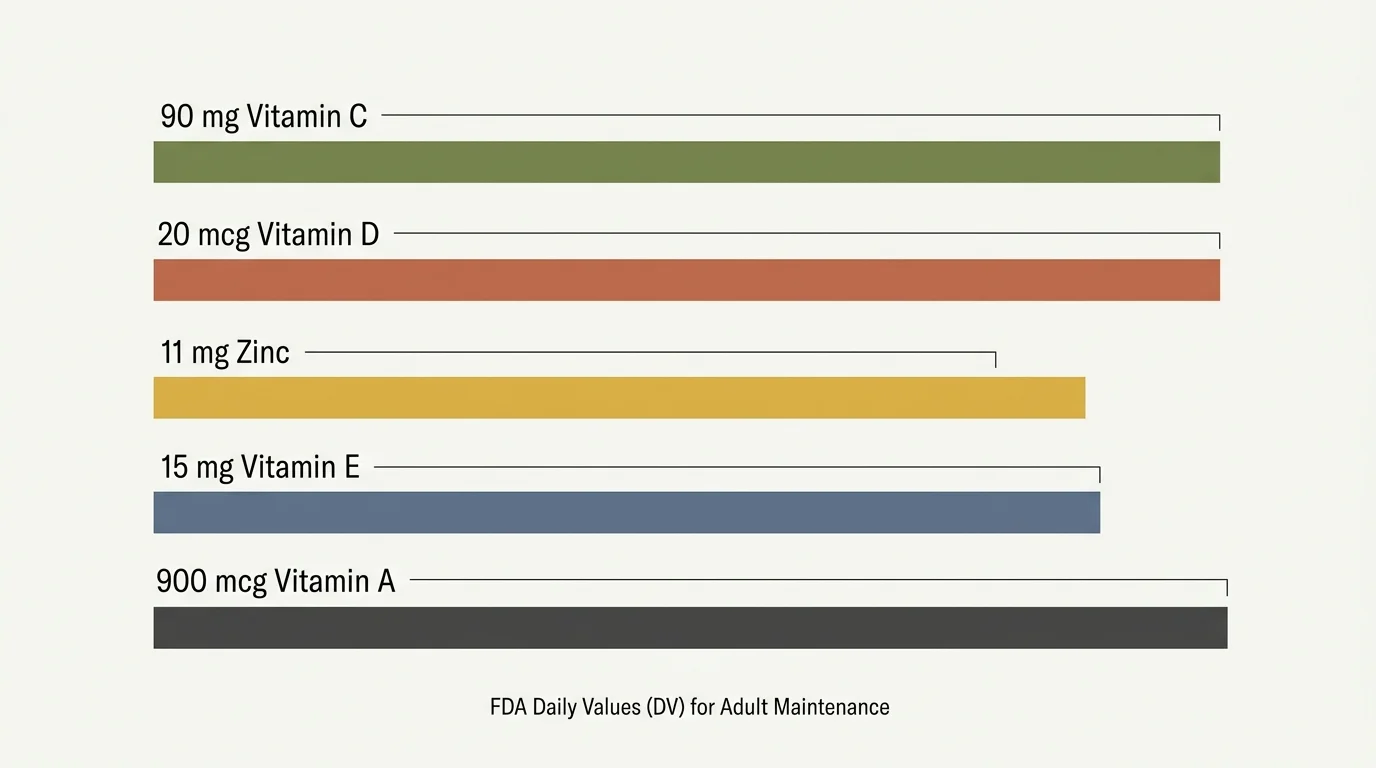
The Food and Drug Administration (FDA) establishes reference Daily Values (DV) defining the micronutrients adults need for cellular maintenance. Under federal regulations (21 CFR 101.9), the adult Daily Values for key immune-supporting nutrients are 90 milligrams of vitamin C, 20 micrograms (800 IU) of vitamin D, 11 milligrams of zinc, 15 milligrams of alpha-tocopherol vitamin E, and 900 micrograms of Retinol Activity Equivalents (RAE) of vitamin A. The Centers for Disease Control and Prevention (CDC) notes that poor nutrition compromises these pathways, reducing resistance to everyday infections. Crucially, whole foods support normal structure and function; they do not diagnose, treat, or cure medical diseases.

8 Evidence-Based Foods That Support Immune Health
1. Red Bell Peppers
When you consider vitamin C sources, citrus fruits often get primary attention, yet red bell peppers are remarkably more concentrated. According to the USDA FoodData Central database, a single medium raw red bell pepper provides approximately 152 milligrams of vitamin C—roughly 169 percent of the adult Daily Value. That is more than double the 70 milligrams found in a medium orange. Vitamin C accumulates in circulating phagocytes, enhancing their capacity to engulf and neutralize invading microbes. Red bell peppers also deliver beta-carotene, which converts to vitamin A to preserve the integrity of your respiratory and intestinal linings.
2. Citrus Fruits
Oranges, grapefruits, lemons, limes, and clementines remain foundational staples for immune health because they deliver highly bioavailable ascorbic acid alongside beneficial bioflavonoids like hesperidin. These bioflavonoids work in tandem with vitamin C to quench reactive oxygen species and buffer cells from oxidative damage during active immune responses. Because your body cannot synthesize or store water-soluble vitamin C, regular daily consumption is essential. Enjoy fresh citrus segments with your breakfast or squeeze fresh lemon juice over roasted vegetables to improve iron absorption and elevate daily micronutrient intake.
3. Garlic
Garlic has held a revered place in global culinary and wellness traditions for centuries, and biochemical research affirms its value. The primary bioactive agent in garlic is allicin, an organosulfur compound with recognized antimicrobial and immunomodulatory properties. Whole garlic cloves do not contain active allicin; the compound forms only when crushing or chopping ruptures cell walls, allowing the enzyme alliinase to convert alliin into allicin. Letting chopped garlic rest for 10 minutes before cooking preserves maximum enzyme activity before heat deactivates it. Add fresh minced garlic to dressings, soups, and vegetable sautés.
4. Ginger
Fresh ginger root contains powerful bioactive compounds known as gingerols and shogaols, which exhibit potent anti-inflammatory and antioxidative properties. Chronic low-grade inflammation drains immune reserves by keeping inflammatory cytokines constantly elevated; ginger helps downregulate pro-inflammatory markers like interleukin-6 and tumor necrosis factor-alpha. In addition, ginger promotes gastrointestinal comfort and motility, supporting the gut environment where the majority of your immune tissue resides. Grate fresh ginger into hot herbal teas, blend it into smoothies, or incorporate it into savory stir-fries and roasted vegetable dishes.
5. Plain Greek Yogurt and Fermented Foods
Approximately 70 to 80 percent of your immune tissue resides within your gut-associated lymphoid tissue (GALT). Fermented foods like plain Greek yogurt, kefir, kimchi, and sauerkraut supply live beneficial cultures, such as Lactobacillus and Bifidobacterium species, which reinforce your intestinal barrier. A scientific review in Frontiers in Immunology shows that balanced gut flora trains immune cells to distinguish harmless antigens from dangerous pathogens. Greek yogurt also provides high-quality protein, which supplies essential amino acids needed to build antibodies and repair tissues during recovery.
6. Almonds and Sunflower Seeds
While water-soluble antioxidants receive abundant praise, fat-soluble vitamin E is equally vital for defending cell membranes against oxidative degradation. Almonds are an exceptional source: a standard 1-ounce serving (about 23 whole kernels) provides 7.3 milligrams of alpha-tocopherol vitamin E, which delivers roughly 50 percent of the 15-milligram adult Daily Value. Sunflower seeds offer a comparable nutrient punch in every handful. Vitamin E supports T-cell-mediated immune function by preserving the integrity of immune cell membranes. Pair a handful of almonds with fresh fruit or sprinkle toasted sunflower seeds over salads.
7. Oysters and Shellfish
Zinc is an essential trace mineral required for enzyme function, DNA synthesis, and white blood cell development. Oysters represent nature’s most concentrated source of dietary zinc. According to the NIH Office of Dietary Supplements, a 3-ounce serving of cooked Pacific oysters provides 28 to 32 milligrams of zinc, delivering nearly 300 percent of the 11-milligram adult Daily Value. Adequate zinc intake prevents thymic atrophy and maintains natural killer cell activity. Plant-based eaters can source zinc from pumpkin seeds, lentils, and chickpeas, particularly when soaked or sprouted to reduce phytates.
8. Spinach and Dark Leafy Greens
Spinach, kale, and Swiss chard provide a wealth of immune-supportive micronutrients, including vitamin C, folate, non-heme iron, and provitamin A carotenoids. Folate is crucial for rapid DNA production when white blood cells multiply to fight off pathogens. Cooking spinach lightly—through gentle steaming or a quick sauté—breaks down cellular plant walls and reduces oxalic acid, which dramatically increases your body’s absorption of lutein and beta-carotene while preserving heat-sensitive vitamins. Fold fresh baby spinach into morning eggs, blend it into fruit smoothies, or toss hearty greens into warming soups.

Strategic Pillars for Long-Term Immune Resiliency
Pillar 1: Nutrient Synergy and Smart Food Pairings
Nutrients work most effectively when combined strategically. For instance, non-heme iron from dark leafy greens and legumes requires an acidic environment for optimal intestinal uptake; pairing those foods with the vitamin C in bell peppers or lemon juice dramatically enhances absorption. Similarly, fat-soluble vitamins like vitamins A and E require dietary fats to form absorbable digestive micelles. Always combine raw or steamed vegetables with healthy fats, such as extra virgin olive oil, avocados, or crushed nuts.
Pillar 2: Culinary Techniques That Preserve Bioactive Compounds
How you handle food in the kitchen directly determines the nutritional yield that reaches your bloodstream. Water-soluble vitamins like ascorbic acid and folate degrade when exposed to high heat and prolonged boiling. To minimize nutrient loss, choose quick steaming, light sautéing, or raw preparations over boiling. Additionally, remember to let crushed garlic rest for 10 minutes prior to cooking so alliinase can convert alliin into bioactive allicin before high heat inactivates the enzyme.
Pillar 3: Habit Formation and Consistent Daily Nourishment
Your immune defenses rely on sustained nourishment rather than acute dietary overhauls when you start feeling unwell. The Academy of Nutrition and Dietetics emphasizes that establishing consistent dietary routines creates dependable nutrient reserves that support daily cellular turnover. Plan weekly grocery lists around vibrant produce, incorporate fermented foods daily, and drink sufficient water to keep your mucous membranes moist and maintain effective lymphatic drainage.

Expert Perspectives and Clinical Safety Considerations
Registered dietitians stress that optimal immune function depends upon nutritional balance rather than excessive megadosing. While whole foods supply vitamins and minerals in harmonious ratios, taking high-dose single-nutrient supplements can cause physiological imbalances. For instance, chronic zinc supplementation exceeding the tolerable upper intake level of 40 milligrams daily can suppress immune cell function, trigger nausea, and induce a secondary copper deficiency. Always prioritize whole dietary sources before considering concentrated supplements.
Personal health contexts also dictate specific safety precautions. If you take anticoagulant medications such as warfarin, keep your dietary vitamin K intake consistent rather than abruptly increasing your consumption of dark leafy greens. Individuals with diagnosed shellfish allergies must avoid oysters and crab entirely, opting for plant-based zinc sources instead. If you live with an autoimmune condition, kidney disease, or a complex medical history, consult a registered dietitian or your primary physician before making significant dietary modifications.
Frequently Asked Questions About Immune Nutrition
Can megadosing vitamin C supplements stop a cold once symptoms begin?
Clinical trials indicate that high-dose vitamin C taken after symptoms start does not reliably stop a cold or cure an active respiratory infection. While adequate daily intake of vitamin C can slightly shorten the duration of an illness, excess water-soluble vitamin C is rapidly excreted through urine and may cause digestive upset. Relying on regular whole-food sources provides steady antioxidant protection without gastrointestinal irritation.
How quickly do dietary changes improve immune markers?
Certain dietary improvements yield rapid results, while others require steady consistency over several weeks. Incorporating fermented foods and diverse prebiotic fibers can positively alter gut microbial activity and reduce systemic inflammatory markers within one to two weeks. However, replenishing tissue stores of fat-soluble antioxidants like vitamin E and building strong cellular reserves requires several weeks of consistent, nutrient-dense nutrition.
What is the difference between an immune-boosting food and an immune-supporting food?
The phrase “immune boosting” is a popular marketing slogan rather than a physiological reality; genuinely overstimulating your immune system could provoke dangerous hyper-inflammatory or autoimmune reactions. In contrast, “immune-supporting” foods provide the necessary biochemical cofactors, antioxidants, and trace minerals your body requires to maintain balance, mount a controlled defense, and repair damaged tissues efficiently.
Are frozen fruits and vegetables as nutritious as fresh produce?
Commercially frozen fruits and vegetables are just as nutritious—and sometimes even superior—to fresh produce that has spent days in transit or storage. Flash-freezing crops shortly after harvest locks in delicate micronutrients such as vitamin C and carotenoids. Using frozen berries, spinach, and bell peppers provides an affordable, practical way to maintain immune nutrition throughout the year.
Take Your Next Step Today
Strengthening your immune health does not require complicated cleanses or costly boutique powders; it thrives on small, sustainable improvements to your daily routine. Choose one actionable goal to implement within the next 24 hours: add sliced red bell peppers to your lunch, let your minced garlic rest for 10 minutes before making dinner, or swap a sugary snack for a handful of almonds and a fresh orange. Every wholesome choice you make directly equips your immune cells with the vital fuel they need to keep you vibrant and resilient.