
Managing your cardiovascular health starts right on your dinner plate, where strategic food choices can measurably lower elevated blood pressure within weeks. Nearly half of all adults in the United States currently navigate hypertension, yet targeted nutritional adjustments often produce clinical improvements comparable to standard initial therapies. By supplying your vascular system with essential minerals like potassium and magnesium, along with naturally occurring dietary nitrates and specialized soluble fibers, whole foods actively relax arterial walls and improve systemic circulation. Understanding how specific everyday ingredients influence your blood vessels empowers you to take control of your cardiovascular wellness through sustainable, delicious daily meals.
Understanding Blood Pressure and Dietary Impact
According to clinical standards established by the American College of Cardiology and the American Heart Association, a healthy blood pressure reading sits below 120/80 mm Hg. When your systolic number reaches 120 to 129 mm Hg while your diastolic remains under 80 mm Hg, you have elevated blood pressure. Stage 1 hypertension begins at 130 to 139 mm Hg systolic or 80 to 89 mm Hg diastolic; Stage 2 hypertension occurs when readings reach or exceed 140/90 mm Hg. Data published by the Centers for Disease Control and Prevention indicates that approximately 47% of adults in the United States—roughly 122 million individuals—meet the criteria for hypertension or take prescription antihypertensive medication.
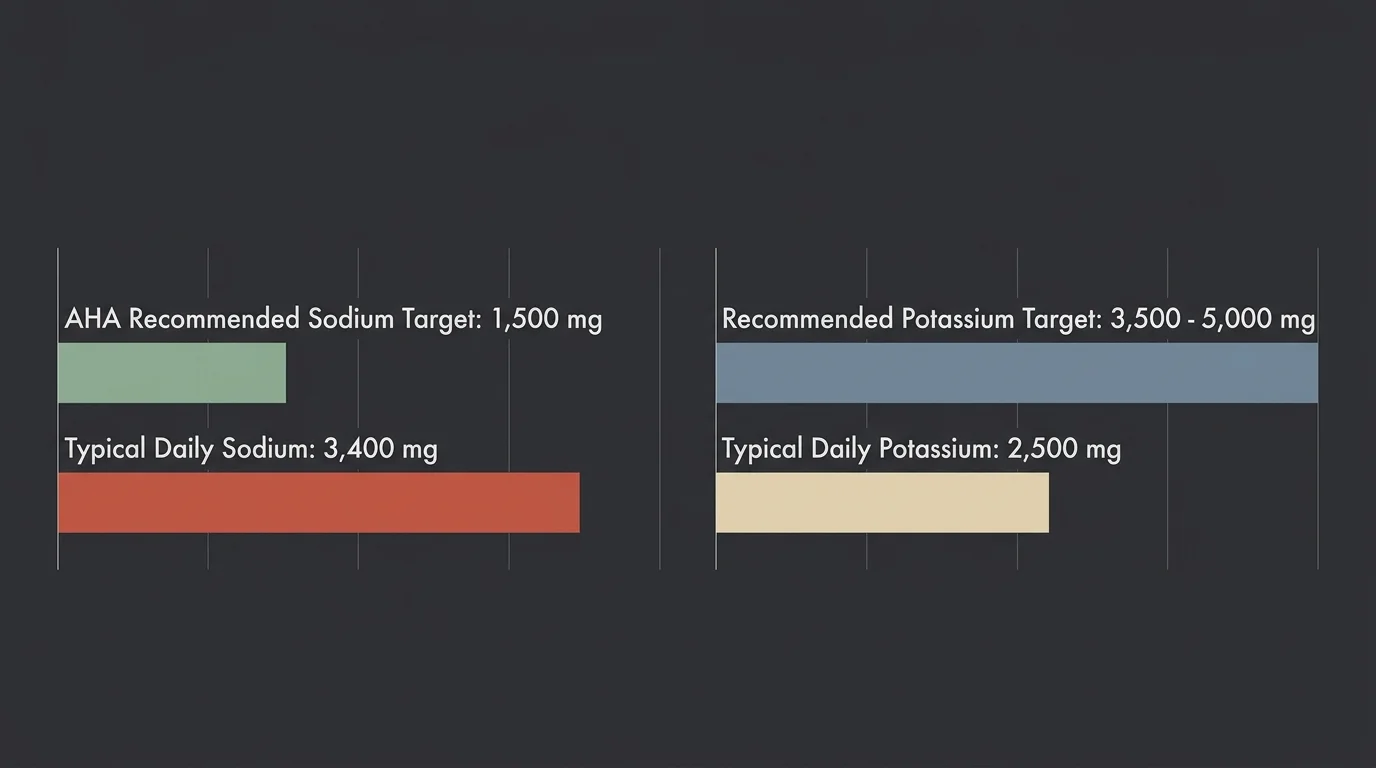
The physiological mechanism linking your diet to arterial pressure centers primarily around the delicate balance between sodium and potassium. The American Heart Association advises capping daily sodium intake at 2,300 milligrams, with an optimal target of 1,500 milligrams for adults managing hypertension. In stark contrast, the typical Western diet delivers roughly 3,400 milligrams of sodium each day, which prompts your kidneys to retain excess water, expanding your total blood volume and forcing your heart to pump against stiffened resistance. Simultaneously, clinical guidelines recommend consuming 3,500 to 5,000 milligrams of dietary potassium daily, yet the average American consumes a mere 2,500 milligrams. Boosting your intake of potassium-rich whole foods encourages your kidneys to excrete excess sodium while directly signaling the smooth muscle cells lining your arteries to relax.
Three Pillars for Cardiovascular Nutrition Success
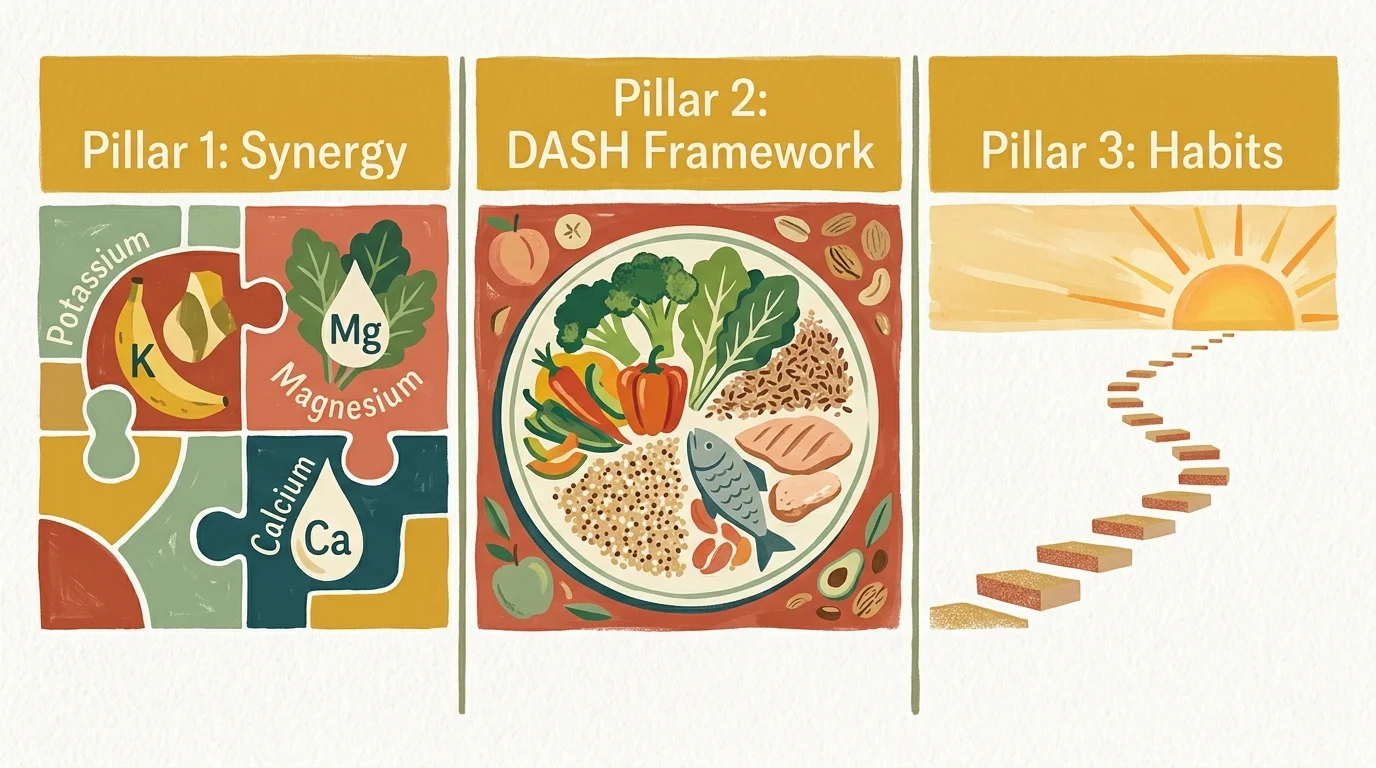
Transforming your blood pressure profile requires an approach that goes beyond simply eliminating the salt shaker from your dining table. A robust nutritional strategy rests upon three fundamental pillars: nutrient synergy, whole-food meal architecture, and sustainable habit formation.
First, prioritize nutrient synergy by consuming foods that deliver potassium, magnesium, and calcium in biological harmony. Magnesium acts as a natural calcium channel blocker within your vascular smooth muscle; it prevents involuntary vessel constriction and allows your arteries to dilate smoothly. Calcium helps regulate vascular tone, while dietary fiber binds excess bile acids and optimizes metabolic markers. Combining these micronutrients through diverse, unprocessed whole foods magnifies their individual blood-pressure-lowering effects.
Second, organize your weekly meals around the evidence-backed framework established by the Dietary Approaches to Stop Hypertension (DASH) eating plan. Rather than focusing on restrictive deprivation, anchor your plate with colorful vegetables, intact whole grains, lean proteins, and unsaturated fats. You can achieve this affordably across diverse culinary traditions by stocking budget-friendly staples such as dry lentils, frozen berries, canned low-sodium beans, and dark leafy greens.
Third, construct resilient daily habits rather than pursuing short-term dietary overhauls. Sudden, drastic changes often trigger compliance fatigue within weeks. Instead, systematically swap processed condiments for aromatic herbs and spices; replace refined breakfast cereals with whole oats; and keep portable, heart-friendly snacks like unsalted pumpkin seeds or fresh fruit readily accessible. Over time, these micro-habits compound into lasting vascular resilience.

8 Evidence-Based Foods That Lower Blood Pressure
1. Beetroot and Pure Beet Juice
Beets represent one of nature’s most concentrated sources of inorganic dietary nitrates. Once consumed, beneficial bacteria residing in your mouth convert these nitrates into nitrites, which your body subsequently transforms into nitric oxide—a potent gas signaling molecule that widens your blood vessels and enhances arterial elasticity. Systematic reviews in peer-reviewed literature confirm that drinking 70 to 250 milliliters of beetroot juice, delivering roughly 300 to 500 milligrams of dietary nitrate, reduces clinical systolic blood pressure by approximately 4.9 to 5.3 mm Hg within hours. You can roast fresh beets with rosemary, blend them into morning smoothies, or drink pure unsweetened beet juice before exercise to capture these vascular benefits.
2. Ground Flaxseed
Flaxseed provides a triple combination of heart-supporting compounds: alpha-linolenic acid (a plant-based omega-3 fatty acid), lignans, and viscous soluble fiber. Comprehensive meta-analyses of randomized controlled trials demonstrate that consuming approximately 30 grams of ground flaxseed daily for at least 12 weeks reduces systolic pressure by 4.3 to 8.6 mm Hg and diastolic pressure by 2.5 to 4.9 mm Hg in individuals with hypertension. Always select ground flaxseed rather than whole seeds because whole hulls pass through your digestive tract undigested, preventing your body from absorbing the active nutrients. Stir two tablespoons of ground flaxseed into oatmeal, yogurt bowls, or homemade baked goods daily.
3. Fatty Fish Rich in Omega-3s
Cold-water fatty fish such as wild salmon, Atlantic mackerel, sardines, and trout deliver high concentrations of eicosapentaenoic acid (EPA) and docosahexaenoic acid (DHA). These long-chain omega-3 fatty acids actively dampen systemic inflammation, reduce vascular oxylipins, and promote endothelial relaxation. The American Heart Association recommends eating at least two 3- to 4-ounce servings of non-fried fatty fish weekly. Clinical meta-analyses indicate that an intake of roughly 2 to 3 grams daily of combined EPA and DHA lowers systolic blood pressure by an average of 4.5 mm Hg in adults with hypertension. Broiling, poaching, or grilling fresh or canned sardines and salmon provides an exceptional nutritional return for your cardiovascular health.
4. Garlic and Aged Garlic Extract
Garlic contains organosulfur compounds, most notably allicin and S-allyl-cysteine, which stimulate cellular nitric oxide production and inhibit angiotensin II—a biological enzyme that causes blood vessels to constrict. Clinical trials published in the National Library of Medicine demonstrate that standardized aged garlic extract, taken at doses between 600 and 1,200 milligrams daily, reduces systolic blood pressure by roughly 8.3 mm Hg and diastolic pressure by 5.5 mm Hg in hypertensive individuals. This magnitude of reduction rivals the therapeutic impact of several primary blood pressure medications. If cooking with fresh garlic, crush or mince the cloves and let them rest at room temperature for ten minutes before applying heat to activate the alliinase enzyme fully.
5. Oats and Oat Bran
Whole oats supply substantial amounts of beta-glucan, a unique gel-forming soluble fiber that binds cholesterol in the digestive tract and enhances vascular function through short-chain fatty acid production in the gut microbiome. Meta-analyses reveal that consuming at least 3 grams of oat beta-glucan daily—the quantity present in roughly 1 to 1.5 cups of cooked rolled oats or half a cup of oat bran—lowers systolic blood pressure by 3 to 4 mm Hg and diastolic pressure by 1.5 to 2 mm Hg. Enjoy steel-cut or rolled oats topped with cinnamon and sliced fruit, or use oat flour to thicken savory soups and stews.
6. Dark Leafy Greens
Greens such as Swiss chard, baby spinach, kale, and collards deliver unmatched concentrations of dietary potassium and magnesium alongside natural plant nitrates. A single cooked cup of Swiss chard yields almost 1,000 milligrams of potassium, representing nearly 30% of your daily clinical target. These micronutrients work synchronously to lower vascular tone, decrease central arterial stiffness, and enhance renal sodium filtration. Incorporate raw spinach into lunchtime wraps, sauté collard greens with garlic and olive oil, or toss tender massaged kale into grain bowls.
7. Berries Rich in Anthocyanins
Blueberries, blackberries, raspberries, and strawberries derive their vivid red and purple hues from anthocyanins, a subgroup of flavonoid antioxidants. Anthocyanins enhance endothelial nitric oxide synthase activity, thereby protecting your arterial lining against oxidative degradation and maintaining vessel flexibility. Longitudinal studies demonstrate that higher dietary intakes of anthocyanin-rich berries correlate with an 8 to 12% lower risk of developing hypertension over time. Add a cup of fresh or frozen berries to your morning breakfast or enjoy them as a naturally sweet, nutrient-dense evening dessert.
8. Beans, Lentils, and Legumes
Lentils, chickpeas, black beans, and split peas are nutritional workhorses packed with soluble fiber, plant protein, potassium, and magnesium. Their complex carbohydrate matrix digests slowly, preventing the postprandial glucose and insulin spikes that can contribute to arterial inflammation and vasoconstriction. Clinical feeding trials show that incorporating one cup of cooked legumes daily helps reduce both systolic and diastolic blood pressure readings significantly over six weeks. Blend chickpeas into homemade hummus, simmer lentils into rich vegetable curries, or toss black beans into fresh salads.
Clinical Safety, Contraindications, and Medication Synergy
While integrating functional, whole foods into your daily meals offers profound cardiovascular advantages, you must coordinate substantial dietary changes with your healthcare team. If your physician has already prescribed antihypertensive medications—such as ACE inhibitors, angiotensin receptor blockers, or calcium channel blockers—never discontinue or alter your dosage without medical supervision. Combining antihypertensive foods with pharmaceutical medications often creates a beneficial synergistic effect, but your physician must monitor your blood pressure to prevent it from dropping excessively low (hypotension).
Furthermore, specific clinical contraindications require thoughtful personalization. If you manage chronic kidney disease (CKD), your kidneys may struggle to clear elevated amounts of potassium from your bloodstream; you must follow the precise potassium thresholds provided by your nephrologist or renal dietitian before increasing foods like Swiss chard, beet juice, or legumes. Additionally, high-dose garlic supplements and therapeutic fish oil supplements exert mild antiplatelet and anticoagulant effects. If you currently take prescription blood thinners such as warfarin or direct oral anticoagulants, consult your doctor prior to initiating high-potency extracts to avoid altering your bleeding parameters.
Frequently Asked Questions
How quickly can dietary changes lower my blood pressure readings?
Certain vascular responses occur rapidly; for instance, dietary nitrates from beetroot juice can expand blood vessels and reduce systolic pressure within two to six hours after ingestion. However, sustained structural improvements in arterial compliance and systemic pressure typically require four to twelve weeks of consistent dietary adherence.
Can I stop taking my blood pressure medication if I eat these foods daily?
No, you should never stop or reduce your prescription medication on your own. While whole foods can lower blood pressure by several points, dietary modifications should complement your overall treatment plan under your doctor’s supervision, allowing your physician to adjust your prescriptions safely if your numbers improve.
Is fresh beetroot better than beetroot powder or pickled beets?
Fresh roasted beets and cold-pressed pure beetroot juice preserve the highest levels of natural inorganic nitrates. Commercially pickled beets often lose significant nitrate content during the pickling liquid soak and frequently carry added sodium or sugar, while standardized nitrate powders can serve as a convenient alternative if sourced from reputable brands.
How can I increase potassium safely if I do not enjoy bananas?
Bananas are actually not the top potassium source; one medium banana contains approximately 420 milligrams of potassium. You can achieve significantly higher amounts by consuming a cup of cooked Swiss chard (960 mg), a medium baked potato with skin (920 mg), a cup of cooked white beans (1,000 mg), or a cup of cooked spinach (840 mg).
Your 24-Hour Action Plan
Achieving meaningful cardiovascular health does not require overnight perfection; it requires purposeful, incremental action. Within the next 24 hours, commit to making one heart-protective upgrade to your daily routine. Add two tablespoons of ground flaxseed to your morning meal, swap a processed side dish for steamed dark leafy greens at dinner, or purchase a low-sodium can of beans to build a nutrient-dense lunch. Log your baseline blood pressure reading at home, stay consistent with your whole-food choices, and watch your vascular health flourish over the coming weeks.