You can protect your cognitive function and sharpen your memory simply by tapping into your spice rack. Research confirms that specific kitchen spices contain potent compounds that shield your brain from age-related decline.
By adding anti-inflammatory seasonings like turmeric, saffron, and Ceylon cinnamon to your daily meals, you actively defend your neural pathways against dementia. These culinary staples deliver measurable neuroprotective benefits at every stage of life.
Here is how evidence-based spices safeguard your brain, along with actionable ways to incorporate them into your routine starting today.

The Growing Urgency of Cognitive Longevity
More than 7 million Americans aged 65 and older live with Alzheimer’s dementia today. The Alzheimer’s Association projects this figure will reach nearly 13 million by 2050.
Losing mental clarity is not an inevitable consequence of aging. Emerging lifestyle research demonstrates that targeted nutritional interventions can significantly preserve your brain structure and everyday memory.
According to the Lancet Commission on Dementia Prevention, addressing 14 modifiable lifestyle risk factors across your lifespan can theoretically delay or prevent up to 45% of dementia cases globally.
Dietary quality serves as a primary pillar of that preventative framework. Incorporating antioxidant-rich spices into your cooking provides an accessible, cost-effective way to lower risk factors right from your kitchen.
The Science of Spices and Neuroprotection
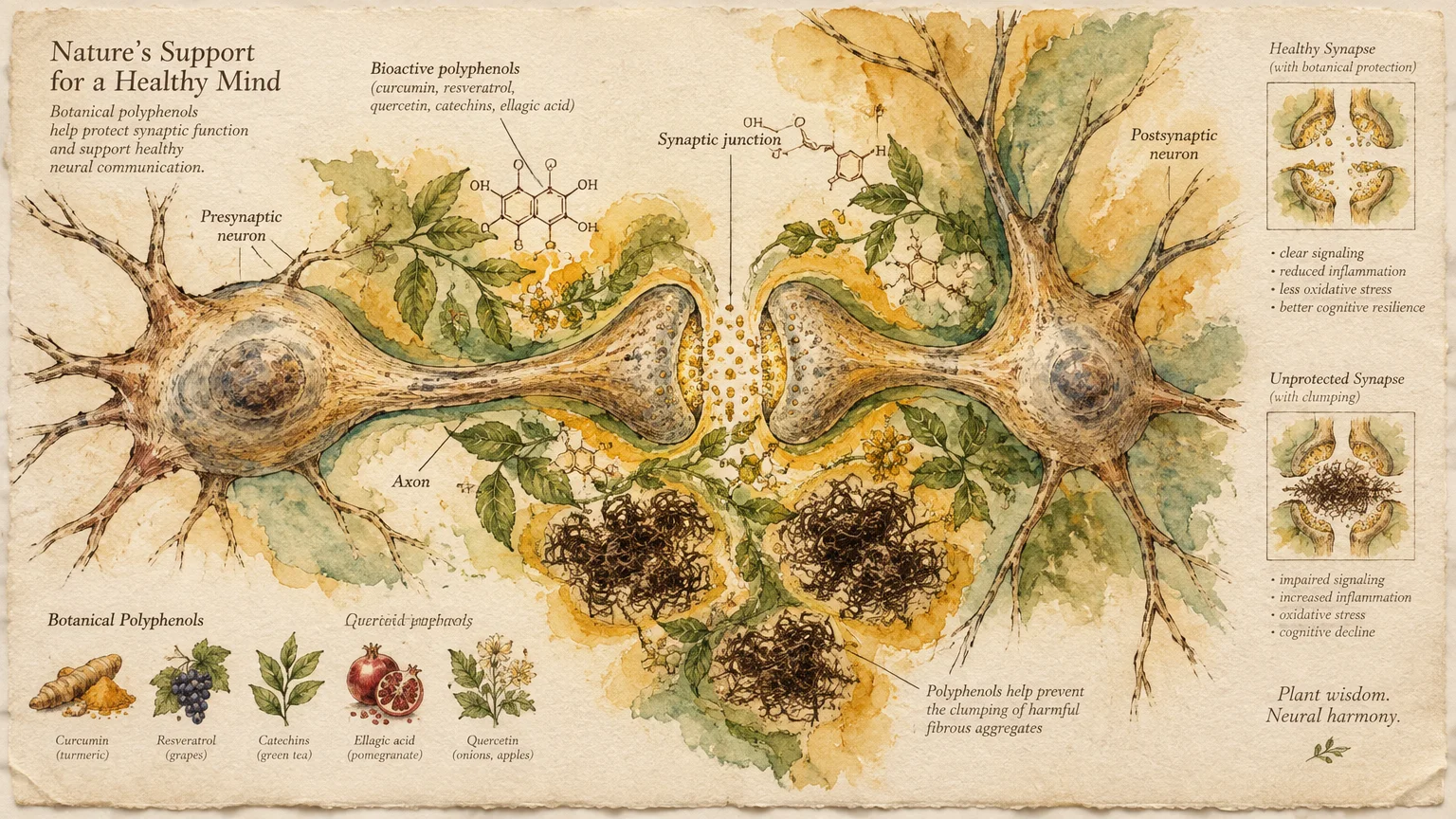
Dementia development involves complex biological mechanisms that unfold over decades. Chronic low-grade neuroinflammation and unmitigated oxidative stress slowly erode synaptic connections long before noticeable memory loss begins.
Toxic proteins, notably amyloid-beta plaques and hyperphosphorylated tau tangles, gradually accumulate and suffocate healthy neurons. Impaired cerebral blood flow further starves brain tissue of vital oxygen and glucose.
Culinary spices harbor dense concentrations of bioactive polyphenols and volatile oils. These unique plant compounds traverse the blood-brain barrier to neutralize free radicals and suppress inflammatory enzymes directly inside brain tissue.
Turmeric and Black Pepper: The Dynamic Memory Duo
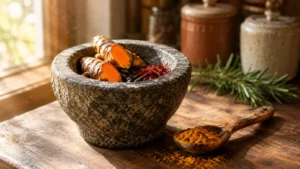
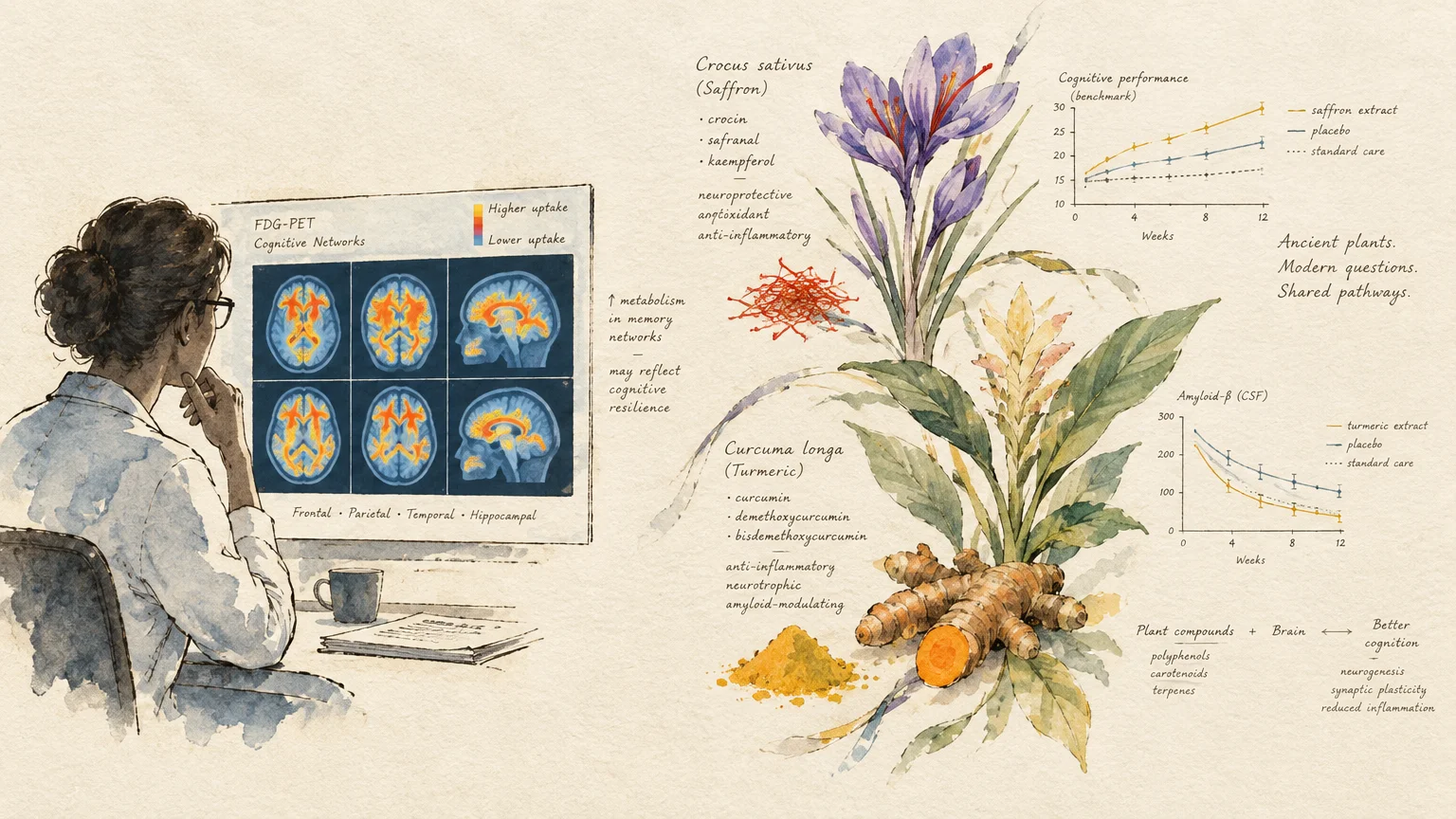
Turmeric owes its vibrant golden hue and medicinal power to curcumin, an extensively studied polyphenol. Curcumin binds directly to amyloid proteins, preventing them from clumping together into neurotoxic plaques.
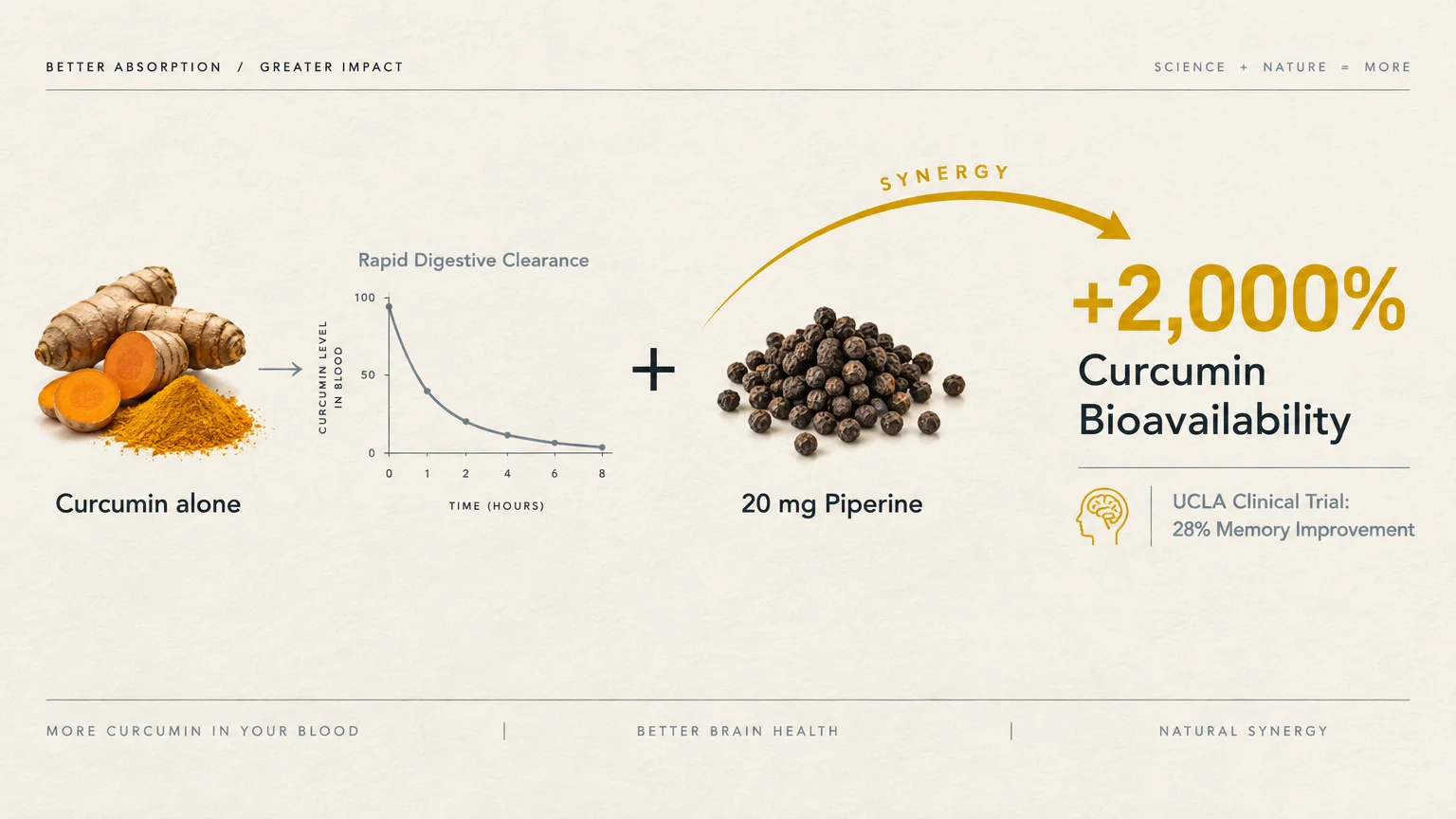
In an 18-month clinical trial conducted at UCLA and published in the American Journal of Geriatric Psychiatry, adults taking bioavailable curcumin experienced a 28% improvement in memory assessments.
Brain PET scans from that trial also revealed significantly decreased amyloid and tau signals in memory-controlling regions. Participants experienced sharper recall and improved attention compared to those receiving a placebo.
Curcumin faces a major physiological obstacle: your digestive tract metabolizes it rapidly before significant amounts reach systemic circulation. This rapid clearance significantly blunts its potential neurological benefits.
Landmark research in Planta Medica demonstrated that consuming 20 milligrams of piperine alongside 2 grams of curcumin increases curcumin bioavailability by up to 2,000%.
You can easily achieve this synergy at home. Seasoning roasted vegetables, lentil soups, or scrambled eggs with turmeric and freshly cracked black pepper optimizes your daily nutrient uptake.
Saffron: The Golden Thread for Neurotransmitter Balance
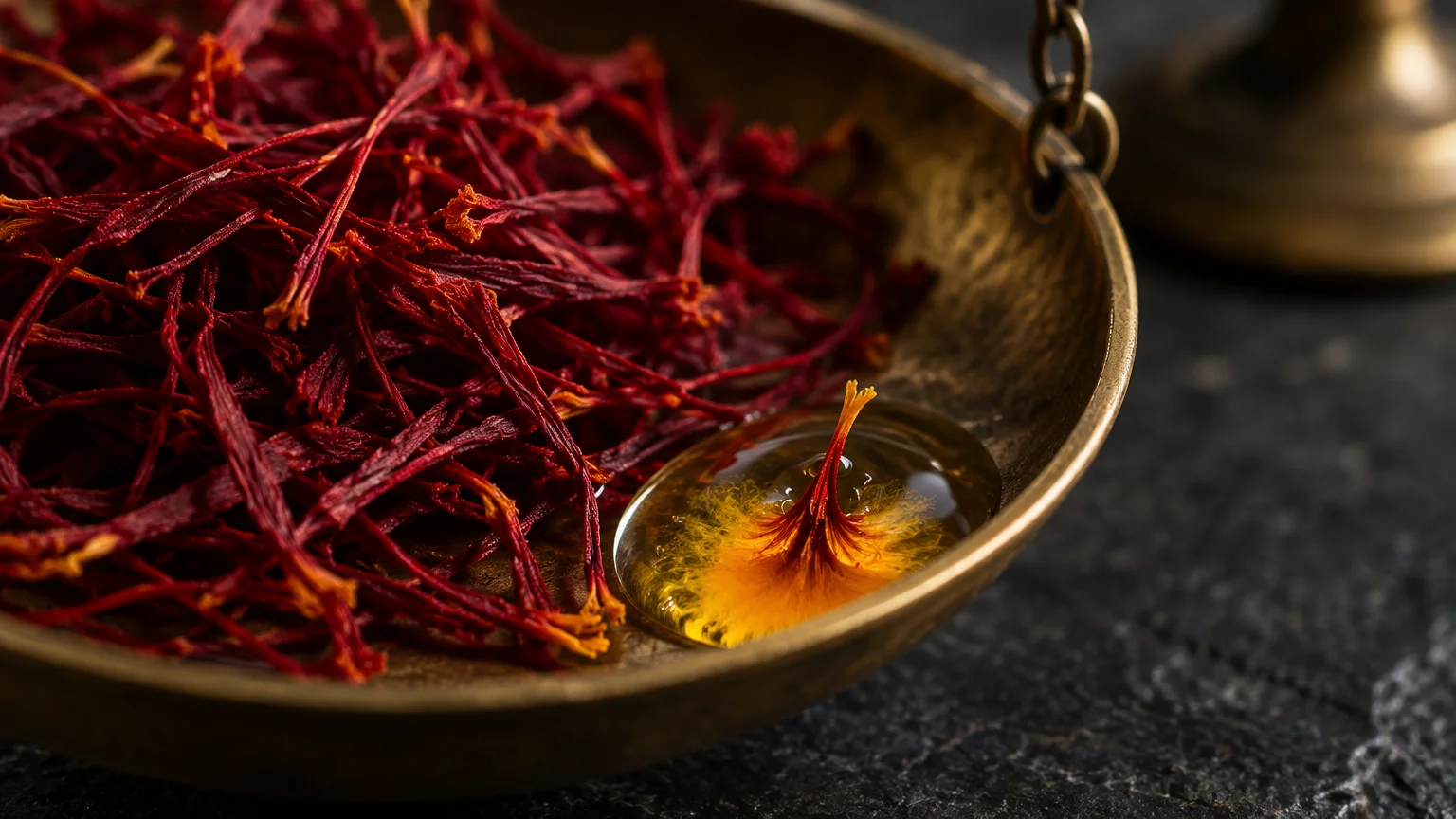
Saffron, harvested by hand from the Crocus sativus flower, ranks as the world’s most precious culinary spice. Its primary active carotenoids, crocin and crocetin, offer remarkable therapeutic benefits for cognitive health.
These compounds prevent the breakdown of acetylcholine, a critical neurotransmitter essential for learning and memory formation. Saffron also stimulates brain-derived neurotrophic factor, encouraging the growth of resilient neural pathways.
A 22-week clinical trial published in Psychopharmacology evaluated saffron extract against Donepezil, a standard Alzheimer’s medication. Patients receiving 30 milligrams of daily saffron achieved cognitive improvements equivalent to Donepezil, with significantly fewer digestive side effects like vomiting.
Beyond memory retention, saffron elevates mood by modulating serotonin and dopamine pathways. You can steep a small pinch of saffron threads in warm water or broth before adding it to rice, soups, or vegetable stews.
Ceylon Cinnamon: Regulating Blood Sugar to Protect Synapses
Researchers frequently describe Alzheimer’s disease as “Type 3 diabetes” due to the profound link between impaired brain insulin signaling and cognitive decline. Chronic insulin resistance starves brain cells of essential fuel.
Cinnamon contains cinnamaldehyde, a compound that enhances insulin sensitivity and facilitates cellular glucose uptake. By maintaining stable blood sugar levels, cinnamon protects delicate cerebral microvessels from advanced glycation damage.
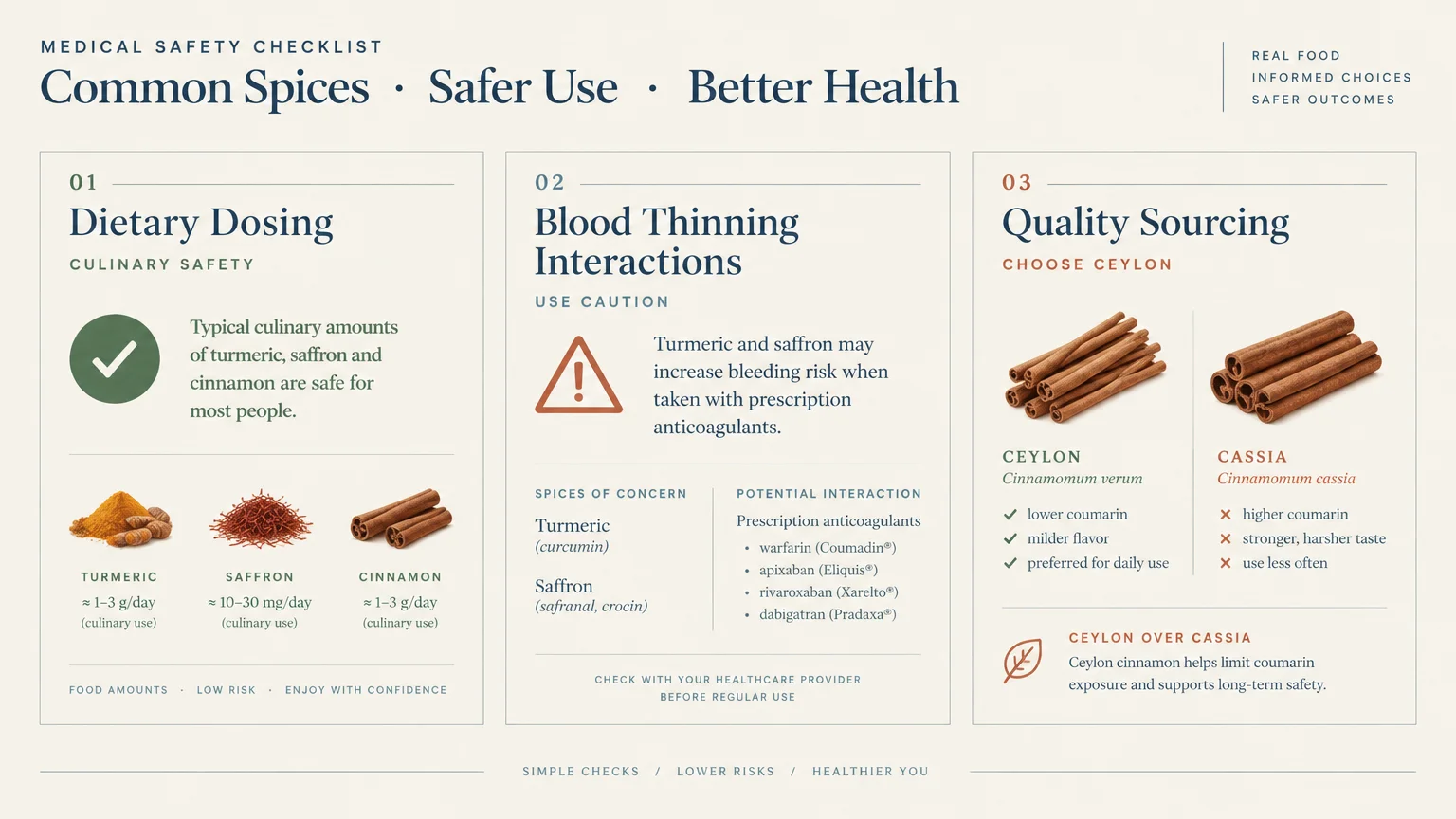
Selecting the correct cinnamon species is vital for your long-term health and safety. Most grocery store shelves carry Cassia cinnamon, which contains substantial levels of coumarin, a naturally occurring compound that causes liver toxicity.
The European Food Safety Authority sets a Tolerable Daily Intake of 0.1 milligrams of coumarin per kilogram of body weight. Consuming just one teaspoon of Cassia cinnamon can exceed this safe daily threshold.
Ceylon cinnamon contains only trace amounts of coumarin, making it far safer for daily consumption. It supports healthy metabolic function without burdening your liver.
Purity represents another critical safety factor. The U.S. Food and Drug Administration has issued public health alerts regarding elevated lead contamination in multiple retail ground cinnamon brands.
Always purchase third-party certified organic Ceylon cinnamon from transparent suppliers to avoid heavy metal contamination. Stir a half-teaspoon into morning oatmeal or brewed coffee for effortless neuroprotection.
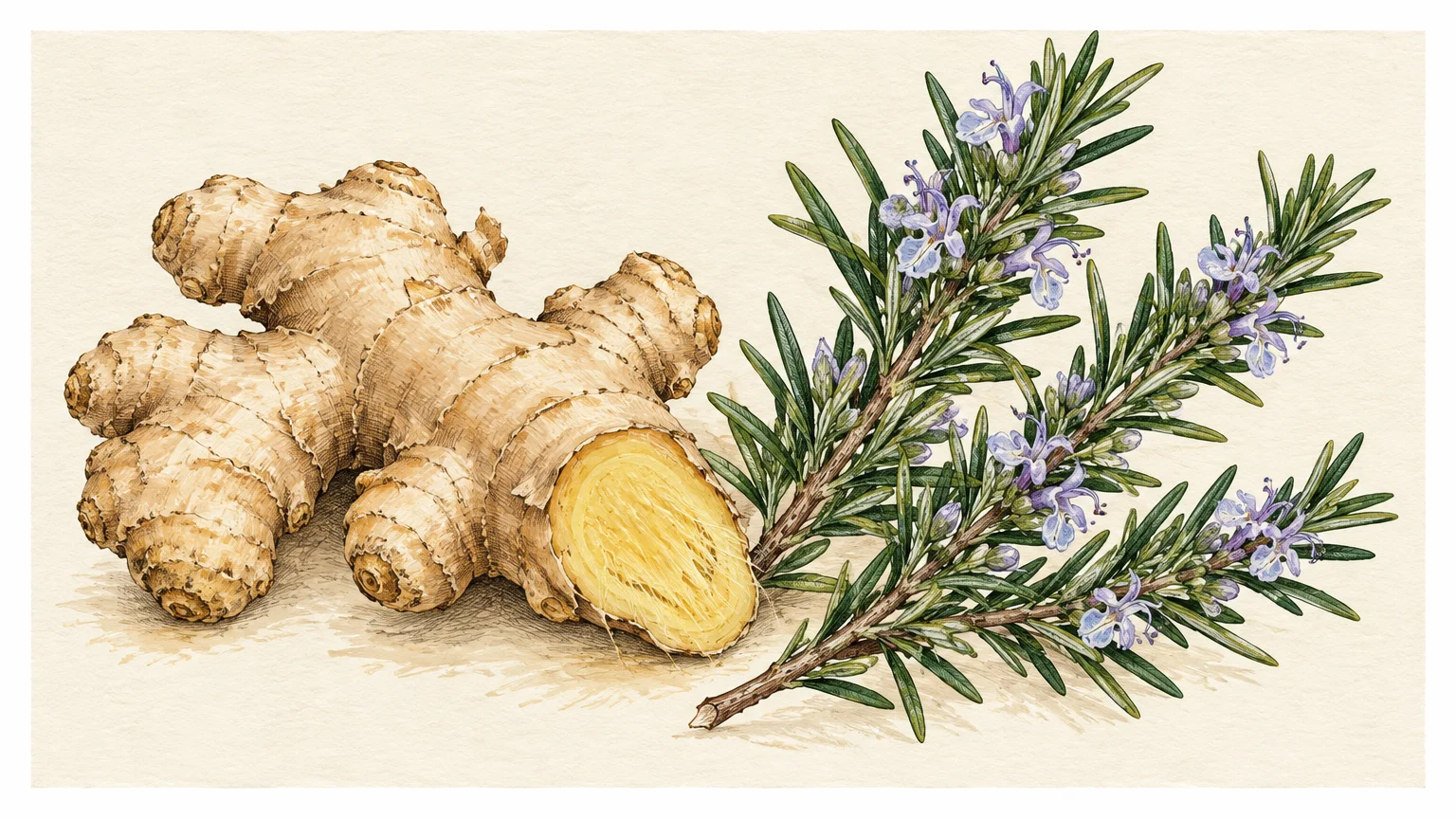
Ginger and Rosemary: Protecting Neurons from Daily Wear
Ginger contains potent bioactive compounds known as gingerols and shogaols. These molecules cross your blood-brain barrier to suppress inflammatory cytokines like tumor necrosis factor-alpha and interleukin-6.
Emerging clinical studies indicate that regular ginger consumption improves working memory and shortens cognitive reaction times. Its potent anti-inflammatory properties shield brain tissue from systemic inflammation caused by chronic metabolic stress.
Rosemary has symbolized remembrance across diverse cultural traditions for centuries. Modern neuroscience validates this ancient wisdom through carnosic acid and rosmarinic acid, which protect neurons from lipid peroxidation and maintain optimal acetylcholine signaling.
Fresh and dried rosemary pair seamlessly with roasted root vegetables, lean poultry, and bean dishes. You can also steep fresh ginger slices in hot water with lemon for an invigorating, brain-protective morning tonic.
Strategy Pillar 1: Smart Meal Planning for Brain Defense
Protecting your cognitive longevity requires building consistent, sustainable nutritional habits rather than relying on sporadic superfood doses. Integrating neuroprotective spices into your weekly meal planning ensures a steady stream of protective polyphenols.
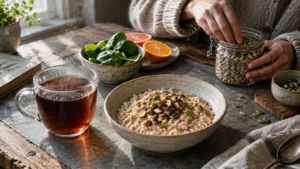
Begin your morning by infusing your breakfast with stable blood-sugar regulators. Dusting warm steel-cut oats or chia seed pudding with Ceylon cinnamon creates a sustained release of glucose for mental focus.
For midday lunches, dress fresh leafy greens or warm grain bowls with an antioxidant vinaigrette. Whisk extra virgin olive oil with lemon juice, freshly grated ginger, minced garlic, and cracked black pepper.
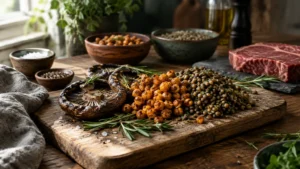
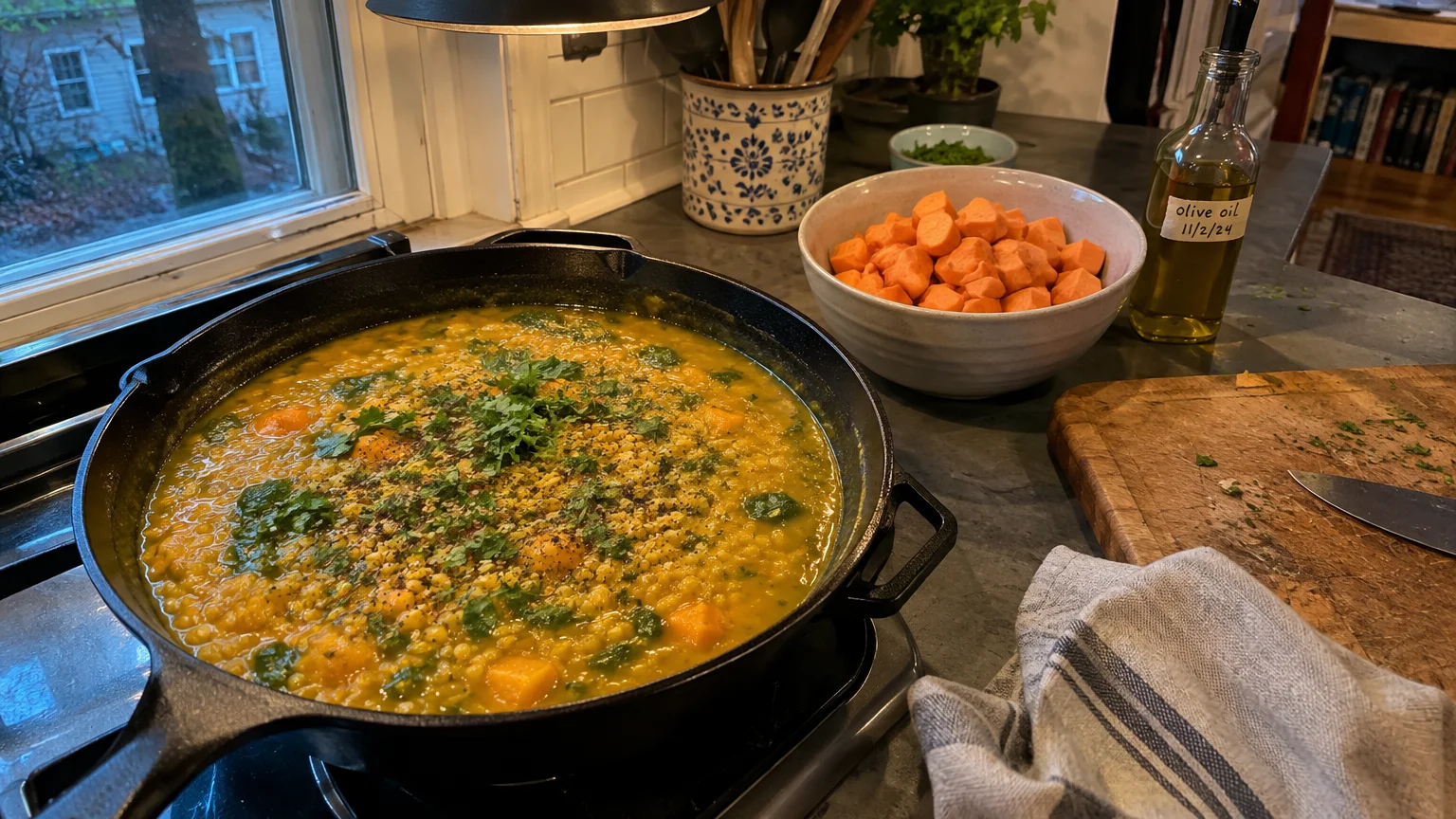
Evening meals provide an ideal opportunity to utilize comforting spice profiles. Simmer curried lentils, chickpeas, or roasted chicken with generous dashes of turmeric, freshly ground black pepper, and ground cumin.
Rotate your seasonings throughout the week to maximize the diversity of your botanical intake. A varied culinary spice rotation nourishes beneficial gut microbiota, directly strengthening your vital gut-brain axis.
Strategy Pillar 2: Maximizing Bioavailability and Nutrient Synergy
The bioactive compounds in brain-supporting spices possess distinct chemical solubility properties. Understanding these basic principles helps you extract the greatest biological benefit from every pinch in your kitchen.
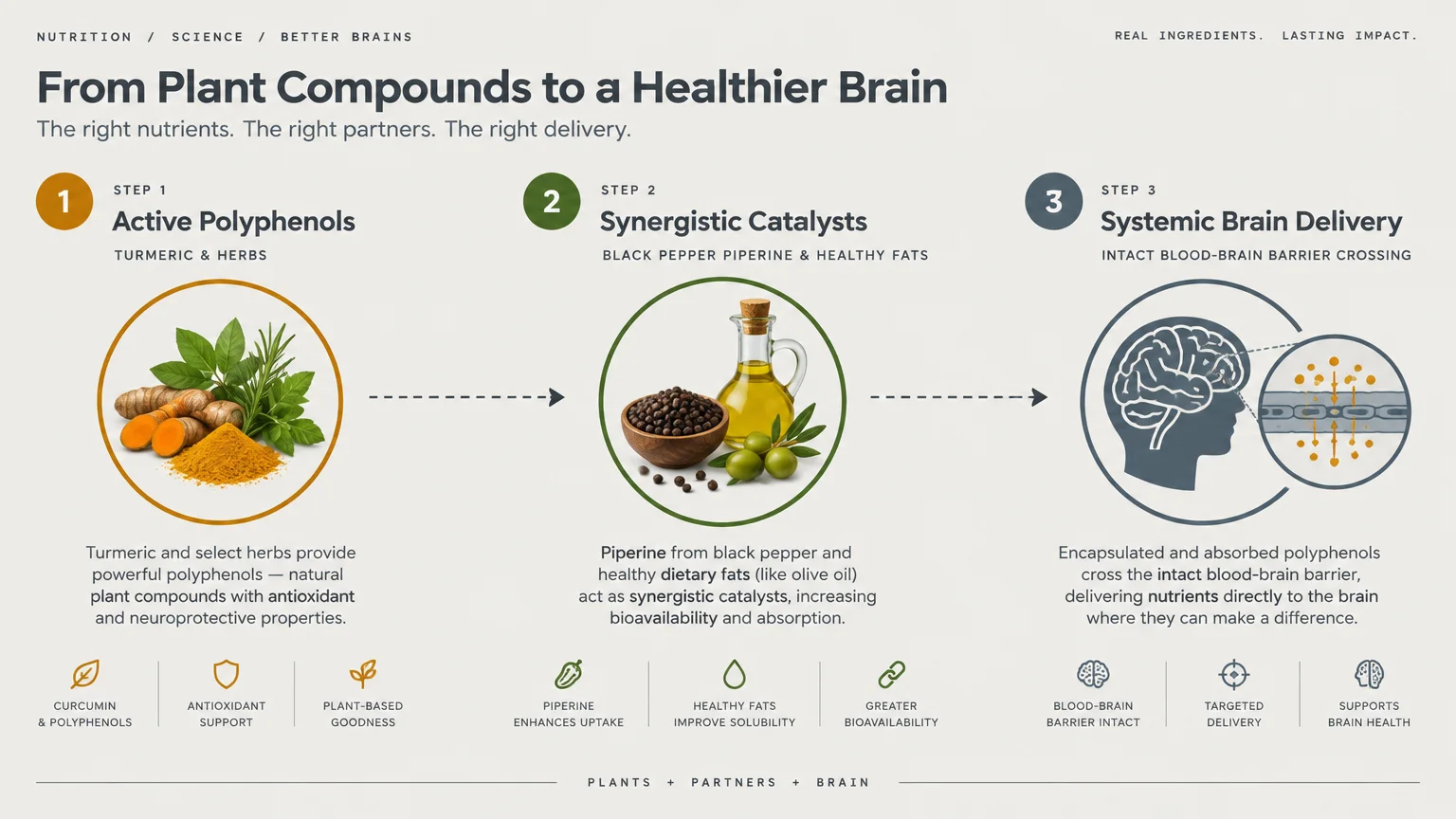
Curcumin, carotenoids, and carnosic acid are primarily fat-soluble compounds. If you consume them without dietary lipids, your digestive system expels the vast majority before your tissues can absorb them.
Always cook your spices alongside wholesome culinary fats like extra virgin olive oil, avocado oil, or crushed nuts. The lipid matrix dissolves the phytochemicals and facilitates their passage across the intestinal wall.
Temperature management also preserves fragile plant polyphenols. While light sautéing unlocks aroma and activates therapeutic compounds, scorching heat can degrade delicate antioxidants.
Add delicate seasonings like saffron threads and dried rosemary toward the final stages of cooking. This gentle heating technique preserves volatile aromatic oils while extracting potent medicinal carotenoids into your food.
Strategy Pillar 3: Habit Formation and Kitchen Organization
Scientific knowledge alone does not protect your brain; daily execution creates lasting neuroprotective results. Designing your physical cooking environment makes seasoning your meals an effortless, automatic reflex.
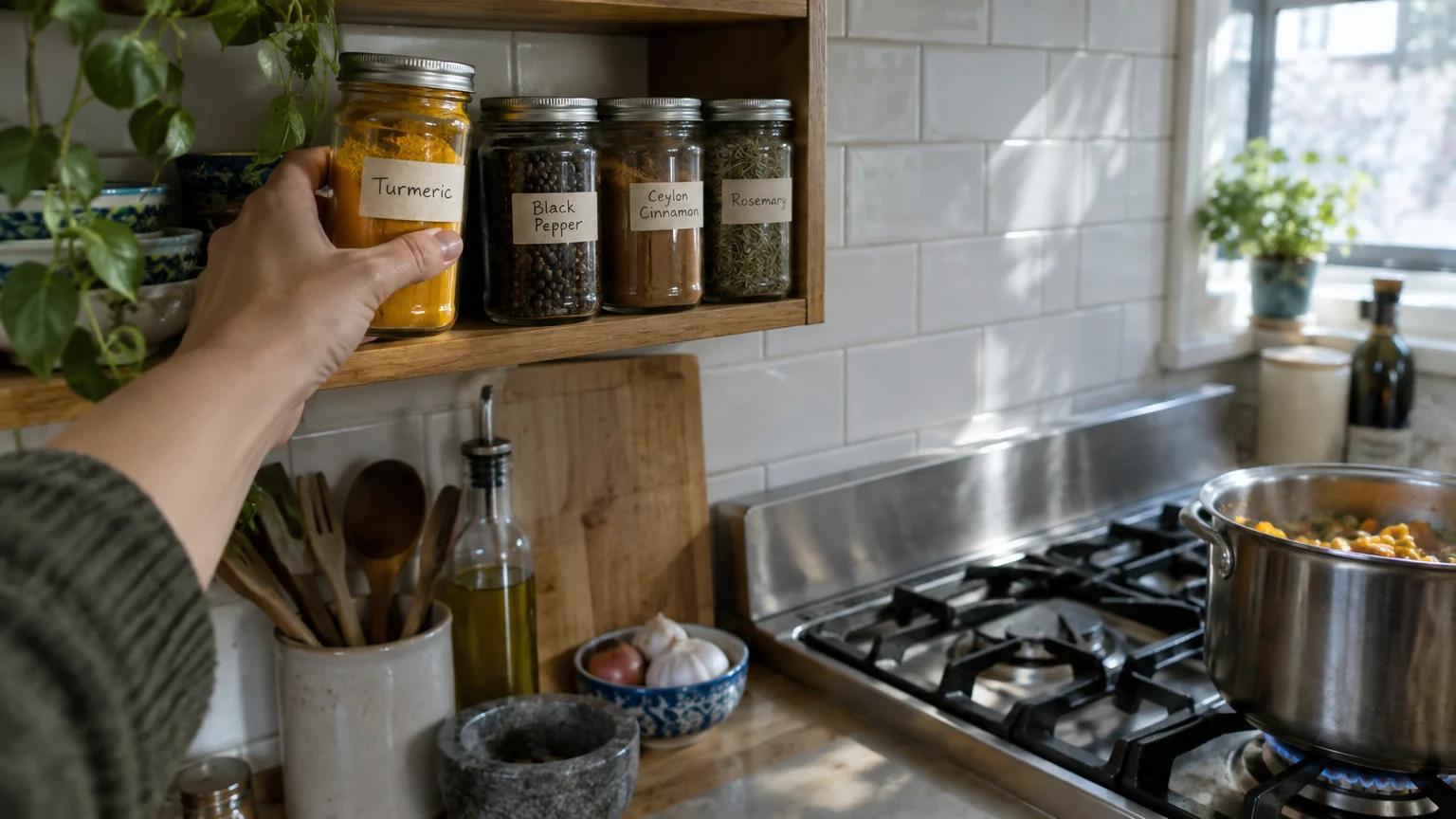
Keep your most vital brain spices clearly visible right next to your food preparation counter. Behavioral psychology shows that visible ingredients get used significantly more often than spices tucked away in dark cupboards.
Create a dedicated brain-spice blend by mixing ground turmeric, black pepper, Ceylon cinnamon, and ginger into a shaker. Sprinkling this balanced blend onto your meals eliminates daily decision fatigue.
Store your bulk spice reserves in airtight glass containers away from direct heat and sunlight. Heat and ultraviolet exposure accelerate the degradation of essential oils, diminishing both culinary flavor and therapeutic potency.
Replenish your dried spice inventory every six to twelve months to guarantee peak biochemical potency. Fragrant, vibrant spices deliver substantially higher concentrations of protective polyphenols to your central nervous system.
Expert Perspectives and Clinical Observations
Clinical practitioners increasingly emphasize that kitchen seasonings provide an underutilized weapon against cognitive decline. Lifestyle-oriented clinicians view daily spices as functional foods that complement conventional prevention protocols.
Integrative neurologists point out that culinary spices deliver multi-target benefits that single-compound drugs often fail to match. By reducing neuroinflammation while improving insulin sensitivity, culinary herbs address multiple dementia drivers at once.
Registered dietitians consistently observe that seasoning home-cooked meals helps clients lower their daily sodium intake. By using aromatic spices to build rich flavor, you protect your vascular system and maintain robust cerebral blood flow.
Community kitchen programs demonstrate that incorporating familiar cultural spices helps people sustain brain-healthy eating patterns over decades. Whether you cook South Asian curries, Mediterranean roasts, or Mexican stews, these botanicals adapt effortlessly to your heritage.
Safety Guidelines and Precautions
While culinary amounts of common kitchen spices are exceptionally safe for everyday consumption, therapeutic supplement doses require clinical caution. Concentrated botanical extracts carry potent physiological effects that can interact with prescription pharmaceuticals.
Curcumin and ginger exert mild antiplatelet effects that slow blood clotting. If you take anticoagulant medications such as warfarin or direct oral anticoagulants, consult your physician before using concentrated extracts.
Individuals suffering from active gallbladder disease or gallstones should exercise caution with therapeutic turmeric supplements. Curcumin stimulates gallbladder contractions, which can provoke biliary colic in sensitive individuals.
Always verify that your cinnamon is authentic Ceylon to avoid coumarin accumulation. Checking regulatory alerts regularly ensures your household brands remain free from lead and other heavy metal contaminants.
If you are pregnant, nursing, or scheduling an upcoming surgical procedure, discuss high-dose botanical supplementation with your healthcare provider. Culinary seasoning in typical dietary quantities remains safe, nourishing, and universally recommended.
Frequently Asked Questions
Can culinary spices reverse advanced dementia?
Spices cannot reverse advanced structural brain damage caused by late-stage dementia. Their primary clinical value lies in prevention, neuroprotection, and slowing down early cognitive decline.
Pairing these seasonings with regular physical exercise, quality sleep, and cognitive stimulation provides your strongest defense against neurodegeneration. Early, consistent nutritional intervention yields the best long-term protective outcomes.
How much turmeric should I consume daily for brain support?
Aim for one-half to one teaspoon of ground turmeric daily in cooked meals. Always combine your turmeric with black pepper and healthy dietary fats to ensure adequate absorption.
If you choose concentrated curcumin supplements, select standardized formulas that provide 500 to 1,000 milligrams of bioavailable curcuminoids. Discuss supplement dosing with your dietitian or physician before starting any daily regimen.
Is fresh ginger more effective than dried ginger?
Both fresh and dried ginger deliver distinct, valuable medicinal benefits for your nervous system. Fresh ginger contains higher levels of gingerols, which excel at soothing digestion and mitigating acute peripheral inflammation.
Drying ginger converts gingerols into shogaols, which demonstrate even more potent neuroprotective and antioxidant activity in clinical research. Using both forms across different meals provides comprehensive anti-inflammatory protection for your brain.
How can I verify that my cinnamon is true Ceylon?
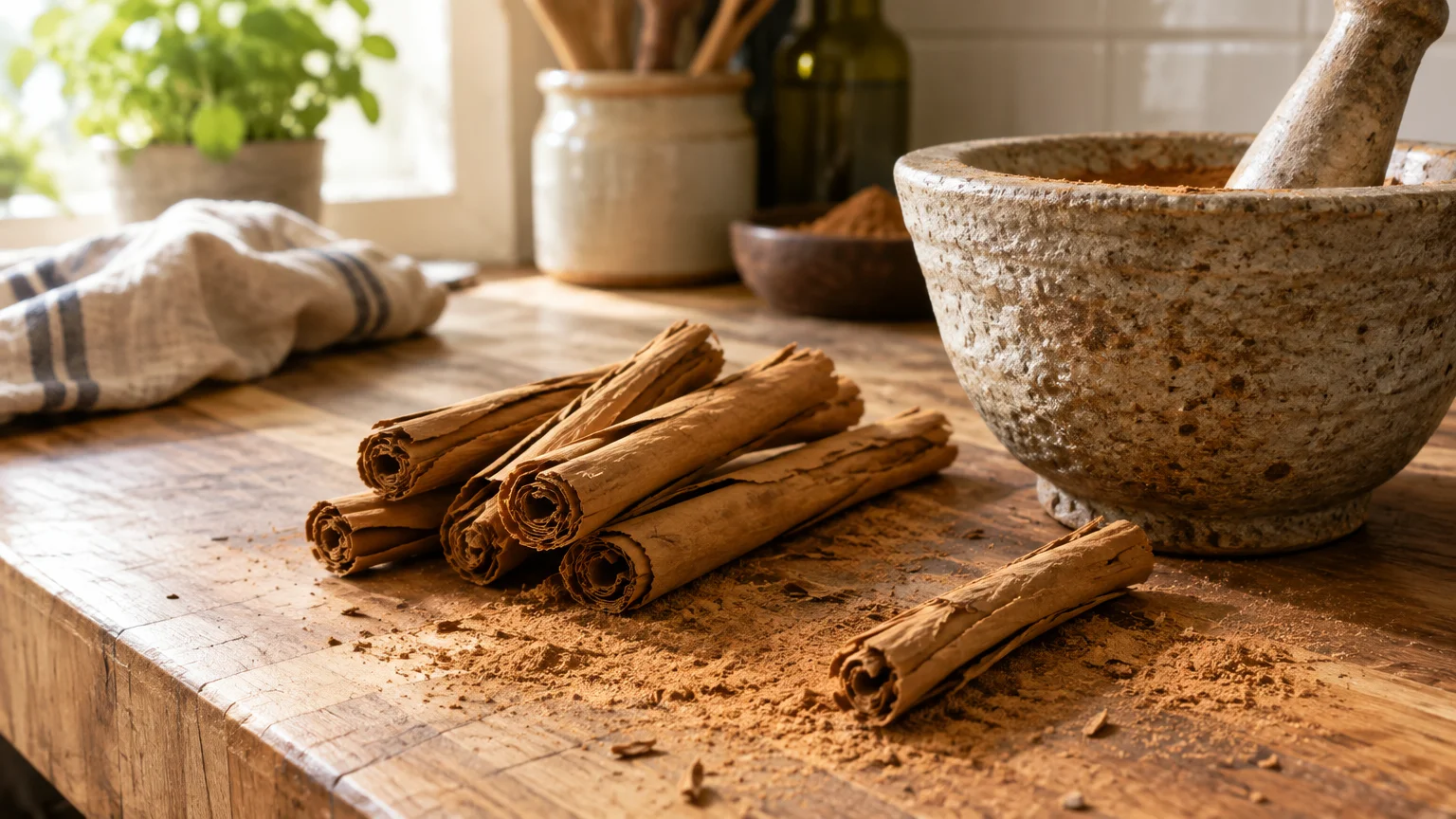
Authentic Ceylon cinnamon features a light tan color, delicate paper-thin layers, and a subtle, sweet aroma. In contrast, Cassia cinnamon exhibits a dark reddish-brown hue and forms thick, hard rolls.
Ground Ceylon cinnamon should explicitly state “Ceylon” or “Cinnamomum verum” on the product packaging. Purchasing certified organic brands also minimizes your risk of heavy metal exposure from adulterated spice sources.
Your 24-Hour Brain Health Action Step
Protecting your cognitive function does not require an overwhelming lifestyle overhaul. Meaningful neuroprotection begins with small, repeatable actions that you can execute immediately.
Within the next 24 hours, open your kitchen cabinet and inspect your current cinnamon and turmeric supplies. Verify that your cinnamon is Ceylon and make sure you have black pepper ready to pair with turmeric.
Add a half-teaspoon of turmeric and black pepper to your dinner tonight, or stir Ceylon cinnamon into your coffee. Your synapses will thank you for the extra antioxidant shield.