
Strategic grocery spending protects your health while optimizing your weekly food budget. Investing a few extra dollars in specific nutrient-dense staples shields your body from harmful additives and provides significantly higher micronutrient density.
When you upgrade deliberately, your kitchen yields better culinary results and stronger long-term wellness outcomes. Targeted spending on premium ingredients delivers measurable advantages that cheap supermarket alternatives simply cannot match.
You do not need to buy everything organic or artisanal to thrive. Focusing your resources on key items where quality diverges drastically makes healthy grocery shopping both affordable and effective.
The Science Behind Strategic Grocery Upgrades
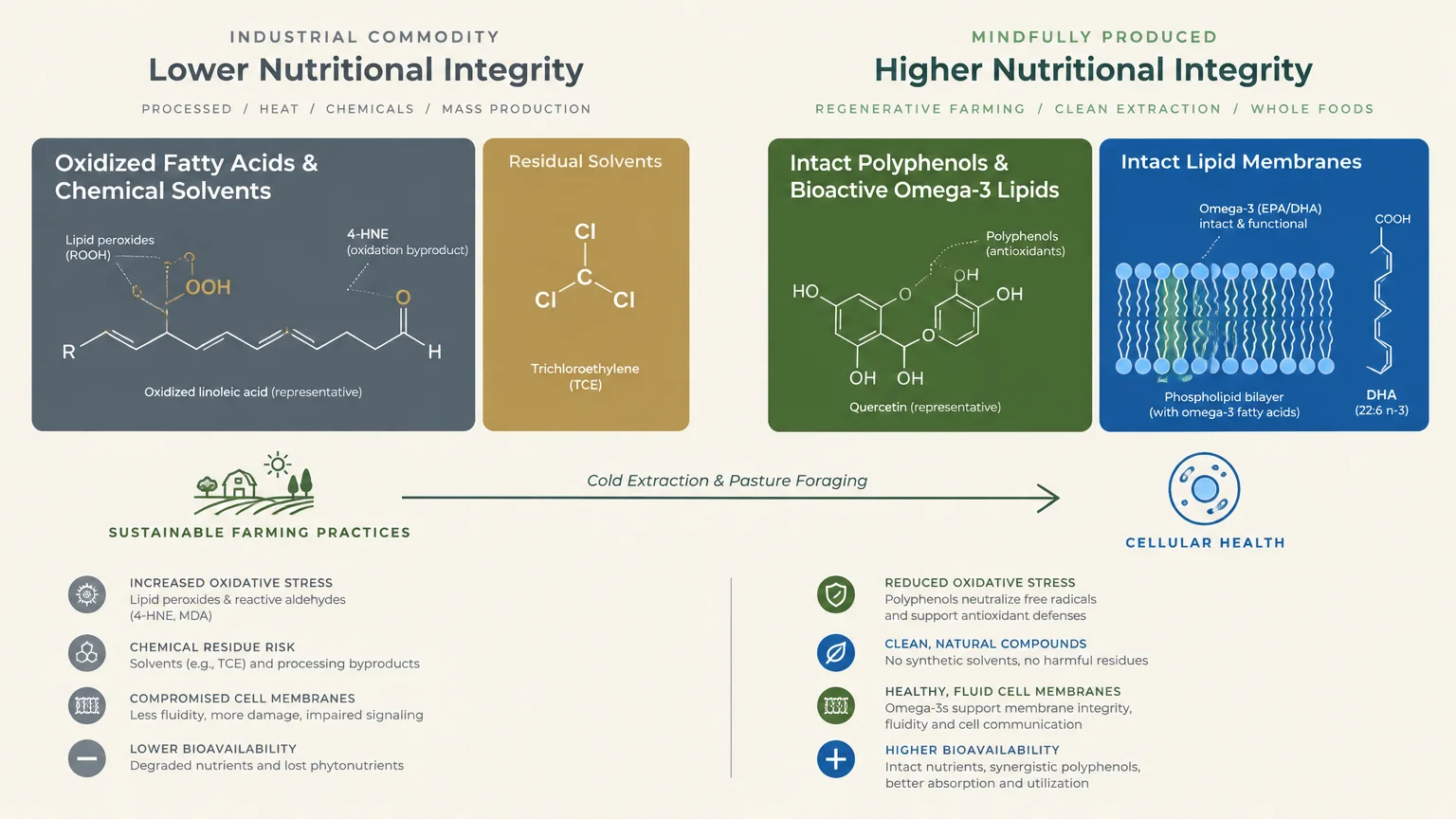
Food chemistry reveals substantial nutritional disparities between industrial commodity products and mindfully produced whole foods. Agricultural practices directly dictate lipid profiles, antioxidant densities, and potential toxic contaminant loads in our food supply.
For example, animal foraging habits alter fatty acid compositions down to the cellular membrane. Similarly, sustainable soil management techniques and gentle cold extraction preserve fragile polyphenols that standard commercial refinement routinely destroys.
According to the National Institutes of Health omega-3 guidelines, balancing essential fatty acids supports vascular and neurological health. Investing in quality sources ensures you absorb these biologically active lipids without industrial chemical alteration.
Paying a modest premium for verified quality removes unneeded fillers, rancid oxidized fats, and harmful agricultural residues. You receive higher bioavailable nutrition per calorie, which translates into superior health dividends over time.
Three Practical Pillars for Smart Grocery Choices
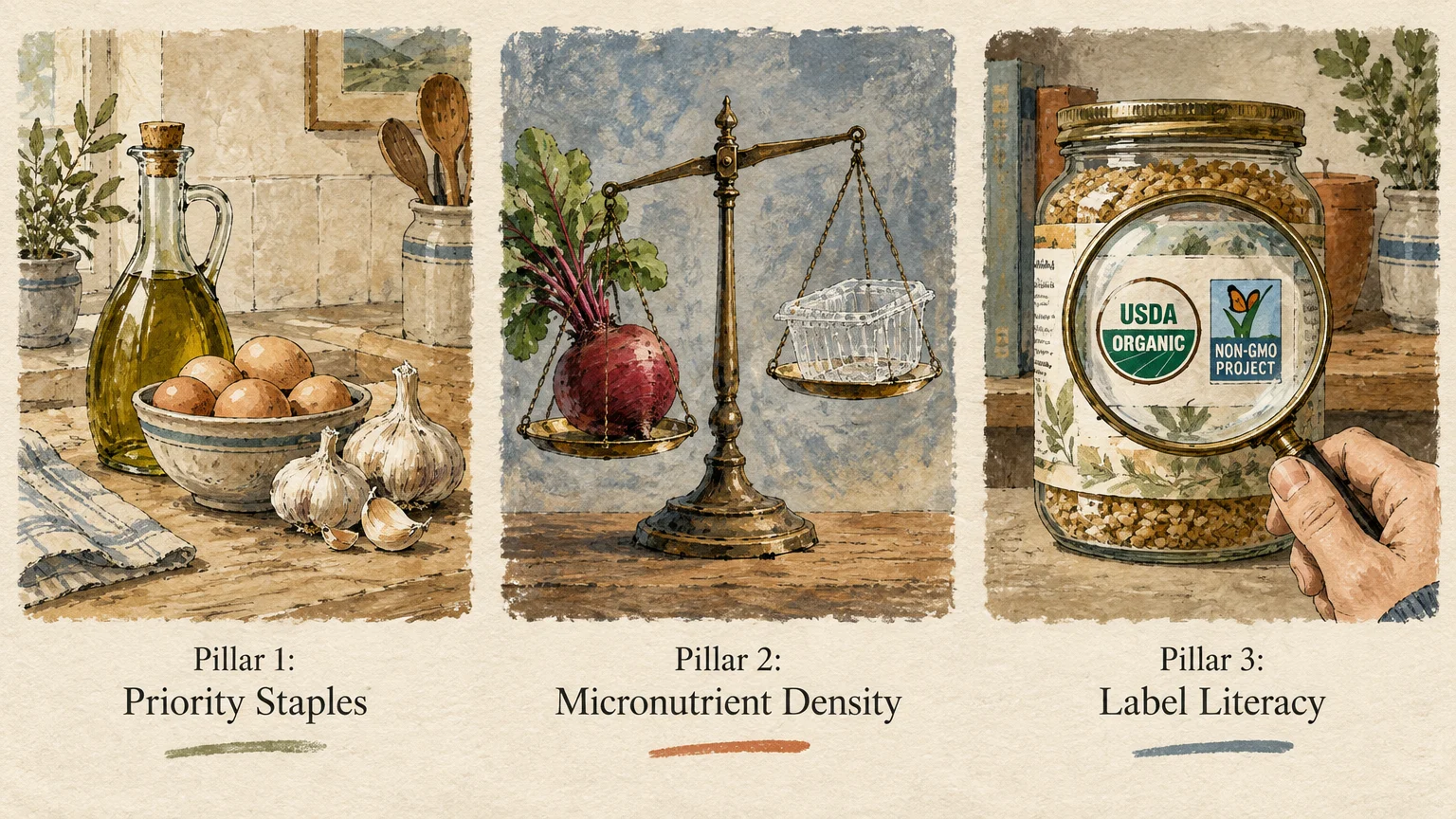
Pillar 1: Priority-Driven Meal Planning
Begin each shopping cycle by identifying the base ingredients you consume daily rather than occasionally. Spending extra on cooking oils, morning proteins, and daily produce creates far greater metabolic impact than buying specialty gourmet snacks.
Map your weekly meals around these foundational items to eliminate pantry waste. When you consume every ounce of your high-value staples, your net cost per meal declines dramatically.
Pillar 2: Micronutrient Density Over Caloric Volume
Cheap processed foods offer inexpensive calories stripped of vital micronutrients and minerals. Evaluating your purchases based on nutrient density per dollar shifts your perspective from raw volume to true cellular nourishment.
Higher quality foods often possess richer flavors and superior satiety profiles. As a result, smaller portions naturally satisfy your appetite while delivering complete nutritional value.
Pillar 3: Habit Formation and Label Literacy
Develop the daily habit of scrutinizing ingredient lists and independent certification stamps. Marketing terms like “all-natural” or “farm-fresh” carry no legal weight and frequently mislead well-intentioned consumers.
Look for third-party audits such as USDA Organic, Non-GMO Project Verified, or certified humane seals. Familiarizing yourself with authoritative standards ensures your premium dollars support genuine quality rather than hollow packaging gimmicks.

9 Quality Groceries Worth the Money
1. Authentic Extra Virgin Olive Oil
Genuine extra virgin olive oil serves as an anti-inflammatory powerhouse loaded with oleic acid and protective polyphenols. However, supermarket shelves frequently house substandard products that compromise both culinary flavor and therapeutic health benefits.
Landmark findings from the UC Davis Olive Center research revealed that up to 73% of imported oils labeled extra virgin failed sensory and freshness standards. These commercial failures stemmed primarily from oxidation and thermal degradation during prolonged transit and storage.
Invest in dark glass bottles displaying a clear, recent harvest date within the past twelve to eighteen months. Look for seals from the California Olive Oil Commission or the North American Olive Oil Association to guarantee authentic quality.
2. Certified Pasture-Raised Eggs
Egg quality varies enormously based on how hens live, move, and forage outdoors. While cage-free retail mandates took effect in Colorado and Michigan on January 1, 2025, “cage-free” hens still receive only 1 to 1.5 square feet of indoor confinement.
In contrast, third-party certified pasture-raised eggs require at least 108 square feet of open pasture per bird. This natural foraging diet produces deep orange yolks packed with higher levels of vitamin D, vitamin E, and anti-inflammatory lutein.
Spending an extra two or three dollars per carton directly supports animal welfare and yields superior micronutrient density. The rich culinary flavor and sturdy structure of pasture-raised eggs elevate simple scrambles and baked dishes alike.
3. Wild-Caught Sockeye and Coho Salmon
Wild-caught salmon provides an unmatched source of marine omega-3 fatty acids, eicosapentaenoic acid (EPA), and docosahexaenoic acid (DHA). According to USDA nutritional data, wild varieties contain 30% to 50% fewer calories and saturated fat than farmed Atlantic salmon.
Industrial fish farming also raises concerns regarding bioaccumulation of environmental polychlorinated biphenyls and synthetic feed colorants. Wild Sockeye salmon forage naturally on marine krill, developing potent natural astaxanthin—a carotenoid with remarkable antioxidant capacity.
Purchase frozen wild-caught fillets to keep prices manageable while locking in peak dockside freshness. Searing or baking wild salmon twice weekly delivers pristine cardiovascular and cognitive support.
4. 100% Grass-Fed and Finished Beef
The nutritional composition of beef directly reflects the animal’s lifetime diet. Conventional grain feeding alters bovine digestion, driving up systemic inflammation and altering the final lipid architecture of the meat.
Peer-reviewed agricultural data demonstrate that 100% grass-fed beef yields an omega-6 to omega-3 ratio of roughly 2:1 or lower. In contrast, conventional grain-fed beef exhibits an imbalanced ratio climbing between 7:1 and 8:1.
Grass-fed cuts also supply up to five times more total omega-3 fatty acids alongside elevated levels of conjugated linoleic acid. Choose cheaper cuts like chuck roast or ground beef to maximize nutrient density without straining your weekly grocery allowance.
5. High-Residue Organic Produce
You do not need an entirely organic grocery cart to minimize your exposure to synthetic agricultural chemicals. Instead, prioritize organic purchases for thin-skinned fruits and tender leafy greens that absorb high concentrations of systemic pesticides.
Data from environmental produce monitoring consistently identifies non-organic strawberries, spinach, kale, collard greens, grapes, and peaches as carrying significant pesticide residues. Purchasing USDA Organic versions of these specific items eliminates the vast majority of agricultural chemical ingestion.
For thick-skinned produce like avocados, pineapples, and onions, conventional versions remain safe and highly cost-effective. This targeted hybrid approach keeps your produce drawer clean while preserving your hard-earned dollars.
6. Transparently Tested Dark Chocolate
High-percentage dark chocolate delivers cardiovascular benefits through rich cacao flavanols and essential magnesium. Unfortunately, cacao trees naturally hyper-accumulate toxic heavy metals from contaminated soil directly into their beans.
Testing by independent consumer watchdogs revealed that roughly one-third of dark chocolate bars exceeded strict public health safety limits for lead or cadmium. For health guidelines regarding chronic exposure, review Centers for Disease Control and Prevention heavy metal advisories.
Opt for premium artisan brands that publish batch testing results and enforce rigorous sourcing standards. Spending slightly more ensures your daily square of dark chocolate provides real cardiovascular protection without heavy metal toxicity.
7. Certified 100% Whole Grain Bread
The bread aisle features confusing marketing claims like “multigrain,” “stoneground,” and “made with whole grains.” These commercial loaves often rely heavily on stripped white flour dyed with caramel coloring, resulting in rapid blood glucose spikes.
Look for bread bearing the official Whole Grains Council 100% Stamp, which guarantees that all grain ingredients remain completely whole. This certification ensures each serving supplies at least 16 grams of whole grain intact fiber.
According to Academy of Nutrition and Dietetics guidance on dietary fiber, consuming adequate intact whole grains stabilizes energy and improves microbiome diversity. Artisanal slow-fermented sourdough made from whole grains offers even greater mineral bioavailability and easier gut digestion.
8. Pure Grade A Maple Syrup
Standard commercial pancake syrups consist almost entirely of high-fructose corn syrup, caramel color, and artificial flavorings. These processed syrups promote rapid insulin spikes and carry zero redeeming micronutrients or beneficial bioactive plant compounds.
Under FDA standards of identity (21 CFR 168.180), pure maple syrup must contain at least 66% soluble solids derived exclusively from clean maple sap. This unadulterated amber liquid contains beneficial phenolic compounds, manganese, and bioavailable zinc.
Because pure maple syrup possesses robust aromatic depth, a single tablespoon delivers intense flavor to oatmeal, dressings, and marinades. Its high concentration allows you to use substantially less sweetener while enjoying genuine culinary luxury.
9. Fermented Plain Dairy and Cultured Foods
Mass-market flavored yogurts and kefirs often disguise dessert-level sugar loads beneath health claims. Furthermore, many industrial brands rely on gelatin, artificial starches, and gums rather than natural, time-honored bacterial culturing.
Invest in whole-milk, plain Greek yogurt or traditionally fermented kefir certified for abundant live and active cultures. These premium fermented dairy staples deliver high concentrations of bioavailable calcium, digestible protein, and probiotic species that nurture your intestinal microbiome.
Buy plain versions and sweeten them at home using fresh berries or a dash of pure maple syrup. This simple step eliminates excessive added sugars while providing potent, gut-friendly bacterial biodiversity.

Expert Insights and Real-World Kitchen Strategies
Clinical nutritionists consistently remind clients that smart grocery choices involve strategic substitutions rather than wholesale budgetary overhauls. Upgrading your cooking fat and core morning protein yields disproportionate improvements in your baseline nutrient biomarkers.
Professional chefs also emphasize that premium ingredients require far less preparation and seasoning to taste magnificent. A wild salmon fillet or pasture-raised egg stands on its own culinary merit with nothing more than coarse sea salt and heat.
Community meal prep groups advocate for cooperative buying models and bulk warehouse shopping to access high-tier staples affordably. Splitting grass-fed beef bundles or purchasing organic staples in bulk reduces the financial barrier for everyday home cooks.
Safety Considerations and Dietary Personalization
While quality groceries offer exceptional nutritional value, always tailor your purchasing choices to your individual medical history and allergens. Individuals with diagnosed celiac disease must verify certified gluten-free processing on all whole-grain products, regardless of grain quality.
Those navigating chronic kidney disease should monitor high-mineral foods such as dark chocolate and maple syrup due to potassium loads. Consult your nephrologist or renal dietitian to balance these nutrient-dense options safely within your personalized clinical dietary parameters.
If you take anticoagulant medications, sudden increases in vitamin K from organic leafy greens may require clinical monitoring. Partner closely with your primary care provider whenever making significant alterations to your foundational dietary patterns.
Frequently Asked Questions
Are pasture-raised eggs truly more nutritious than standard eggs?
Yes, peer-reviewed research demonstrates that hens raised on open pasture lay eggs with significantly higher vitamin A, vitamin E, and omega-3 content. Their natural diet of forage and insects enriches yolk pigmentation and overall fatty acid balance.
Does washing conventional produce remove all synthetic pesticides?
Washing produce under running tap water reduces superficial dirt and some external residues. However, systemic agricultural pesticides penetrate deep into plant tissues, meaning washing cannot fully eliminate them from porous or thin-skinned fruits.
How can I verify that my extra virgin olive oil is fresh?
Inspect the bottle for an explicit harvest date rather than a vague expiration date. Fresh olive oil should taste distinctly fruity, peppery, and slightly bitter; a greasy or flat flavor indicates rancid oxidation.
Is wild salmon always superior to farmed salmon?
Wild salmon offers a leaner macronutrient profile, higher astaxanthin concentrations, and significantly lower levels of synthetic chemical contaminants. Farmed salmon provides beneficial omega-3 fats, but wild varieties deliver those essential lipids with fewer total calories.
Take Your First Step in the Aisle
Transforming your pantry does not require an immediate, expensive shopping cart overhaul. Select just one foundational item from this list—such as authentic extra virgin olive oil or pasture-raised eggs—during your next supermarket trip.
Notice the immediate difference in flavor, meal satiety, and sustained physical energy throughout your day. Small, intentional investments in high-impact groceries build sustainable dietary habits that protect your health for decades to come.