You can protect your family from severe foodborne illness immediately by eliminating a few deceptively dangerous items from your grocery cart. Food safety microbiologists and registered dietitians evaluate meals through pathogen survival patterns rather than tempting culinary marketing trends.
While nutrient-dense food builds lasting physical resilience, several routine grocery staples harbor aggressive bacterial and viral pathogens that ordinary kitchen washing cannot fix.
Discovering why seasoned food safety veterans bypass these specific supermarket items equips you with practical habits to protect your household with complete confidence.
Understanding Foodborne Illness: The Science Snapshot
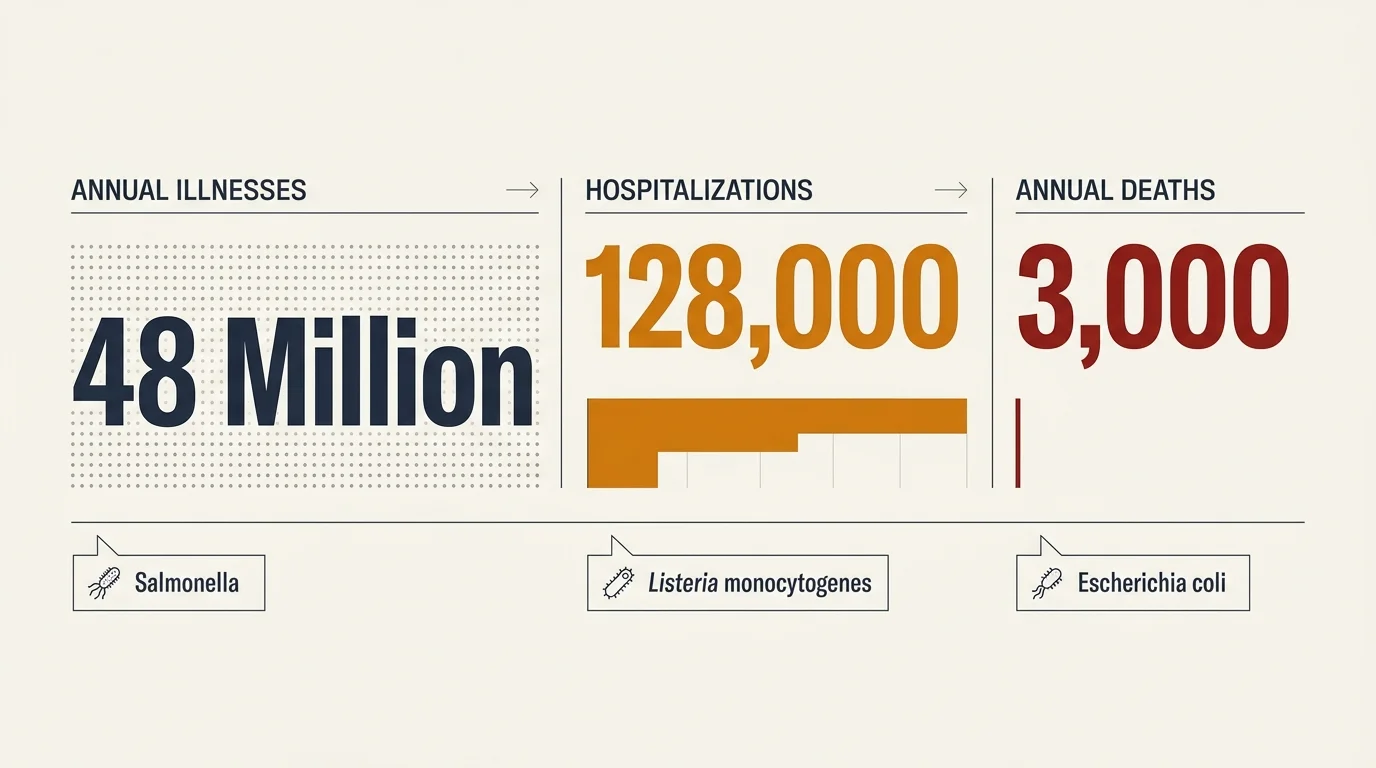
Every year, microscopic pathogens transform ordinary meals into clinical emergencies. According to estimates from the Centers for Disease Control and Prevention, roughly 48 million Americans fall ill from foodborne infections annually.
These illnesses cause roughly 128,000 hospitalizations and claim 3,000 lives each year. Behind these figures lie invasive strains of Salmonella, Listeria monocytogenes, and toxin-producing Escherichia coli.
Pathogens colonize digestive tracts when handlers fail to break transmission chains during harvest, processing, or home preparation. Under warm conditions, bacteria double their numbers in twenty minutes.
Under FDA Food Traceability regulations under FSMA, regulators maintain targeted oversight of vulnerable foods like sprouts, leafy greens, finfish, and soft cheeses. Federal authorities established compliance deadlines through July 2028 to tighten commercial supply tracking.
10 Foods That Food Safety Experts Never Eat
1. Raw or Unpasteurized Milk
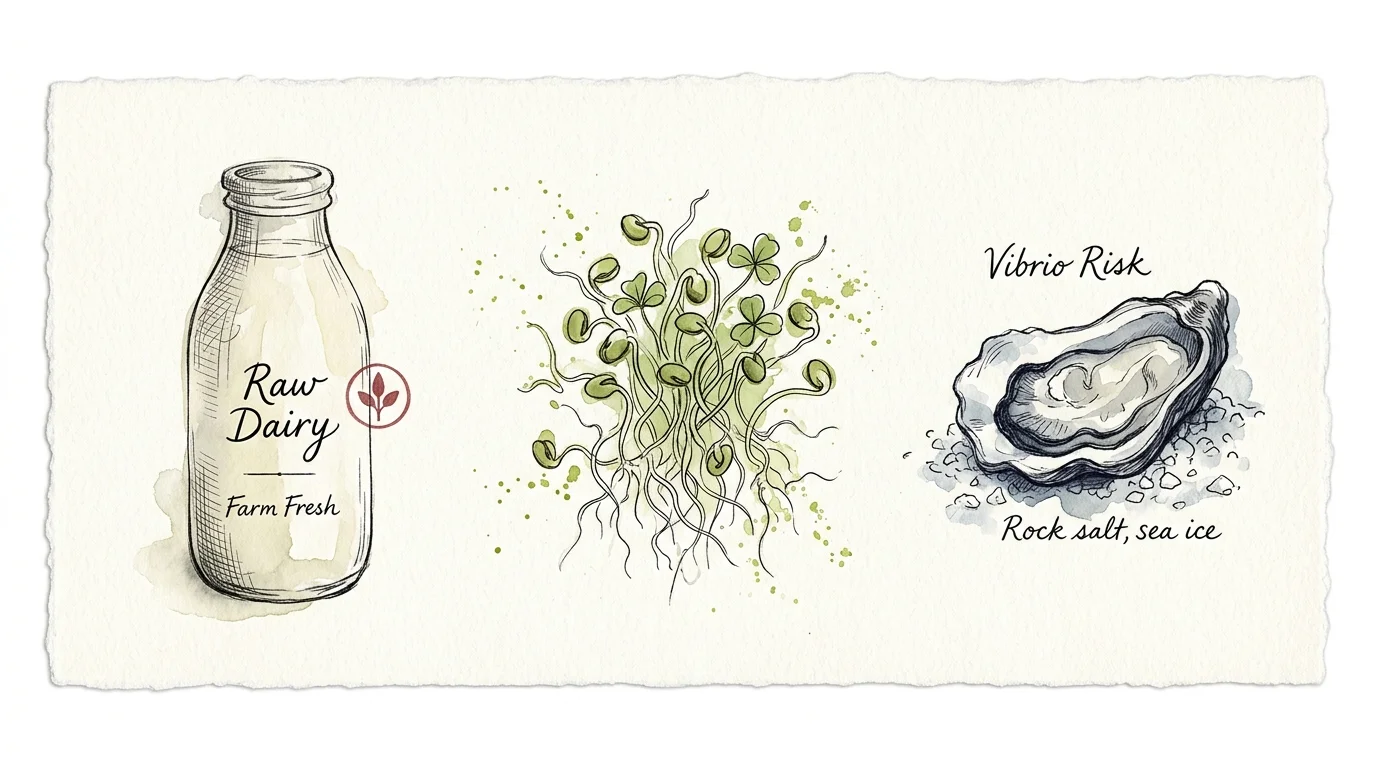
Food safety scientists avoid unpasteurized raw milk and cheeses. Untreated dairy can harbor pathogens like Campylobacter jejuni, E. coli, and Listeria.
Recent viral detections have heightened regulatory concerns. The FDA consumer guidance on raw milk safety documents high concentrations of H5N1 Highly Pathogenic Avian Influenza in unpasteurized dairy herds across multiple states.
Pasteurization neutralizes avian flu viruses and bacteria without degrading milk’s calcium or protein content. Drinking raw milk introduces severe biological hazards that pasteurized options avoid.
2. Raw Seed Sprouts
Alfalfa, clover, mung bean, and radish sprouts consistently top the list of risky produce. Sprouts have caused over fifty multistate outbreaks of Salmonella and E. coli since the late 1990s.
Seeds require warm, humid environments to germinate, creating ideal conditions for explosive bacterial growth. Pathogens enter microscopic crevices inside the seed coat before sprouting begins.
Washing cannot reach bacteria embedded within internal sprout tissues. Food safety microbiologists eat sprouts only after cooking them thoroughly to destroy internal pathogens.
3. Raw Oysters and Shellfish
Dining on raw oysters poses acute biological hazards. Bivalve mollusks filter seawater daily, concentrating marine microbes directly inside their tissues.
According to CDC surveillance data on Vibrio infections, Vibrio bacteria cause approximately 80,000 domestic illnesses and 100 deaths annually. Contaminated seafood accounts for about 52,000 of these cases.
Infections from Vibrio vulnificus carry a mortality rate of fifteen to twenty percent. Warming ocean temperatures expand bacterial ranges, making thorough cooking essential for shellfish lovers.
4. Undercooked Ground Beef
Ordering rare burgers invites serious risk from Shiga toxin-producing E. coli. While whole steaks harbor bacteria solely on outer surfaces, the grinding process redistributes surface pathogens throughout the meat.
Searing the outside of a rare burger leaves interior bacterial colonies completely unharmed. Searing whole steaks destroys surface microbes, but ground meat requires uniform internal heat.
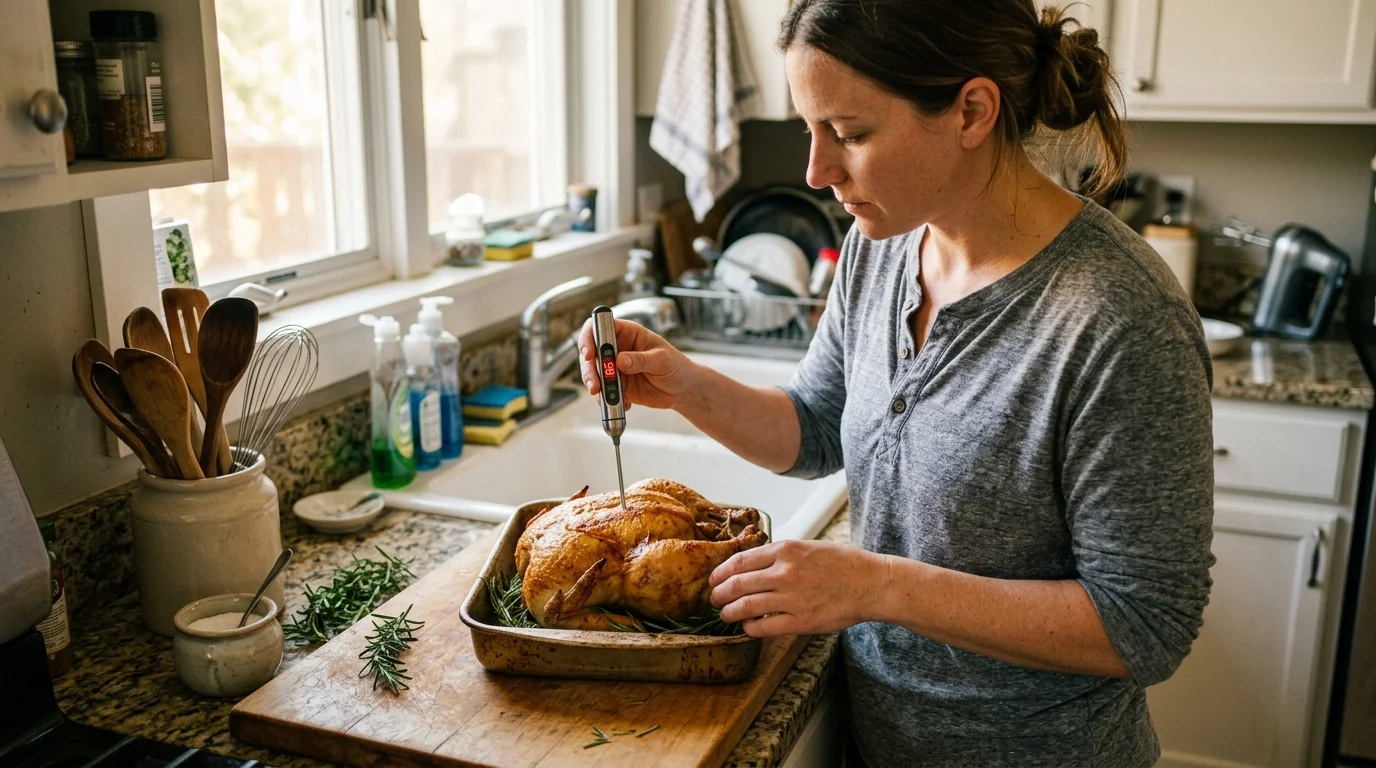
You must cook ground beef to an internal temperature of 160°F (71°C) to eliminate pathogens. Always verify this threshold with a digital meat thermometer before serving.
5. Raw Flour and Unbaked Dough
Sampling raw cookie dough or cake batter represents an underappreciated kitchen hazard. While most home bakers blame raw eggs, unbaked flour poses an equally severe biological threat.
Flour is a raw agricultural commodity exposed to animal waste in open fields. Milling grains into powder does not include pathogen-destroying heat treatments.
Public health agencies have linked numerous multistate E. coli outbreaks directly to raw flour. Always bake dough and batter mixtures thoroughly before tasting your creations.
6. Pre-Cut Melons Left at Ambient Temperatures
Pre-cut melons displayed without continuous refrigeration pose acute microbial risks. The FDA Food Code classifies cut melons as Time and Temperature Control for Safety foods.
Rough melon rinds harbor pathogens like Salmonella and Listeria from agricultural soil. When knives slice through the exterior rind, blades drag surface pathogens directly into the moist flesh.
Retailers and home cooks must hold cut melons at or below 41°F (5°C). Avoid purchasing melon slices resting on ambient grocery displays or warm picnic tables.
7. Improperly Cooled Leftover Rice
Leaving cooked rice on kitchen counters creates a breeding ground for food poisoning. Uncooked rice commonly contains heat-resistant dormant spores of Bacillus cereus.
Boiling water fails to kill these durable spores. When cooked rice sits at room temperature, dormant spores germinate and produce heat-stable emetic toxins.
Subsequent reheating or frying cannot destroy these toxins, which trigger rapid nausea and vomiting. Cool cooked rice quickly and refrigerate it within one to two hours of preparation.
8. Unpasteurized Juices and Fresh Ciders
Roadside stands frequently sell unpasteurized fruit ciders and fresh juices. Untreated juices carry risks of pathogenic E. coli and waterborne Cryptosporidium.
Traditional cider pressing often utilizes fallen orchard fruit, which may contact animal waste on the ground. Contaminants transfer easily into bulk liquid batches during extraction.
Without pasteurization or high-pressure processing, acidic fruit juices fail to destroy these resilient pathogens. Check product labels to verify commercial pasteurization before serving fresh juice to your family.
9. Neglected Buffet Dishes in the Danger Zone
Self-serve buffets and outdoor potlucks require careful temperature monitoring. Prepared dishes sitting over weak chafing burners or un-iced tables frequently enter hazardous thermal ranges.
The USDA food safety guidelines on the temperature danger zone identify 40°F to 140°F (4°C to 60°C) as hazardous. Bacteria multiply rapidly across this range within two hours.
When ambient temperatures exceed 90°F (32°C), perishable foods become unsafe after just one hour. Skip buffet items that feel lukewarm rather than piping hot or thoroughly chilled.
10. Pre-Washed Bagged Greens Past Expiration
Bagged salad blends and triple-washed greens provide convenience, but aging packages demand caution. As cut leaves degrade inside sealed plastic bags, plant cells break open and release nutrient fluids.
These trapped liquids nourish residual microbes, accelerating the formation of protective bacterial biofilms. Pathogens like Listeria monocytogenes continue multiplying even within cold domestic refrigerators.
Discard salad bags that exhibit wet, slimy leaves or cloudy condensation inside the film. Eat packaged greens well before their labeled expiration date to minimize exposure risk.
Three Strategic Pillars for a Safe Home Kitchen
Pillar 1: Temperature Mastery and Meal Planning
Thermal control forms your primary defense against pathogenic micro-organisms. Organize your weekly grocery shopping and cooking schedules around the shelf-life stability of perishable ingredients.
Use an instant-read digital thermometer to check internal temperatures for every cooked protein. Relying on visual cues like meat color often produces misleading results.
Maintain your home refrigerator temperature consistently between 35°F and 38°F (1.7°C to 3.3°C). Place a dedicated appliance thermometer inside to monitor temperature shifts reliably.
Pillar 2: Cross-Contamination Defenses
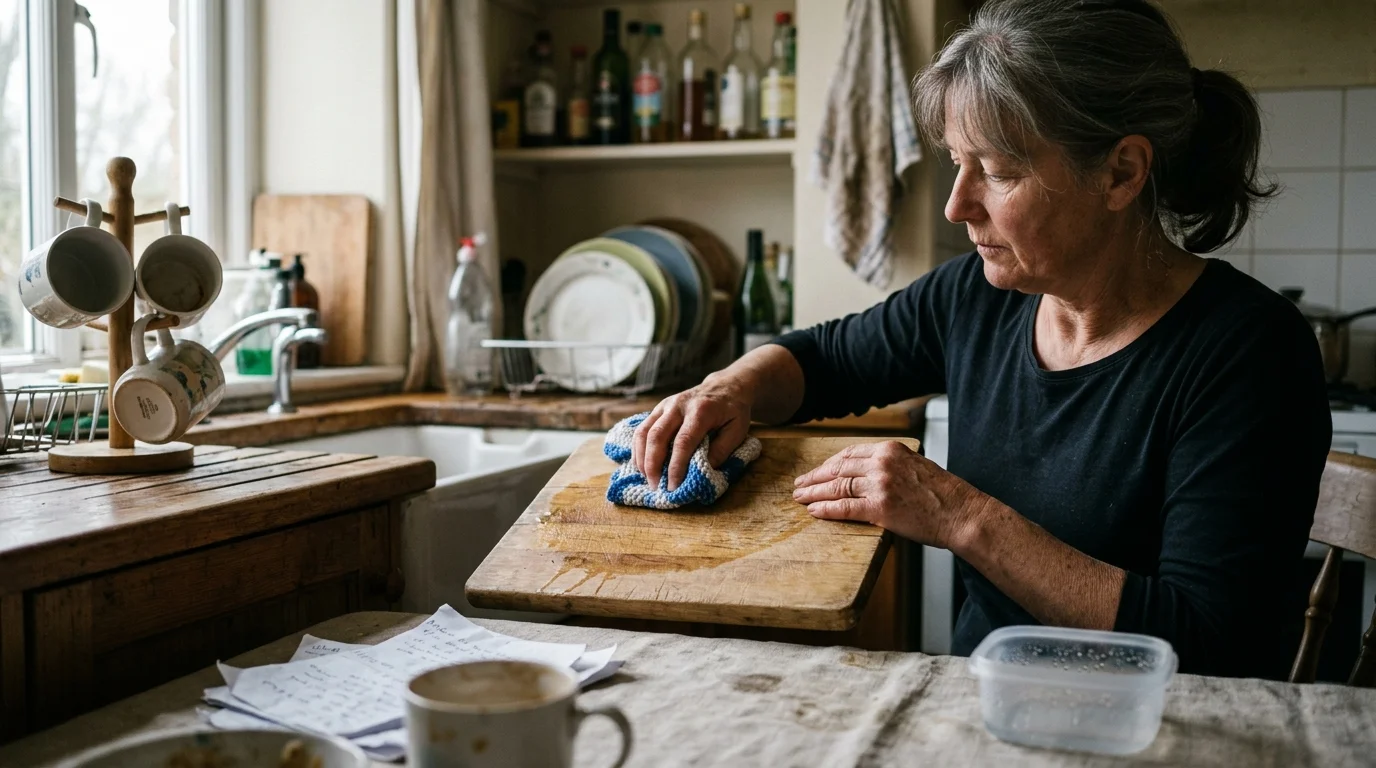
Separating raw animal proteins from fresh produce creates an essential safety barrier. Pathogens transfer instantaneously when raw meat juices drip onto vegetables or contact unwashed food preparation tools.
Maintain dedicated cutting boards for raw meats and produce using distinct colors. Wash your hands thoroughly with soap and water for twenty seconds after handling raw animal products.
Never rinse raw poultry or meat in your kitchen sink before cooking. Splashing water sprays bacteria up to three feet across clean countertops, dish racks, and cooking utensils.
Pillar 3: Rapid Cooling and Storage Systems
Disciplined cooling practices stop bacterial spores from germinating in leftovers. Placing large pots of hot soup directly into your refrigerator warms surrounding foods into the danger zone.
Distribute hot meals into shallow glass or stainless steel containers before chilling them. Shallow storage speeds heat dissipation, cooling food below 40°F (4°C) within the recommended two-hour window.
Label storage containers with masking tape and dates to track food age accurately. Discard refrigerated leftovers after three to four days without sampling them first.
Expert Perspectives and Real-World Kitchen Routines
Registered dietitians emphasize that food safety protocols protect essential nutrition while preserving wellness. Implementing sensible microbiological rules at home allows you to enjoy whole foods without risking severe illness.
Clinical nutritionists recommend purchasing whole produce over pre-cut items to eliminate unnecessary industrial handling steps. Slicing whole melons and washing head lettuces at home minimizes external microbial cross-contamination.
Home cooks often worry that safety measures complicate meal prep routines. Incorporating simple habits—like digital temperature checks and shallow cooling—streamlines kitchen tasks while keeping your household secure.
Clinical Considerations and Vulnerable Populations
Certain health conditions impair immune defenses, converting minor bacterial exposures into emergencies. Pregnant individuals, older adults, young children, and immunocompromised patients face severe outcomes from foodborne illness.
Expectant mothers face heightened susceptibility to Listeria monocytogenes, which can cause miscarriages and neonatal infections. For high-risk individuals, pasteurization and thorough cooking represent essential medical safeguards.
People with chronic liver disease, diabetes, or iron overload disorders show elevated vulnerability to fatal Vibrio vulnificus infections. Consult your physician or registered dietitian for personalized safety advice if you manage chronic medical conditions.
Frequently Asked Questions
Can washing raw chicken or meat reduce bacterial contamination?
Washing raw poultry or red meat does not remove surface bacteria. Running water atomizes pathogens into microscopic droplets that contaminate sinks, faucets, and adjacent food preparation surfaces.
Cooking poultry to an internal temperature of 165°F (74°C) destroys Campylobacter and Salmonella. Transfer meat directly from packaging into your cooking pan to prevent pathogen spread.
Does freezing food kill harmful bacteria and viruses?
Freezing halts bacterial growth but does not sterilize contaminated food. Microbes enter dormancy during sub-zero storage and resume active reproduction once you thaw the food.
Thaw frozen foods safely inside your refrigerator, in cold water baths, or using your microwave. Cook thawed ingredients thoroughly to eliminate surviving bacterial pathogens.
Why are whole steaks safe at medium-rare while ground beef is not?
Intact steaks harbor bacterial contamination exclusively on exterior surfaces. High-heat searing quickly eliminates surface microbes, leaving the sterile inner muscle safe to consume at lower temperatures.
Commercial grinding redistributes surface pathogens throughout the entire meat blend. Ground beef requires cooking to 160°F (71°C) throughout its core to ensure complete pathogen destruction.
How can you tell if leftover food has developed dangerous bacterial toxins?
You cannot detect most pathogenic bacteria through visual appearance, texture, or odor alone. Pathogens like Salmonella and Bacillus cereus multiply rapidly without altering food’s flavor or smell.
Never taste suspicious leftovers to evaluate their safety. When food sits at room temperature beyond recommended time limits, discard it immediately to protect your digestive health.
Build Safer Eating Habits Starting Today
Protecting your digestive wellness does not demand complex equipment or tedious kitchen routines. Thoughtful food selection and consistent temperature awareness provide reliable protection against foodborne illness.
Select one practical action to implement within the next twenty-four hours to upgrade your home food safety. Place an appliance thermometer inside your refrigerator to confirm that your primary cold storage remains safely below 40°F.