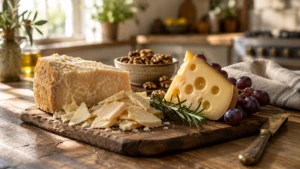
You can enjoy rich, satisfying cheese every day without sabotaging your cardiovascular health or body composition goals. Selecting nutrient-dense varieties provides a concentrated source of muscle-building protein, bone-fortifying calcium, and gut-friendly probiotics.
According to data from the United States Department of Agriculture, per capita cheese consumption has reached record levels exceeding 40 pounds annually. However, nearly 90 percent of Americans still fail to meet daily dairy recommendations.
Navigating the dairy case with clear criteria allows you to upgrade your meals while maintaining a balanced diet. Here are the healthiest cheese options backed by nutritional science to fuel your body and elevate your health.
Understanding the Dairy Matrix and Cardiovascular Health
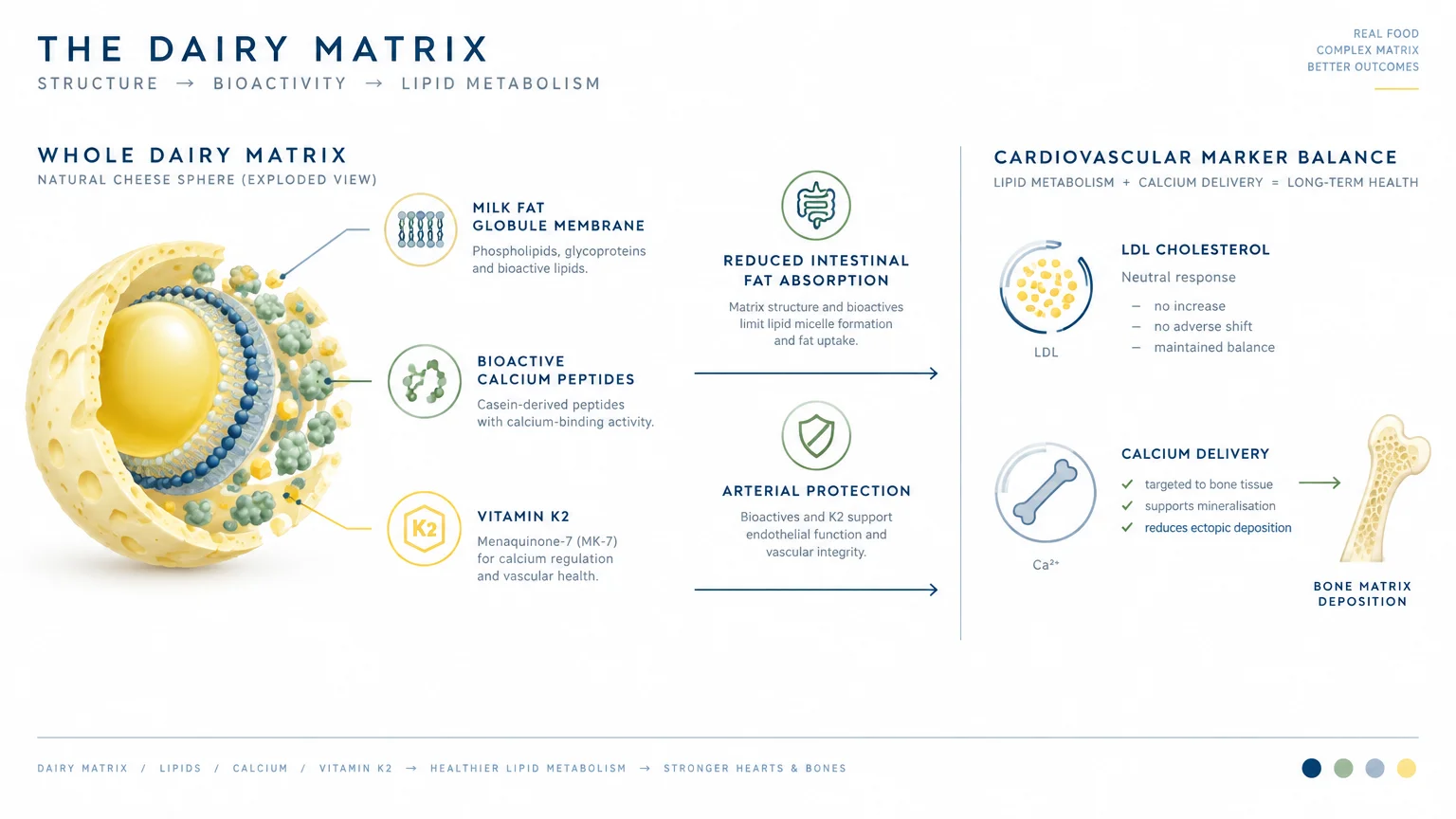
For decades, conventional nutrition advice urged consumers to avoid full-fat dairy due to saturated fat content. Modern research reveals that the complex physical structure of whole dairy—known as the dairy matrix—changes how your body metabolizes fatty acids.
The unique combination of calcium, proteins, and milk fat globule membranes reduces the amount of dietary fat your digestive tract absorbs. Consequently, cheese often has a neutral or even beneficial impact on cardiovascular risk markers.
Clinical trials indexed by the National Institutes of Health demonstrate that fermented dairy products do not increase LDL cholesterol levels like isolated butterfat. The fermentation process introduces bioactive peptides that support healthy blood pressure.
Furthermore, fermented cheeses supply vitamin K2, a critical nutrient that directs calcium into your bones rather than arterial walls. This biological synergy makes natural cheese far healthier than the sum of its isolated macronutrients.
Nutritional Benchmarks for Smarter Shopping
The Dietary Guidelines for Americans recommend three cup-equivalents of dairy daily for adults. Under these standards, one and a half ounces of hard natural cheese or two cups of cottage cheese equals one cup-equivalent.
Federal guidelines advise capping daily sodium intake at 2,300 milligrams and saturated fat at under 10 percent of total calories. Checking nutrition labels helps you balance these limits against protein and essential mineral density.
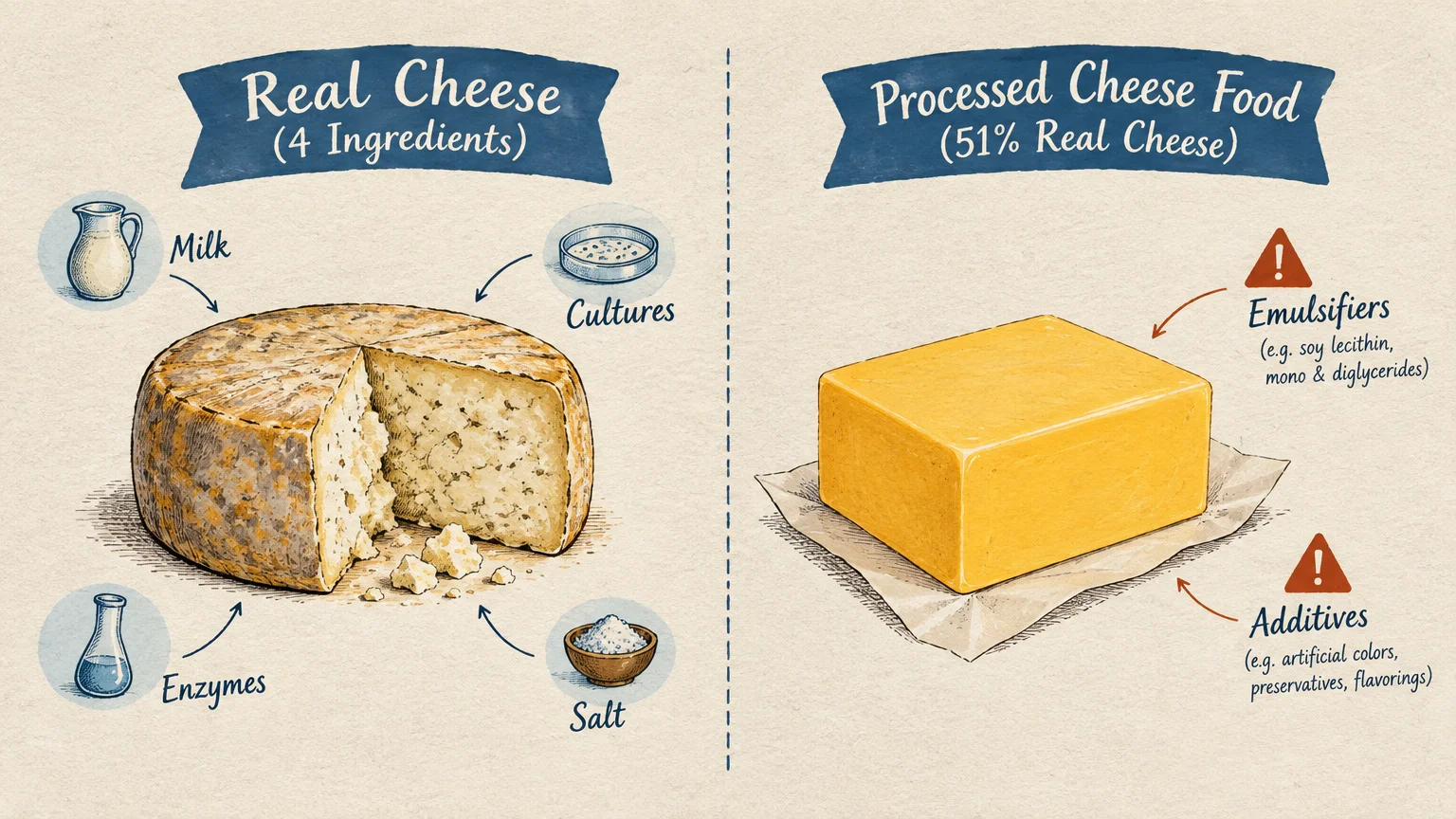
You should also inspect ingredient statements to distinguish authentic cheese from ultra-processed imitations. Under federal regulations in 21 CFR Part 133, products labeled pasteurized process cheese food must contain only 51 percent real cheese ingredients.
Real cheese contains four pure components: milk, bacterial cultures, enzymes, and salt. Avoiding synthetic emulsifiers and vegetable oils ensures you receive maximum nutrient density in every serving.
The 8 Best Cheeses for Your Health
Different cheese varieties offer unique nutritional advantages depending on your metabolic goals, digestive tolerance, and culinary preferences. Here are eight standout varieties recommended by nutrition professionals.
1. Swiss Cheese: The Low-Sodium Leader
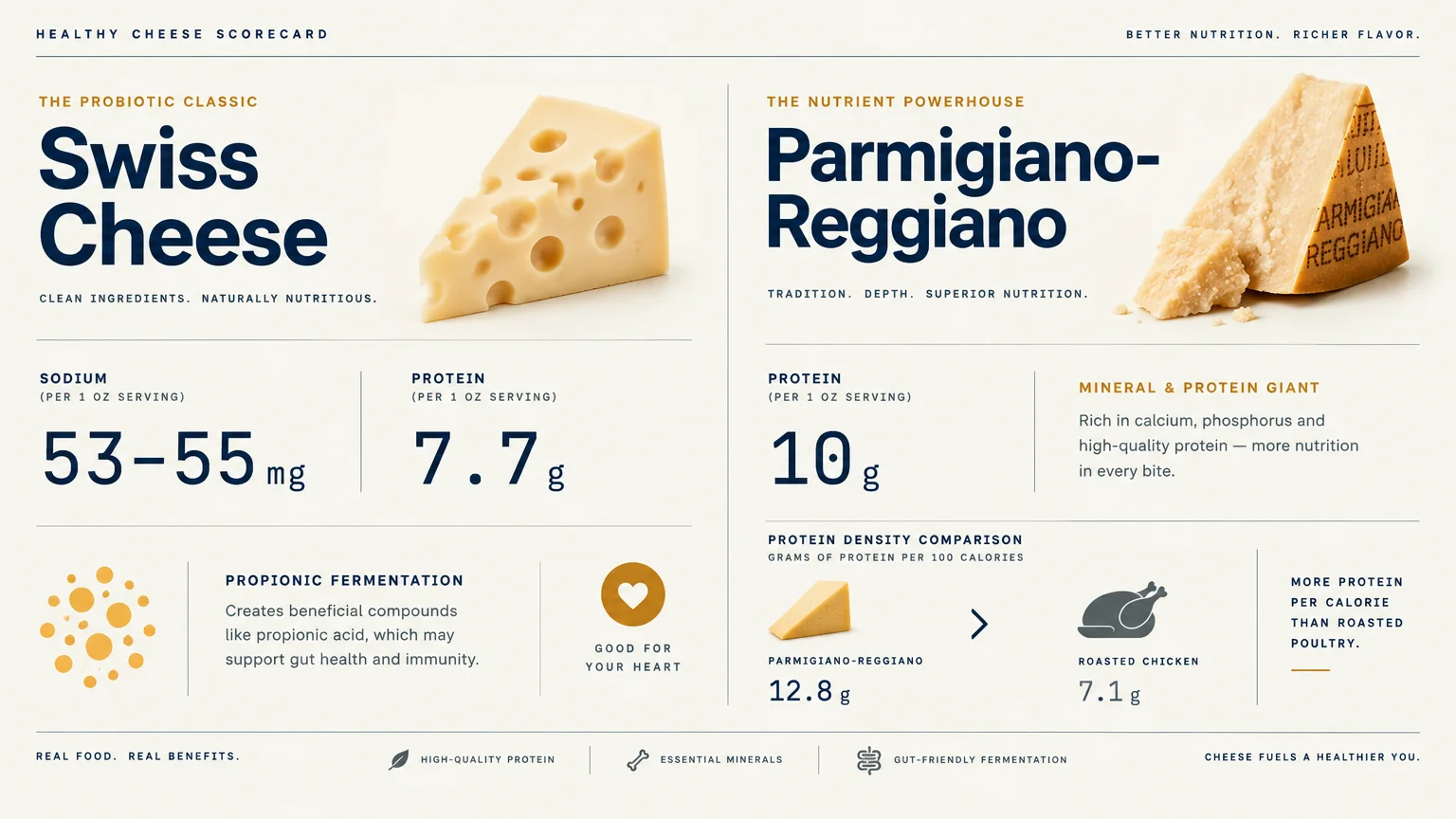
If you monitor your blood pressure, Swiss cheese is your premier choice in the deli case. Standard Swiss contains only 53 to 55 milligrams of sodium per one-ounce serving alongside 7.7 grams of complete protein.
In contrast to aged cheeses that deliver up to 450 milligrams of sodium, Swiss develops rich flavor through propionic acid fermentation. Melt it over fresh vegetables or lean poultry for heart-conscious meals.
2. Parmigiano-Reggiano: The Mineral and Protein Giant
Authentic Parmigiano-Reggiano stands as an unrivaled nutritional powerhouse among aged cheeses. A single one-ounce serving delivers 10 grams of protein, making it more protein-dense by weight than roasted chicken breast.
It also supplies 330 milligrams of calcium, fulfilling over 25 percent of your daily requirement. The National Institutes of Health highlights calcium for skeletal health, while extended aging keeps lactose below one gram.
3. Part-Skim Mozzarella: The Heart-Smart Option
Part-skim mozzarella offers an exceptional balance of low caloric density and high-yield protein. A standard one-ounce portion contains just 70 to 85 calories, six grams of protein, and 3.5 grams of saturated fat.
Fresh traditional mozzarella made with live cultures also provides beneficial probiotic strains like Lactobacillus fermentum. These active microorganisms support a resilient gut microbiome and strengthen your intestinal barrier.
4. Low-Fat Cottage Cheese: The Casein Powerhouse
Low-fat cottage cheese is a premier recovery food for active individuals. A half-cup serving of 2 percent cottage cheese delivers 11 to 12 grams of slow-digesting casein protein for only 90 calories.
This sustained amino acid release curbs your appetite and preserves lean muscle mass between meals. Select low-sodium varieties if you need to limit sodium, as standard tubs carry 350 to 450 milligrams.
5. Authentic Ricotta: The Whey-Based Recovery Tool
Unlike standard cheeses crafted from curdled casein, authentic Italian ricotta is produced from liquid whey. This unique composition yields approximately 14 grams of protein per half-cup serving while remaining low in sodium.
Whey protein contains concentrated branched-chain amino acids, especially leucine, which stimulates post-exercise muscle repair. Whip ricotta into morning oatmeal or savory roasted vegetables for a luxurious, creamy texture.
6. Traditional Feta: Rich Flavor and CLA
Traditional Greek feta made from sheep and goat milk delivers bold Mediterranean flavor in modest portions. An ounce provides roughly 75 calories, four grams of protein, and beneficial conjugated linoleic acid (CLA).
Because feta cures in brine, an ounce contains 315 to 330 milligrams of sodium. However, its punchy taste allows you to use small amounts while still achieving tremendous culinary satisfaction.
7. Goat Cheese: Gentle on Sensitive Digestion
Fresh goat cheese, or chèvre, offers an outstanding alternative for anyone who struggles to digest cow dairy. An ounce provides 75 calories, five grams of protein, and a bright, tangy finish.
Goat milk features A2 beta-casein proteins and medium-chain fatty acids like caproic and caprylic acids. These unique compounds digest more smoothly than conventional A1 cow milk proteins and convert rapidly into usable energy.
8. Aged Sharp Cheddar: Lactose-Free Nutrient Density
Naturally aged cheddar delivers substantial culinary impact alongside impressive micronutrient density. The extensive culturing and aging process eliminates nearly all lactose, making it ideal for lactose-sensitive eaters.
An ounce of sharp cheddar provides seven grams of complete protein, 200 milligrams of calcium, and bioavailable zinc. Its bold sharpness ensures that a single ounce satisfies cravings completely.
Three Actionable Strategies to Incorporate Healthy Cheese
Incorporating cheese into a health-promoting lifestyle requires intentionality rather than mindless grazing. Applying structured culinary strategies helps you enjoy artisanal dairy while hitting your wellness goals.
Strategy 1: Use Micro-Portioning with High-Flavor Varieties
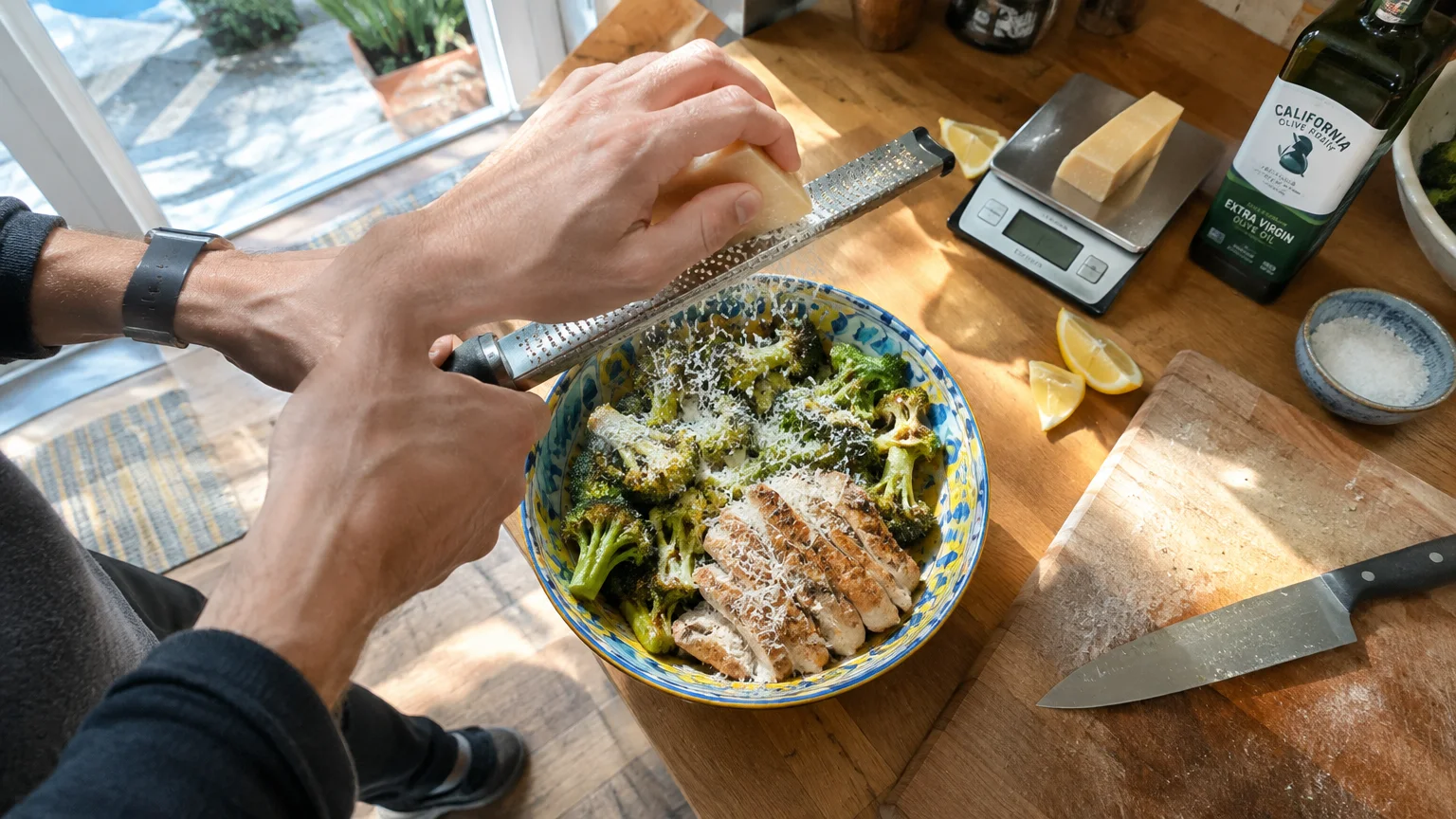
Rather than eating mild cheeses in bulk, choose intensely flavored varieties like aged Parmigiano-Reggiano or sharp feta. Using a microplane grater creates an expansive, fluffy mound of cheese from a mere quarter-ounce serving.
This sensory technique coats your palate thoroughly with every mouthful of salad or whole-grain pasta. You capture rich umami flavor while consuming less than 30 calories and 80 milligrams of sodium.
Strategy 2: Target Post-Exercise Protein Synthesis
Pair whey-rich ricotta or casein-loaded cottage cheese with antioxidant-rich berries within two hours of completing resistance training. This combination initiates rapid glycogen replenishment and long-lasting muscular repair.
Blend half a cup of low-fat cottage cheese with fresh fruit and cinnamon for a satisfying recovery snack. The blend provides over 12 grams of amino acids without artificial sweeteners or protein powders.
Strategy 3: Swap Processed Singles for Cultured Slices
Audit your refrigerator to eliminate processed American slices, cheese spreads, and shelf-stable dipping sauces. Replace them with naturally cultured Swiss cheese or authentic aged cheddar.
This single substitution eliminates unnecessary food starches, synthetic coloring agents, and industrial emulsifiers like sodium phosphate. In exchange, your digestive system gains natural enzymes and wholesome dairy lipids.
Expert Perspectives and Practical Wisdom
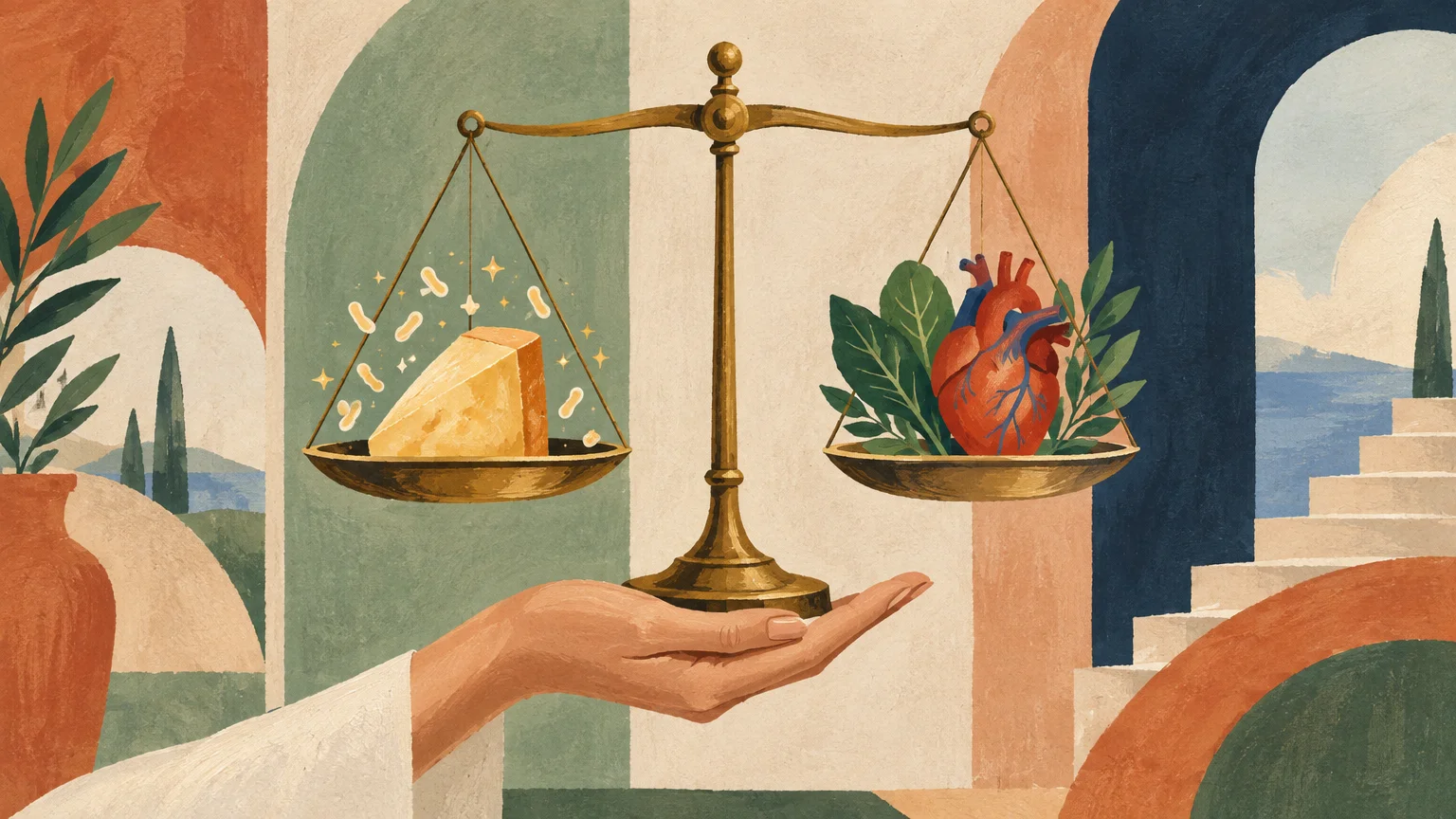
Cardiovascular specialists emphasize looking at the full nutritional profile of foods rather than isolating single nutrients. The American Heart Association highlights dietary patterns that emphasize whole foods over heavily processed alternatives.
Leading dietitians recommend purchasing cheese in blocks rather than pre-shredded bags whenever your schedule allows. Pre-shredded varieties contain added potato starch and natamycin to prevent caking, which compromises melting quality and freshness.
Budget-conscious shoppers can look for private-label Swiss blocks, domestic feta packed in water, and bulk plain cottage cheese. Buying large formats and portioning them at home keeps high-quality dairy exceptionally economical.
Safety Considerations, Contraindications, and Personalization
While natural cheese offers extensive health benefits, specific medical conditions warrant careful personalization. Always align your cheese consumption with your individualized health background and physician guidance.
Distinguish between lactose intolerance and a true cow’s milk protein allergy. Individuals with milk protein allergies must avoid all dairy curds and whey, as these proteins trigger severe allergic responses.
If you take monoamine oxidase inhibitors (MAOIs) for mental health, avoid aged cheeses like aged cheddar, Swiss, and parmesan. These aged varieties contain elevated levels of tyramine, which can trigger dangerous hypertensive spikes.
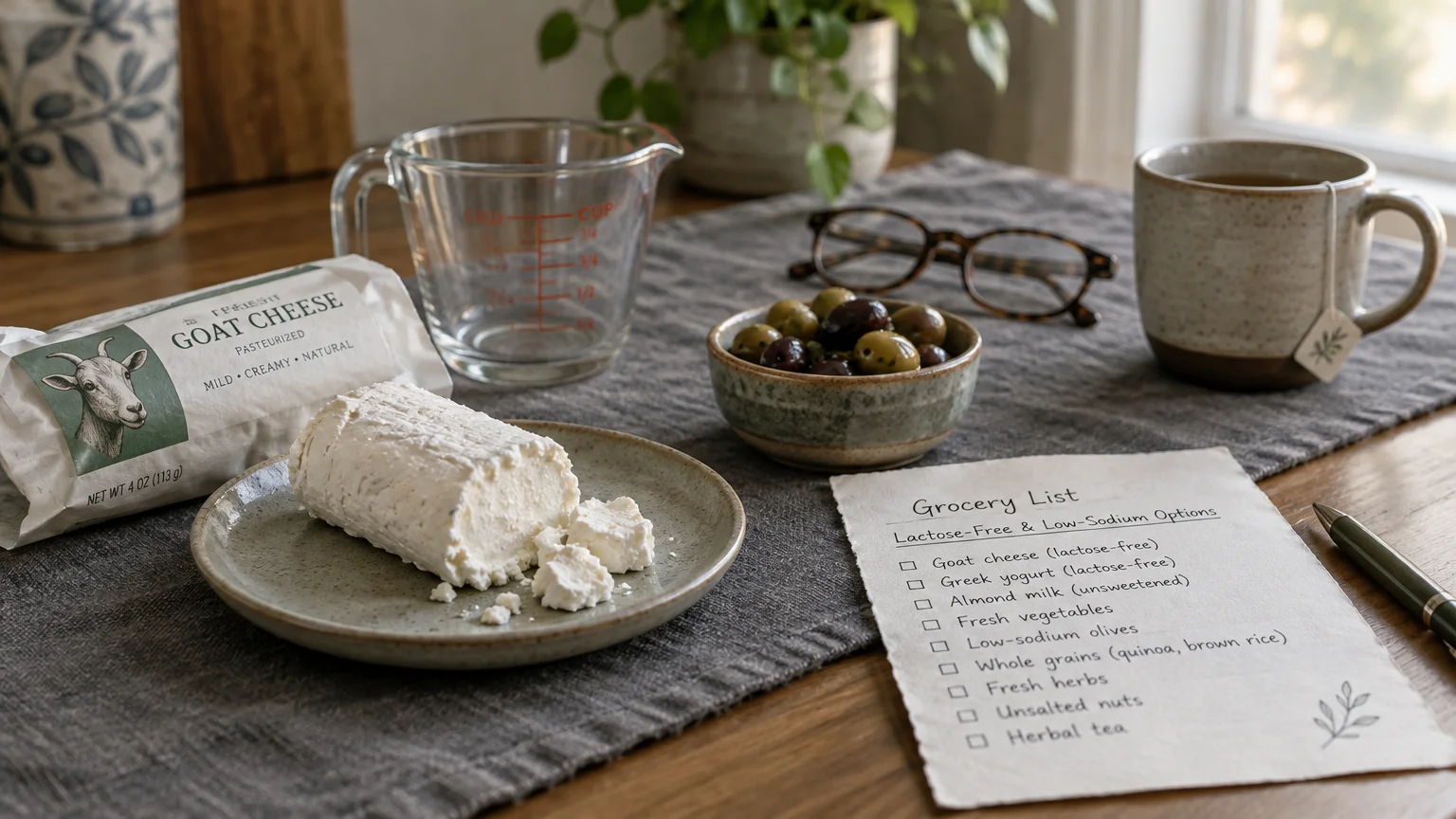
Expectant mothers should carefully verify pasteurization status on all soft cheeses, including chèvre and feta. According to the Centers for Disease Control and Prevention, consuming unpasteurized dairy presents serious risks of Listeria monocytogenes infection.
If you manage congestive heart failure or severe kidney impairment, prioritize Swiss or low-sodium cottage cheese. Always review your daily mineral targets with a registered dietitian or certified kidney specialist.
Frequently Asked Questions
Does eating full-fat cheese increase my risk of heart disease?
Recent observational and clinical studies demonstrate that natural full-fat cheese does not elevate cardiovascular disease risk as previously assumed. The dairy matrix appears to alter fat absorption and blunt adverse arterial effects.
Can I eat hard cheeses if I have lactose intolerance?
Yes, most individuals with lactose intolerance can comfortably consume aged hard cheeses like Parmigiano-Reggiano and sharp cheddar. The aging process allows bacteria to convert nearly all lactose into lactic acid.
What makes natural cheese healthier than processed cheese slices?
Natural cheese contains only milk, salt, bacterial cultures, and enzymes. Processed cheese products contain up to 49 percent emulsifiers, vegetable oils, and salt, which degrade their nutritional density.
How much cheese should I consume daily for optimal health?
Most healthy adults benefit from consuming one to one and a half ounces of natural cheese daily within a balanced meal pattern. This portion provides substantial protein and calcium without exceeding sodium thresholds.
Upgrade Your Plate Today
Optimizing your nutrition does not require eliminating the rich culinary foods you enjoy most. Thoughtfully selecting authentic, nutrient-dense cheeses allows you to nourish your body while savoring every meal.
Within the next 24 hours, inspect your refrigerator and discard any imitation cheese products containing synthetic emulsifiers. Replace them with authentic Swiss, Parmigiano-Reggiano, or fresh cottage cheese on your next grocery run.
Your taste buds and metabolic health will both appreciate this effortless, satisfying dietary upgrade.