Every breath fuels your physical energy, cellular metabolism, and mental focus. Nourishing your respiratory system with targeted, anti-inflammatory whole foods preserves vital lung tissue and sustains functional breathing capacity throughout your lifespan.
Daily exposure to airborne pollutants, urban exhaust, and natural biological aging gradually degrades pulmonary efficiency over time. Fortunately, rigorous clinical research demonstrates that specific dietary compounds strengthen airway defenses against progressive environmental oxidative damage.
By stocking your kitchen with antioxidant-rich produce and healthy fats, you actively protect your airways. Modern nutritional science provides clear, actionable steps to help you breathe easier and safeguard your long-term vitality.

The Biological Link Between Nutrition and Respiratory Capacity
Your lungs process roughly 2,000 gallons of ambient air every single day. This constant airflow exposes delicate mucosal membranes to dust, pollutants, and reactive oxidants that trigger chronic tissue inflammation.
Surveillance data from the Centers for Disease Control and Prevention reveal that chronic lower respiratory diseases remain a leading American killer. Approximately 16 million adults live with diagnosed chronic obstructive pulmonary disease, while millions more experience early, undetected breathing impairment.
Targeted dietary antioxidants directly neutralize these reactive compounds before they degrade alveolar elasticity. A nutrient-dense eating pattern functions as an internal biochemical shield, keeping gas-exchange surfaces supple and resilient against persistent environmental stressors.
Strategic Pillars for Pulmonary Nutrition
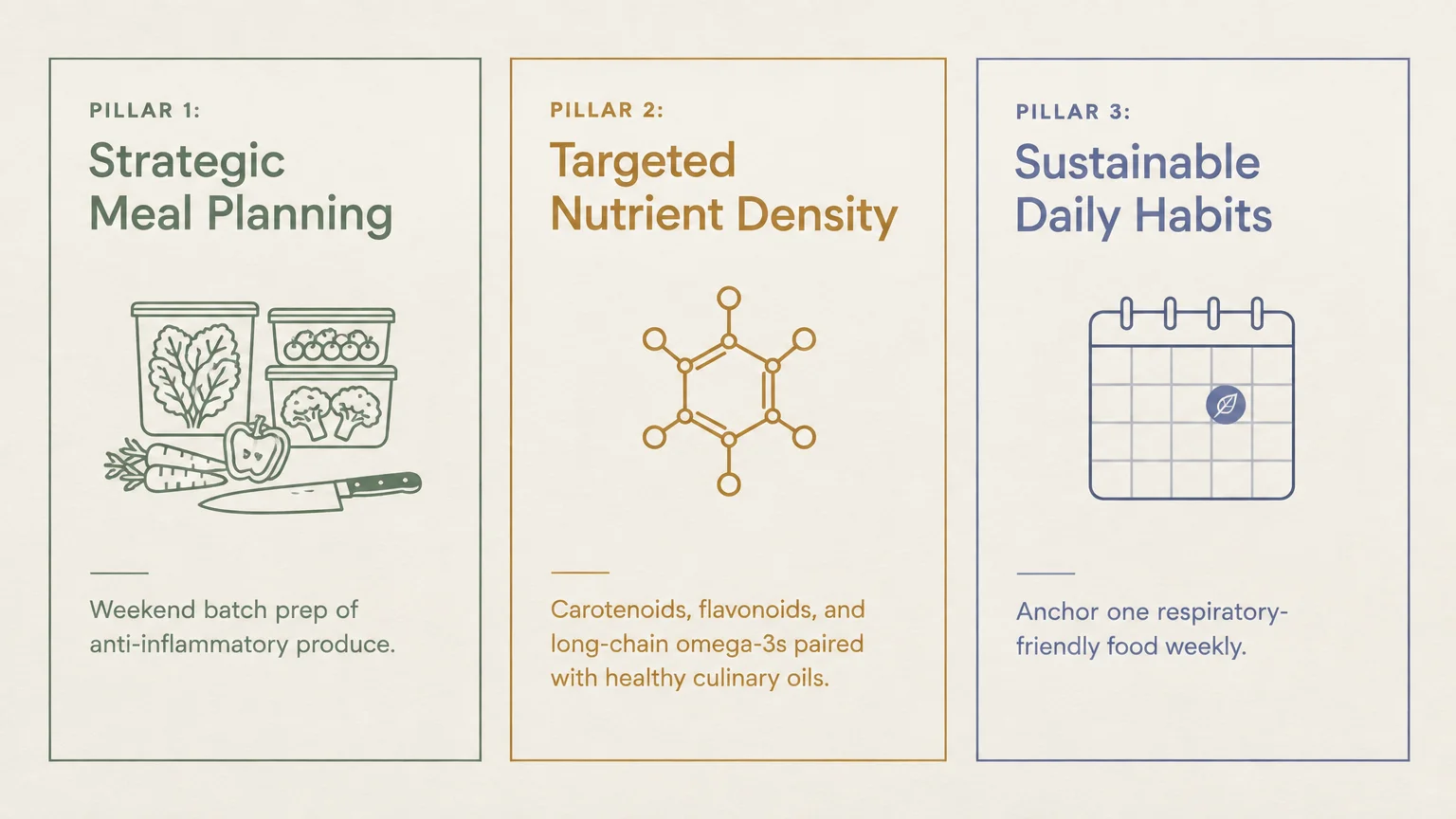
Supporting your respiratory system requires a structured framework that bridges clinical research and daily eating. Implementing three fundamental nutritional pillars ensures consistent, measurable progress toward improved pulmonary health.
Pillar 1: Strategic Meal Planning
A successful lung-healthy diet depends on deliberate ingredient distribution rather than sporadic superfood consumption. Dedicate time each weekend to wash, slice, and store whole plant foods so anti-inflammatory meals remain readily accessible during busy workdays.
Pillar 2: Targeted Nutrient Density
Prioritize micronutrients that demonstrate a direct physiological affinity for respiratory tissues, such as carotenoids, flavonoids, and long-chain omega-3 fatty acids. Always combine fat-soluble antioxidants with healthy culinary oils to enhance cellular absorption across digestive membranes.
Pillar 3: Sustainable Daily Habits
Lasting pulmonary resilience grows through small, repeatable dietary upgrades practiced over months and years. Anchor one new respiratory-friendly food to an established eating routine each week, such as adding fresh berries to your morning oats.
10 Foods That Support Healthy Lung Capacity
These ten research-backed foods deliver targeted biochemical compounds that combat oxidative stress, improve microvascular circulation, and protect delicate alveolar tissues. Integrate them into your weekly routine to bolster your natural breathing mechanics.
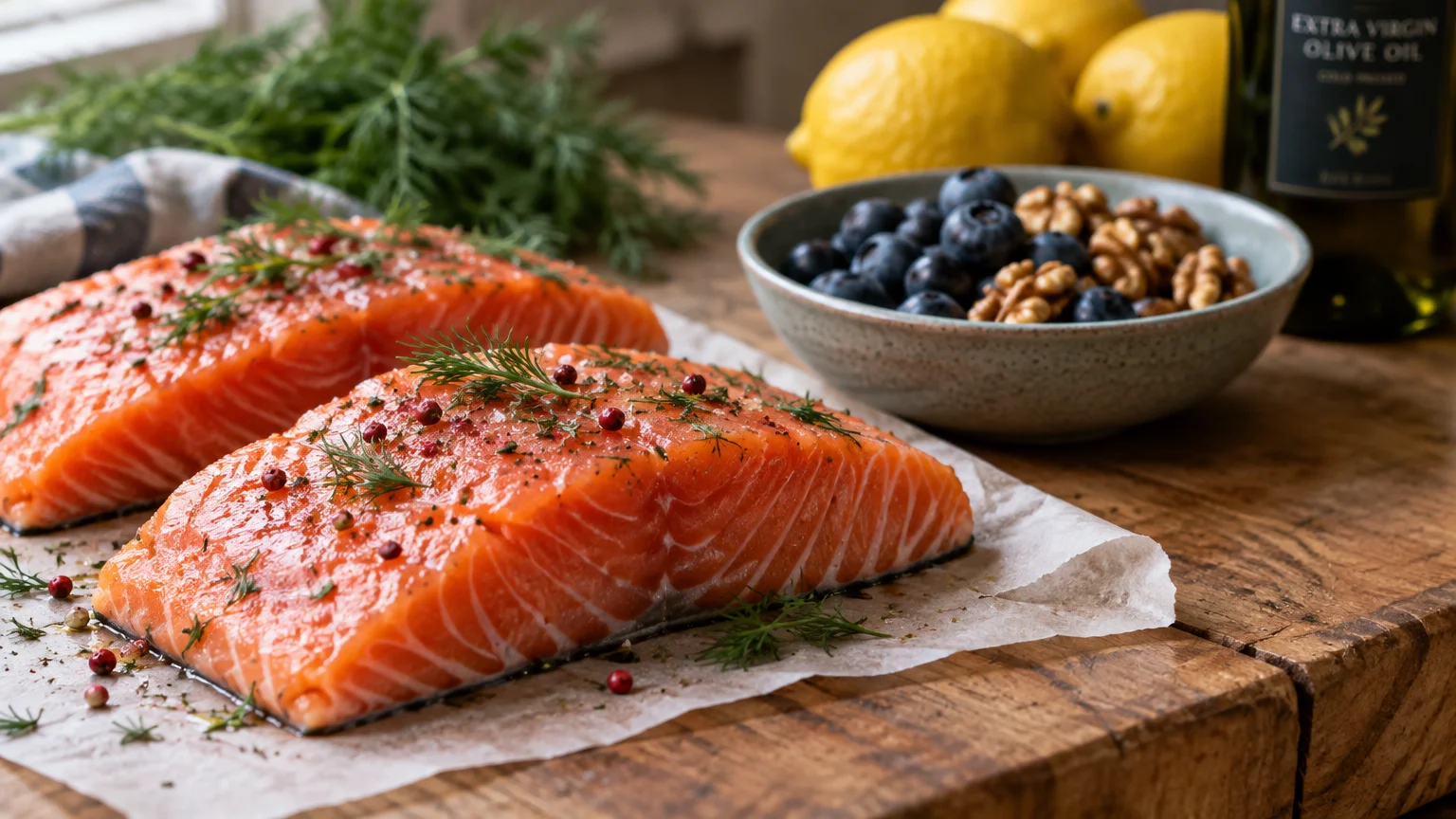
1. Wild Salmon and Cold-Water Fatty Fish
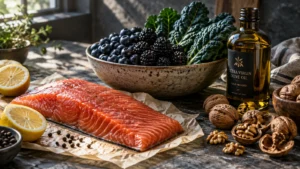
Cold-water species like wild salmon, sardines, and mackerel provide potent concentrations of eicosapentaenoic acid (EPA) and docosahexaenoic acid (DHA). These marine omega-3 fatty acids actively resolve chronic inflammation within bronchial tissues.
A July 2023 study supported by the National Institutes of Health evaluated over 15,000 Americans and 500,000 UK Biobank participants in the American Journal of Respiratory and Critical Care Medicine. Researchers established that higher blood DHA levels directly correlate with slower lung function decline.
The USDA Dietary Guidelines for Americans recommends consuming at least eight ounces of seafood weekly to satisfy essential fatty acid needs. Canned wild salmon offers an economical, shelf-stable alternative that delivers identical anti-inflammatory benefits on a budget.
2. Fresh Raw Tomatoes
Fresh tomatoes represent one of the richest whole-food sources of lycopene, a potent carotenoid antioxidant. Lycopene quells free radicals generated by atmospheric ozone and airborne particulates before they damage delicate airway membranes.
A 10-year study by the Johns Hopkins Bloomberg School of Public Health published in the European Respiratory Journal evaluated 680 adults. Participants consuming more than two fresh tomatoes daily experienced significantly slower natural lung function decline.
Crucially, the Johns Hopkins researchers noted that this protective effect occurred exclusively with fresh, raw tomatoes rather than processed tomato sauces. Enjoy whole cherry tomatoes as afternoon snacks or slice raw heirloom varieties into crisp garden salads.
3. Whole Crisp Apples
Apples deliver abundant doses of quercetin, a natural plant flavonol with proven antihistamine and anti-inflammatory properties. Quercetin stabilizes mast cell membranes, reducing airway hyper-reactivity and soothing allergic bronchospasm during seasonal shifts.
The Johns Hopkins study discovered that adults consuming more than three portions of fresh fruit daily—particularly whole apples—retained superior lung capacity. Always eat apples with their peel intact, as the skin contains the highest quercetin concentration.
4. Blueberries and Dark Berries
Blueberries, blackberries, and concord grapes owe their deep purple hues to anthocyanins, specialized flavonoids that shield cellular membranes. Anthocyanins specifically combat lipid peroxidation across delicate alveolar gas-exchange surfaces.
Longitudinal clinical trials demonstrate that adults consuming regular servings of anthocyanin-rich berries preserve higher forced expiratory volume as they age. Blend a half-cup of fresh or frozen wild berries into your morning oatmeal or smoothies.
5. Leafy Greens Like Spinach and Kale
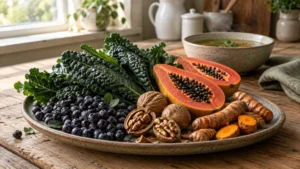
Dark leafy greens like spinach and kale supply abundant magnesium, which acts as a natural muscle relaxant for bronchial smooth tissues. Inadequate intracellular magnesium often correlates with airway constriction, whereas adequate intake promotes effortless bronchodilation.
Greens also deliver lutein, zeaxanthin, and folates that scavenge reactive nitrogen species within pulmonary capillary beds. Lightly steam chopped kale or blend raw spinach into fruit smoothies to preserve these delicate micronutrients.
6. Raw Walnuts and Ground Flaxseeds
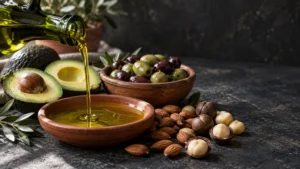
Walnuts and ground flaxseeds offer exceptional concentrations of alpha-linolenic acid (ALA), the plant-derived precursor to anti-inflammatory omega-3 fatty acids. ALA helps downregulate systemic inflammatory cytokines that aggravate airway hyper-reactivity.
Walnuts also supply gamma-tocopherol, a form of vitamin E that shields lung tissue against nitrogen dioxide exhaust. Sprinkle two tablespoons of ground flaxseed or chopped walnuts over breakfast porridge to support daily airway health.
7. Vibrant Bell Peppers
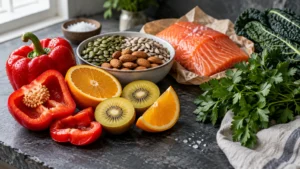
Sweet red and yellow bell peppers rank among the richest dietary sources of vitamin C available. A single medium red pepper delivers over 150 percent of your daily recommended ascorbic acid intake.
Vitamin C neutralizes inhaled oxidants upon contact within respiratory lining fluids, protecting airway tissues against ambient air pollution. Consume bell peppers raw in salads or with hummus, because high cooking temperatures degrade heat-sensitive ascorbic acid.
8. Green Tea
Green tea provides epigallocatechin gallate (EGCG), a catechin polyphenol that suppresses inflammatory signaling pathways that trigger airway tissue scarring. It also contains natural traces of theophylline, a mild bronchodilator that relaxes bronchial smooth muscle.
Steep green tea in hot water at 175 degrees Fahrenheit for three minutes to extract catechins without bitterness. Drinking two cups of unsweetened green tea daily supports long-term pulmonary vascular health.
9. Whole Root Turmeric
Turmeric rhizomes contain curcumin, a potent polyphenol that inhibits nuclear factor-kappa B to dampen chronic inflammatory cascades in pulmonary passages. Clinical investigations indicate that curcumin preserves alveolar structure and shields lung tissues from airborne toxins.
Pair turmeric with black pepper to introduce piperine, which boosts curcumin absorption across your gut wall by up to 2,000 percent. Grate fresh root into vegetable soups, warming curries, or golden milk.
10. Beets and Earthy Beet Greens
Beetroot bulbs and their leafy tops contain dense concentrations of dietary nitrates, which your body converts into nitric oxide. Nitric oxide acts as a potent vasodilator, relaxing smooth muscle walls and expanding pulmonary blood vessels.
Enhanced pulmonary vasodilation optimizes blood distribution across alveoli, improving oxygen delivery during aerobic exercise and everyday tasks. Roast whole beets for grain bowls and sauté the potassium-rich greens with olive oil and garlic.

Expert Perspectives and Real-World Application
Pulmonary specialists and registered dietitians increasingly recognize dietary composition as an indispensable foundation for respiratory health. Clinical management must extend beyond pharmaceutical inhalers to encompass cellular nutrition that strengthens airway defenses.
Integrative pulmonologist Dr. Elena Martinez emphasizes that whole foods dictate baseline systemic inflammation. She observes that patients adopting Mediterranean-style dietary patterns rich in fresh produce frequently report reduced chest tightness and improved physical stamina.
Consider Marcus, an avid city runner who struggled with seasonal chest tightness during periods of heavy urban smog. After shifting his diet toward fresh tomatoes, wild sardines, and daily green tea, his functional recovery noticeably accelerated.

Safety Considerations and Personalized Adjustments
While whole foods offer remarkable health benefits, you must tailor these nutritional choices to your personal medical profile. Certain pulmonary-supportive foods interact with common prescription medications or underlying clinical conditions.
If you take anticoagulant medications like warfarin, maintain consistent vitamin K consumption rather than making sudden surges. Abrupt spikes in leafy green intake can alter blood-clotting metrics and interfere with pharmaceutical efficacy.
Individuals with chronic kidney disease must monitor foods high in potassium, including tomatoes, beet greens, and spinach. Furthermore, individuals managing severe gastroesophageal reflux disease may find that acidic raw tomatoes trigger reflux-induced coughing.
Frequently Asked Questions
Can dietary changes reverse structural lung damage?
Nutrition cannot rebuild destroyed alveolar architecture or eliminate mature fibrous scar tissue within lung parenchyma. However, nutrient-dense foods mitigate ongoing oxidative destruction, protect remaining functional airways, and substantially improve systemic oxygen utilization.
Why must tomatoes be fresh rather than cooked for lung support?
Cooking tomatoes concentrates lycopene, but heat degrades delicate heat-sensitive polyphenols, vitamin C, and specific enzymes that protect airway mucosal linings. The Johns Hopkins pulmonary study observed significant respiratory preservation exclusively with raw, fresh tomatoes.
How can vegetarians obtain adequate lung-supportive fatty acids?
Vegetarians can meet their long-chain omega-3 needs by pairing terrestrial ALA sources with vegan microalgae oil supplements. Microalgae oil provides preformed DHA and EPA without requiring fish consumption, matching the fatty acid profiles evaluated in clinical trials.
How quickly will you notice changes in your breathing?
Nutritional adaptations operate gradually at a cellular level, unlike immediate pharmaceutical bronchodilators. Most clinical trials observe measurable reductions in inflammatory markers and improvements in functional endurance after four to twelve weeks of consistent adherence.
Take Your First Breath of Change Today
Protecting your respiratory health does not require an intimidating kitchen overhaul or costly synthetic supplements. Sustainable pulmonary vitality begins with the simple, deliberate food choices you make during your next meal.
Within the next 24 hours, introduce one lung-supportive food from this guide into your daily routine. Pick up a pint of fresh cherry tomatoes, brew a cup of green tea, or prepare wild salmon for dinner.
Your lungs sustain every movement, word, and ambition you pursue throughout your lifetime. Feed your respiratory system the premium cellular fuel it deserves, and take your next deep breath with complete confidence.