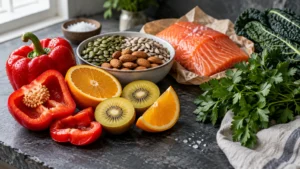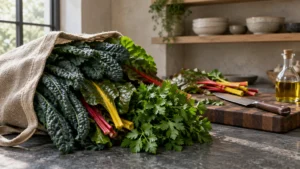
You can transform your cardiovascular resilience and bone density by making simple upgrades to your grocery cart. Vitamin K1, also known as phylloquinone, directs calcium into your bones and activates proteins essential for healthy blood clotting.
Most adults require only a single daily serving of dark leafy greens to satisfy their body’s requirements. Yet many people miss out on the immense protective power of these nutrient-dense vegetables.
Adding the right phylloquinone sources to your weekly rotation strengthens your skeletal system while elevating everyday meals. Here are ten top foods high in vitamin K1 to stock in your kitchen today.
Why Phylloquinone Belongs on Your Radar
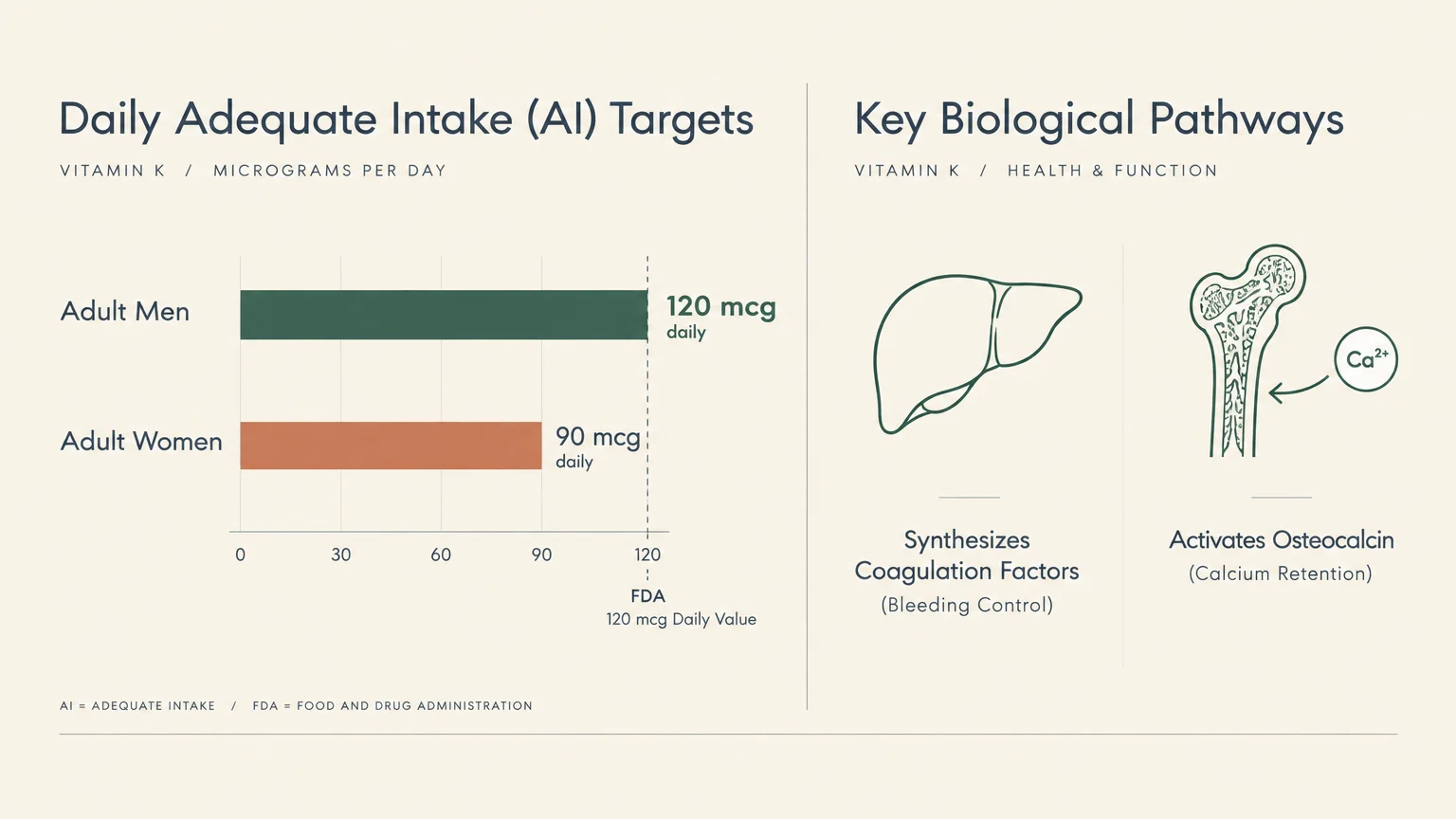
Phylloquinone operates as the primary dietary form of vitamin K in human nutrition. Your liver relies on this fat-soluble micronutrient to synthesize coagulation factors that prevent uncontrolled bleeding after an injury.
Beyond regulating coagulation, phylloquinone activates osteocalcin to bind ionized calcium directly within your bone matrix. This physiological mechanism prevents mineral loss and supports long-term skeletal integrity as you age.
The National Institutes of Health establishes an Adequate Intake of 120 micrograms daily for adult men and 90 micrograms for women. This standard ensures proper physiological functioning across every stage of adulthood.
In addition, the U.S. Food and Drug Administration sets the Daily Value at 120 micrograms on packaged food labels. Reaching this benchmark requires only modest portions of ordinary produce.
Fortunately, plant foods provide concentrated amounts of this essential nutrient. Meeting your daily target requires neither synthetic pills nor complicated wellness regimens.
How Your Body Absorbs Vitamin K1
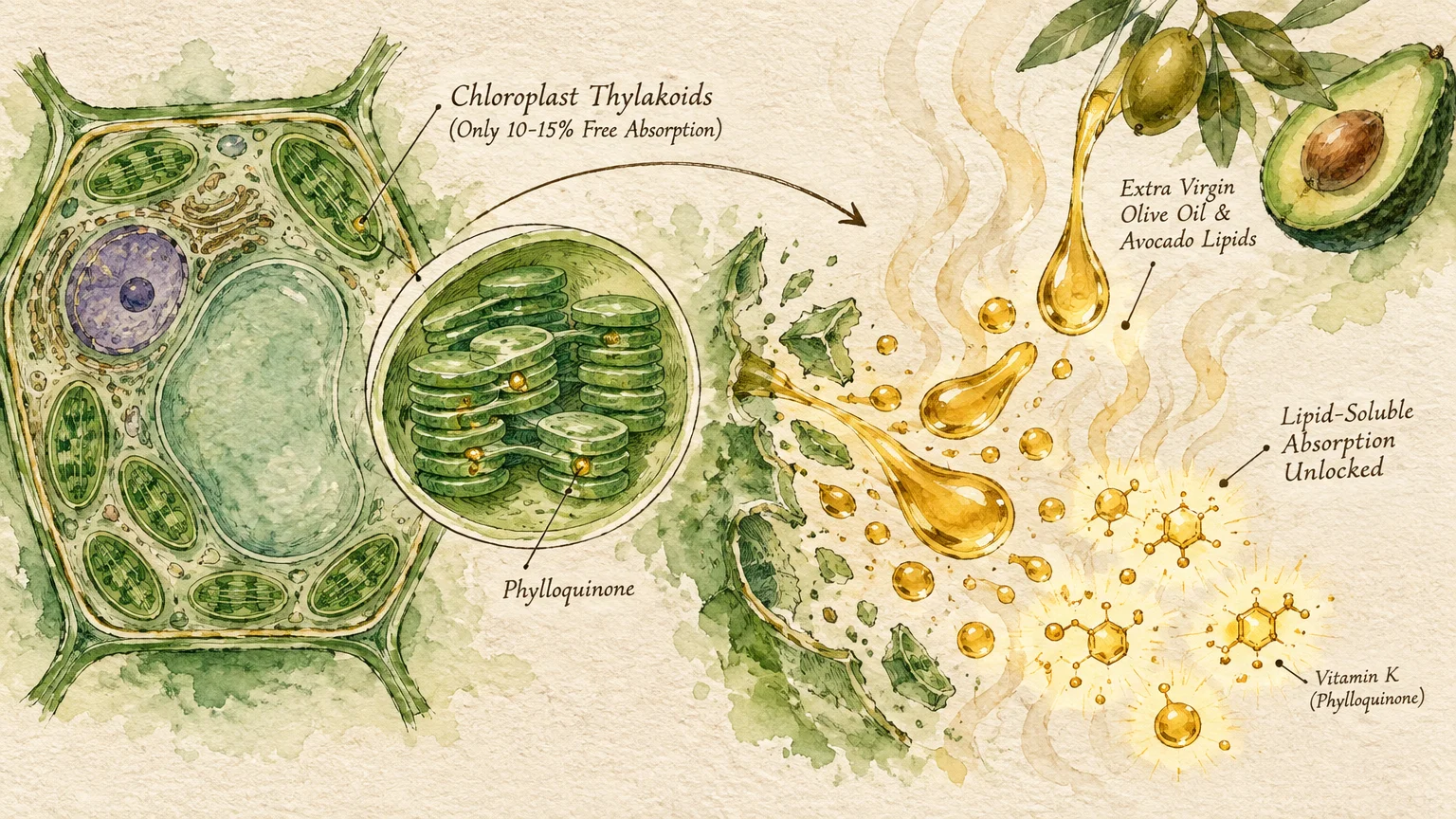
Phylloquinone resides inside the thylakoid membranes of plant chloroplasts. Because of this tight cellular encapsulation, your digestive tract absorbs only 10 to 15 percent of the vitamin from raw greens eaten plain.
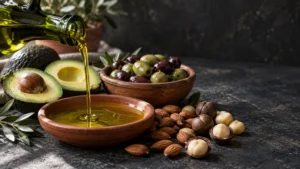
Because vitamin K1 is fat-soluble, dietary lipids dramatically increase intestinal absorption. Pairing greens with extra virgin olive oil, avocado, or chopped walnuts unlocks their full nutritional potential.
Gentle thermal processing also softens plant cell walls and frees trapped nutrients. Lightly steaming or sautéing your greens allows digestive enzymes to liberate phylloquinone with minimal digestive effort.
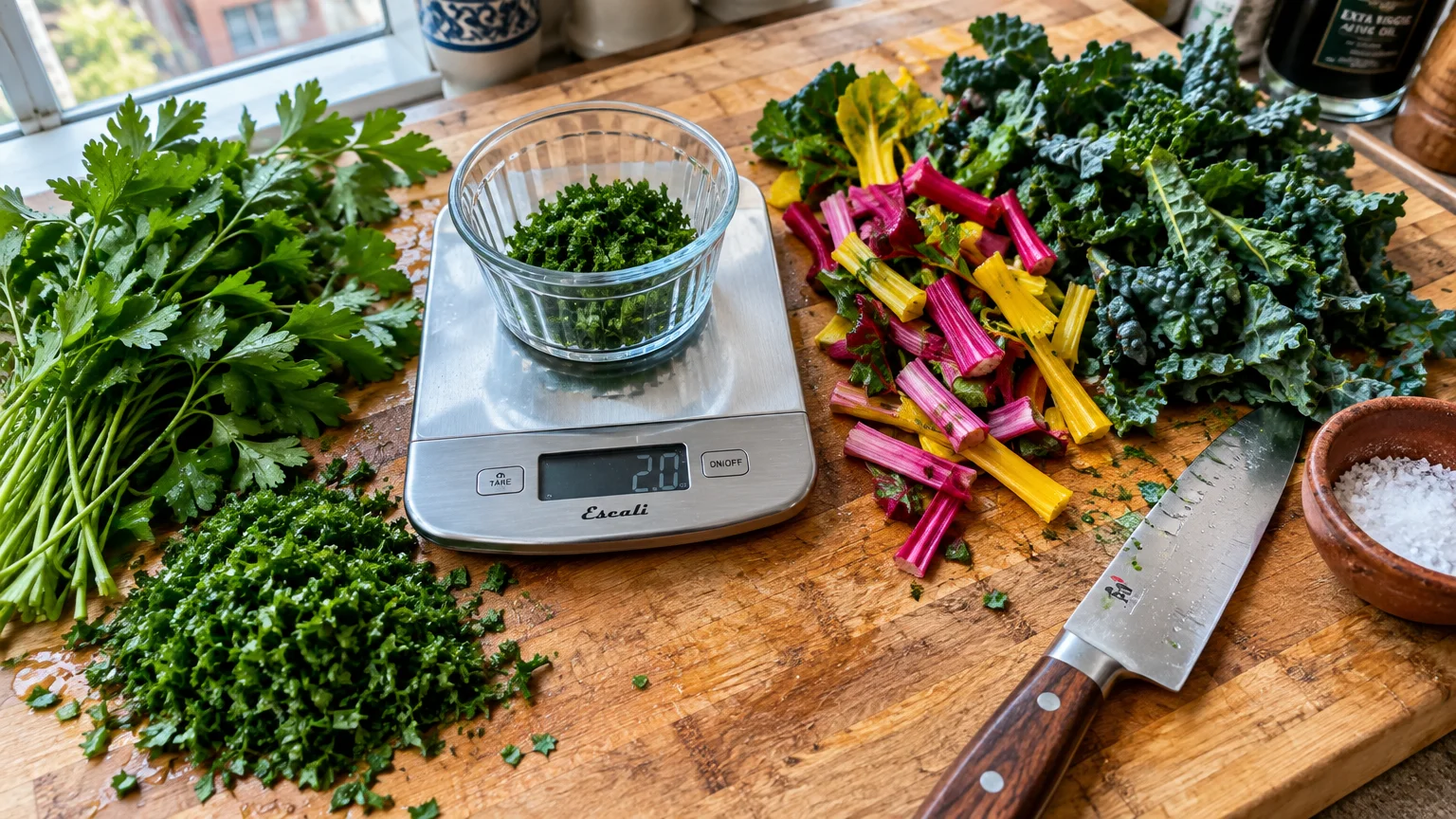
Top 10 Vitamin K1 Foods for Your Shopping Cart
1. Fresh Parsley
Fresh parsley delivers an astonishing 984 micrograms of phylloquinone per chopped cup. Even a humble two-tablespoon garnish provides roughly 164 micrograms, easily exceeding your daily requirement.
Treat flat-leaf parsley as a vibrant salad base rather than a garnish by tossing it with olive oil and grains. Store stems in cold water to keep them crisp for weeks.
2. Swiss Chard
Swiss chard yields approximately 572 micrograms of vitamin K1 per cooked cup. Raw chard leaves also deliver nearly 300 micrograms per cup, making them a potent foundation for lunch bowls.
Sauté the chopped stems first to soften their fibrous texture before folding in the delicate green leaves. Look for vibrant bunches at local markets throughout the cool growing seasons.
3. Cooked Kale
One cup of cooked kale supplies an impressive 544 micrograms of phylloquinone. Even a single cup of raw chopped kale contributes between 82 and 113 micrograms to your daily intake.
Kale holds its structure in hot soups, or you can massage raw leaves with olive oil for salads. Surplus leaves freeze cleanly for nutrient-packed morning smoothies.
4. Collard Greens
Collard greens provide about 530 micrograms per half-cup serving when cooked from frozen packages. Fresh collard leaves boiled until tender offer approximately 386 micrograms for that same portion.
Simmer these broad leaves with garlic, smoked paprika, and olive oil for deep, savory flavor. You can also blanch them briefly to create sturdy, low-carbohydrate wraps for lunchtime sandwiches.
5. Turnip Greens
Turnip greens boast approximately 529 micrograms of phylloquinone per cooked cup. Their sharp, peppery flavor profile adds complex depth to rustic bean stews and skillet sautés.
Never discard the leafy tops when purchasing fresh turnips at your local market. Braising them with sweet onions and apple cider vinegar tames their bite in under ten minutes.
6. Cooked Spinach
A modest half-cup serving of cooked spinach offers about 445 micrograms of vitamin K1. If you prefer raw baby spinach in salads, one cup still yields roughly 145 micrograms.
Spinach wilts down rapidly, allowing you to consume substantial nutrient volumes with minimal effort. Stir fresh baby leaves into simmering curries, warm pasta dishes, or morning scrambled eggs.
7. Brussels Sprouts
Brussels sprouts supply roughly 109 micrograms per half-cup boiled, while raw shredded sprouts provide 156 micrograms per cup. They belong to the brassica family, celebrated for protective sulfur compounds.
Roasting halved sprouts with avocado oil creates caramelized, nutty edges that taste delightful. You can also shred raw sprouts into a crunchy slaw that keeps well for several days.
8. Steamed Broccoli
Steamed broccoli provides between 110 and 162 micrograms of vitamin K1 per cooked cup. That generous serving easily meets your daily recommended baseline in a single sitting.
Broccoli florets absorb savory vinaigrettes like sponges, making them ideal for grain bowls. Frozen broccoli florets offer identical nutritional value to fresh heads at a fraction of the grocery cost.
9. Green Cabbage
Green cabbage delivers around 82 micrograms of phylloquinone per half-cup boiled. This humble head represents one of the most economical, shelf-stable leafy greens vitamin K sources available.
Cabbage maintains its texture in long-simmering vegetable soups and quick skillet stir-fries. A whole head keeps well in your refrigerator crisper drawer for up to a month.
10. Romaine Lettuce
Crisp romaine lettuce contributes between 48 and 57 micrograms of vitamin K1 per shredded cup. Eating a generous two-cup lunch salad fulfills your entire daily baseline target.
Romaine provides a classic, hydrating crunch that anchors Caesar salads, wraps, and tacos. Choose whole romaine hearts over pre-cut bags to ensure maximum freshness and long-lasting crispness.
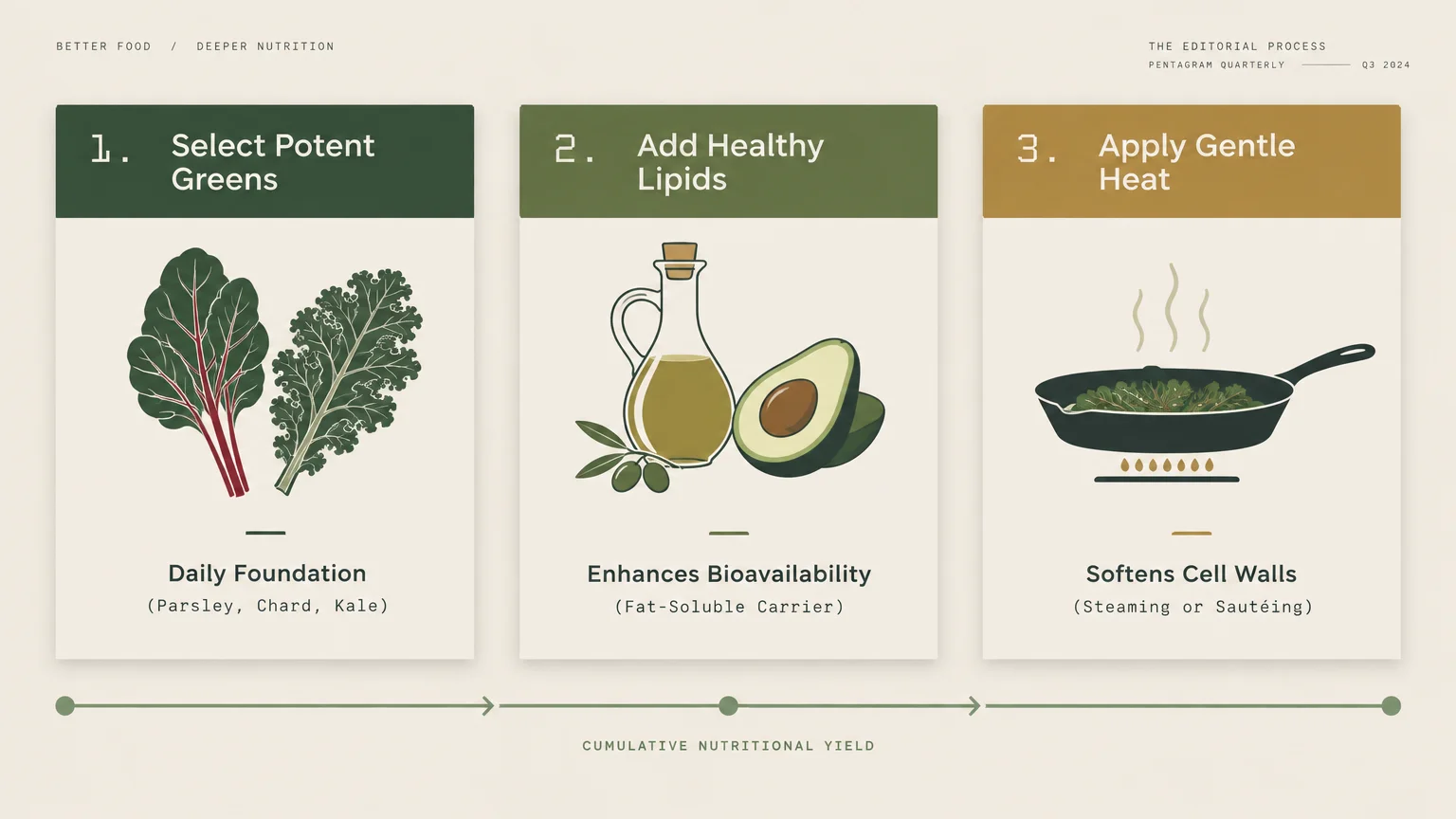
Three Strategic Pillars for Building a Vitamin K Rich Diet
Pillar 1: Proactive Meal Planning
Building a vitamin K rich diet begins by selecting two high-yield greens every shopping trip. Alternating between kale, chard, and spinach prevents menu boredom and diversifies your micronutrient profile.
Process your vegetables promptly after bringing them home from the store. Washing and chopping leaves in advance removes culinary friction when preparing busy weeknight dinners.
Keep bags of frozen greens on standby in your freezer. This simple habit guarantees that you always have phylloquinone sources available when fresh produce runs low.
Pillar 2: Nutrient Pairing and Lipid Synergy
Always combine your leafy greens with healthy culinary fats to optimize nutrient bioavailability. Dressing raw salads with extra virgin olive oil or tahini markedly enhances phylloquinone uptake.
Roasted nuts, pumpkin seeds, and ripe avocado also act as fantastic lipid vehicles. These unrefined fats provide satisfying satiety while carrying fat-soluble nutrients into your bloodstream.
Avoid relying entirely on fat-free dressings when consuming vitamin K1 foods. Omitting dietary fat hinders your gastrointestinal tract from absorbing these essential micronutrients efficiently.
Pillar 3: Sustainable Kitchen Habits
Incorporate greens into everyday dishes you already love rather than overhauling your entire routine. Stir shredded greens into marinara sauce, or tuck raw leaves into lunchtime sandwiches.
Season your greens with aromatic garlic, toasted spices, and fresh lemon juice. Acidity cuts the natural bitterness of cruciferous greens, transforming simple sides into delicious staples.
Celebrate small, sustainable dietary improvements rather than seeking perfection. One consistent serving of leafy greens each day yields profound dividends for your health over time.

Expert Perspectives and Clinical Safety
The Academy of Nutrition and Dietetics emphasizes that whole foods supply synergistic nutrient complexes that isolated supplements cannot mimic. Whole greens deliver fiber, carotenoids, and minerals alongside phylloquinone.
Reassuringly, the Food and Nutrition Board establishes no Tolerable Upper Intake Level for vitamin K1. Clinical research confirms that consuming high quantities of phylloquinone from food poses no toxicity risk.
However, people taking anticoagulant medications like warfarin must maintain careful dietary vigilance. As the American Heart Association highlights, major fluctuations in dietary vitamin K directly interfere with drug efficacy.
Hematology guidelines advise keeping your daily consumption of vitamin K foods steady rather than eliminating greens entirely. Abrupt dietary shifts destabilize your International Normalized Ratio and disrupt therapeutic blood thinning.
If you take warfarin, consult your physician before making substantial adjustments to your leafy green intake. Your medical team can fine-tune medication doses to accommodate your dietary preferences.
Individuals susceptible to calcium oxalate kidney stones should also consider green selection carefully. Rotating high-oxalate spinach and chard with lower-oxalate kale, broccoli, and cabbage supports skeletal health safely.
Frequently Asked Questions About Vitamin K1
What is the primary difference between vitamin K1 and vitamin K2?
Vitamin K1, or phylloquinone, originates mainly in green plants and supports hepatic clotting factor synthesis. Vitamin K2, or menaquinone, appears in fermented foods and animal products, regulating arterial and skeletal calcium.
While both forms promote long-term vitality, eating green vegetables easily satisfies your basic vitamin K requirements. Your intestinal microflora also transforms small portions of ingested phylloquinone into absorbable menaquinones.
Does cooking destroy phylloquinone in fresh vegetables?
Phylloquinone is a heat-stable micronutrient that remains intact during boiling, roasting, and steaming. High heat does not degrade this molecule the way it diminishes fragile water-soluble vitamins like vitamin C.
Cooking actually breaks down tough cell walls, condensing plant volume and increasing bioavailable vitamin K1 per serving. You absorb phylloquinone significantly better from lightly cooked greens than from raw leaves.
Do freezing and blanching reduce vitamin K1 levels?
Commercial freezing preserves phylloquinone with virtually zero nutrient degradation over extended storage periods. Flash-freezing harvested greens locks in their peak nutritional value within hours of being picked.
Quick blanching prior to freezing deactivates plant enzymes that would otherwise break down tissue over time. Frozen greens remain an economical, nutrient-dense staple for any wellness kitchen.
Can you consume too much vitamin K1 from dietary sources?
Healthy adults without anticoagulant prescriptions face no risk of toxicity from eating vitamin K1 foods. Your body safely manages physiological reserves and eliminates excess metabolites without causing adverse side effects.
The Centers for Disease Control and Prevention encourages eating varied vegetables to promote lifelong health. Focus on incorporating diverse colorful greens into your weekly meals with complete confidence.
Take Your First Step Today
Long-term physical resilience does not require restrictive diets or exotic superfood powders. Lasting vitality grows from modest, practical decisions made inside your neighborhood grocery aisle.
Over the next 24 hours, select one unfamiliar green from this list during your next grocery run. Sauté your leaves with olive oil and garlic tonight to nourish your bones and cardiovascular system.