
Protect your auditory nerve fibers and preserve clear sound perception by adding targeted, evidence-based nutrients to your daily meals. Research reveals that deliberate nutrition shields delicate inner-ear hair cells against premature, age-related decline.
Data from the National Institute on Deafness and Other Communication Disorders reveals that nearly 38 million American adults report trouble hearing. Furthermore, one in three adults aged sixty-five to seventy-four experiences measurable hearing impairment.
You can fortify your ears against progressive cellular damage and preserve everyday conversations. Exploring eight research-backed micronutrients gives you practical dietary strategies to sustain auditory sharpness for decades.
Understanding Age-Related Hearing Loss and Cellular Vulnerability
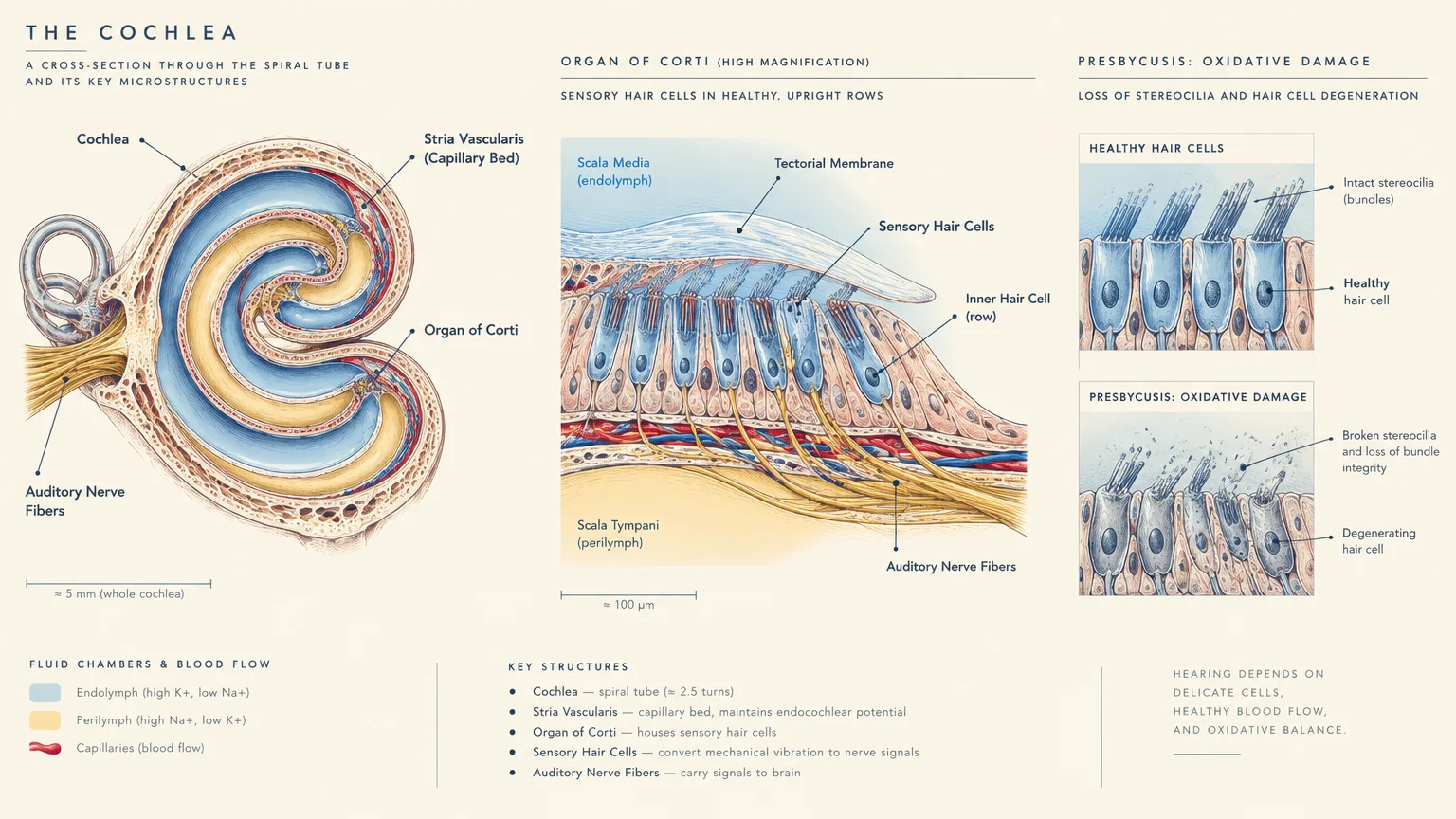
Age-related hearing loss, clinically termed presbycusis, arises from cumulative oxidative stress, declining microcirculation, and mechanical wear within your inner ear. As years pass, tiny sensory hair cells within your cochlea lose their structural resilience.
These specialized sensory cells cannot regenerate once damaged. Consequently, your ability to distinguish high-pitched consonant sounds and follow complex conversations in crowded environments steadily deteriorates.
According to research from the Centers for Disease Control and Prevention, ongoing exposure to loud environmental noise accelerates this structural degeneration. Metabolic disruptions and reduced blood flow also impair inner ear vitality.
The stria vascularis, a dense capillary bed in your cochlea, maintains the electrical gradient required for sound transmission. Starving this vascular tissue of oxygen and vital micronutrients sparks rapid cellular damage.
Targeted dietary choices supply the biochemical assets necessary to neutralize free radicals and sustain healthy cochlear microcirculation. You can actively influence these physiological pathways through your everyday grocery choices.
How Targeted Nutrition Guards Auditory Pathways
Your auditory system demands exceptional levels of continuous metabolic energy to translate sound vibrations into neural signals. This intense metabolic activity makes inner ear tissue particularly vulnerable to oxidative stress.
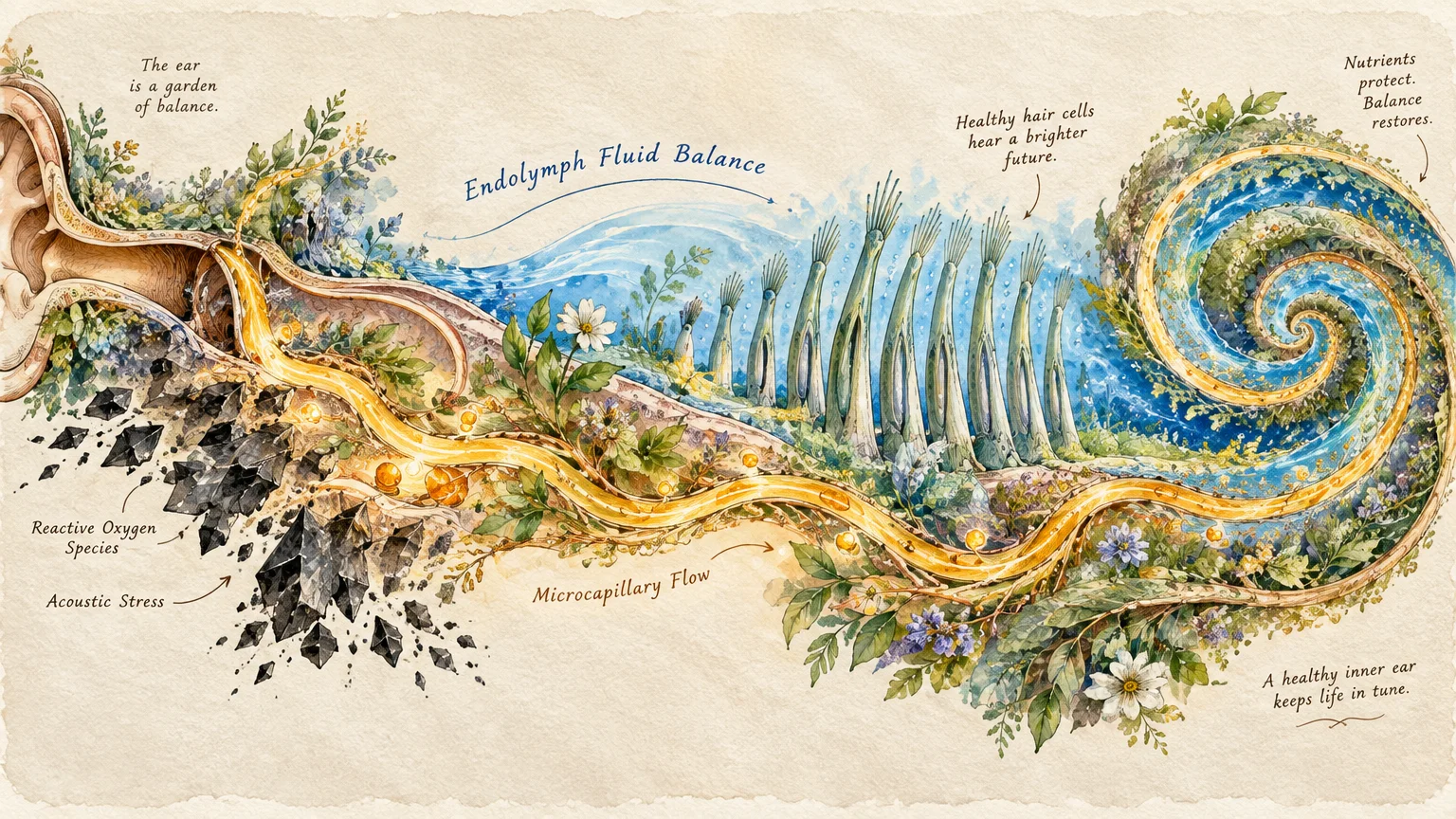
Antioxidant nutrients directly disarm damaging reactive oxygen species before they degrade fragile cochlear membranes. Vasodilating compounds keep microcapillaries open to deliver continuous oxygen and vital glucose.
Other specialized minerals regulate endolymph fluid, the potassium-rich liquid surrounding cochlear structures. When your fluid chemistry remains stable, auditory nerve signaling proceeds without distortion.
Strategic meal planning creates a resilient biological defense system against acoustic strain. Supplying these compounds systematically protects your hearing from the inside out.
Eight Essential Nutrients for Lifelong Hearing Health
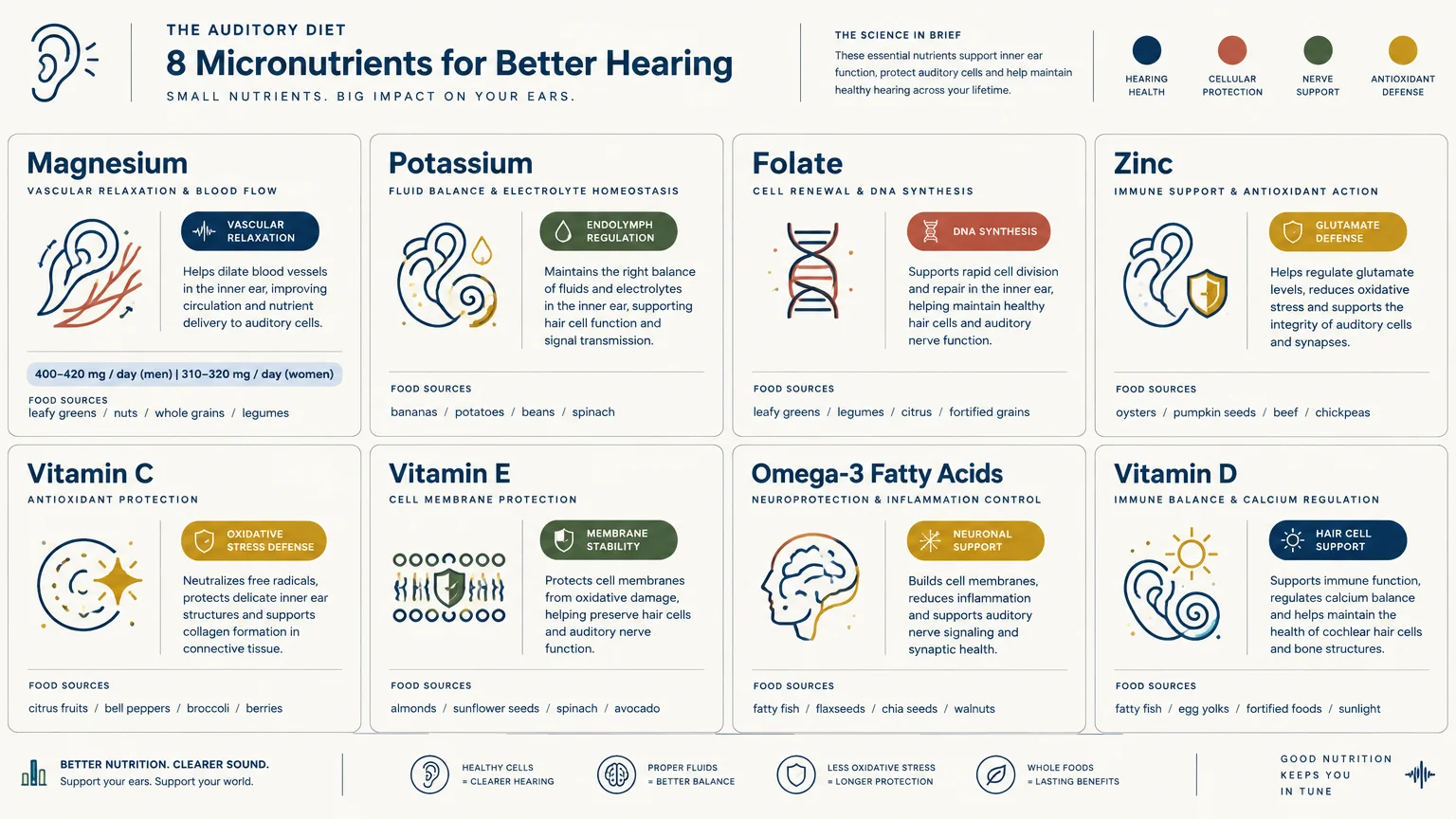
Integrating specific nutrients for hearing equips your ears to resist premature aging. Focus on these eight research-backed compounds to reinforce your auditory defense.
1. Magnesium: Defending Against Acoustic Stress
Magnesium protects your cochlea by regulating glutamate receptors and relaxing vascular smooth muscle. Loud noise triggers excessive glutamate release, which damages auditory nerve fibers if left unchecked.
Audiologists frequently highlight the power of magnesium for hearing preservation during acoustic trauma. The National Institutes of Health Office of Dietary Supplements recommends 400 to 420 milligrams daily for men and 310 to 320 milligrams for women.
You can easily meet your requirements by enjoying pumpkin seeds, raw almonds, cooked spinach, and black beans. Dark chocolate also offers a delicious way to boost your daily mineral intake.
2. Folate: Supporting Auditory Microcirculation
Folate breaks down homocysteine, an inflammatory amino acid linked to vascular stiffness and compromised capillary blood flow. High homocysteine levels restrict oxygen delivery to your inner ear, accelerating age-related auditory decline.
A three-year clinical trial in the Annals of Internal Medicine showed that 800 micrograms of daily folic acid significantly slowed hearing loss. Adults should target at least 400 micrograms of Dietary Folate Equivalents daily.
Load your plate with steamed asparagus, edamame, lentils, and dark leafy greens to optimize your vascular defense. Citrus fruits and fortified whole grains also provide dependable dietary folate.
3. Omega-3 Fatty Acids: Preserving Cochlear Blood Flow
Long-chain omega-3 fatty acids, specifically EPA and DHA, maintain supple blood vessel walls and reduce systemic inflammation. Healthy cochlear capillaries require flexibility to supply auditory sensory cells with continuous oxygen.
Research in the American Journal of Clinical Nutrition found that consuming fatty fish twice weekly reduced hearing loss risk by 42 percent. These marine lipids protect delicate inner ear microvasculature from progressive degeneration.
Incorporate wild salmon, Atlantic mackerel, sardines, and rainbow trout into your weekly meals. If you follow a plant-based diet, choose algal oil supplements alongside ground flaxseeds and walnuts.
4. Potassium: Regulating Vital Endolymphatic Fluid
Potassium regulates the electrical charge of endolymph, the specialized fluid filling the cochlea’s inner chambers. Sound vibrations trigger potassium ions to flow into hair cells, translating sound waves into electrical nerve impulses.
Inner ear potassium levels naturally decline with age, which reduces hearing sensitivity and word discrimination. Adults require an Adequate Intake of 3,400 milligrams daily for men and 2,600 milligrams daily for women.
Boost your intake by eating baked potatoes with skin, creamy avocados, sweet potatoes, and white beans. Fresh bananas, dried apricots, and coconut water provide additional rich sources of this vital electrolyte.
5. Zinc: Protecting Inner Ear Cell Longevity
Zinc concentrates in cochlear tissues at significantly higher densities than in other bodily organs. This trace mineral activates protective antioxidant enzymes and accelerates cellular repair following acute acoustic stress.
Clinical studies show that zinc deficiency often correlates with sensorineural hearing loss and persistent tinnitus. The daily recommended intake is 11 milligrams for adult men and 8 milligrams for adult women.
Oysters provide the most concentrated dietary source, easily satisfying your daily requirement in one serving. Grass-fed beef, toasted pumpkin seeds, lentils, and cashews offer accessible everyday alternatives.
6. Vitamin B12: Sustaining Auditory Nerve Integrity
Vitamin B12 preserves myelin, the protective insulating sheath surrounding your auditory nerves. Damaged myelin impairs signal transmission between your cochlea and your brain’s auditory processing centers.
Low B12 levels also elevate homocysteine, compounding microvascular restriction in inner ear capillaries. Adults need 2.4 micrograms daily, though older adults often require sublingual forms due to declining stomach acid absorption.
Include pasture-raised eggs, fortified nutritional yeast, wild tuna, milk, and clams in your diet. Strict plant-based eaters must rely on reliable daily B12 supplementation to maintain healthy nerve function.
7. Vitamin C: Neutralizing Cochlear Oxidative Stress
Vitamin C acts as a premier water-soluble antioxidant, neutralizing reactive oxygen species generated by noise exposure and normal metabolism. It also recharges oxidized vitamin E, sustaining an active defense shield within cochlear membranes.
Research shows that robust vitamin C levels prevent lipid peroxidation in delicate stereocilia during acoustic stress. Men require 90 milligrams daily, while women should consume 75 milligrams each day.
Add sweet red bell peppers, strawberries, broccoli florets, kiwifruit, and Brussels sprouts to your grocery basket. Enjoying these colorful produce items raw preserves their maximum antioxidant potency.
8. Vitamin D: Maintaining Middle Ear Bone Density
Vitamin D regulates calcium absorption and bone metabolism throughout your entire skeletal system. Inside your middle ear, three miniature bones vibrate mechanically to transmit and amplify incoming sound waves.
Deficiency can cause these delicate ossicles to lose bone density or calcify abnormally, blunting sound transmission before it reaches your cochlea. Adults generally need 600 to 800 International Units daily.
Support your levels through sensible sun exposure, fortified dairy or plant milks, egg yolks, and wild sockeye salmon. Consider a targeted vitamin D3 supplement during winter months after testing your baseline.

Actionable Pillars for Meal Planning and Daily Habits
Supplying these hearing health vitamins and essential minerals transforms auditory protection into an effortless routine. You do not need an overhaul overnight; systematic daily upgrades yield the greatest long-term sensory rewards.
Start by designing dinner plates featuring colorful plants alongside rich sources of clean protein and omega-3 fats. Pair pan-seared salmon with sautéed garlic spinach and baked sweet potatoes for a complete auditory meal.
This single meal delivers substantial quantities of magnesium, potassium, folate, and essential marine lipids. Your cochlear microvasculature benefits directly from this potent nutritional combination.
Upgrade your snack choices to maintain a steady stream of protective minerals throughout the afternoon. Swap processed convenience snacks for roasted pumpkin seeds, fresh citrus slices, and dark chocolate squares.
Combine these nutritional upgrades with mindful sound protection habits in your daily environment. Carry reusable earplugs to concerts and noisy venues to protect your cochlea from mechanical trauma.

Expert Perspectives and Clinical Observations
Integrative audiologists and registered dietitians increasingly view hearing loss prevention as a systemic cardiovascular priority. The ear cannot thrive if the microvascular system suffers from chronic inflammation.
Dr. Elena Ramos, an audiologist specializing in geriatric auditory wellness, emphasizes that nutrient deficiencies accelerate mechanical damage. She notes that patients with robust dietary patterns recover faster after loud exposures.
Registered dietitians point out that synergistic nutrient combinations work far better than isolated high-dose pills. Wholesome foods offer complementary phytonutrients that enhance mineral bioavailability within bodily tissues.
Community health groups report that older adults who adopt Mediterranean-style diets report higher quality of life scores and better speech comprehension. Preserving sensory function fosters social connection and cognitive vitality.
Safety Guidelines and Supplement Precautions
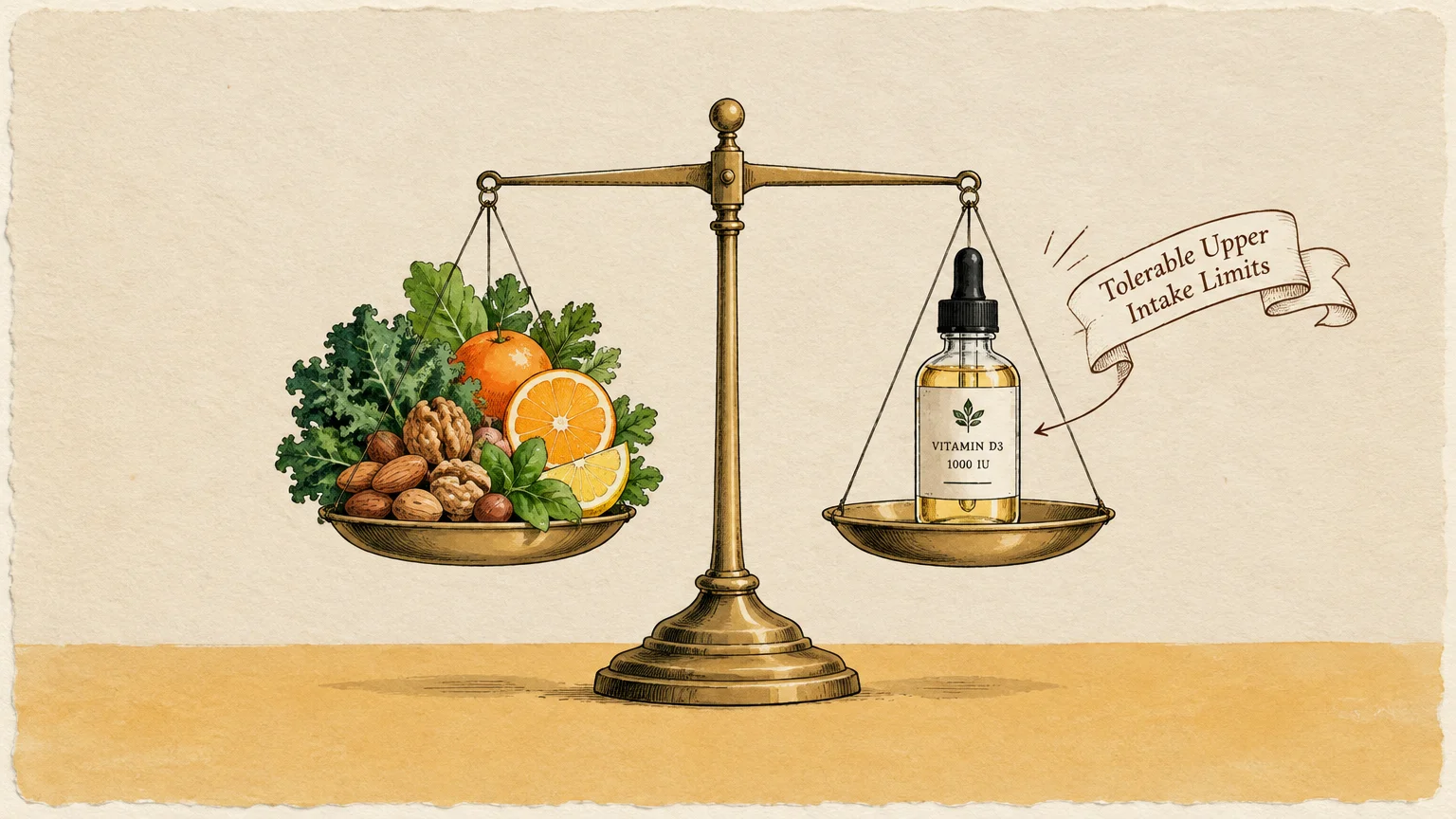
While obtaining nutrients from wholesome culinary sources is universally safe, you must exercise caution with concentrated supplements. Taking excessive doses of certain minerals can trigger adverse metabolic consequences.
Megadosing zinc above 40 milligrams daily can suppress copper absorption, causing secondary anemia and neurological issues. Always balance your zinc supplementation with trace amounts of copper.
High-dose magnesium supplements may cause digestive distress and loose stools. Individuals with impaired kidney function must monitor magnesium and potassium intakes strictly under physician supervision.
Certain medications, including diuretics, antibiotics, and blood thinners, interact dynamically with dietary supplements. Consult your healthcare provider or a registered dietitian before introducing new supplement regimens.
If you experience sudden hearing loss in one or both ears, seek immediate emergency medical care. Sudden sensorineural hearing loss represents a medical emergency that requires prompt evaluation by an otolaryngologist.
Frequently Asked Questions About Hearing Nutrition
Can dietary supplements reverse existing age-related hearing loss?
Nutrition cannot restore auditory hair cells once they have died or experienced permanent mechanical destruction. However, optimal nutrition can halt further degeneration, protect surviving sensory cells, and improve cochlear blood flow.
How long does it take for dietary changes to benefit hearing health?
Cellular microcirculation and endolymph fluid chemistry respond to improved nutrition within several weeks of consistent intake. Long-term protective outcomes, such as preserving speech comprehension, build progressively over years of mindful eating.
Can drinking excessive coffee or caffeine damage auditory function?
Moderate caffeine intake is generally safe, but excessive consumption may temporarily constrict small capillaries in the inner ear. If you suffer from active tinnitus, reducing daily caffeine intake may alleviate symptom intensity.
Should I take a specialized hearing supplement or focus on whole foods?
Whole foods provide superior nutrient synergy, fiber, and protective antioxidants that no commercial pill can replicate. Target whole foods first, and reserve targeted supplements for confirmed nutritional deficiencies identified by blood tests.
Your Next Steps for Healthier Hearing
You hold the power to protect your auditory future by making deliberate nutritional choices starting today. Your inner ears rely entirely on the vascular fuel and cellular defense you supply.
Choose one high-impact action to complete within the next twenty-four hours to support your hearing. Purchase a bag of pumpkin seeds, prepare a salmon fillet, or schedule a comprehensive hearing checkup.
Small, consistent upgrades create immense compound benefits for your lifelong sensory wellness. Invest in your auditory health today so you can enjoy vibrant conversations for all your tomorrows.