
Navigating the grocery aisles for quick meals often means sacrificing nutritional quality for convenience, but you can build a healthier cart by knowing exactly which items to leave on the shelf. Identifying the prepared foods dietitians avoid helps you minimize hidden sodium, added sugars, and synthetic preservatives while still getting dinner on the table fast. While pre-cooked options save valuable time on busy evenings, certain ultra-processed deli and freezer selections disrupt metabolic health and increase chronic disease risks. Bypassing these specific commercial shortcuts allows you to prioritize nutrient-dense alternatives that support your energy levels and long-term wellness. By trading heavily modified convenience meals for minimally processed staples, you optimize your diet without spending hours in the kitchen.

The Science Behind Ultra-Processed Convenience Foods
Understanding the physiological impact of ultra-processed foods empowers you to make intentional choices during your weekly grocery run. Food manufacturers engineer prepared meals to maximize shelf life and hyper-palatability, often combining refined carbohydrates, unhealthy fats, and sodium in ratios rarely found in nature. This deliberate combination overrides your natural satiety signals, prompting you to overeat while remaining undernourished. Furthermore, the intense industrial processing strips away essential dietary fiber, vitamins, and minerals that your body requires for optimal cellular function and immune support.
Recent investigations documented in peer-reviewed nutritional research demonstrate a direct correlation between high consumption of ultra-processed foods and an elevated risk of developing cardiovascular disease, type 2 diabetes, and general metabolic dysfunction. When you consume heavily modified foods, your body digests them rapidly. This accelerated digestion floods your bloodstream with glucose, triggering a massive insulin response that inevitably leads to an energy crash a few hours later. By identifying the worst offenders in the prepared food aisles, you can protect your metabolic health and sustain consistent energy levels throughout your demanding day.
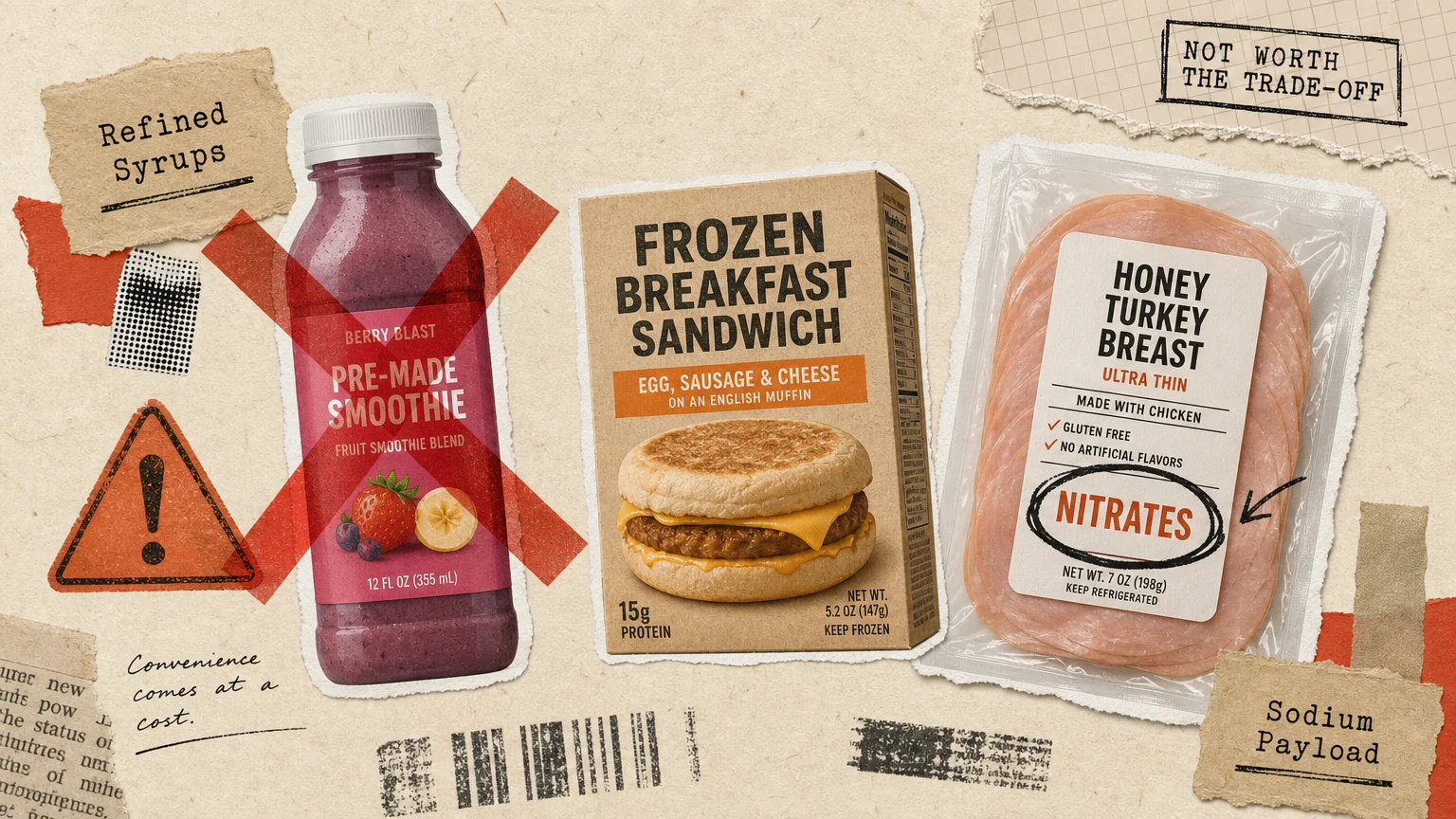
10 Prepared Foods to Leave on the Grocery Shelf
1. Pre-Made Smoothies and Bottled Protein Drinks
You might grab a brightly colored bottled smoothie under the assumption that you are consuming a daily serving of fresh vegetables and fruit. However, manufacturers frequently rely on concentrated fruit juices and purees that completely strip away the beneficial dietary fiber. Without this crucial fiber to slow digestion, the beverage delivers a rapid sugar spike comparable to drinking conventional soda. Making a quick smoothie in your own kitchen allows you to blend whole spinach, plain Greek yogurt, and frozen berries—keeping the essential fiber intact while boosting your protein intake without the addition of refined syrups.
2. Frozen Breakfast Sandwiches
These ubiquitous microwaveable morning staples rely heavily on refined bread products, processed meats, and an array of artificial preservatives to maintain their structural integrity after freezing and rapid reheating. The massive sodium payload early in the morning elevates your blood pressure and leaves you feeling dehydrated before your day truly begins. Instead of settling for a soggy, highly processed patty, you can batch-cook whole grain English muffins with fresh eggs and spinach on a Sunday afternoon to guarantee a fast, nutrient-dense breakfast throughout the busy workweek.
3. Commercial Deli Meat Assortments
Pre-packaged deli slices and assorted cold cuts frequently contain high levels of nitrates and nitrites. Manufacturers utilize these chemical compounds to preserve artificial coloring and significantly extend shelf life, but clinical data links these additives directly to systemic inflammation and cellular damage over time. In fact, the World Health Organization findings classify processed meats as known carcinogens, explicitly urging consumers to limit their intake. Slicing freshly roasted turkey breast or chicken cooked in your own oven protects your cellular health while still delivering the lean protein you need for satisfying lunches.
4. Flavored Instant Oatmeal Cups
While whole oats inherently provide fantastic soluble fiber for cardiovascular health and cholesterol management, the flavored instant cups sold in convenience aisles mask these natural benefits under tablespoons of added brown sugar and artificial flavoring agents. The intense mechanical processing required to make the oats cook instantly also dramatically reduces the time it takes your digestive tract to break them down, causing your blood glucose to spike rapidly. Choosing traditional plain quick oats takes exactly the same minimal amount of time to prepare, and you can sweeten your morning bowl naturally with sliced bananas, crushed walnuts, or a robust dash of cinnamon.
5. Bottled Salad Dressings and Marinades
Pouring a heavy commercial dressing over a nutrient-dense salad often negates the precise health benefits you hoped to gain from the leafy greens. These shelf-stable bottles usually contain cheap, highly refined seed oils, high-fructose corn syrup, and thickeners like xanthan gum to prevent the ingredients from separating at room temperature. You can easily shake up high-quality extra virgin olive oil, raw apple cider vinegar, and dried Italian herbs in a simple glass jar to create a heart-healthy vinaigrette entirely free of synthetic emulsifiers and hidden sugars.
6. Pre-Packaged Sushi Rolls with Heavy Sauces
Grocery store sushi frequently masquerades as a light, sophisticated lunch option, but rolls drenched in spicy mayonnaise, crunchy fried tempura flakes, and sweet unagi sauce pack excessive amounts of added sugar and saturated fat. Additionally, the sticky white rice utilized in commercial sushi production digests very quickly, leaving you hungry and searching for a snack just an hour later. If you crave sushi during your lunch break, choose fresh sashimi or simple rolls constructed with brown rice, and ask the deli counter for sauces strictly on the side to consciously control your intake.
7. Shelf-Stable Microwaveable Pasta Meals
The extreme high-heat commercial processing required to render soft pasta completely shelf-stable destroys much of the ingredient’s natural texture and intrinsic nutritional value. This aggressive processing leaves behind a mushy, simple carbohydrate that dramatically spikes your blood sugar. Furthermore, these pre-cooked meals rely extensively on excess sodium to artificially mimic the robust flavor of fresh ingredients. Boiling a quick pot of red lentil or chickpea pasta provides significantly more dietary protein and filling fiber, effectively stabilizing your energy levels throughout the challenging afternoon hours.
8. Heat-and-Eat Processed Chicken Patties
Frozen breaded chicken patties generally consist of heavily processed meat remnants bound together with artificial fillers, starches, and encrusted in heavily refined wheat flour. Deep frying these patties in industrial facilities before freezing them adds substantial amounts of inflammatory saturated fats and entirely empty calories to your meal. Purchasing plain, unbreaded frozen chicken breasts allows you to control the cooking method and the seasoning profile, ensuring you consume high-quality lean protein without the detrimental seed oils used in commercial mass-frying operations.
9. Canned Soups High in Sodium
Many popular commercial canned soups contain a staggering amount of salt, frequently exceeding your entire daily recommended limit for sodium in just a single serving. According to Centers for Disease Control and Prevention guidelines, excessive sodium intake dramatically increases your immediate risk of developing hypertension and experiencing a stroke later in life. Choosing unsalted or low-sodium bone broths and tossing in your own fresh chopped vegetables and leftover shredded chicken yields a vastly healthier, more flavorful soup that deeply respects your long-term cardiovascular system.
10. Pre-Made Charcuterie and Snack Kits
Those convenient compartmentalized plastic trays containing crackers, sliced cheese, and processed meat intentionally target busy consumers but deliver refined carbohydrates and ultra-processed proteins at a massive financial markup. The cheeses packed in these kits often contain chemical stabilizers to prevent sweating, while the crackers completely lack meaningful dietary fiber to keep you full. You will save a significant amount of money and drastically improve your daily nutrition by purchasing a block of sharp cheddar cheese, a box of whole-grain seed crackers, and some fresh grapes to portion out into your own reusable containers.
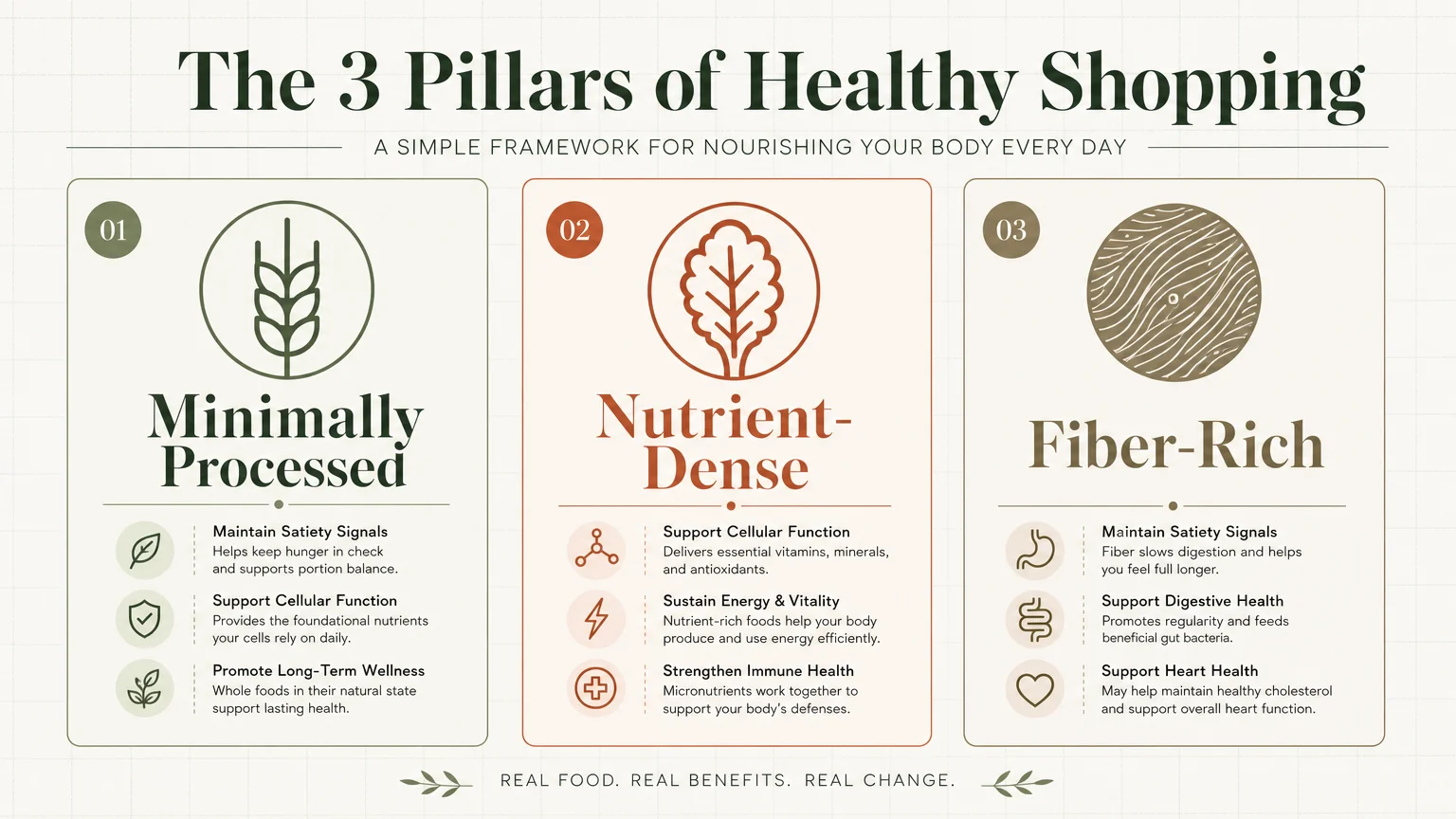
Strategy Pillars for Healthier Grocery Shopping
Meal Planning for Realistic Schedules
Strategic preparation serves as your strongest defense against the temptation of ultra-processed convenience foods. Dedicate just twenty minutes on a Saturday morning to sketch out three or four reliable dinners for the upcoming week. Employ a highly efficient method by cooking complex whole grains like quinoa, farro, or brown rice in large bulk batches. This strategy guarantees you always have a foundational, nutrient-dense carbohydrate ready in your refrigerator to anchor your meals when time runs short.
Nutrient Focus Over Calorie Counting
Shift your grocery shopping mindset away from strict calorie restriction and focus instead on overall nutrient abundance. When you evaluate an unfamiliar product, look closely at the macronutrient profile rather than just the calorie count. Prioritize items that deliver high amounts of dietary fiber, quality protein, and heart-healthy unsaturated fats. The Academy of Nutrition and Dietetics recommendations encourage consumers to read the ingredient list first; a shorter list containing recognizable whole foods invariably signals a healthier, more biologically appropriate choice for your body.
Habit Formation for Sustainable Shopping
Changing your purchasing habits requires specific, actionable routines. Begin by navigating the outer perimeter of your grocery store first before ever venturing down the center aisles. The perimeter houses the fresh produce, raw lean proteins, and unflavored dairy products your body actually needs. By the time you finally enter the inner aisles where the boxed and processed foods reside, your cart will already be full of colorful, whole-food ingredients, naturally leaving less physical room and psychological desire for heavily modified commercial snacks.

Expert Perspectives and Lived Voices
Clinical dietitians consistently observe remarkable transformations when patients intentionally eliminate ultra-processed convenience items from their daily routines. Many clients report initially feeling overwhelmed by the prospect of cooking from scratch, yet they quickly discover that assembling whole foods takes no more time than preheating an oven for a frozen processed meal. One compelling reality repeatedly shared in nutrition clinics involves energy stability; patients who previously suffered from mid-afternoon fatigue suddenly experience sustained mental clarity after swapping out their frozen processed lunches for leftover home-cooked dinners.
Moreover, modern nutritional guidance strongly emphasizes that honoring your distinct cultural food traditions remains entirely possible—and highly encouraged—using whole, vibrant ingredients rather than relying on processed commercial shortcuts. Recreating traditional family sauces and culturally significant spice blends from scratch allows you to preserve the authentic flavors you love while entirely bypassing the excessive sodium and artificial preservatives found in bottled supermarket imitations.
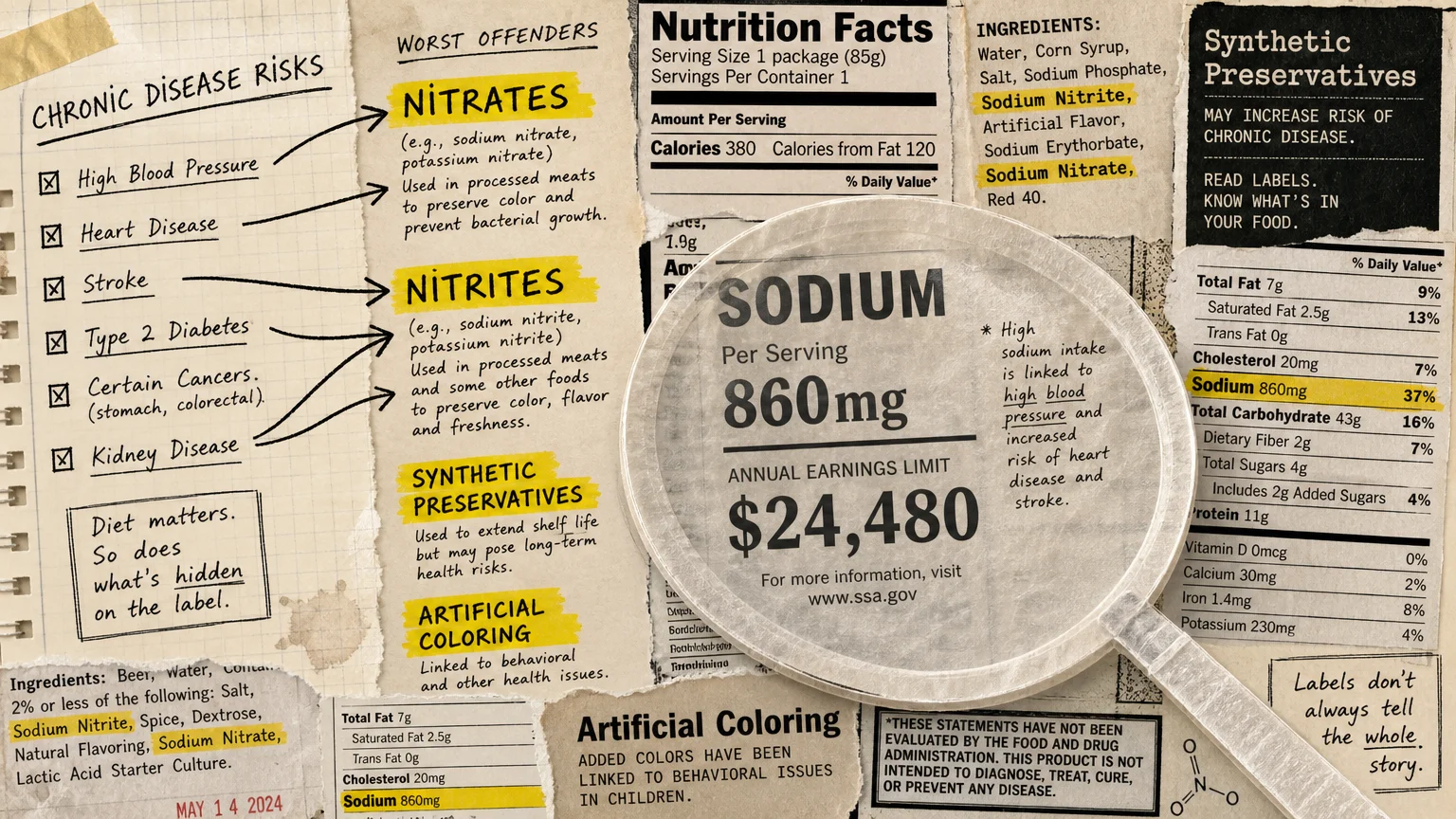
Safety, Allergies, and Personalization
Relying heavily on prepared and ultra-processed foods introduces significant risks regarding hidden allergens and cross-contamination. Commercial manufacturing facilities frequently process multiple items on shared equipment, increasing the danger for individuals managing celiac disease, severe nut allergies, or dairy intolerances. Hidden allergens like soy lecithin, whey protein concentrate, and modified food starches hide in unexpected places, from frozen chicken patties to bottled marinades.
Navigating these complex nutritional landscapes requires personalization. What works perfectly for a highly active athlete may not suit someone managing chronic kidney disease or insulin resistance. Always consult with a registered dietitian or your primary care physician before making drastic changes to your dietary patterns. These credentialed professionals help you tailor your grocery lists to accommodate your specific metabolic conditions, your household budget, and your personal taste preferences safely and effectively.
Frequently Asked Questions
What makes a prepared food healthy versus unhealthy?
The distinction between a healthy prepared food and an unhealthy one lies primarily in the degree of industrial processing and the specific additives utilized. Healthy prepared options—like bagged raw spinach, frozen plain broccoli, or canned beans with no added salt—contain a single ingredient and retain their original nutritional matrix. Unhealthy prepared foods typically feature extensive ingredient lists filled with artificial colors, synthetic emulsifiers, hidden sugars like maltodextrin, and fractionated oils that offer no meaningful biological value to your body.
How can busy people cook without relying on highly processed meals?
Time constraints represent the biggest hurdle to home cooking, but strategic tools easily bridge this gap. Utilizing a slow cooker or a programmable pressure cooker allows you to prepare large batches of lean proteins and stews while you are away at work. Additionally, mastering simple sheet pan meals—where you roast chopped fresh vegetables and seasoned chicken breasts simultaneously on a single tray—dramatically reduces both your active cooking time and your subsequent evening dishwashing duties.
Are all frozen meals bad for metabolic health?
Absolutely not; the frozen aisle contains some of the most nutrient-dense items in the entire grocery store if you know precisely what to look for. Flash-frozen wild-caught fish, unseasoned vegetable medleys, and frozen mixed berries retain their peak vitamin and mineral content because they are frozen immediately after harvesting. The critical step involves reading the nutrition label to ensure the frozen item contains no added buttery sauces, heavy breading, or synthetic sodium preservatives.
How do I read nutrition labels to spot hidden additives?
Mastering the nutrition label requires you to look beyond the bold marketing claims printed on the front of the packaging. Turn the product over and immediately locate the ingredients list, bearing in mind that ingredients are always listed in descending order by weight. Scan the text specifically for hidden sugars masquerading under names like dextrose, high-fructose corn syrup, or agave nectar. If the list reads like a chemistry textbook filled with unpronounceable synthetic compounds, confidently place the item back on the shelf.
Your Next Step for Better Nutrition
Transforming your dietary habits does not require you to empty your pantry and start from scratch overnight. Sustainable health improvements stem from small, deliberate choices repeated consistently over time. Review your standard grocery list today and identify just one highly processed convenience item you frequently purchase. Commit to swapping that single prepared product for a whole-food alternative during your very next trip to the store. By taking this one proactive step within the next twenty-four hours, you actively claim control over your nutrition and set a powerful foundation for lifelong metabolic health.