
Identifying exactly which foods cause gas and bloating empowers you to enjoy meals without painful stomach discomfort. Digestion produces gas naturally, but certain carbohydrates bypass the stomach and ferment in your large intestine, creating trapped air and distension. This painful bloating disrupts your workday and discourages you from eating nutrient-dense vegetables or legumes. Understanding how your body breaks down specific fibers, sugars, and starches gives you total control over your digestive health. By pinpointing the exact triggers—from hidden sugar alcohols to specific oligosaccharides—you can modify your diet without sacrificing flavor or essential nutrients.
The Science of Digestive Discomfort
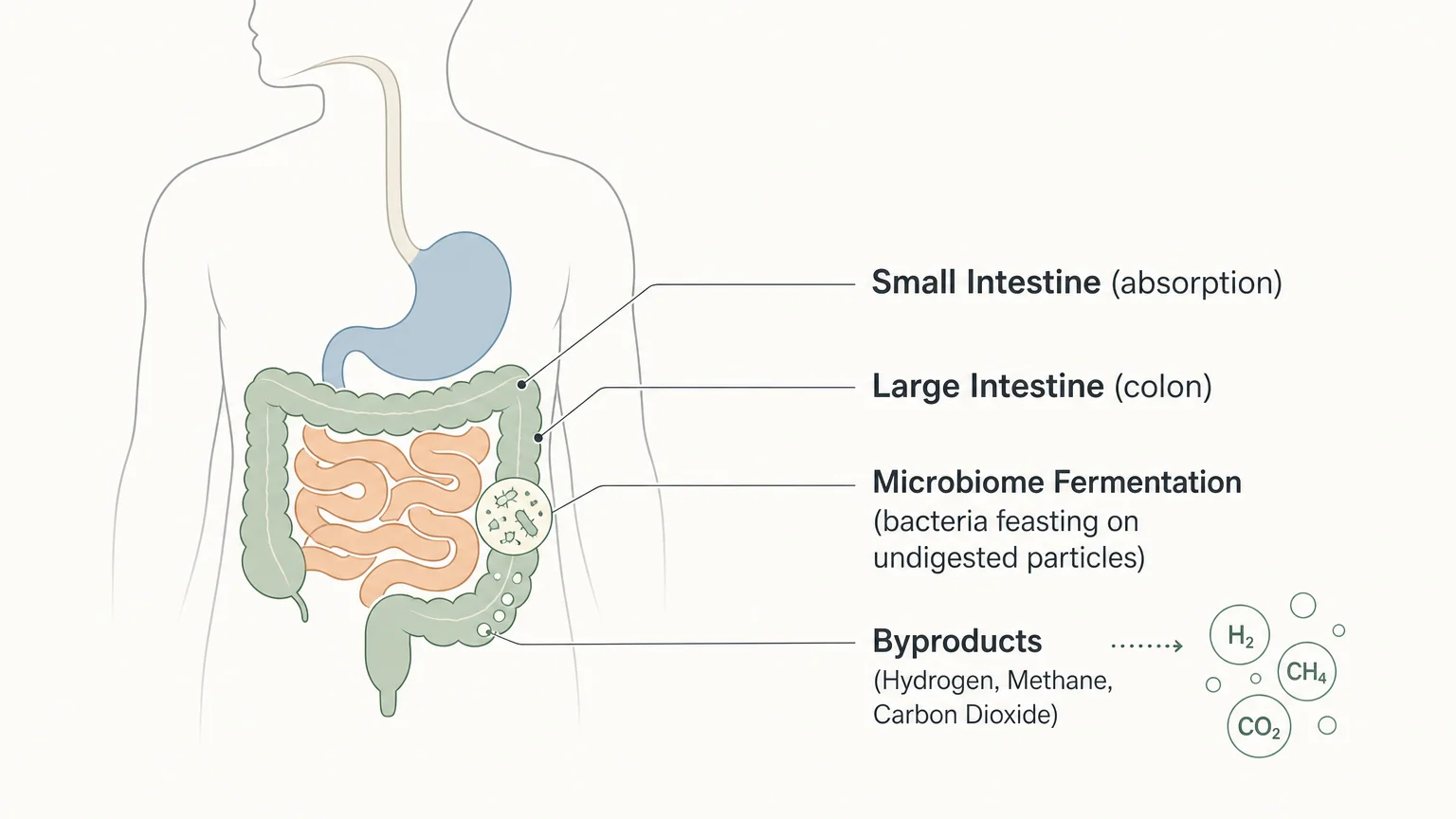
Your digestive tract houses trillions of microorganisms that play a critical role in extracting energy from your food. When you consume foods that your stomach and small intestine cannot entirely break down, those intact food particles travel directly into your colon. Here, your gut bacteria feast on the undigested remnants through a process known as fermentation. This perfectly natural biological mechanism produces hydrogen, methane, and carbon dioxide gases as standard byproducts. While generating some gas proves your microbiome is active and healthy, excessive fermentation stretches your intestinal walls and triggers intense visceral pain receptors.
Recent gastroenterology research heavily focuses on short-chain carbohydrates that the human body struggles to absorb. These compounds draw excess fluid into the bowel and ferment incredibly rapidly. Clinical studies on fermentable carbohydrates demonstrate that managing the intake of these specific sugars and fibers significantly reduces abdominal distension. By understanding the chemistry behind your meals, you transform your approach to eating from a guessing game into a precise, targeted strategy. You do not need to fear food; you simply need to understand your anatomical limits and how specific ingredients behave once swallowed.
Nutrient Focus: Identifying Common Bloating Triggers
Beans, Lentils, and Legumes
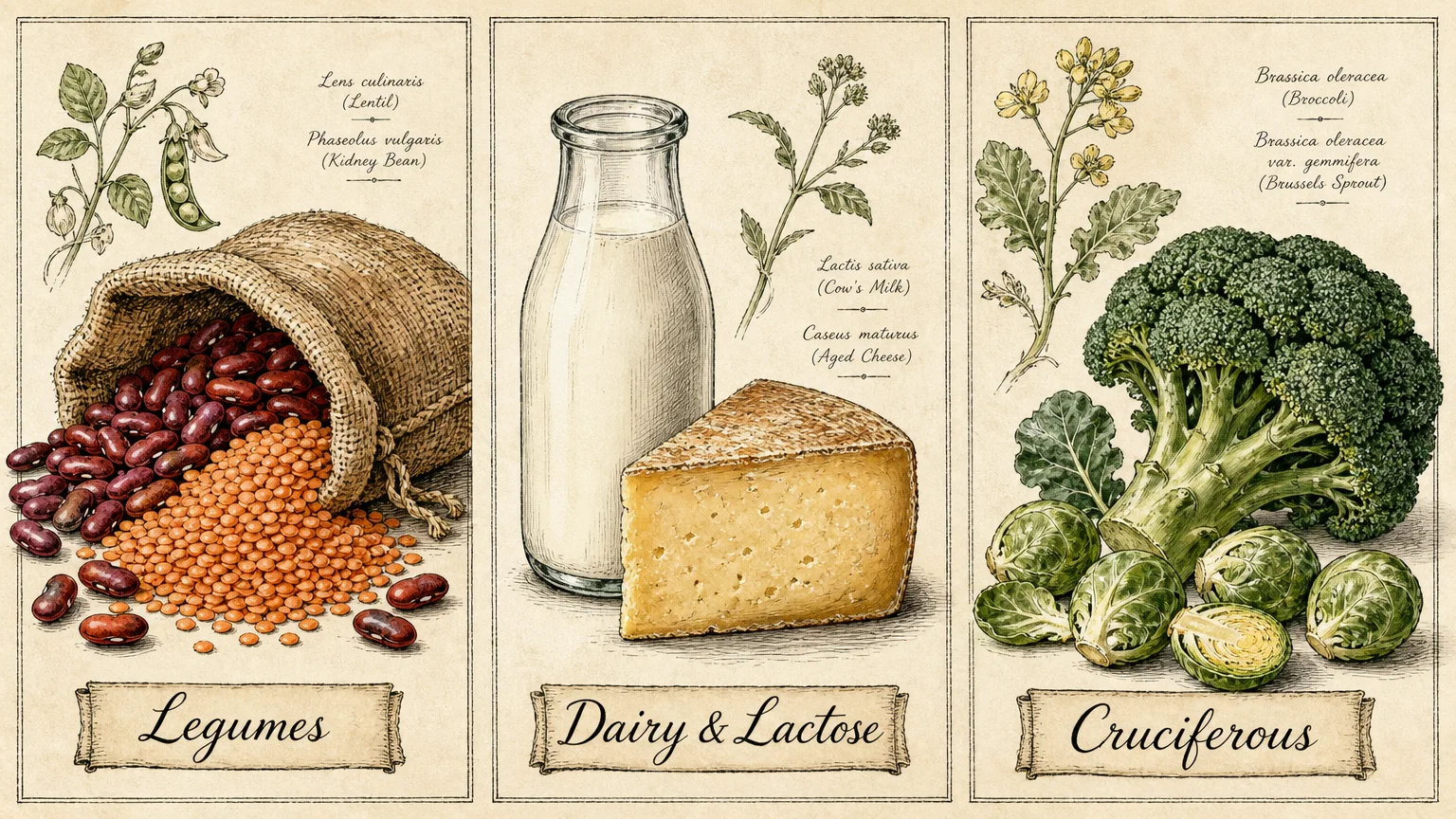
Legumes hold a notorious reputation for causing flatulence, and the underlying science entirely validates this phenomenon. Beans contain high levels of oligosaccharides—specifically galacto-oligosaccharides and fructans. The human digestive system completely lacks alpha-galactosidase, the exact enzyme required to break down these complex sugar molecules. Consequently, these sugars arrive intact in the large intestine, where bacteria rapidly ferment them. You do not need to eliminate these nutritional powerhouses, but you must respect their complex structure. Traditional preparation methods, such as soaking dry beans overnight and discarding the soaking water, effectively leach out a significant portion of these water-soluble sugars before cooking even begins.
Dairy Products and Lactose
Dairy products represent another primary trigger for abdominal distress due to a naturally occurring sugar called lactose. To digest milk, cheese, and yogurt seamlessly, your body requires an enzyme called lactase. A massive portion of the global population experiences a sharp decline in lactase production following early childhood. According to data regarding the prevalence of lactase deficiency, this reduction naturally leads to lactose intolerance, causing unabsorbed dairy sugars to ferment and produce immense amounts of gas. If dairy triggers your symptoms, you can still enjoy aged cheeses like cheddar and parmesan, which naturally contain virtually zero lactose due to the aging process, or utilize lactase enzyme supplements before eating.
Cruciferous Vegetables
Broccoli, cauliflower, Brussels sprouts, and cabbage belong to the cruciferous vegetable family. These hearty plants pack immense nutritional value and cancer-fighting compounds, but they also harbor raffinose and specialized sulfur compounds. Raffinose remains undigested until it reaches the lower gut, resulting in profound gas production. The high sulfur content additionally dictates the noticeable odor associated with this specific type of flatulence. Consuming these vegetables raw maximizes the digestive burden. Steaming or roasting your cruciferous greens breaks down the tough cellular walls and prebiotic fibers, easing the overall workload on your intestinal tract.
Sugar Alcohols and Artificial Sweeteners
Many health-conscious individuals switch to sugar-free protein bars, diet sodas, and low-calorie candies to manage their weight. Unfortunately, manufacturers sweeten these products using sugar alcohols like sorbitol, mannitol, and xylitol. These compounds, known clinically as polyols, absorb poorly in the small intestine. Furthermore, they exert a strong osmotic pull, dragging excess water into your digestive tract. The combination of excess water and rapid bacterial fermentation frequently results in explosive gas, cramping, and osmotic diarrhea. Checking ingredient labels for words ending in “-ol” allows you to identify and eliminate these highly disruptive synthetic sweeteners.
Excess Fructose
Fructose serves as the primary sugar found in fruits, honey, and high-fructose corn syrup. When you consume foods where the fructose content heavily outweighs the glucose content—such as apples, pears, mangoes, and watermelon—your intestinal transporters can become overwhelmed. This condition, known as fructose malabsorption, traps the excess sugar in the digestive pipeline until it meets your colonic bacteria. Swapping high-fructose fruits for low-fructose alternatives like blueberries, strawberries, and cantaloupe often resolves post-breakfast bloating entirely.

Meal Planning Strategies for Gut Health
Strategic preparation transforms gas-producing ingredients into highly digestible meals. Heat acts as a form of pre-digestion, softening harsh fibers and denaturing complex proteins. Blending vegetables into smooth, pureed soups physically breaks down the tough cellulose structures that your stomach acid would otherwise have to battle. When you experiment with legumes, start with smaller, more manageable varieties like red lentils or canned chickpeas, which tend to contain lower concentrations of fermentable sugars compared to tough kidney beans or black beans. Rinsing canned beans thoroughly under cold water washes away the starchy liquid where many of the problematic oligosaccharides pool.
Portion control dramatically influences whether a food creates nourishing energy or painful gas. Your digestive enzymes and absorptive pathways possess functional thresholds. A quarter cup of cauliflower might digest flawlessly, whereas a massive bowl of cauliflower rice might overwhelm your system and trigger severe distension. Nutrition experts refer to this as the threshold effect. By carefully measuring portions of known triggers, you can continue to reap the benefits of high-fiber foods without suffering the painful consequences of bacterial overfeeding.
Strategic ingredient swapping also preserves the flavor of your favorite cultural dishes while sidestepping digestive distress. Onions and garlic rank among the most concentrated sources of fructans in the human diet, causing immediate bloating for sensitive individuals. You can capture their savory depth by utilizing garlic-infused olive oils, as fructans are water-soluble but not fat-soluble. The garlic flavor compounds transfer into the oil, but the gas-causing carbohydrates stay behind. Similarly, using the green tops of leeks or scallions provides a robust onion flavor without delivering the dense fructan load found in the white bulbs.
Habit Formation: How You Eat Matters
Digestive discomfort frequently stems from behavioral habits rather than the actual chemical composition of your food. Aerophagia, the medical term for swallowing excessive air, plays a massive role in upper gastrointestinal bloating and belching. When you eat hastily while driving, drink through straws, or talk animatedly while chewing, you gulp down significant volumes of oxygen and nitrogen. This ambient air becomes trapped in your stomach. To prevent this mechanical bloating, sit down at a table, put your fork down between bites, and consciously focus on breathing through your nose while you eat.
The physical mechanics of chewing represent the crucial first step of your digestive cascade. Your saliva contains amylase, an enzyme specifically designed to begin breaking down starches before they ever reach your stomach. If you inhale your food in large chunks, your stomach and intestines must compensate for the missed mechanical breakdown. Unchewed food particles require more time and energy to process, increasing the likelihood of fermentation. Chewing each bite until it reaches the consistency of applesauce ensures your stomach acid and pancreatic enzymes can easily penetrate the food matrix.
Meal spacing heavily influences the cleanliness and motility of your gut. Your digestive tract relies on a mechanical sweeping wave called the Migrating Motor Complex. This neurological and muscular reflex sweeps residual undigested food and excess bacteria downward through the stomach and small intestine, but it only activates during fasting periods of roughly 90 to 120 minutes. If you continuously graze on snacks and caloric beverages throughout the day, you constantly interrupt this vital sweeping motion. Allowing three to four hours of fasting between meals enables your gut to self-clean, actively preventing the stagnation and bacterial overgrowth that lead to chronic gas.

Voices from the Field: Expert and Lived Experiences
Clinical dietitians constantly remind their patients that passing gas up to twenty times a day falls within the realm of normal, healthy human physiology. Complete silence in the gut indicates a lack of fiber, which starves the beneficial microbiome over the long term. Gastroenterologists emphasize that the clinical goal involves managing debilitating pain and extreme distension, not achieving a completely flat stomach after a large meal. Your abdomen naturally expands to accommodate the sheer volume of food, liquids, and digestive secretions required to sustain your body.
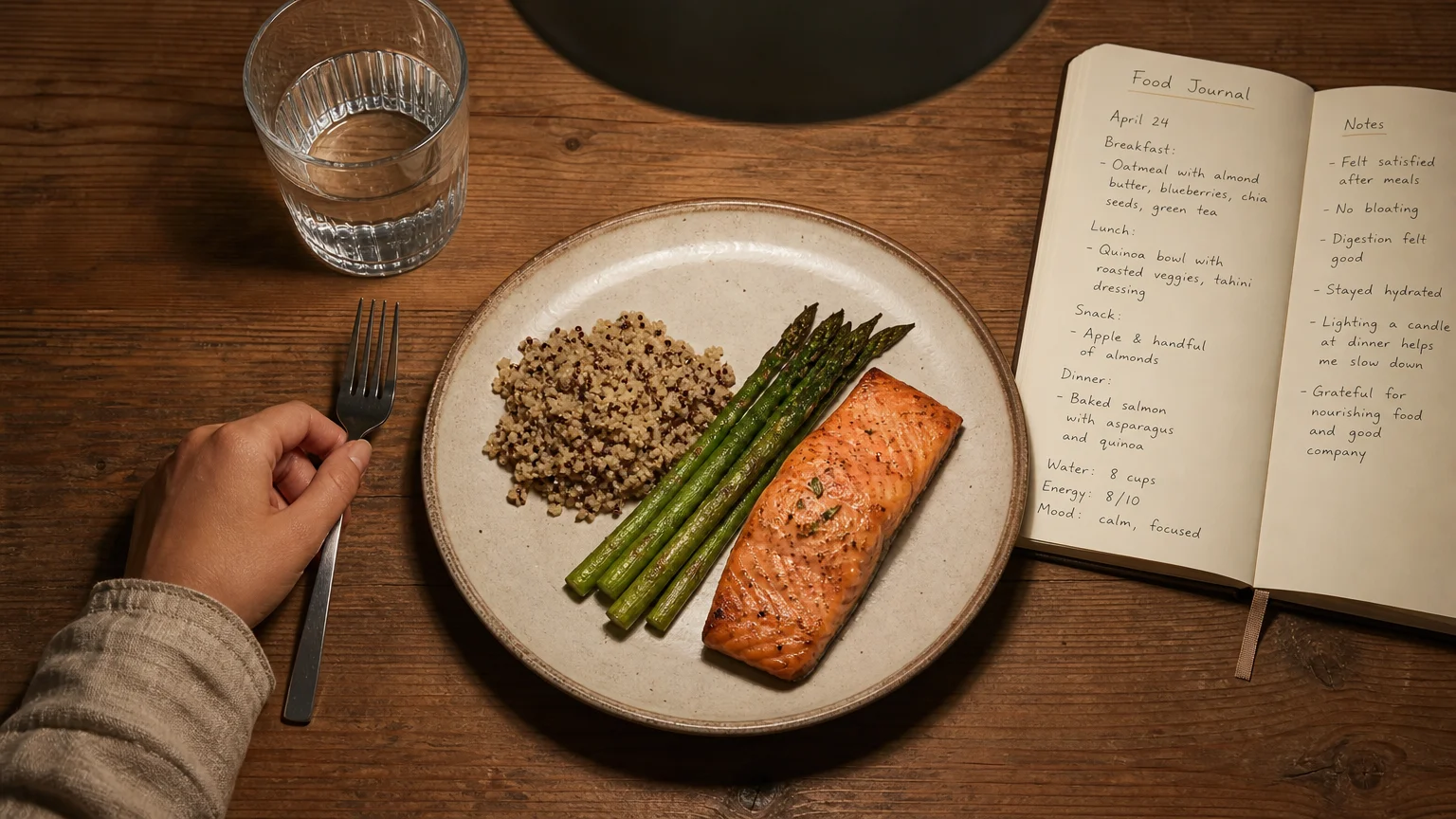
Patients who successfully conquer their digestive distress frequently attribute their breakthroughs to meticulous tracking. Keeping a detailed food and symptom diary illuminates the exact timing of discomfort. A trusted food log helps you differentiate between the psychological fear of eating and the biological reality of food intolerances. Many individuals discover through tracking that their bloating actually correlates with high-stress workdays or poor sleep, proving that the highly sensitive gut-brain axis influences digestion just as much as a bowl of broccoli does. Chronic stress diverts blood flow away from your digestive organs, halting motility and creating an environment ripe for fermentation.
Safety, Contraindications, and Personalization
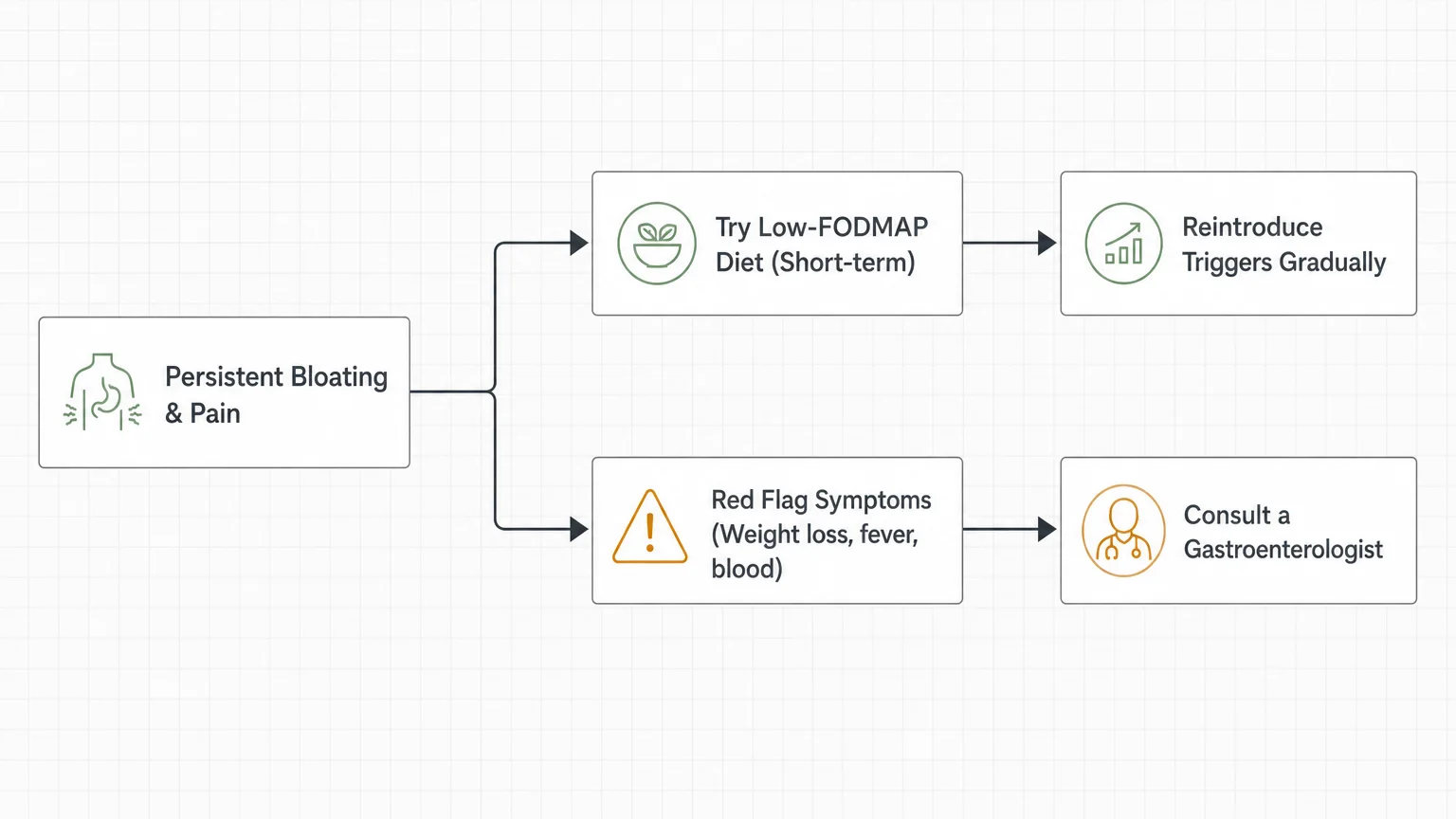
While tweaking your diet safely resolves most everyday bloating, persistent gas can sometimes obscure more complex medical conditions. Non-celiac gluten sensitivity, undiagnosed Celiac disease, or Small Intestinal Bacterial Overgrowth (SIBO) require distinct medical interventions beyond simple portion control. If your gas suddenly changes in odor, frequency, or pain level, you must evaluate the broader clinical picture. Long-term dietary restriction poses risks of malnutrition and microbiome depletion; therefore, you should never permanently eliminate broad categories of healthy foods without clinical supervision.
Certain physiological warning signs mandate immediate evaluation by a qualified physician. You must seek medical attention if your bloating occurs alongside gastrointestinal warning signs such as unexplained weight loss, chronic diarrhea, blood in your stool, profound fatigue, or abdominal pain that physically wakes you from sleep. These clinical red flags indicate that your discomfort likely stems from structural inflammation, malabsorption disorders, or infections rather than routine carbohydrate fermentation.
Frequently Asked Questions
How long after eating does food cause gas?
The timeline of gas production depends entirely on your unique gastrointestinal transit speed. Generally, foods that cause upper GI belching create symptoms within 30 to 60 minutes as the stomach expands. Lower intestinal gas and bloating typically begin two to eight hours after a meal. This delay reflects the time required for food to travel through the stomach and the twenty feet of your small intestine before finally dropping into the colon, where the bacterial fermentation actually occurs.
Does drinking water during meals cause bloating?
Contrary to popular fitness myths, drinking moderate amounts of water with your meals does not dilute your stomach acid or cause bloating. In reality, adequate hydration proves absolutely essential for smooth digestion. Water binds with soluble fiber to create a soft, easily passable gel, preventing constipation. When stool remains backed up in your colon due to dehydration, the bacteria have extended time to ferment the trapped waste, leading to severe gas. Sipping water actually facilitates better gut motility.
Can probiotics cure my gas?
Probiotics offer excellent preventative benefits for overall microbiome diversity, but they rarely serve as a standalone cure for food-induced gas. In some scenarios, introducing a high-dose probiotic supplement initially increases bloating as the new bacterial strains battle for territory within your gut. Probiotic effectiveness relies heavily on strain specificity. If you experience chronic gas, focus first on identifying specific food triggers and improving your chewing habits before relying on an over-the-counter probiotic supplement to fix the mechanical issues of digestion.
Should I eliminate all gas-causing foods completely?
You should absolutely avoid permanent, total elimination of gas-causing foods unless explicitly directed by a physician for an allergy. The exact foods that cause temporary gas—such as beans, oats, and cruciferous vegetables—contain the vital prebiotic fibers necessary to sustain a robust immune system and prevent long-term metabolic diseases. The ultimate strategy involves temporarily reducing these triggers to calm the digestive tract, followed by a slow, methodical reintroduction. Gradually increasing your fiber intake allows your gut microbiome to physically adapt and build the specific enzymes required to handle complex carbohydrates without excess gas.
Take Control of Your Digestion Today
Navigating digestive discomfort requires patience, observation, and a willingness to listen to your body’s specific biological signals. You possess the power to radically shift how your body processes fuel simply by adjusting your habits and making informed ingredient choices. Choose one practical step to implement within the next 24 hours to begin your journey toward lasting relief. Whether you decide to chew every bite of your dinner twenty times, swap your raw broccoli for steamed alternatives, or start recording your meals in a symptom journal, taking immediate action puts you back in the driver’s seat of your digestive health.