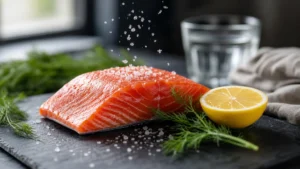
You can create elegant, deeply nourishing meals without spending hours in the kitchen or managing a massive grocery list. Stripping your cooking process down to just three high-impact ingredients saves time while allowing natural flavors and essential nutrients to shine. Research highlights that reducing meal complexity effectively builds sustainable healthy eating habits. When you face decision fatigue at the end of a demanding day, long recipe lists often lead to ordering takeout; mastering minimal ingredient cooking bypasses that mental block entirely. This approach empowers you to focus on quality over quantity, effortlessly turning simple staples like whole grains, lean proteins, and seasonal vegetables into surprisingly sophisticated dishes that support your metabolic health.
The Science Behind Minimalist Cooking
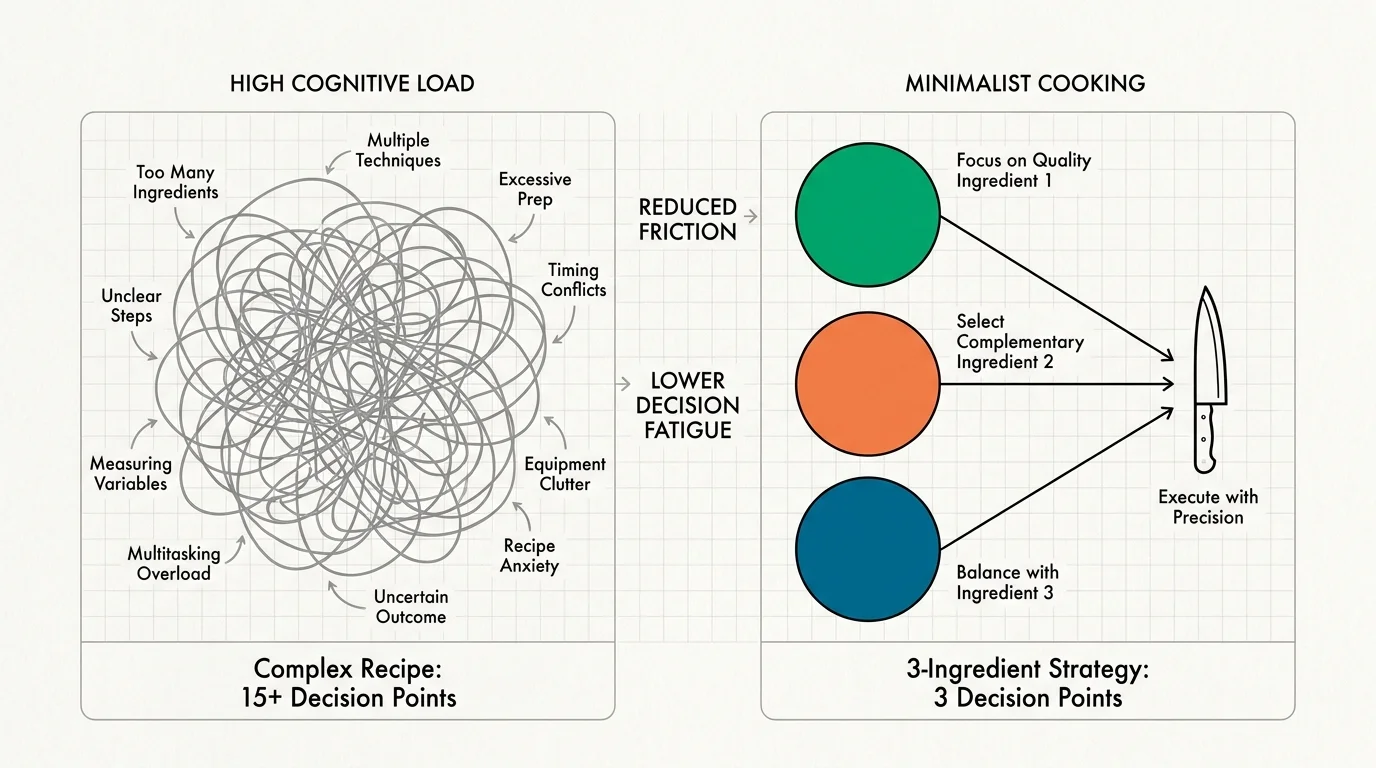
Dietary adherence often falters not from a lack of willpower, but from excessive cognitive load. Every extra ingredient you have to source, measure, and prepare consumes mental energy. By limiting your recipes to three core components, you drastically reduce the friction standing between you and a home-cooked meal. Observational data indicates that individuals who rely on quick recipe ideas featuring whole foods maintain healthier body weights and better cardiovascular markers over time. You benefit from this simplicity because fewer ingredients mean your palate learns to appreciate the unadulterated taste of fresh, nutrient-dense foods. When you choose a high-quality protein, a complex carbohydrate, and a flavorful fat or vegetable, you naturally construct a balanced plate. According to peer-reviewed nutritional studies, interventions that simplify meal preparation significantly increase the frequency of cooking at home, which directly correlates with higher intakes of essential vitamins and minerals.
Let’s try one more to be safe and very descriptive of the
Core Strategy: Focus on High-Impact Nutrients
Your primary goal in minimal ingredient cooking involves selecting powerhouse foods that pull double duty. Each ingredient must deliver substantial nutritional value and robust flavor. You achieve this by pairing complementary textures and macronutrients.
Blistered Tomato and Feta Pasta
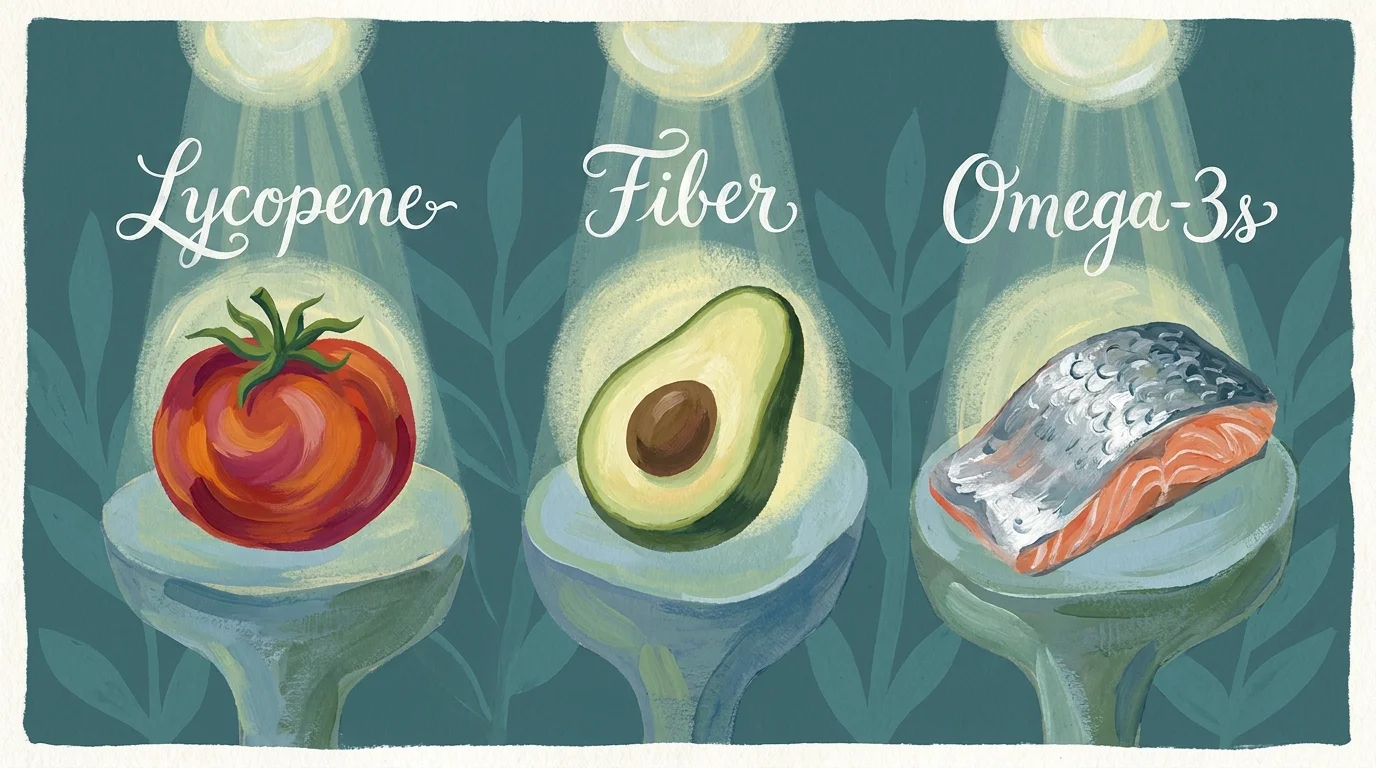
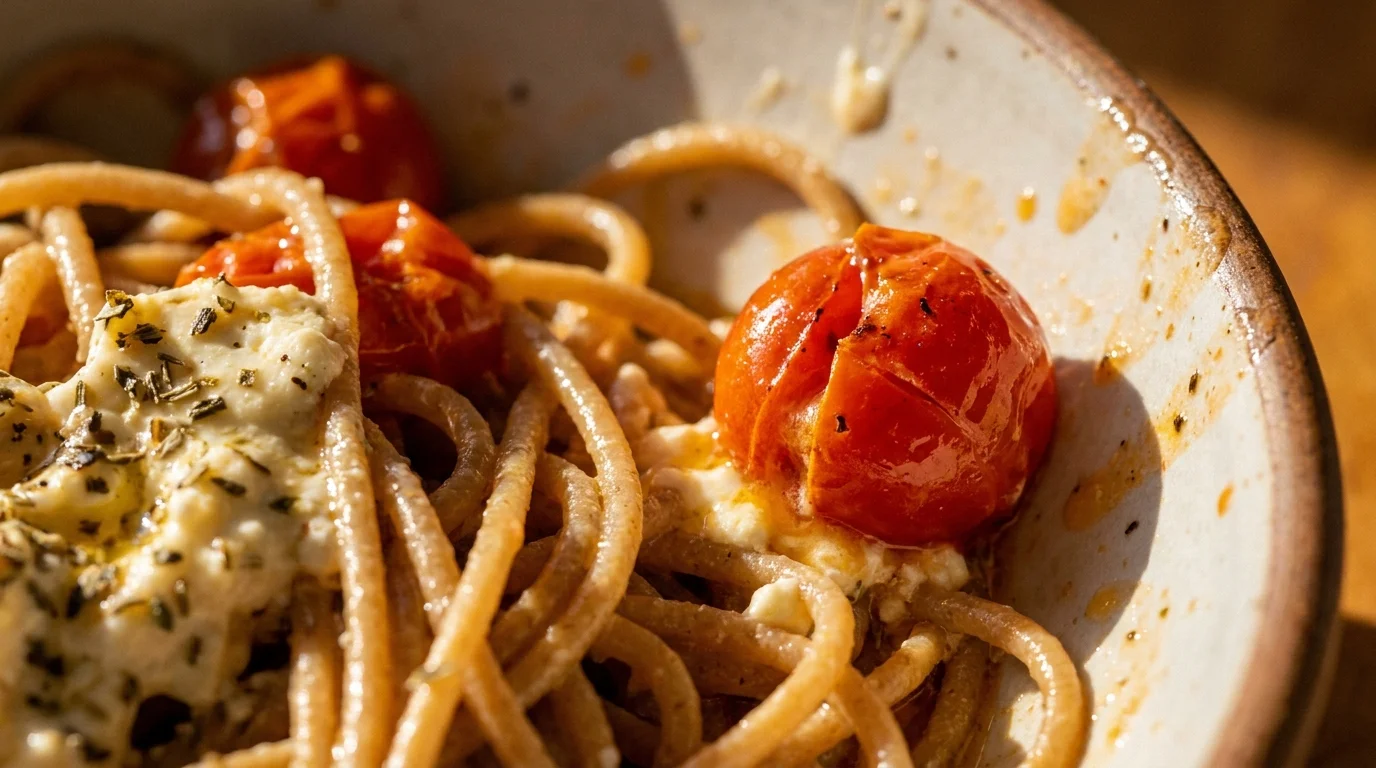
This dish relies on whole wheat pasta, cherry tomatoes, and high-quality feta cheese. You begin by roasting the cherry tomatoes and a block of feta until the cheese softens and the tomatoes burst, releasing their sweet juices. Tossing this savory, creamy mixture with cooked whole wheat pasta creates an instant, elegant sauce. The tomatoes provide a massive dose of lycopene—an antioxidant linked to reduced inflammation—while the feta offers satiating fat and calcium. The whole wheat pasta rounds out the dish with dietary fiber, keeping your blood sugar stable and providing lasting energy for your afternoon.
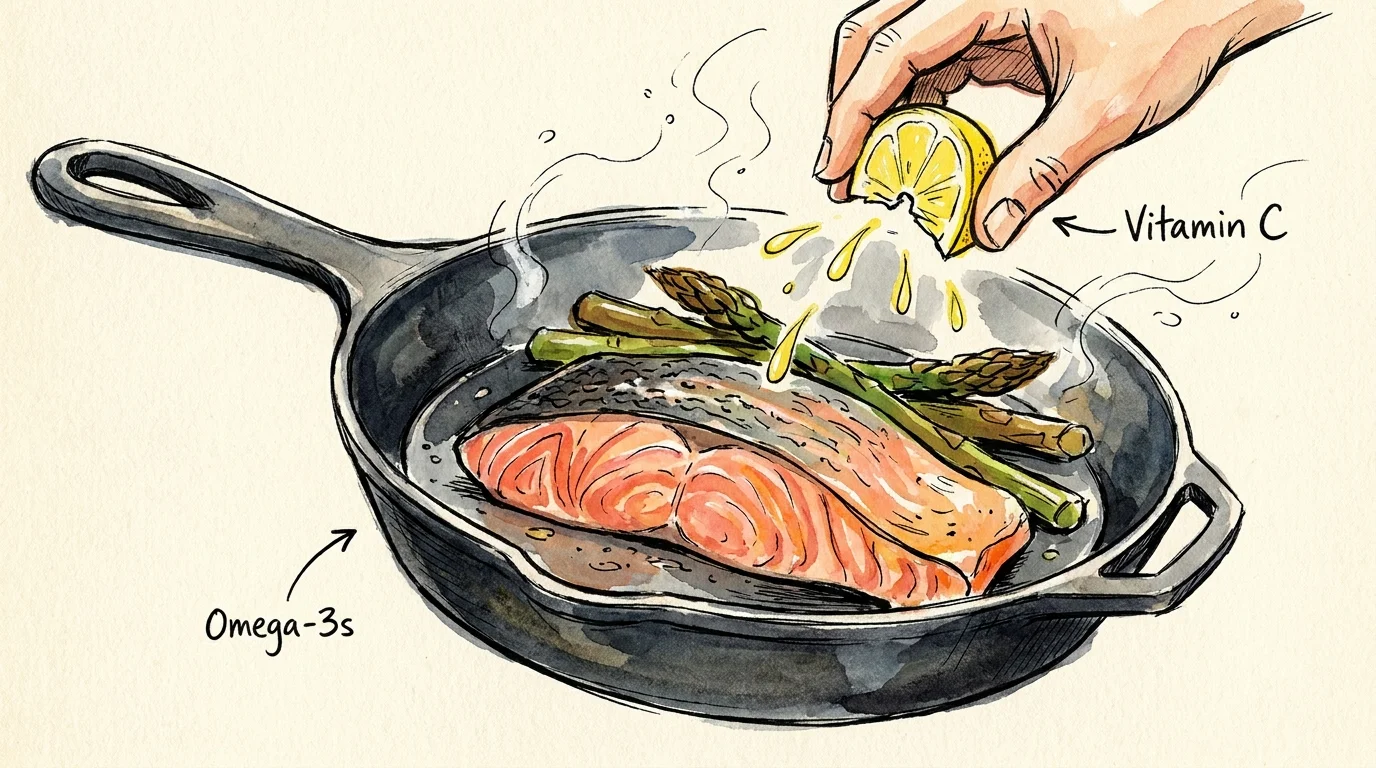
Pan-Seared Salmon with Lemon Asparagus
Wild-caught salmon fillets, fresh asparagus spears, and a bright lemon serve as the foundation for this sophisticated dinner. Sear the salmon skin-side down until crispy, then briefly sauté the asparagus in the same pan, finishing everything with a generous squeeze of fresh lemon juice. Salmon stands out as a premier source of omega-3 fatty acids, which actively protect your brain and heart health. Asparagus adds prebiotic fiber to feed your healthy gut bacteria, and the vitamin C from the lemon actually enhances your body’s ability to absorb the plant-based iron present in the green vegetables.
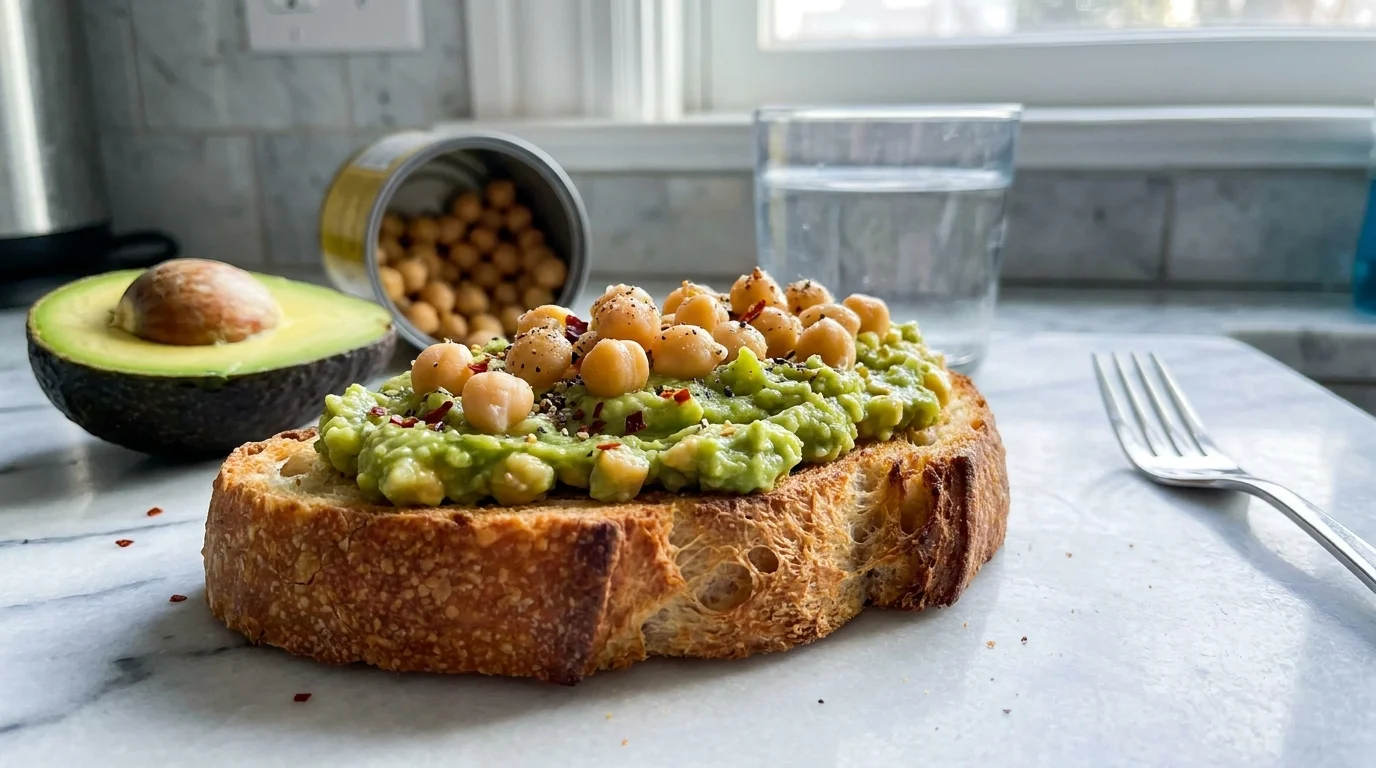
Avocado and Chickpea Sourdough Mash
Transform lunchtime with a thick slice of sourdough bread, half an avocado, and a handful of canned chickpeas. You simply mash the avocado and chickpeas together, spreading the dense, creamy mixture over a toasted sourdough slice. This combination creates a complete protein profile and delivers a tremendous amount of dietary fiber. Sourdough bread undergoes a fermentation process that degrades phytic acid, making its minerals highly bioavailable. The monounsaturated fats in the avocado ensure you absorb the fat-soluble vitamins hidden within the chickpeas, proving that simple meals offer profound physiological benefits.
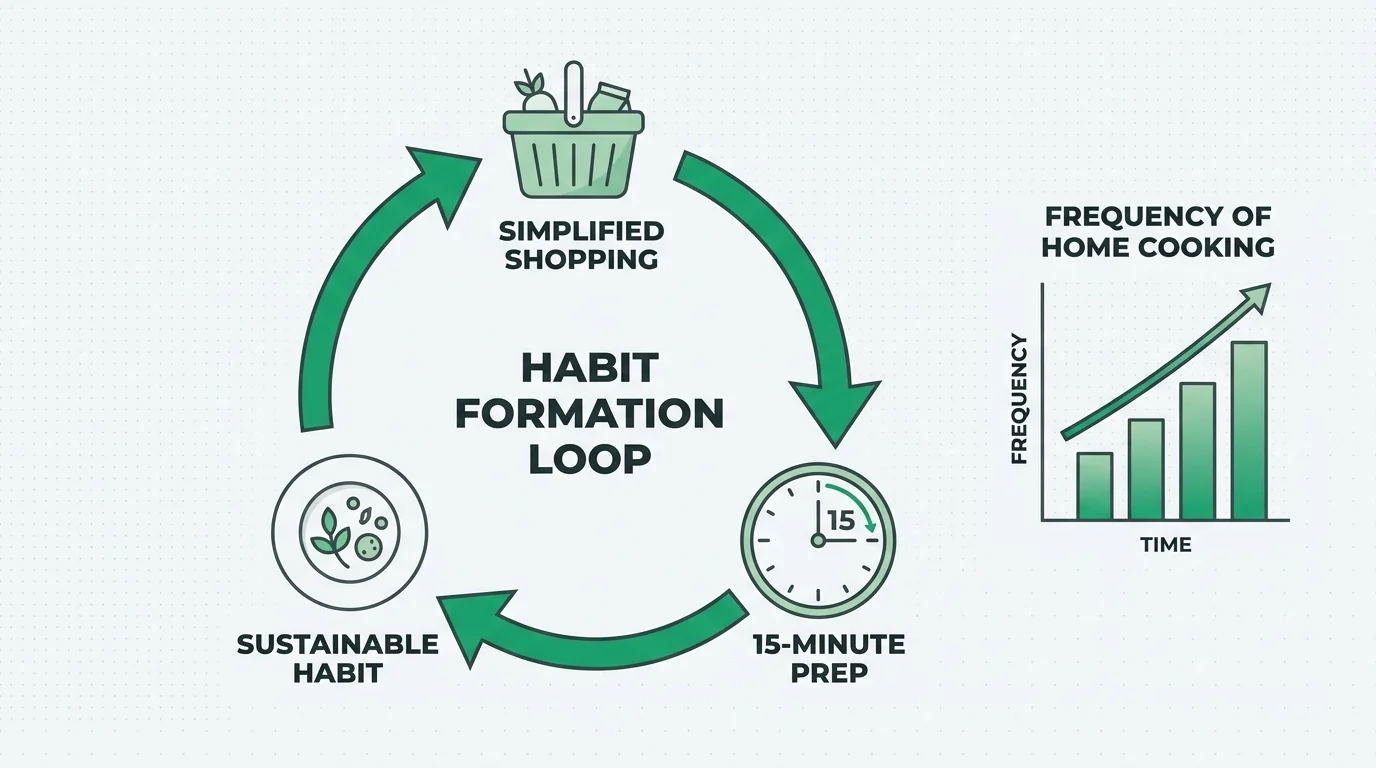
Core Strategy: Habit Formation and Meal Planning
Building an automatic routine requires consistency. Minimalist recipes remove the common barriers to meal planning, allowing you to stock your pantry predictably and execute meals without stress.
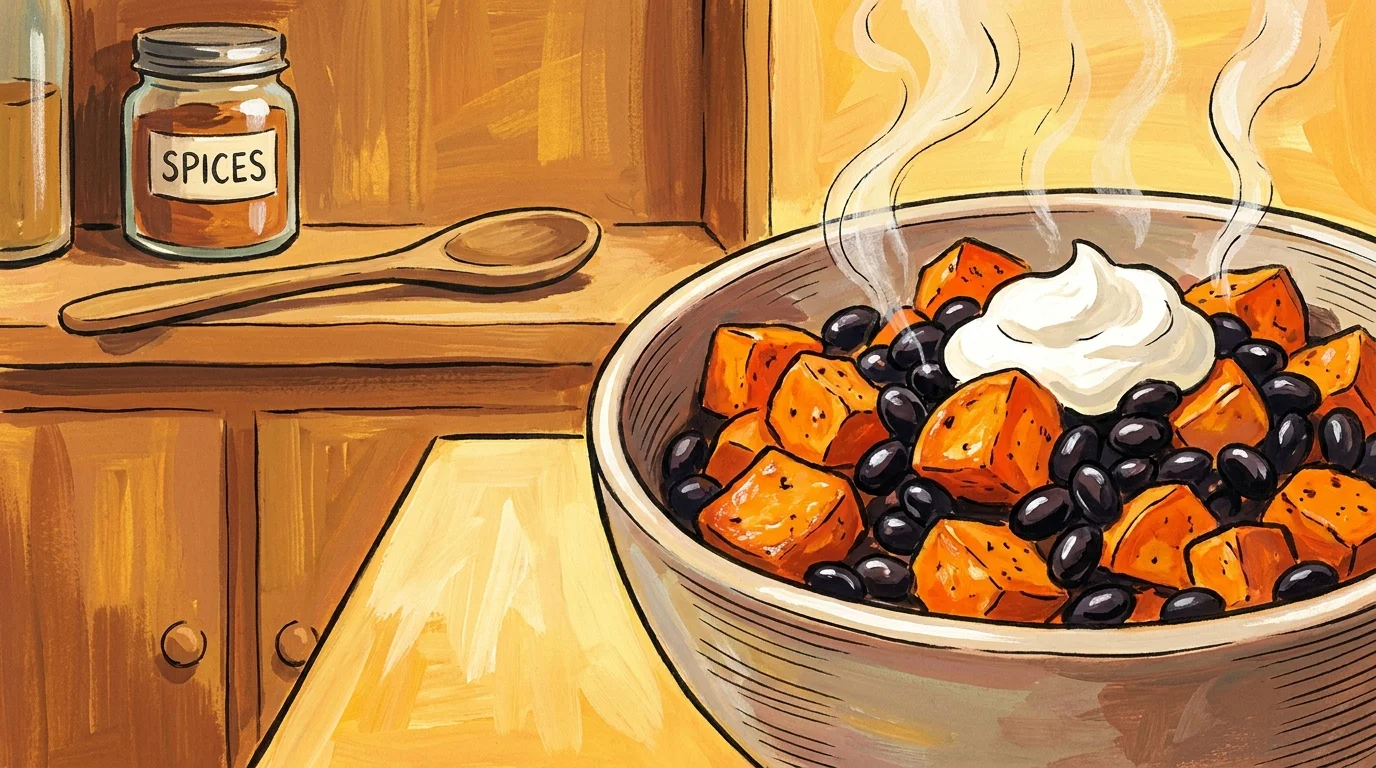
Sweet Potato and Black Bean Skillet
Stock your kitchen with sweet potatoes, canned black beans, and your favorite jarred salsa. Dice the sweet potato and roast it until tender, then fold in the rinsed black beans and warm salsa. This humble trio delivers a formidable combination of complex carbohydrates and plant-based protein. The vivid orange color of the sweet potato indicates a high concentration of beta-carotene, which your body converts into vitamin A to support immune function and vision. Meanwhile, black beans provide the resistant starch necessary to cultivate a diverse and resilient gut microbiome.
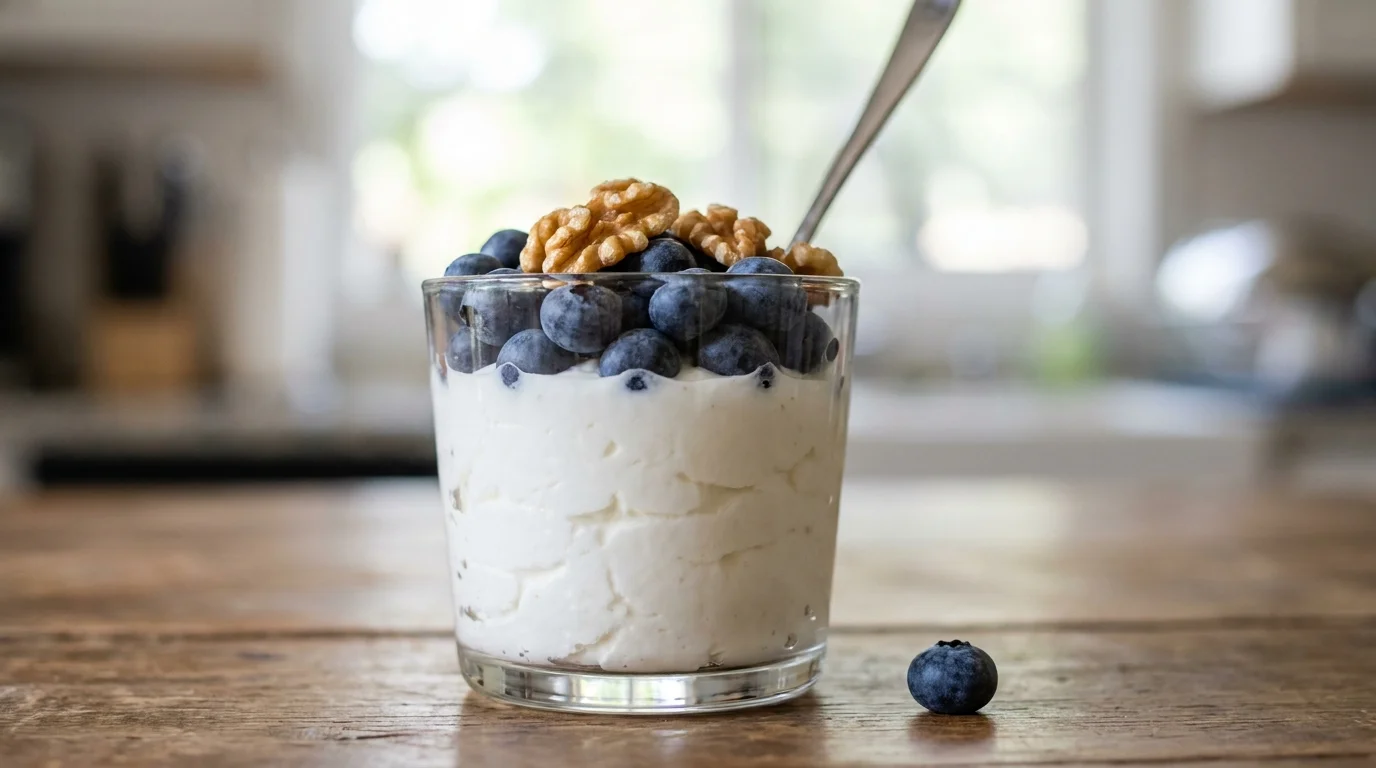
Greek Yogurt and Walnut Berry Parfait
Layering plain Greek yogurt, mixed berries, and crushed walnuts creates a breakfast that feels like a decadent dessert. You spoon the thick yogurt into a glass, adding alternating layers of vibrant berries and earthy walnuts. Greek yogurt boasts nearly double the protein of traditional yogurt, making it highly satiating. The berries supply potent antioxidants called anthocyanins, which protect your cells from oxidative stress. Adding walnuts introduces a satisfying crunch along with plant-based omega-3s and polyphenols. Building this easy healthy recipe daily trains your brain to expect a nourishing, minimally processed start to the morning.

Spinach and Goat Cheese Frittata
Eggs, fresh baby spinach, and tangy goat cheese combine to form a rustic, elegant frittata. Whisk the eggs, stir in handfuls of spinach, top with crumbled goat cheese, and bake until set. Eggs serve as a highly bioavailable protein source and provide choline, a nutrient critical for memory and cognitive processing. The spinach cooks down to deliver a concentrated dose of iron, magnesium, and folate. Goat cheese adds a rich, sophisticated flavor profile and contains slightly less lactose than cow’s milk cheeses, making it easier for many people to digest comfortably.

Core Strategy: Elevating Flavor Profiles Easily
When you rely on simplistic cooking, you must lean into ingredients that carry intense, concentrated flavors. Leveraging acidity, umami, and natural sweetness prevents your meals from tasting flat or uninspired.

Prosciutto-Wrapped Melon
Cantaloupe slices, high-quality prosciutto, and a drizzle of balsamic glaze create a classic Italian appetizer that translates beautifully into a light lunch. You simply wrap thin ribbons of salty prosciutto around sweet melon wedges and finish with the dark, syrupy glaze. The striking contrast between the salt-cured meat and the hydrating, potassium-rich melon excites your palate. This pairing provides a refreshing burst of hydration and essential electrolytes, making it a brilliant option during warmer months or after a rigorous workout session.

Peanut Butter Banana Oats
Rolled oats, natural peanut butter, and a ripe banana establish a comforting, deeply satisfying bowl. Cook the oats, stir in a spoonful of creamy peanut butter, and top with sliced bananas. The natural sugars in the banana eliminate the need for added sweeteners, while the peanut butter introduces satiating fats and a rich, roasted flavor. Oats contain beta-glucan, a unique type of soluble fiber proven to lower cholesterol levels and promote a healthy cardiovascular system. This simple meal demonstrates how affordable pantry staples can seamlessly transform into a nutrient powerhouse.

Caprese Portobello Caps
Large portobello mushroom caps, fresh mozzarella, and basil pesto offer a savory, meatless dinner option that looks incredibly refined. You scrape the gills from the mushrooms, fill the caps with fresh mozzarella and a dollop of pesto, and bake until the cheese bubbles. Mushrooms stand as one of the few non-animal sources of vitamin D, especially when exposed to ultraviolet light during their growth phase. The pesto infuses the dish with the robust flavors of garlic, pine nuts, and olive oil, ensuring that every bite feels decadent and satisfying.

Expert and Lived Perspectives
Registered dietitians consistently observe that clients who simplify their meal preparation achieve greater long-term success. Rather than tracking dozens of ingredients, you focus your energy on balancing your plate. According to guidance from the Academy of Nutrition and Dietetics, emphasizing whole, minimally processed foods naturally guides you toward optimal nutrient intake. Many individuals managing demanding careers or busy family schedules report that discovering quick recipe ideas fundamentally shifted their relationship with food. Instead of viewing dinner as a grueling chore, they treat it as an opportunity to unwind. Patients working to lower their blood pressure or manage type 2 diabetes frequently share that paring down their ingredient lists helped them eliminate hidden sodium and added sugars typically found in complex, processed meals. You reclaim control over exactly what enters your body by keeping the culinary variables to an absolute minimum.
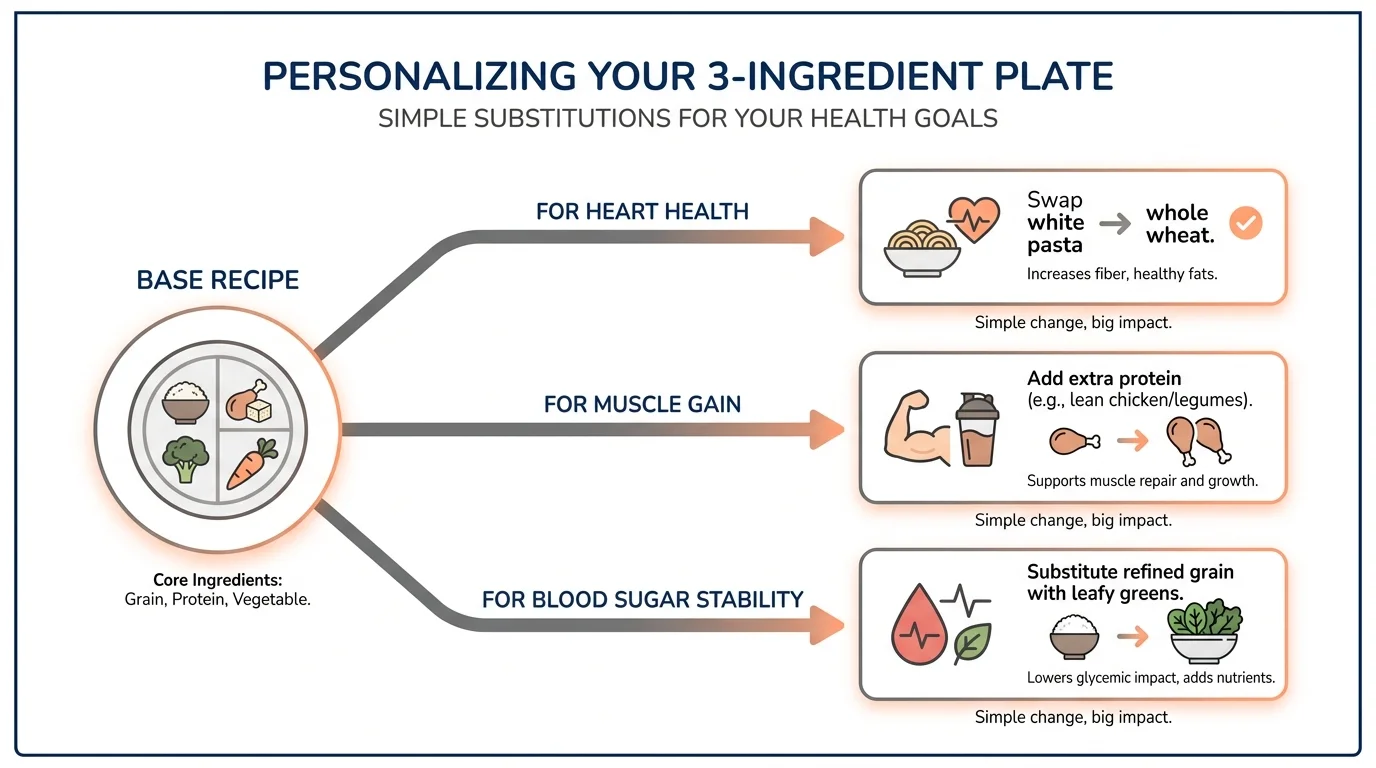
Safety, Contraindications, and Personalization
While minimal ingredient cooking streamlines your life, you must remain mindful of your unique physiological requirements and standard kitchen hygiene. If you live with specific food allergies, such as a severe reaction to dairy or tree nuts, you can easily modify these concepts. Swap goat cheese for a robust olive tapenade, or replace walnuts with toasted pumpkin seeds. Individuals managing chronic kidney disease need to monitor their potassium intake carefully; therefore, ingredients like sweet potatoes, bananas, and avocados might require strict moderation or substitution. Always ensure you handle and store your foods properly to prevent foodborne illness, following established food safety guidelines for cooking raw proteins like salmon and eggs. If you take specific medications, such as blood thinners that interact with vitamin K-rich foods like spinach, consult your primary care physician or a registered dietitian to tailor these templates to safely support your precise medical needs.
Frequently Asked Questions
Can I prep these three-ingredient meals ahead of time?
Absolutely; meal prepping these dishes enhances their convenience. You can roast sweet potatoes and black beans days in advance, or pre-cook whole wheat pasta to keep in an airtight container in the refrigerator. Keep in mind that certain delicate ingredients, like sliced avocado or dressed salads, oxidize and lose their texture quickly. For those items, prep the sturdy components ahead of time and add the sensitive ingredients right before you sit down to eat. This hybrid approach guarantees your meals taste fresh while still saving you precious time.
Do spices and cooking oils count toward the three ingredients?
In the culinary world of minimalistic cooking, salt, pepper, water, and standard cooking oils generally serve as free ingredients. You assume these basic staples already exist in your pantry. The three-ingredient rule applies strictly to the primary components defining the flavor profile and nutritional substance of the dish. By not counting a splash of olive oil, you grant yourself the flexibility to properly season your food and maximize the absorption of fat-soluble vitamins.
How do I ensure I get enough protein with so few ingredients?
You guarantee adequate protein intake by deliberately selecting at least one high-quality protein source for every meal. When you build a dish around eggs, salmon, Greek yogurt, or legumes, you establish a strong nutritional foundation. To learn more about portions, you can review standard protein foods guidelines. If you require higher protein levels to support athletic training or muscle recovery, simply increase the portion size of the protein component or select complementary ingredients, such as combining black beans with a whole grain.
Are these minimalist recipes suitable for specialized diets like keto or vegan?
These simple meal frameworks adapt beautifully to virtually any dietary philosophy. If you follow a ketogenic lifestyle, lean heavily into the salmon and asparagus, ensuring your carbohydrate intake remains low. If you practice veganism, swap the feta in the tomato pasta for a rich cashew cream, or use crumbled tofu instead of eggs for a breakfast scramble. You can effortlessly swap one ingredient out to perfectly align with your metabolic preferences or ethical choices.
Your Next Step Toward Simplification
Embracing a simpler approach to cooking removes the barriers that keep you from enjoying deeply nourishing, home-cooked food. You now have the blueprints to transform a few basic staples into sophisticated, flavorful meals that respect your time and support your physical health. Take a quick inventory of your kitchen right now. Identify three whole-food ingredients you already have on hand—perhaps a forgotten can of beans, a bag of frozen vegetables, and a grain—and commit to combining them into a focused, deliberate meal within the next twenty-four hours. You possess the ability to eat beautifully and healthfully, and it begins with stripping away the unnecessary noise.