
Millions of adults now use glucagon-like peptide-1 receptor agonists to manage blood sugar and achieve significant weight loss, but the gastrointestinal adjustment period catches many off guard. You need to know how to navigate the nausea, fullness, and fatigue so you can successfully sustain this powerful metabolic therapy. Medical research demonstrates that proactive dietary shifts dramatically reduce these uncomfortable side effects. When you understand exactly how your digestion changes on these medications, you can strategically adjust your nutrient intake and daily routines to support your body. By implementing targeted strategies around meal timing, hydration, and protein prioritization, you protect your muscle mass while minimizing stomach upset during the critical first few months of treatment.
The Science Snapshot: Why GLP-1 Medications Change Your Digestion
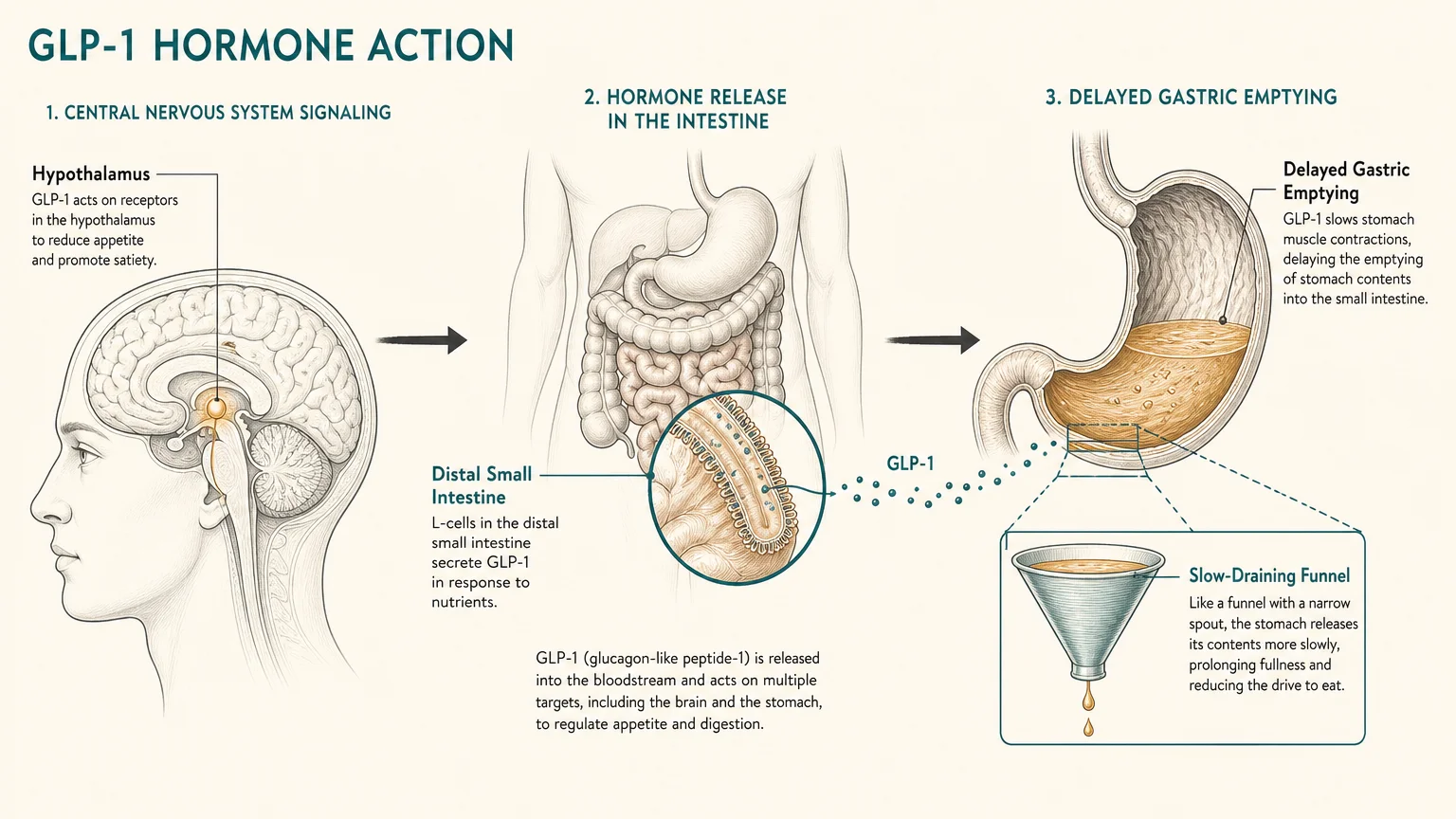
To truly master your daily routine while utilizing these medications, you must first understand the physiological changes happening inside your body. The GLP-1 hormone naturally secretes in your distal small intestine the moment you begin consuming food. Medications like semaglutide mimic this exact hormone but remain active in your systemic circulation for vastly longer periods. This continuous, prolonged presence acts on your central nervous system, specifically signaling the hypothalamus in your brain to aggressively dial down your appetite and reduce your baseline food cravings.
Simultaneously, these compounds command your stomach to empty its contents into your intestines at a drastically slower pace. This delayed gastric emptying functions as a brilliant mechanism to prevent extreme post-meal blood sugar spikes, ensuring your metabolic response remains remarkably stable. However, this same mechanical slowing creates the profound sensation of fullness that can rapidly cross the threshold into intense nausea. Because food literally sits in your stomach longer, attempting to consume your previously normal portions will inevitably trigger severe physical discomfort. You can explore deeper clinical investigations regarding incretin therapies to fully grasp how this systemic slowing impacts your entire digestive tract. Acknowledging this altered mechanical reality represents the very first step in taking control of your treatment experience.

Strategy Pillar One: Mastering Meal Planning for Slower Emptying
Since your stomach now clears ingested food at a mere fraction of its former speed, you must completely abandon the traditional three-large-meals-a-day paradigm. Transitioning to a grazing model featuring four to six smaller, meticulously planned eating occasions spaced evenly throughout your waking hours provides the most immediate relief from gastrointestinal distress. This frequent, low-volume approach prevents the physical stomach distension that universally triggers severe nausea and subsequent acid reflux. Think of your new digestive capacity as a slow-draining funnel; pouring a massive amount of food into it all at once guarantees a painful overflow.
You must also critically evaluate the macronutrient composition of every meal you prepare. Dietary fat inherently slows the digestive process even under completely normal physiological conditions. When you introduce heavy, high-fat meals into a system already slowed by a GLP-1 medication, you engineer a perfect storm for debilitating stomach cramps and prolonged nausea. You must swap deep-fried entrées and heavy cream sauces for lighter, gentler preparations. If you love traditional Latin American cuisine, for example, choose grilled fish tacos loaded with a crisp, acidic cabbage slaw rather than heavy plates of oil-rich carnitas. If you frequently enjoy Asian culinary traditions, opt for a light, brothy pho with lean chicken and fresh herbs instead of ordering heavily battered, deep-fried sweet and sour dishes.
Temperature and texture also play a surprising but vital role in symptom management. Many individuals discover that room-temperature or actively chilled foods go down much easier than hot, highly aromatic meals when waves of nausea strike. The strong smells emanating from hot foods frequently overwhelm an already sensitive olfactory system. Keeping a consistent supply of chilled Greek yogurt, fresh cottage cheese, or cold quinoa and cucumber salads in your refrigerator ensures you always have highly accessible, stomach-friendly options ready the moment your body signals hunger. Most importantly, you must learn to listen to your body’s new satiety signals and drop your fork the exact second you feel satisfied, regardless of how much food remains on your plate.
Strategy Pillar Two: The Nutrient Focus You Need to Prevent Muscle Loss
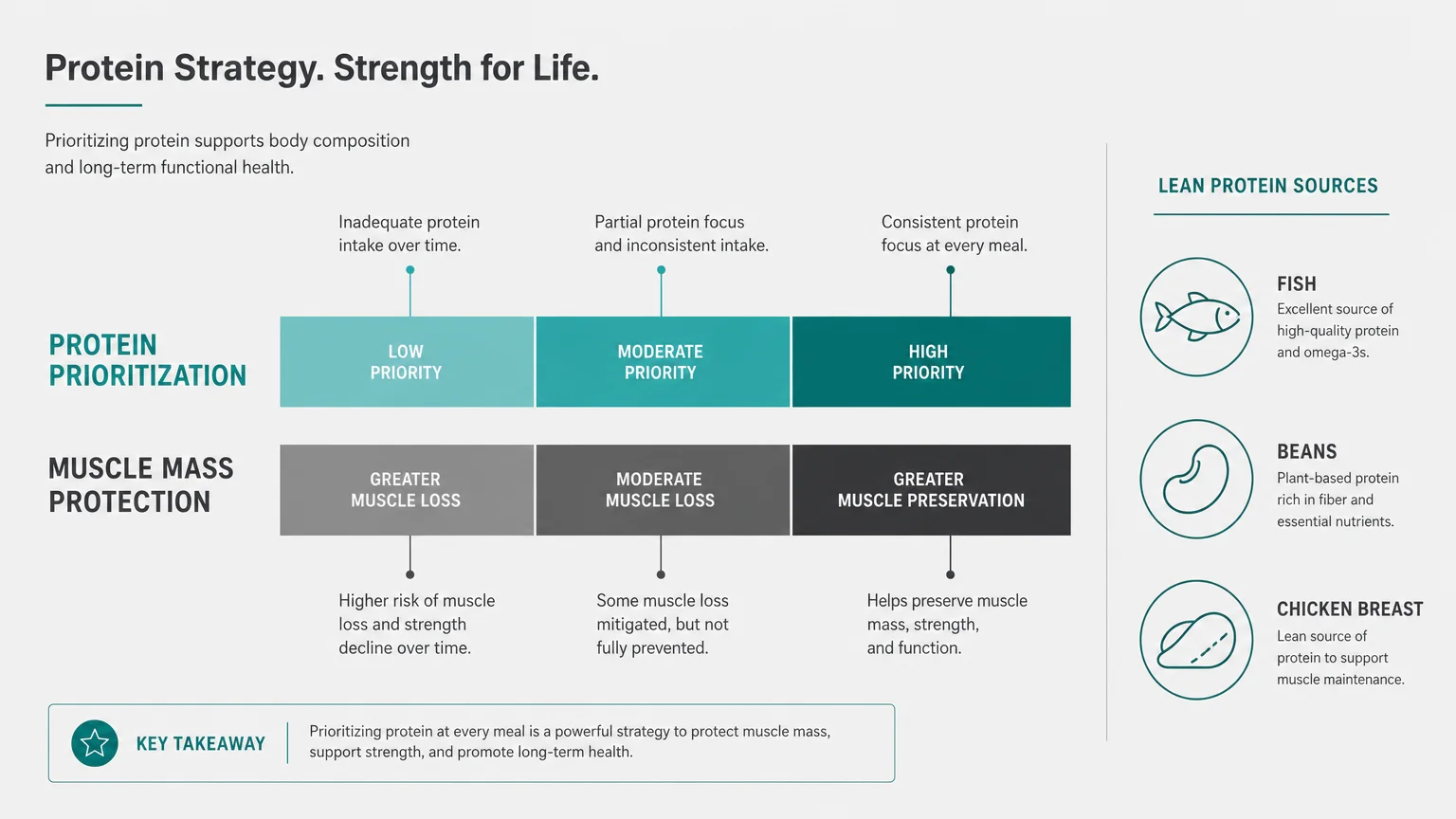
Rapid, sustained weight loss always carries a significant hidden risk; without targeted, aggressive nutritional intervention, your body will inevitably break down metabolically active muscle tissue alongside stored body fat. Sarcopenia—the accelerated loss of skeletal muscle mass—directly compromises your long-term metabolic health, weakens your physical strength, and severely diminishes your daily functional capacity. To fiercely defend your lean mass while your total caloric intake drops, you must prioritize high-quality protein every single time you raise food to your mouth. You cannot treat protein as an afterthought when utilizing these powerful medications.
Because you will consume significantly less total volume throughout the day, every single bite needs to carry substantial nutritional weight. Aim to secure between twenty and thirty grams of high-quality protein at each of your newly established mini-meals. You can easily achieve this by incorporating robust plant-based powerhouses like edamame, firm tofu, and fermented tempeh, or by utilizing easily digestible lean animal sources such as eggs, white fish, and skinless poultry. If chewing solid food feels entirely unmanageable due to extreme appetite suppression or lingering morning nausea, immediately pivot to liquid nutrition. Utilizing high-quality whey or plant-based protein shakes, or sipping on innovative clear protein beverages, serves as a highly effective bridge strategy to meet your daily requirements. You can review detailed comprehensive guidelines on protein and fiber management to help structure your new macronutrient targets.
Fiber represents the second crucial nutrient focus, though you must handle it with extreme tactical care. While you absolutely require dietary fiber to nourish your gut microbiome and assist in blood sugar management, dumping a massive amount of dense roughage into a highly slowed digestive tract will cause agonizing bloating and painful gas accumulation. You must increase your daily fiber intake gradually. Begin your journey with gentle, highly soluble, easily digestible sources like roasted sweet potatoes, stewed apples, chia seeds soaked in almond milk, or thoroughly blended spinach in a morning smoothie. Only advance to raw cruciferous vegetables, dense kale salads, and heavy bran cereals once you confirm your digestive tract can handle the increased workload without rebelling.

Strategy Pillar Three: Essential Daily Habits for Hydration and Bowel Regularity
Severe constipation consistently ranks among the most frequent, frustrating, and medically challenging side effects reported by individuals utilizing semaglutide and similar metabolic compounds. When your digestive motility slows to a crawl, your colon has drastically more time to extract water from the waste material passing through it. This prolonged extraction process inevitably leads to hard, dry, and exceptionally difficult-to-pass stools. Combating this uncomfortable reality requires a relentless, daily commitment to optimal hydration and strategic movement.
You absolutely cannot rely on your natural thirst mechanism to dictate your fluid intake, as GLP-1 medications frequently dull your desire to drink water just as effectively as they eliminate your desire to eat. You must establish a proactive, mechanical hydration protocol. Keep a large, clearly marked water bottle in your immediate line of sight at your desk, in your car, and on your nightstand. Sip fluids continuously throughout the day rather than attempting to chug massive volumes of water all at once, which will only provoke the intense gastric distension and nausea we previously discussed. If plain water becomes completely unpalatable—a surprisingly common complaint—experiment with soothing herbal teas, warm bone broths, or water heavily infused with fresh cucumber, mint, or citrus slices. Adequate electrolyte intake, particularly sodium, potassium, and magnesium, also prevents the profound fatigue and headaches that patients frequently mistake for direct medication side effects.
Physical movement acts as an indispensable mechanical stimulant for your sluggish digestive tract. Engaging in a brisk ten-to-fifteen-minute walk immediately following your meals deliberately leverages gravity and gentle physical agitation to physically move sitting food out of your stomach and into your intestines. This remarkably simple, entirely free habit drastically reduces instances of nocturnal acid reflux and agonizing post-meal bloating. Consistent, daily aerobic activity further supports general bowel motility and significantly accelerates your overall metabolic progress. Extensive evidence-based hydration protocols for digestive health strongly reinforce that the deliberate combination of gradual fiber titration and sustained, proactive hydration provides the most reliable defense against chronic medication-induced constipation.

Expert and Lived Voices: What Clinicians and Patients Really Experience
Registered dietitians working on the front lines of obesity medicine and metabolic health notice incredibly distinct patterns among individuals who thrive on these medications compared to those who constantly struggle. Clinical nutrition professionals constantly emphasize the profound importance of altering the actual mechanics of eating. Under normal physiological circumstances, it takes roughly twenty minutes for your stretched stomach to effectively communicate a sense of fullness to your brain. On a GLP-1 agonist, that delayed signaling pathway means eating your food too quickly practically guarantees a miserable, uncomfortable aftermath. Dietitians frequently advise patients to physically place their utensils on the table between every single bite, forcing a slower, more deliberate pacing that allows the brain to catch up with the stomach.
Physicians managing these complex prescriptions intentionally utilize an agonizingly slow dose titration schedule to safely build your physiological tolerance. Endocrinologists and specialized obesity medicine practitioners routinely observe that patients who impatiently rush the dosage steps—begging to jump to higher doses for faster weight loss—invariably experience the most severe, debilitating adverse events. These medical experts advocate fiercely for remaining on the absolute lowest effective dose for as long as it continues to provide metabolic benefits and appetite control.
Community support forums and patient advocacy groups beautifully echo these clinical observations. Individuals successfully managing their long-term treatment frequently share that their entire relationship with food shifts from a place of emotional dependency to a highly mechanical, fueling mindset. Many report a profound, life-changing sense of relief as the constant, exhaustive mental chatter about food completely disappears. This newfound mental clarity allows them to finally implement the healthy, sustainable dietary behaviors they previously understood intellectually but found entirely impossible to execute in the face of raging hunger hormones. They learn to deeply respect their altered digestive systems, meticulously selecting nutrient-dense foods that energize them while consciously, fiercely avoiding the specific, heavy triggers that cause them gastric misery.

Safety, Contraindications, and When to Consult Your Physician
While semaglutide and related compounds offer genuinely transformative metabolic benefits, they remain incredibly serious pharmaceutical interventions governed by strict safety parameters. You must maintain an open, honest, and completely transparent line of communication with your prescribing physician throughout the entirety of your treatment journey. Mild nausea, occasional acid reflux, and transient changes in your bowel habits generally fall into the category of expected, highly manageable adjustment symptoms. However, certain severe side effects demand an immediate, urgent medical evaluation.
Severe, unyielding abdominal pain that originates in your stomach and violently radiates directly to your back could indicate acute pancreatitis, a rare but exceptionally dangerous inflammation of the pancreas definitively linked to incretin therapies. Furthermore, rapid weight loss itself places immense stress on your gallbladder. If you experience sharp, stabbing pain in your upper right abdomen, particularly after eating a meal containing fat, you may be experiencing biliary colic or gallstones. Similarly, extreme, unrelenting vomiting that prevents you from keeping any clear fluids down for more than twenty-four hours puts you at a critical, immediate risk for severe dehydration and subsequent acute kidney injury. You must never attempt to quietly manage these severe, red-flag symptoms independently at home.
Additionally, individuals with a personal or distinct family history of medullary thyroid carcinoma or Multiple Endocrine Neoplasia syndrome type 2 must absolutely avoid these medications entirely due to the documented risk of thyroid C-cell tumors. If you currently take exogenous insulin or sulfonylureas to manage established type 2 diabetes, introducing a GLP-1 agonist dramatically increases your absolute risk of severe hypoglycemia. Your medical team must carefully, proactively adjust your concurrent diabetic medications to prevent your blood sugar from plummeting to dangerously low, life-threatening levels. Always make it a priority to review the official safety updates regarding medications containing semaglutide so you remain fully informed about the latest clinical warnings and FDA guidelines.
Frequently Asked Questions About Starting Your Prescription
How long does the initial nausea typically last?
For the vast majority of individuals beginning this therapy, gastrointestinal side effects peak sharply during the first two to three days following a weekly injection and then gradually subside as the body successfully acclimates to the circulating medication. This broader adaptation process generally requires two to four weeks of consistent use. You should anticipate that every time your physician increases your dosage to the next therapeutic tier, you may experience a temporary, frustrating resurgence of these exact symptoms. Fortunately, these secondary waves typically present with significantly less severity and resolve much faster than your initial introductory experience.
Can I ever enjoy my favorite rich or sweet foods again?
Total, lifelong deprivation is rarely necessary and almost never sustainable. As your digestive system gracefully adjusts to the medication over several months, you will likely discover that your body can easily tolerate small, mindful amounts of richer foods without experiencing intense physical discomfort. Because the medication organically alters your baseline portion sizes and dramatically blunts intense cravings, a single bite or two of a decadent dessert or a small taste of a rich holiday side dish will suddenly feel completely, profoundly satisfying. This allows you to joyfully participate in celebratory meals and cultural traditions without overindulging or triggering severe nausea.
Do I need to take a daily multivitamin while on this treatment?
Because you are consistently consuming a drastically lower total volume of food each day, meeting all of your essential micronutrient requirements strictly through your daily diet becomes an incredibly complex challenge. Implementing a high-quality, broad-spectrum multivitamin provides an excellent, highly recommended nutritional safety net. Depending on your specific dietary restrictions and bloodwork, your healthcare provider might also strongly recommend targeted, specific supplementation with vitamin D, calcium, or vitamin B12. This becomes especially critical if your newly reduced appetite leads you to inadvertently eliminate entire food groups, such as dairy or red meat, from your standard weekly routine.
What happens to my appetite if I happen to miss a scheduled dose?
The active metabolic compounds in these specific medications possess an exceptionally long half-life, meaning they remain actively circulating in your bodily system for an extended period after injection. If you miss a scheduled dose by a mere day or two, you will highly likely not notice an immediate, massive surge in your baseline hunger. However, if you skip the medication entirely for a week or more due to a pharmacy shortage or travel, your gastric emptying rate will steadily return to its normal, rapid baseline speed. Consequently, you will experience a rapid, sometimes overwhelming return of your previous appetite, food noise, and specific sugar cravings. Always strictly follow your prescribing doctor’s exact instructions for handling missed or delayed doses to maintain metabolic stability.
Your Next Step Toward Better Health
Transitioning to a GLP-1 medication requires profound patience, immense adaptability, and a fiercely proactive approach to your daily nutritional habits. You hold the ultimate power to dictate exactly how smoothly this adjustment period unfolds by consciously, deliberately managing your meal pacing, your daily hydration, and your physical movement. Instead of passively waiting for uncomfortable side effects to dictate the terms of your day, take absolute command of your immediate environment right now. Within the next twenty-four hours, purchase a dedicated, clearly marked water bottle, place it on your desk, and commit to finishing its entire contents twice before you eat dinner. This single, highly actionable habit immediately establishes a solid foundation for excellent digestion, fiercely protects your kidney function, and sets an incredibly positive, empowered tone for your entire metabolic treatment journey. You already possess the precise tools and the scientific knowledge necessary to make this powerful therapy work brilliantly for your long-term wellness.