Over half of older adults experience chronic, low-grade inflammation that silently accelerates cellular aging and drives joint stiffness, daily fatigue, and chronic disease. You can counteract this process and reclaim your energy by integrating specific, science-backed anti-inflammatory foods into your daily routine. As you enter retirement, your nutritional needs shift; your body requires denser micronutrients to repair tissues and sustain a robust immune system. Focusing on colorful produce, quality proteins, and healthy fats helps extinguish internal biological fires. This guide delivers eight practical choices tailored for retirees, empowering you to adjust your meal planning and daily habits. Through targeted dietary adjustments, you can support your long-term health and enjoy a vibrant, active retirement.
The Science of Aging and Chronic Inflammation
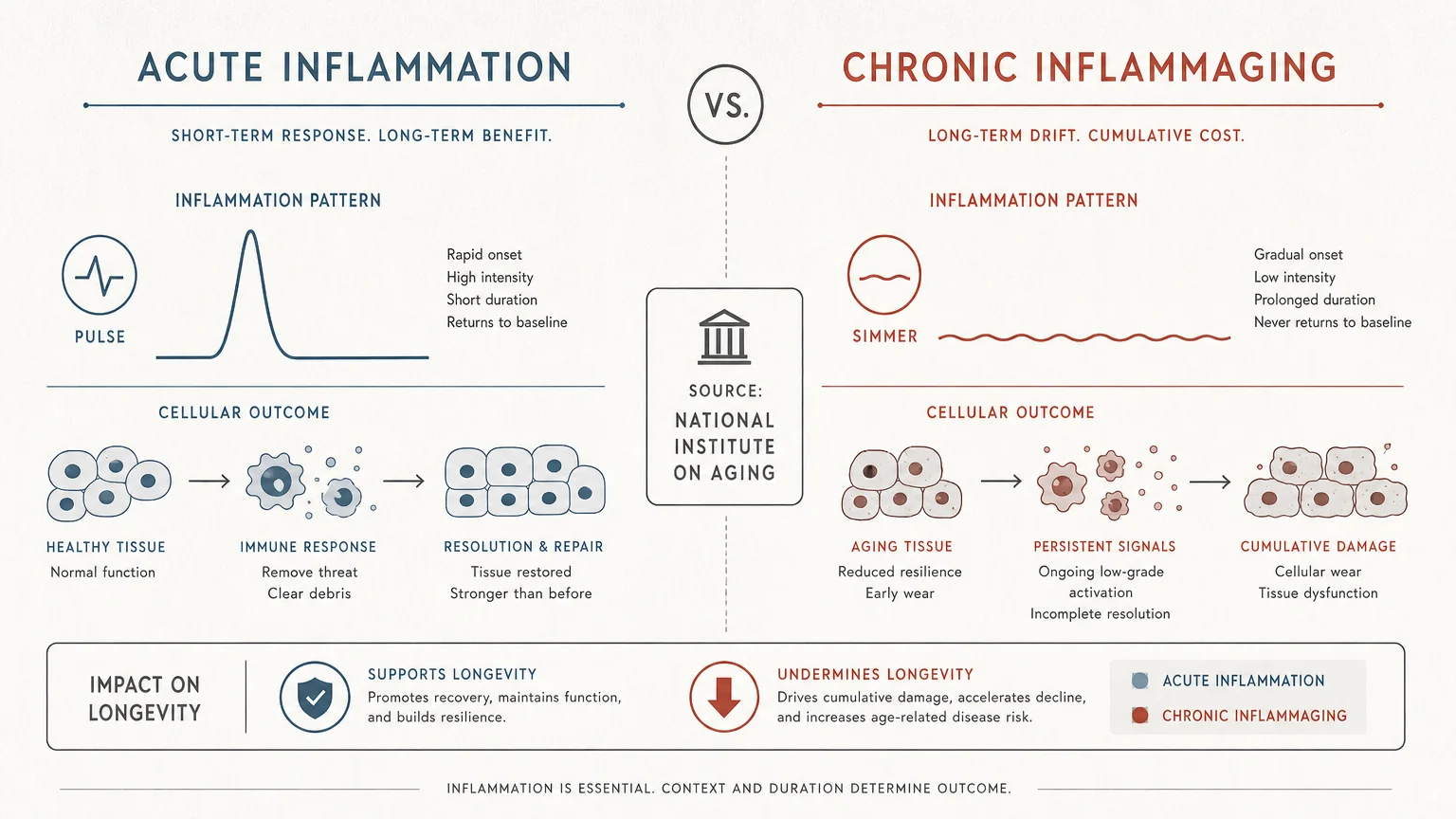
As we grow older, our immune system undergoes a transformation known as immune senescence, which often leads to a chronic, low-grade inflammatory state. Researchers coin this phenomenon “inflammaging,” and it serves as a common denominator for many age-related conditions—ranging from cardiovascular disease to cognitive decline. Unlike acute inflammation, which acts as a helpful biological response to heal a cut or fight a sudden infection, chronic inflammation simmers quietly and damages healthy cells over time. Data from the National Institute on Aging shows that managing this prolonged inflammatory state remains crucial for maintaining independence and vitality during your retirement years. You hold significant power over this biological process through the foods you consume every single day. Certain nutrients actively inhibit inflammatory pathways, while others fuel the fire. By deeply understanding the biochemical impact of your meals, you can make strategic decisions that protect your cellular health and promote overall longevity.
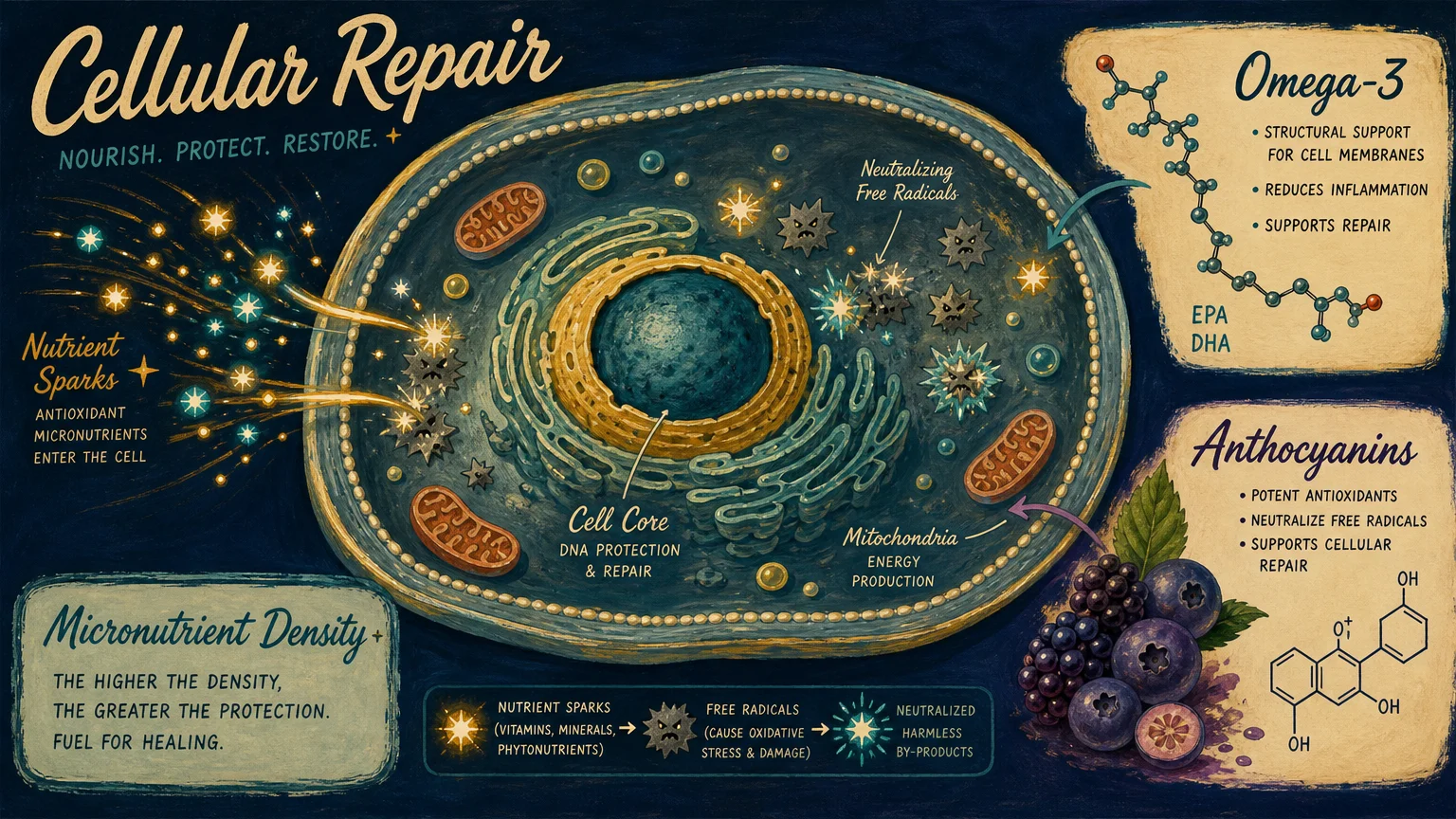
1. Vibrant
2. illustrations
3. show
4. how
5. nutrient
6. sparks
Nutrient Focus for Deep Cellular Repair
Focusing on nutrient density ensures your body receives the exact compounds necessary to quiet systemic inflammation. When you retire, your caloric needs naturally decrease due to metabolic shifts, but your requirement for vitamins, minerals, and antioxidants actually increases.
Choice 1: Prioritize Omega-3 Fatty Acids
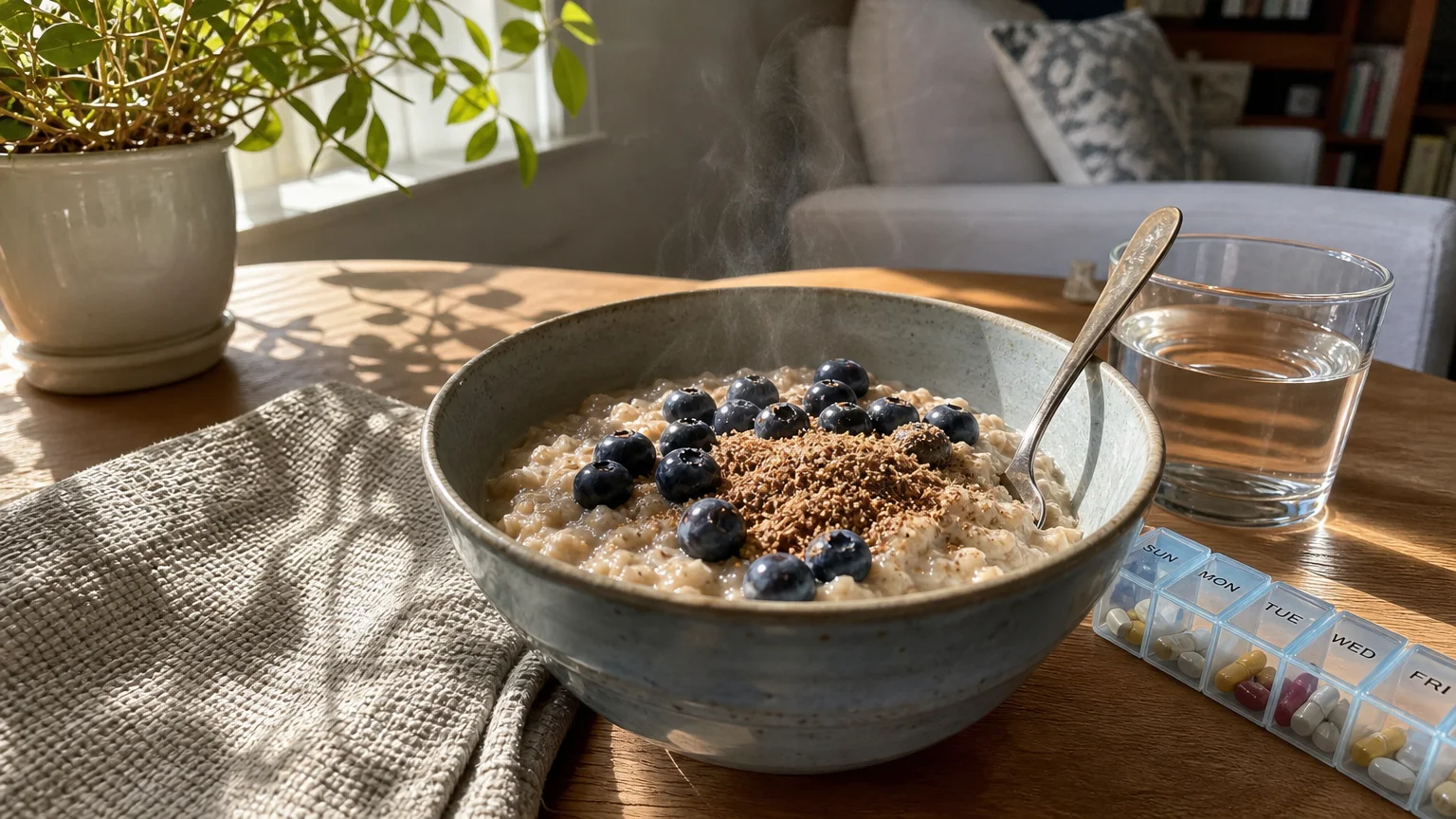
Omega-3 fatty acids stand out as one of the most potent anti-inflammatory compounds available in our food supply. These essential fats directly interfere with the production of inflammatory eicosanoids and cytokines. Fatty fish like wild-caught salmon, sardines, and mackerel provide rich sources of EPA and DHA, which serve as the most bioavailable forms of omega-3s for human absorption. If you follow a plant-based diet or have a limited grocery budget, you can easily incorporate walnuts, chia seeds, and flaxseeds into your everyday meals. The Academy of Nutrition and Dietetics recommends consuming fish at least twice a week to secure these protective cellular benefits. You might try swapping a traditional beef burger for a grilled salmon patty, or simply stirring two tablespoons of ground flaxseed into your morning oatmeal to seamlessly boost your daily intake.
Choice 2: Embrace Anthocyanin-Rich Berries
Berries owe their vibrant red, blue, and purple hues to anthocyanins; these compounds function as powerful antioxidants that neutralize unstable free radicals roaming in your body. Blueberries, blackberries, and raspberries consistently demonstrate the remarkable ability to lower markers of inflammation, such as C-reactive protein. You do not need to rely strictly on expensive fresh berries, especially when they fall out of season or stretch your budget. Frozen berries retain their complete nutritional profile—often frozen at the peak of ripeness—and work perfectly in smoothies, baked oatmeal, or warmed compotes poured over plain Greek yogurt. Making berries a staple in your kitchen guarantees a daily infusion of cellular protection without breaking the bank.
Choice 3: Increase Cruciferous Vegetables
Cruciferous vegetables offer unique sulfur-containing compounds called glucosinolates, which your body effectively converts into sulforaphane during digestion. Sulforaphane aggressively combats inflammation by reducing elevated levels of pro-inflammatory cytokines in your bloodstream. Broccoli, Brussels sprouts, cauliflower, and kale all belong to this resilient, health-promoting plant family. Roasting Brussels sprouts or cauliflower florets with a touch of extra virgin olive oil and fresh garlic enhances their natural sweetness, making them a highly palatable and savory side dish. Consuming at least one generous serving of cruciferous vegetables daily provides a formidable defense against age-related cellular damage and actively supports your liver’s natural detoxification pathways.
Smart Meal Planning Strategies
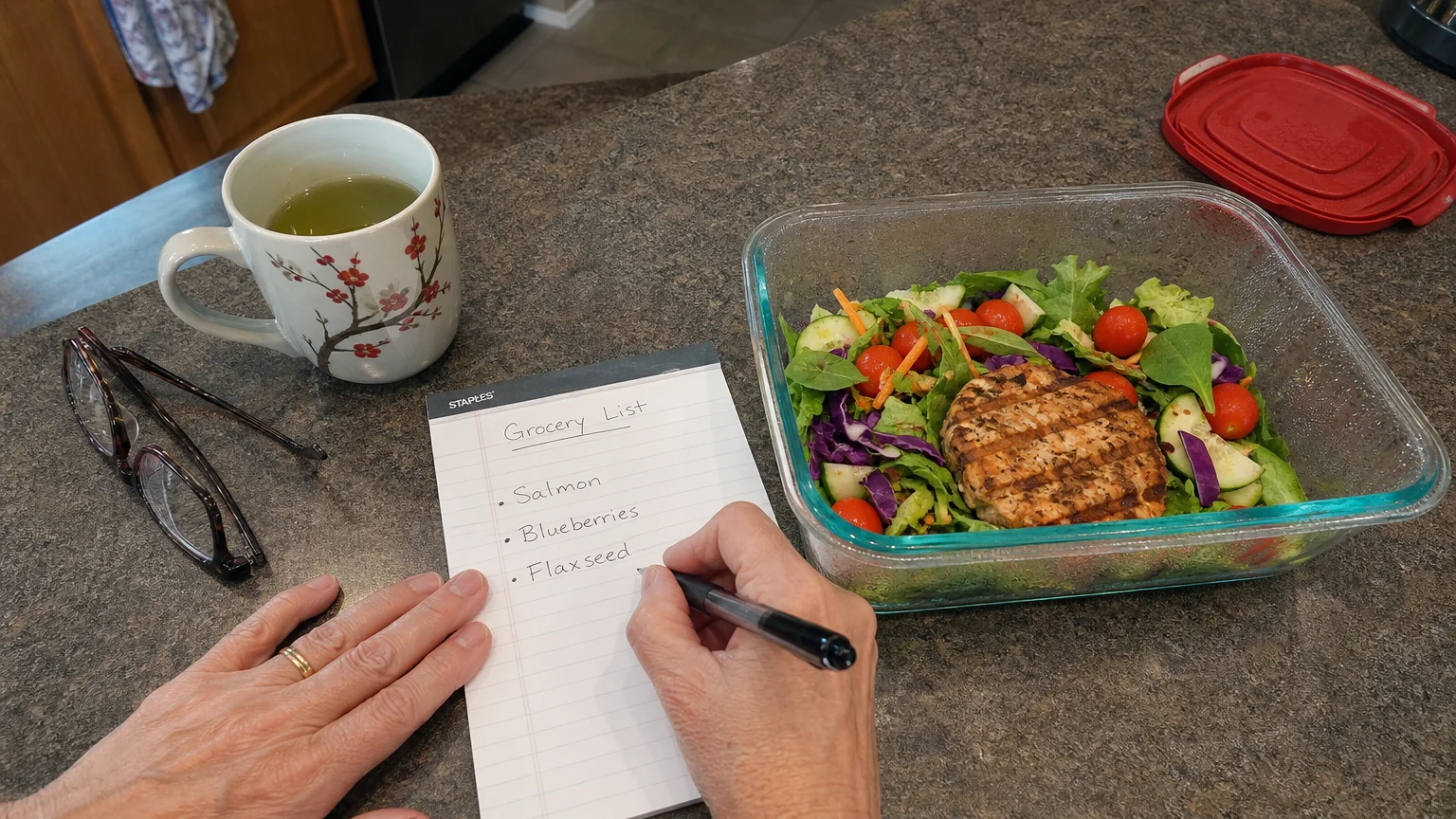
Translating nutrient goals into everyday meals requires a practical approach to grocery shopping and food preparation. Effective meal planning minimizes the daily friction of healthy eating and ensures you always have anti-inflammatory options readily at your fingertips.
Choice 4: Anchor with the Mediterranean Pattern
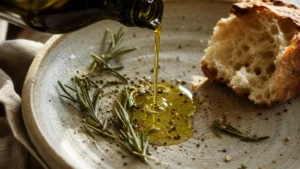
Rather than fixating on isolated superfoods, you achieve the very best results by adopting a comprehensive dietary pattern. The Mediterranean diet emphasizes whole grains, legumes, fresh vegetables, and extra virgin olive oil as the primary fat source. Extra virgin olive oil contains oleocanthal, a unique phenolic compound that exhibits anti-inflammatory properties remarkably similar to ibuprofen. You can easily build your weekly meal plan around these foundational staples by preparing large batches of quinoa, roasting entire pans of mixed seasonal vegetables, and relying on affordable plant-based proteins like chickpeas and lentils. This overarching dietary framework naturally edges out the highly processed, pro-inflammatory foods that often creep into convenient retirement meals.
Choice 5: Hydrate with Green Tea
Adequate hydration facilitates the efficient flushing of metabolic waste products from your tissues. The Centers for Disease Control and Prevention emphasizes that maintaining proper fluid intake becomes increasingly vital as you age because your natural thirst mechanism often blunts. Elevating your fluid intake by incorporating green tea introduces a powerful catechin called epigallocatechin gallate, or EGCG. Research published in reputable peer-reviewed journals confirms that EGCG effectively halts cellular damage by directly reducing the expression of inflammatory genes. Brewing a large pitcher of iced green tea to keep in the refrigerator offers a refreshing, flavorful alternative to sugary beverages. Consuming two to three cups daily optimally supports your body’s internal cleansing mechanisms and helps lubricate aging joints.
Choice 6: Integrate Potent Spices
Your spice cabinet holds immense potential for reducing systemic inflammation without adding extra calories or sodium to your diet. Turmeric contains curcumin, an intensely researched compound renowned for its ability to block inflammatory enzymes and metabolic pathways. Ginger, a close botanical relative to turmeric, offers gingerol, which similarly suppresses pro-inflammatory molecules. You can effortlessly integrate these spices into your daily routine by adding a generous dash of turmeric to your scrambled eggs or blending fresh ginger root into a morning fruit smoothie. Always remember to pair turmeric with a pinch of black pepper; piperine, the active compound in black pepper, dramatically enhances curcumin absorption in your digestive tract.
Cultivating Daily Habits for Success
Even the most nutritious foods require supportive lifestyle habits to maximize their physiological benefits. The manner in which you consume your meals matters just as much as the specific ingredients you place on your plate.
Choice 7: Practice Mindful Portion Pacing
Overeating places massive metabolic stress on your digestive system and can trigger an immediate inflammatory response as your body struggles to process a sudden influx of energy. Mindful eating encourages you to deliberately slow down, thoroughly chew your food, and pay close attention to internal satiety cues. Taking at least twenty full minutes to complete a meal allows your gastrointestinal tract to communicate effectively with your brain, accurately signaling fullness before you overconsume. This mindful, measured approach not only prevents metabolic overload but also greatly enhances your digestion and ensures maximum nutrient extraction from your healthy food choices.
Choice 8: Align Meal Timing with Circadian Rhythms
Your digestive system operates on a biological circadian clock, functioning most efficiently during active daylight hours. Eating your heaviest meals early in the day and closing your kitchen a few hours before bedtime allows your body to seamlessly shift from active digestion to cellular repair overnight. Late-night eating often disrupts your sleep architecture and forces your body to process dense nutrients when insulin sensitivity naturally dips. Establishing a consistent eating window—such as enjoying all your meals between eight in the morning and six in the evening—helps synchronize your metabolism and demonstrably lowers circulating inflammatory markers over time.

Voices from the Field and Community
Clinical dietitians frequently observe a profound, visible shift in older patients who enthusiastically adopt anti-inflammatory eating patterns. Medical professionals note that patients often report significantly less morning joint stiffness and much more sustained afternoon energy within just a single month of targeted dietary adjustments. Real-world experiences mirror these clinical observations perfectly. Many retirees find that shifting their mindset from restrictive dieting to abundant, colorful nourishment completely rekindles their joy in cooking and meal preparation. One common theme consistently emerges in community senior health workshops across the country: older adults who embrace collaborative cooking—sharing anti-inflammatory recipes and meals with neighbors or family members—experience rapid improvements in both their physical health markers and their social well-being. Food remains a deeply powerful human connector, and sharing a vibrant, health-promoting meal significantly enhances the overall quality of life during your retirement years.
Safety Considerations and Personalization
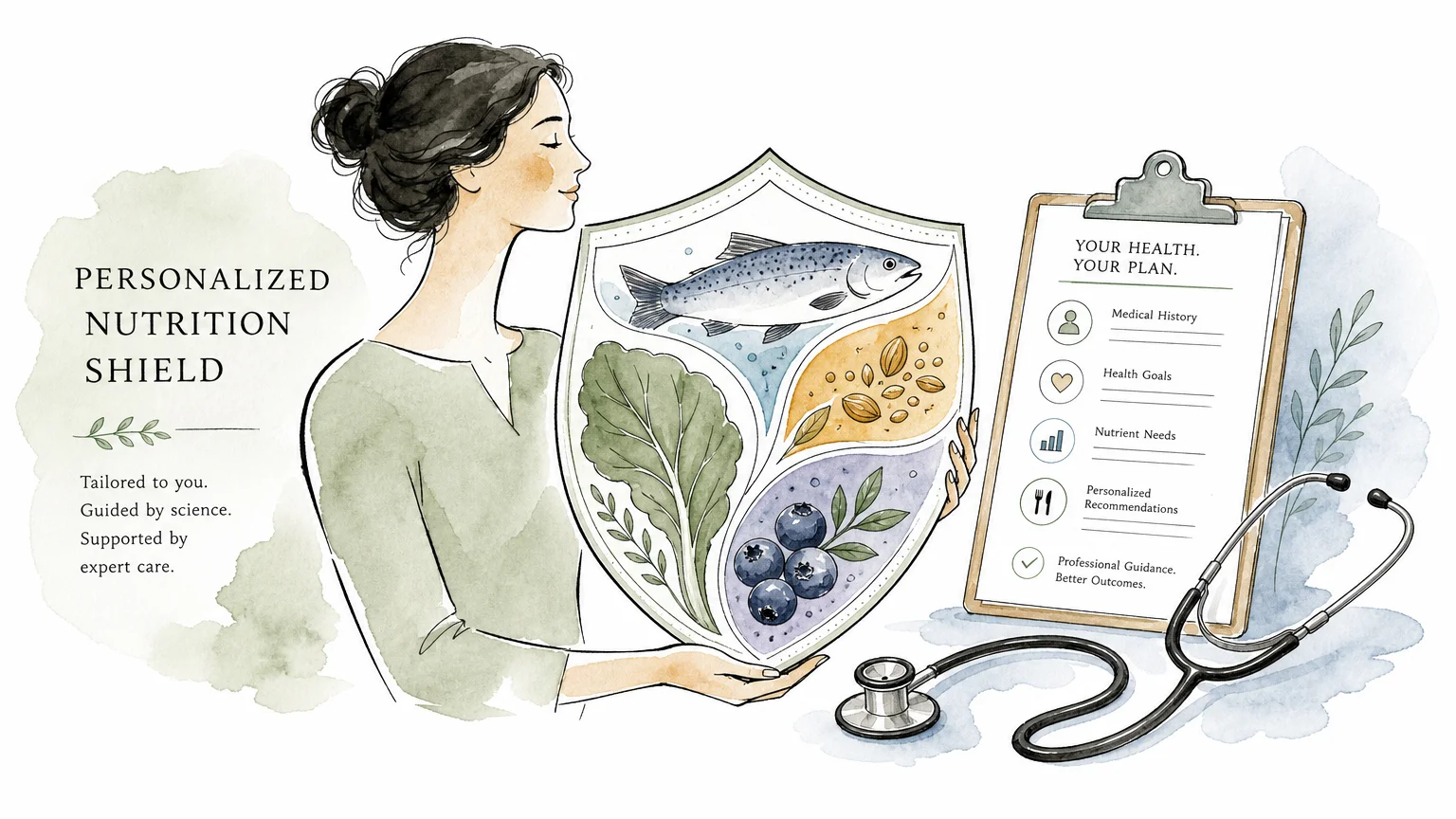
While anti-inflammatory foods offer immense benefits, you must always tailor these choices to your unique medical profile. Some highly promoted healthy foods carry strict contraindications depending on your current prescription medications. For example, if you take blood-thinning medications, you need to manage your intake of vitamin K-rich leafy greens carefully and maintain a consistent daily amount rather than fluctuating wildly from day to day. High doses of concentrated turmeric or ginger supplements can also interact dangerously with common anticoagulants. Furthermore, unaddressed food allergies or mild sensitivities—such as an adverse reaction to nightshades or specific tree nuts—can actually provoke systemic inflammation rather than quell it. You should always consult with your primary care physician or a registered clinical dietitian before making drastic changes to your diet or introducing highly concentrated dietary supplements. Personalized professional guidance ensures that your nutritional choices safely and effectively support your specific aging journey.
Frequently Asked Questions
How quickly can I expect to feel a difference after changing my diet?
Most individuals begin to notice subtle, encouraging improvements in their daily energy levels and reduced morning joint stiffness within three to four weeks of consistently applying these dietary changes. However, cellular turnover takes significant time; deeply entrenched chronic inflammation may require several months of sustained, healthy choices to show meaningful, measurable reductions in clinical blood markers.
Are nightshade vegetables bad for joint inflammation?
Nightshades, which include tomatoes, eggplants, and bell peppers, contain a naturally occurring compound called solanine. While some anecdotal reports suggest they aggravate arthritis in a small subset of people, comprehensive clinical research does not support a universal ban on these foods. For the vast majority of retirees, the antioxidants in tomatoes and peppers actively fight inflammation. You should only eliminate them if you notice a clear, personalized adverse reaction after consumption.
Do I need to buy entirely organic produce to see benefits?
No, you absolutely do not need to purchase exclusively organic items to reduce inflammation. The profound anti-inflammatory benefits of consuming conventional fruits and vegetables far outweigh the minor risks of trace pesticide exposure. If your budget comfortably allows, you might prioritize organic varieties for thin-skinned berries or delicate leafy greens, but conventional produce remains a highly effective and thoroughly nutritious choice for healthy aging on a fixed income.
Can I still enjoy coffee on an anti-inflammatory diet?
Yes, you can absolutely maintain your cherished morning coffee ritual. Coffee beans boast a wealth of polyphenols and powerful antioxidants that actively combat cellular damage, according to extensive dietary research summarized by Harvard public health experts. The inflammatory risk primarily stems from what you add to the cup. Heavily sweetened creamers, artificial syrups, and excessive refined sugar aggressively counteract the benefits. Enjoying your coffee black or with a simple splash of unsweetened almond or oat milk keeps it firmly in the anti-inflammatory category.
Take the Next Step Today
Transitioning to an anti-inflammatory lifestyle does not demand a stressful, overnight overhaul of your entire pantry. Lasting health improvements stem from small, sustainable adjustments that compound steadily over time. Your body possesses an incredible capacity for repair and cellular regeneration, regardless of your current age or health status. Focus on abundance rather than restriction; think carefully about which vibrant, flavorful foods you can add to your plate rather than fixating on what you must take away. Commit to trying just one actionable strategy from this guide within the next twenty-four hours. Whether you sprinkle a dash of turmeric into your scrambled eggs tomorrow morning or add a handful of frozen blueberries to your breakfast routine, you are taking a definitive, powerful step toward a more energetic and vibrant retirement.