
Choosing the best sources of meat transforms your diet from merely adequate to truly optimized for physical performance and longevity. You navigate a crowded marketplace filled with misleading labels, confusing terminology, and varying nutritional profiles every time you step into the grocery store. Understanding exactly which meats deliver the highest concentrations of bioavailable protein, essential micronutrients, and healthy fats empowers you to build meals that support sustained energy and muscle preservation. From grass-fed ruminants rich in omega-3 fatty acids to lean poultry that provides versatile daily nourishment, identifying the healthiest meats to buy requires a simple framework rooted in current scientific consensus rather than marketing hype.
The Science Behind High-Quality Protein Sources
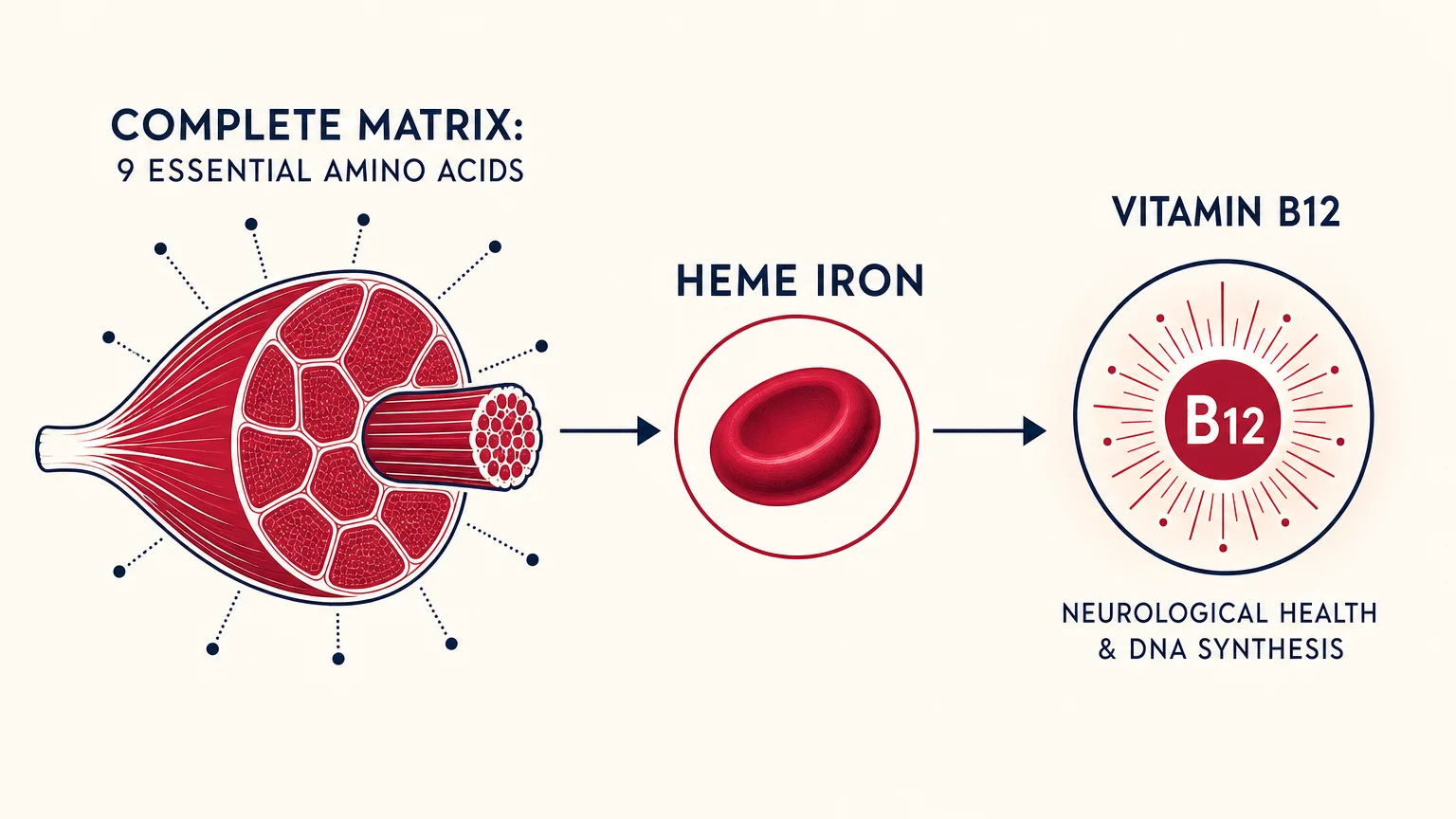
Human physiology thrives on nutrient density. When you consume animal proteins, you ingest a complete matrix of all nine essential amino acids—the building blocks your body cannot synthesize on its own. These amino acids repair muscle tissue, synthesize vital neurotransmitters, and support robust immune function. High-quality meat acts as an exceptionally efficient delivery vehicle for these structural components because animal protein digests and absorbs at a much higher rate than most plant-based alternatives.
Beyond macronutrients, the best quality meat provides critical micronutrients in highly bioavailable formats. Red meat stands out as an unparalleled source of heme iron, a form of iron that your digestive tract absorbs significantly better than the non-heme iron found in spinach or lentils. Adequate heme iron intake prevents anemia and maintains optimal oxygen transport throughout your bloodstream. Similarly, animal proteins serve as the primary natural source of vitamin B12, a nutrient fundamentally required for neurological health and DNA synthesis. When you evaluate nutritious protein sources, you must look beyond mere grams of protein and consider the entire micronutrient payload.
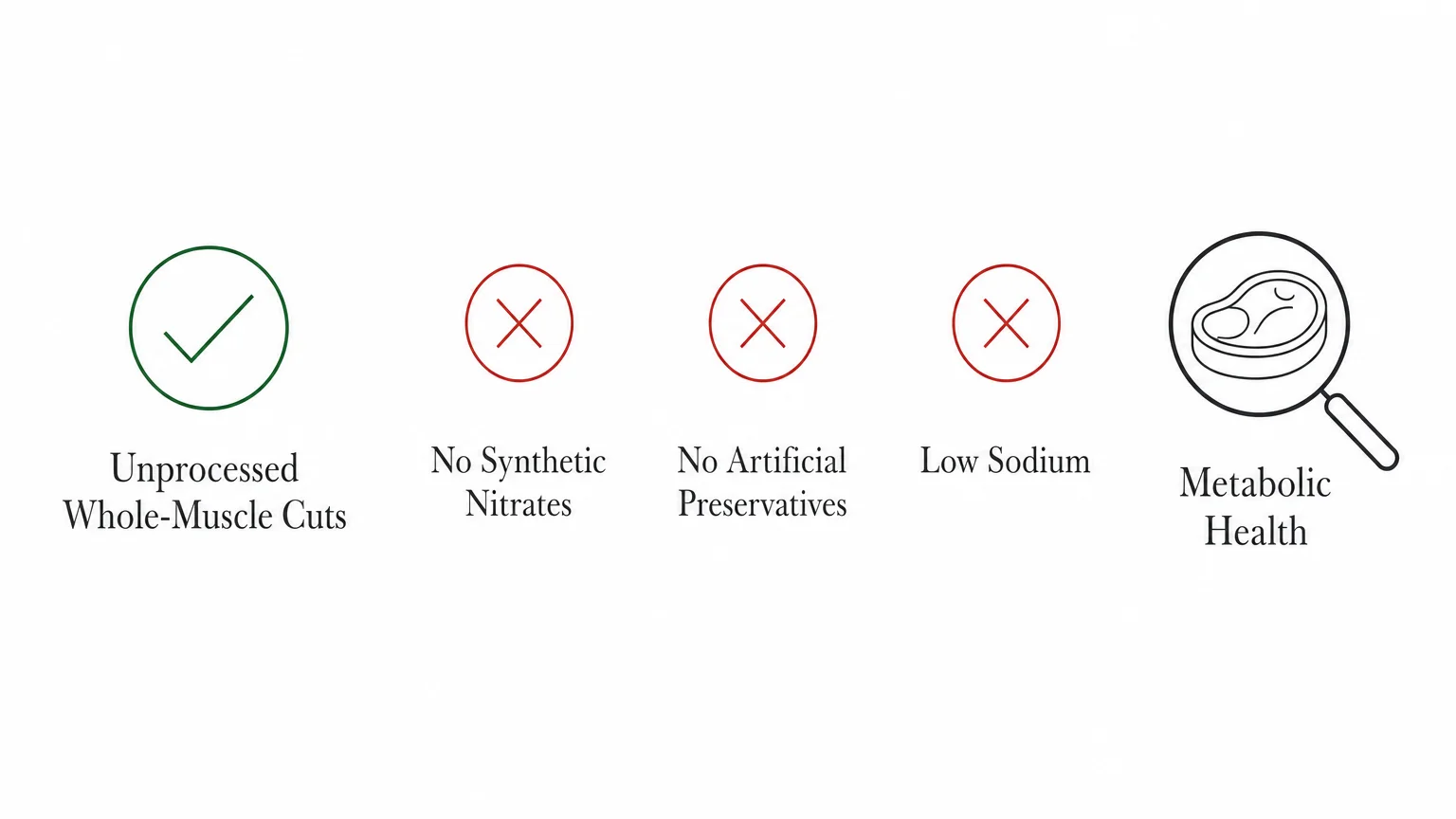
Recent epidemiological research draws a sharp distinction between unprocessed meats and heavily processed alternatives. While mainstream media often paints all meat with a broad brush of health warnings, clinical data tells a more nuanced story. Consuming fresh, whole-muscle cuts of beef, poultry, and pork exerts vastly different metabolic effects compared to eating hot dogs, cured bacon, or industrial deli meats. Highly processed meats contain excessive sodium, artificial preservatives, and synthetic nitrates that researchers consistently link to chronic inflammation and cellular damage. Relying on studies analyzing unprocessed meat consumption provides a clearer picture: whole meats support metabolic health, enhance satiety, and stabilize blood sugar levels when incorporated into a balanced dietary pattern.

Three Strategies for Maximizing Your Meat Selection
Elevating Your Nutrient Focus
You maximize your nutritional return on investment when you prioritize animals raised in their natural environments. Grass-fed and grass-finished beef represents a premier healthy meat source precisely because the animal’s forage-based diet alters its physical composition. Compared to conventional grain-finished beef, grass-fed ruminants produce meat with higher concentrations of omega-3 fatty acids and conjugated linoleic acid (CLA). Omega-3s actively reduce systemic inflammation, while CLA demonstrates promising potential in supporting healthy body composition and cardiovascular function.
Pasture-raised poultry similarly outshines conventionally raised chicken. Birds allowed to forage for insects and wild vegetation develop meat richer in fat-soluble vitamins, particularly vitamin E. If you want to expand your palate, consider incorporating wild game such as venison, bison, or elk into your rotation. These naturally lean meats offer remarkable protein-to-fat ratios and contain impressive mineral profiles drawn from wild grazing lands. By selecting meats derived from animals that consumed biologically appropriate diets, you directly inherit those upgraded nutritional benefits.
Mastering Strategic Meal Planning
Upgrading your meat selection does not require you to eat massive, expensive steaks every night. You master this component of your diet by shifting how you proportion your plate. Dietitians encourage treating high-quality meat as a potent accent rather than the overwhelming centerpiece of every meal. A nutritionally optimal serving of meat roughly matches the size and thickness of a standard deck of cards. When you use rich, flavorful cuts of grass-fed beef or heritage pork in stir-fries, stews, and heavy vegetable curries, you stretch your budget while ensuring your body receives necessary amino acids.
Strategic meal planning also involves leveraging different cuts of meat to balance costs. Whole pasture-raised chickens offer exceptional value; you can roast the bird for primary meals, shred leftover meat for salads, and simmer the remaining bones to produce mineral-rich bone broth. Purchasing tougher cuts like chuck roasts or pork shoulders allows you to access premium quality at a lower price point. When you apply slow, moist cooking methods like braising or slow-cooking to these cuts, you break down the tough collagen into highly digestible gelatin, supporting your own joint and gut health in the process.
Building Better Purchasing Habits
Navigating the grocery store meat department demands vigilance and label literacy. The term “all-natural” functions primarily as a marketing tool; regulatory agencies only require that natural meat contains no artificial colors or flavors after slaughter, offering no insight into how the animal was raised or what it ate. Conversely, the “certified organic” label guarantees that the animal consumed non-GMO feed grown without synthetic pesticides and never received routine antibiotics or artificial growth hormones.
To establish the healthiest purchasing habits, look beyond supermarket chains. Building relationships with local farmers through community-supported agriculture (CSA) programs or regional farmers markets connects you directly to the source of your food. Local farmers often practice regenerative agriculture, which not only yields exceptionally nutritious meat but also restores topsoil and sequesters carbon. When you ask a farmer directly about their finishing practices and pasture management, you bypass confusing supermarket labels entirely and secure the most transparently raised healthy meat sources available.

Insights from Dietitians and Community Experiences
Clinical nutrition experts consistently emphasize that context determines the ultimate health impact of any food. Eating a pristine, grass-fed ribeye alongside a massive portion of deep-fried potatoes and a sugary beverage drastically blunts the nutritional advantages of the meat. Registered dietitians recommend viewing meat as one crucial gear in a larger metabolic machine. You optimize this machine by pairing high-quality proteins with fiber-rich complex carbohydrates and vibrant, antioxidant-dense vegetables. The guidelines established by nutrition authorities suggest aiming for balanced plates that facilitate steady digestion and sustained energy release.
Individuals who transition from heavily processed diets to deliberate, quality-focused meat consumption frequently report distinct physical changes. Community members managing blood sugar fluctuations or chronic fatigue often discover that prioritizing whole, unprocessed meats significantly improves their afternoon energy levels. By implementing a strategy known as protein pacing—distributing high-quality animal protein evenly across breakfast, lunch, and dinner—you prevent the steep drops in blood glucose that trigger intense sugar cravings. Real-world experiences validate the clinical data: upgrading meat quality directly translates to upgraded daily performance and vitality.
Navigating Safety, Allergies, and Individual Health Needs
While meat provides essential nourishment, you must tailor your choices to your specific physiological profile. Cardiovascular health remains a primary consideration for many individuals. If you possess a genetic predisposition to high cholesterol or currently manage advanced heart disease, your medical team may advise you to monitor your intake of saturated fats. In these scenarios, lean poultry like skinless chicken breast, turkey, or extremely lean cuts of bison serve as ideal protein sources that minimize saturated fat load without compromising essential amino acid intake.
You must also remain aware of emerging environmental health factors, such as alpha-gal syndrome. This unique condition, triggered by the bite of the Lone Star tick, causes a severe delayed allergic reaction to a specific carbohydrate molecule found in all mammalian meat. If you develop this allergy, you must strictly eliminate beef, pork, lamb, and venison from your diet. Fortunately, poultry and fish do not contain the alpha-gal carbohydrate, providing perfectly safe and highly nutritious protein alternatives for those affected.
Preparation methods dictate the final safety profile of your meat just as much as the sourcing. Cooking meats at exceedingly high temperatures over open flames generates compounds known as heterocyclic amines (HCAs) and polycyclic aromatic hydrocarbons (PAHs), which researchers classify as potential carcinogens. You mitigate these risks by adopting smarter culinary techniques. Marinating your meat in antioxidant-rich mixtures containing rosemary, thyme, garlic, and acidic components like lemon juice significantly inhibits the formation of these harmful compounds. Furthermore, adhering to established safety standards for internal cooking temperatures ensures you eliminate foodborne pathogens without overcooking your premium cuts.
Frequently Asked Questions About Meat Quality
Is pork a healthy meat source?
Yes, pork absolutely fits into a health-conscious diet when you select the right cuts and sources. Lean cuts like pork tenderloin offer a protein-to-fat ratio comparable to chicken breast while providing excellent amounts of thiamin, a B-vitamin crucial for energy metabolism. Pasture-raised pork significantly outperforms conventional pork, offering higher levels of vitamin D and healthier fat profiles. You should, however, limit your consumption of heavily processed pork products like standard bacon, sausage, and cured hams due to their high sodium and synthetic nitrate content.
Does grass-fed beef really make a nutritional difference?
The nutritional distinction between grass-fed and grain-fed beef is biochemically significant. Grass-fed beef contains up to five times the amount of anti-inflammatory omega-3 fatty acids and twice as much conjugated linoleic acid (CLA) as conventional beef. It also boasts higher concentrations of antioxidants like vitamin E and beta-carotene, which gives the fat a slight yellow tint. While conventional beef still provides excellent protein and essential minerals, grass-fed beef offers an optimized lipid profile that better aligns with long-term cardiovascular health goals.
How much red meat is safe to consume weekly?
Current comprehensive nutrition science suggests that consuming up to three portions of unprocessed red meat per week—totaling roughly 12 to 18 ounces cooked weight—poses minimal health risks for the general population and delivers substantial nutritional benefits. You cross into problematic territory primarily when your consumption exceeds these amounts, displaces fiber-rich plant foods from your diet, or heavily relies on ultra-processed variations. Customizing your intake based on your individual iron levels, metabolic health, and physical activity ensures you reap the benefits without overconsumption.
Can I get high-quality meat on a tight budget?
You can definitely secure nutritious protein sources without stretching your finances by employing smart shopping strategies. Purchasing ground grass-fed beef or ground pasture-raised poultry offers the identical nutritional profile as expensive steaks at a fraction of the cost per pound. Exploring organ meats, such as beef liver or chicken hearts, introduces incredibly nutrient-dense foods into your diet for mere pennies on the dollar. Additionally, buying meat in bulk directly from local farms or purchasing whole animals to store in a chest freezer drastically reduces the per-pound cost of premium meat.
Your Next Steps for Better Nutrition
Transforming your diet begins with a single, deliberate choice at the grocery store or local farm. You now possess the knowledge to bypass deceptive marketing and select meats that actively enhance your physiological resilience. Focus on the tangible benefits: improved mental clarity from adequate B12, sustained physical endurance from optimal iron levels, and enhanced muscle recovery from complete amino acid profiles. Take action within the next 24 hours by evaluating the meat currently in your refrigerator. Identify one highly processed item and commit to swapping it for a whole-muscle cut of pasture-raised poultry or grass-fed beef during your next shopping trip. Small, consistent upgrades in your protein sourcing will compound over time, yielding profound improvements in your overall vitality and long-term health.