Navigating the modern grocery store requires a clear understanding of which ingredients support your long-term health and which undermine your efforts. Recent studies highlight ten specific food additives that consistently disrupt metabolic pathways, alter gut microbiomes, and trigger systemic inflammation, making them prime candidates to remove from your pantry by 2027. Recognizing these hidden compounds empowers you to make informed, evidence-based choices without sacrificing flavor or convenience. By familiarizing yourself with the latest nutritional science, you gain the practical tools needed to swap ultra-processed items for nourishing alternatives. This knowledge bridges the gap between confusing label jargon and vibrant well-being, ensuring your daily meals genuinely fuel a resilient and thriving body.
The Science Snapshot Behind Modern Food Additives
Nutritional science continuously evolves, and the research landscape of 2027 paints a clearer picture of how synthetic ingredients interact with human biology. For decades, regulatory bodies evaluated food additives in isolation, testing single compounds for acute toxicity. Today, advanced clinical trials leverage microbiome sequencing and continuous glucose monitoring to track how these compounds behave in a complex human ecosystem over time. The findings indicate that long-term exposure to certain emulsifiers, synthetic dyes, and dough conditioners contributes to intestinal permeability—commonly known as leaky gut—and disrupts the endocrine system.
By evaluating peer-reviewed journals focusing on gastrointestinal health, researchers observe that these synthetic additions act as chemical stressors. They alter the beneficial bacteria inhabiting your digestive tract, diminishing the production of short-chain fatty acids necessary for robust immune function. Removing these specific additives lowers your baseline inflammation and allows your metabolic pathways to function efficiently. You do not need a degree in biochemistry to apply this research; you simply need to know which names on the ingredient panel warrant caution.

Ten Food Additives Worth Avoiding
Titanium Dioxide
Manufacturers utilize titanium dioxide as a whitening agent to give chewing gum, commercial frostings, and certain dairy products a stark, bright appearance. Recent tissue accumulation studies demonstrate that the nanoparticle form of this compound crosses the intestinal barrier, triggering cellular stress and low-grade inflammation. European regulators already restricted its use, and North American researchers now advise seeking alternatives. When baking at home or selecting packaged treats, choose products that rely on natural dairy, coconut cream, or unbleached flour, embracing the slightly off-white, natural hues of real food.
Potassium Bromate
Commercial bakeries frequently add potassium bromate to dough to increase its volume and yield a perfectly uniform crumb structure. Unfortunately, when the baking process fails to convert the bromate entirely, residual chemical traces remain in the finished bread. Emerging toxicological data links this oxidizing agent to renal distress and cellular oxidative damage. Protect your cellular health by purchasing breads made from simple ingredients—flour, water, yeast, and salt—or look for bakery items explicitly labeled as unbromated.
Carboxymethylcellulose
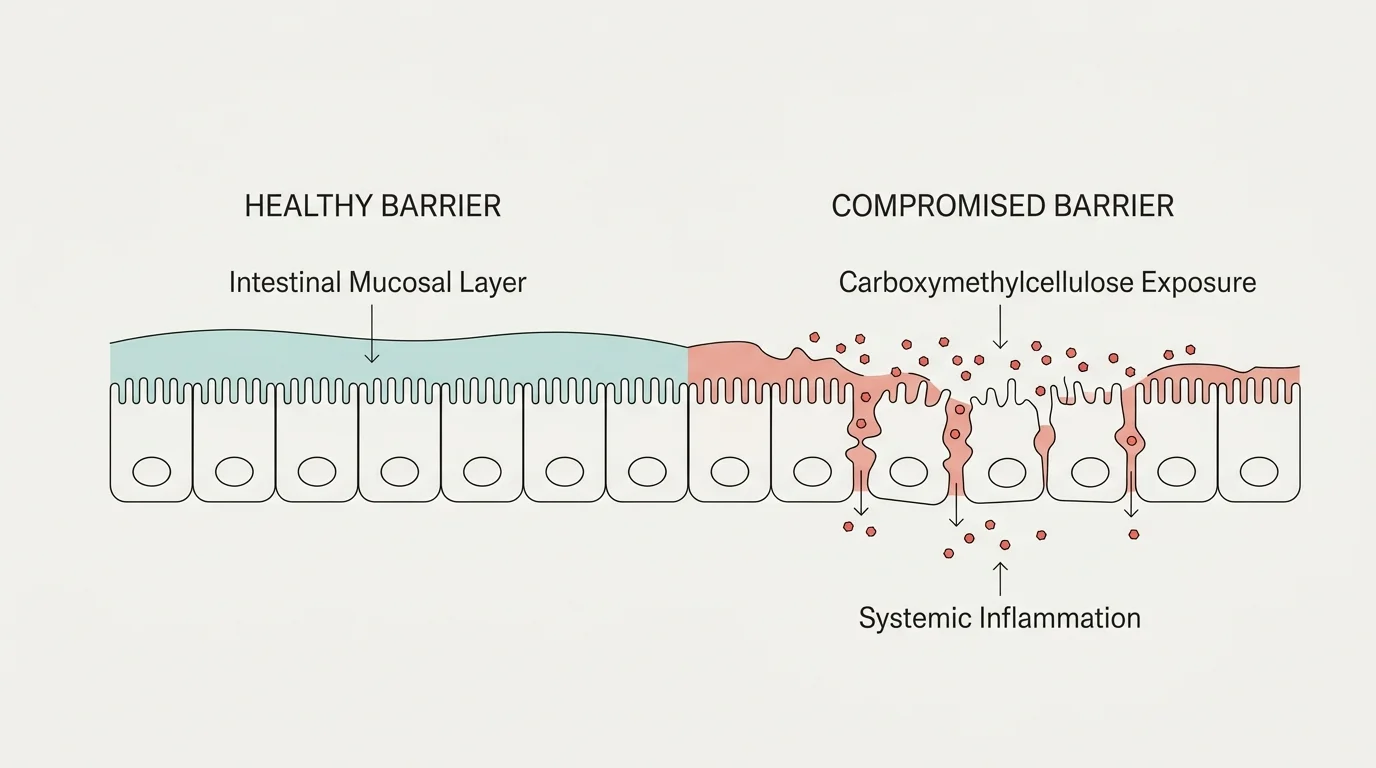
Carboxymethylcellulose acts as a synthetic emulsifier and thickening agent, giving ice creams, vegan milks, and salad dressings a smooth, creamy mouthfeel. Clinical gastroenterology research confirms that regular consumption of this compound strips away the protective mucosal layer of the intestine. This erosion allows bacteria to infiltrate the gut wall, initiating systemic inflammatory responses. You can avoid this by selecting dairy or plant-based milks thickened naturally with oats or blended nuts, and by whisking olive oil and vinegar for a vibrant, homemade dressing.
Polysorbate 80
Often utilized alongside other emulsifiers, Polysorbate 80 prevents fats and water from separating in highly processed baked goods and condiments. Microbiome researchers consistently identify Polysorbate 80 as a primary disruptor of bacterial diversity in the gut; it feeds inflammatory microbes while starving the beneficial strains that produce essential vitamins. You can easily bypass this additive by choosing condiments that require a good shake before use, as natural separation indicates the absence of synthetic emulsifiers.
Synthetic Red 40 and Yellow 5
Vibrant, neon-colored cereals, sports drinks, and fruit snacks rely on petroleum-derived dyes like Red 40 and Yellow 5 to attract consumers. A robust body of behavioral and neurological research correlates high intakes of these artificial colors with neurobehavioral spikes, particularly affecting attention spans in sensitive populations. Food companies now successfully extract brilliant colors from beets, turmeric, and spirulina. Prioritize brands utilizing these plant-based colorants to enjoy visually appealing foods without the neurological risks.
Sodium Nitrite
Deli meats, hot dogs, and conventional bacon contain sodium nitrite to preserve their pink color and extend their shelf life. When exposed to high cooking temperatures or the acidic environment of the stomach, nitrites convert into nitrosamines—compounds heavily researched for their carcinogenic properties. Choose meats cured naturally with celery powder and sea salt, and adjust your cooking methods to utilize lower, slower heat, which further minimizes the formation of any harmful byproducts.
High-Fructose Corn Syrup
High-fructose corn syrup pervades the modern food supply, hiding in everything from sodas and sweetened yogurts to ketchup and store-bought bread. Metabolic studies confirm that this highly refined liquid sugar overburdens the liver, accelerating the production of visceral fat and driving insulin resistance faster than traditional cane sugar. You can manage your sugar intake by sweetening your morning oats with whole fruit or selecting products sweetened with natural maple syrup or raw honey in moderation.
Butylated Hydroxyanisole
Food manufacturers deploy butylated hydroxyanisole to prevent fats and oils from going rancid in potato chips, crackers, and breakfast cereals. Current endocrinology research flags this synthetic antioxidant as a potential endocrine disruptor, meaning it interferes with the natural hormone signaling necessary for reproductive and metabolic health. Keep your hormones balanced by snacking on air-popped popcorn, raw nuts, or choosing snacks preserved naturally with tocopherols, which are simple vitamin E derivatives.
Propyl Paraben
While often associated with cosmetics, propyl paraben also appears in packaged baked goods and tortillas to prevent mold growth. Recent evidence confirms that dietary ingestion of parabens mimics estrogen in the body, adding an unnecessary burden to your hormonal system. Opt for fresh, locally baked goods or store commercial breads in your freezer to naturally extend their shelf life without relying on synthetic, hormone-disrupting preservatives.
Azodicarbonamide
Dubbed the “yoga mat chemical” due to its use in foamed plastics, azodicarbonamide also acts as a bleaching agent and dough conditioner in fast-food buns and commercial pastries. Heating this chemical during the baking process generates semicarbazide, a byproduct linked to cellular damage in long-term mammalian studies. Avoid this compound by reading the ingredient lists on packaged breads carefully and prioritizing items featuring recognizable, whole-food ingredients.

Strategy Pillars for Minimizing Processed Foods
Intentional Meal Planning
Consistently avoiding problematic food additives requires looking ahead rather than making decisions when you feel rushed and hungry. Intentional meal planning serves as your most effective defense against ultra-processed convenience items. Dedicate thirty minutes each weekend to sketch out a menu that relies heavily on whole grains, fresh produce, and lean proteins. Batch-cooking complex carbohydrates—like quinoa, brown rice, or sweet potatoes—ensures you have the building blocks for a nutritious meal ready in your refrigerator. The Academy of Nutrition and Dietetics emphasizes that organizing your weekly meals dramatically reduces impulse purchases that typically harbor synthetic dyes and chemical preservatives.
Shifting Your Nutrient Focus
Many shoppers mistakenly obsess over macro-nutrient ratios or calorie counts while completely ignoring the quality of the ingredients they consume. Shift your focus away from the nutrition facts panel and look directly at the ingredient list. Prioritize dietary fiber, vibrant antioxidants, and healthy fats sourced from avocados, nuts, and olive oil. When you structure your diet around nutrient-dense, single-ingredient foods, you naturally crowd out the space previously occupied by additive-laden packaged snacks. This positive, additive-free approach nourishes your body at a cellular level and stabilizes your daily energy.
Sustainable Habit Formation
Overhauling your entire kitchen in a single day often leads to burnout and food waste. Instead, lean into sustainable habit formation by targeting one specific category of your diet each week. For example, spend your first week mastering a simple homemade salad dressing to eliminate your exposure to synthetic emulsifiers. The following week, experiment with a wholesome breakfast routine to cut out artificial dyes and high-fructose corn syrup. Small, manageable adjustments compound over time, building a resilient lifestyle that feels effortless rather than restrictive.

Voices from the Field: Expert and Community Perspectives
Clinical dietitians note a profound shift in patient outcomes when individuals transition away from heavily processed foods. Practitioners consistently report that patients experience reduced bloating, clearer skin, and more stable moods within just a few weeks of removing chemical emulsifiers and artificial dyes from their diets. These physiological improvements reflect a healing gut microbiome and a reduction in systemic inflammatory markers.
Community members embarking on this transition echo these clinical observations. Many individuals share that reading ingredient labels initially felt like a chore, but it quickly became an empowering exercise. Families report that baking their own bread or blending homemade fruit purees for snacks created new, rewarding rituals. Reclaiming control over your ingredients transforms the act of eating from a passive consumption of chemicals into an active investment in your vitality.

Safety, Personalization, and Recognizing Hidden Allergens
As you transition toward a whole-food diet and experiment with new ingredients, you must remain vigilant about personal safety and unique dietary needs. Swapping heavily processed foods for natural alternatives often introduces more nuts, seeds, and distinct proteins into your meals, which can trigger severe allergic reactions in sensitive individuals. Always read labels carefully to ensure cross-contamination does not occur, particularly if you manage severe peanut, tree nut, or soy allergies.
Furthermore, recognizing that diet plays a supportive role in overall wellness prevents unnecessary anxiety. Removing food additives supports metabolic health, but it does not instantly cure chronic medical conditions. Before initiating major dietary overhauls, consult with a qualified clinical dietitian or primary care physician to ensure your new eating pattern aligns with your specific metabolic requirements, current medications, and long-term health goals. Checking updated regulatory reviews keeps you informed about ingredient safety classifications as they evolve.
Frequently Asked Questions
How do I identify hidden additives on a confusing ingredient label?
Food manufacturers arrange ingredients by weight, meaning the most abundant components appear first. To spot hidden additives, focus on the end of the ingredient list. Look for complex chemical nomenclature, numbers attached to colors, and hyphenated words. If a word resembles a compound from a chemistry textbook rather than a plant or an animal, it likely serves as a synthetic preservative, emulsifier, or dye.
Are naturally derived additives always safer than synthetic ones?
Naturally derived additives generally present fewer risks, but they do not guarantee absolute safety. For example, excessive sodium, even when sourced from natural sea salt, still negatively impacts cardiovascular health if consumed in massive quantities. The Centers for Disease Control and Prevention consistently advises monitoring total sodium intake regardless of its source. However, plant-derived colorants and natural tocopherols undeniably provide a safer alternative to petroleum-based dyes and synthetic endocrine disruptors.
Can I still enjoy convenience foods without consuming these ten ingredients?
Absolutely. The consumer demand for clean-label products has transformed the food industry. You can easily find frozen meals, pre-washed salads, and convenient snack bars made exclusively with recognizable ingredients. You must invest a little extra time during your initial shopping trips to identify trusted brands, but once you find them, you can enjoy the same level of convenience without compromising your cellular health.
Will removing these additives immediately improve my digestion?
Your digestive tract requires time to heal and rebuild its mucosal lining. While some people notice a reduction in acute bloating within a few days, deeply rooted changes to your microbiome diversity take several weeks or even months to fully materialize. Consistency remains the critical factor; maintaining a diet rich in whole foods and fermentable fibers provides the environment your gut needs to recover from long-term additive exposure.
Your Next Step Towards Healthier Grocery Shopping
Armed with this updated research, you possess the knowledge required to navigate the grocery aisles with confidence and purpose. Your environment shapes your choices, making your own pantry the best place to start this journey. Take ten minutes today to open your cupboards and identify just one product containing any of the ten additives discussed above. Commit to swapping that specific item for a whole-food alternative during your very next trip to the store. This single, deliberate action creates momentum, setting the foundation for a deeply nourishing and resilient lifestyle.