
By learning to decode nutrition facts and spot misleading health foods, you gain the power to make grocery shopping a nourishing endeavor rather than a confusing guessing game. Navigating supermarket aisles often feels like walking through a minefield of deceptive marketing, and nearly sixty percent of consumers feel overwhelmed by food labels. Consequently, many shoppers spend extra money on products offering little nutritional benefit. Vague terms like natural or light frequently mask high amounts of added sugars, refined grains, and excessive sodium. This guide breaks down the science behind these claims, ranks common culprits, and equips you with actionable strategies to protect both your health and your weekly budget.
The Science of Misleading Food Labels
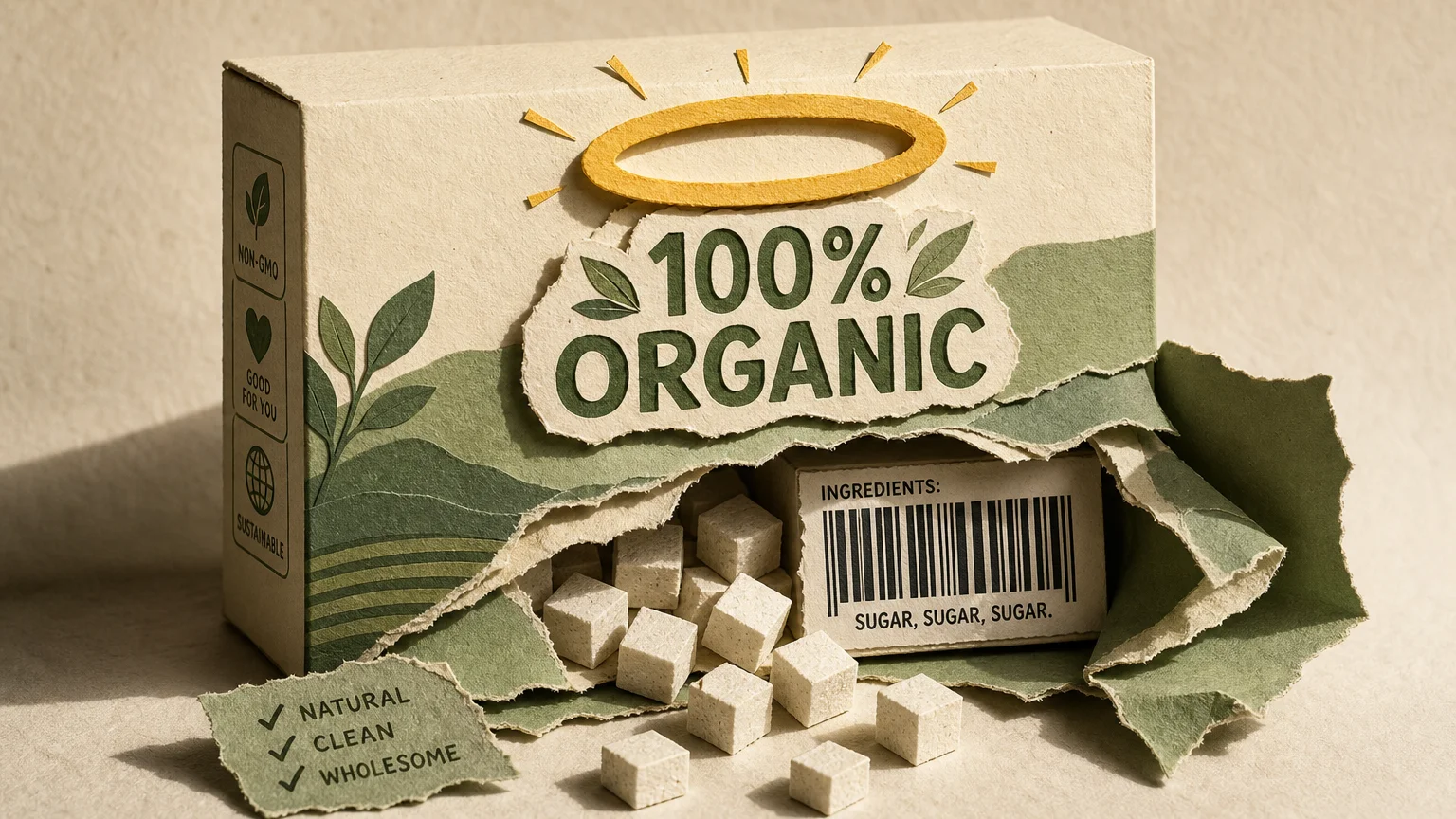
The modern grocery store is intentionally designed to sell products, and food manufacturers employ sophisticated psychological strategies to make their items appear healthier than they truly are. One of the most thoroughly documented phenomena in consumer psychology is the health halo effect. This cognitive bias occurs when a single positive packaging claim causes you to unconsciously assume the product is highly nutritious overall. For example, slapping an organic or non-GMO sticker on a box of cookies alters consumer perception, even though the fundamental nutrient profile remains that of a dessert.
Research examining dietary behaviors and marketing reveals that consumers frequently underestimate the calorie content of foods carrying front-of-package health claims. This misunderstanding leads to overconsumption and disrupts metabolic health. Food companies capitalize on current dietary trends by highlighting a single desirable trait—such as being high in protein or free from gluten—while quietly loading the product with low-quality refined oils, excessive sodium, and isolated fibers that can cause gastrointestinal distress. Protecting your health requires looking past the colorful front label and examining the factual data printed on the back of the package.
Ranking the Most Misleading Health Foods at the Grocery Store
Understanding which items frequently masquerade as health foods allows you to allocate your grocery budget toward genuinely nourishing ingredients. The following foods represent some of the most deceptive products you will encounter during your weekly shopping trip.
Number One: Veggie Straws and Chips
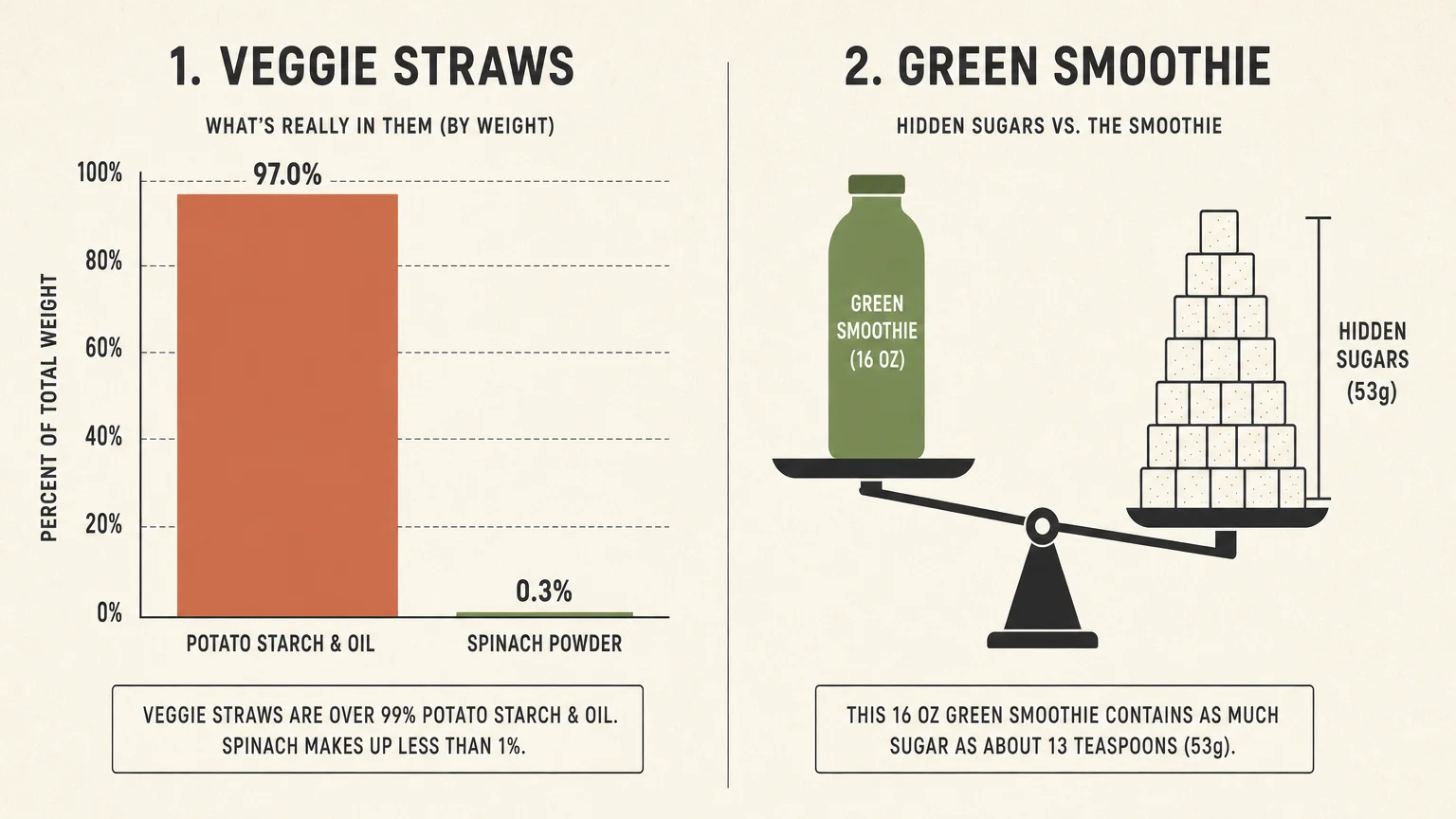
Parents and health-conscious snackers frequently purchase veggie straws believing they are providing a full serving of vegetables. In reality, these airy snacks consist primarily of potato starch, corn flour, and processed vegetable oils. Manufacturers use highly concentrated vegetable powders—like spinach or beet powder—solely to dye the starch various colors. The intense processing strips away the beneficial fiber, vitamins, and cellular structures found in whole vegetables. Consequently, veggie straws digest rapidly, spiking your blood sugar and leaving you hungry shortly after eating. You are essentially paying a premium price for colored potato chips. If you want a crunchy vegetable snack, baked kale chips or roasted chickpeas offer substantially more fiber and protein.
Number Two: Pre-Bottled Green Smoothies
A bottle of thick, vibrant green juice appears to be the ultimate health tonic. However, pre-bottled green smoothies frequently rank among the most misleading items in the produce section. To mask the bitter taste of kale or spirulina, manufacturers blend these drinks with massive quantities of concentrated apple, grape, or pear juice. Some commercial green smoothies contain more grams of sugar than a can of traditional cola. Furthermore, the commercial juicing process pulverizes the natural fiber that would normally slow down sugar absorption. Drinking one of these smoothies floods your liver with fructose, leading to a rapid insulin spike followed by an energy crash. If you enjoy smoothies, blending whole fruits and leafy greens at home ensures you retain the digestive benefits of intact fiber.
Number Three: Plant-Based Meat Alternatives
The rise of plant-based eating has introduced a massive variety of meatless burgers, sausages, and crumbles to the supermarket. While these products provide a valuable alternative for environmental or ethical reasons, they do not inherently represent a nutritional upgrade over lean meats. Many popular plant-based patties rely on highly refined soy or pea protein isolates bound together with refined coconut oil. This specific oil drives up the saturated fat content, often rivaling or exceeding that of traditional ground beef. Additionally, to mimic the savory flavor of meat, manufacturers load these products with high levels of sodium and artificial flavor enhancers. For a genuinely heart-healthy plant-based protein source, turn to minimally processed options like whole lentils, black beans, edamame, and traditional tempeh.
Number Four: Agave Nectar and Alternative Syrups
Marketed as a natural, low-glycemic sweetener, agave nectar has completely infiltrated the health food space. Consumers routinely drizzle it over oatmeal and blend it into teas under the assumption that it provides a safe alternative to refined white sugar. The biochemical reality tells a different story. Agave nectar contains exceptionally high levels of fructose—sometimes up to ninety percent, which is significantly higher than high-fructose corn syrup. Your liver must process this massive influx of concentrated fructose, and excess amounts convert rapidly into triglycerides, which can contribute to fatty liver disease and insulin resistance over time. Your body processes added sugars similarly regardless of whether they come from a cactus, a maple tree, or a sugar cane plant. Moderation remains the key for all concentrated sweeteners.
Number Five: Flavored Yogurt and Parfaits
Yogurt holds a well-deserved reputation as a powerhouse of protein, calcium, and gut-friendly probiotics. Unfortunately, food manufacturers ruin this excellent nutritional profile by packing flavored yogurts with stunning amounts of added sugar. A standard single-serving cup of strawberry or vanilla yogurt can harbor up to twenty grams of added sugar, effectively transforming a healthy breakfast into a morning dessert. Supermarket parfaits are even more deceptive, layering sugary yogurt with heavily sweetened granola and fruit syrups. To reap the genuine digestive benefits of yogurt, select plain, unsweetened varieties. You can easily control the sweetness by stirring in a handful of fresh berries, a dash of cinnamon, or a single teaspoon of local honey.
Strategy Pillars to Navigate Grocery Shopping
Knowing which foods to avoid is only half the battle. Implementing concrete shopping strategies ensures your cart reflects your health goals. Utilize these three foundational pillars to streamline your supermarket experience.
Cultivate a Nutrient Focus
Rather than obsessing over what to restrict, reframe your shopping mindset to focus on what you can add to your diet. Seek out foods rich in dietary fiber, high-quality protein, and essential micronutrients. When you fill your cart with whole, single-ingredient foods like fresh vegetables, whole grains, nuts, and lean proteins, you naturally crowd out highly processed alternatives. This additive approach to nutrition reduces food anxiety and makes healthy eating feel abundant and rewarding rather than restrictive.
Master Weekly Meal Planning
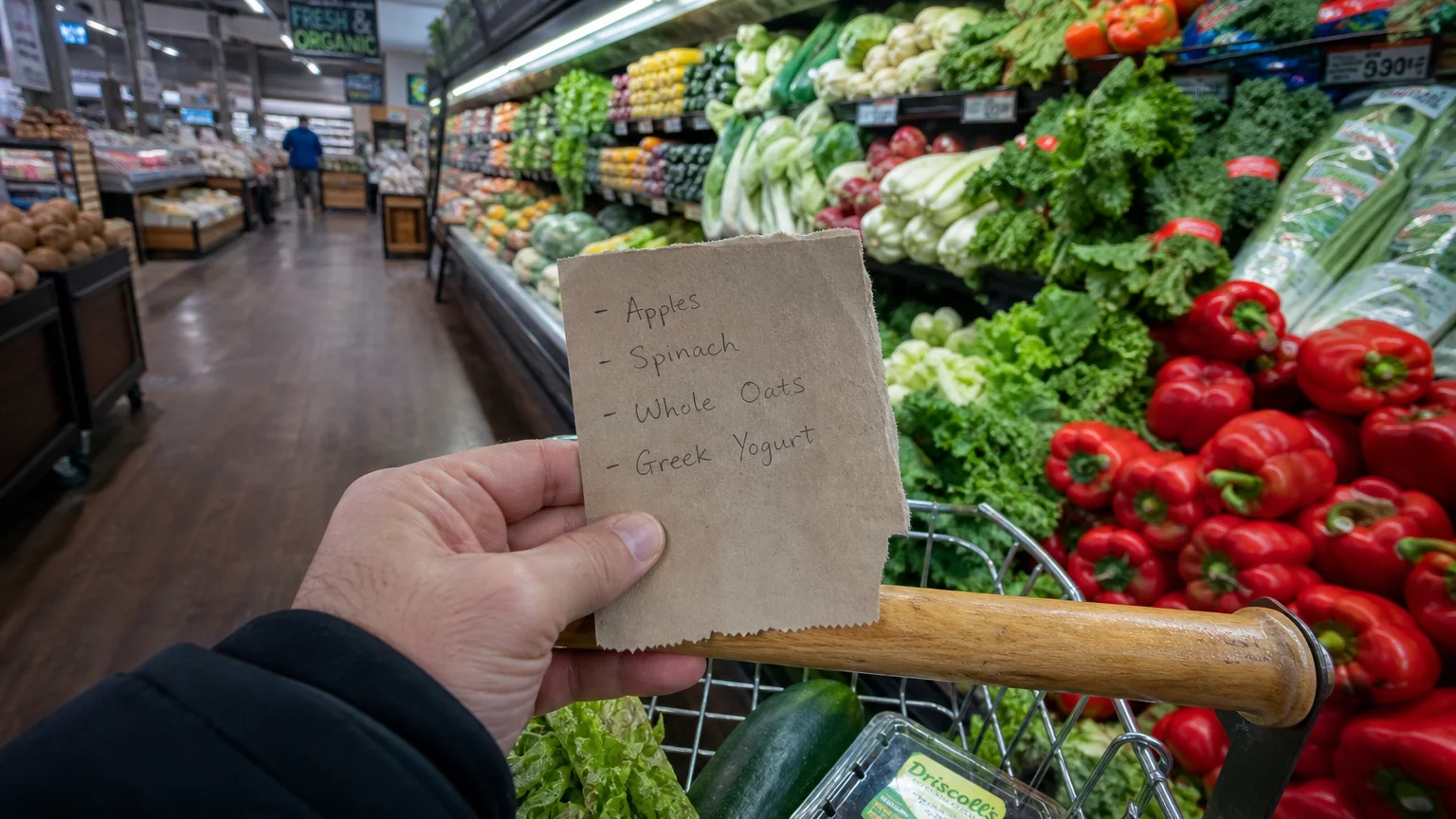
Walking into a grocery store without a definitive plan leaves you highly vulnerable to end-cap displays and promotional marketing. Take fifteen minutes each weekend to sketch out your meals and write a comprehensive shopping list. Dietitians consistently advise shopping the perimeter of the store, where grocers typically stock fresh produce, dairy, and lean meats. However, the inner aisles hold valuable staples too. Use your list to navigate directly to nutritious middle-aisle items like dry quinoa, canned beans, and frozen vegetables, bypassing the heavily marketed snack aisles altogether.
Build Sustainable Shopping Habits
Transforming your shopping routine requires adopting the habit of active label reading. Train yourself to ignore the vibrant marketing claims plastered across the front of the packaging. Instead, immediately turn the product around to examine the ingredient list and the nutrition facts panel. Ingredients are legally required to be listed in descending order by weight. If sugar, brown rice syrup, or fractionated oils appear in the first three ingredients, the product heavily relies on these cheap fillers. Mastering this single habit drastically reduces the amount of hidden sugars and unhealthy fats making their way into your pantry.

Expert Voices and Real-Life Perspectives
Clinical dietitians frequently encounter patients who feel incredibly frustrated by a lack of progress despite their best efforts to eat healthily. These individuals are doing exactly what food marketers tell them to do—buying organic snacks, gluten-free crackers, and low-fat dressings. Once practitioners help patients analyze the actual ingredient lists, the barrier to their health goals becomes glaringly obvious. The premium dollars spent on misleading health foods drain weekly budgets while failing to deliver tangible biological benefits.
Consider the lived experience of a busy working parent trying to pack nutritious lunches. Choosing a box of brightly colored fruit snacks labeled as containing real fruit juice feels like a responsible choice. Yet, learning that these snacks are nutritionally identical to gummy candies empowers that parent to swap them for a crisp apple or a handful of grapes. True dietary empowerment comes from understanding the fundamental components of food, stripping away the marketing noise, and trusting the inherent value of simple, unbranded ingredients from diverse culinary traditions across the globe.

Safety, Allergies, and Personalization
While this guide emphasizes choosing whole, unprocessed foods, you must always tailor dietary advice to your specific biological needs. A blanket condemnation of processed items ignores the complex reality of human health and food accessibility. For instance, endurance athletes frequently require concentrated, easily digestible carbohydrates—like commercial sports drinks or heavily processed gels—to sustain energy during intense physical output. What constitutes a misleading health food for a sedentary office worker might be an essential performance tool for a marathon runner.
Additionally, individuals managing chronic conditions must carefully navigate ingredient lists. Those suffering from irritable bowel syndrome might experience severe gastrointestinal distress from the high fructose content in agave nectar or the sugar alcohols used to sweeten low-carbohydrate protein bars. Similarly, individuals with hypertension need to remain vigilant about the sodium hidden in heavily processed plant-based meat substitutes. Always consult with a primary care physician or a registered dietitian to develop a dietary strategy that respects your medical history, cultural preferences, and economic reality.
Frequently Asked Questions
Are all processed foods unhealthy?
Not at all. Processing exists on a broad spectrum, and many processing methods enhance food safety and nutrient availability. Flash-freezing vegetables locks in vitamins at the peak of freshness, and pasteurizing dairy eliminates dangerous pathogens. Canning beans makes a high-fiber protein source shelf-stable and affordable. The processing to avoid involves the addition of excessive sugars, sodium, and artificial texturizers designed solely to create hyper-palatable foods with an artificially long shelf life.
How can I quickly spot added sugars on an ingredient list?
Food manufacturers use over sixty different names for added sugars to prevent them from appearing as the primary ingredient. Train your eyes to look for words ending in “ose,” such as dextrose, fructose, maltose, and sucrose. Additionally, watch for any ingredient containing the words syrup, nectar, or juice concentrate. Guidelines provided by the Centers for Disease Control and Prevention emphasize that limiting these hidden sugars is vital for maintaining long-term metabolic health.
Should I avoid gluten-free products if I do not have celiac disease?
There is no nutritional advantage to consuming specialized gluten-free packaged foods unless you have a diagnosed gluten sensitivity or celiac disease. Manufacturers often remove the gluten protein and replace it with refined tapioca starch, potato flour, and extra sugar to replicate the texture of traditional baked goods. Consequently, many gluten-free breads and cookies contain fewer nutrients and less fiber than their conventional whole-wheat counterparts. Enjoy naturally gluten-free whole foods like rice and potatoes, but skip the expensive processed substitutes.
Does the organic label guarantee a product is highly nutritious?
The organic certification strictly refers to the agricultural practices used to grow the ingredients, ensuring the absence of synthetic pesticides and fertilizers. It has absolutely no bearing on the macronutrient profile of the final product. Organic cane sugar behaves exactly like conventional sugar in your bloodstream, and organic potato chips are still deep-fried in oil. While choosing organic produce carries environmental benefits, an organic label on a heavily processed snack does not transform it into a health food.
Your Next Step for Healthier Shopping
Navigating the grocery store does not require a degree in nutritional science; it merely requires a discerning eye and a healthy dose of skepticism. By understanding the psychology of marketing labels and the biological reality of hidden sugars, refined oils, and missing fiber, you take direct control over your physical well-being. Authentic nourishment comes from ingredients that look as close to their natural state as possible, not from brightly colored cardboard boxes making miraculous health claims.
Your challenge for your next grocery run is straightforward. Choose one packaged item you buy regularly—whether it is your morning cereal, your favorite energy bar, or your go-to salad dressing—and carefully evaluate its ingredient list. If you discover it is essentially a dessert disguised as a health food, swap it for a whole-food alternative. Small, consistent adjustments at the supermarket checkout line compound over time, building a foundation of sustained energy, clearer focus, and vibrant long-term health.