Adding cheese to your daily meals delivers a powerful dose of muscle-building amino acids while transforming bland plates into culinary delights. You can hit your macronutrient targets and satisfy cravings by selecting specific high-protein cheeses over heavily processed snacks. While many people view dairy simply as a source of calcium, nutritional science reveals that certain varieties pack as much protein per serving as lean meats. Navigating the dairy aisle requires a strategic approach since protein content varies wildly from one block to the next. Understanding which varieties offer the best nutritional return on investment empowers you to build meals that keep you full, support your metabolism, and fuel your active lifestyle without sacrificing flavor.
The Science Snapshot: Why Dairy Protein Excels
When you consume cheese, you ingest a highly bioavailable source of complete protein. Dairy proteins contain all nine essential amino acids your body cannot produce on its own, making them highly efficient for repairing muscle tissue and synthesizing vital enzymes. Unlike some plant-based proteins that may lack specific amino acids, the protein found in cheese boasts an exceptional digestion and absorption rate.
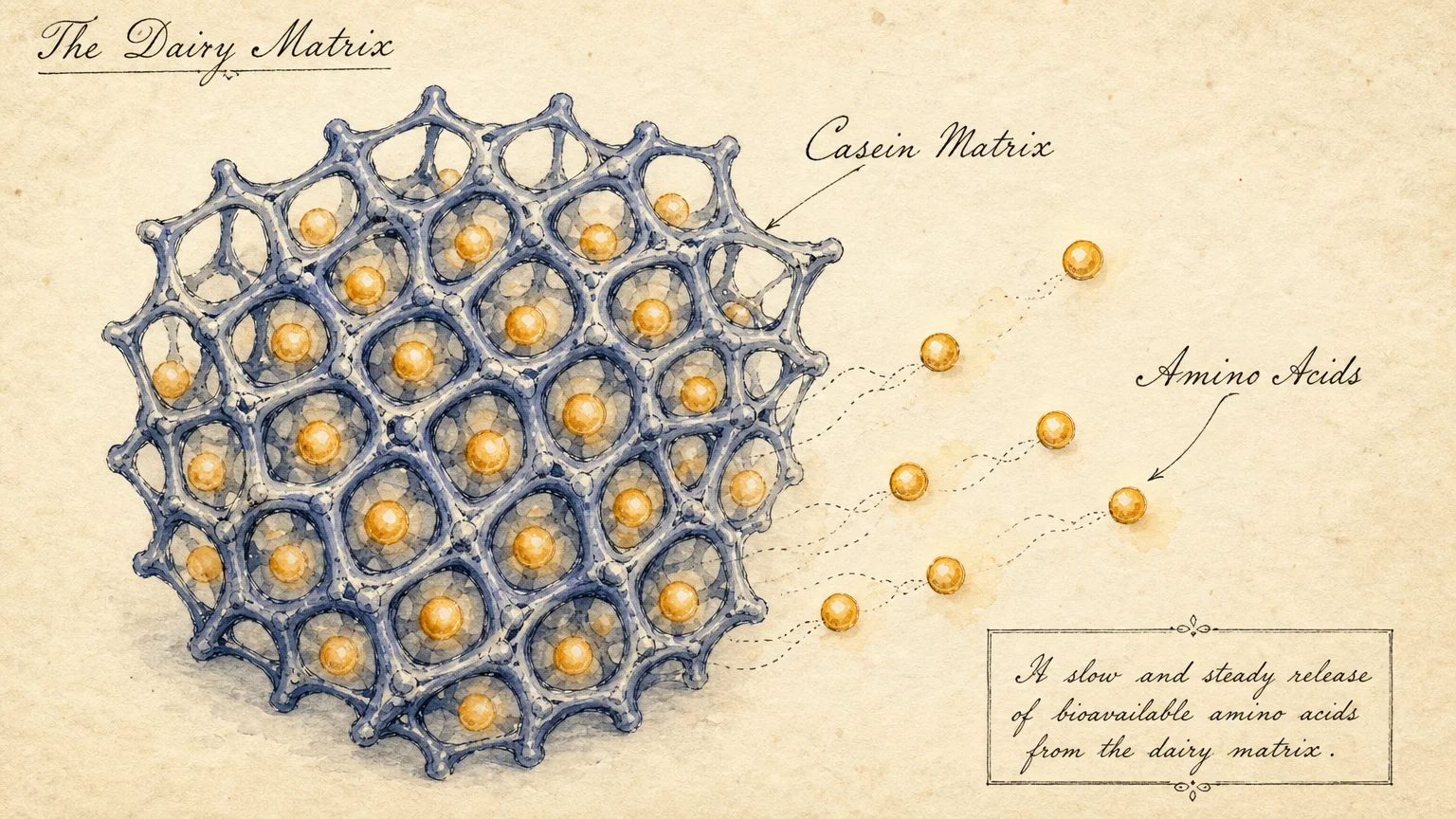
Modern nutritional research highlights a concept known as the dairy matrix—a complex physical and chemical structure that influences how your body processes milk-based foods. This matrix dictates the release of nutrients, meaning the fat and protein in cheese interact differently in your digestive tract than they would in isolation. The slow-digesting casein protein, which makes up the majority of the protein in cheese, provides a steady stream of amino acids into your bloodstream. This gradual absorption triggers the release of specific gastrointestinal hormones, such as peptide YY and glucagon-like peptide-1, which communicate directly with your brain to signal fullness and regulate your appetite for hours after your meal. You can review the current literature on the dairy food matrix to better understand how these complex structures support prolonged satiety.
The 7 Best Cheeses for Maximum Protein Density
Not all cheeses are created equal when evaluating their macronutrient profiles. The moisture content of the cheese largely determines its protein density; as a cheese ages and loses water, its nutritional components become highly concentrated. Selecting the right varieties allows you to maximize your intake without drastically increasing your total food volume.
1. Parmesan
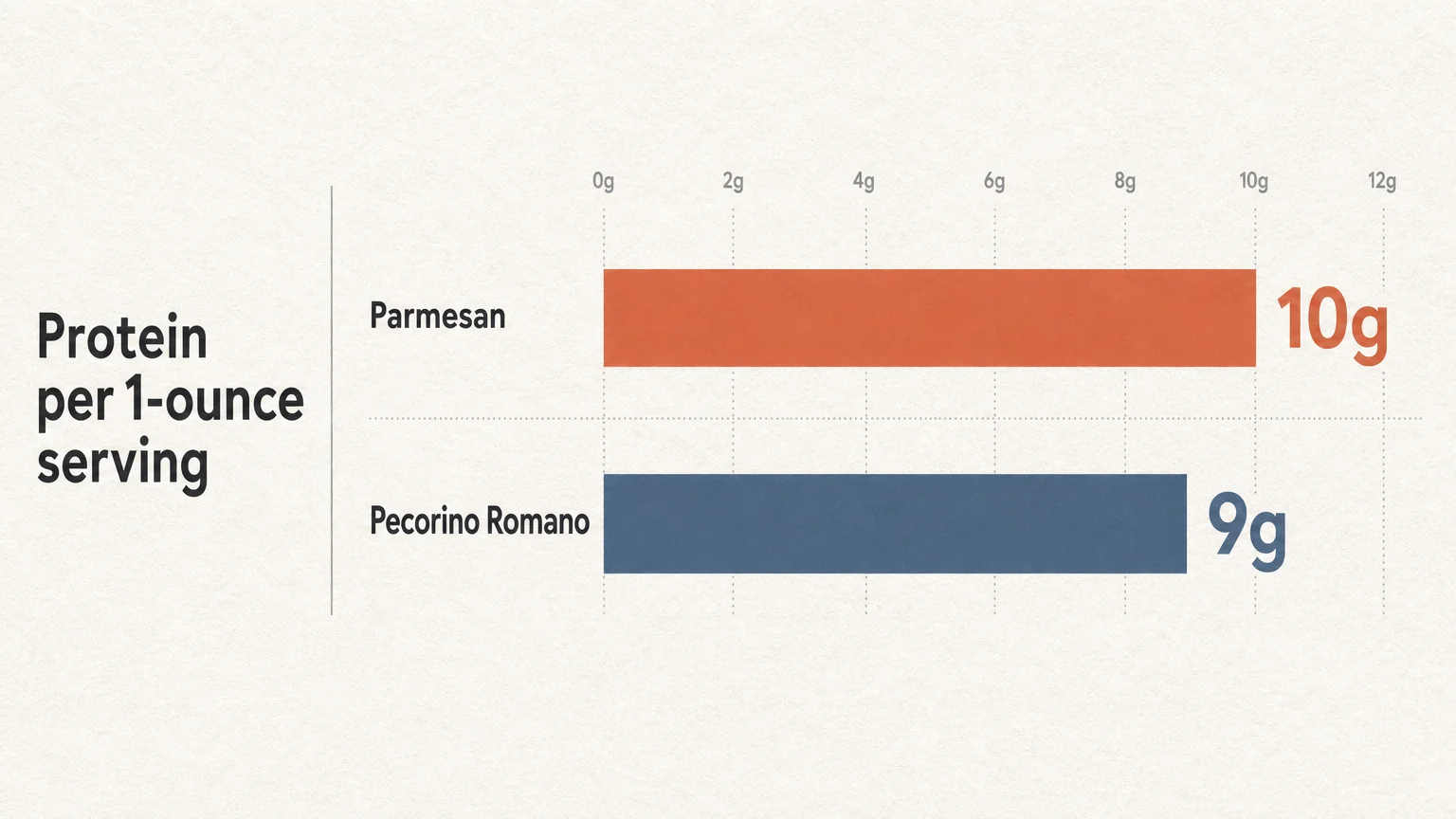
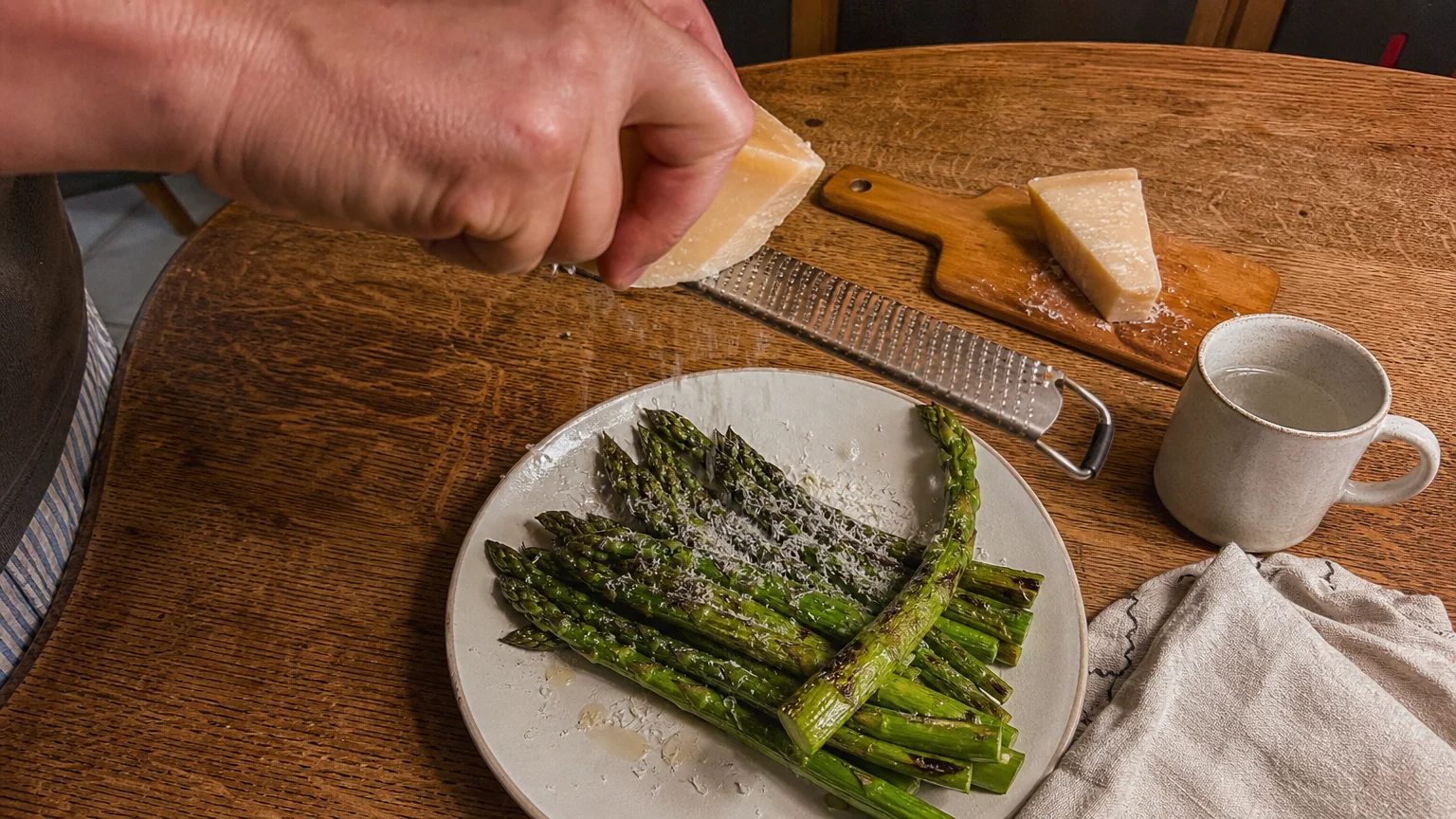
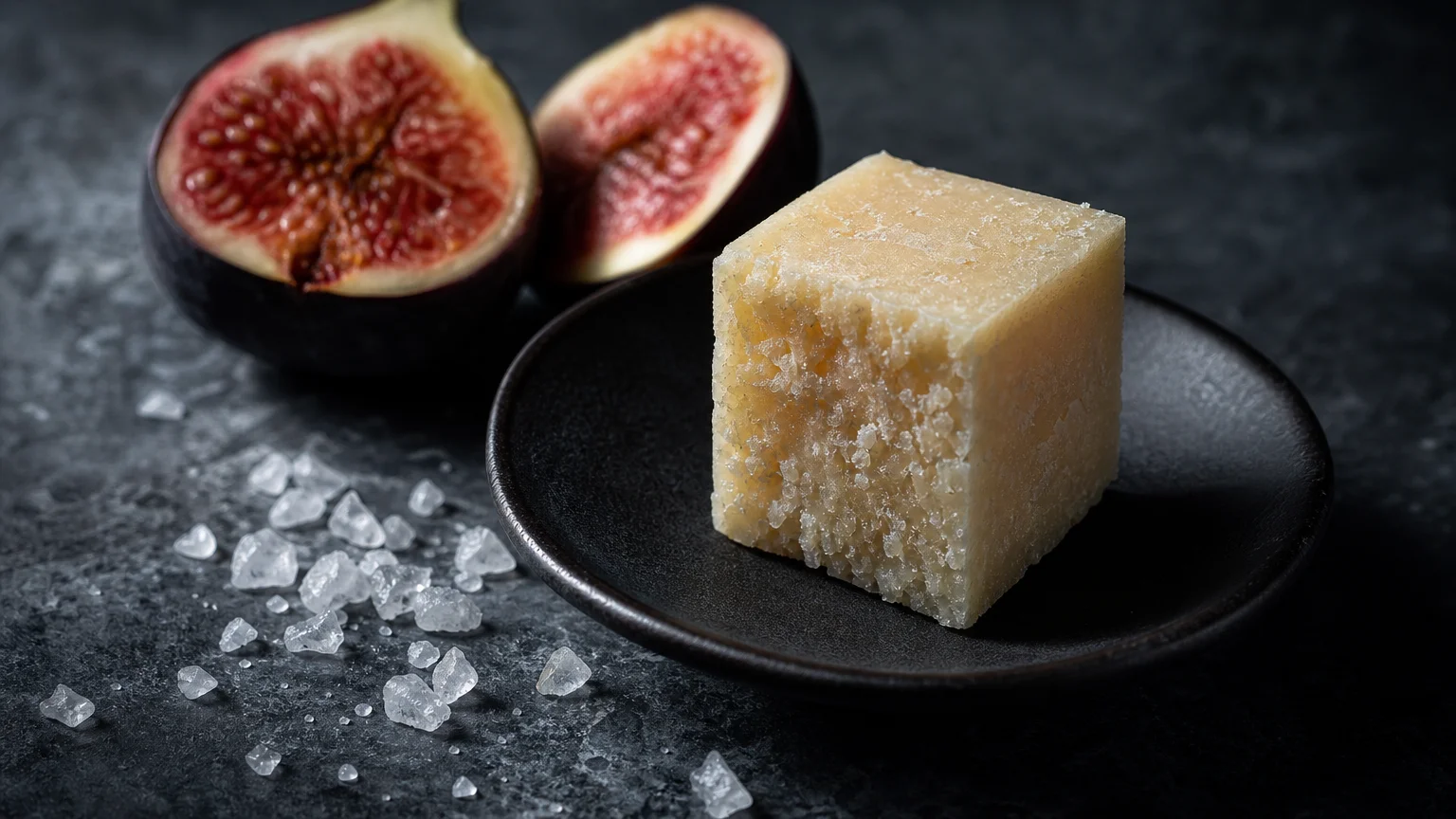
Parmesan stands as the undisputed heavyweight champion of the dairy aisle for protein density. Because authentic Parmesan undergoes an extensive aging process—often lasting between twelve and thirty-six months—the cheese loses a significant amount of moisture. This natural dehydration process leaves behind a highly concentrated block of nutrition, delivering approximately ten grams of high-quality protein per single-ounce serving. Beyond its impressive macronutrient profile, Parmesan provides an intense, salty umami flavor driven by naturally occurring glutamate. You can shave a modest amount of Parmesan over roasted asparagus, mix it into a kale salad, or blend it into homemade pesto to significantly elevate both the protein content and the culinary appeal of your meals.
2. Pecorino Romano
If you enjoy sharp, robust flavors, Pecorino Romano serves as an outstanding alternative to standard cow-milk varieties. Crafted exclusively from sheep’s milk, this hard, aged cheese delivers roughly nine grams of protein per ounce. Sheep’s milk naturally contains different protein structures than cow’s milk, which some individuals find slightly easier to digest. Pecorino Romano features a distinctly salty, tangy bite that allows it to function as both a protein source and a powerful seasoning agent. By grating a small portion over your evening pasta or integrating it into a bowl of lentil soup, you simultaneously boost your protein intake and reduce your need for added table salt.
3. Swiss Cheese
Swiss cheese offers a remarkably balanced nutritional profile, providing roughly eight grams of protein per slice while maintaining a naturally low sodium content. The distinctive holes in Swiss cheese develop from propionic acid bacteria during the aging process, which also imparts a subtly sweet and nutty flavor. This variety proves incredibly versatile for daily meal prep. You can layer a slice of Swiss into a turkey wrap, melt it over a warm chicken breast, or pair it with sliced apples for a balanced mid-afternoon snack that marries high-quality protein with satisfying, fiber-rich complex carbohydrates.
4. Gruyere
Hailing from Switzerland, Gruyere is a traditional firm cheese that boasts eight grams of protein per ounce alongside an impressive concentration of dietary calcium. Gruyere melts beautifully without separating into an oily residue, making it a superior choice for hot culinary applications. You can fold grated Gruyere into a morning spinach omelet or bake it atop a piece of lean white fish to enhance the meal’s protein content. Its complex, earthy flavor profile ensures that even a small, measured portion deeply enriches the overall dining experience.
5. Cottage Cheese
Cottage cheese represents a paradigm shift for high-volume eaters seeking substantial protein without excessive caloric density. While technically a fresh cheese curd rather than an aged block, a standard half-cup serving delivers an extraordinary twelve to fourteen grams of protein. Because the primary protein type in cottage cheese is slow-digesting casein, it has long been favored by athletes as an evening meal to support overnight muscle recovery. Today, cottage cheese enjoys a culinary renaissance; you can blend it into a smooth consistency to create a high-protein base for savory dips, mix it into pancake batter for an anabolic breakfast, or simply top it with fresh berries and chia seeds for a quick, nutrient-dense meal.
6. Edam
Originating from the Netherlands, Edam is a semi-hard cheese traditionally recognized by its iconic red wax coating. An ounce of Edam provides about seven grams of protein while naturally containing less fat than sharp cheddar or similar semi-hard varieties. Its mild, slightly nutty flavor makes it highly palatable and accessible for diverse dietary preferences, including those of picky eaters. You can easily cube Edam for adult lunchboxes, pair it with whole grain crackers, or incorporate it into a balanced grazing board alongside fresh vegetables and hummus.
7. Part-Skim Mozzarella
Part-skim mozzarella combines high accessibility with excellent nutritional metrics, yielding approximately seven to eight grams of protein per ounce. This cheese is widely available in pre-portioned string cheese formats, which provides built-in portion control for busy individuals seeking a convenient, on-the-go snack. Because it is made with partially skimmed milk, it offers a favorable protein-to-fat ratio. You can tear part-skim mozzarella over a bowl of cherry tomatoes sprinkled with balsamic vinegar, or melt it into a whole wheat pita for a comforting, muscle-supporting meal that aligns with both your health goals and your grocery budget.
Strategic Approaches to Incorporating High-Protein Cheese
Transforming your nutritional knowledge into daily action requires deliberate planning. Simply buying cheese is not enough; you must integrate it into your routine in ways that support your overall health objectives.
Meal Planning Made Simple
Proactive preparation prevents impulsive dietary decisions. You can spend ten minutes every Sunday afternoon slicing blocks of Swiss or Edam into one-ounce portions, storing them in clear glass containers at the front of your refrigerator. When hunger strikes during a busy workday, you will intuitively reach for these visible, pre-measured protein sources rather than rummaging the pantry for heavily refined snacks. Pairing these cheese portions with raw almonds or sugar snap peas creates a nutritionally complete mini-meal that stabilizes your blood sugar and powers you through the afternoon slump.
Sharpening Your Nutrient Focus
While maximizing your protein intake is beneficial, you must remain mindful of the accompanying macronutrients. High-protein cheeses naturally contain dietary fat, which contributes to their caloric density. By analyzing your complete daily intake, you can strategically balance your meals. If you consume a high-fat cheese like Gruyere, you might choose to pair it with lean proteins—such as roasted turkey breast—and voluminous greens to keep the total meal calories aligned with your energy requirements. To align your overall targets, you can consult the official guidelines for daily protein intake to determine the precise amounts suited for your age, sex, and activity level.
Building Sustainable Habits
Long-term health is built upon consistent, sustainable behaviors rather than restrictive dietary rules. Instead of completely overhauling your diet overnight, you can identify one low-protein carbohydrate snack you currently consume—like a handful of pretzels or a granola bar—and replace it with a serving of part-skim mozzarella or a half-cup of cottage cheese. This single behavioral shift, compounded over weeks and months, significantly elevates your baseline protein consumption, directly supporting lean muscle retention and metabolic health.

Expert Perspectives and Community Insights
Clinical practitioners consistently observe that individuals who intentionally include structured dairy protein in their diets experience better adherence to their nutritional plans. Dietitians frequently note that clients who fear all forms of dairy often struggle to meet their calcium and protein targets, leading to an over-reliance on artificial protein powders. By incorporating whole-food sources like aged Parmesan or cottage cheese, you absorb a broader spectrum of naturally occurring micronutrients, including vitamin B12, zinc, and phosphorus.
Everyday active individuals share similar success stories. Many long-distance runners and weightlifters rely heavily on the slow-release amino acids from cottage cheese consumed before bed, reporting reduced muscle soreness and better recovery the following morning. Busy parents find that keeping string cheese readily available prevents the common mid-afternoon energy crash, allowing them to remain focused and energized through the remainder of the day.
Safety, Personalization, and Potential Drawbacks
While high-protein cheeses offer substantial health benefits, individual physiological responses to dairy require personalized consideration. Many people assume that all dairy is off-limits if they struggle with lactose digestion. However, the aging process utilized for hard cheeses like Parmesan, Pecorino Romano, and Swiss breaks down nearly all the milk sugars, rendering them virtually lactose-free. If you experience discomfort with fresh dairy, you may tolerate these aged varieties perfectly well. For comprehensive management strategies, you can review current digestive health recommendations regarding lactose to safely navigate the dairy aisle.
You must also monitor your total sodium and saturated fat intake, particularly if you have a history of cardiovascular disease or hypertension. Cheeses like Pecorino Romano are heavily salted during production to preserve the curd and develop flavor. If your physician has recommended a low-sodium diet, you should lean toward naturally lower-sodium options like Swiss or fresh mozzarella. To understand the broader context of salt consumption, you can reference the latest sodium intake limits established by public health authorities. Always discuss major dietary adjustments with a registered dietitian or your primary care physician to ensure your choices align with your specific medical profile.
Frequently Asked Questions
Can you eat high-protein cheese every day?
Yes, you can safely consume high-protein cheese daily as part of a balanced, whole-food diet. The key lies in monitoring your portion sizes and ensuring that your overall macronutrient intake aligns with your personal goals. By measuring your servings—typically around one ounce for hard cheeses or a half-cup for cottage cheese—you can reap the benefits of the protein and calcium without accidentally consuming excessive calories or saturated fats.
Does melting cheese diminish its nutritional value?
Melting cheese changes its physical structure and texture, but it does not destroy the protein content or eliminate the calcium. The amino acids remain entirely intact whether you consume the cheese cold from the refrigerator or melted over a warm dish. You may notice some fat separating when certain cheeses are heated at high temperatures, but the core nutritional profile—specifically the muscle-building protein—remains fully bioavailable to your body.
Should you choose reduced-fat or full-fat varieties?
The choice between reduced-fat and full-fat cheese depends entirely on your broader dietary context. If you are actively attempting to create a caloric deficit for weight loss, reduced-fat or part-skim cheeses allow you to maintain a high protein intake while saving calories. Conversely, full-fat cheeses often provide superior flavor, texture, and satiety. If your diet is otherwise rich in lean proteins and vegetables, incorporating moderate amounts of full-fat cheese can be a perfectly healthy choice.
How do high-protein cheeses affect lactose intolerance?
Individuals with lactose intolerance often find that they can comfortably consume high-protein, aged cheeses. During the aging process, the bacteria used to culture the cheese consume the lactose, converting it into lactic acid. Consequently, hard varieties like Parmesan, Swiss, and aged Cheddar contain only trace amounts of lactose. Cottage cheese and fresh mozzarella contain more lactose, so you should test your tolerance with small amounts or seek out specifically labeled lactose-free versions of these fresh cheeses.
Your Next Step Toward Better Nutrition
Transforming your daily diet does not require severe restriction or complete culinary overhauls; it begins with simple, strategic substitutions. You now understand how different cheeses provide varying levels of high-quality protein, essential for maintaining muscle mass and controlling your appetite. Your challenge for the next twenty-four hours is straightforward: review your planned snacks for tomorrow and replace one heavily processed item with a single serving of the high-protein cheeses discussed above. Whether you choose a portion of sharp Parmesan, a scoop of creamy cottage cheese, or a convenient mozzarella string cheese, you will be taking a definitive, evidence-based step toward better daily nutrition.