
Grocery prices continue to strain household budgets, making it essential to identify affordable foods that genuinely support your health. You can easily cut your weekly food bill without sacrificing essential nutrients by stocking up on the same cost-effective staples that dietitians rely on. While specialty health foods often dominate social media feeds, true dietary resilience comes from inexpensive, versatile ingredients backed by robust clinical data. These pantry and freezer basics deliver exceptional doses of fiber, lean protein, and crucial micronutrients at a fraction of the cost of premium alternatives. By shifting your grocery strategy toward these unassuming powerhouses, you protect your finances while building a foundation for lasting physical well-being.

The Science of Budget-Friendly Nutrition
Research consistently demonstrates that a nutritious diet does not require premium-priced ingredients; in fact, relying on foundational whole foods yields superior health outcomes compared to chasing expensive superfood trends. A landmark analysis published by the National Institutes of Health indicates that diets rich in legumes, whole grains, and basic vegetables significantly lower the risk of cardiovascular disease and metabolic dysfunction. When you prioritize these nutrient-dense, low-cost options, you actively reduce systemic inflammation and support a healthy gut microbiome without overspending.
Food economists and clinical dietitians note that the cost-per-nutrient ratio heavily favors basic agricultural staples over heavily processed or highly marketed items. This economic reality means your grocery dollar goes much further when you purchase items that require minimal commercial processing and packaging. Furthermore, frozen and canned produce often retains higher levels of specific vitamins—such as vitamin C and folate—because these foods are flash-frozen or sealed at their absolute peak of ripeness. By understanding this biochemical advantage, you can navigate the supermarket aisles with confidence, knowing that the most affordable choices frequently align with optimal metabolic health.
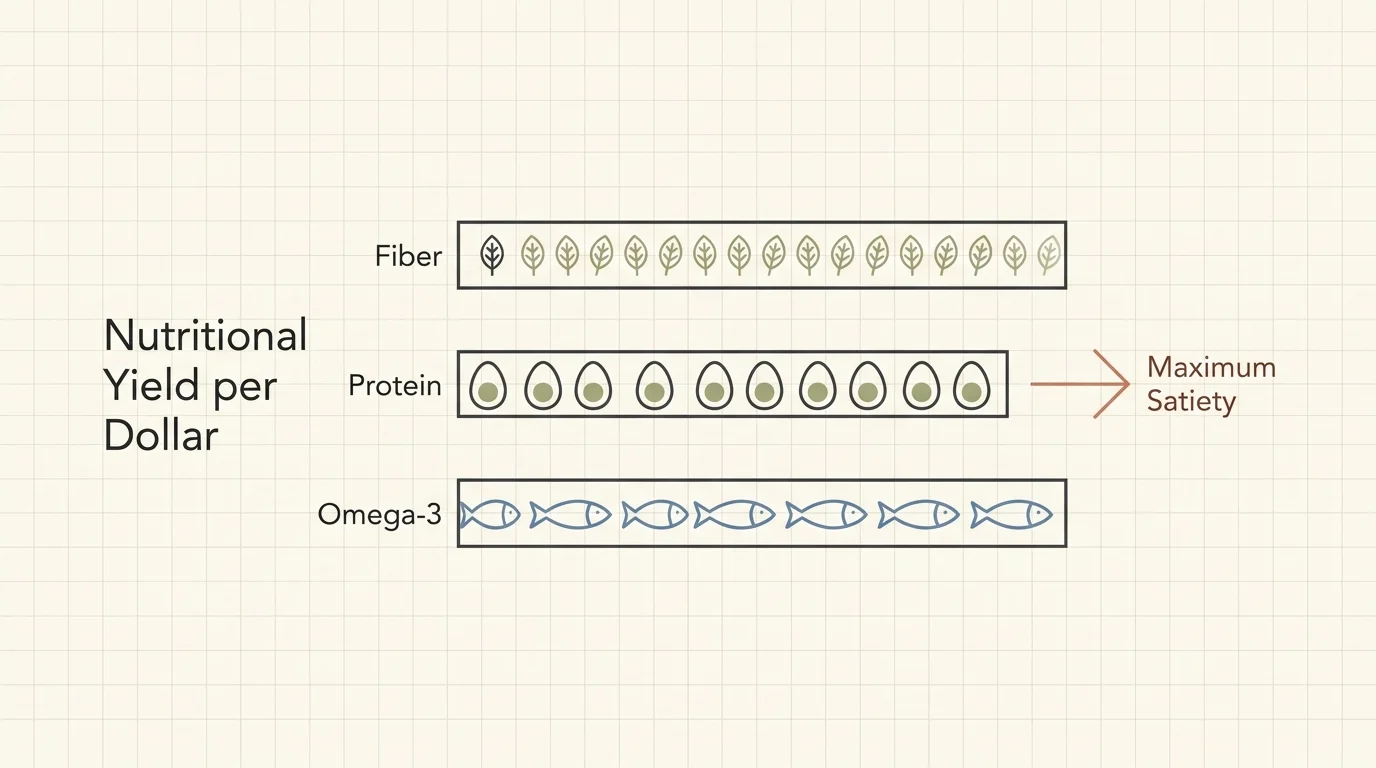
Nutrient Focus: Maximize Your Nutritional Yield
Focusing on nutrient density ensures that every dollar you spend delivers the maximum amount of vitamins, minerals, and macronutrients to your body. You should look for foods that provide substantial amounts of protein and dietary fiber, as these vital components stabilize your blood sugar and keep you satiated for hours.
1. Canned Sardines
Canned sardines represent one of the most cost-effective sources of omega-3 fatty acids and highly bioavailable calcium available on supermarket shelves. Dietitians have increasingly turned to these tiny fish because they sit exceptionally low on the aquatic food chain, meaning they accumulate far fewer heavy metals like mercury compared to larger predatory fish like tuna or swordfish. You can easily mash sardines onto whole-grain toast with a squeeze of fresh lemon juice, or toss them into a vibrant garlic and olive oil pasta dish for a rapid, heart-healthy dinner. Their extended shelf life also means you can confidently buy them in bulk during seasonal sales without worrying about impending spoilage.
2. Dried Lentils
Dried lentils act as a nutritional powerhouse that provide exceptional amounts of plant-based protein, non-heme iron, and soluble fiber for just pennies per serving. Unlike traditional dried beans, lentils require absolutely no overnight soaking and cook to a perfectly tender consistency in under thirty minutes, making them incredibly practical for hurried weeknight meals. You can incorporate them into thick, warming stews, blend them into savory vegetarian burger patties, or use them to extend ground meat in traditional recipes to drastically reduce your overall grocery expenses. The United States Department of Agriculture highlights legumes as both a primary vegetable and a robust protein source, underscoring their unique dietary versatility.
3. Frozen Spinach
Frozen spinach frequently outshines its fresh, bagged counterpart in both affordability and nutritional retention, particularly regarding vital nutrients like folate and vitamin A. Because agricultural processors flash-freeze the greens immediately after the harvest, the rapid degradation of water-soluble vitamins halts completely. You can drop solid blocks of frozen spinach directly into simmering soups, morning scrambled eggs, or post-workout smoothies to painlessly elevate your daily vegetable intake. This practical approach completely eliminates the frustration of discovering wilted, slimy greens at the bottom of your refrigerator drawer, actively saving you money and reducing household food waste.
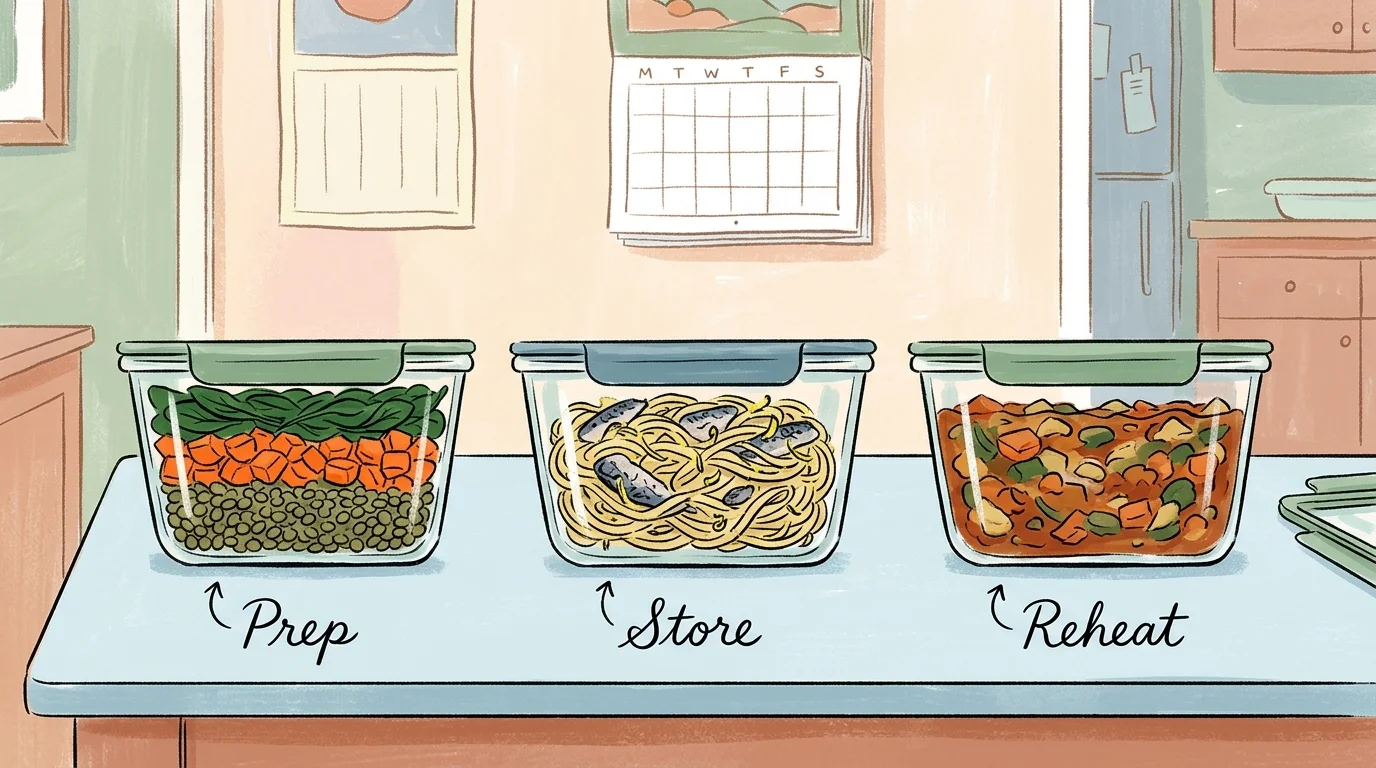
Meal Planning: Stretch Your Dollars and Reduce Waste
Strategic meal planning effectively reduces impulse purchases and eliminates the food waste that quietly drains so many household budgets. By proactively building your weekly menu around versatile, shelf-stable ingredients, you guarantee that you always have the vital components for a nutritious meal on hand, even when your schedule becomes unexpectedly chaotic.
4. Rolled Oats
Rolled oats remain an undisputed champion of the breakfast table, offering a robust supply of beta-glucan—a specific type of soluble fiber strongly linked to improved cardiovascular health. The American Heart Association emphasizes that diets high in soluble fiber from whole grains successfully reduce low-density lipoprotein cholesterol levels. Purchasing plain oats in bulk cylindrical containers significantly drops the price per ounce, and their extended dry shelf life prevents frustrating pantry waste. You can prepare them as chilled overnight oats layered with milk and chia seeds, bake them into wholesome morning muffins, or ingeniously use them as a binding agent in savory dishes like traditional meatloaf or vegetarian bean balls.
5. Canned Black Beans
Canned black beans entirely eliminate the time barrier of cooking legumes from scratch while delivering massive doses of anthocyanins, the identical powerful antioxidants found in expensive dark berries. The Centers for Disease Control and Prevention strongly advocates for increased legume consumption to dramatically improve dietary fiber intake and manage long-term chronic disease risks. You must simply rinse canned beans thoroughly under cold water to remove excess sodium before tossing them into vibrant corn salads, wrapping them in spiced burritos, or pureeing them into creamy, nutrient-dense dips for afternoon snacking.
6. Whole Carrots
Whole, unpeeled carrots offer incredible financial value and profound health benefits, far surpassing the heavily processed and noticeably pricier baby carrot alternatives. These sturdy root vegetables boast exceptional levels of beta-carotene, which your complex bodily systems readily convert into active vitamin A to strongly support cellular immune function and critical visual health. You can easily roast them on a sheet pan with extra virgin olive oil and earthy cumin to coax out their deep natural sweetness, grate them fresh into hearty cabbage slaws, or simply slice them into thick sticks for a highly satisfying, crunch-heavy afternoon snack.

Habit Formation: Simplify Your Cooking Routine
Forming consistent, healthy cooking habits relies entirely on minimizing unnecessary friction in the kitchen, which explains exactly why dietitians perpetually stock up on convenience-forward staples that require minimal preparation. When you deliberately keep your pantry armed with reliable, familiar ingredients, you successfully bypass the intense decision fatigue that typically leads to ordering expensive, high-sodium restaurant takeout.
7. Frozen Mixed Berries
Frozen mixed berries provide convenient, year-round access to critical disease-fighting antioxidants and vitamin C without the exorbitant price tags and rapid molding inevitably associated with out-of-season fresh berries. Clinical research highlights that regular, consistent berry consumption actively combats systemic oxidative stress and strongly protects complex cognitive function as you age. You can effortlessly scoop handfuls of frozen berries directly into a steaming bowl of hot oatmeal, blend them vigorously into protein-rich recovery shakes, or gently warm them on the stovetop to create a naturally sweet, syrupy compote for plain Greek yogurt.
8. Natural Peanut Butter
Natural peanut butter—specifically the variety containing only roasted peanuts and perhaps a minor pinch of salt—delivers a substantial, deeply satisfying combination of heart-healthy monounsaturated fats and essential plant-based protein. This phenomenally energy-dense spread acts as a highly efficient dietary tool for maintaining prolonged fullness, making it a permanent favorite among specialized sports dietitians and budget-conscious families alike. You can easily stir a generous spoonful into savory soy-based sauces for cold noodle dishes, spread it thickly onto crisp apple slices, or blend it directly into morning smoothies to create a luxurious creamy texture and boost your overall caloric quality.
9. Brown Rice
Brown rice serves as a deeply nourishing, exceptionally inexpensive complex carbohydrate that forms the structural architectural base for countless diverse global cuisines. Because agricultural processors leave the highly nutritious bran and germ layers completely intact, brown rice offers significantly more magnesium, vital phosphorus, and dietary fiber than highly refined white rice varieties. You can proactively prepare a massive batch on a quiet Sunday afternoon to quickly assemble vibrant vegetable stir-fries, hearty Mediterranean grain bowls, or robust stuffed bell peppers throughout the chaotic workweek, ensuring your dietary habits remain steady, consistent, and remarkably stress-free.

Expert and Lived Voices on Budget Shopping
Clinical dietitians and dedicated community health advocates frequently witness the profound, transformative power of deliberately shifting grocery budgets toward foundational, single-ingredient staples. Many seasoned nutrition professionals emphasize that the most significant, measurable health improvements occur rapidly when patients finally stop chasing expensive, fleeting dietary trends and start mastering basic, highly affordable ingredients. For instance, sports dietitians often advise their amateur athletes to swap expensive protein powders for simple staples like natural peanut butter, securing identical muscle recovery metrics for a fraction of the cost.
Everyday household shoppers strongly echo these professional sentiments, routinely noting that relying heavily on bulk items like rolled oats and canned fish completely removes the crushing anxiety of grocery shopping while simultaneously yielding noticeably higher daily energy levels. Families who courageously transition away from highly processed, brightly packaged convenience foods frequently report that their weekly grocery bills shrink by dramatic margins, yet their evening family meals feel substantially more vibrant, colorful, and deeply satisfying. By actively listening to those individuals who successfully navigate rising food costs daily, you quickly realize that true, lasting nutritional wealth stems entirely from culinary simplicity and quiet resourcefulness rather than showy culinary extravagance.
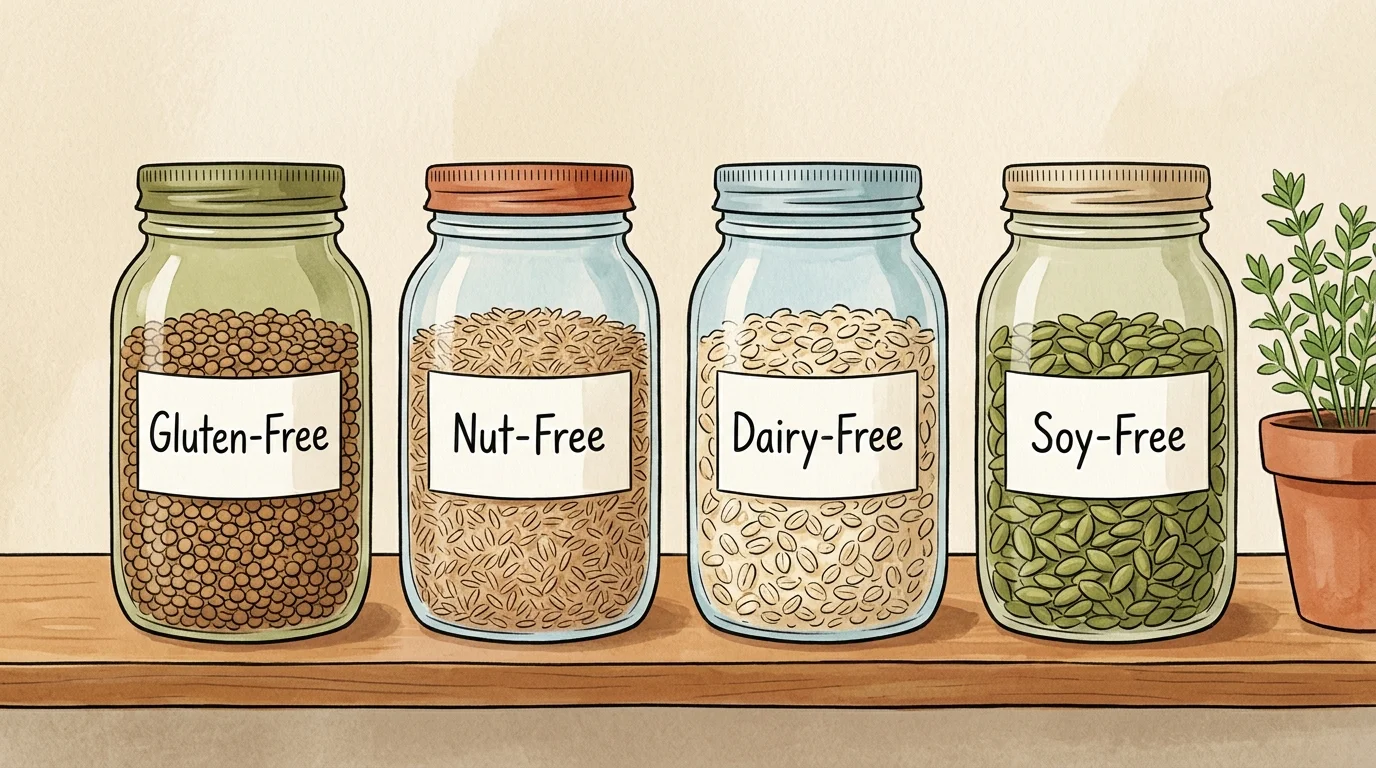
Safety, Allergies, and Personalization
While these nine exceptionally budget-friendly groceries offer immense, scientifically validated benefits, you must always carefully tailor your individual dietary choices to your unique physiological needs and personal medical history. Individuals actively managing chronic hypertension should consistently exercise extreme caution with commercial canned goods—such as black beans and tiny sardines—by specifically seeking out designated no-salt-added varieties or thoroughly rinsing the products under cold water to strip away excess sodium preservatives.
If you navigate a medically diagnosed peanut allergy or a broader, uncomfortable legume intolerance, you must strictly avoid natural peanut butter and dried lentils, safely substituting them with highly nutritious alternatives like roasted sunflower seed butter or easily digestible grains like quinoa. Furthermore, sudden, dramatic increases in your daily dietary fiber from whole oats, beans, and root vegetables can frequently cause highly uncomfortable gastrointestinal distress, including temporary bloating and cramping. You should always gradually introduce these dense, fibrous foods into your standard meals while simultaneously, deliberately increasing your daily water intake to ensure smooth digestion. Always consult a licensed registered dietitian or your trusted primary care physician before making sweeping modifications to your overall diet, particularly if you take prescription medications. For example, vitamin K actively promotes blood clotting, which can counteract the intended effects of common blood-thinning prescriptions; you must coordinate with your doctor to maintain a safe, consistent intake of frozen leafy greens.
Frequently Asked Questions
Are frozen vegetables genuinely as healthy as fresh produce?
Yes, frozen vegetables frequently provide identically robust or even vastly superior nutritional value when directly compared to fresh produce that has traveled thousands of miles in commercial transit. Because agricultural farmers strategically harvest and immediately flash-freeze these vegetables at their absolute biological peak of ripeness, the rapid freezing process perfectly locks in deeply essential, delicate vitamins and complex minerals. You can confidently rely on thick bags of frozen spinach, hearty broccoli florets, and sweet green peas to consistently meet your rigorous daily micronutrient requirements while entirely eliminating the frustrating financial risk of premature spoilage in your refrigerator crisper drawer.
How can I make canned sardines taste better if I strongly dislike fishy flavors?
You can effortlessly neutralize the notoriously strong, pungent flavor profile of canned sardines by strategically introducing bright, highly acidic juices and deeply aromatic ingredients into your meal preparations. Mashing the delicate fish with remarkably generous amounts of fresh lemon juice, spicy Dijon mustard, and sharply cracked black pepper completely transforms their entire taste experience. Additionally, seamlessly incorporating them into deeply savory, heavily spiced tomato-based pasta sauces successfully masks the intense fishiness while effortlessly allowing you to benefit fully from their profoundly impressive, inflammation-reducing omega-3 fatty acid content.
Do I need to buy organic versions of these cheap groceries?
Purchasing heavily certified organic groceries remains a strictly personal preference rather than a firm, scientifically mandated nutritional necessity, and standard conventional produce inevitably provides overwhelming, systemic health benefits that undeniably far outweigh the frequently publicized risks of microscopic trace pesticide exposure. The Academy of Nutrition and Dietetics unequivocally emphasizes that regularly eating a highly diverse volume of conventional fruits and standard vegetables is infinitely better for your long-term cardiovascular health than actively avoiding them altogether simply due to steep organic price premiums. You should persistently prioritize broad dietary variety and absolute caloric abundance over chasing expensive organic labels, especially when carefully managing a highly restrictive household budget.
What is the most effective way to safely store bulk dry goods?
You should immediately transfer heavy bulk dry goods straight from their original, highly vulnerable plastic or cardboard packaging into impenetrable, airtight, food-grade glass jars or heavy-duty plastic containers immediately after bringing them directly home from the supermarket. Storing these protective containers in a distinctly cool, completely dark environment—such as a dedicated hallway pantry or a deeply closed kitchen cabinet safely away from the radiant heat of the oven—actively prevents the naturally occurring, delicate oils in whole brown rice and rolled oats from turning rancid. Proper, deliberate home storage not only masterfully preserves the nuanced, delicate natural flavors of your dry ingredients but also successfully deters incredibly common household pantry pests.
Take Action Today
Transforming your monthly grocery budget and vastly enhancing your daily nutritional intake does not require a dramatic, highly stressful overnight overhaul of your entire established lifestyle. You already possess the incredible power to make incremental, exceptionally effective dietary changes simply by confidently swapping out a few incredibly expensive, heavily processed pantry items for these robust, highly economical whole food staples. The rigorous clinical evidence overwhelmingly supports the profound systemic health benefits of a simple, varied diet deeply grounded in humble, accessible ingredients like dried lentils, bulk rolled oats, and resilient frozen greens. Take a quiet, focused moment right now to thoroughly assess your current handwritten weekly grocery list and actively identify just one single premium item you can effortlessly replace. Boldly commit to purchasing a cheap bag of hearty dried lentils or a highly versatile bag of frozen mixed berries during your very next routine supermarket run within the absolute next twenty-four hours. By bravely taking this single, decisive step, you instantly initiate a profoundly powerful, positively compounding ripple effect that will reliably nourish your physical body and fiercely protect your valuable financial resources for many years to come.