You can build vibrant energy and optimize your red blood cells entirely through plant foods. Choosing the right non-meat iron sources protects your vitality without requiring animal products.
Iron carries oxygen throughout your tissues and drives cellular energy production every minute of the day. A thoughtful plant-rich plate delivers this essential mineral alongside protective dietary fiber and disease-fighting phytonutrients.
By learning which ingredients offer the highest iron density, you can effortlessly meet your daily targets. These twelve versatile staples will transform your everyday cooking into an energizing, nutrient-dense routine.
Understanding Plant-Based Iron: The Bioavailability Equation
Iron exists in two distinct dietary forms across the human food supply: heme and non-heme. Animal flesh provides both varieties, whereas plant foods contribute exclusively non-heme iron.
Non-heme iron maintains a different molecular structure that makes it more sensitive to digestive chemistry. Your digestive tract absorbs non-heme iron at lower baseline rates than heme iron.
According to the National Institutes of Health Office of Dietary Supplements, your body adjusts absorption efficiency based on current internal stores. When your iron reserves decline, your gut naturally upregulates non-heme transport across the intestinal wall.
The Food and Drug Administration establishes the standard daily value for iron at 18 milligrams for adults and children aged four and older. Food labels classify any serving providing at least 3.6 milligrams, or 20 percent of this value, as a high-iron source.
Conversely, foods supplying 5 percent or less of the daily value qualify as low-iron options. Understanding these benchmarks allows you to evaluate packaged products quickly while navigating grocery aisles.
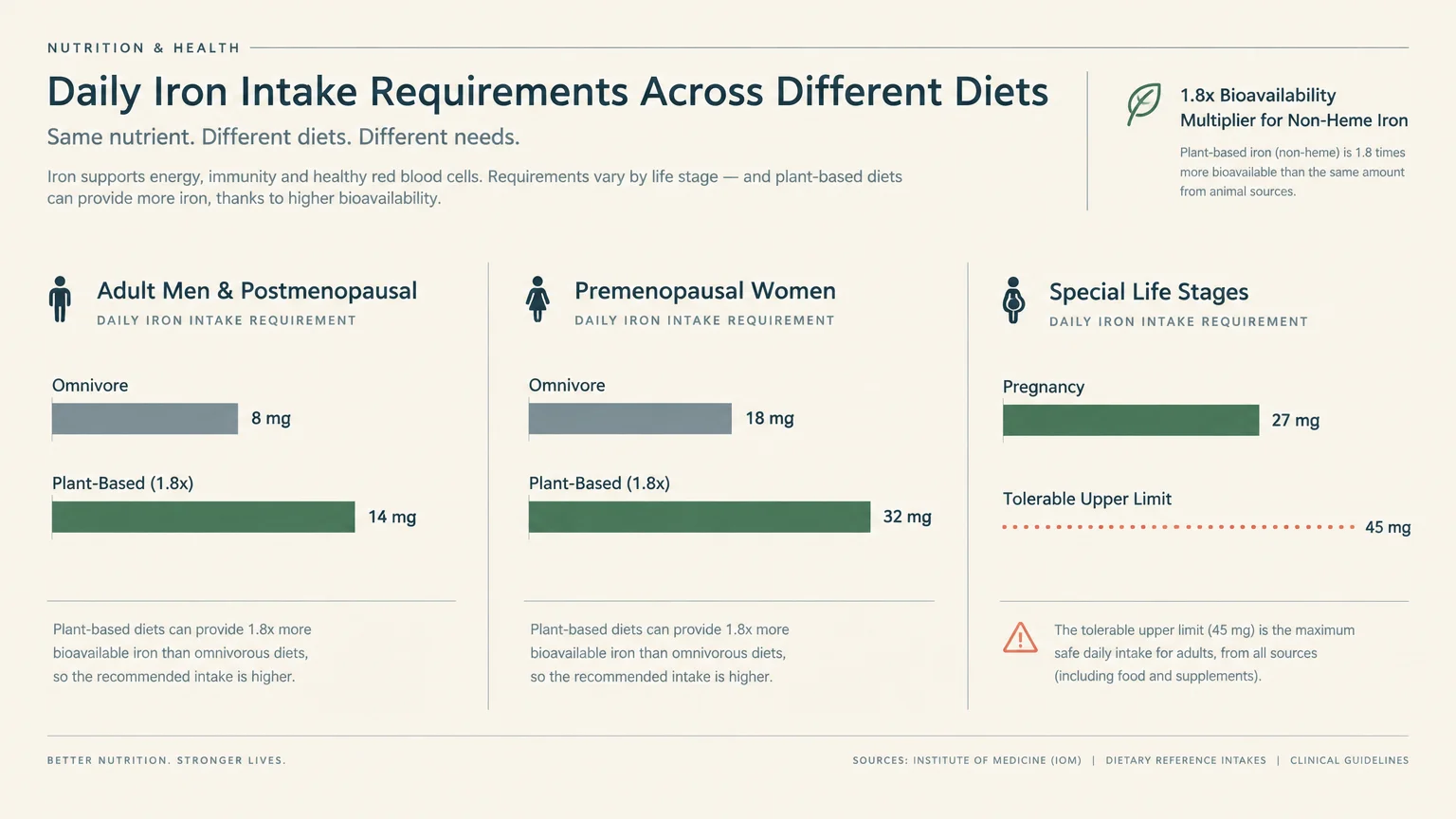
Because non-heme iron demonstrates lower baseline bioavailability, researchers recommend higher daily intakes for plant-exclusive eaters. The National Institutes of Health indicates that vegetarians and vegans require roughly 1.8 times more dietary iron than omnivores.
Standard guidelines establish a baseline requirement of 8 milligrams daily for adult men and postmenopausal women over age 51. For vegetarian men, this adjusted target translates to approximately 14 milligrams each day.
Premenopausal adult women aged 19 to 50 require 18 milligrams daily under omnivorous guidelines due to monthly menstrual blood losses. For premenopausal women eating an exclusively vegan diet, the daily target increases to roughly 32 milligrams.
Pregnancy elevates iron demands dramatically to 27 milligrams daily to support expanding maternal blood volumes and fetal development. Lactating individuals require 9 milligrams per day during the breastfeeding phase.
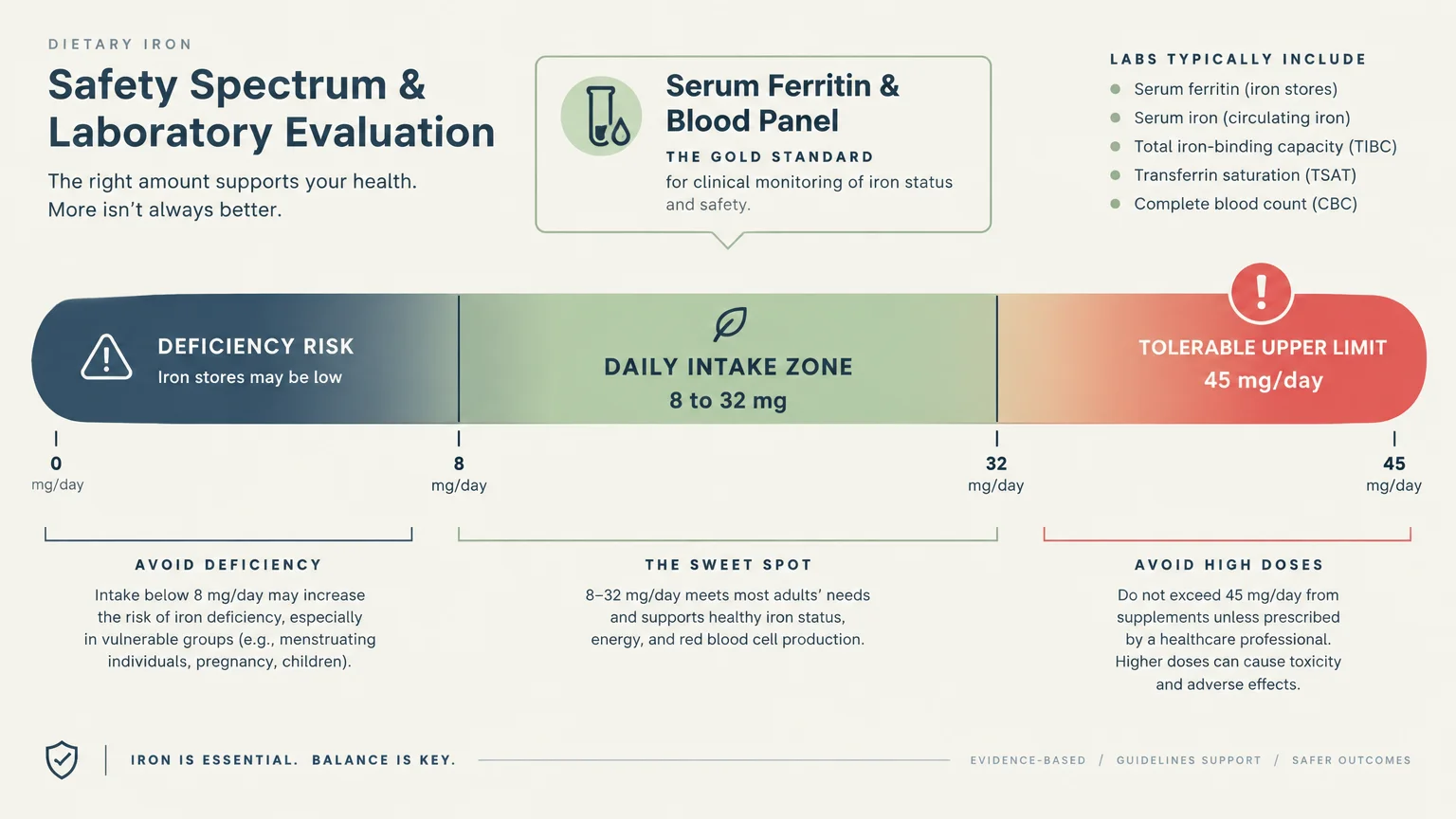
Health authorities also establish a tolerable upper intake level of 45 milligrams per day for adults. Staying aware of these boundaries ensures you nourish your tissues without accumulating excessive mineral stores.
12 Powerhouse Plant-Based Iron Sources
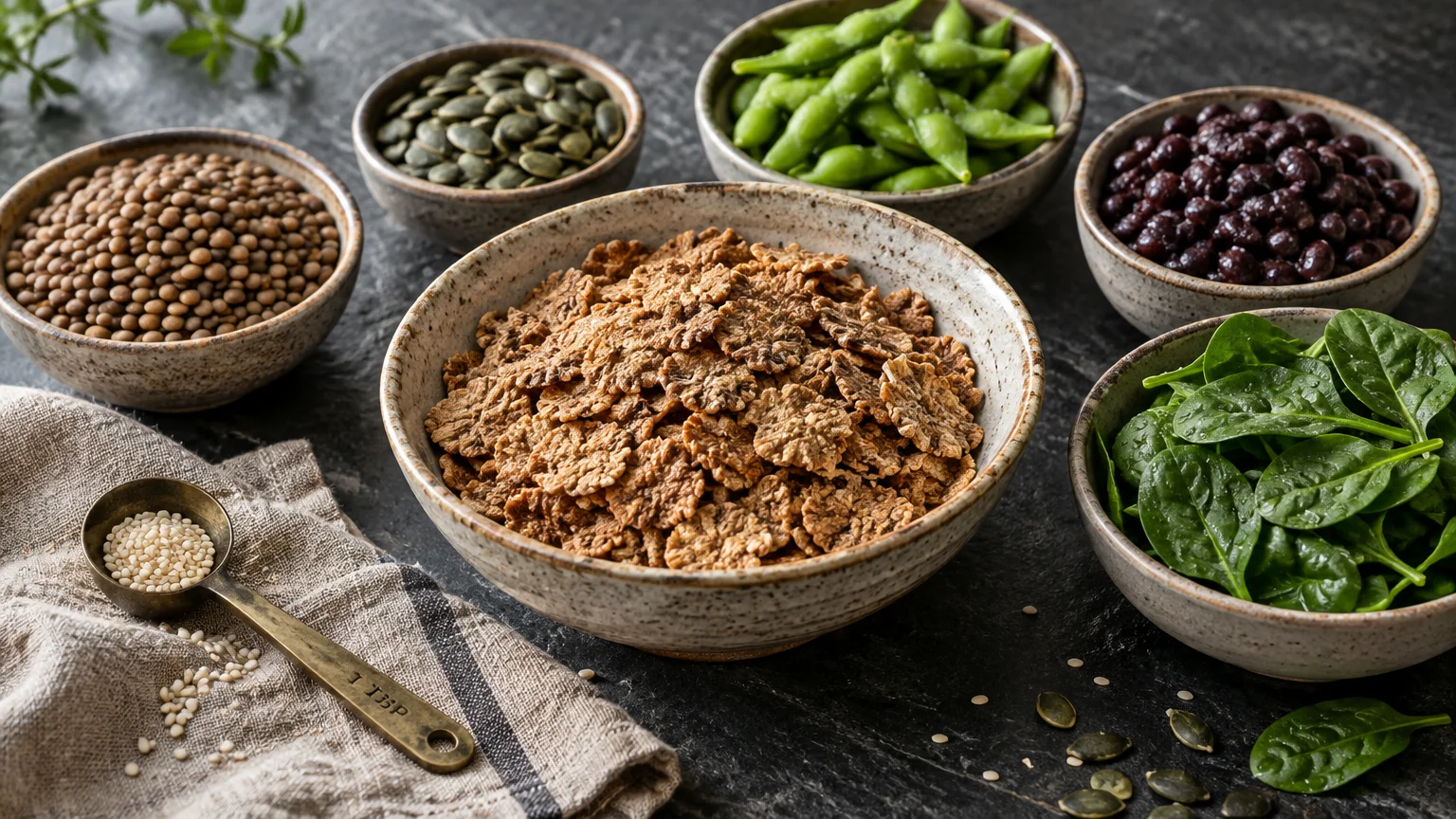
You do not need animal products to supply your body with abundant, life-giving iron. The following twelve plant foods provide concentrated doses of non-heme iron alongside exceptional micronutrient profiles.
1. Fortified Breakfast Cereals
Fortified breakfast cereals deliver an unmatched concentration of dietary iron per portion. A single serving of three-quarters to one cup supplies 18 milligrams of iron, fulfilling 100 percent of your daily value.
Manufacturers fortify these grains with bioavailable elemental iron or mineral salts during processing. This fortification makes them a dependable tool for busy mornings when you need immediate nutrient density.
Select whole-grain varieties that contain minimal added sugars to maximize sustained metabolic energy. Pair your cereal with unsweetened soy milk and fresh strawberries to boost morning nutrient absorption.
Store dry cereals in airtight containers away from humidity to preserve their crisp texture and nutrient stability. They also serve as a crunchy topping over plant-based yogurts or homemade trail mixes.
2. Canned White Beans
Canned white beans stand out as one of the most iron-dense legumes in whole-food nutrition. One cup of cooked white beans provides 8 milligrams of iron, delivering 44 percent of your daily value.
Even a modest half-cup serving supplies 3.9 milligrams, exceeding the regulatory threshold for a high-iron food. These creamy legumes also contribute abundant potassium, magnesium, and prebiotic soluble fiber.
Cannellini, navy, and great northern beans all fall under this versatile culinary umbrella. You can mash them with garlic, rosemary, and lemon juice to create a savory spread for toasted sourdough.
Rinse canned beans thoroughly before cooking to reduce sodium levels by up to 40 percent. Fold whole white beans into hearty vegetable soups during the final ten minutes of simmering.
3. Dark Chocolate (45% to 69% Cacao)
Quality dark chocolate proves that nutrient density and pure culinary indulgence can coexist harmoniously. A 3-ounce portion of dark chocolate containing 45 to 69 percent cacao solids yields 7 milligrams of iron.
This single decadent serving fulfills 39 percent of your daily iron target while providing potent flavanol antioxidants. These antioxidant compounds support endothelial health and maintain healthy systemic blood flow.
Choose high-cacao bars that emphasize simple ingredient lists consisting primarily of cocoa mass, cocoa butter, and minimal sugar. Enjoy a square or two alongside citrus slices after lunch for an enjoyable afternoon ritual.
Keep dark chocolate in a cool, dark pantry away from direct heat to prevent fat blooming. Chopped dark chocolate also adds mineral richness when folded into warm morning grain porridge.
4. Firm Tofu
Firm tofu provides a versatile, protein-rich foundation for plant-forward dinners throughout the week. A half-cup serving of firm tofu delivers between 3 milligrams and 6.6 milligrams of iron.
This wide range stems from varied manufacturing methods, particularly whether the processor uses calcium sulfate as a coagulant. Check nutrition labels carefully to select brands that deliver higher mineral concentrations per serving.
Pressing excess moisture from the block allows tofu to absorb aromatic marinades and crisp up beautifully during cooking. Cube the pressed curds and pan-sear them in sesame oil with minced garlic and ginger.
Toss the seared tofu cubes with steamed broccoli florets and sliced red bell peppers for an absorption-friendly stir-fry. Store leftover raw tofu submerged in fresh water inside your refrigerator, changing the water daily.
5. Blackstrap Molasses
Blackstrap molasses represents the concentrated, mineral-rich syrup extracted during the final boiling of raw sugar cane. Just one tablespoon supplies 3.5 milligrams of iron, meeting 19 percent of your daily value.
Unlike refined table sugar, this thick syrup concentrates essential minerals including calcium, magnesium, and potassium. Its bold, bittersweet flavor adds depth to sweet and savory recipes alike.
Whisk a tablespoon of blackstrap molasses into warm oatmeal, gingerbread marinades, or rich barbecue glazes. You can also dissolve it into warm plant milk with cinnamon for an energizing evening tonic.
Store your bottle at room temperature in a dark cupboard to maintain an easy-to-pour consistency. A single jar lasts for months, providing a reliable pantry-based iron booster whenever you need it.
6. Cooked Lentils
Cooked lentils represent a foundational dietary anchor for plant-based cultures across the entire globe. A half-cup serving of boiled and drained lentils yields 3 milligrams to 3.3 milligrams of iron.
This single modest portion supplies 17 to 18 percent of your daily value alongside 9 grams of protein. Lentils cook rapidly within twenty minutes without requiring overnight soaking, making them incredibly practical.
Brown and green lentils retain their firm shape through cooking, creating excellent bases for warm salads and grain bowls. Red lentils break down into a comforting, velvety texture that thickens curries and traditional dals.
Simmer dry lentils in vegetable broth with ground cumin, turmeric, and diced tomatoes to elevate their flavor profile. Keep dry pulses in glass jars; they maintain peak nutritional value for up to two years.
7. Cooked Spinach
Cooked spinach concentrates non-heme iron far more efficiently than voluminous piles of raw leafy greens. A half-cup serving of boiled and drained spinach provides 3 milligrams to 3.2 milligrams of iron.
This cooked portion meets 17 to 18 percent of your daily value in a compact, easily digested format. Heating spinach wilts the cellular structure and degrades heat-sensitive compounds that might otherwise hinder mineral liberation.
Spinach also delivers substantial amounts of lutein, zeaxanthin, and provitamin A for ocular health. Squeeze excess water from boiled greens before tossing them with minced garlic, toasted pine nuts, and lemon zest.
Keep a bag of frozen spinach in your freezer for convenient, budget-friendly meal preparation. Stir frozen spinach directly into simmering soups, lentil stews, and whole-wheat pasta sauces without prior thawing.
8. Canned Kidney Beans
Kidney beans feature a robust texture and deep reddish hue that signal an abundance of protective anthocyanins. A half-cup serving of canned kidney beans provides between 2 milligrams and 3 milligrams of iron.
This serving delivers 11 to 17 percent of your daily requirement while stabilizing postprandial blood glucose via resistant starch. Their thick skins allow them to endure prolonged simmering without disintegrating.
Kidney beans form the traditional centerpiece of spicy chilis, Creole rice dishes, and cold three-bean picnic salads. Mash half of the beans during cooking to naturally thicken broths without adding refined starches.
Always drain and rinse canned varieties under cold running water before assembling your recipes. Store unopened cans in your pantry for up to three years of dependable shelf life.
9. Roasted Pumpkin Seeds
Roasted pumpkin seeds, commonly known as pepitas, pack dense mineral nutrition into a crunchy, portable package. A single 1-ounce handful supplies 2.5 milligrams of non-heme iron, providing 14 percent of your daily value.
If you consume a full cup of these hulled green seeds, you receive a massive 9.5 milligrams of iron. They also contribute significant zinc, phosphorus, and heart-healthy monounsaturated fatty acids to your daily intake.
Lightly toast raw pumpkin seeds in a dry skillet over medium heat until they pop and release an aromatic scent. Dust them with smoked paprika, ground coriander, and sea salt for an energizing afternoon snack.
Scatter roasted pepitas over morning smoothie bowls, grain salads, or pureed autumn vegetable bisques. Store raw seeds in an airtight container inside your refrigerator to protect their delicate fats from oxidation.
10. Cooked Chickpeas
Cooked chickpeas, also known as garbanzo beans, offer remarkable culinary utility and reliable non-heme iron density. A half-cup serving of boiled or canned chickpeas yields 2 milligrams to 2.4 milligrams of iron.
This portion provides 11 to 13 percent of your daily value alongside generous quantities of folate and dietary fiber. Their nutty taste and firm bite make them universally beloved in Mediterranean and Middle Eastern cuisines.
Blend cooked chickpeas with tahini, fresh lemon juice, garlic, and cumin to craft homemade hummus in minutes. Alternatively, toss whole chickpeas with olive oil and spices, then roast them at 400 degrees Fahrenheit until delightfully crisp.
Save the cooking liquid from canned chickpeas, known as aquafaba, to use as a functional plant-based egg substitute. Keep dried chickpeas on hand for economical pressure-cooking batches that freeze exceptionally well for months.
11. Canned Stewed Tomatoes
Canned stewed tomatoes offer a distinct advantage because they package dietary iron alongside its most potent absorption enhancer. A half-cup serving of stewed tomatoes delivers 2 milligrams of iron, fulfilling 11 percent of your daily value.
Tomatoes naturally contain abundant ascorbic acid, which actively converts ferric iron into a more soluble ferrous form. This built-in synergy ensures your intestinal transporters capture the mineral with remarkable efficiency.
Thermal canning also concentrates lycopene, an antioxidant pigment linked to cardiovascular and prostate health. Use stewed tomatoes as an aromatic simmering base for braised lentils, roasted eggplant, and whole-grain pasta dishes.
Combine stewed tomatoes with bell peppers, onions, and cumin to create a flavorful sauce for tofu-based shakshuka. Check product ingredient panels to avoid brands that add unnecessary high-fructose corn syrup or excess salt.
12. Baked Potatoes With Skin
The humble potato provides substantial nutritional value that casual eaters frequently overlook. One medium baked potato, consumed with its nutrient-dense skin intact, contributes 2 milligrams of iron, or 11 percent of your daily value.
Much of this iron resides directly within and immediately underneath the fibrous outer peel. Peeling your spuds strips away this concentrated mineral reservoir alongside vital potassium and dietary fiber.
Scrub your potatoes clean with a vegetable brush under cold water, pierce the skins, and bake until tender. Slit the steaming potato open and top it with spiced black beans, diced tomatoes, and creamy guacamole.
Select firm potatoes that show no green discoloration or sprouting eyes on their skins. Store them in a cool, dark, well-ventilated pantry rather than the refrigerator to prevent starches from converting into sugars.
Nutrient Synergy: How to Maximize Iron Bioavailability
Getting iron into your digestive tract represents only the first step in maintaining vibrant cellular energy. The composition of your meals plays a decisive role in how much non-heme iron your intestines absorb.
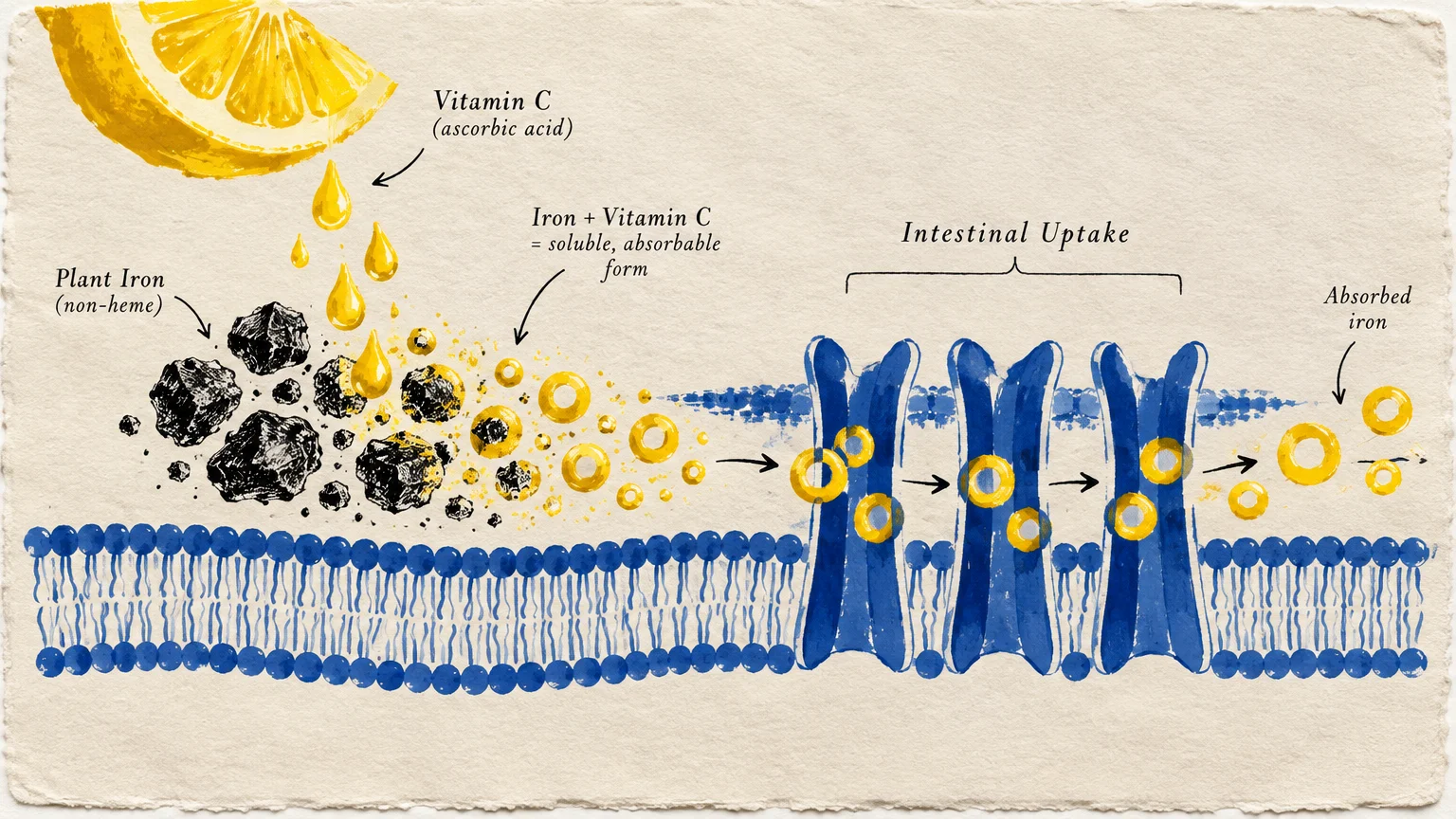
Ascorbic acid, commonly known as vitamin C, acts as the most potent dietary enhancer of non-heme iron absorption. It chemically reduces ferric iron into ferrous iron, a form that readily binds to transport proteins.
Pairing iron-rich pulses with citrus juice, bell peppers, broccoli, or strawberries can amplify mineral uptake significantly. The Centers for Disease Control and Prevention highlights nutrient-dense produce as a cornerstone of balanced mineral status.
Preparing acidic foods like tomato marinara in traditional cast iron cookware can also transfer elemental iron into your meals. The dietary acid gently pulls trace minerals from the seasoned pan surface directly into the simmering sauce.
Traditional culinary preparation methods also dramatically improve the bioavailability of plant-based minerals. Soaking dried beans, grains, and seeds overnight in warm water initiates enzymatic activation that degrades phytates.
Phytic acid naturally binds to non-heme iron within seeds, forming insoluble complexes that resist human digestive enzymes. Sprouting your grains and fermenting doughs activates internal phytase enzymes that break these bonds, liberating stored iron.
Absorption Blockers: What to Avoid Pairing With Iron
Just as certain dietary compounds promote non-heme iron uptake, other substances actively interfere with intestinal absorption. Knowing how to time these opposing compounds protects your nutritional investments.
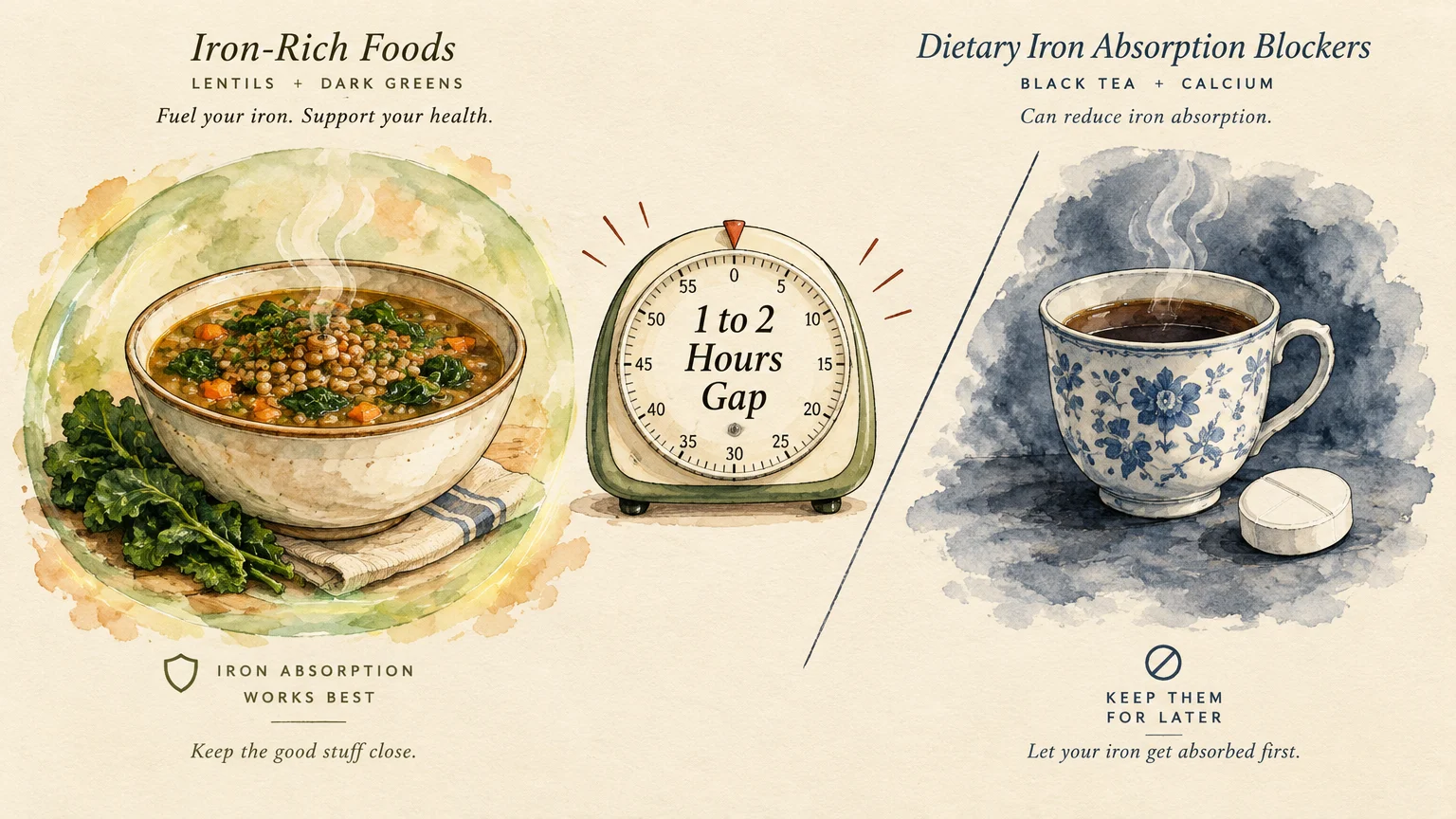
Polyphenols and tannins found in coffee, black tea, and green tea bind tightly to non-heme iron molecules. These complex chemical bonds render the iron insoluble, causing it to pass through your digestive system unabsorbed.
To avoid this interference, consume your favorite teas and coffees at least one hour before or after meals. This simple timing modification allows your stomach to digest iron-rich foods without competitive inhibition.
Calcium represents another major competitor that shares the same intestinal transport pathways as non-heme iron. When consumed in large amounts simultaneously, calcium temporarily downregulates iron transport proteins in your enterocytes.
Avoid taking high-dose calcium supplements alongside your main iron-dense meals of the day. If you consume calcium-fortified plant milks, enjoy them between meals rather than washing down your lentil dinner.
Finally, avoid combining antacid medications with your primary iron-rich meals whenever clinically feasible. Gastric acid plays an essential role in dissolving mineral salts, and neutralizing stomach acidity diminishes iron bioavailability.
Three Strategic Pillars for Plant-Based Iron Success
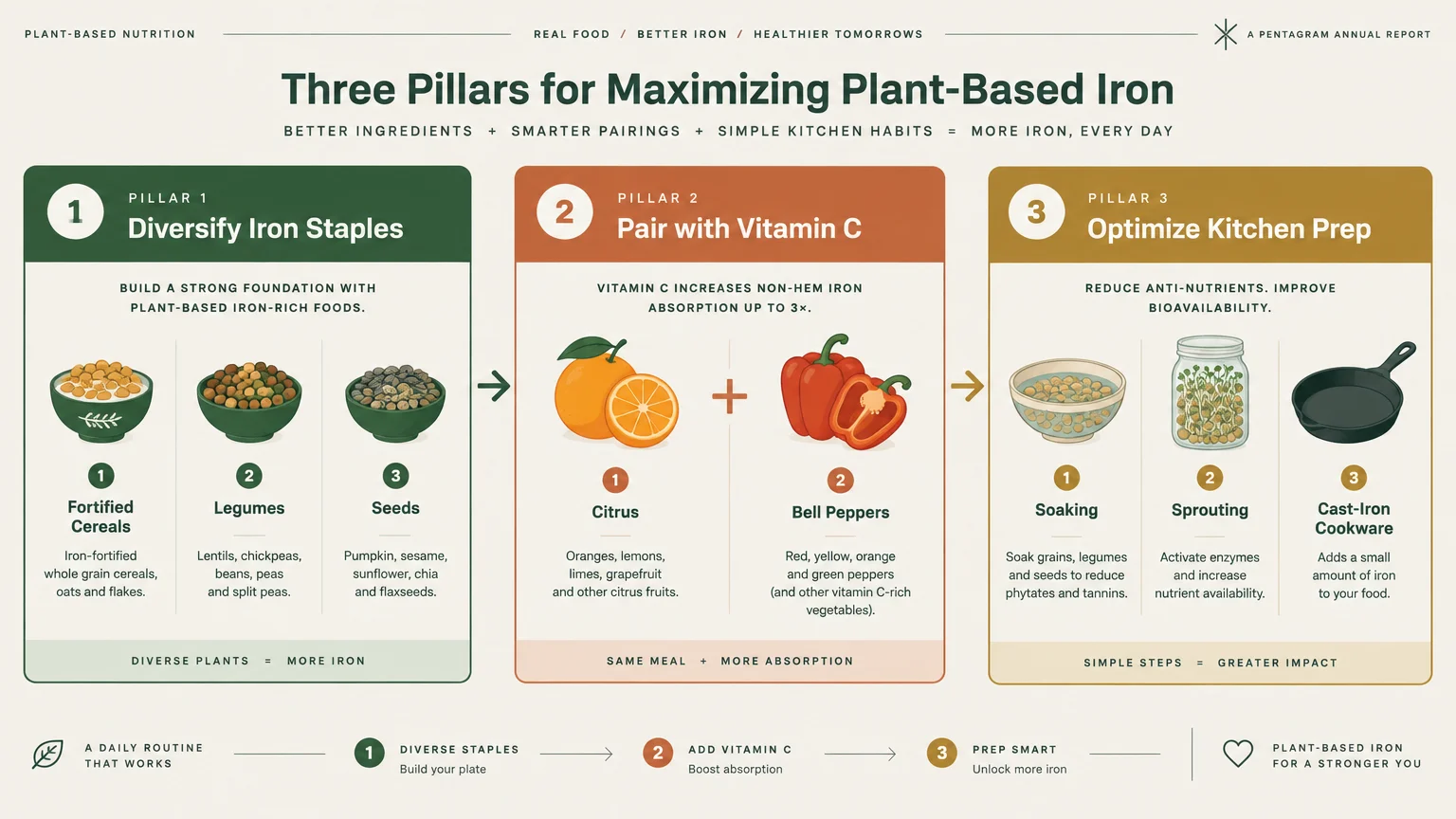
Achieving optimal iron levels on a plant-based diet requires consistent, thoughtful habits rather than restrictive micromanagement. Implementing these three foundational pillars will secure your nutritional foundation for years to come.
Pillar 1: Meal Planning and Batch Cooking
Relying on spontaneous food choices often leads to low-mineral convenience meals that fail to nourish your body. Dedicate two hours each weekend to batch-cooking iron-rich staples like lentils, chickpeas, and brown rice.
Divide cooked beans into glass containers so they stand ready for immediate inclusion in weekday grain bowls. Having pre-cooked pulses on hand eliminates the temptation to skip nutrient-dense ingredients during hectic weeknights.
Store several portions of cooked legumes in your freezer for busy evenings when cooking from scratch proves impossible. Thaw a container of white beans, toss them with wilted spinach and garlic, and serve within ten minutes.
Pillar 2: Strategic Nutrient Pairing Architecture
Make vitamin C pairing an automatic, non-negotiable rule whenever you prepare an iron-rich dish. Keep fresh lemons and limes on your kitchen counter to squeeze over savory dishes just before serving.
Incorporate raw sliced bell peppers, fresh salsa, or shredded cabbage into your grain bowls and bean burritos. These crunchy, colorful additions add delightful texture while biochemically unlocking the non-heme iron in your legumes.
When enjoying dark chocolate or fortified cereal, pair them with a handful of fresh berries or sliced kiwi. This intentional culinary architecture ensures your gut extracts maximum mineral value from every bite you take.
Pillar 3: Habit Formation and Environmental Cues
Shape your physical kitchen environment so that iron-dense choices require the least amount of willpower. Place a jar of roasted pumpkin seeds beside your stove so you remember to scatter them over meals.
Keep a shaker of toasted sesame seeds or hemp hearts on your dining table alongside pepper and salt. Sprinkling a spoonful over evening meals provides effortless micronutrient reinforcement without altering the core recipe.
Schedule your hot tea and coffee breaks during mid-morning or mid-afternoon lulls rather than directly alongside meals. Linking your favorite hot beverages to specific times of day naturally prevents them from interfering with dinner digestion.
Expert Perspectives and Clinical Observations
Clinical nutritionists who guide plant-based athletes and families consistently observe that dietary quality trumps simple caloric volume. Meeting iron targets requires choosing whole, minimally processed ingredients rather than relying heavily on refined starches.
Registered dietitians affiliated with the Academy of Nutrition and Dietetics confirm that well-planned vegetarian and vegan diets comfortably fulfill iron demands throughout all life stages. The key lies in consuming diverse legumes, whole grains, nuts, seeds, and leafy greens consistently.
Community cooking traditions across South Asia, the Mediterranean, and Latin America have utilized these synergies for centuries. Dishes like dal with lemon, hummus with sumac, and black beans with salsa naturally optimize mineral absorption through ancestral culinary wisdom.
Sports dietitians frequently note that endurance athletes lose small amounts of iron through heavy sweat, foot-strike hemolysis, and intestinal microtrauma. For active plant-based individuals, monitoring dietary density becomes doubly critical to sustain athletic performance.
When athletes swap refined grains for whole pulses and seeds, their stamina, work capacity, and recovery markers rebound reliably. Whole plant foods supply synergistic trace elements like copper and manganese that animal proteins often lack.
Safety Considerations, Testing, and Precautions
While iron deficiency causes profound fatigue, blindly taking high-dose supplemental iron carries distinct physiological dangers. Iron represents a transition metal that generates oxidative stress and cellular damage when it accumulates uncontrollably.
Your body possesses no active physiological mechanism to excrete excess iron beyond normal skin shedding and blood loss. For this reason, the tolerable upper intake level stands firmly at 45 milligrams per day for adults.
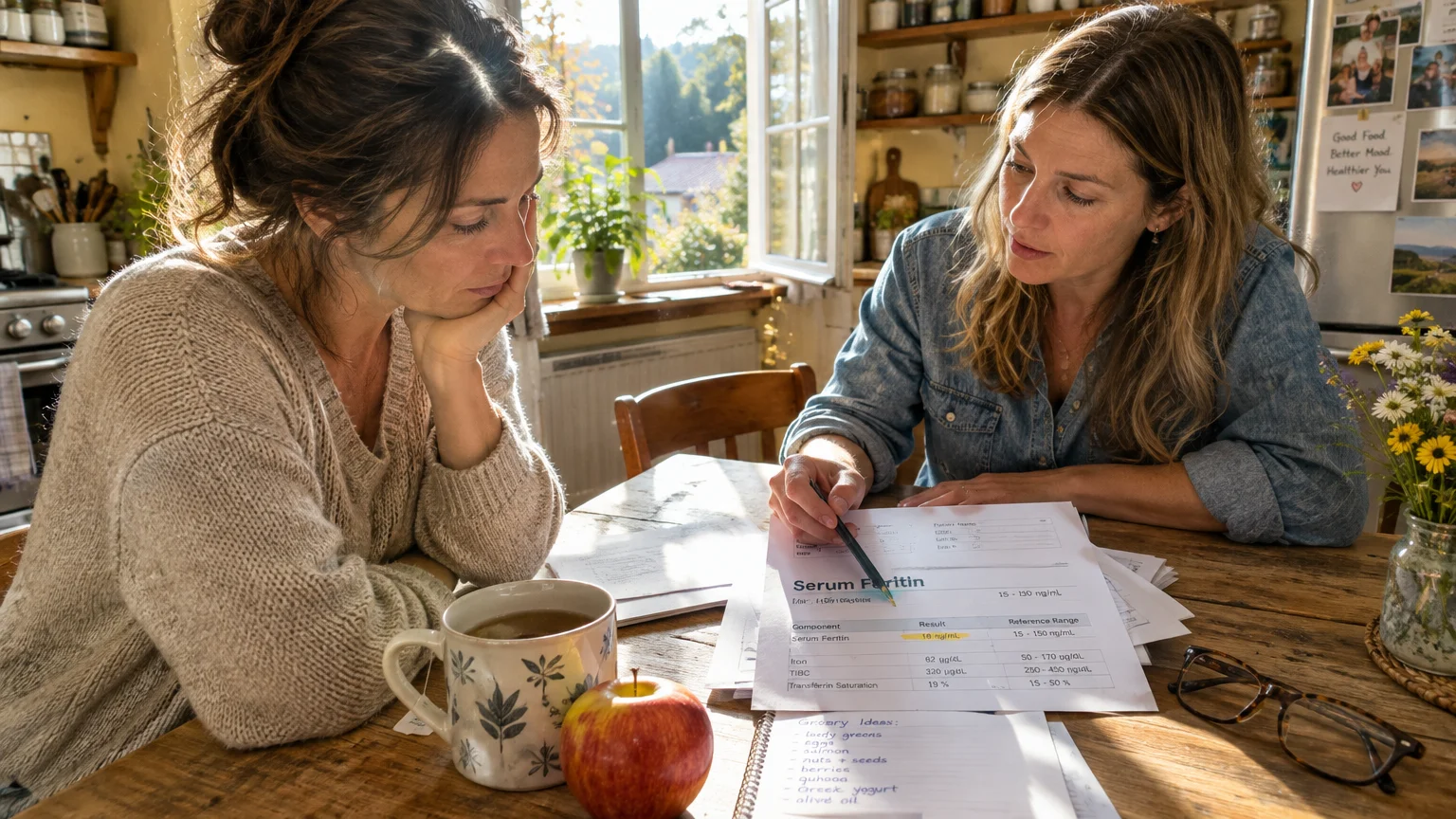
Before introducing high-potency iron pills into your routine, request a comprehensive iron panel from your primary care physician. This diagnostic panel should measure serum iron, total iron-binding capacity, transferrin saturation, and serum ferritin.
Serum ferritin reflects your body’s total intracellular iron reserves, providing a far more accurate assessment than hemoglobin alone. Hemoglobin levels often remain normal until iron stores have experienced severe, prolonged depletion.
Certain genetic conditions, such as hereditary hemochromatosis, cause the body to absorb excessive amounts of dietary iron. Individuals carrying these genetic mutations must strictly moderate their intake and avoid fortified foods to prevent organ toxicity.
Work directly with a credentialed registered dietitian or physician to interpret your lab values and personalize your intake. Professional guidance ensures you treat verified deficiencies safely without overshooting your biological needs.
Frequently Asked Questions
Can you meet your daily iron needs entirely from plants without taking supplements?
Yes, you can readily satisfy your biological iron requirements using whole plant foods alone. Consuming diverse legumes, seeds, nuts, and greens while pairing them with vitamin C easily achieves your adjusted intake targets.
If clinical laboratory testing reveals depleted ferritin stores, a physician may recommend a temporary therapeutic supplement. Once your internal reserves normalize, a thoughtful, whole-food plant diet maintains those stores over the long term.
Does cooking vegetables increase or decrease their dietary iron content?
Cooking does not destroy elemental minerals like iron; instead, it frequently enhances their biological availability. Heating breaks down tough plant cell walls and partially deactivates oxalates and polyphenols that inhibit absorption.
Furthermore, cooking causes voluminous leafy greens like spinach to wilt down significantly in mass. A half-cup of cooked spinach delivers vastly more iron than the same volume of raw leaves.
What are the earliest physical signs of inadequate iron intake?
Early iron depletion manifests as generalized fatigue, reduced cognitive focus, uncharacteristic brain fog, and exercise intolerance. You might notice unusual shortness of breath when walking up stairs or performing routine physical activities.
Physical signs can include pale conjunctiva, brittle nails, cold extremities, and restless leg sensations in the evening. If you experience these recurring symptoms, schedule a routine blood panel with your medical provider.
How long does it take to restore depleted iron reserves through dietary changes?
Rebuilding depleted ferritin reserves through dietary adjustments alone is a gradual, steady process. Most individuals observe improvements in subjective energy levels and exercise tolerance within six to eight weeks of dietary modification.
However, fully replenishing cellular ferritin stores often takes between three and six months of consistent nutritional execution. Retesting your blood panel every three months allows your healthcare team to track progress accurately.
Take Your Next Step Today
Nourishing your body with plant-based iron does not require complex meal charts or confusing calculations. It simply begins with choosing whole, mineral-rich ingredients and pairing them intelligently on your plate.
Select one single action from this guide to execute within the next 24 hours. You might add a handful of roasted pumpkin seeds to your lunch salad or fold canned white beans into tonight’s dinner.
Small, deliberate culinary upgrades create profound compounding benefits for your daily stamina, focus, and long-term vitality. Embrace the vibrant abundance of the plant kingdom and give your body the rich nourishment it deserves.