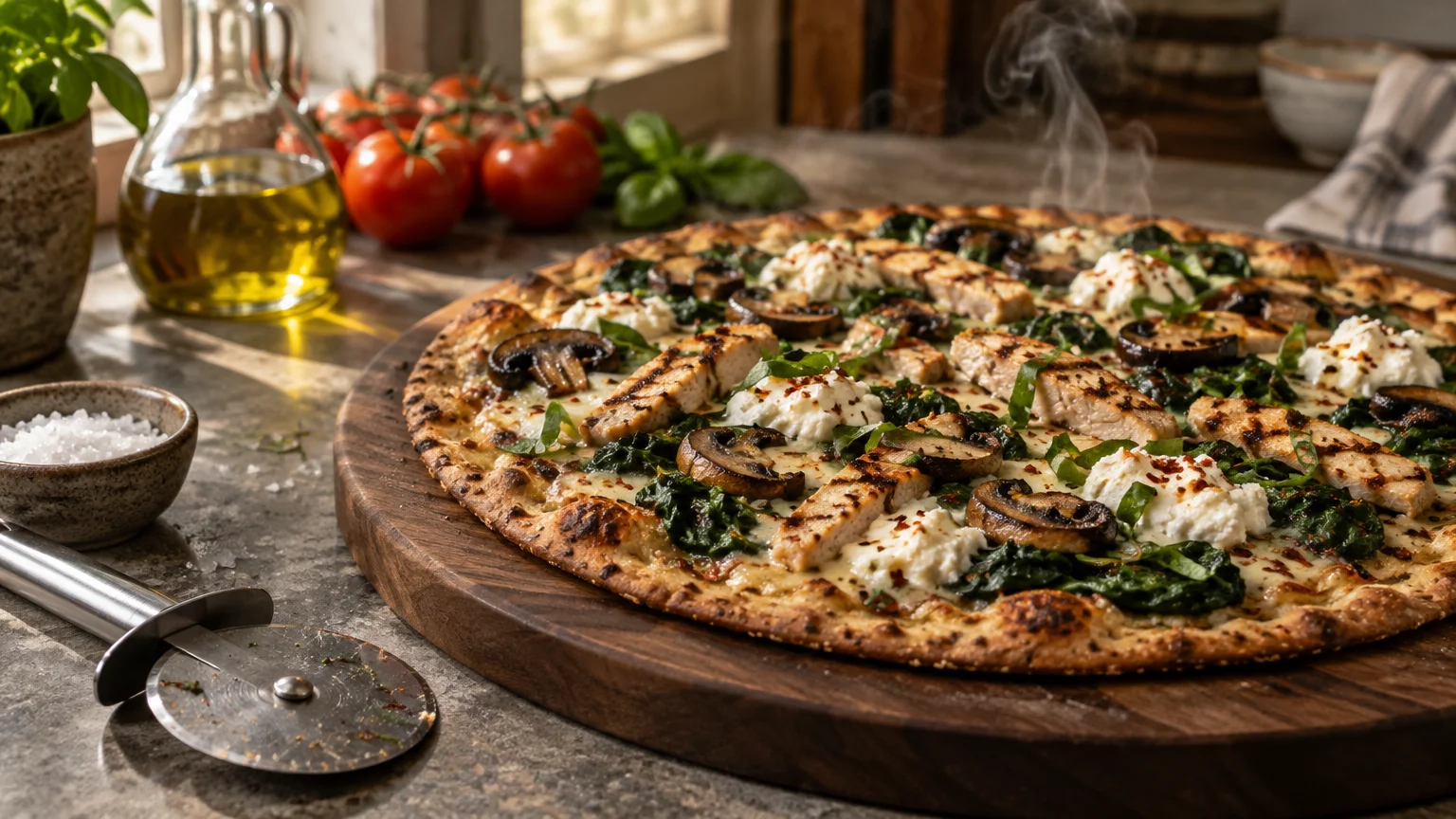
Managing blood sugar does not mean giving up your favorite slice of pizza on Friday night. With intentional topping combinations, you can easily turn a standard comfort food into a metabolically balanced dinner.
Adding nutrient-dense vegetables, lean proteins, and smart fats alters how your digestive system breaks down simple starches. This balance flattens glucose curves and keeps your energy steady for hours after eating.
Understanding how to build your slice allows you to enjoy meals without fear of delayed glycemic surges. You can protect your long-term health while still savoring genuine culinary satisfaction.
Understanding the Pizza Effect on Blood Glucose
The Dual-Phase Glycemic Challenge
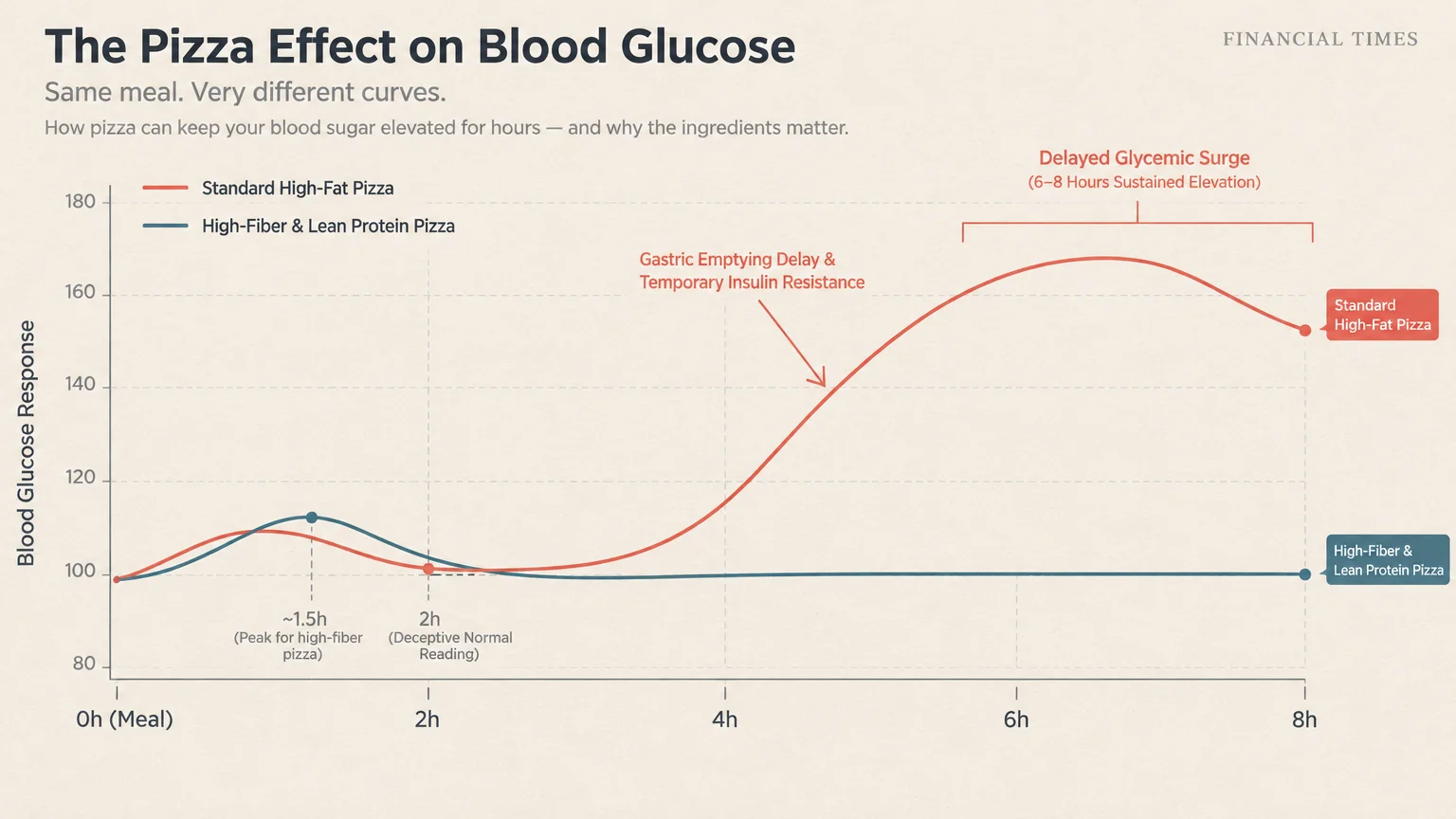
Pizza presents a unique physiological challenge often referred to in clinical practice as the pizza effect. Traditional pizza combines refined flour crust with significant amounts of dietary fat from cheese and processed meats.
Simple starches digest quickly into free glucose, triggering an early insulin demand. However, dense saturated fats delay stomach emptying, slowing that initial carbohydrate absorption down substantially.
This delayed digestion often results in a deceptive normal blood sugar reading two hours after eating. Unfortunately, the absorbed glucose enters circulation several hours later, causing sustained overnight hyperglycemia.
Elevated free fatty acids in the bloodstream also trigger temporary cellular insulin resistance. This combination leaves your body struggling to clear circulating glucose effectively for six to eight hours.
Researchers at the National Institute of Diabetes and Digestive and Kidney Diseases emphasize how macronutrient composition directly governs postprandial glycemic patterns. Balancing your meal architecture resolves this physiological bottleneck.
How Dietary Fiber and Protein Reshape Digestion
You can reshape this metabolic response by intentionally altering the macronutrient ratio on top of the crust. Dietary fiber and lean protein provide the physiological tools needed to smooth postprandial glucose curves.
Viscous soluble fiber creates a gel-like matrix inside your small intestine. This physical barrier slows digestive enzyme access to starches, moderating the speed of glucose absorption into capillary beds.
Insoluble fiber adds bulk and accelerates intestinal transit through later digestive stages. This action prevents prolonged exposure to fermentable starches and promotes healthier microbial fermentation.
Lean proteins stimulate the secretion of satiety hormones, including peptide YY and glucagon-like peptide-1. These biochemical messengers signal satiety to your brain and support steady post-meal pancreatic responses.
By shifting the focus from refined starches to active, functional ingredients, you neutralize glycemic volatility. Your pizza becomes an instrument of metabolic stability rather than a clinical setback.
A Dietitian’s 6 Best Pizza Toppings for Blood Sugar Control
1. Sautéed Spinach and Dark Leafy Greens
Dark leafy greens represent one of the most concentrated sources of protective micronutrients available. Sautéed spinach delivers substantial dietary fiber while adding negligible calories or digestible carbohydrates to your meal.
Spinach provides exceptional levels of elemental magnesium, a vital intracellular cofactor for glucose metabolism. Magnesium directly assists tyrosine kinase activity, the enzymatic trigger within cellular insulin receptors that allows glucose entry.
Clinical data consistently associate higher dietary magnesium intake with improved insulin sensitivity across diverse populations. Adding two generous handfuls of cooked spinach directly reinforces this biochemical pathway.
Greens also introduce dietary nitrates that convert into nitric oxide within vascular walls. This compound supports microvascular dilation, facilitating efficient oxygen delivery and nutrient handling during digestion.
To prepare spinach for pizza, sauté fresh leaves briefly with minced garlic and olive oil. Squeeze out excess liquid thoroughly before spreading the greens evenly across your pizza crust.
This preparation prevents a soggy texture while concentrating the beneficial bioflavonoids onto every slice. You achieve rich savory flavor alongside measurable metabolic protection.
2. Grilled Chicken Breast and Lean Poultry
Traditional pizza meats like pepperoni and pork sausage flood your system with dense saturated fats and sodium. Grilled chicken breast offers an outstanding lean protein alternative that stabilizes glucose without metabolic strain.
Chicken breast contains complete protein containing all nine essential amino acids required for human health. These amino acids stimulate the release of gastric inhibitory polypeptide, which regulates postprandial insulin release constructively.
Protein requires more metabolic energy to break down than simple carbohydrates or dietary fats. This elevated thermic effect supports resting energy expenditure while blunting sharp post-meal glucose spikes.
Lean poultry avoids the high saturated fat load that induces acute, prolonged insulin resistance. Your cells remain responsive to circulating insulin throughout the digestive window.
For an authentic Italian flavor profile, season diced chicken breast with fennel seeds, garlic powder, and crushed rosemary. This herb blend mimics the traditional flavor of Italian sausage without the inflammatory fatty acid profile.
Distribute the lean chicken evenly to guarantee that every bite contains an optimal ratio of protein to starch. This deliberate plating tactic curbs cravings and promotes sustained satiety.
3. Cremini, Shiitake, and Portobello Mushrooms
Mushrooms provide deep umami satisfaction while functioning as powerful metabolic buffers. Cremini, shiitake, and portobello varieties contain substantial amounts of beta-glucans, a distinct category of bioactive soluble fibers.
Beta-glucans increase the viscosity of chime within the upper digestive tract. This physical property slows down carbohydrate breakdown, ensuring a gradual, manageable trickle of glucose into circulation.
Mushrooms also supply ergothioneine, an extraordinary antioxidant that protects pancreatic beta cells from oxidative damage. Healthy beta cells produce insulin more efficiently in response to nutrient consumption.
The rich umami profile of mushrooms activates glutamate receptors on the tongue, creating deep culinary satisfaction. This sensory richness reduces the psychological desire for excessive cheese or processed meats.
Before adding mushrooms to your pizza, slice them thinly and sear them in a dry, hot skillet. Evaporating their natural moisture concentrates their savory earthiness and keeps your crust delightfully crisp.
Pairing cooked mushrooms with aromatic herbs like thyme elevates both the nutritional depth and sensory experience. You gain potent glycemic management wrapped in gourmet flavor.
4. Tender Artichoke Hearts
Artichoke hearts offer an exceptional combination of culinary sophistication and prebiotic power. They serve as one of nature’s richest whole-food sources of inulin, a unique fructooligosaccharide fiber.
Human digestive enzymes cannot break down the chemical bonds inside inulin molecules. Consequently, inulin passes through the small intestine intact, completely avoiding any contribution to blood glucose elevation.
Once inulin reaches your large intestine, beneficial probiotic bacteria ferment it into short-chain fatty acids. Compounds like acetate, propionate, and butyrate reinforce the gut barrier and enhance systemic insulin sensitivity.
Propionate travels directly to your liver, where it downregulates hepatic gluconeogenesis, your body’s internal glucose production. This biochemical regulation helps stabilize resting blood sugar hours after your meal has ended.
Select water-packed or frozen artichoke hearts rather than varieties preserved in seasoned vegetable oils. Rinse canned versions thoroughly to remove surface sodium, then quarter them for even distribution.
The tangy, tender bite of artichokes cuts through creamy cheeses perfectly. This balance creates a complex flavor profile while delivering profound benefits to your gastrointestinal microbiome.
5. Part-Skim Mozzarella and Fresh Whole-Milk Ricotta
Cheese remains the soulful cornerstone of a satisfying pizza, but balance dictates metabolic success. Choosing part-skim mozzarella alongside fresh ricotta delivers luxurious creaminess with a favorable nutritional profile.
Dairy fat exists within a unique structure called the milk fat globule membrane. The Academy of Nutrition and Dietetics notes that this dairy matrix moderates lipid absorption differently than isolated fats.
Part-skim mozzarella reduces the overall saturated fat burden while preserving essential dairy proteins. Its high casein content provides a slow, steady release of amino acids over several hours.
Fresh ricotta supplies intact whey protein fractions alongside bioavailable calcium ions. Calcium participates directly in intracellular signaling pathways that govern normal insulin secretion from pancreatic tissues.
Whey protein also stimulates rapid release of glucagon-like peptide-1 within the gastrointestinal tract. This hormonal trigger slows gastric motility and dampens post-meal glucose excursions significantly.
Dollop small tablespoons of fresh ricotta across the pizza rather than covering the surface with melted cheese. This culinary technique provides rich pockets of indulgence while controlling total fat intake.
6. Roasted Bell Peppers and Red Onions
Roasted bell peppers and red onions deliver vibrant color, bright sweetness, and concentrated plant bioflavonoids. Despite their naturally sweet finish when roasted, both vegetables possess exceptionally low glycemic loads.
Red onions serve as an extraordinary dietary reservoir of quercetin, a potent polyphenol antioxidant. Quercetin inhibits intestinal alpha-glucosidase enzymes, slowing the conversion of complex starches into absorbable monosaccharides.
Bell peppers provide massive concentrations of ascorbic acid, commonly recognized as vitamin C. Clinical studies associate optimal vitamin C status with reduced markers of systemic inflammation and better glycemic control.
The natural fibers in peppers and onions add physical bulk to every slice you eat. This bulk activates mechanical stretch receptors in your stomach wall, signaling fullness directly to your brain.
Roast your sliced peppers and onions in an oven until their edges caramelize slightly. This caramelization satisfies your palate’s desire for sweetness without relying on added sugars or sweetened sauces.
Combining these colorful vegetables ensures a wide spectrum of anthocyanins and carotenoids on your plate. You protect cellular membranes against oxidative stress while maintaining stable post-meal glucose readings.
Crust Strategies, Sauce Quality, and Food Sequencing
Evaluating Crust Options for Glycemic Load
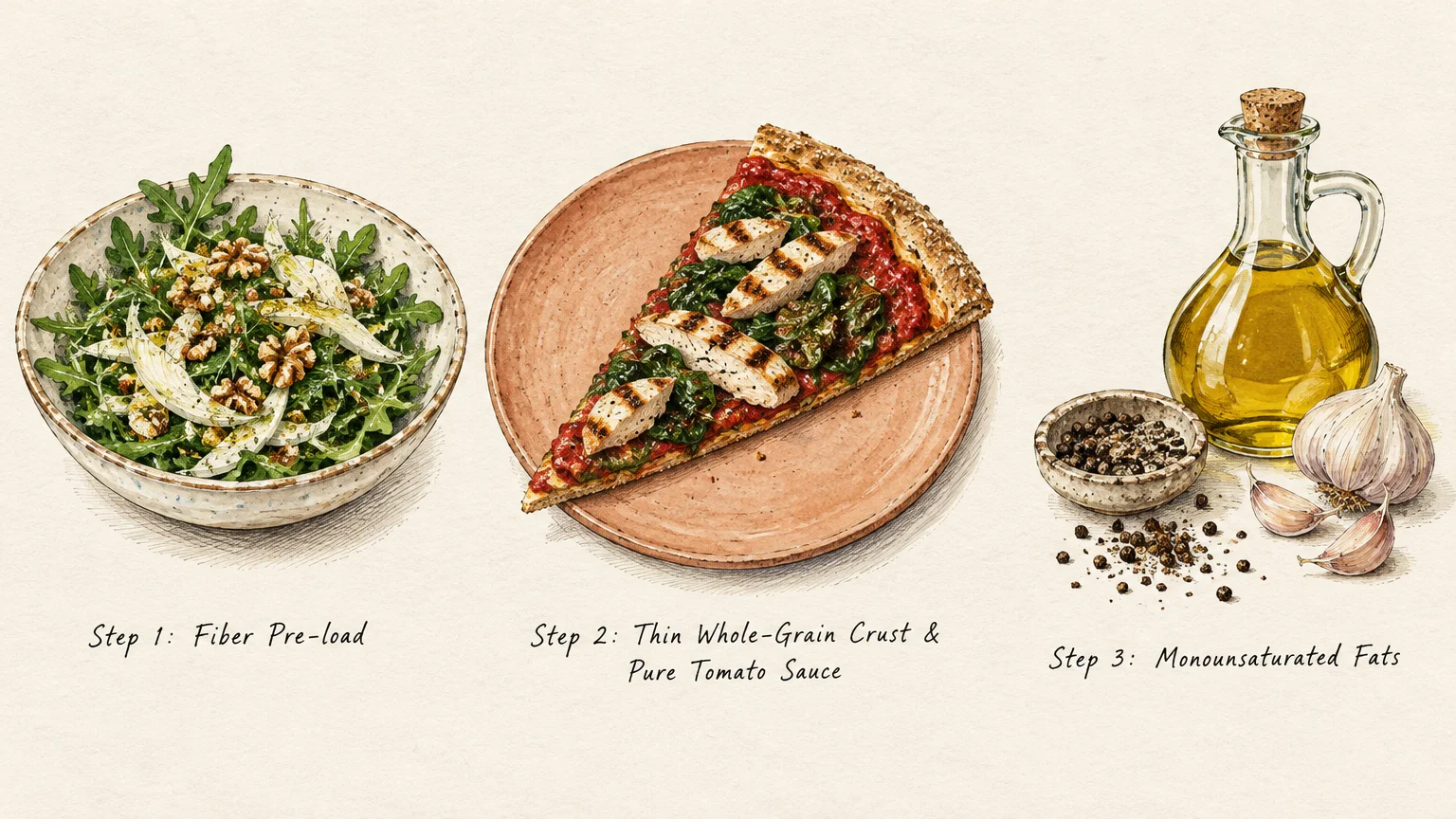
The crust provides the foundational carbohydrate base that dictates your initial insulin requirement. Traditional thick-crust pizzas deliver enormous amounts of refined flour that overwhelm metabolic clearance mechanisms.
Opting for a thin-crust style instantly cuts your total carbohydrate intake by half or more. A thinner base shifts the macronutrient ratio decisively toward your fiber- and protein-rich toppings.
Consider authentic sourdough crusts crafted through traditional, slow bacterial fermentation. Lactic acid bacteria modify starch structures and generate organic acids that significantly reduce post-meal glycemic responses.
Vegetable-based crusts made with cauliflower or chickpea flour can also serve as creative alternatives. However, examine commercial packaging closely, as many pre-made vegetable crusts contain refined potato starch binders.
Prioritize whole-grain or sprouted flours whenever scratch-baking your own crust at home. Intact whole grains retain the germ and bran layers, preserving natural fiber and trace minerals.
Whatever crust you select, keep the portion intentional and aligned with your nutritional plan. Treating the crust as a vehicle for therapeutic toppings ensures success.
Selecting Sauces Without Hidden Sugars
Commercial pizza sauces frequently harbor substantial quantities of high-fructose corn syrup and sucrose. These hidden simple sugars absorb rapidly, creating immediate glucose spikes before toppings even digest.
Scrutinize retail nutrition labels carefully, choosing options with zero added sugars listed. The ingredient statement should feature only crushed tomatoes, extra virgin olive oil, herbs, and basic seasonings.
Tomatoes are naturally rich in lycopene, a carotenoid antioxidant that combats vascular inflammation. Lycopene bioavailability increases substantially when tomatoes are cooked and paired with healthy fats like olive oil.
You can create an effortless, blood-sugar-friendly sauce by crushing whole San Marzano canned tomatoes by hand. Stir in dried oregano, minced garlic, sea salt, and a splash of extra virgin olive oil.
Garlic introduces allicin, a bioactive sulfur compound associated with improved metabolic regulation and cardiovascular protection. Authentic, simple sauces maximize nutritional benefit while eliminating unneeded refined carbohydrates entirely.
Apply sauce evenly, maintaining a balanced layer that provides vibrant acidity. Pure tomato richness elevates your toppings without burdening your endocrine system.
The Power of Pre-Meal Food Sequencing
The sequence in which you consume foods exerts a profound influence on your postprandial glucose curve. Eating carbohydrates first leads to rapid gastric emptying and aggressive glucose spikes.
Consuming dietary fiber and lean protein ahead of starches fundamentally alters digestive kinetics. The Centers for Disease Control and Prevention highlights how structured meal planning improves daily glycemic predictability.
Begin your meal with a small side salad dressed with extra virgin olive oil and vinegar. Leafy greens physically coat the mucosal lining of your small intestine before pizza starches arrive.
Acetic acid found within vinegar partially deactivates salivary and pancreatic alpha-amylase enzymes. This enzymatic inhibition slows the rate at which digestive juices dismantle complex starches into free sugars.
After your starter salad, consume the protein and vegetable toppings from your pizza first. Finish with the remaining crust toward the end of your dining experience.
This simple behavioral sequencing flattens glucose peaks without reducing your overall food volume. You leave the table comfortably satisfied, metabolically stable, and free from sluggish energy crashes.
Lifestyle Synergies: Movement, Meal Timing, and Stress
Post-Meal Physical Activity and Non-Insulin Glucose Uptake
Your lifestyle habits surrounding a pizza dinner exert an enormous impact on glucose disposal. Physical movement represents your most powerful real-time tool for flattening postprandial glucose excursions.
Engaging in a light fifteen- to twenty-minute walk immediately following your meal initiates muscular contractions. These mechanical contractions activate glucose transporter type 4 proteins within skeletal muscle tissues independently of insulin.
This non-insulin-dependent pathway clears glucose directly out of your bloodstream to fuel working muscles. Your pancreas experiences far less pressure to produce large volumes of corrective insulin.
Even modest household movement, such as washing dishes or tidying up, produces measurable metabolic improvements. Avoiding immediate sedentary rest prevents glucose from stagnating inside your vascular system.
Aim for gentle, steady movement rather than high-intensity exercise right after eating pizza. Intense exertion diverts blood away from your digestive tract, causing gastrointestinal distress and hormonal stress responses.
Make a brief post-meal stroll a non-negotiable family ritual whenever you enjoy pizza. This enjoyable habit pays profound dividends for your metabolic well-being.
Circadian Rhythms and Evening Dining
Your body processes nutrients through a biological clock dictated by natural circadian rhythms. Human insulin sensitivity peaks during morning daylight hours and declines steadily as night approaches.
Consuming a large, carbohydrate-dense pizza late in the evening conflicts with this biological design. As bedtime nears, your pineal gland releases melatonin, which actively suppresses pancreatic insulin secretion.
Eating pizza two hours before sleeping causes prolonged nocturnal hyperglycemia and disrupted sleep architecture. Elevated blood sugar through the night impairs restful deep-sleep cycles and triggers morning fatigue.
To optimize metabolic handling, schedule your pizza night earlier in the evening hours. Finishing dinner at least three to four hours before bedtime gives your body time to process starches.
If dining out late is unavoidable, keep your portion small and prioritize protein and greens. Aligning your dining schedule with circadian physiology preserves your metabolic resilience.
Restful, uninterrupted sleep stabilizes leptin and ghrelin, the hormones governing appetite the following day. Respecting circadian boundaries protects your metabolic goals over the long haul.
Stress Reduction and Autonomic Balance
Your mental and emotional state directly alters how your digestive system handles incoming nutrients. Chronic psychological stress activates your sympathetic nervous system, often called the fight-or-flight response.
Sympathetic activation triggers the release of cortisol and adrenaline from your adrenal glands. These stress hormones signal your liver to dump stored glycogen into the bloodstream as glucose.
Eating in a rushed, anxious state combines dietary carbohydrates with internal stress-induced glucose surges. This compounding effect creates severe insulin resistance and prolonged glycemic elevations.
Shift your body into a parasympathetic state before taking your very first bite of pizza. Take three slow, deep breaths, sit down at a dedicated table, and silence digital notifications.
Mindful eating encourages thorough chewing, which mixes food with salivary enzymes and enhances digestion. Tasting each distinct ingredient fosters psychological satisfaction, preventing mindless overconsumption of refined crust.
Treat your pizza meal as an intentional sensory experience rather than a hurried convenience. Calm dining supports optimal digestive enzyme secretion and steady postprandial glucose curves.
Clinical Biomarkers, Medication Timing, and Patient Safety
Tracking Postprandial Glucose Dynamics
Objective data eliminates guesswork when learning how your unique body responds to pizza toppings. Tracking biomarkers provides direct, personalized feedback regarding your metabolic tolerance.
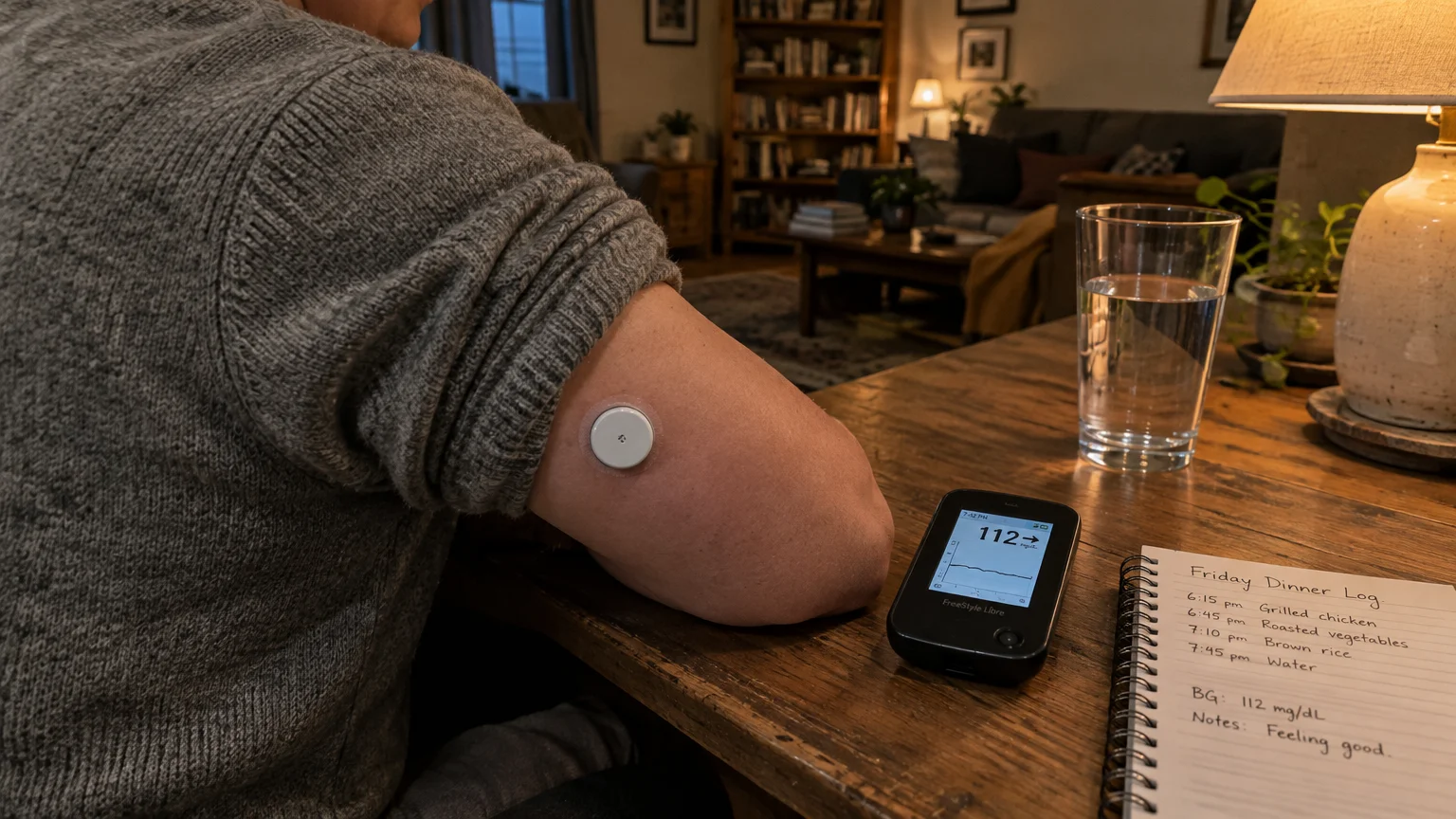
If you use a standard fingerstick glucometer, test your blood glucose immediately before your meal. Check your levels again at the one-hour, two-hour, and four-hour marks post-meal.
The four-hour reading is crucial when evaluating pizza due to the delayed fat-protein absorption curve. A single two-hour check may miss the late nocturnal rise completely.
Continuous glucose monitors provide real-time visibility into the complete trajectory of your glycemic curve. Observe your time-in-range metrics and watch for prolonged plateaus rather than sharp, spiked peaks.
Clinical practice guidelines from the American Diabetes Association emphasize maintaining postprandial levels below recommended thresholds to prevent vascular strain. Use these objective insights to refine your topping selections continuously.
Document how different topping combinations alter your individual glucose trends over time. Personalized tracking transforms abstract nutritional advice into concrete personal empowerment.
Navigating Medication and Insulin Adjustments
For individuals taking exogenous insulin or insulin secretagogues, pizza requires deliberate clinical navigation. The delayed digestion caused by pizza fats makes standard upfront insulin dosing problematic.
Administering an entire mealtime bolus before eating pizza often causes early hypoglycemia within ninety minutes. The rapid-acting insulin peaks before the delayed dietary glucose has entered your circulation.
Later, as insulin levels fade, the delayed starches digest, causing stubborn, rebound hyperglycemia. Certified diabetes care specialists often recommend specialized dosing strategies to prevent this scenario.
If you use an insulin pump, ask your medical provider about dual-wave or square-wave extended boluses. This functionality delivers a portion of insulin immediately and extends the remainder over several hours.
Those using multiple daily injections may need to discuss split-bolus strategies with their endocrinologist. Never alter your prescribed insulin dosing without direct clinical guidance from your healthcare team.
Collaborating with your clinician ensures your medication matches the complex digestive timeline of your meal. Careful planning eliminates fear and keeps you safe.
Recognizing Glycemic Red Flags
While enjoying modified pizza is generally safe, you must remain alert to clinical red flags. Acute glycemic volatility requires swift, informed intervention to prevent medical complications.
Severe post-meal hypoglycemia, characterized by shakiness, diaphoresis, confusion, or rapid heartbeat, demands immediate treatment. Always keep rapid-acting oral glucose, such as glucose tablets or juice, readily available.
Conversely, persistent, unexplained hyperglycemia exceeding clinical targets for multiple hours requires careful assessment. Resist the urge to stack repeated correction doses of insulin without guidance, as this causes severe late crashes.
Individuals with absolute insulin deficiency must monitor for elevated blood ketones if glucose remains persistently high. Inadequate insulin coverage paired with delayed digestion can rarely precipitate metabolic decompensation.
If you experience nausea, vomiting, abdominal pain, or cognitive changes after eating, seek emergency medical care. These symptoms indicate acute metabolic instability requiring professional intervention.
Maintain open communication channels with your primary care provider or certified diabetes educator. Clear safety protocols ensure you enjoy culinary flexibility with total confidence.
Frequently Asked Questions
How should you customize an order when dining at a traditional pizzeria?
Dining at a traditional pizzeria simply requires confident, specific communication with your server. Request a thin crust to immediately reduce the baseline carbohydrate volume of your meal.
Ask for half the standard cheese allocation, which cuts saturated fat while leaving plenty of melt. Request double portions of non-starchy vegetables like mushrooms, spinach, peppers, and onions.
Choose grilled chicken or sliced turkey breast over traditional pepperoni, bacon, or pork sausage links. Ask your server to hold any sweet barbecue drizzles, hot honey, or glaze finishes.
Order a simple garden salad dressed with olive oil and red wine vinegar as your appetizer. Consuming this fiber starter ensures you enjoy one or two slices without sharp glucose swings.
What are the most affordable grocery toppings for blood sugar balance?
You can assemble a blood-sugar-friendly pizza on a modest grocery budget with smart choices. Frozen chopped spinach offers outstanding nutritional value at a fraction of the cost of fresh specialty greens.
Thaw the frozen spinach completely and squeeze out all excess moisture using a clean kitchen towel. Canned water-packed artichoke hearts and sliced black olives provide shelf-stable, cost-effective fiber sources.
Store-brand blocks of part-skim mozzarella cost significantly less per ounce than pre-shredded bagged cheese. Grating your own block cheese also avoids added starch anti-caking agents found in commercial bags.
Canned tuna or leftover roasted chicken provide high-quality lean protein without premium deli markups. Affordable pantry staples allow you to nourish your metabolic health on any budget.
Can fiber supplements counteract the glycemic impact of traditional pizza?
Over-the-counter fiber powders or capsules cannot fully replicate the physiological effects of intact whole foods. Soluble fiber supplements like psyllium husk do slow gastric emptying to a minor degree.
However, supplemental fiber lacks the complex cellular matrix, micronutrients, and bioflavonoids present in whole vegetables. Swallowing pills does not slow the oral breakdown of refined starches during chewing.
Relying on supplements to balance ultra-processed, high-fat pizza creates a false sense of metabolic security. Intact vegetables and lean proteins alter meal architecture far more effectively than isolated powders.
Use whole-food toppings as your primary intervention whenever building or ordering your pizza. Supplements should only serve as occasional adjunctive support under clinical guidance.
How can you adapt cultural flatbreads to support metabolic health?
Cultural flatbreads, from Middle Eastern manakish to Indian naan and Greek pita, share structural similarities with pizza. You can apply identical blood-sugar-balancing principles across diverse global culinary traditions.
Choose flatbreads crafted from minimally processed flours, such as chickpea flour socca or sprouted wheat lavash. These bases offer significantly higher innate protein and mineral contents than standard white flour.
Top Middle Eastern flatbreads with za’atar herbs, extra virgin olive oil, diced tomatoes, and chopped fresh mint. Add grilled lean lamb skewers or baked falafel to establish substantial protein density.
For South Asian flatbreads, pair whole-wheat roti or paratha with spiced paneer, roasted cauliflower, and fenugreek greens. Emphasizing regional vegetables and lean proteins makes any cultural flatbread metabolically supportive.
Building Sustainable Dietary Habits
True metabolic health is built through sustainable dietary habits rather than restrictive deprivation. Depriving yourself of cultural favorites like pizza often triggers cycles of restriction followed by overeating.
By curating your toppings intentionally, you transform a historically difficult meal into a balanced nutritional triumph. You nourish your cells with fiber, antioxidants, and complete proteins without abandoning social dining.
Commit to implementing one actionable topping adjustment the very next time you prepare or order pizza. Track your postprandial glucose reading carefully and observe the positive stability your choice creates.
Share your dietary goals and continuous glucose tracking data with your personal healthcare team. Working alongside your dietitian ensures your nutrition plan supports lasting wellness and genuine dining joy.