
Adding apple cider vinegar to your daily routine can stabilize post-meal blood sugar surges and support your cardiovascular markers. Clinical research shows that this humble pantry staple offers tangible metabolic benefits when you prepare it correctly.
Many trending health claims exaggerate what vinegar can do, leading to confusion and preventable side effects. Learning how acetic acid works biochemically allows you to separate clinical evidence from viral internet fiction.
A clinical pharmacist evaluates the research to help you navigate four specific health conditions that benefit from vinegar. You will discover practical ways to protect your oral health while optimizing daily metabolic results.
The Science of Acetic Acid: How Vinegar Works in Your Body
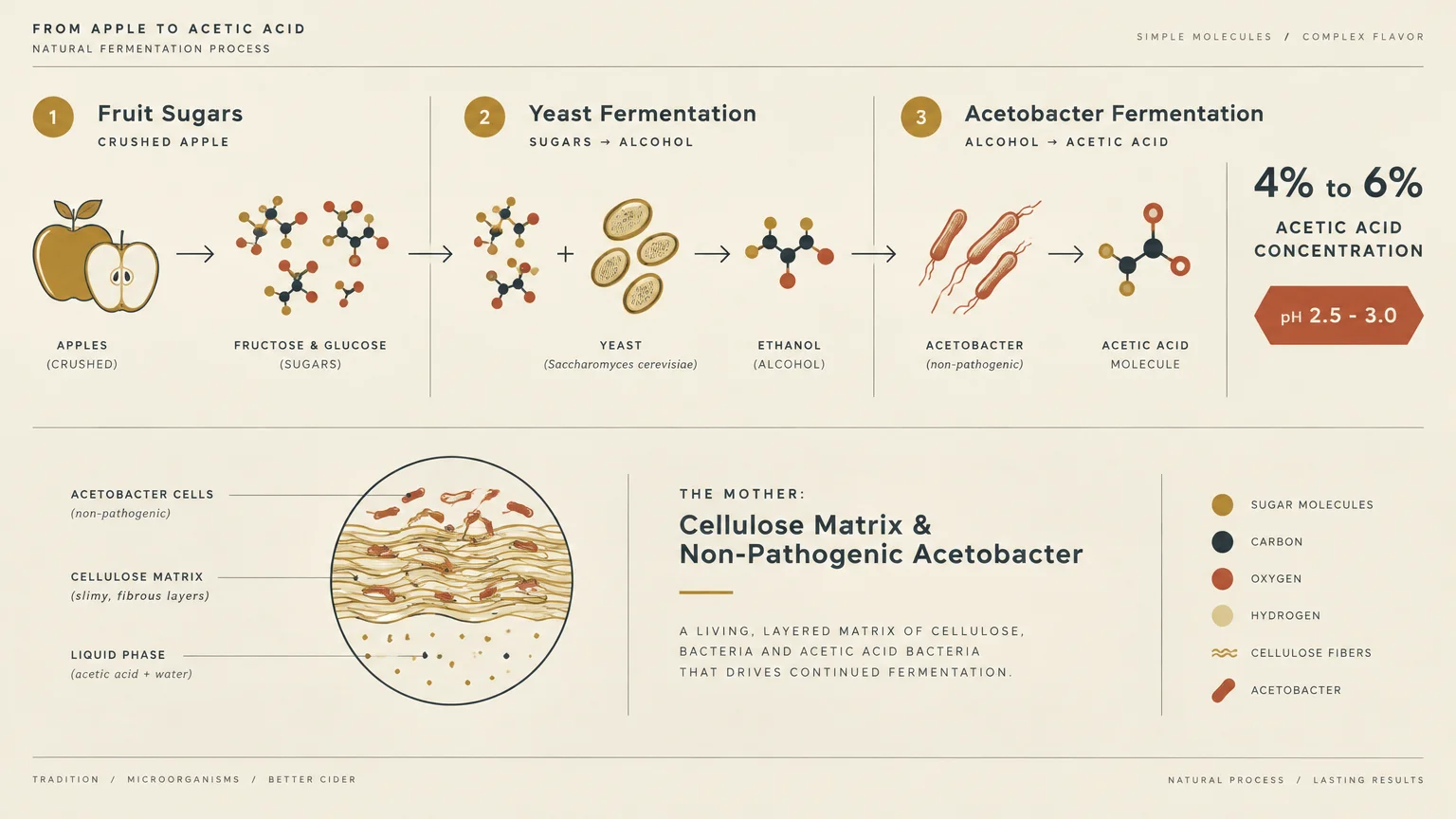
Apple cider vinegar begins as crushed apples exposed to specialized yeast strains that convert fruit sugars into alcohol. Beneficial bacteria then ferment that alcohol into acetic acid, creating vinegar’s signature sour aroma and pungent flavor profile.
The FDA Compliance Policy Guide mandates that commercial liquid vinegar contain at least 4 grams of acetic acid per 100 mL. Most grocery brands feature between 4% and 6% acetic acid, producing an acidic pH between 2.5 and 3.0.
Acetic acid drives the metabolic shifts documented in contemporary pharmacology trials. It interacts directly with digestive enzymes, delays stomach emptying, and influences cellular signaling pathways inside your liver.
Bottles labeled raw and unfiltered contain the mother, which appears as a cloudy, web-like sediment at the bottom. This mass consists of non-pathogenic acetobacter microbes, structural cellulose matrices, and residual fermenting proteins.
While the mother provides minute traces of yeast-derived compounds, the acetic acid molecule produces the measurable health improvements. Filtered vinegar delivers similar chemical activity, provided its acetic acid concentration remains identical.
Understanding this primary active constituent helps you evaluate clinical evidence with confidence. Acetic acid alters nutrient absorption in real time rather than performing vague detoxification rituals.
Condition 1: Postprandial Blood Sugar Spikes and Glycemic Fluctuations
Rapid glucose spikes after high-carbohydrate meals stress your vascular system and promote insulin resistance over time. Many adults struggle with elevated postprandial glucose levels despite eating balanced meals.
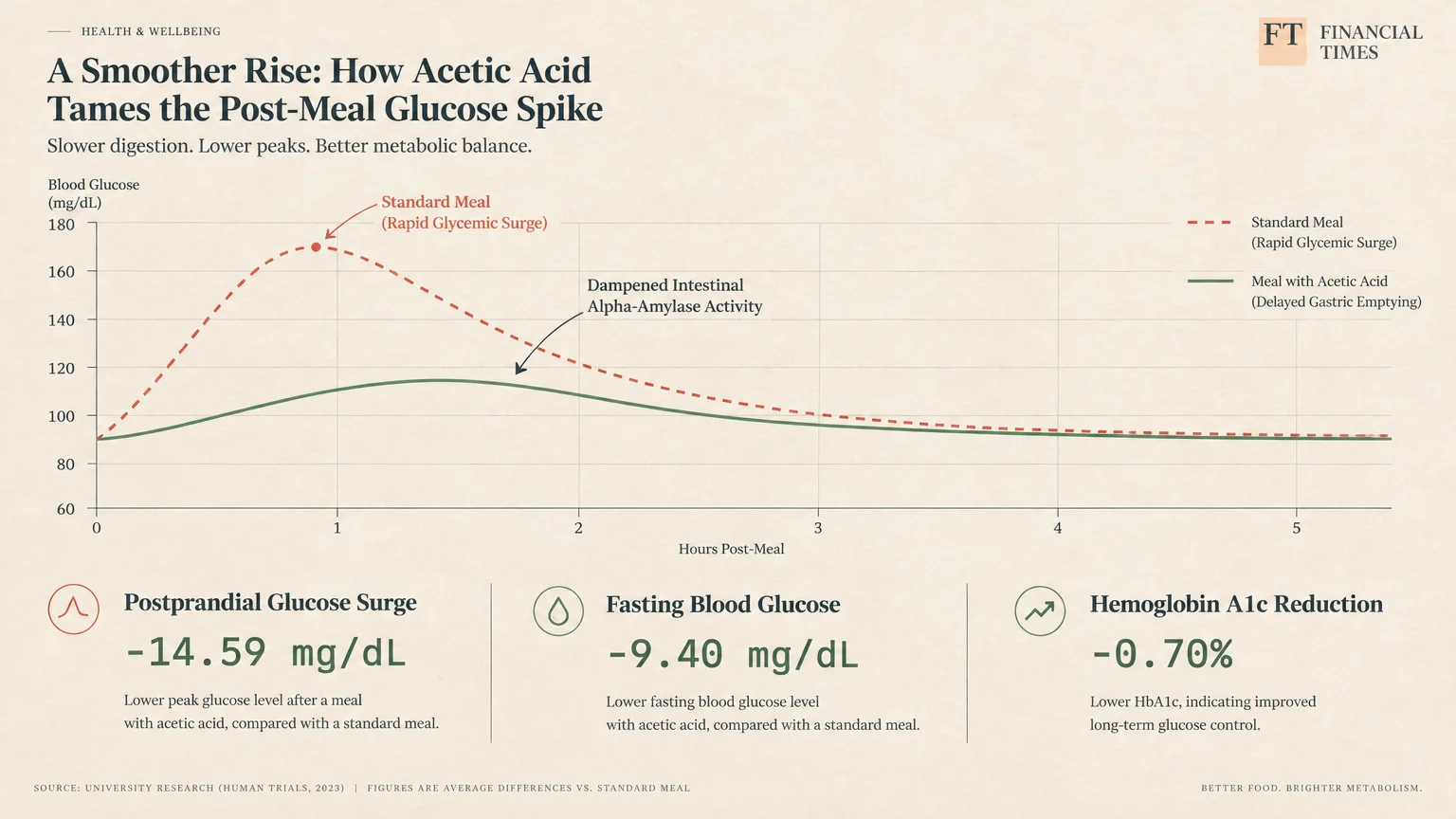
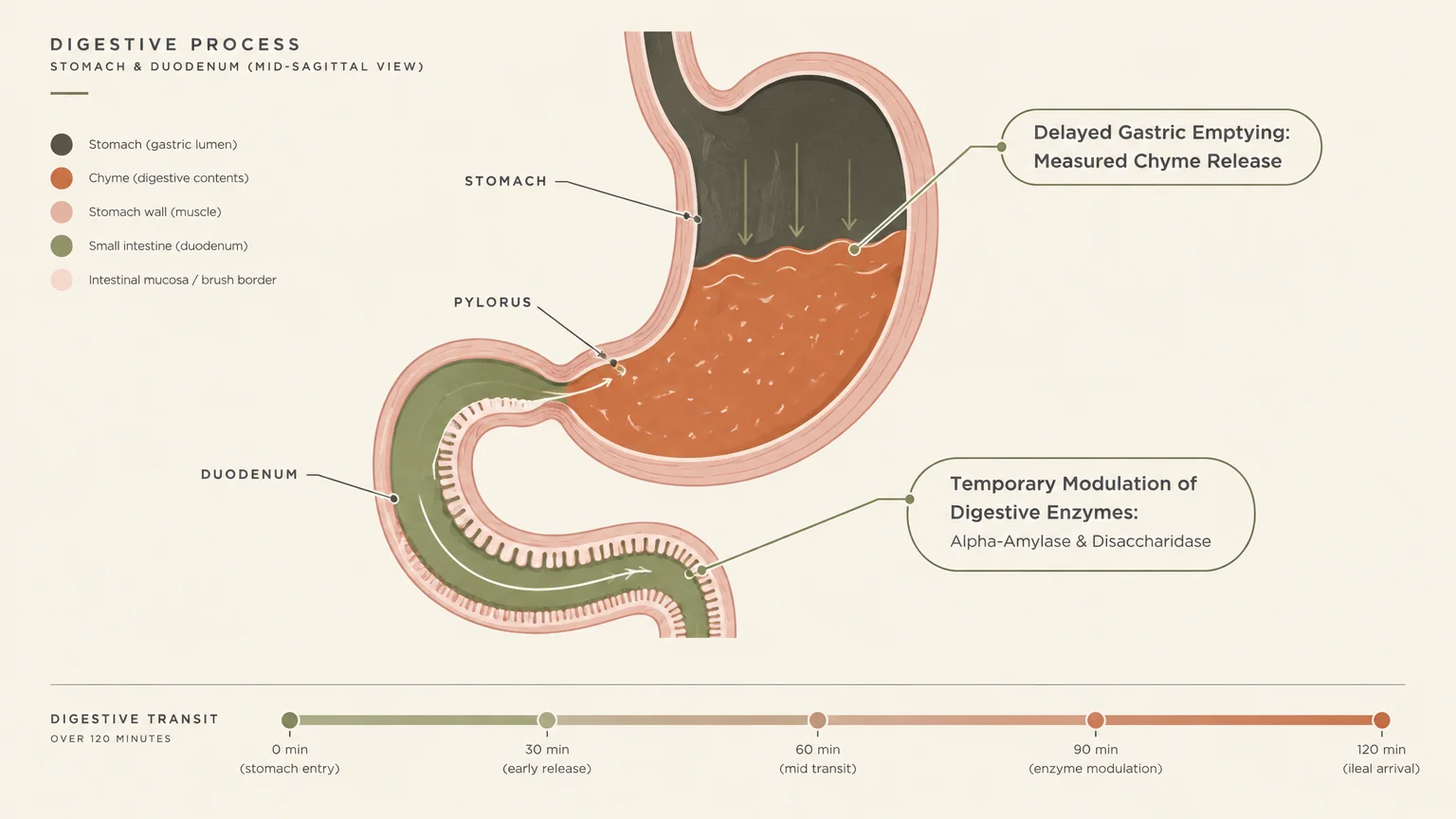
Acetic acid slows gastric emptying, releasing partially digested food into your small intestine at a measured pace. This gradual transit prevents glucose from flooding your bloodstream in sudden, unmanageable waves.
Vinegar also temporarily reduces the activity of intestinal alpha-amylase and disaccharidase enzymes. These digestive catalysts break complex carbohydrates into simple sugars, so dampening their speed moderates glucose absorption.
According to CDC resources on blood glucose management, consistent glycemic control remains critical for preventing cardiometabolic complications. Adding dietary acid before meals supports that clinical goal.
An umbrella review published in May 2026 in Food Science & Nutrition examined 10 meta-analyses covering 38 randomized controlled trials. The researchers verified that regular vinegar consumption produced statistically significant reductions in postprandial glucose by 14.59 mg/dL.
That same comprehensive review recorded an average decrease in fasting blood glucose of 9.40 mg/dL across participants. These figures confirm that vinegar creates sustained systemic effects beyond isolated meals.
Long-term glucose control also improved measurably in the clinical literature. The May 2026 umbrella review documented an overall reduction in Hemoglobin A1c of 0.70%.
An HbA1c drop of that magnitude reflects meaningful glycemic stabilization over a three-month physiological window. For individuals navigating prediabetes, this non-pharmacological strategy provides accessible therapeutic support.
You can optimize this glycemic effect by pairing diluted vinegar with starch-dense meals. Taking vinegar before foods like potatoes, rice, or pasta yields far greater improvements than taking it before low-carbohydrate meals.
Your skeletal muscle cells also benefit from this metabolic interaction. Acetic acid enhances glucose uptake in peripheral muscle tissues, allowing your body to clear circulating sugar with less total insulin secretion.

Condition 2: Elevated Total Cholesterol and Cardiovascular Markers
Cardiovascular disease remains the leading health challenge across the globe, driven largely by disordered lipid metabolism. Chronic elevations in blood lipids damage arterial walls and promote plaque accumulation.
Researchers have identified distinct lipid-lowering qualities associated with regular vinegar intake. Acetic acid influences hepatic lipid processing by activating a critical cellular sensor called AMP-activated protein kinase.
When activated in liver tissue, this kinase enzyme suppresses fatty acid synthesis and slows endogenous cholesterol production. Concurrently, it stimulates fatty acid oxidation, helping your liver break down circulating lipids efficiently.
The May 2026 umbrella review confirmed this cardiovascular benefit across dozens of human clinical trials. Daily vinegar consumption achieved a statistically significant reduction in total cholesterol of 9.39 mg/dL.
Trimming total cholesterol by nearly ten points lowers your cumulative cardiovascular risk profile when maintained alongside proper nutrition. It provides a helpful adjunct to standard lifestyle modifications.
The same review revealed positive vascular outcomes for arterial blood pressure. Regular vinegar consumption reduced systolic blood pressure by an average of 2.94 mmHg.
While a modest decrease, lowering systolic pressure by three points lessens mechanical strain on your endothelial lining. This vascular relaxation stems partly from mild downregulation of renin-angiotensin hormones.
Dietary acids also encourage endothelial nitric oxide production, which helps arterial smooth muscle relax naturally. This physiological cascade expands arterial lumen diameter and reduces peripheral vascular resistance.
You should view vinegar as a supportive cardiovascular habit rather than an alternative to prescribed statins or antihypertensives. It works synergistically with whole-food dietary patterns like Mediterranean or DASH protocols.
Using vinegar as your primary salad dressing base replaces processed dressings loaded with saturated fats and refined sugars. That simple culinary swap compounds the lipid-improving benefits of the acetic acid itself.

Condition 3: Weight Management and Abdominal Waist Circumference
Achieving a healthy body composition requires sustainable energy balance and stable metabolic hormones. Many individuals seek evidence-backed functional foods to assist their daily weight management efforts.
Vinegar assists energy balance primarily by enhancing satiety signals following a meal. Because acetic acid delays stomach emptying, physical fullness lasts longer, naturally curbing the impulse to snack between scheduled meals.
However, you must distinguish between rigorous clinical findings and pervasive internet exaggerations. For years, social media influencers circulated sensational weight loss promises based on unreliable data.
On September 23, 2025, the BMJ Group issued a major retraction of a widely publicized 2024 Lebanese clinical trial. The published retraction notices cited irreproducible statistical analyses, implausible data, and absent trial registration for the study’s dramatic 9% weight loss claims.
Healthcare professionals must discard those fraudulent figures and ground their recommendations in legitimate research. Honest science demonstrates that vinegar provides modest, steady support rather than effortless, dramatic transformations.
Legitimate data appeared in a September 2025 systematic review and meta-analysis published in Nutrients. Researchers analyzed 10 randomized controlled trials encompassing 789 adult participants living with overweight, obesity, or Type 2 diabetes.
Their findings showed that daily apple cider vinegar intake for 4 to 12 weeks modestly reduced body weight, BMI, and waist circumference. The most pronounced therapeutic effects occurred at a daily dosage of 30 mL, or approximately two tablespoons.
The May 2026 umbrella review in Food Science & Nutrition reinforced these realistic body composition findings. Across 38 trials, regular vinegar consumption produced an average weight reduction of 1.06 kg, or roughly 2.3 pounds.
Losing two pounds through a simple dietary addition represents a meaningful non-invasive assist. It helps you preserve lean tissue while supporting gradual adipose tissue loss.
Waist circumference reductions hold particular clinical value because abdominal visceral fat drives chronic systemic inflammation. Decreasing central adiposity directly improves systemic insulin sensitivity and liver health.
Do not expect vinegar to compensate for an ultra-processed diet or an inactive lifestyle. Pair your daily vinegar routine with strength training and adequate dietary protein for sustainable body composition success.
Condition 4: Sluggish Digestion and Mild Functional Indigestion
Many adults experience mild bloating, heaviness, and sluggish digestion after consuming dense, protein-rich meals. These functional symptoms often stem from suboptimal gastric acid secretions or delayed digestive reflexes.
Consuming diluted apple cider vinegar before meals introduces an acidic solution into your oral cavity and stomach. The sour taste stimulates the cephalic phase of digestion, triggering salivary amylase and gastric secretions.
This preliminary enzymatic priming helps your digestive tract break down complex animal proteins and dense fibers. Many patients report experiencing less post-meal fullness when utilizing this pre-meal strategy.
However, you must recognize the physiological distinction between functional indigestion and active gastrointestinal pathology. Vinegar is an acidic liquid that can aggravate inflamed or eroded mucosal linings.
If you suffer from active gastric ulcers, erosive gastritis, or severe gastroesophageal reflux disease, avoid medicinal vinegar. Direct contact between acetic acid and eroded stomach tissue causes sharp burning and tissue irritation.
Patients diagnosed with gastroparesis must also avoid apple cider vinegar. Because acetic acid slows gastric emptying, it exacerbates the delayed stomach clearance typical of diabetic gastroparesis.
For individuals with normal mucosal integrity who experience simple post-meal heaviness, vinegar offers a gentle mechanical boost. It prompts gastric mixing actions and assists lower digestive tract motility.
Fermented vinegar also delivers organic acids that nourish commensal gut bacteria. While not a substitute for clinical probiotics, raw vinegar supports an optimal biochemical environment throughout your gastrointestinal tract.
Always dilute the liquid thoroughly in water to prevent irritating your esophagus during swallowing. Gentle digestive support requires moderate acidity, not harsh, undiluted chemical exposure.

Pharmacist Safety Warnings and Critical Drug Interactions
Because apple cider vinegar is sold alongside standard grocery condiments, consumers often assume it carries zero pharmacological risks. As a registered dietitian and clinical pharmacist team, we emphasize that biologically active substances require caution.
Liquid vinegar presents immediate hazards to your dental enamel due to its high acidity. Enamel begins demineralizing at a pH of 5.5, while commercial vinegar registers a corrosive pH between 2.5 and 3.0.
Drinking straight vinegar shots strips calcium hydroxyapatite crystals from tooth surfaces within seconds. Repeated exposure causes irreversible dental erosion, tooth sensitivity, and accelerated decay.
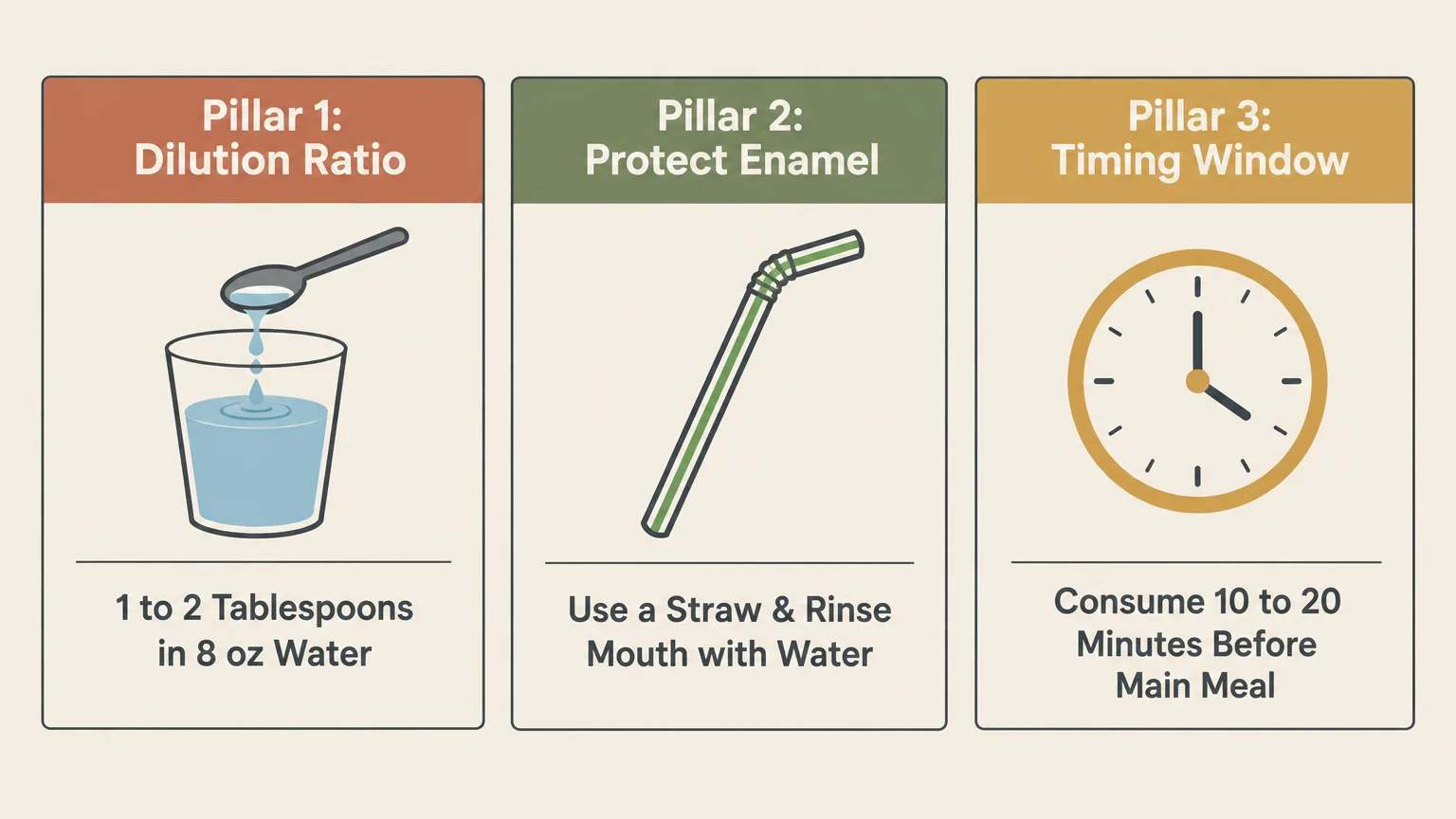
Always dilute vinegar by mixing one to two tablespoons into at least eight ounces of water. Sip the liquid through a straw to direct the acid past your teeth, and rinse your mouth with plain water immediately afterward.
Never brush your teeth for at least thirty minutes after drinking diluted vinegar. Brushing while your enamel remains softened by acid accelerates mechanical erosion and permanently wears down your tooth structure.
Systemic safety concerns center on serum potassium regulation and glucose management. Chronic, unmonitored intake of high-dose vinegar can drive serum potassium down into dangerous hypokalemic ranges.
Hypokalemia alters cardiac conduction pathways, creating life-threatening arrhythmias in vulnerable individuals. This physiological risk creates severe interaction hazards with several common prescription medications.
Patients taking Digoxin, also known as Lanoxin, must avoid consuming medicinal amounts of apple cider vinegar. Low serum potassium dramatically increases the risk of fatal digoxin toxicity and cardiac rhythm disturbances.
Potassium-wasting diuretics present a similar compounded hazard when paired with regular vinegar consumption. Prescription loop diuretics like furosemide and thiazides like hydrochlorothiazide deplete potassium through urine excretion.
Combining these diuretic medications with daily vinegar accelerates potassium loss, causing severe muscle cramps, fatigue, and heart palpitations. Always consult your prescriber before adding daily vinegar if you take fluid medications.
Diabetic patients using injectable insulin or oral secretagogues like glipizide must exercise close glucose monitoring. Because vinegar lowers postprandial glucose by 14.59 mg/dL, combining it with insulin increases your risk of acute hypoglycemia.
You may need careful medication dose adjustments under your physician’s supervision to prevent dangerous blood sugar crashes. Never alter your prescribed insulin dosing independently without clinical guidance.
Commercial vinegar gummies and chewable tablets introduce different consumer risks. The FDA regulates these gummy supplements under dietary supplement guidelines rather than strict pharmaceutical standards.
The FDA does not evaluate gummy formulations for clinical effectiveness or verify their actual acetic acid potency before marketing. Independent laboratory analyses frequently reveal that commercial gummies contain negligible acetic acid alongside unwanted added sugars.
Chewing acidic, sugary gummies also coats your molars in sticky, erosive residue, accelerating dental caries. Liquid vinegar diluted in water remains the most cost-effective and evidence-backed method of administration.
Three Strategy Pillars for Safe Daily Use
Integrating apple cider vinegar into your lifestyle requires structured habits rather than haphazard dosing. Following targeted clinical pillars ensures that you gain metabolic advantages without causing mucosal or dental damage.
Pillar 1: Culinary Pairings and Meal Planning
You do not need to drink vinegar from a medicine cup to capture its cardiometabolic benefits. Integrating vinegar into whole-food cooking delivers identical physiological results with superior gastrointestinal tolerance.
Whisk two tablespoons of raw vinegar with extra virgin olive oil, minced garlic, and stone-ground mustard. Drizzle this homemade vinaigrette over bitter leafy greens, sliced cucumbers, and legumes before lunch or dinner.
The dietary fats in olive oil slow gastric emptying alongside the acetic acid, enhancing glycemic moderation. Cold-pressed fats also assist your absorption of fat-soluble vitamins found in fresh vegetables.
You can also use apple cider vinegar as an acidic marinade for lean poultry, tofu, or fish. The acid tenderizes structural proteins while leaving therapeutic acetic acid residues throughout your cooked meal.
Pickling crisp vegetables like red onions, radishes, and cucumbers offers another convenient culinary avenue. Enjoying a forkful of pickled vegetables before your main course supplies therapeutic acid in an enjoyable format.
Pillar 2: Nutrient Timing and Gradual Titration
Proper nutrient timing maximizes vinegar’s impact on digestive enzymes and postprandial glucose curves. Consume your diluted vinegar or dressed salad 5 to 10 minutes before eating carbohydrate-containing meals.
This timing allows the acetic acid to reach your duodenal mucosa just as digestive enzymes begin breaking down starches. Taking vinegar long after a meal finishes yields significantly smaller improvements in glycemic variability.
Never start with large, therapeutic doses right away. Begin by mixing 5 mL, or one teaspoon, into a tall glass of water once daily to test your gastric tolerance.
If you experience no nausea, reflux, or stomach discomfort after several days, titrate your dose upward. Increase your intake to 15 mL, or one tablespoon, dissolved in eight to ten ounces of cool water.
According to the September 2025 meta-analysis in Nutrients, an intake of 30 mL daily provides peak body composition support. You can divide this into two separate 15 mL servings consumed before your two largest daily meals.
Pillar 3: Hydration Habits and Dilution Protocols
Establishing a consistent, safe dilution ritual protects your upper digestive tract from unnecessary chemical irritation. Keep a dedicated glass tumbler and a reusable silicone or glass straw on your kitchen counter.
Fill the glass with eight to ten ounces of filtered water before pouring your measured dose of vinegar. Adding a squeeze of fresh lemon juice or a sprig of fresh mint makes the flavor palatable without adding refined sugar.
Drink the mixture at a steady pace rather than gulping it down rapidly. Using your straw ensures that the acidic fluid bypasses your front teeth completely.
Keep a separate glass of clean tap water standing nearby on the counter. Once you finish the diluted vinegar, swish the plain water around your mouth thoroughly and swallow or spit it out.
This immediate rinse neutralizes residual oral acidity and protects your tooth enamel. Make this hydration ritual an automatic habit before your primary meals.

Clinical Perspectives: Dietitians and Pharmacists Weigh In
Registered dietitians and clinical pharmacists frequently observe patient success when functional foods complement evidence-based medical therapies. Moving away from extreme cleanses toward sustainable dietary additions produces the best health outcomes.
According to the Academy of Nutrition and Dietetics, evidence-based nutrition focuses on total dietary patterns rather than isolated superfoods. Vinegar works best when embedded within a varied, fiber-rich, and unprocessed eating plan.
Clinical pharmacists emphasize the need for regular laboratory tracking when patients introduce daily metabolic supplements. Monitoring basic metabolic panels, serum potassium, and HbA1c provides objective confirmation of efficacy and safety.
One community health clinic recently documented patient experiences using diluted vinegar dressings before high-glycemic lunches. Participants reported fewer afternoon energy slumps and demonstrated stabilized continuous glucose monitor readings.
Patients who previously struggled with straight vinegar shots reported high satisfaction after switching to culinary vinaigrettes. Enhancing the taste of daily vegetables proved far more sustainable than enduring unpleasant morning shots.
Culturally diverse culinary traditions have embraced vinegar dressings and marinades for centuries. Celebrating these time-tested culinary practices allows you to honor your cultural heritage while advancing modern cardiometabolic health.
Consistency matters far more than intensity when applying nutritional strategies. Modest daily habits sustained over months yield profound clinical dividends for your cardiovascular and metabolic health.
Frequently Asked Questions About Apple Cider Vinegar
Can apple cider vinegar gummies deliver the same health benefits as liquid vinegar?
No, vinegar gummies do not replicate the clinical outcomes demonstrated by liquid apple cider vinegar. The FDA regulates gummies as dietary supplements without requiring standardized acetic acid concentrations or premarket efficacy trials.
Most commercial gummies contain minimal acetic acid and include added cane sugar or glucose syrup, which counteracts glycemic benefits. Liquid vinegar remains the gold standard utilized across peer-reviewed clinical studies.
What is the safest way to consume apple cider vinegar without damaging tooth enamel?
Always dilute one to two tablespoons of liquid vinegar into at least eight ounces of water. Drink the mixture through a reusable straw to minimize contact with your teeth.
Rinse your mouth with plain water immediately after swallowing. Wait at least thirty minutes before brushing your teeth to allow softened enamel minerals to remineralize safely.
When is the best time of day to consume apple cider vinegar?
The optimal time to consume vinegar is 5 to 10 minutes before a balanced meal containing complex carbohydrates. Consuming it before eating allows acetic acid to interact directly with digestive enzymes and slow gastric emptying.
Avoid taking vinegar late at night right before lying down to sleep. Reclining immediately after drinking acidic liquids can provoke esophageal reflux and nocturnal throat irritation.
Does apple cider vinegar interact negatively with prescription medications?
Yes, vinegar can interact with several common prescription drugs, including Digoxin, potassium-wasting diuretics, and insulin. Chronic vinegar consumption lowers serum potassium, increasing the risk of digoxin toxicity and compounding diuretic-induced hypokalemia.
Taking vinegar alongside insulin or sulfonylurea medications increases your risk of hypoglycemia. If you take any of these prescription therapies, consult your pharmacist before introducing daily vinegar.
Your 24-Hour Action Plan
Improving your cardiometabolic health does not require complicated overhauls or expensive supplement regimens. You can put this clinical guidance into practice starting with your very next meal.
Within the next 24 hours, prepare a simple homemade salad dressing using two tablespoons of olive oil and one tablespoon of apple cider vinegar. Drizzle this mixture over a serving of leafy greens or fresh vegetables before your evening dinner.
Notice how your body feels after eating, paying close attention to your post-meal energy and digestive comfort. This simple culinary adjustment delivers therapeutic acetic acid while nourishing your body with nutrient-dense produce.
If you take prescription medications for blood pressure, heart disease, or diabetes, contact your pharmacist today to verify compatibility. Empower yourself with clinical facts and enjoy the simple, proven benefits of this ancient functional food.