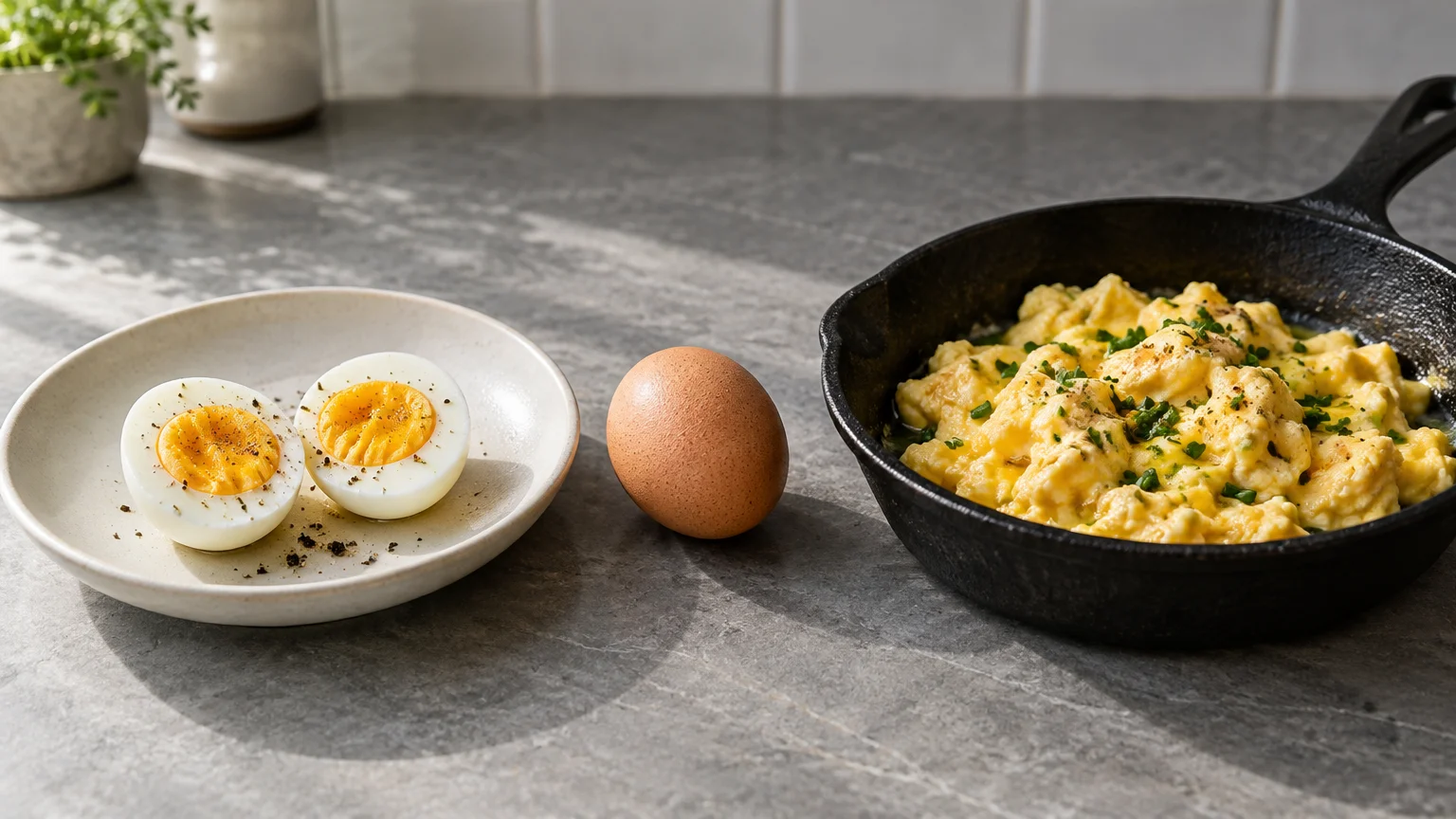
Choosing a hard-boiled egg over a traditional scrambled egg can immediately lower your morning sodium intake and protect your blood pressure. The way you prepare your breakfast fundamentally alters its cardiovascular profile.
Whole eggs provide high-quality protein and essential micronutrients that support vascular health. However, common pan-cooking habits introduce hidden sodium and saturated fats that strain your arterial walls.
By evaluating cooking techniques, you can enjoy eggs daily while keeping your cardiovascular numbers firmly in a safe range. Here is what science reveals about boiling versus scrambling for hypertension management.
The Direct Answer: Hard-Boiled Wins the Baseline Battle
When you compare the two styles in their simplest forms, hard-boiled eggs clearly provide superior blood pressure support. The primary reason comes down to what you add during preparation.
Cooking an egg in boiling water requires no added fat, oil, or sodium. The egg remains self-contained inside its shell throughout the entire culinary process.
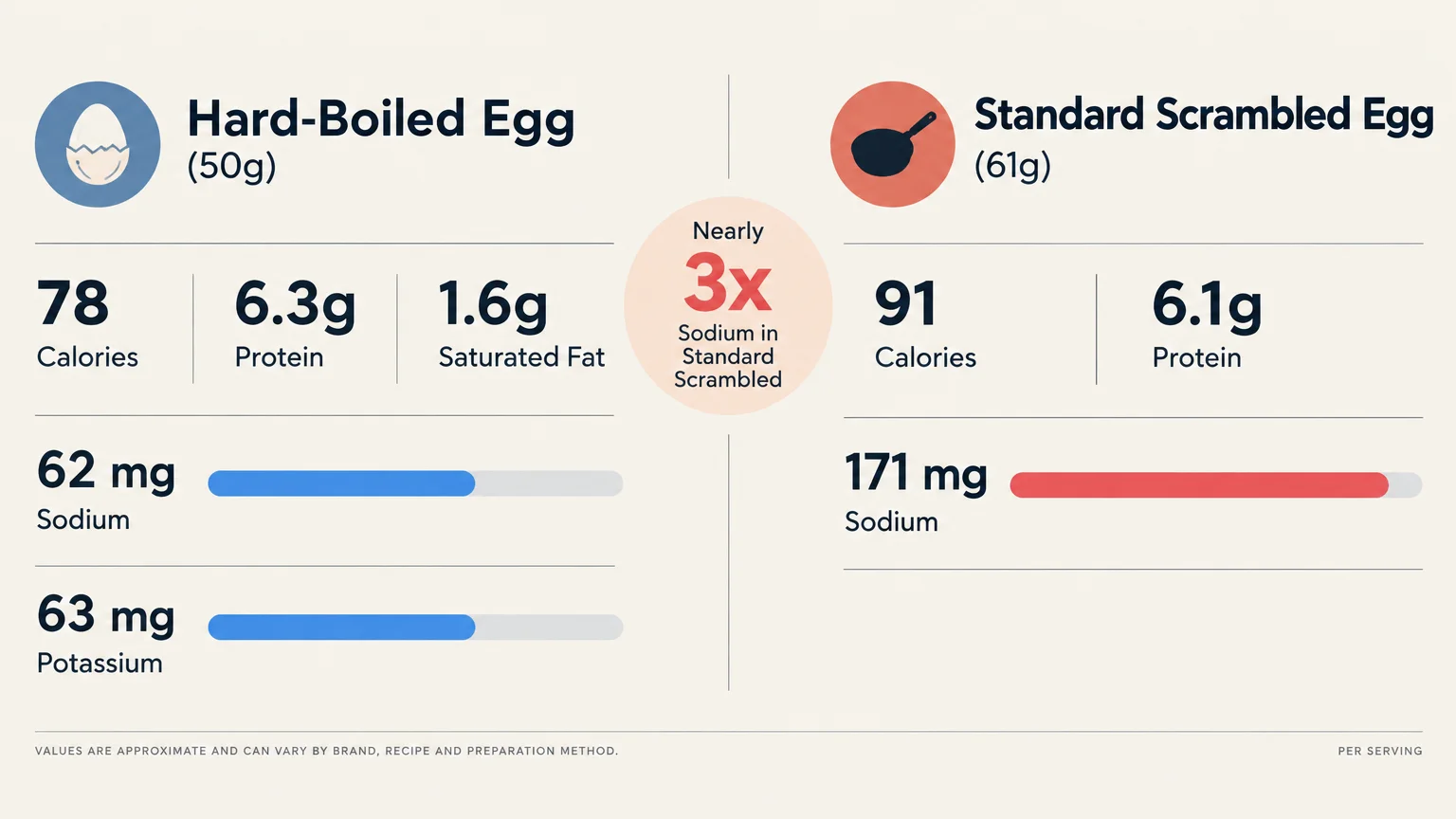
According to baseline data from USDA FoodData Central, one large hard-boiled egg weighing 50 grams delivers 78 calories and 6.3 grams of protein. It contains 5.3 grams of total fat and 1.6 grams of saturated fat.
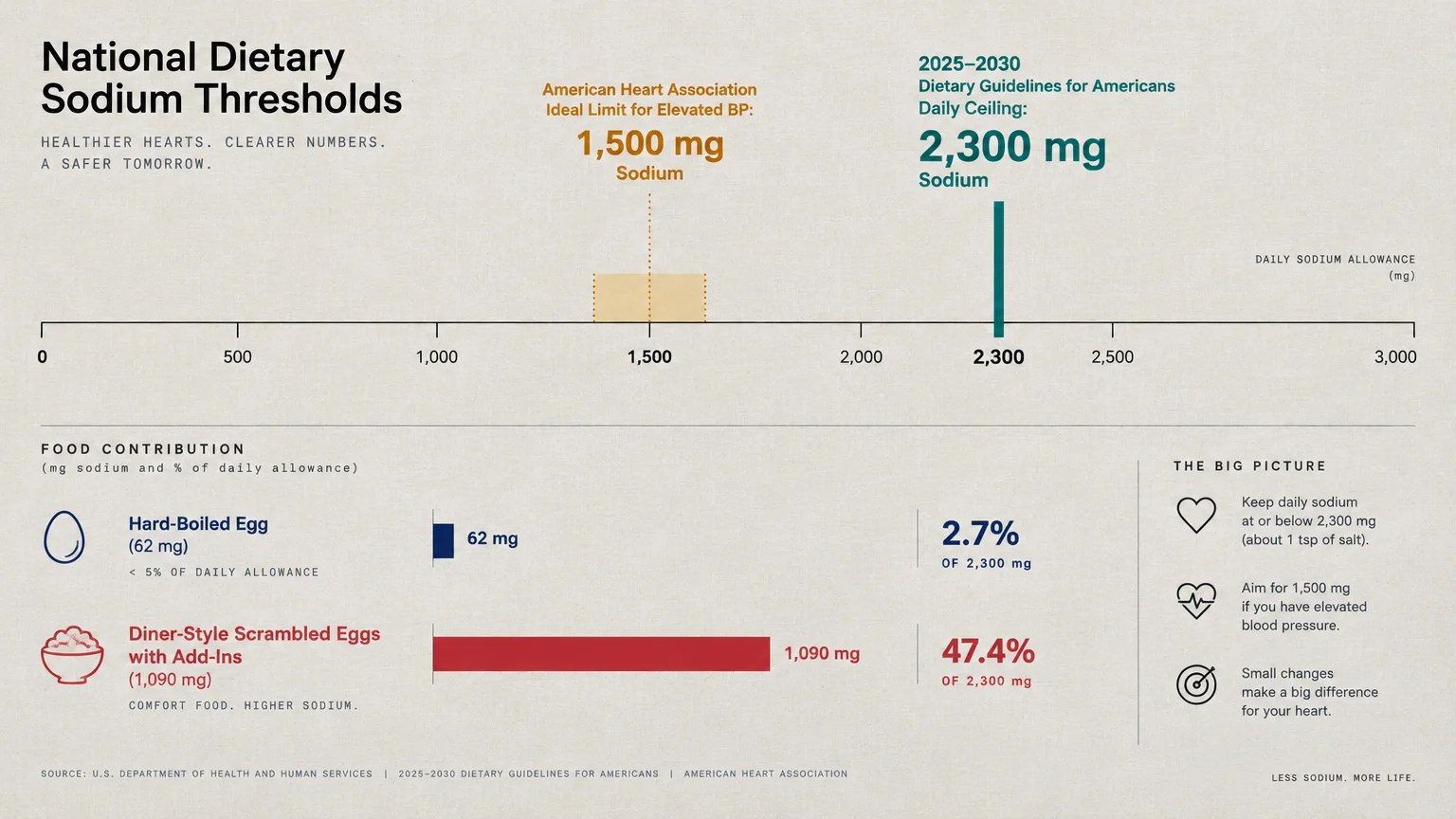
Most importantly for your arteries, that single hard-boiled egg contains just 62 milligrams of sodium alongside 63 milligrams of potassium. This natural electrolyte balance supports healthy vascular tone.
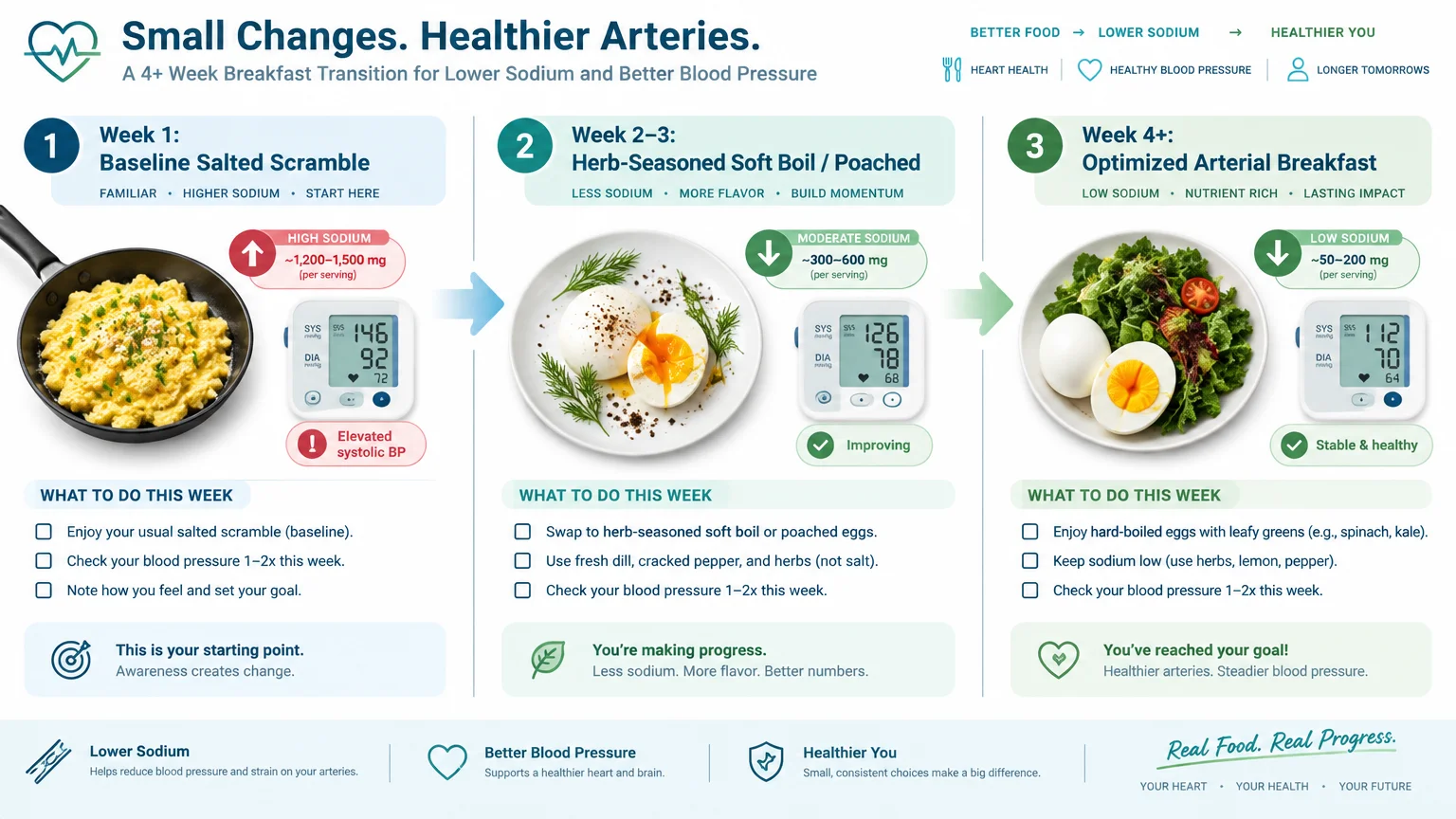
In contrast, standard scrambled preparations incorporate outside liquids and fats. USDA figures show that one large scrambled egg weighing 61 grams provides 91 calories, 6.1 grams of protein, and 171 milligrams of sodium.
That standard preparation delivers nearly triple the sodium of a plain hard-boiled egg before you even touch a tabletop salt shaker. For anyone managing hypertension, that baseline difference represents a meaningful gap.
How Sodium and Saturated Fat Threaten Your Blood Pressure
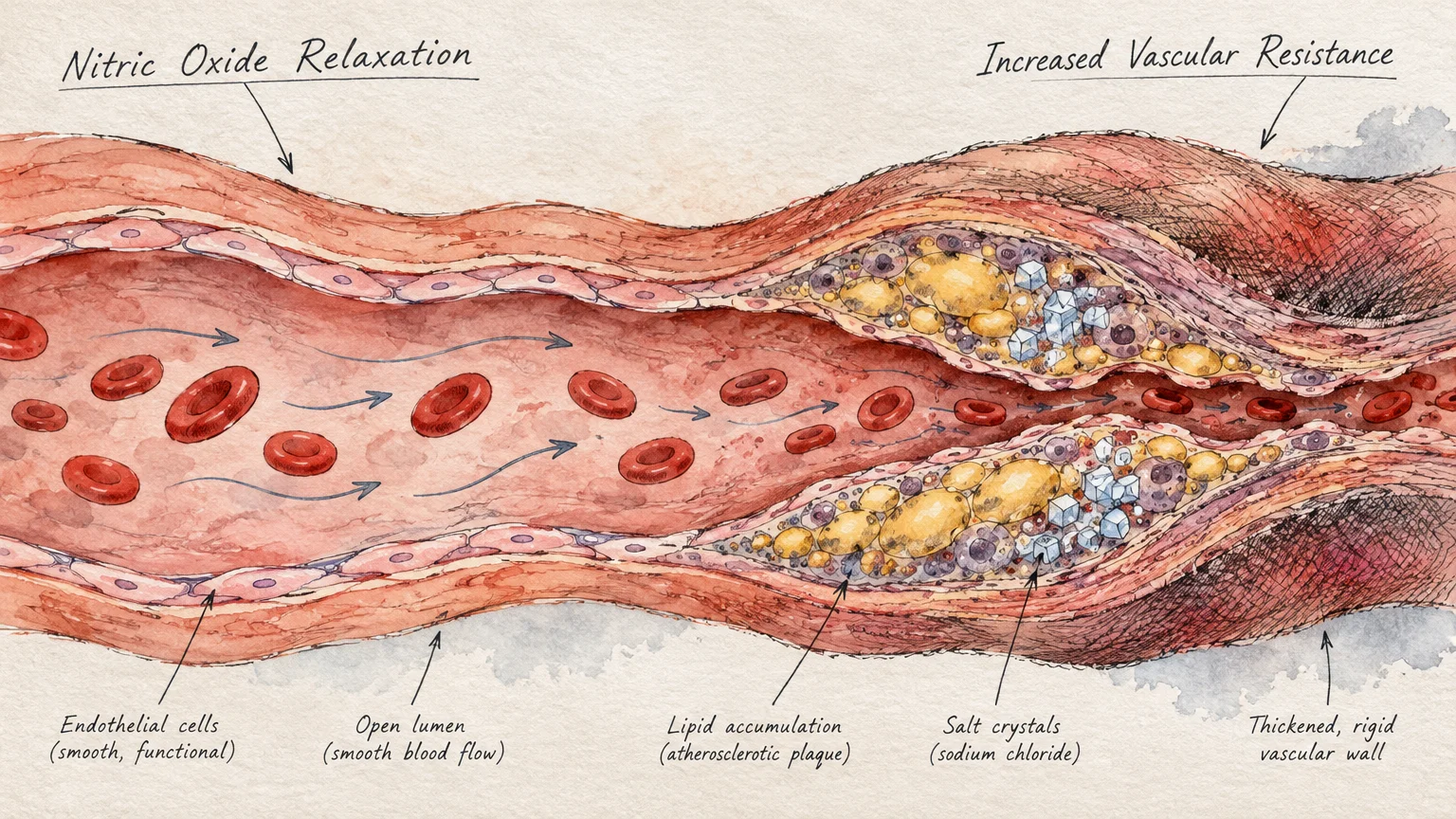
Your blood vessels function as dynamic muscular conduits that expand and contract to regulate systemic pressure. Excess dietary sodium disrupts this delicate balance by pulling extra water into your bloodstream.
When intravascular fluid volume increases, your heart must pump harder to circulate that fluid through your systemic circulation. Over time, that constant physical strain stiffens arterial walls and elevates systolic readings.
Excess sodium also dampens the synthesis of nitric oxide inside your blood vessel lining. Because nitric oxide signals vascular smooth muscle to relax, losing this chemical trigger leaves your arteries constricted.
Saturated fat presents an equally challenging hurdle for long-term arterial compliance. Diets high in saturated fatty acids promote vascular inflammation and accelerate the progression of arterial plaque accumulation.
Stiff, calcified arteries cannot absorb the pulsatile force generated with each cardiac contraction. That physiological resistance drives diastolic and systolic numbers upward, compounding the damage caused by high sodium intake.
Federal guidance in the 2025–2030 Dietary Guidelines for Americans advises adults to consume less than 2,300 milligrams of sodium per day. They also urge keeping saturated fat under 10 percent of daily calories.
Meanwhile, the American Heart Association dietary guidance suggests an ideal limit of 1,500 milligrams of sodium daily for adults with elevated blood pressure. A heavily seasoned scrambled breakfast can exhaust half that budget in a single sitting.
The Add-In Trap: Why Scrambled Eggs Turn Risky
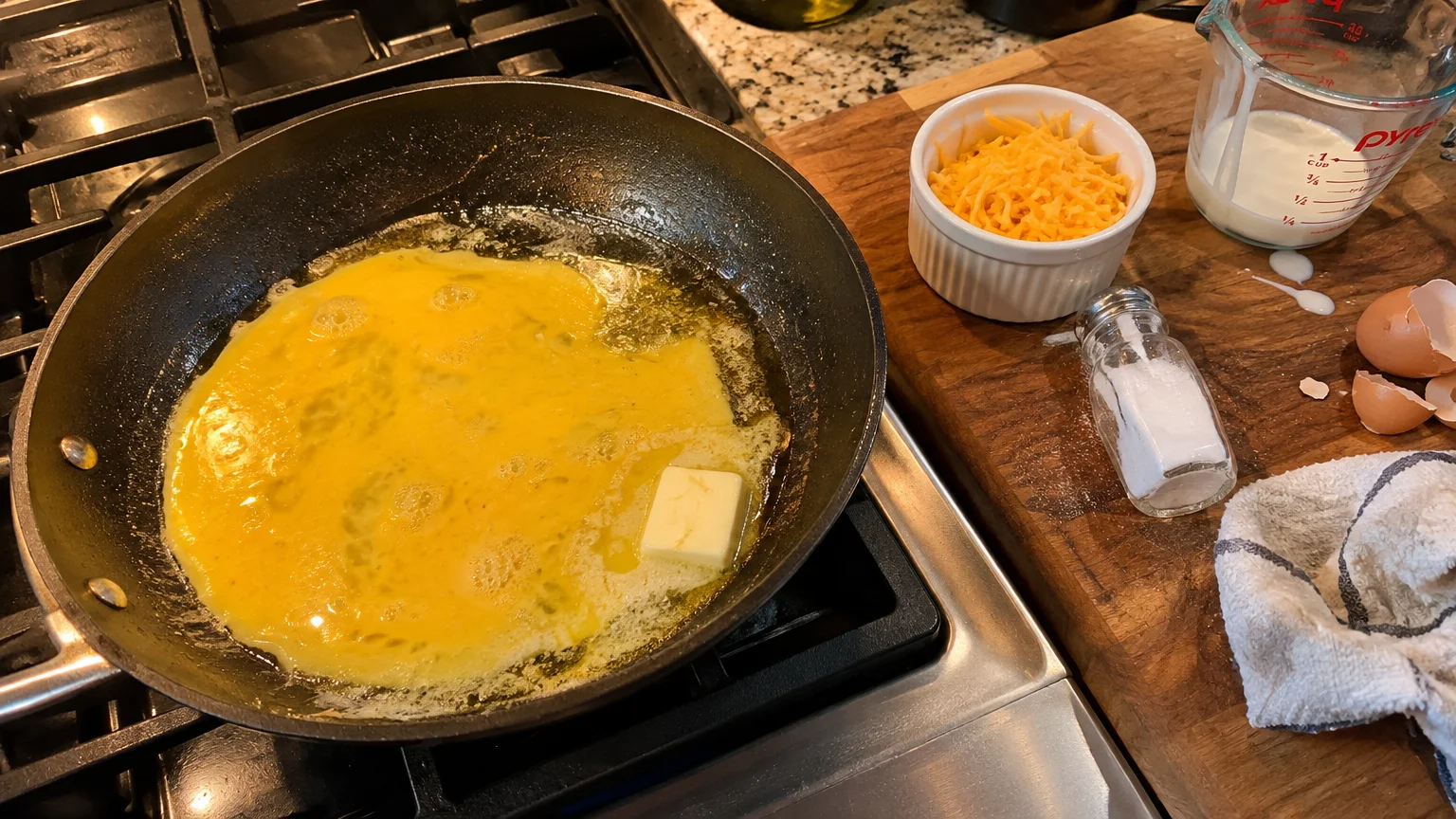
The inherent vulnerability of scrambled eggs lies in culinary custom rather than the egg itself. The liquid mixture acts like a sponge, absorbing whatever fats and seasonings you pour into the skillet.
Consider the classic habit of melting butter in your frying pan before pouring in your whisked eggs. Cooking your eggs in just 1 tablespoon of butter adds roughly 100 to 102 calories and 7 grams of saturated fat.
That single pat of butter pushes your meal close to your recommended saturated fat ceiling for the morning. It alters an otherwise lean protein source into an arterial stressor.
Seasoning habits compound the problem even further. Tossing a mere 1/4 teaspoon of table salt into your mixing bowl injects approximately 575 milligrams of sodium into your breakfast.
Many home cooks also splash whole milk, heavy cream, or shredded cheddar into the pan to achieve a velvety texture. These dairy additions dramatically increase both sodium and saturated lipid levels.
If you order scrambled eggs at a diner, the situation often grows worse. Commercial kitchens routinely use salted liquid egg formulas and ladle seasoned butter across hot griddles to prevent sticking.
A restaurant scramble can quietly exceed 800 milligrams of sodium before you take your first bite. A hard-boiled egg completely avoids these additive traps because its intact shell acts as a physical barrier.
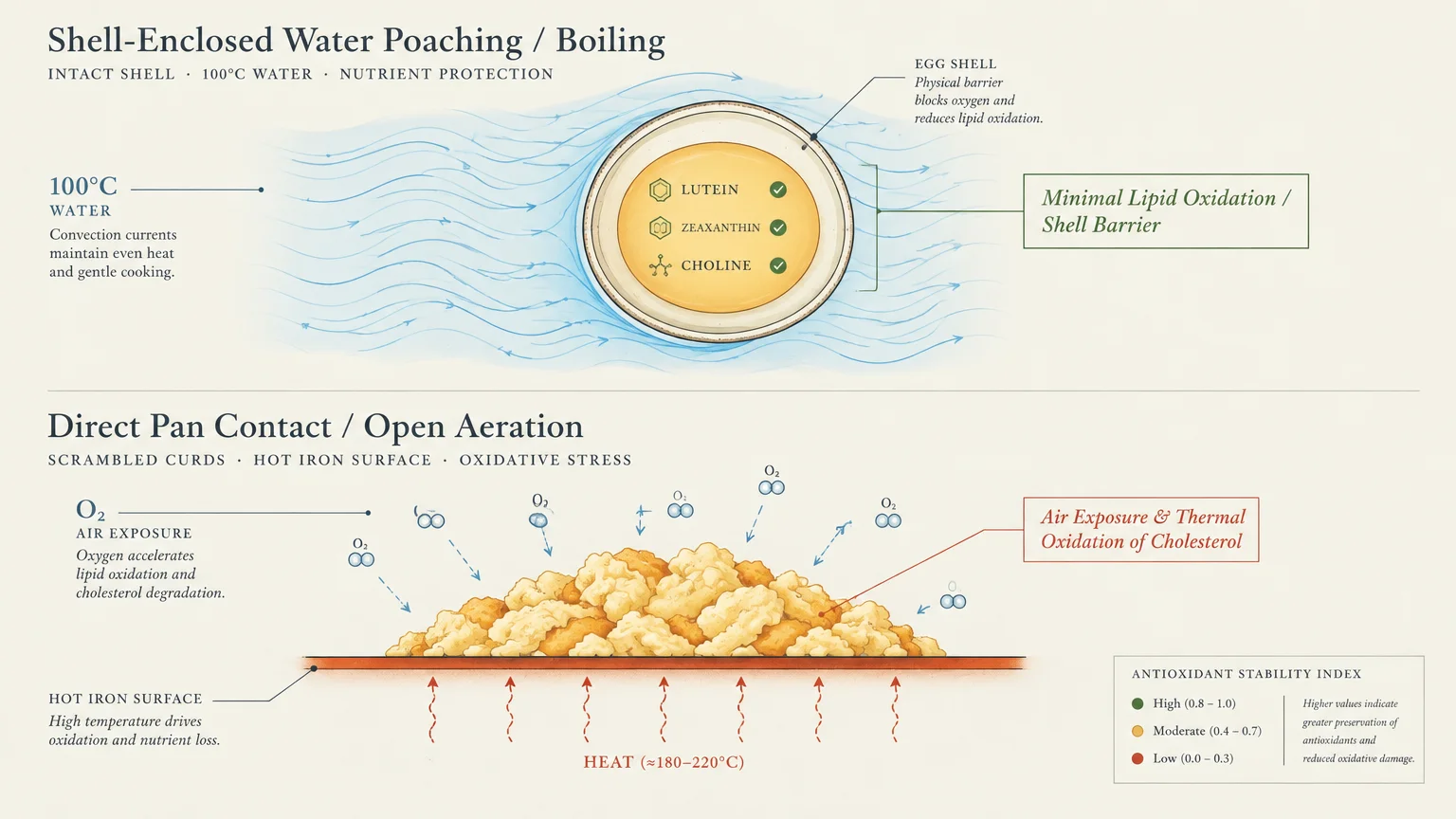
Nutrient Preservation: Boiling Versus Pan Scrambling
Beyond added fats and seasonings, the thermal mechanics of cooking influence the nutritional integrity of the egg. Eggs contain heat-sensitive antioxidants, including lutein and zeaxanthin, which protect vascular tissues from oxidative damage.
Boiling exposes the egg to a stable, water-regulated temperature that rarely exceeds 212 degrees Fahrenheit. The liquid buffer shields fragile yolk lipids from direct exposure to atmospheric oxygen.
Pan scrambling exposes the beaten liquid directly to hot metal, cooking oil, and ambient air. This increased surface contact promotes the oxidation of dietary cholesterol and unsaturated fatty acids.
Research indicates that oxidized cholesterol compounds can trigger localized inflammation within the endothelial lining of your arteries. Maintaining unoxidized nutrients supports smoother vascular dilation throughout the day.
Boiling also safeguards the egg’s natural supply of choline. Choline assists in breaking down homocysteine, an amino acid that can damage inner arterial walls when present in high concentrations.
Both cooking methods retain the egg’s complete amino acid profile, ensuring you absorb the protein needed for cellular repair. However, boiling minimizes thermal stress on the beneficial micronutrients your cardiovascular system relies on.
Science Snapshot: What Modern Guidelines Say About Eggs
Nutrition science has updated its view on whole eggs significantly over recent years. Medical organizations no longer view dietary cholesterol as the primary driver of cardiovascular disease for the general population.
The 2025–2030 Dietary Guidelines for Americans explicitly recommend prioritizing nutrient-dense protein foods—including whole eggs—at every meal. The authors emphasize that whole eggs provide concentrated nutrition without added sugars.
In its updated guidance, the American Heart Association confirms that moderate egg consumption fits comfortably into a heart-healthy dietary pattern. The focus has shifted toward overall dietary context and the reduction of excess salt.
Cardiologists now evaluate what surrounds your egg rather than condemning the yolk itself. Replacing processed breakfast meats with fresh produce shifts your cardiovascular risk profile in a measurable way.
Adhering to structured heart-healthy protocols produces demonstrable clinical results. Research into the DASH eating plan research demonstrates that low-sodium, nutrient-rich dietary patterns yield meaningful benefits.
Clinical trials show that following the DASH approach reduces systolic blood pressure by 5 to 6 mmHg and diastolic blood pressure by 3 mmHg. Hard-boiled eggs fit seamlessly into this proven framework.

Pillar 1: Master Low-Sodium Cooking Techniques
If you prefer the firm texture and portability of hard-boiled eggs, perfection requires simple timing. Overcooking creates an unappealing sulfur aroma, whereas a gentle simmer yields tender whites and a creamy yolk.
Place your eggs in a single layer inside a saucepan and cover them with cool water by one inch. Bring the water to a rolling boil over medium-high heat.
Once boiling, immediately turn off the heat, cover the pot with a tight-fitting lid, and let it stand for 10 minutes. Transfer the eggs to an ice water bath for five minutes to halt the cooking process.
This technique produces velvety yolks without scorching the delicate fats. You can peel them cleanly under cold running water without tearing the protein-rich whites.
You do not have to abandon scrambled eggs entirely to protect your cardiovascular health. You simply must rewrite the traditional pan-scrambling playbook to eliminate unwanted additives.
Start by swapping butter for a light wipe of extra virgin olive oil or an unflavored avocado oil. These plant oils contribute heart-supportive monounsaturated fats instead of dense saturated lipids.
Whisk your eggs with two tablespoons of cold water rather than whole milk or heavy cream. The water turns to steam during cooking, creating light, fluffy curds without adding calories or sodium.
Use a ceramic non-stick skillet over medium-low heat. Gentle heat allows the proteins to set softly without browning or oxidizing the yolk fats.
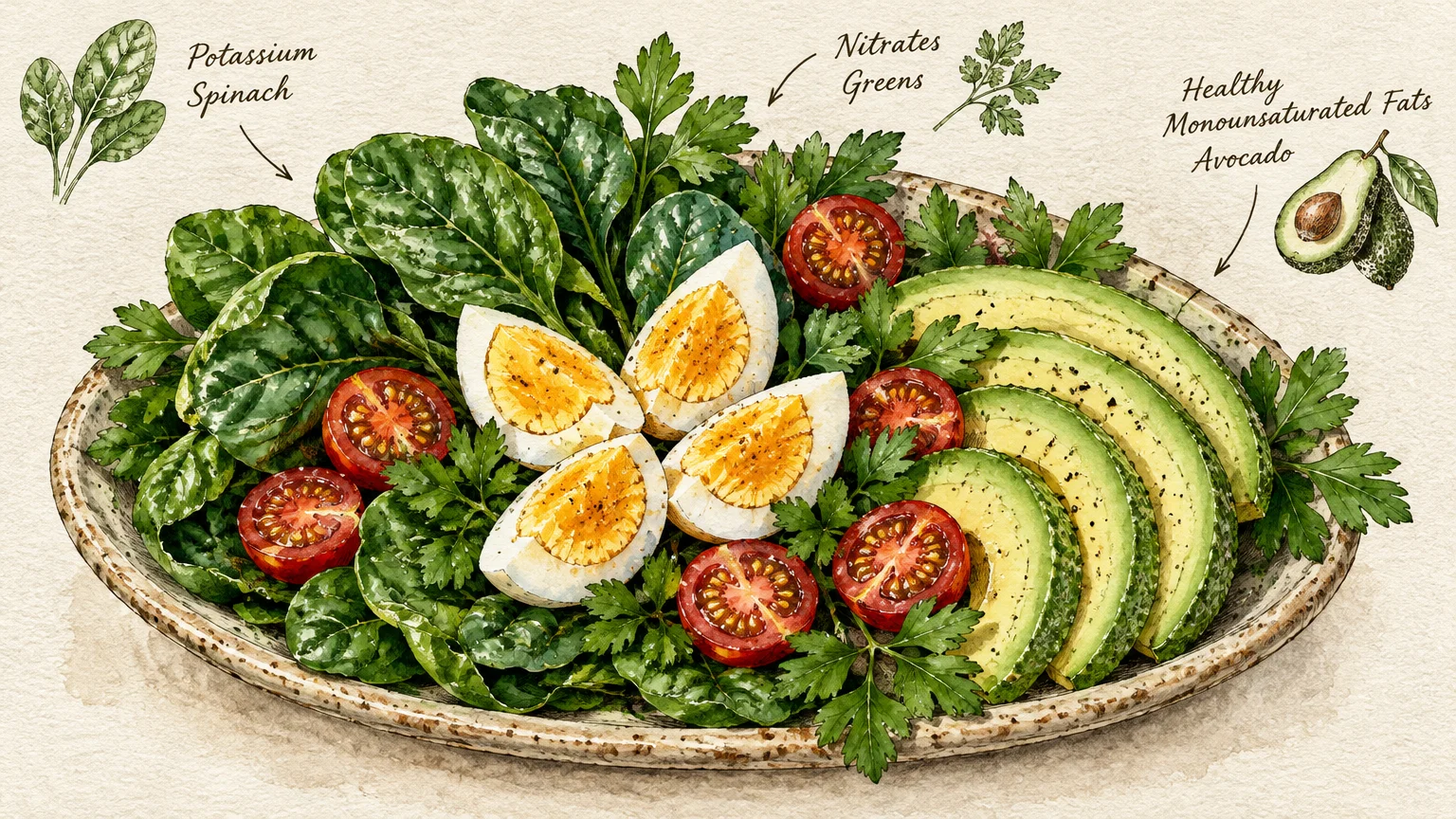
Pillar 2: Pair Eggs with Blood Pressure-Lowering Nutrients
Managing blood pressure is not just about removing sodium; it requires actively adding protective minerals. Potassium, magnesium, and dietary fiber work together to promote arterial relaxation.
Potassium encourages your kidneys to excrete excess sodium through your urine. It also relaxes the smooth muscle cells surrounding your peripheral blood vessels.
Pair two sliced hard-boiled eggs with half an avocado and a cup of fresh cherry tomatoes. This combination delivers substantial potassium to counterbalance any incidental sodium in your morning meal.
Magnesium supports endothelial cellular function and prevents vascular spasms that spike blood pressure. You can fold fresh baby spinach and chopped mushrooms into your low-sodium scramble to boost your magnesium intake.
Dietary fiber binds to bile acids in your digestive tract, assisting in long-term lipid clearance and blood sugar stability. Stable blood sugar prevents inflammatory insulin spikes that can impair vascular dilation.
Serve your eggs alongside a slice of 100 percent whole-grain sprouted bread or a bowl of steel-cut oats. This pairing gives you slow-burning energy and sustained blood pressure protection until lunch.
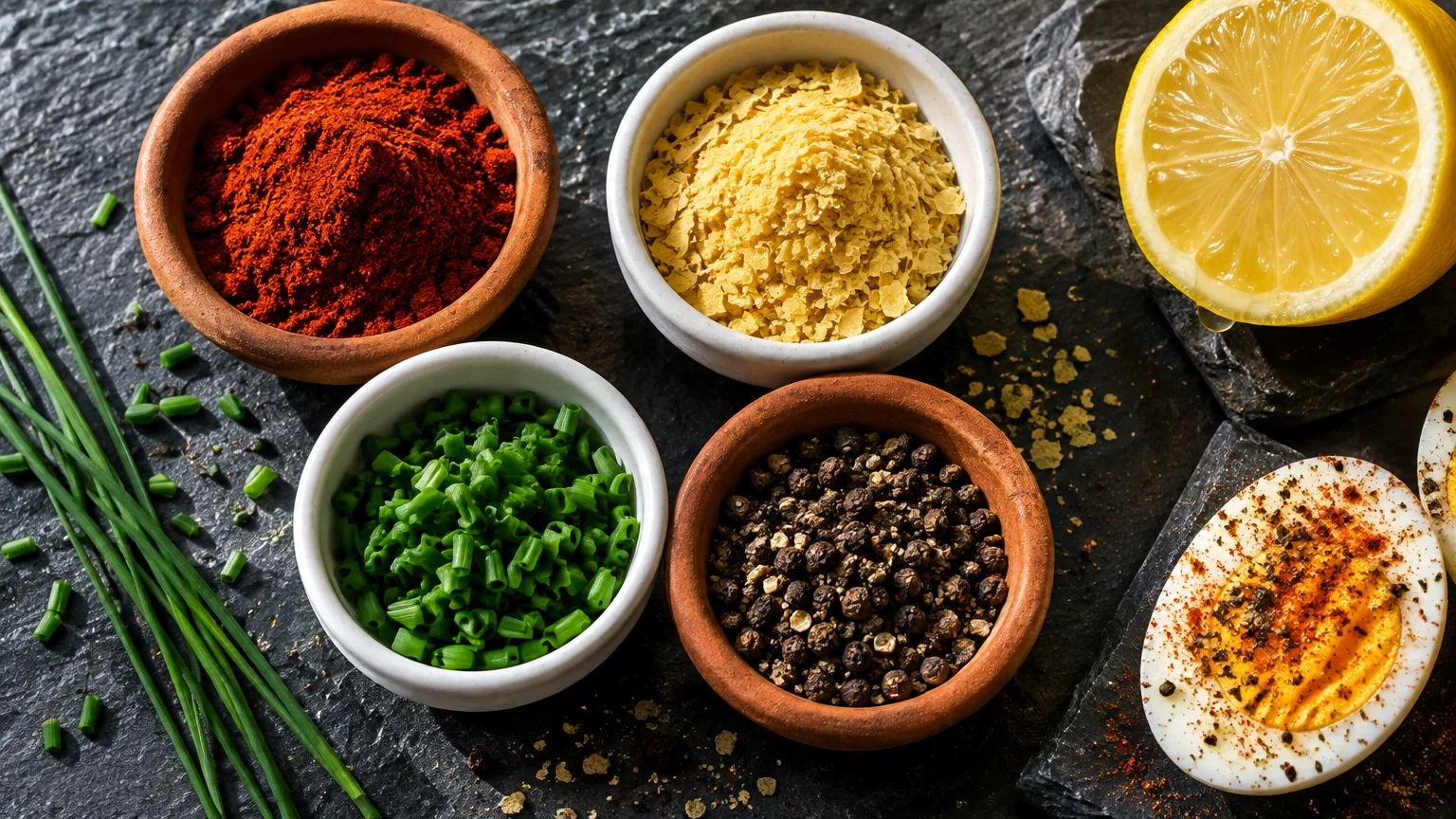
Pillar 3: Build Sustainable Morning Flavor Habits
You do not need table salt to make eggs taste delicious. Culinary herbs and earthy spices unlock deep flavor profiles while actively benefiting your cardiovascular system.
Dust your hard-boiled eggs with smoked paprika, ground cumin, and cracked black pepper. Black pepper contains piperine, an active compound that aids nutrient absorption and stimulates salivary enzymes.
Chives, scallions, and fresh dill provide aromatic allium compounds that bring savory brightness to scrambled eggs. These green herbs offer an onion-like punch that distracts your palate from the absence of salt.
Acidic finishing touches can also fool your tongue into perceiving saltiness. A squeeze of fresh lemon juice or a splash of raw apple cider vinegar enlivens egg dishes immediately.
Nutritional yeast represents another practical tool for seasoning your eggs without sodium. It imparts a rich, cheese-like flavor while supplying B vitamins that support cellular metabolic pathways.
Store your table salt shaker inside a closed kitchen cabinet rather than leaving it on the dining table. This simple physical barrier prevents mindless automatic salting before you taste your food.
Inclusive Adaptations for Varied Diets and Budgets
Eggs rank among the most affordable, nutrient-dense whole foods available in standard grocery stores. They provide high-value nutrition across every income level and culinary tradition.
In Mexican-inspired cooking, you can poach or boil eggs and top them with fresh salsa fresca made from diced tomatoes, onions, cilantro, and jalapeños. This traditional preparation delivers exceptional flavor without commercial additives.
If you enjoy East Asian flavors, try gently marinating peeled hard-boiled eggs in a diluted mixture of low-sodium dashi, grated ginger, and sesame oil. This method infuses savory umami depth without relying on heavy salt additions.
Mediterranean food traditions often place soft-boiled eggs over warm spiced lentils and bitter dandelion greens. This budget-friendly combination delivers dense plant fiber and lean animal protein in a single bowl.
If you rely on convenience stores or work travel for your breakfasts, pre-packaged hard-boiled eggs offer a reliable solution. Check the ingredient label to ensure the packaging contains only eggs and water without preservatives.
Plant-focused eaters can also blend whole eggs with extra egg whites to lower total saturated fat while maintaining protein volume. This stretching technique keeps your grocery bill modest while maximizing your morning satiety.
Clinical Perspectives and Real-World Transitions
Cardiology teams and registered dietitians frequently examine morning routines when helping patients lower their blood pressure. Breakfast often serves as the easiest meal to optimize because it follows a consistent pattern.
Clinical experience reveals that patients who switch from fast-food breakfast wraps to home-prepared hard-boiled eggs see rapid improvements in their weekly blood pressure logs. Removing industrial sodium from the first meal creates immediate momentum.
Many patients initially worry that unseasoned eggs will taste bland or dry. However, your taste buds adapt to lower sodium thresholds within two to three weeks of consistent dietary changes.
Dietitians emphasize that progress does not require rigid culinary perfection. If you love scrambled eggs, learning to scramble them gently with olive oil and fresh herbs achieves your clinical goals.
Healthcare providers often observe that boiling a dozen eggs on Sunday night eliminates morning decision fatigue. When a heart-healthy choice is already sitting in your refrigerator, you avoid reaching for packaged pastries or breakfast meats.
The goal is establishing an enjoyable, repeatable morning ritual that supports arterial health for decades. Consistency matters far more than occasionally eating an imperfect meal.
Safety, Personalization, and Contraindications
While eggs serve as an outstanding nutritional vehicle for most people, individualized medical contexts always apply. You must tailor your intake to your specific metabolic and physiological profile.
Individuals with diagnosed egg allergies must avoid egg proteins entirely to prevent severe systemic histamine reactions. In such cases, tofu scrambles seasoned with turmeric and black salt offer a heart-healthy alternative.
If you live with advanced chronic kidney disease, you must monitor your total daily protein and phosphorus intake closely. Whole eggs contain organic phosphorus that your nephrology team may need to account for.
A small subset of the population exhibits hyper-responsiveness to dietary cholesterol due to specific genetic polymorphisms. If your low-density lipoprotein levels surge after consuming whole eggs, discuss personalized boundaries with your physician.
According to the Centers for Disease Control and Prevention guidance on hypertension, managing blood pressure requires a multi-faceted approach. Nutrition works alongside prescribed medications, daily movement, and stress management.
Never discontinue prescribed antihypertensive medications simply because you have improved your breakfast habits. Always review your home blood pressure logs with your doctor before making adjustments to medical therapies.
Frequently Asked Questions
Does boiling an egg destroy any of its heart-healthy vitamins?
Boiling causes minimal nutrient loss because the protective outer shell prevents water-soluble vitamins from leaching into the cooking liquid. The core minerals, including potassium and magnesium, remain completely intact inside the coagulated white and yolk.
While prolonged exposure to intense heat can slightly degrade heat-sensitive antioxidants like lutein, gentle simmering protects these compounds. Using a timed ten-minute hot-water soak prevents excessive nutrient degradation.
Can I safely eat eggs every day if I already have high blood pressure?
Current cardiology guidelines confirm that eating one to two eggs daily fits comfortably into a blood pressure management plan. The critical factor is keeping the preparation free of heavy salt, butter, and processed breakfast meats.
Eggs supply bioavailable protein that promotes satiety, helping you maintain a healthy body weight. Because weight management directly relieves strain on your cardiovascular system, plain eggs serve as an effective dietary ally.
What are the best salt-free toppings to enhance hard-boiled eggs?
Freshly cracked black pepper, smoked paprika, ground cayenne, and garlic powder provide bold flavors without adding a single milligram of sodium. Each of these dried spices also contributes active plant polyphenols that support vascular health.
You can also top sliced hard-boiled eggs with chopped fresh chives, cilantro, or a spoonful of no-salt-added garden salsa. A light drizzle of extra virgin olive oil adds richness and healthy monounsaturated fats.
Are brown eggs healthier for blood pressure than white eggs?
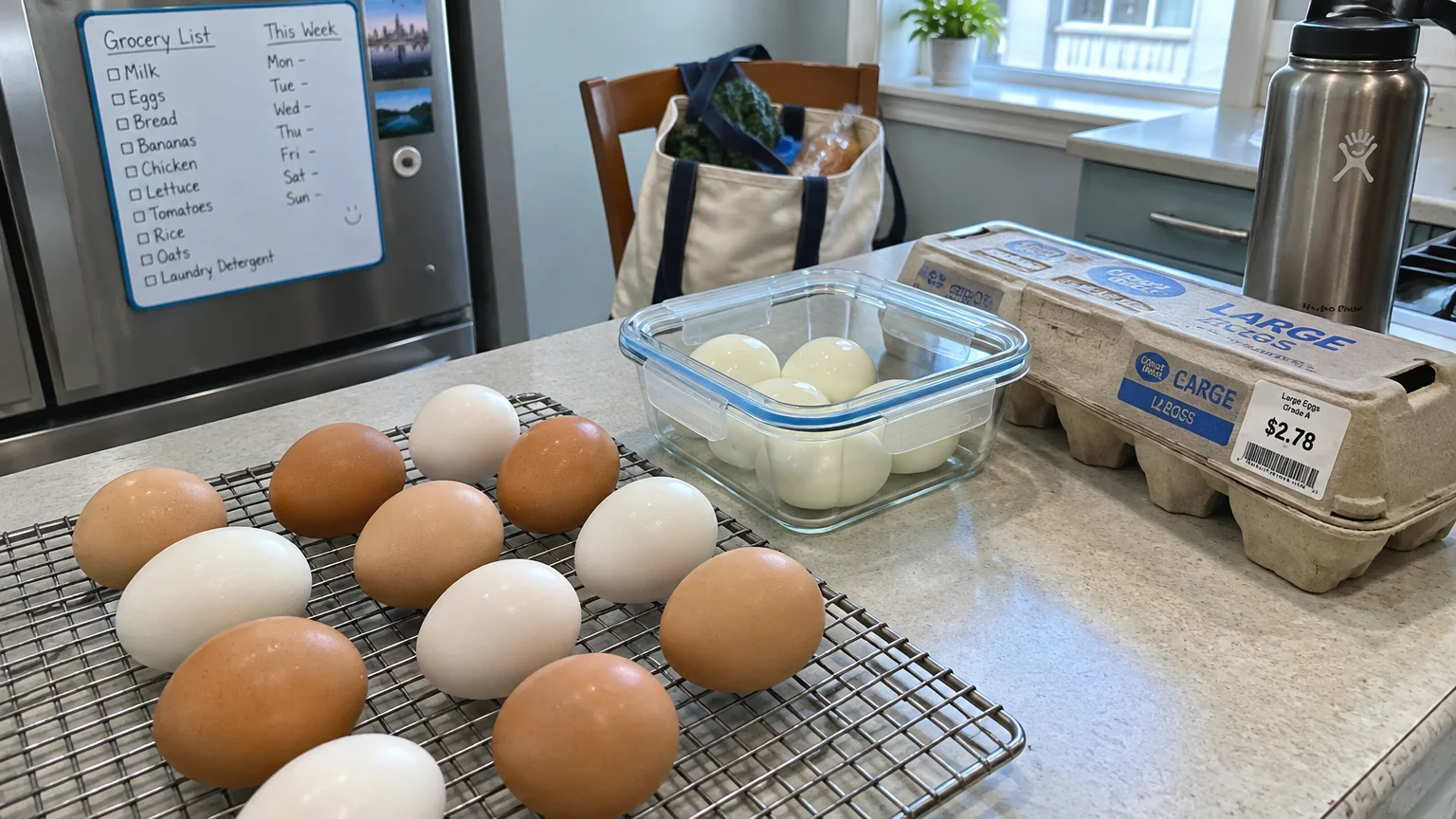
The color of an eggshell reflects only the breed of the laying hen and has no bearing on nutritional composition. A brown egg and a white egg contain identical levels of protein, sodium, potassium, and saturated fat.
Rather than focusing on shell pigment, prioritize freshness and preparation method. Spending your energy on cooking with minimal sodium yields the true cardiovascular benefit you need.
Take Action Within the Next 24 Hours
Transforming your cardiovascular wellness does not require an overwhelming overhaul of your entire lifestyle. You can generate immediate momentum by making one intentional decision tomorrow morning.
Tonight, place two large eggs into a small pot of water on your stove. Boil them gently for ten minutes, cool them in an ice bath, and place them in your refrigerator for tomorrow’s breakfast.
Eat those eggs alongside a serving of fresh fruit and a tall glass of water, leaving the salt shaker inside the cabinet. That single substitution will save hundreds of milligrams of sodium before your workday begins.
Track how energized and satisfied you feel throughout the morning. By mastering this simple, low-sodium habit, you take an active, evidence-based step toward protecting your blood pressure for life.