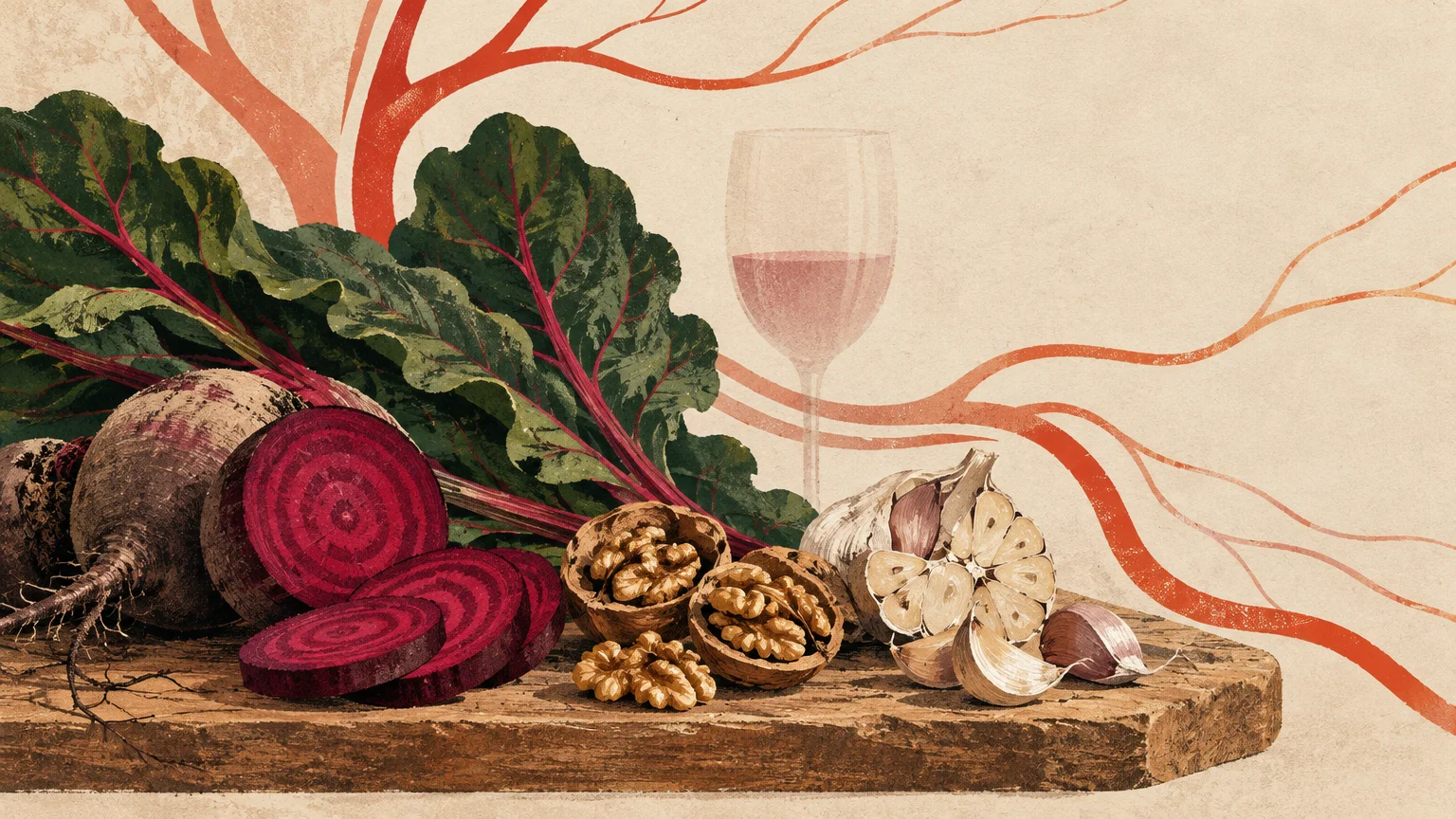
Pomegranate juice often gets praised for cardiovascular health, but specific whole foods lower blood pressure far more reliably. Replacing liquid fruit sugars with fiber-rich staples creates immediate, lasting reductions in your vascular tension.
While bottled juices offer brief antioxidant spikes, their benefits frequently fade after two months. Switching your daily focus to targeted whole foods stabilizes blood pressure without flooding your bloodstream with concentrated fructose.
Six specific foods provide superior mineral density and sustained nitric oxide delivery to protect your arteries. Adding them to your routine offers a proven path toward long-term cardiovascular health.
Why Pomegranate Juice Falls Short for Long-Term Blood Pressure Control
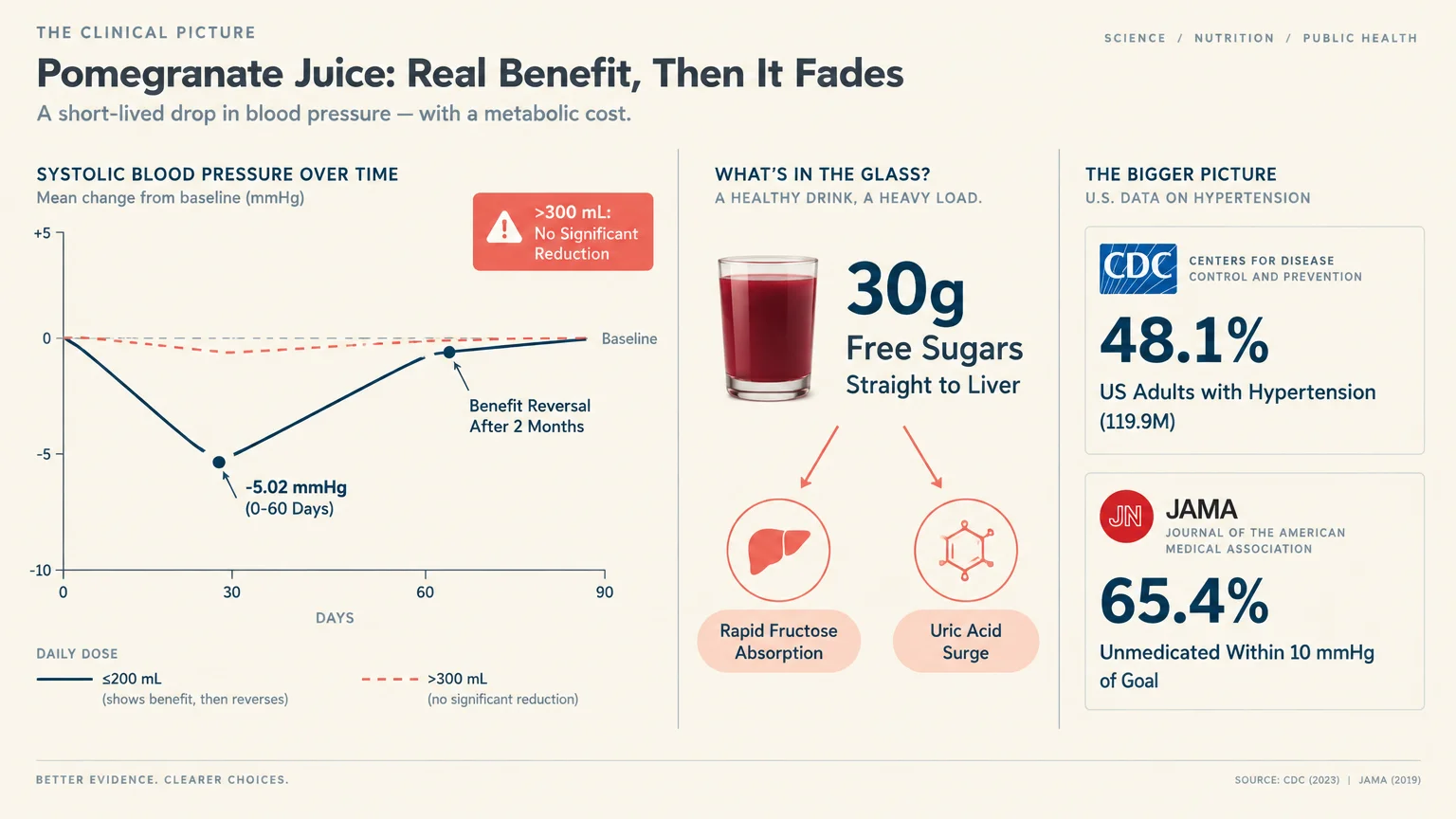
High blood pressure affects a staggering number of households across the nation. According to the Centers for Disease Control and Prevention, 48.1% of American adults—representing 119.9 million people—have high blood pressure.
Even more alarming, only 22.5% of those individuals, or roughly 27 million people, currently maintain their blood pressure within healthy parameters. This widespread vulnerability leaves millions seeking accessible dietary remedies to protect their long-term health.
A February 2026 study analyzing NHANES data in JAMA revealed that 79% of adults with hypertension exceed the target threshold of 130/80 mmHg. Furthermore, 61% of those adults do not take antihypertensive medications.
Interestingly, 65.4% of that unmedicated group sit within 10 mmHg of their target goal. For these individuals, strategic nutritional shifts offer a potent, evidence-based opportunity to reclaim cardiovascular control.
Many health-conscious consumers turn to pomegranate juice after reading headlines about its potent polyphenol content. Pomegranate juice certainly contains punicalagins and anthocyanins that support arterial elasticity in short-term laboratory assessments.
Clinical trial data confirm these initial cardiovascular benefits. A 2024 systematic review and meta-analysis of 22 randomized controlled trials demonstrated that pomegranate supplementation lowers systolic blood pressure by 7.9 mmHg and diastolic blood pressure by 3.2 mmHg.
Those therapeutic results, however, occurred primarily at daily doses of 200 mL or less. Drinking larger volumes failed to produce greater vascular improvements and introduced unintended metabolic trade-offs.
Long-term data reveal an even more significant challenge for juice drinkers. A 2023 meta-analysis of 14 clinical trials noted an initial systolic reduction of 5.02 mmHg, but these benefits disappeared after two months of continuous intake.
The same 2023 analysis determined that consuming doses above 300 mL per day showed no statistically significant reduction in systolic pressure. Excessive consumption simply delivers excess liquid sugar and surplus calories.
Juicing removes the natural structural fiber that slows sugar absorption in your digestive tract. An eight-ounce glass of pomegranate juice delivers roughly thirty grams of free sugars straight to your liver.
Rapid fructose absorption prompts uric acid generation and transient insulin surges; both mechanisms impair endothelial nitric oxide production. You can achieve far superior, sustained hemodynamic stability by choosing targeted whole foods instead.
The Physiology of Vascular Resistance and Pressure Regulation
Understanding systemic blood pressure requires examining the physical dynamics of your circulatory network. Blood pressure reflects the volume of blood your heart pumps multiplied by the resistance it meets inside your arterial branches.
The delicate inner lining of your blood vessels—known as the vascular endothelium—regulates this resistance dynamically. Healthy endothelial cells synthesize nitric oxide, a gaseous signaling molecule that instructs surrounding smooth muscle tissues to relax.
When smooth muscle cells relax, your blood vessels dilate, immediately lowering internal fluid pressure. Conversely, oxidative stress and vascular inflammation degrade nitric oxide, forcing arteries to constrict and raising systemic pressure.
Mineral balance inside your cells acts as a second critical pillar of vascular tone. The cellular sodium-potassium pump continuously moves sodium out of vascular cells while drawing potassium inside.
Excessive sodium intake combined with inadequate potassium intake floods vascular smooth muscle cells with intracellular calcium. This excess calcium triggers persistent arterial contraction, which stiffens your vessels and elevates baseline resistance.
Your kidneys also regulate fluid volume through the complex renin-angiotensin-aldosterone hormonal pathway. When renal perfusion detects elevated sodium or reduced arterial flow, it triggers hormone cascades that tighten blood vessels and retain water.
Arterial wall elasticity plays an equally vital role in buffering each cardiac contraction. Stiff, fibrotic arteries cannot expand to absorb the pulse wave generated during ventricular systole.
Targeted whole foods address every stage of this physiological cascade simultaneously. They supply biological precursors for nitric oxide synthesis, flood cells with potassium and magnesium, and diminish circulating inflammatory markers.
The 6 Whole Foods That Outperform Pomegranate Juice
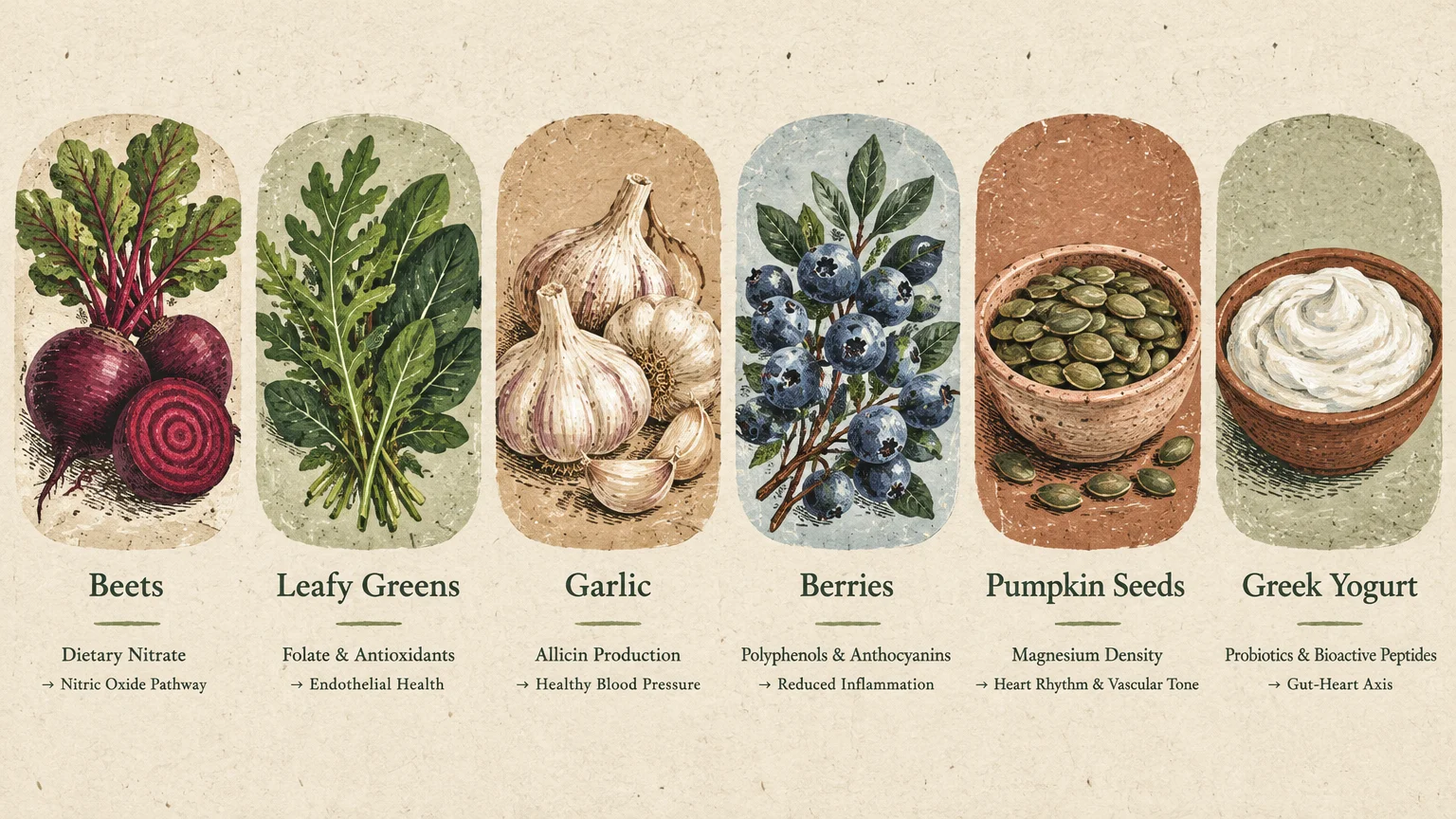
While fruit beverages deliver transient antioxidant surges, specific whole foods create durable hemodynamic improvements. The following six nutrient-dense powerhouses provide the structural compounds, electrolytes, and bioactive peptides your cardiovascular system requires.
1. Red Beets and Beet Greens: Sustained Nitric Oxide Delivery
Red beets represent the gold standard for restoring endothelial nitric oxide production naturally. Unlike pomegranate juice, which relies primarily on antioxidant preservation of existing molecules, beets deliver concentrated inorganic nitrate.
Oral bacteria on your tongue reduce dietary nitrate into bioactive nitrite as you chew. Once swallowed, gastric acid and vascular enzymes transform nitrite into circulating nitric oxide, dilating resistant vessels for hours.
This metabolic pathway bypasses impaired endothelial enzymes, making it exceptionally effective for individuals with established vascular stiffness. You achieve sustained vessel relaxation without the glycemic spike caused by fruit beverages.
Do not discard the leafy beet greens attached to the root tops. Beet greens contain exceptional concentrations of dietary potassium and magnesium, two essential minerals that encourage renal sodium excretion.
Enjoy beets roasted, gently steamed, or grated raw into crisp garden salads. Sauté the chopped beet greens in extra virgin olive oil with minced garlic for a potent dual-action cardiovascular side dish.
2. Spinach and Dark Leafy Greens: Natural Vascular Dilators
Spinach and hearty greens like Swiss chard deliver a potent triad of blood pressure-lowering nutrients. They combine inorganic nitrates with abundant stores of magnesium and potassium in a virtually calorie-free package.
Magnesium functions inside your vascular walls as a natural calcium channel antagonist. By preventing excess calcium from entering smooth muscle cells, magnesium allows contracted arterial walls to soften and expand naturally.
High potassium levels in dark greens prompt your kidneys to flush excess fluid and sodium through urine. This process decreases circulating plasma volume, which lowers the physical workload placed on your heart.
Leafy greens also supply folate and carotenoids that neutralize reactive oxygen species before they degrade endogenous nitric oxide. This protective shield maintains healthy vascular tone throughout your entire circulatory tree.
Fold raw baby spinach into warm vegetable soups just before serving to preserve its heat-sensitive micronutrients. You can also blend tender greens into morning protein shakes alongside unsweetened almond milk and ground seeds.
3. Unsweetened Plain Kefir and Greek Yogurt: Bioactive Peptides
Fermented dairy foods provide powerful cardiovascular benefits that fruit juices simply cannot match. During the traditional culturing process, lactic acid bacteria break down intact milk proteins into smaller, highly functional fragments called bioactive peptides.
These unique peptides naturally inhibit angiotensin-converting enzyme, the exact biological target addressed by several common blood pressure medications. This gentle inhibition prevents blood vessels from constricting and helps maintain flexible arterial pathways.
Cultured dairy also supplies bioavailable calcium, which works cooperatively with magnesium to regulate rhythmic smooth muscle contractions. Calcium deficiency frequently leads to compensatory vascular tone elevation, making adequate dietary intake vital.
Furthermore, the beneficial live cultures in kefir colonize your gastrointestinal tract and synthesize short-chain fatty acids like acetate and propionate. These bacterial metabolites enter your bloodstream and interact with vascular receptors to promote systemic vasodilation.
Select plain, unsweetened kefir or Greek yogurt to avoid the added sugars that negate these vascular advantages. Combine a cup of plain kefir with ground seeds and tart berries for a balanced morning meal.
4. Fresh Ground Flaxseed: Essential Lignans and Alpha-Linolenic Acid
Flaxseed delivers one of the most powerful nutritional interventions available for lowering elevated systolic and diastolic numbers. Its cardiovascular potency stems from a dense combination of alpha-linolenic acid, soluble mucilage fiber, and antioxidant enterolignans.
Alpha-linolenic acid serves as an essential plant-based omega-3 fatty acid that reduces systemic arterial inflammation. By dampening inflammatory cytokine production, it preserves delicate endothelial architecture and prevents platelet aggregation.
Flaxseed represents nature’s richest source of secoisolariciresinol diglucoside, a powerful lignan precursor metabolized by gut bacteria into enterolactone. Circulating enterolignans inhibit vascular cell adhesion molecules, which preserves arterial elasticity and reduces vascular resistance.
Always purchase whole flaxseeds and grind them in small batches using a clean coffee grinder. Whole seeds possess an impenetrable outer hull that passes through your digestive tract completely unabsorbed.
Store freshly ground flaxseed inside an airtight container in your refrigerator to prevent fragile fatty acids from oxidizing. Stir two tablespoons daily into morning porridge, warm lentils, or unsweetened yogurt bowls.
5. White Beans and Lentils: Superior Electrolyte Density
Legumes provide an unrivaled nutritional profile for reversing hypertension through sustained dietary modulation. White beans, black beans, and brown lentils contain massive quantities of potassium, magnesium, and slow-digesting resistant starches.
A single cup of cooked white beans delivers over one thousand milligrams of potassium to your bloodstream. This exceptional mineral surge accelerates renal sodium excretion and resets intracellular electrolyte gradients without medication.
The complex carbohydrate matrix in legumes resists upper digestive enzymes and travels into your large intestine intact. Specialized colon microbes ferment this resistant starch, generating abundant short-chain fatty acids that suppress central sympathetic nervous system outflow.
Replacing refined carbohydrates with legumes also stabilizes postprandial glucose and insulin levels throughout your afternoon. Stable insulin levels prevent renal sodium reabsorption, allowing your body to shed excess fluid naturally.
If you purchase canned beans, rinse them under running water for two full minutes to remove excess processing sodium. Alternatively, batch-cook dry lentils with bay leaves, crushed garlic, and aromatic rosemary for an affordable meal base.
6. Wild Blueberries: Anthocyanins Without the Sugar Spike
If you crave fruit-derived antioxidants, wild blueberries represent a profoundly superior choice over pomegranate juice. These small, deeply pigmented berries contain concentrated malvidin and delphinidin anthocyanins suspended within a protective fiber network.
Clinical researchers observe significant improvements in flow-mediated dilation after participants consume whole wild blueberries. Anthocyanin metabolites stimulate endothelial nitric oxide synthase activity directly, enabling vessels to widen dynamically under stress.
The dense structural pectin and soluble fiber in whole blueberries prevent the rapid glycemic spikes caused by strained juices. Keeping your blood sugar steady avoids transient vascular inflammation and preserves cellular antioxidant defenses.
Wild varieties contain significantly higher polyphenol concentrations and lower moisture content than conventional cultivated blueberries. Their intense dark pigment signals an abundance of active compounds dedicated to vascular protection.
Keep a bag of frozen wild blueberries in your freezer for convenient year-round access. Thaw half a cup to stir into morning kefir or fold them into warm cooked steel-cut oats.
Building Your Plate Around the DASH Dietary Framework
Clinical researchers consider the DASH eating plan the gold standard for nutritional blood pressure management. The National Heart, Lung, and Blood Institute updated its clinical guidance in February 2026, confirming its extraordinary cardiovascular efficacy.
In rigorous controlled feeding trials, adopting the DASH pattern lowers systolic blood pressure in hypertensive adults by an average of 11 mmHg. This clinical reduction rivals the therapeutic power of first-line pharmaceutical medications.
The DASH framework emphasizes four to five daily servings each of whole fruits and colorful vegetables. It pairs these plant foods with six to eight daily servings of whole grains and two to three daily servings of low-fat dairy.
You also incorporate four to five servings of nuts, seeds, and legumes each week to supply essential fatty acids and minerals. Lean poultry and fish supply protein without the saturated fats that compromise vascular endothelial health.
Constructing a DASH-aligned breakfast is remarkably straightforward and satisfying. Pair cooked steel-cut oats with two tablespoons of ground flaxseed, a cup of plain kefir, and half a cup of wild blueberries.
Build your lunch around a generous base of dark leafy greens topped with warm white beans, sliced radishes, and grilled chicken breast. Dress your salad simply with extra virgin olive oil and lemon juice to bypass sodium-laden bottled dressings.
For dinner, bake a wild salmon fillet alongside roasted red beets and steamed broccoli florets. This balanced combination supplies potent omega-3 fats, inorganic nitrates, and abundant potassium to promote overnight vascular relaxation.

Managing Sodium and Potassium for Arterial Health
Managing blood pressure requires careful attention to the delicate physiological interplay between sodium and potassium. The American Heart Association sets standard daily sodium intake at 2,300 milligrams, representing roughly one teaspoon of table salt.
For individuals with elevated readings, guidelines recommend an optimal daily target of 1,500 milligrams to unlock maximal blood pressure reductions. Reaching this target requires looking beyond the salt shaker on your kitchen table.
Over seventy percent of dietary sodium originates inside packaged convenience items, processed deli meats, restaurant preparations, and commercial bakery products. Bread slices, canned broths, and bottled condiments frequently hide staggering amounts of salt.
Your urinary sodium-to-potassium excretion ratio predicts cardiovascular risk far more accurately than sodium measurements evaluated alone. Increasing potassium intake while lowering sodium creates a powerful biological synergy that prompts rapid fluid excretion.
Replace commercial spice blends with pungent garlic powder, smoked paprika, cracked black pepper, and nutritional yeast. Fresh citrus juice and aromatic vinegars also deliver vibrant flavor without introducing a single milligram of mineral sodium.
Read nutrition labels vigilantly whenever purchasing pre-packaged pantry staples like canned beans or tomato purée. Select products explicitly labeled with no added salt or low sodium designations to safeguard your daily intake goals.
Lifestyle Foundations: Movement, Sleep, and Stress Recovery
Nutrition operates within a broader matrix of physiological lifestyle drivers that dictate daily vascular tone. Daily physical movement acts as a direct mechanical stimulus for the vascular endothelial synthesis of nitric oxide.
Engaging in moderate aerobic exercise—such as brisk walking or cycling—stimulates laminar blood flow against arterial walls. This shear stress prompts endothelial cells to expand, reducing systemic vascular resistance for hours after your workout.
Isometric resistance training, such as wall sits or handgrip exercises, provides additional blood pressure benefits. Sustained muscle contraction followed by sudden release creates a reactive hyperemic flush that trains blood vessels to dilate efficiently.
Sleep duration and quality exert an equally profound influence on nocturnal blood pressure patterns. During deep non-rapid eye movement sleep, your blood pressure naturally dips by ten to twenty percent.
Disruptions like obstructive sleep apnea prevent this restorative nocturnal dipping through intermittent oxygen desaturation and acute sympathetic nervous system surges. If you snore loudly or awaken unrefreshed, schedule a formal clinical sleep evaluation promptly.
Chronic psychosocial stress sustains elevated cortisol and circulating catecholamines, keeping your peripheral arteries persistently constricted. Implementing structured stress-reduction techniques restores restorative vagal nerve activity and dampens excessive sympathetic vascular tone.
Practice diaphragmatic breathing exercises for ten minutes each evening before entering your bed. Slow, rhythmic exhalations signal your central autonomic pathways to lower vascular resistance and slow your heart rate.
Leaning on family, social circles, or community support groups also improves long-term dietary adherence. Sharing your heart-healthy lifestyle goals with loved ones builds accountability and reduces the emotional stress of lifestyle modification.
Biomarker Monitoring, Medication Safety, and Clinical Red Flags
Accurate home blood pressure monitoring provides crucial data to evaluate the true impact of your nutritional adjustments. Uncontrolled hypertension carries severe long-term risks that require diligent medical oversight and consistent surveillance.
Essential hypertension and hypertensive renal disease directly accounted for 42,343 deaths in the United States according to CDC data. Furthermore, high blood pressure acts as a primary or contributing cause in nearly 686,000 annual fatalities.
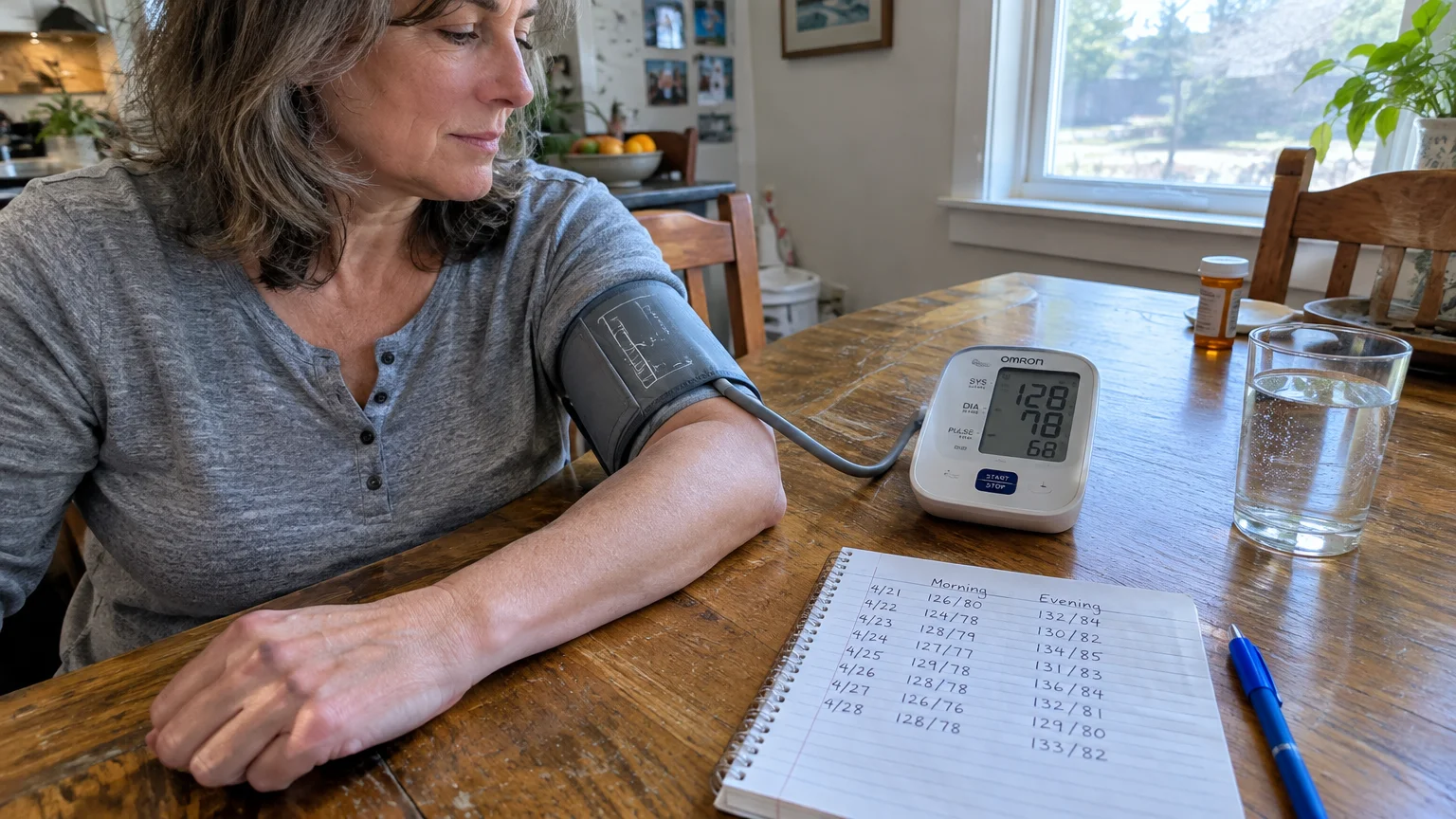
Measure your blood pressure using a validated, automated upper-arm cuff rather than wrist or finger monitors. Rest quietly in a chair for five minutes with your back supported and both feet flat on the floor.
Support your bare arm on a desk at heart level, and avoid caffeine, exercise, or smoking for thirty minutes beforehand. Take two readings spaced one minute apart each morning and evening, recording the numbers carefully in a dedicated log.
Consult your physician before drastically increasing potassium-rich foods if you take certain antihypertensive medications. Drugs like ACE inhibitors, angiotensin receptor blockers, and potassium-sparing diuretics reduce renal potassium excretion, raising hyperkalemia risks.
High potassium levels can cause dangerous cardiac arrhythmias in individuals with underlying renal impairment. Collaborative clinical oversight ensures your nutritional enhancements work synergistically with your prescribed therapeutic regimen.
You must also recognize critical warning signs that demand urgent emergency medical attention. A systolic reading exceeding 180 mmHg or a diastolic reading exceeding 120 mmHg indicates a potential hypertensive crisis.
If severe blood pressure spikes accompany chest pain, shortness of breath, blurry vision, or neurological deficits, seek emergency care immediately. Lifestyle modifications support long-term cardiovascular health, but acute crises require prompt emergency intervention.
Frequently Asked Questions About Hypertension Nutrition
How can you manage high blood pressure while dining out at restaurants?
Restaurant meals frequently contain extreme sodium quantities concealed within marinades, seasoned stocks, and cooking fats. Request your dishes prepared with steamed or grilled techniques without added salt, butter, or commercial seasoning blends.
Order sauces, gravies, and dressings on the side so you control the exact quantity consumed. Ask for fresh lemon wedges, cracked black pepper, and olive oil to flavor your proteins and vegetables naturally.
Prioritize vegetable-forward dishes and steamed fish rather than cured meats, fried appetizers, or heavily breaded entrées. Inquire about ingredient substitutions comfortably; professional kitchens routinely accommodate heart-healthy dietary requests.
Hydrate thoroughly with plain water before and during your meal to help your kidneys balance fluid dynamics. Consuming extra potassium-rich foods the next morning helps eliminate residual sodium from dining out.
What are the best low-cost pantry staples for hypertension?
Managing blood pressure does not require expensive specialty tonics or premium superfood juices. Dry lentils, split peas, and bulk bags of brown rice offer immense cardiovascular nutrition at minimal cost.
Frozen dark leafy greens and frozen wild berries cost significantly less than fresh produce while preserving identical nutrient profiles. Flash-freezing locks in fragile vitamins, minerals, and bioactive flavonoids immediately after harvest.
Whole flaxseeds purchased in bulk provide affordable omega-3 fats and soluble fiber for pennies per serving. Canned no-salt-added beans supply rich potassium stores that outshine the mineral content of expensive bottled beverages.
Bulk steel-cut oats, sunflower seeds, and yellow onions provide versatile foundations for low-sodium home cooking. Cooking large batches of bean stews and freezing individual portions saves significant grocery money while protecting arterial health.
Should you take potassium or magnesium supplements instead of whole foods?
Whole foods provide far superior cardiovascular benefits compared to isolated dietary mineral supplements. Over-the-counter potassium supplements are legally restricted to ninety-nine milligrams per dose due to potential intestinal lesion risks.
A single cup of cooked white beans delivers over ten times that amount safely wrapped within dietary fiber. Whole foods release minerals gradually during digestion, allowing balanced absorption without overwhelming your circulatory system.
Whole plant foods also supply complex synergistic nutrients—including vitamin C, carotenoids, and polyphenols—that enhance cellular mineral uptake. Synthetic supplements lack this intricate biological matrix and cannot replicate the clinical outcomes of whole foods.
High-dose mineral supplements can also trigger gastrointestinal distress, diarrhea, or dangerous mineral accumulations in individuals with reduced kidney clearance. Always prioritize obtaining your micronutrients from unrefined culinary sources unless your physician prescribes targeted supplementation.
How do you adapt blood pressure diets to traditional and cultural cuisines?
Heart-healthy dietary patterns integrate seamlessly into every global culinary heritage. You do not need to abandon cherished cultural dishes to achieve optimal blood pressure numbers.
In Hispanic culinary traditions, highlight black beans, pinto beans, fresh avocado, and vibrant tomato-based salsas seasoned with cilantro and lime. Minimize heavy commercial bouillon cubes by simmering dried herbs and fresh garlic.
In East Asian cooking, enhance dishes using fresh ginger, garlic, scallions, and toasted sesame oil instead of high-sodium soy sauce. Incorporate generous servings of bok choy, daikon radish, and steamed edamame into traditional stir-fries.
In Mediterranean and Middle Eastern traditions, lean into lentil soups, garlic-roasted eggplant, raw parsley, and extra virgin olive oil. Working with a registered dietitian through the Academy of Nutrition and Dietetics helps customize your cultural heritage safely.
Taking Action with Your Healthcare Team
Reversing elevated blood pressure requires consistent, deliberate habits rather than temporary dietary fads. The National Institutes of Health emphasizes that sustained nutritional adjustments yield profound long-term reductions in cardiovascular events.
Schedule a dedicated visit with your primary care provider to discuss your nutritional strategy and review your home blood pressure logs. Sharing your dietary goals ensures proper coordination, especially if your improving numbers require tapering existing medications.
Choose one single food habit to implement starting tomorrow morning. Stir two tablespoons of ground flaxseed into your breakfast, or swap your afternoon snack for plain kefir and wild blueberries.
Master that single habit for two continuous weeks before introducing your next dietary upgrade. Small, sustainable modifications compound over time into remarkable improvements in arterial flexibility, endothelial vitality, and daily energy.
Your circulatory system possesses an incredible capacity to heal and adapt when fueled with proper nutrition. Take control of your vascular health today by filling your grocery cart with whole, pressure-lowering foods.