When you stop feeding your gut microbiome dietary fiber, trillions of hungry microbes do not simply starve. Instead, they begin consuming the protective mucus lining that shields your intestinal wall from inflammation and harmful pathogens.
This biological cannibalization thins your gut barrier and allows bacteria to erode your internal defenses. Over time, that erosion exposes your bloodstream to toxic metabolic byproducts and systemic irritation.
Reversing this process requires understanding how dietary fiber protects your gut lining. By making specific, gradual adjustments to your daily plate, you can restore this critical biological barrier.
The Hidden Fiber Deficit in Modern Diets
Most people believe their daily meals provide enough sustenance to maintain optimal digestion. However, nutritional surveillance reveals an alarming gap between biological requirements and modern eating habits.
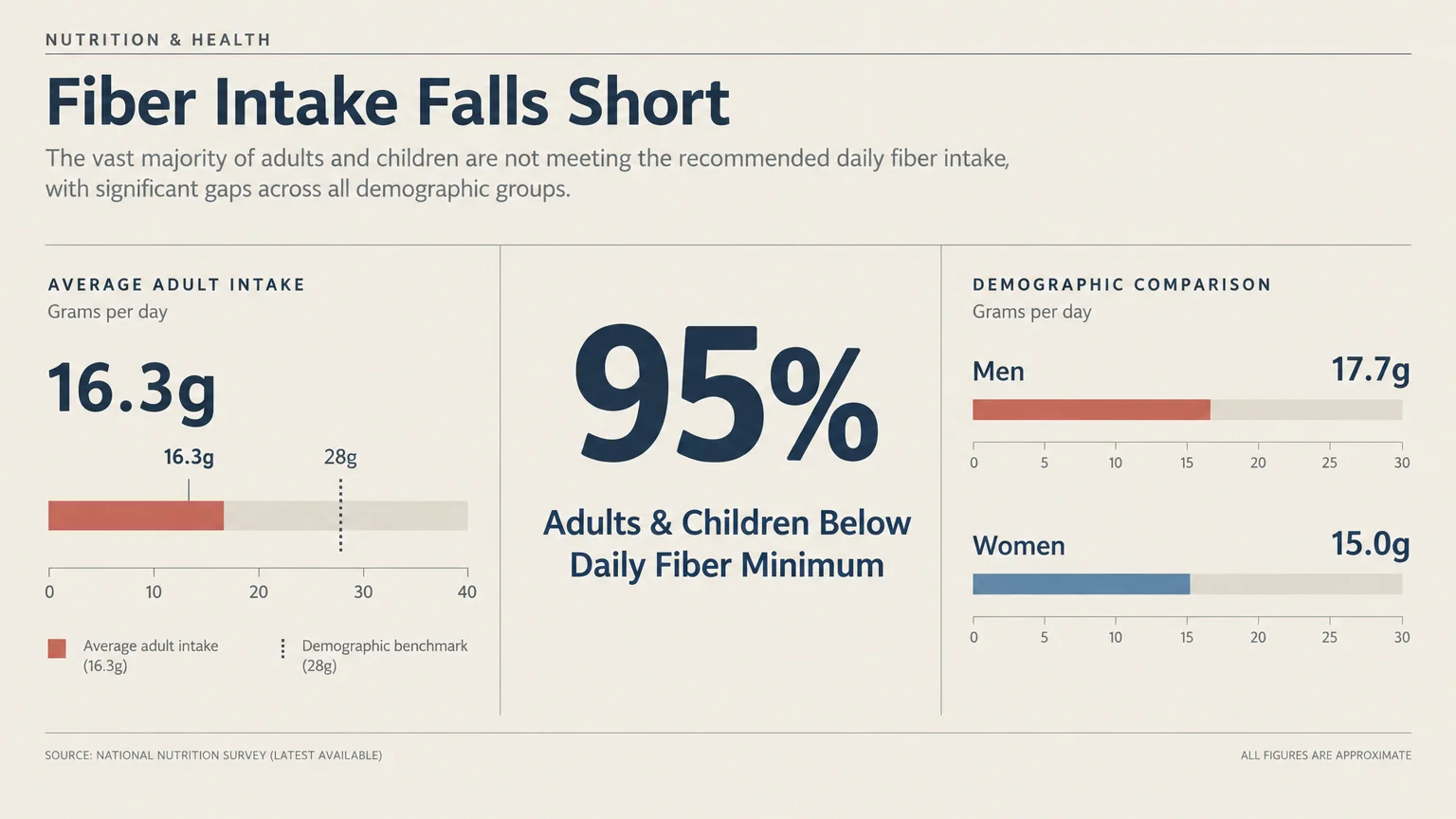
Data from the National Health and Nutrition Examination Survey shows that the average American adult consumes just 16.3 grams of fiber per day. That intake represents roughly half of what human physiology demands for normal barrier maintenance.
The shortfall cuts across both sexes. Men average only 17.7 grams daily, reaching barely 47 percent of their target, while women consume approximately 15.0 grams, hitting 60 percent of their recommended daily intake.
Because of this widespread deficiency, roughly 95 percent of American adults and children fail to reach their minimum daily fiber requirements. Health authorities officially designate dietary fiber as a public health concern.
Reports from the Centers for Disease Control and Prevention highlight how low dietary fiber contributes to escalating rates of cardiometabolic and gastrointestinal disorders nationwide.
This chronic shortage stems from a modern food supply dominated by refined carbohydrates, isolated starches, and ultra-processed convenience items. When whole plant structures are stripped away during industrial food manufacturing, the gut microbiome loses its primary fuel.
The Physical Architecture of the Gut Mucus Layer
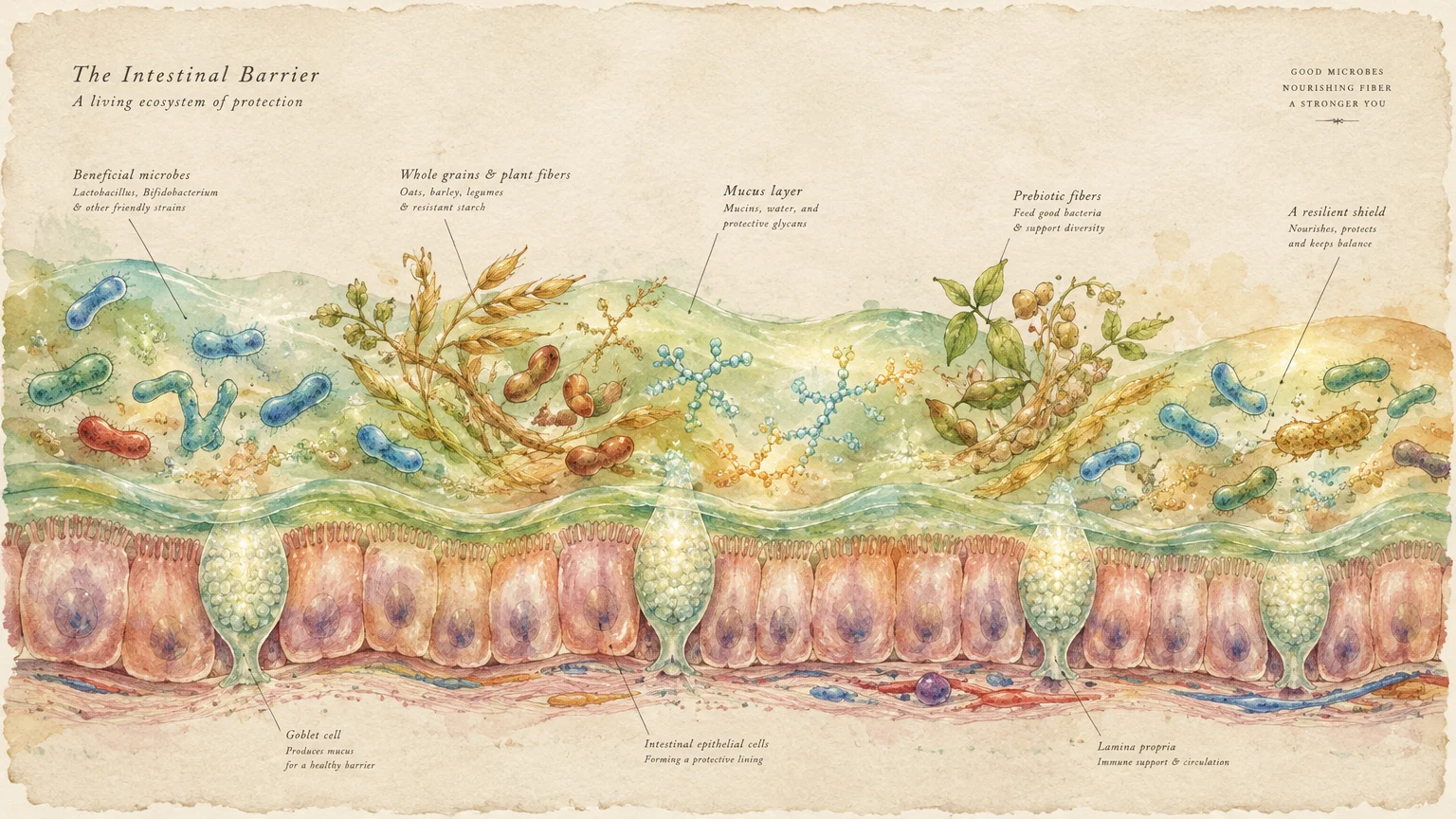
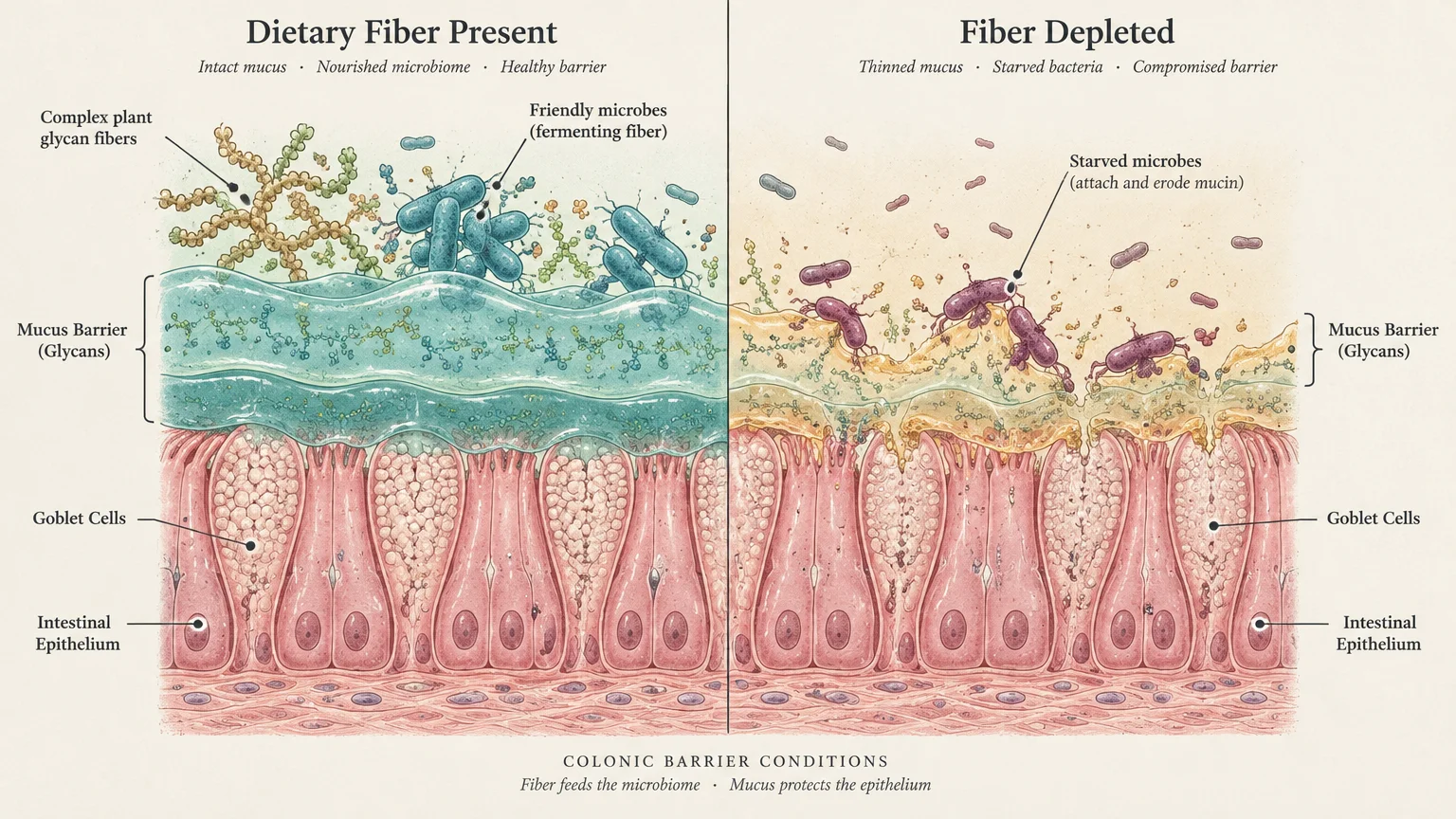
To understand what happens during a fiber drought, you must examine the physical environment of your large intestine. Your colon is lined with specialized epithelial cells known as goblet cells.
These goblet cells continuously manufacture and secrete large, gel-forming glycoproteins called mucins. This gel forms a continuous, bilayered mucus barrier that coats the interior surface of your digestive tract.
The mucus layer is composed of up to 80 percent polysaccharide sugars, known scientifically as glycans. Structural proteins weave these complex sugar chains together into an elastic, protective shield.
In a healthy digestive system, this mucus barrier serves two vital functions. It acts as a physical buffer separating trillions of live bacteria from your fragile intestinal wall, and it houses antimicrobial proteins.
The outer layer of mucus serves as a natural habitat where beneficial microbes thrive. Under normal conditions, these microbes feed on dietary plant fibers rather than the living tissue of their human host.
What Microbes Eat When Fiber Disappears
When you eat a meal rich in vegetables, legumes, and whole grains, your upper digestive tract absorbs vitamins, minerals, and digestible sugars. The complex plant fibers pass through intact into your colon.
These intact fibers are known as microbiota-accessible carbohydrates. Your gut bacteria possess thousands of specialized enzymes designed specifically to dismantle these complex plant walls through fermentation.
When your diet lacks fiber, these microbial enzymes have nothing to ferment. Faced with starvation, the microbial population activates alternative genetic programs to locate survival fuel.
Instead of dying off, your gut bacteria turn their enzymatic machinery toward your own body. They begin breaking down the rich sugar chains that make up your intestinal mucus layer.
A landmark study published in Cell by researchers at the University of Michigan Medical School demonstrated this mechanism in rigorous detail. The scientists colonized germ-free mice with 14 species of human gut bacteria.
When the researchers deprived these mice of dietary fiber, the bacteria rapidly shifted their enzymatic activity. The microbes began degrading the host colonic mucus layer for sustenance.
Within days, the protective mucus lining eroded to a fraction of its normal thickness. In some areas of the colon, the barrier vanished entirely, exposing bare epithelial cells directly to the microbial swarm.
This physical degradation caused severe clinical consequences. Without a robust mucus shield, opportunistic pathogens such as Citrobacter rodentium easily penetrated the intestinal wall and produced life-threatening inflammation.
The Toxic Metabolites of Mucus Degradation
Consuming the mucus layer does more than just mechanically thin your protective barrier. Groundbreaking research from the Ludwig Institute for Cancer Research, published in the Proceedings of the National Academy of Sciences, revealed an even more troubling consequence.
Researchers Jenna AbuSalim and Joshua Rabinowitz discovered that starved gut bacteria do not stop at fermenting mucus sugars. They also break down the structural host proteins embedded within the mucus matrix.
When bacteria ferment host mucus proteins, they dismantle the amino acid tyrosine. This proteolytic fermentation produces potent phenolic waste products, specifically p-cresol sulfate and phenol sulfate.
These phenolic compounds do not remain inside the gut lumen. They pass across the compromised intestinal lining and enter your bloodstream, placing a significant detoxification burden on your liver and kidneys.
Clinical studies connect elevated levels of p-cresol sulfate and phenol sulfate to accelerated kidney disease progression and poor metabolic health. They also correlate with heightened vascular inflammation and worse clinical outcomes in cancer.
The Ludwig Institute findings confirmed that adequate dietary fiber directly suppresses this harmful proteolytic activity. Fiber effectively shields your host proteins by providing bacteria with their preferred carbohydrate fuel.
Proteins Imitating Fiber: The Discovery of Prif
The same Ludwig Institute research made a remarkable second discovery regarding how your microbiome processes nutrients. The researchers identified a unique category of plant nutrients they termed Prif, or proteins imitating fiber.
Prifs are specialized plant proteins that resist enzymatic breakdown in your stomach and small intestine. Because they survive digestion, they reach the colon intact, behaving much like fermentable dietary fiber.
When colonic microbes ferment these digestion-resistant plant proteins, their metabolic output transforms completely. Instead of producing toxic phenol sulfates from tyrosine, the bacteria metabolize the amino acid phenylalanine.
This phenylalanine fermentation generates beneficial compounds known as phenylpropionate and hippuric acid. Both molecules circulate throughout your body, where they promote insulin sensitivity and support healthy body weight maintenance.
These findings illustrate that whole plant foods provide far more than isolated nutrients. Whole legumes, grains, and seeds deliver complex matrices of fiber and Prif that work synergistically to protect your digestive barrier.
The Protective Role of Blautia and Microbial Defenders
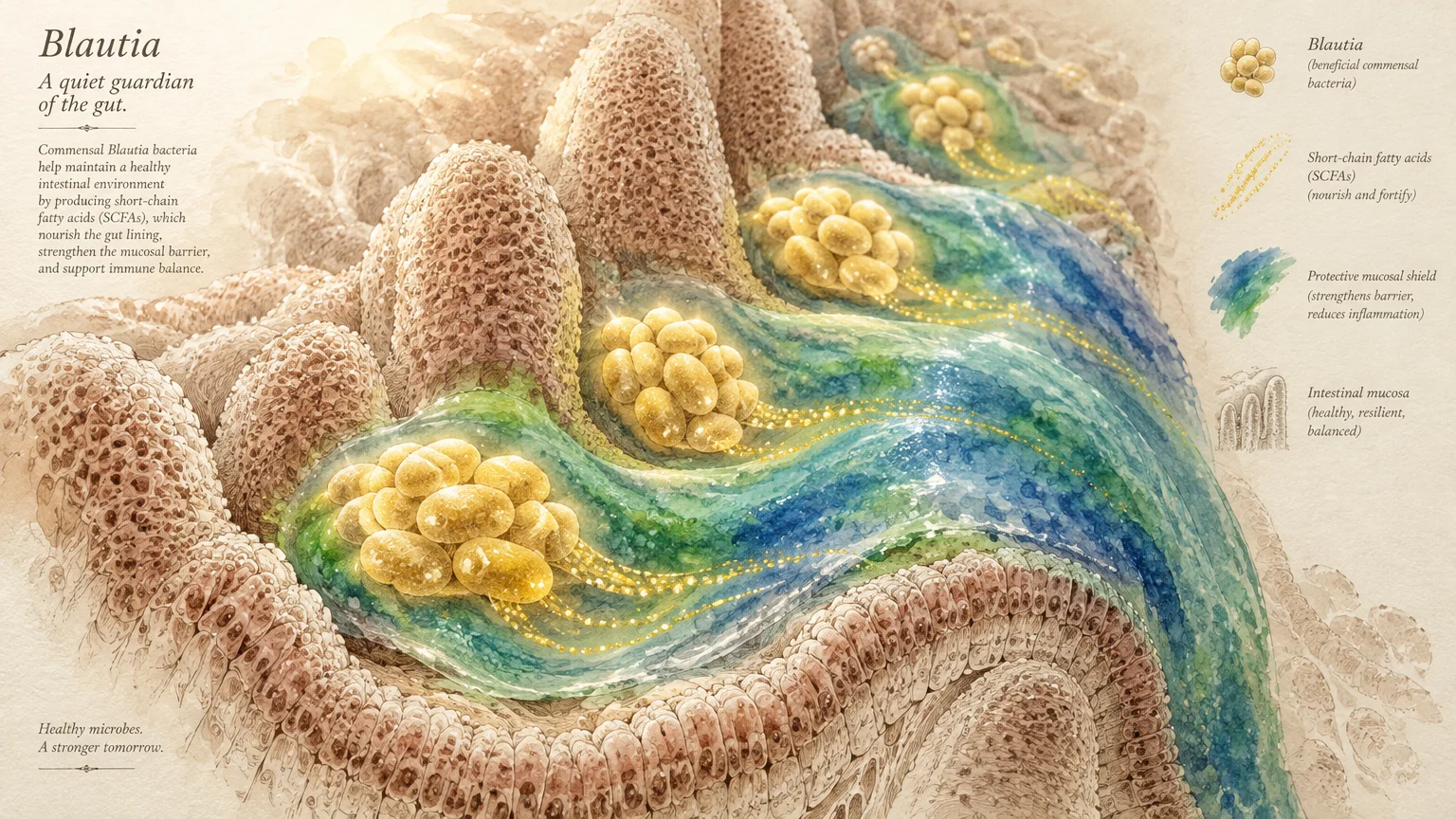
Specific bacterial species serve as dedicated guardians of your intestinal wall when provided with adequate dietary fuel. A study by microbiome researchers at Umeå University identified the gut bacterium Blautia as a primary protector.
The researchers demonstrated that high-fiber intake stimulates the growth and metabolic activity of Blautia. In turn, this bacterium helps preserve the structural integrity of the colonic mucus layer.
When individuals consume a low-fiber Western diet, Blautia populations decline sharply. This microbial loss leaves the mucus layer vulnerable to degradation by mucin-foraging species.
By consuming a diverse array of plant foods, you nourish protective organisms like Blautia. These bacteria produce short-chain fatty acids, such as butyrate, which directly fuel goblet cells to synthesize fresh mucus.
This creates a self-reinforcing cycle of gastrointestinal protection. Eating fiber feeds the organisms that stimulate mucus renewal, ensuring your barrier remains thick and impermeable to dangerous toxins.
Official Fiber Guidelines and Daily Targets
Meeting your body’s microbial requirements requires clear numerical targets. The National Academies of Sciences, Engineering, and Medicine establishes the Adequate Intake standard as 14 grams of fiber for every 1,000 calories consumed.
For adults under 50 years of age, this translates to 25 grams daily for women and 38 grams daily for men. For adults over 50, the recommendations are 21 grams for women and 30 grams for men.
The Food and Drug Administration sets the Daily Reference Value on standard U.S. food labels at 28 grams per day, based on a typical 2,000-calorie diet. Learning to read these labels is critical for success.
Under FDA labeling rules, a food with 5 percent of the Daily Value or less provides 1.4 grams or fewer per serving, making it a low source. A food offering 20 percent or more delivers at least 5.6 grams, qualifying as high fiber.
The Dietary Guidelines for Americans, released by the USDA and HHS, urge consumers to eat real food. The guidelines specifically highlight gut microbiome health, recommending two to four daily servings of whole grains alongside generous vegetables.
While nutrition experts note that modern guidelines emphasize higher protein intake of 1.2 to 1.6 grams per kilogram, fiber remains an urgent public priority. Without intentional plant choices, high-protein diets can starve your mucus-protecting microbes.
A Strategic Meal Blueprint for Mucus Barrier Repair
Restoring a compromised gut mucus layer requires an intentional, food-first strategy. You must introduce fermentable plant compounds consistently throughout the day to supply your microbes with steady nourishment.
Sudden, drastic spikes in fiber intake can cause temporary abdominal distension, gas, and cramping. To prevent discomfort, increase your daily intake by 3 to 5 grams per week while increasing your fluid consumption.
Morning Fuel: Establishing the Barrier Shield
Your microbes endure an overnight fast while you sleep. Breaking this fast with soluble and prebiotic fibers ensures bacteria resume fermenting plant carbohydrates rather than your colonic lining.
A breakfast bowl featuring rolled or steel-cut oats provides beta-glucan, a soluble fiber that forms a soothing gel inside your intestine. Stirring in two tablespoons of ground flaxseed adds both insoluble bulk and prebiotic lignans.
Topping your morning oats with a cup of fresh raspberries delivers an impressive 8 grams of dietary fiber. This single breakfast combination supplies more than 14 grams of fiber, covering half of your daily target.
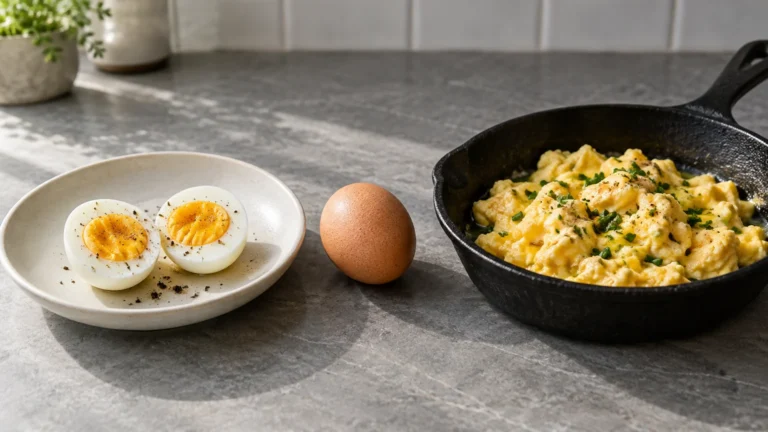
If you prefer a savory breakfast, consider a scramble made with pasture-raised eggs or tofu, accompanied by one cup of black beans and sautéed spinach. This plate provides durable plant proteins and resistant starches.
Midday Sustenance: Feeding Diverse Microbial Strains
Lunch should introduce varied fiber sources to stimulate multiple bacterial families. Plant diversity in your diet directly correlates with the diversity and resilience of your intestinal microbiome.
Build a grain bowl using cooked quinoa or farro as your complex base. These ancient grains deliver intact bran layers that pass through your stomach intact to feed colonic fermenters.
Layer in one cup of steamed broccoli, roasted chickpeas, and pumpkin seeds. The prebiotic oligosaccharides in the chickpeas stimulate beneficial bifidobacteria, prompting them to produce barrier-protecting acetate.
Drizzle your bowl with a dressing made from extra virgin olive oil and tahini. The healthy monounsaturated fats slow gastric emptying, giving your microbes a gradual, sustained delivery of fermentable substrates.
Evening Nourishment: Supporting Overnight Mucus Production
Your evening meal should provide slow-fermenting resistant starches that sustain your gut bacteria during the nocturnal fast. This steady supply prevents microbes from switching to mucus degradation overnight.
Incorporate cooked and cooled starchy tubers, such as purple or orange sweet potatoes, alongside your dinner protein. Cooling cooked potatoes causes their starches to retrograde into digestion-resistant structures.
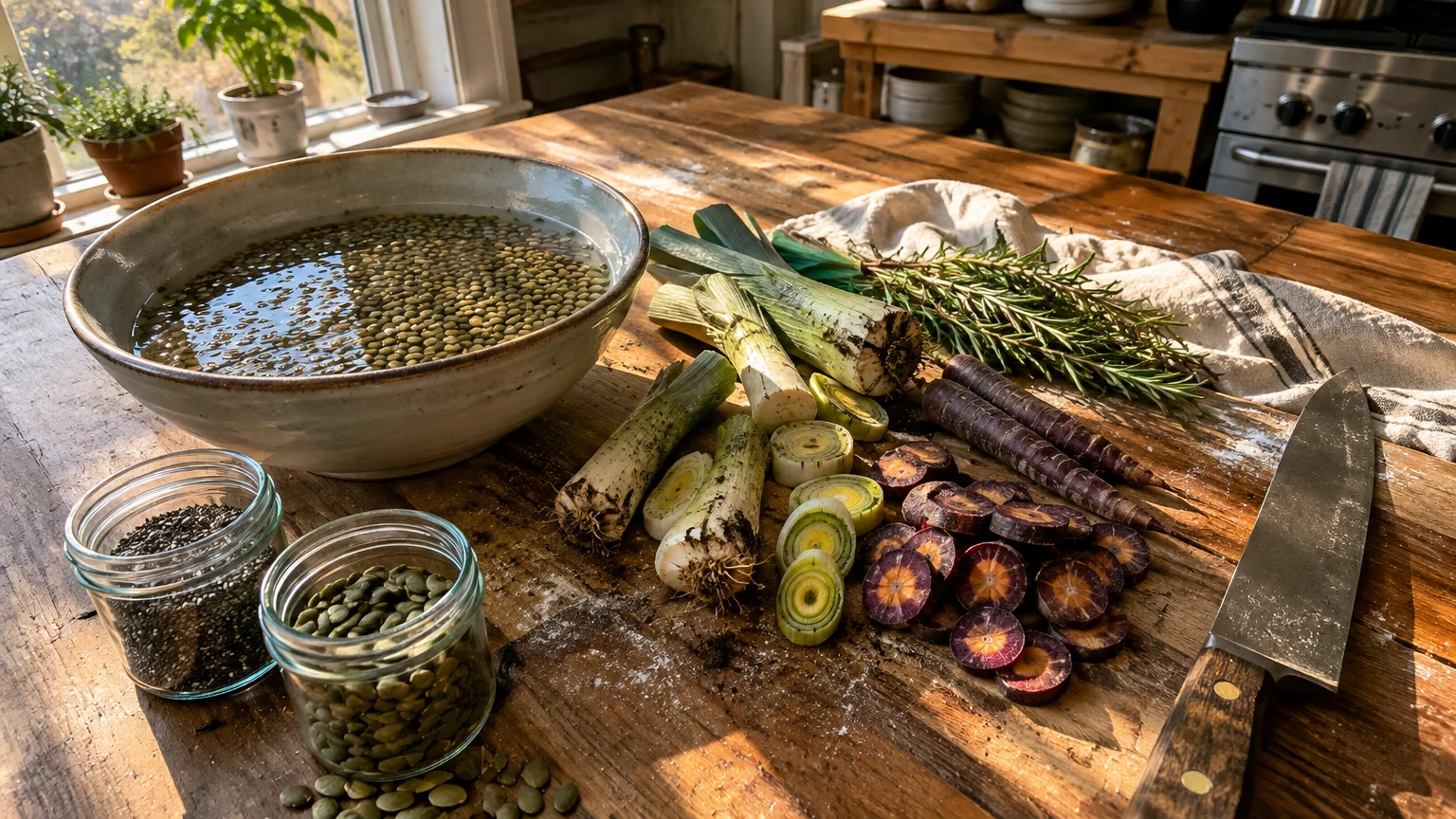
Pair these tubers with a generous portion of roasted Brussels sprouts and French green lentils. Lentils are exceptionally rich in Prif, supplying digestion-resistant proteins that fuel healthy phenylalanine metabolism.
Include a small serving of fermented foods, such as traditional raw sauerkraut or kimchi, alongside your dinner. Fermented vegetables supply active lactic acid bacteria and organic acids that lower colonic pH, discouraging pathogenic invaders.
Smart Snack Substitutions
Snack choices often represent the weakest link in daily fiber intake. Common convenience snacks made from white flour, potato flakes, and refined oils provide zero food for your gut microbiome.
Replace refined crackers with a handful of raw almonds or walnuts, which supply healthy fats alongside prebiotic fiber. One ounce of almonds delivers over 3.5 grams of high-quality dietary fiber.
Another excellent option is steamed edamame in the pod, lightly sprinkled with sea salt. Edamame offers a balanced combination of prebiotic fiber and high-quality plant protein that satisfies hunger.
Fresh whole fruits like crisp pears or apples, eaten with their skins intact, deliver both soluble pectin and insoluble cellulose. Pectin acts as an outstanding food source for short-chain fatty acid production.
Lifestyle Factors That Protect Your Intestinal Mucus
While food choices provide the building blocks for a healthy gut barrier, your daily lifestyle habits dictate how effectively your body repairs its mucosal tissues. Nutrition functions within a broader physiological ecosystem.
The Hydration Requirement
Fiber functions by absorbing water and swelling within the intestinal lumen. Without adequate water intake, increasing dietary fiber can lead to stool compaction, sluggish transit times, and painful abdominal distension.
Your colonic mucus layer itself is more than 90 percent water by weight. Adequate cellular hydration is fundamentally necessary for goblet cells to produce and expand protective mucin gels.
Drink filtered water consistently throughout the day, adjusting for your body mass, ambient temperature, and exercise output. Pairing every high-fiber meal with a tall glass of water optimizes intestinal motility.
Circadian Rhythms and Sleep Quality
Your intestinal lining operates on a strict circadian clock. Research demonstrates that colonic goblet cells follow natural 24-hour cycles for mucin-2 gene expression and secretion.
Chronic sleep deprivation and irregular sleep schedules disrupt this rhythmic mucus production. When your sleep patterns fragment, your intestinal lining struggles to repair micro-injuries incurred throughout the day.
Prioritize seven to nine hours of quality sleep nightly to facilitate gut mucosal regeneration. Maintaining consistent sleep and wake times supports stable microbial metabolism and strengthens barrier integrity.
Physical Movement and Microbial Diversity
Regular physical exercise directly influences the composition and metabolic activity of your gut microbiome. Cardiovascular exercise increases intestinal blood flow and stimulates healthy muscular contractions along the colon.
Clinical studies show that active individuals cultivate greater microbial diversity and higher concentrations of beneficial short-chain fatty acids. This physiological environment actively protects against barrier erosion.
Incorporate at least 150 minutes of moderate-intensity aerobic exercise, such as brisk walking, swimming, or cycling, into your weekly routine. Consistent movement supports healthy microbial ecosystems far better than sporadic high-intensity exertion.
Stress Modulation and Autonomic Balance
Chronic emotional and psychological stress exerts profound negative effects on the gut environment through the brain-gut axis. Elevated cortisol levels and sympathetic nerve activation alter intestinal motility and blood flow.
Sustained stress also reduces secretory immunoglobulin A, an essential immune protein embedded within your mucus layer. This immune drop allows aggressive microbes to access the epithelial surface more easily.
Engage in daily practices that stimulate your parasympathetic nervous system, such as slow diaphragmatic breathing, meditation, or quiet time outdoors. Calming your autonomic nervous system directly enhances gut barrier repair.

Clinical Biomarkers, Medication Timing, and Red Flags
As you modify your nutrition to restore your gut mucus layer, tracking objective biomarkers and understanding clinical safety guidelines is essential. Working collaboratively with your healthcare team ensures safe, measurable progress.
Biomarkers of Intestinal Barrier Health
While commercial microbiome sequencing tests offer interesting insights, standard clinical medicine relies on validated laboratory biomarkers. High-sensitivity C-reactive protein, or hs-CRP, measures systemic inflammation driven by barrier permeability.
Your physician can also evaluate metabolic panels, fasting glucose, and lipid profiles to gauge systemic response to increased fiber. These routine blood markers frequently improve as gut barrier integrity stabilizes.
In cases of significant digestive distress, a gastroenterologist may order a stool test for fecal calprotectin. This reliable marker detects neutrophil migration into the intestinal lumen, identifying active mucosal inflammation.
Medication Interactions and Proper Timing
Significantly increasing dietary fiber or utilizing concentrated fiber supplements can alter how your body absorbs pharmaceutical medications. Soluble fibers can bind certain drug molecules and slow their intestinal absorption.
This absorption delay is especially critical for narrow therapeutic index medications, including thyroid hormone replacement, cardiac medications like digoxin, and psychiatric mood stabilizers like lithium. Spacing doses appropriately protects drug efficacy.
As a general clinical rule, take prescription medications at least one hour before or two hours after consuming high-fiber supplements or meals exceptionally high in soluble fiber. Always confirm medication schedules with your prescribing doctor.
Red Flag Symptoms Requiring Prompt Medical Care
While mild bloating and gas are normal transient responses to increasing fiber, certain gastrointestinal symptoms warrant immediate clinical investigation. You must never ignore signs of structural disease or acute pathology.
Schedule an evaluation with your physician if you experience visible rectal bleeding, persistent black or tarry stools, or unintentional weight loss. These symptoms indicate issues beyond simple dietary fiber deficits.
Seek urgent care if you experience severe abdominal pain, persistent vomiting, nocturnal diarrhea that wakes you from sleep, or unexplained fever. These red flags require comprehensive diagnostic evaluation by a medical professional.
Frequently Asked Questions
How can I maintain my gut mucus barrier when dining out?
Restaurant meals are notoriously low in dietary fiber and high in refined starches and industrial seed oils. However, you can make strategic menu choices that supply your microbes with essential carbohydrates.
Always request double portions of steamed or roasted vegetables in place of refined white potatoes or white rice. Choosing salads with dark leafy greens, avocado, and nuts ensures a steady intake of prebiotic fibers.
Look for menu items featuring beans, lentils, or whole grains like brown rice and quinoa. Inquiring about plant-based side dishes allows you to protect your gut barrier even while dining away from home.
What are the best budget-friendly foods to restore gut fiber?
You do not need expensive specialty health foods to supply your gut bacteria with premium fuel. Dried or canned legumes, including black beans, pinto beans, chickpeas, and green lentils, are among the cheapest fiber sources available.
Bulk whole grains like whole rolled oats, brown rice, and pearl barley cost pennies per serving while delivering massive quantities of beta-glucan and insoluble fiber. They store safely in your pantry for months.
Frozen vegetables and berries are nutritionally equivalent to fresh options and cost significantly less, with zero waste. Cabbage, carrots, and whole apples provide exceptionally economical, year-round sources of prebiotic plant fibers.
Are fiber supplements as effective as whole plant foods?
Isolated fiber supplements like psyllium husk, inulin, or methylcellulose can help bridge numerical intake gaps. They provide specific fermentable substrates that stimulate certain beneficial microbial species.
However, supplements lack the complex cellular matrix found in whole plant foods. They do not supply the polyphenols, micronutrients, or newly discovered Prifs that optimize microbial diversity and health.
Use fiber supplements as an adjunct rather than a primary food replacement. Strive to obtain the vast majority of your daily fiber from diverse, whole agricultural sources.
How can I adapt high-fiber eating to diverse cultural cuisines?
High-fiber eating aligns naturally with traditional culinary heritage across the globe. Traditional foodways have sustained healthy human microbiomes for thousands of years through regional plant staples.
In Hispanic traditions, classic dishes centered on pinto beans, black beans, corn tortillas, and nopales deliver exceptional prebiotic fiber. These foods nourish short-chain fatty acid producers efficiently.
In Mediterranean and Middle Eastern cuisines, split pea stews, hummus, tabbouleh made with bulgur wheat, and lentil-based mujadara provide rich fiber matrices. These dishes protect mucosal architecture naturally.
In Asian culinary traditions, fermented soybeans, edamame, bok choy, lotus root, and brown rice dishes deliver balanced soluble and insoluble fibers. Every cultural cuisine possesses rich, accessible plant foods that nourish your gut lining.
Your Next Step Toward a Resilient Microbiome
Understanding what your gut bacteria consume during a fiber drought transforms how you view every meal. You are not simply feeding human cells; you are actively fueling an internal ecosystem that protects your vital tissues.
Do not attempt to overhaul your entire dietary pattern overnight. Choose a single, manageable habit this week, such as adding half a cup of black beans or two tablespoons of chia seeds to your daily routine.
Track your tolerance, drink abundant water, and celebrate the biological protection you provide your intestinal lining. Consistent, gradual additions allow your microbial community to adapt smoothly without uncomfortable side effects.
Share your dietary goals with your primary care physician or a registered dietitian. With professional guidance and consistent plant variety, you can rebuild a resilient mucosal barrier that supports lifelong systemic health.