When you reach into the supermarket freezer for a bag of frozen shrimp, one warning sign demands your immediate attention: thick, clumpy ice crystals or excessive frost accumulating inside the packaging. According to guidelines from the U.S. Food and Drug Administration (FDA), heavy ice buildup indicates temperature abuse, signaling that the shrimp partially thawed and refroze during transit or storage. This temperature fluctuation breaks down delicate protein structures, ruins culinary texture, and fosters conditions where harmful bacteria can rapidly multiply. By identifying this crucial visual indicator before purchasing, you protect your family from foodborne illness, save money on damaged seafood, and ensure your meals deliver optimal flavor and nutrition.
The Science Behind Ice Crystals and Temperature Abuse
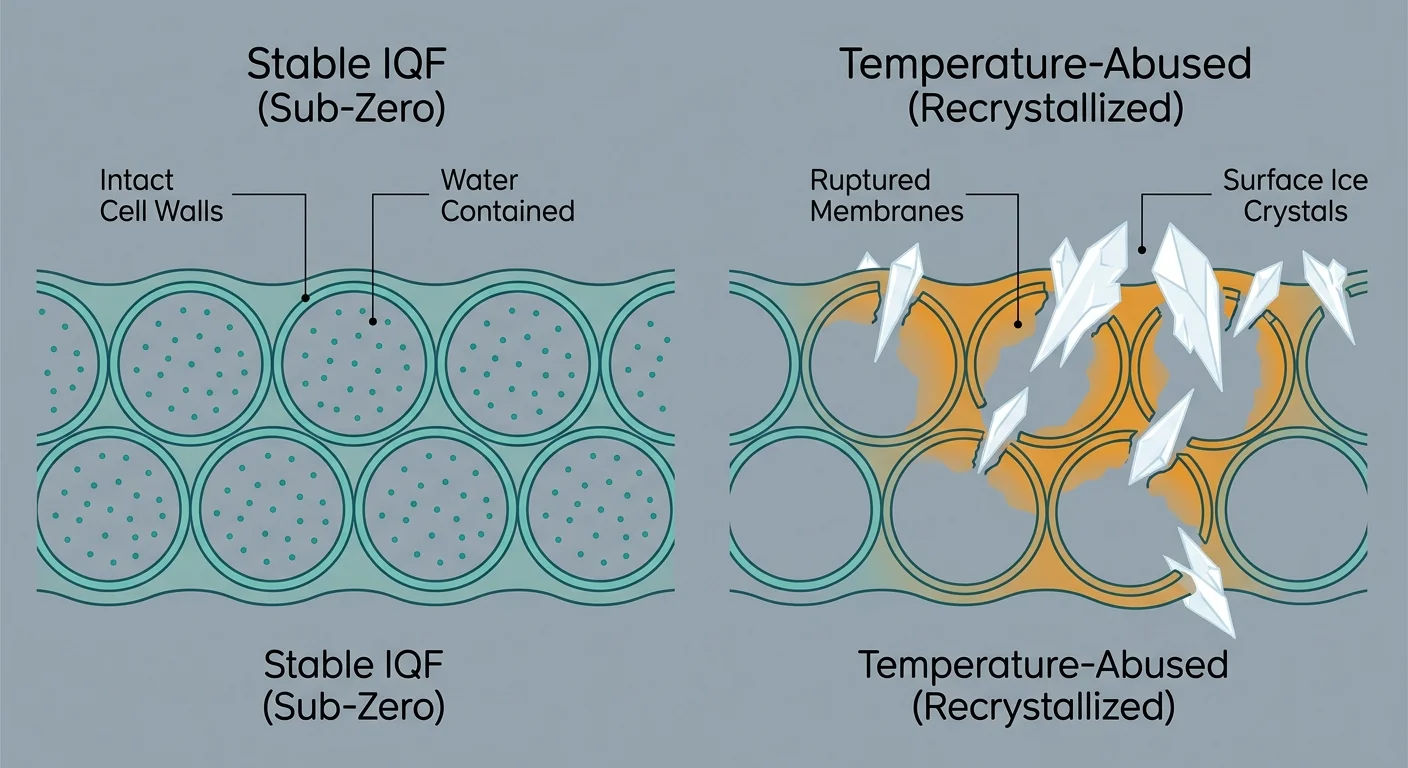
Shrimp ranks as the most popular seafood in the United States. Data from NOAA Fisheries seafood statistics show that Americans consume approximately 4 to 5 pounds of shrimp per capita every year, accounting for more than a quarter of total national seafood intake. Because most shrimp travels long distances from overseas aquaculture farms or coastal fisheries, commercial distributors rely on strict cold chain integrity to preserve raw product quality. When suppliers maintain uninterrupted sub-zero temperatures, individually quick frozen (IQF) shrimp retains its natural cell structure, moisture balance, and delicate sweet flavor for many months.
However, unexpected breaks in the cold chain trigger dramatic chemical and biological transformations. When ambient temperatures rise during truck transfer, loading dock delays, or malfunctioning grocery freezer cases, the outer layer of the shrimp begins to thaw. Water migrates from inside the cellular walls of the crustacean muscle tissue toward the exterior surface. When the surrounding temperature drops back down, this freed surface moisture freezes into solid, opaque blocks of ice crystals rather than remaining distributed within the cellular matrix. Food scientists refer to this process as recrystallization—an undeniable hallmark of thermal instability during distribution.
Beyond destroying culinary texture, temperature fluctuations accelerate cellular degradation throughout the flesh. As expanding ice crystals rupture delicate cell membranes, muscle fibers lose their elasticity and structural integrity. This widespread cellular damage leads to excessive fluid leakage—known as drip loss—during the final thawing process in your kitchen. Consequently, temperature-abused shrimp cooks into tough, rubbery, and dry bites regardless of your culinary expertise. More importantly, warm excursions grant pathogenic bacteria—such as Vibrio, Salmonella, and Listeria monocytogenes—a temporary window to multiply before the product freezes again. Freezing deactivates these microbes temporarily, but it rarely destroys them. When you thaw temperature-abused seafood at home, bacterial populations resume growth from a dangerously elevated baseline.
Recognizing Seafood Packaging Red Flags in the Store
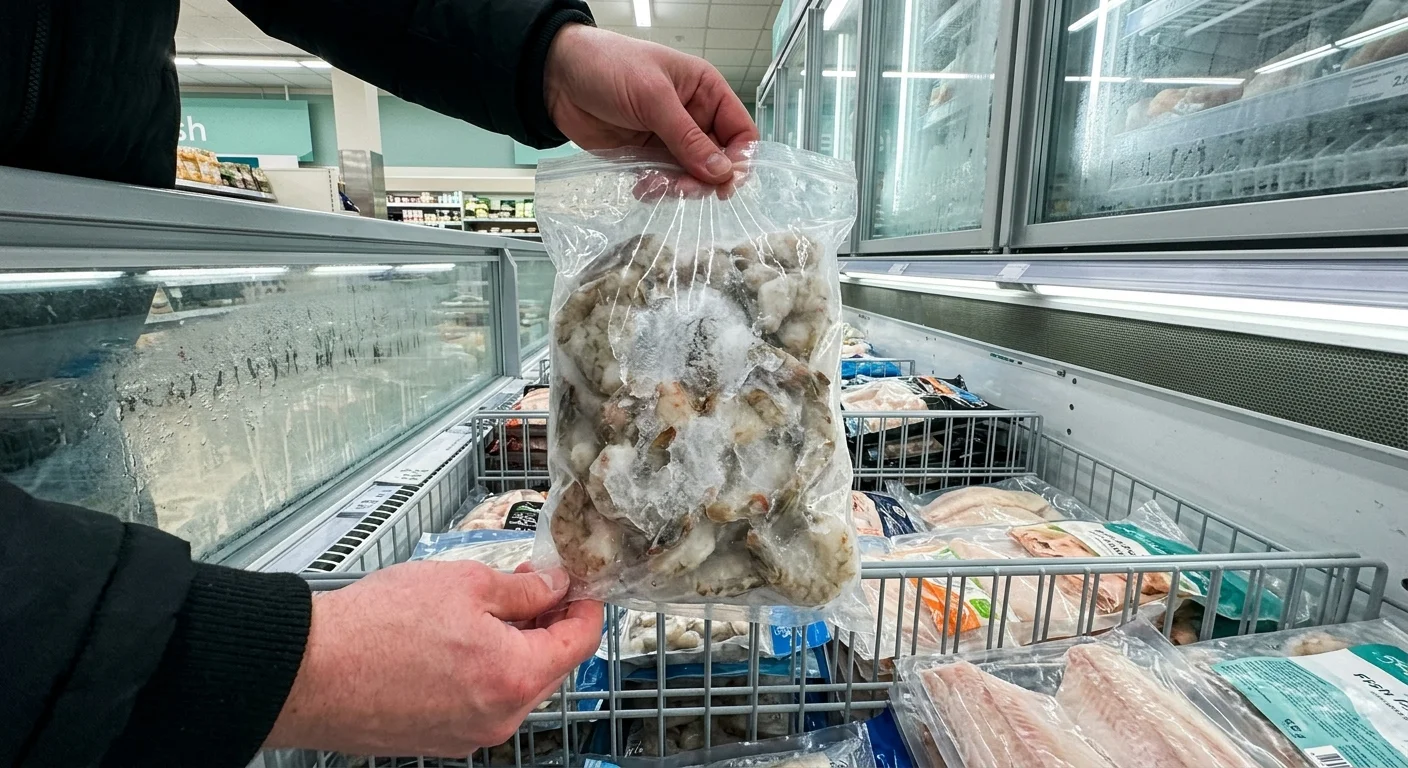
Detecting temperature abuse requires a keen eye before you place a package into your shopping cart. Modern commercial packaging uses clear poly bags or windowed boxes precisely so consumers can evaluate product quality visually. You should immediately bypass any package where individual shrimp freeze together into a solid, impenetrable mass. Quality IQF shrimp should move freely inside the bag when you shake it gently; you ought to hear a distinct rattling sound of separate pieces rather than feeling a heavy, immovable brick of seafood.
Inspect the interior surfaces of the plastic packaging with great care. A thin, transparent glaze directly coating each individual shrimp is normal and beneficial; processors apply this water mist glaze intentionally to seal the flesh against destructive air exposure and oxidation. However, thick, white, snow-like frost accumulating along the internal seams or bottom of the bag signals severe environmental stress and repeated thaw-refreeze cycles. Additionally, examine the outer container for physical damage. Crushed packaging corners, torn protective film, or loose heat seals allow ambient air to circulate continuously, accelerating lipid oxidation and freezer burn.
Pay close attention to the retail display environment inside the supermarket. Per FDA food safety standards for retail seafood, open-top grocery freezer cases must keep frozen inventory stored strictly below the designated fill line. Packages stacked above this load line or resting near the rim absorb warm ambient aisle air, initiating gradual thawing cycles right in the store. Reach deep into the cabinet to select packages stored well below the frost line, ensuring the bag feels rock-solid to your touch. Avoid any package that feels pliable, soft, or squishy, as these tactile textures indicate active defrosting.
Net-Weight Fraud and Ice-Glazing Regulations
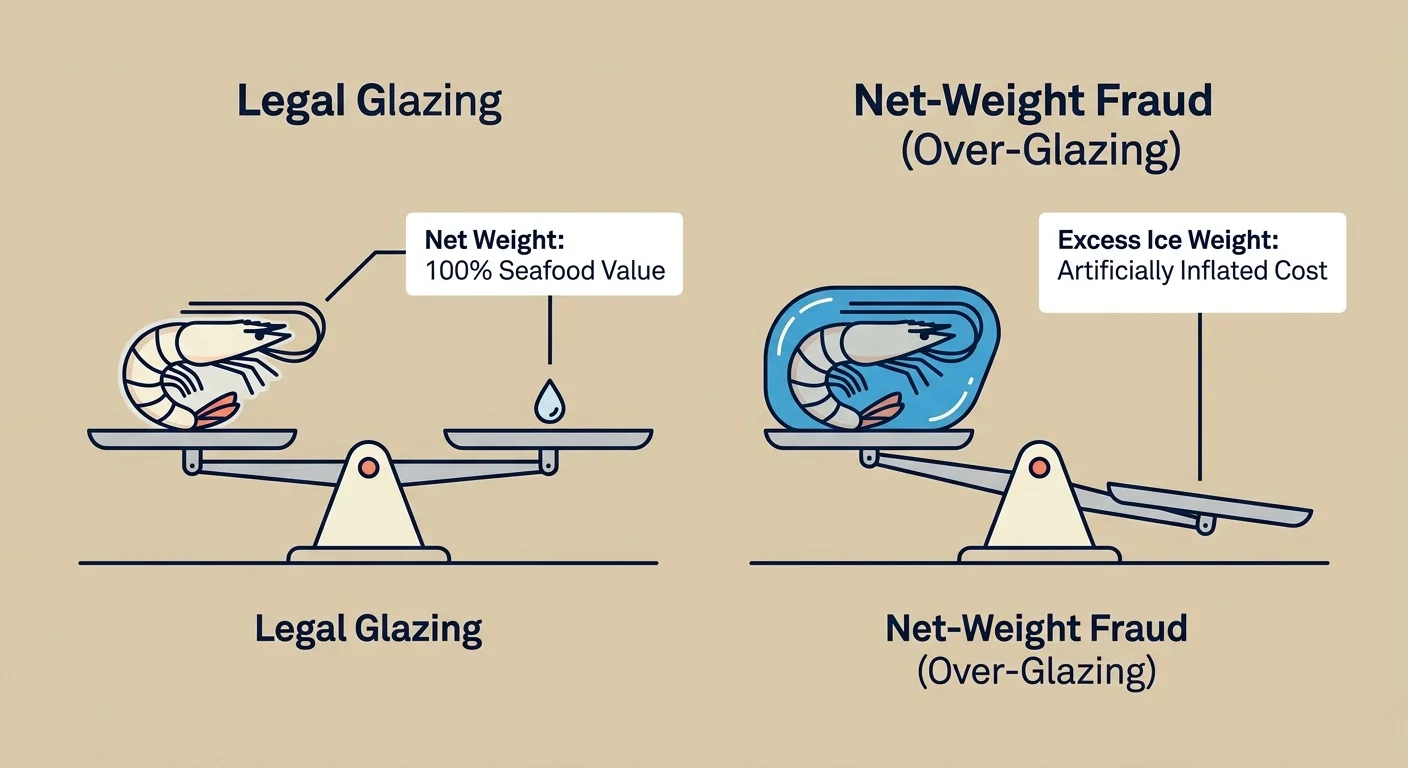
While visible ice crystals signal safety hazards and texture degradation, excessive ice glaze introduces another critical consumer issue: economic adulteration. Seafood processors routinely apply a thin, controlled film of protective water glaze—typically representing 8 to 12 percent of total product weight—to prevent surface drying during long-term cold storage. Unfortunately, dishonest manufacturers sometimes abuse this legitimate preservation method by applying unnecessarily thick layers of ice, charging premium seafood prices for plain frozen tap water.
Federal law establishes strict boundaries regarding commercial net-weight declarations to protect consumers from deceptive pricing. Under Sections 402(b) and 403(e)(2) of the Federal Food, Drug, and Cosmetic Act, including protective ice glazing as part of the declared net weight of frozen shrimp constitutes illegal food fraud and product adulteration. When federal regulators inspect frozen shrimp, they must thoroughly melt away and drain all surface glaze before recording the true net weight of the seafood alone. Regulators classify any measurable shortfall between declared weight and actual un-glazed weight as short weighting.
Recent federal enforcement efforts highlight how widespread this packaging problem remains across global supply chains. In a multi-year inspection assignment targeting imported frozen seafood, regulatory testing revealed that 36 percent of tested samples violated net-weight requirements due to short weighting, with individual shortfalls ranging from 2.3 percent to 9.9 percent below declared weight. Notably, 8 out of the 10 violating samples in this enforcement sweep were frozen shrimp products. Choosing reputable brands that adhere to transparent net-weight labeling protects your household budget while supporting ethical commercial practices.
Three Essential Pillars for Safe Frozen Seafood Selection
Pillar 1: Smart Purchasing and Inspection Habits
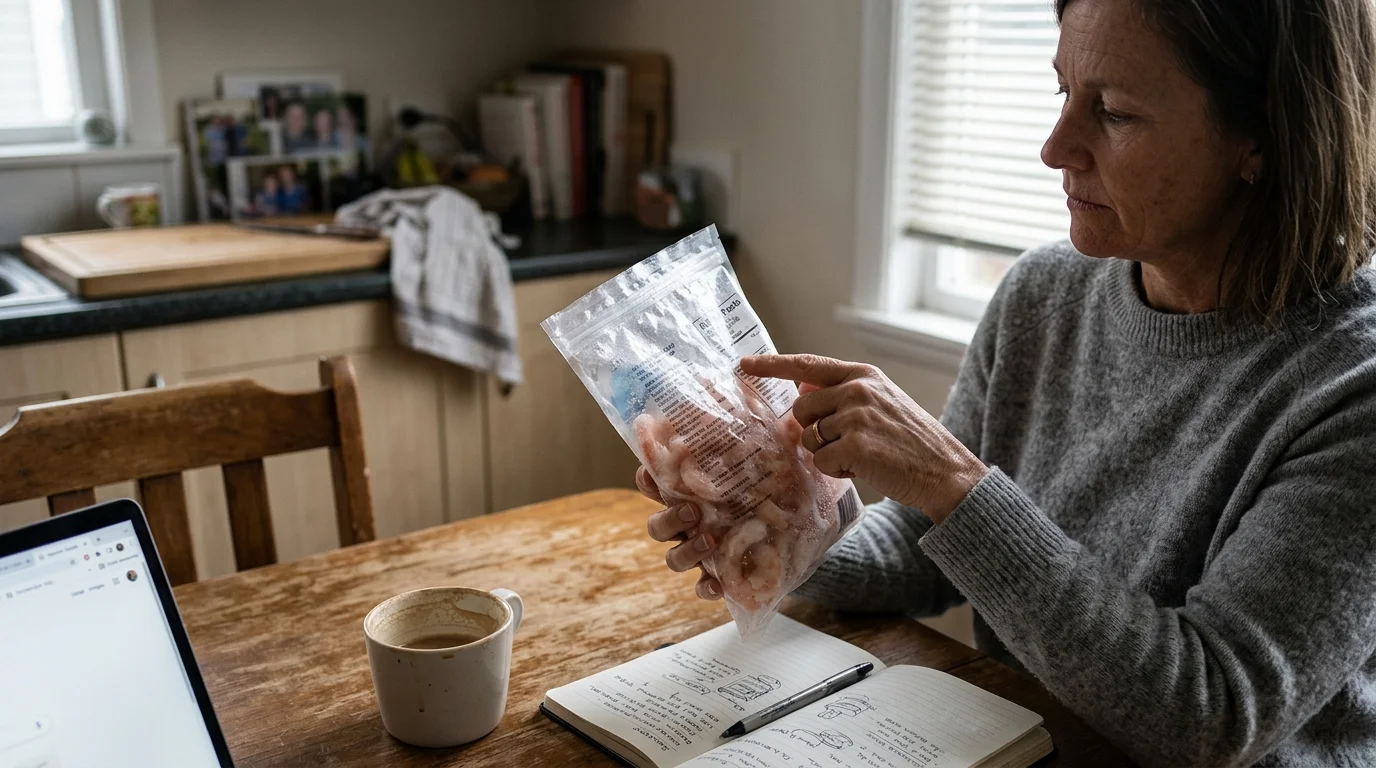
Developing a systematic evaluation routine at the supermarket ensures you consistently bring home safe, high-quality seafood. Always shop for frozen goods at the very end of your grocery trip, minimizing the time cold items spend sitting in your shopping cart at room temperature. Pick packages stored deep inside the freezer bunker where ambient temperatures remain consistently sub-zero. Inspect the bag thoroughly—checking for clear visibility of individual shrimp, an absence of loose frost clusters, and fully intact, undamaged heat seals; this simple habit eliminates compromised products before you reach the checkout line.
Pillar 2: Strategic Thawing and Handling Practices
Once you bring safe frozen shrimp home, proper handling preserves both safety and delicate protein texture. Never leave frozen shrimp on the kitchen counter to thaw at room temperature, and avoid using warm or hot water baths. These unsafe methods push the outer surfaces into the bacterial danger zone—between 40°F and 140°F—where harmful microbes proliferate rapidly while the core remains frozen. Review official USDA recommendations for safe food thawing to protect your household from foodborne risks.
Instead, employ one of two safe thawing methods depending on your timeline. For planned meals, transfer the required portion of shrimp to a clean, covered container and place it in your refrigerator overnight; this slow defrosting method maintains precise temperature control below 40°F. For rapid preparation, seal the shrimp inside a leak-proof plastic bag and submerge it under continuous cold running tap water for 10 to 15 minutes. Drain the thawed shrimp thoroughly on clean paper towels before cooking, as excess surface moisture prevents proper searing and creates unwanted steam in your skillet.
Pillar 3: Maximizing Nutritional Value and Culinary Quality
Frozen shrimp provides exceptional nutritional density, offering high-quality lean protein along with essential micronutrients like selenium, vitamin B12, iodine, and omega-3 fatty acids. To retain these valuable nutrients while achieving superior taste and texture, cook thawed shrimp promptly using high-heat, short-duration methods. Sautéing, grilling, or steaming shrimp for just two to three minutes per side turns the flesh opaque and firm without drying out the muscle fibers. Avoid overcooking, which squeezes out moisture and concentrates any mild sodium solutions used during processing.

Safety, Personalization, and Shellfish Sensitivities
While shrimp offers clear health benefits for most individuals, specific safety considerations apply across different dietary needs and health conditions. Shellfish allergy represents one of the most common adult food allergies, caused by an immune system response to the muscle protein tropomyosin. If you or a household member experiences symptoms such as hives, swelling, or respiratory distress after eating crustacean shellfish, eliminate shrimp entirely and consult an allergist for formal evaluation. Refer to Centers for Disease Control and Prevention guidance on seafood safety for detailed allergy management strategies.
Additionally, pay close attention to ingredient lists if you follow a low-sodium diet. Commercial processors frequently soak raw shrimp in sodium tripolyphosphate (STPP) or salt brine solutions to enhance water retention before freezing. While these additives maintain plumpness, they significantly increase the sodium content per serving. Look for labels reading “shrimp and water” without added phosphate compounds if you need to manage blood pressure or cardiac health. Furthermore, vulnerable populations—including pregnant individuals, older adults, and immunocompromised individuals—must ensure shrimp reaches an internal cooking temperature of 145°F as measured by a digital food thermometer to eliminate raw seafood pathogens.
Frequently Asked Questions About Frozen Shrimp Safety
Is freezer burn on shrimp dangerous, or does it just affect taste?
Freezer burn itself is a physical quality issue caused by moisture loss and air exposure rather than bacterial contamination. However, extensive freezer burn often accompanies temperature abuse, which does raise microbiological safety concerns. While mildly freezer-burned shrimp remains safe to eat after thorough cooking, it will possess a dry, woody texture and unappealing off-flavors.
Can you safely refreeze shrimp after it thaws?
You can safely refreeze shrimp only if you thawed it inside a refrigerator maintained at or below 40°F and kept it chilled at all times. However, refreezing damages the structural integrity of the delicate muscle tissue, resulting in significant moisture loss, mushy texture, and decreased flavor quality upon subsequent cooking. Never refreeze shrimp thawed in cold water or at room temperature.
What does IQF mean on seafood packaging, and why should you look for it?
IQF stands for “Individually Quick Frozen.” This commercial freezing technique freezes each shrimp rapidly and separately before packaging, preventing large ice crystals from damaging individual cells. Buying IQF shrimp allows you to remove and thaw exact portions as needed without defrosting the entire bag.
How can you tell if raw shrimp has gone bad after thawing?
Spoiled shrimp exhibits several distinct indicators that signal immediate disposal. Fresh or thawed raw shrimp should smell clean and mildly briny, similar to the ocean. If you detect a sharp ammonia odor, sour smell, or fishy stench, toss the shrimp immediately. Additionally, a slimy or sticky surface coating, yellowish discoloration, or unusual dark spots along the shell indicate bacterial decay.
Take Action Today for Safer Seafood Meals
Protecting your kitchen from compromised seafood requires simple visual vigilance. Head to your freezer right now and inspect your current stock of frozen shrimp. Check the bag for loose, rattle-ready individual pieces and ensure there are no heavy, clumpy ice crystals or thick frost build-up hiding in the corners. If your existing package passes inspection, practice safe thawing by moving your intended portion to the refrigerator overnight for your next meal. Making this quick inspection a permanent grocery habit guarantees that every seafood dish you serve remains safe, nutritious, and undeniably delicious.