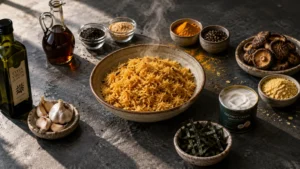
Transforming plain rice into a nutrient-dense, flavorful centerpiece requires only a few smart staples from your kitchen cupboard. You can instantly elevate taste and metabolic quality without spending extra time cooking.
Plain white or brown rice offers an adaptable blank canvas for daily meals; however, unseasoned grains quickly lead to palate fatigue. Simple additions enhance micronutrient density and dramatically upgrade meal satisfaction.
By pairing basic grains with strategic dietary fats, aromatics, and umami boosters, you create satisfying dishes that support long-term wellness. Here is how simple pantry staples turn basic rice into culinary gold.
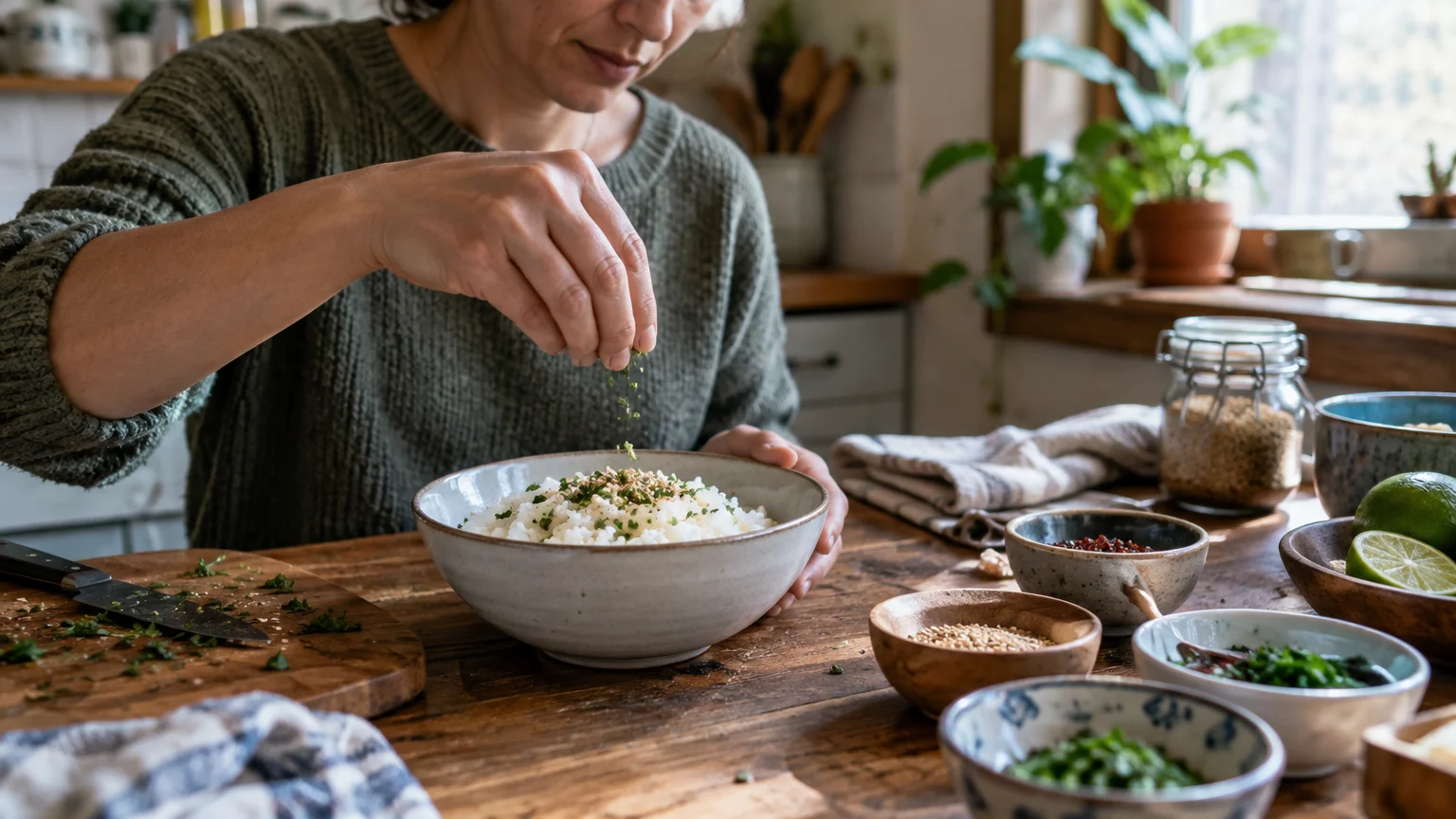
The Science of Elevating Simple Grains
Rice serves as a primary dietary staple for billions of people across the globe. From a nutritional perspective, plain white rice consists predominantly of rapidly digestible starches.
When you consume refined grains alone, digestive enzymes rapidly hydrolyze starches into glucose monomers. This enzymatic process prompts a sudden rise in postprandial blood sugar and an accompanying insulin spike.
Clinical studies documented by the National Institutes of Health demonstrate that co-ingesting starches with dietary lipids and dietary fiber substantially blunts acute glucose responses. Lipids delay gastric emptying, slowing the intestinal absorption of carbohydrate molecules.
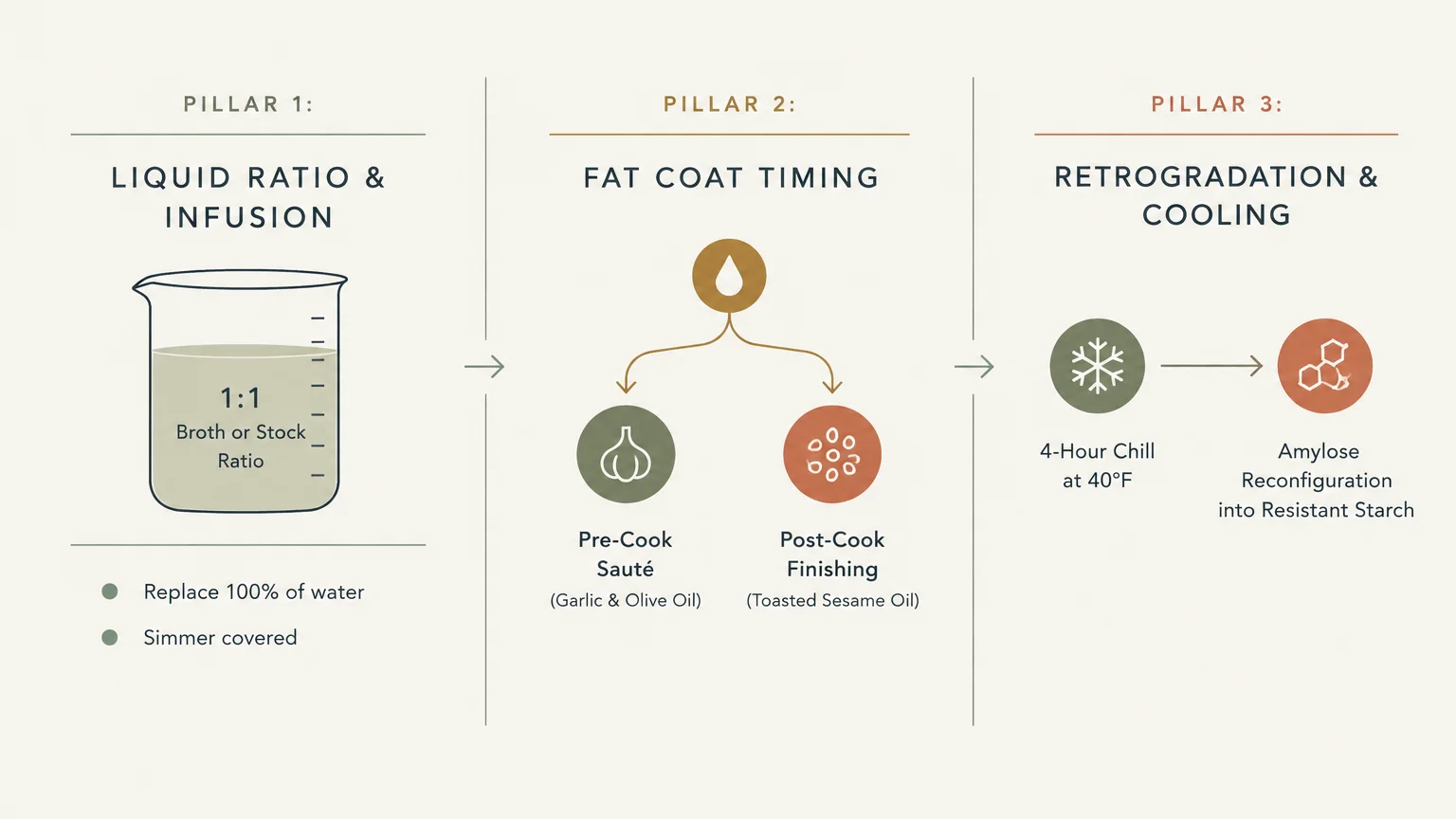
Cooling cooked rice also encourages retrogradation, a process where amylose chains realign into crystalline structures known as resistant starch. Resistant starch functions much like soluble dietary fiber in your large intestine.
According to researchers at Harvard T.H. Chan School of Public Health, gut microbes ferment resistant starch into beneficial short-chain fatty acids like butyrate. Butyrate nourishes colonocytes and strengthens gut barrier integrity.
Furthermore, fat-soluble nutrients require dietary triglycerides for intestinal lymphatic transport. Adding healthy fats to plain grains ensures your body effectively absorbs fat-soluble carotenoids, polyphenols, and vitamins from your entire meal.
Flavor compounds also interact chemically with starches to enhance satiety signals in your brain. Umami compounds stimulate salivary secretions and activate vagal nerve pathways that signal genuine digestive satisfaction.
Aromatic volatile compounds stimulate your olfactory bulb, triggering anticipatory cephalic phase digestive responses. This primed digestive state enhances enzymatic secretion and promotes efficient gastrointestinal processing.
Strategic pantry seasoning transforms neutral carbohydrate calories into a complex functional food. You achieve superior blood sugar management, improved micronutrient absorption, and deeply gratifying sensory enjoyment with minimal effort.
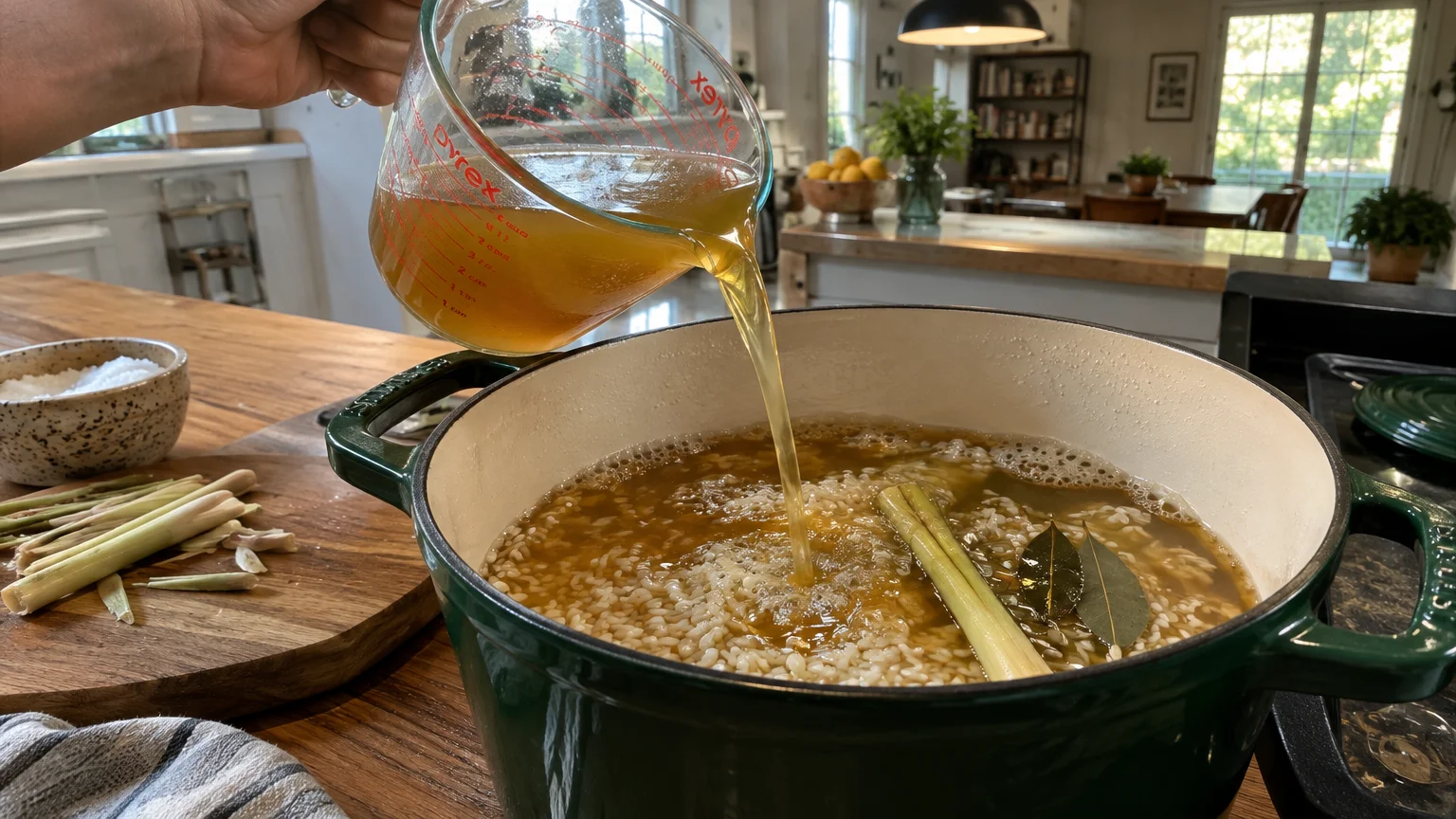
1. Bone Broth and Rich Vegetable Stock
Replacing plain water with simmering broth is the single easiest technique to infuse deep flavor into raw grain kernels. The simmering rice absorbs amino acids and mineral ions directly into its expanding starch matrix.
Bone broth supplies bioavailable collagen peptides, glycine, and proline; vegetable stock provides potassium and subtle herbal notes. This substitution transforms neutral carbohydrates into a savory foundation with rounded depth.
When preparing your grains, use an exact one-to-one volumetric replacement of broth for the water called for in your recipe. Simmer gently with a tight-fitting lid to allow complete liquid absorption.
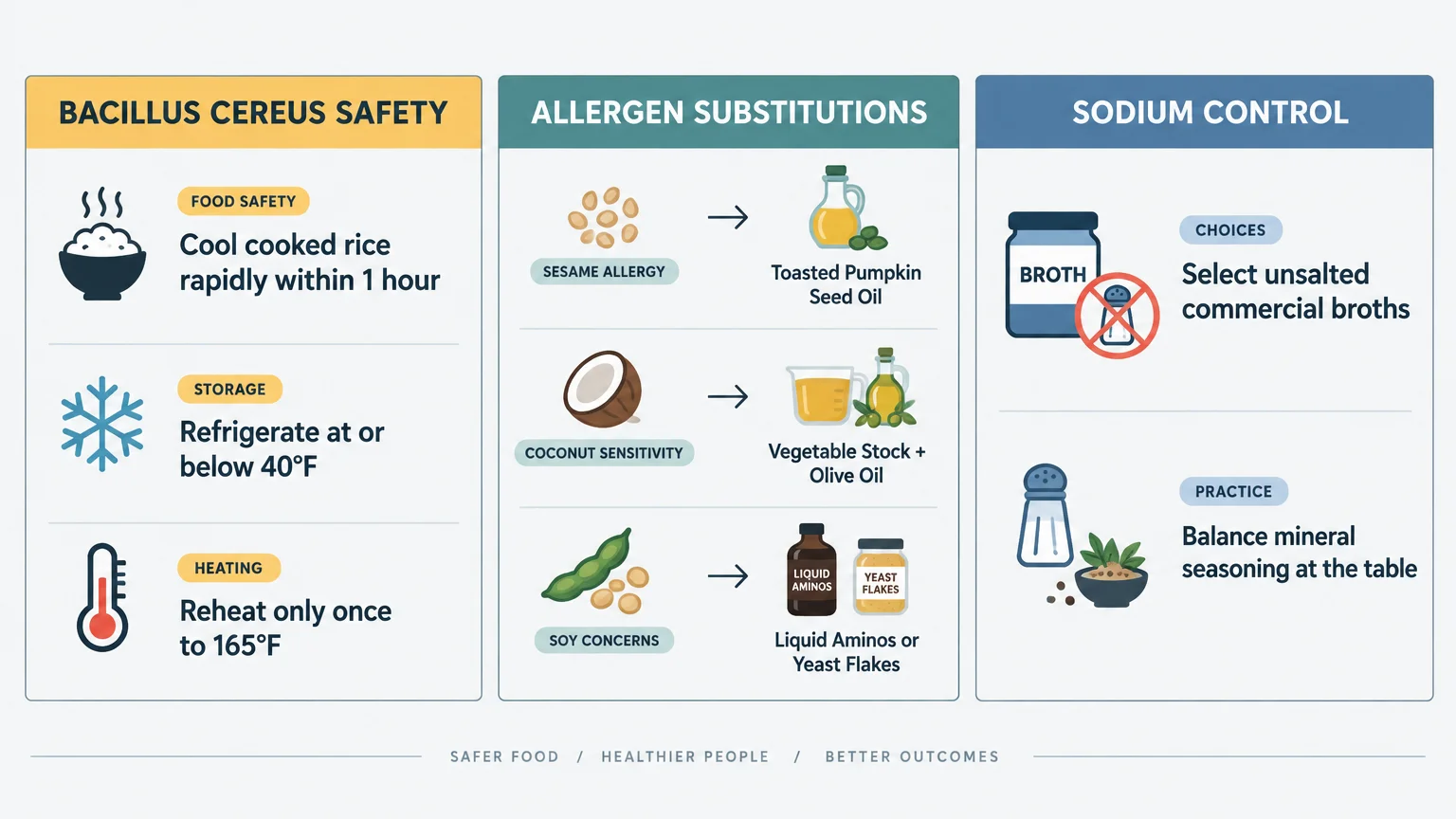
Choose low-sodium or unsalted varieties whenever you shop for commercial packaged stocks. Pre-made stocks often contain excessive sodium levels that limit your ability to control seasoning at the table.
For an extra layer of complexity, drop a bruised stalk of lemongrass or a dried bay leaf into the simmering broth. Discard the aromatic botanicals right before fluffing your grains with a wide fork.
Stock-cooked rice pairs naturally with roasted poultry, braised legumes, or seared tofu. The resulting grain features a richer mouthfeel and an appealing savory finish that water alone can never duplicate.
If you keep homemade frozen broth cubes, melt two cubes directly into your cooking water before simmering. This easy step adds rich gelatinous body without requiring an entire carton of commercial stock.
Simmering rice in mineral-rich stocks also imparts subtle electrolytes like magnesium and calcium. You replenish vital micronutrients while transforming a plain side dish into a deeply satisfying culinary component.
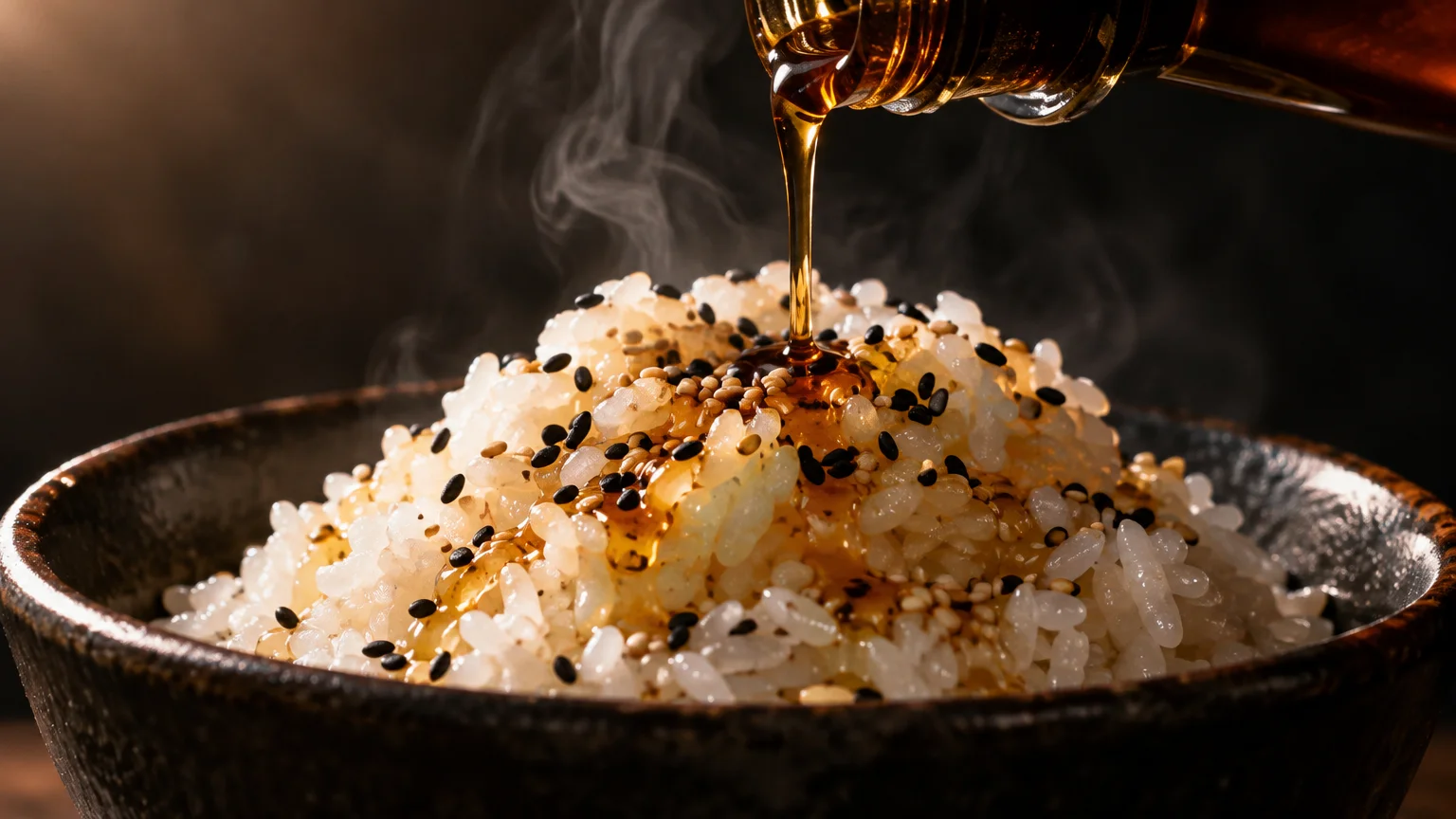
2. Toasted Sesame Oil and Toasted Sesame Seeds
A small drizzle of dark, toasted sesame oil introduces an intense nutty aroma that instantly alters grain perception. Because the oil is pressed from roasted seeds, its concentrated volatile compounds distribute easily across warm starches.
Sesame seeds contain valuable lignans, specifically sesamin and sesamolin, which offer notable antioxidant and cellular protective actions. These active phytochemicals remain stable during warm food applications.
Stir half a teaspoon of toasted sesame oil into warm, freshly steamed rice just after opening the cooking pot. Fold the grains gently so the lipid droplets coat each individual kernel evenly.
Sprinkle a tablespoon of whole toasted white or black sesame seeds across the top for immediate textural contrast. The seeds deliver small bursts of calcium, magnesium, and plant-based dietary fiber with every bite.
Avoid heating toasted sesame oil over high culinary temperatures for sustained durations. Heat degrades its delicate aromatic esters, so you should treat it primarily as a finishing lipid rather than a cooking fat.
Pair your sesame-scented rice with steamed bok choy, edamame, or baked wild salmon. The nutty aromatic profile harmonizes effortlessly with soy sauce, fresh scallions, and chili flakes.
Toasted sesame seeds also provide plant lignans that support balanced hormone metabolism. Adding this crunchy topping elevates the mineral profile of your meal while adding visual elegance.
Keep your toasted sesame oil stored in your refrigerator after opening to prevent lipid peroxidation. Cold storage preserves its volatile aromatic terpenes and extends shelf stability for many months.
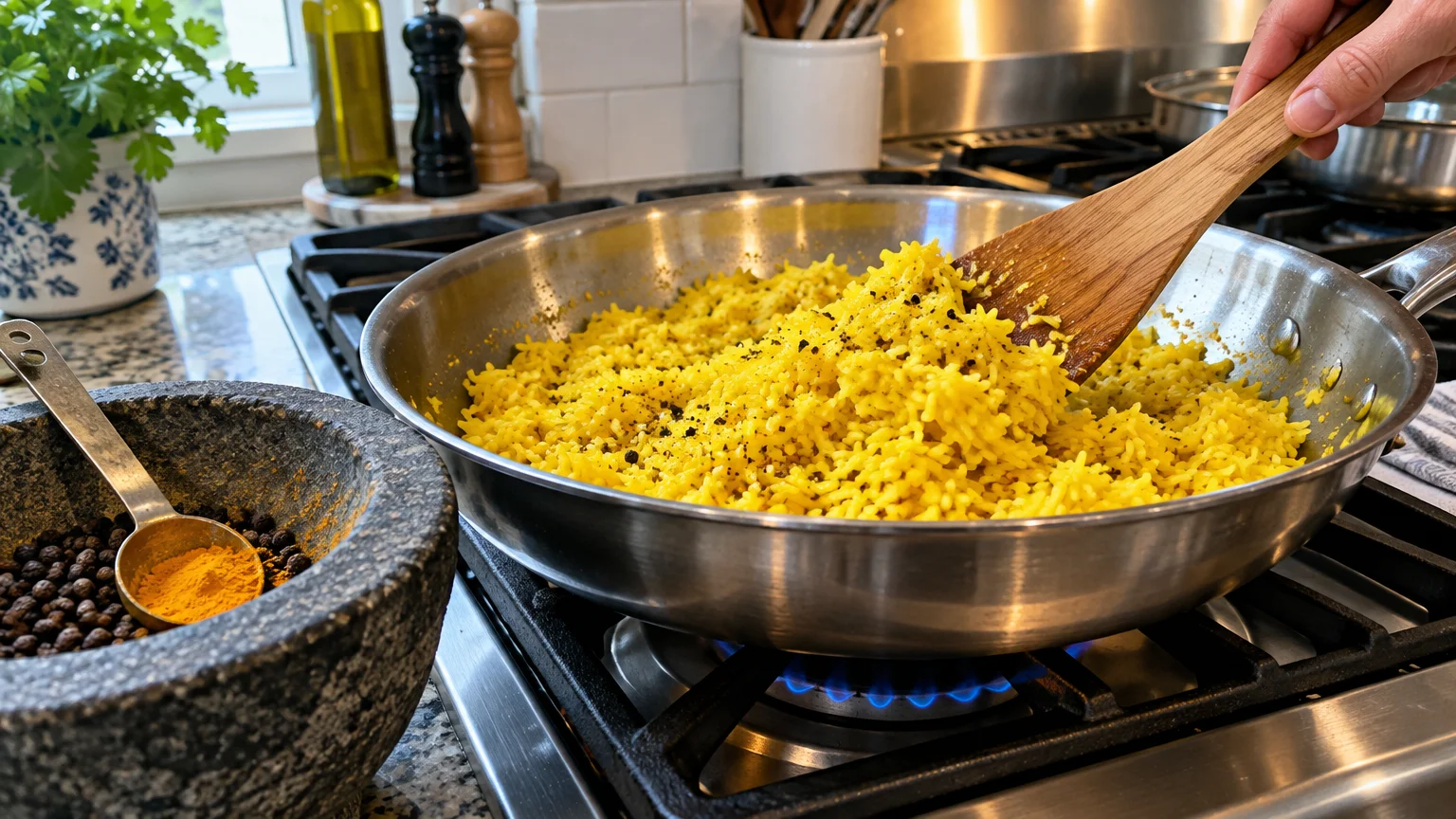
3. Ground Turmeric and Cracked Black Pepper
Ground turmeric turns plain white rice into a vibrant golden centerpiece with earthy, warm undertones. This brilliant golden spice has anchored traditional culinary medicine systems throughout South Asia for centuries.
Turmeric contains curcumin, a potent polyphenol renowned for supporting balanced inflammatory pathways in human physiology. However, curcumin by itself exhibits relatively poor bioavailability during standard human digestion.
You can unlock curcumin’s potential by pairing it directly with freshly cracked black pepper. Black pepper contains piperine, an alkaloid that dramatically enhances the systemic absorption of curcumin across your intestinal epithelium.
Add half a teaspoon of ground turmeric and a pinch of black pepper directly to the cooking liquid before bringing it to a boil. This allows the pigments and active polyphenols to disperse evenly throughout the grain matrix.
Incorporate a small measure of ghee or olive oil during the simmering phase to optimize fat-assisted polyphenol absorption. The resulting golden rice pairs exceptionally well with grilled proteins, lentils, and steamed cruciferous vegetables.
The subtle peppery warmth and earthy turmeric aroma balance rich stews and creamy curries with remarkable precision. This simple duo delivers both functional physiological benefits and captivating visual vibrancy.
You can also introduce a split cinnamon stick or whole cloves alongside your turmeric for an aromatic pilaf. Remove the whole spices before serving to ensure an enjoyable dining texture.
Turmeric-stained grains remain colorful even after refrigeration, making them ideal for colorful weekly meal preparation. Your reheated lunches look inviting and deliver steady anti-inflammatory plant compounds throughout your day.
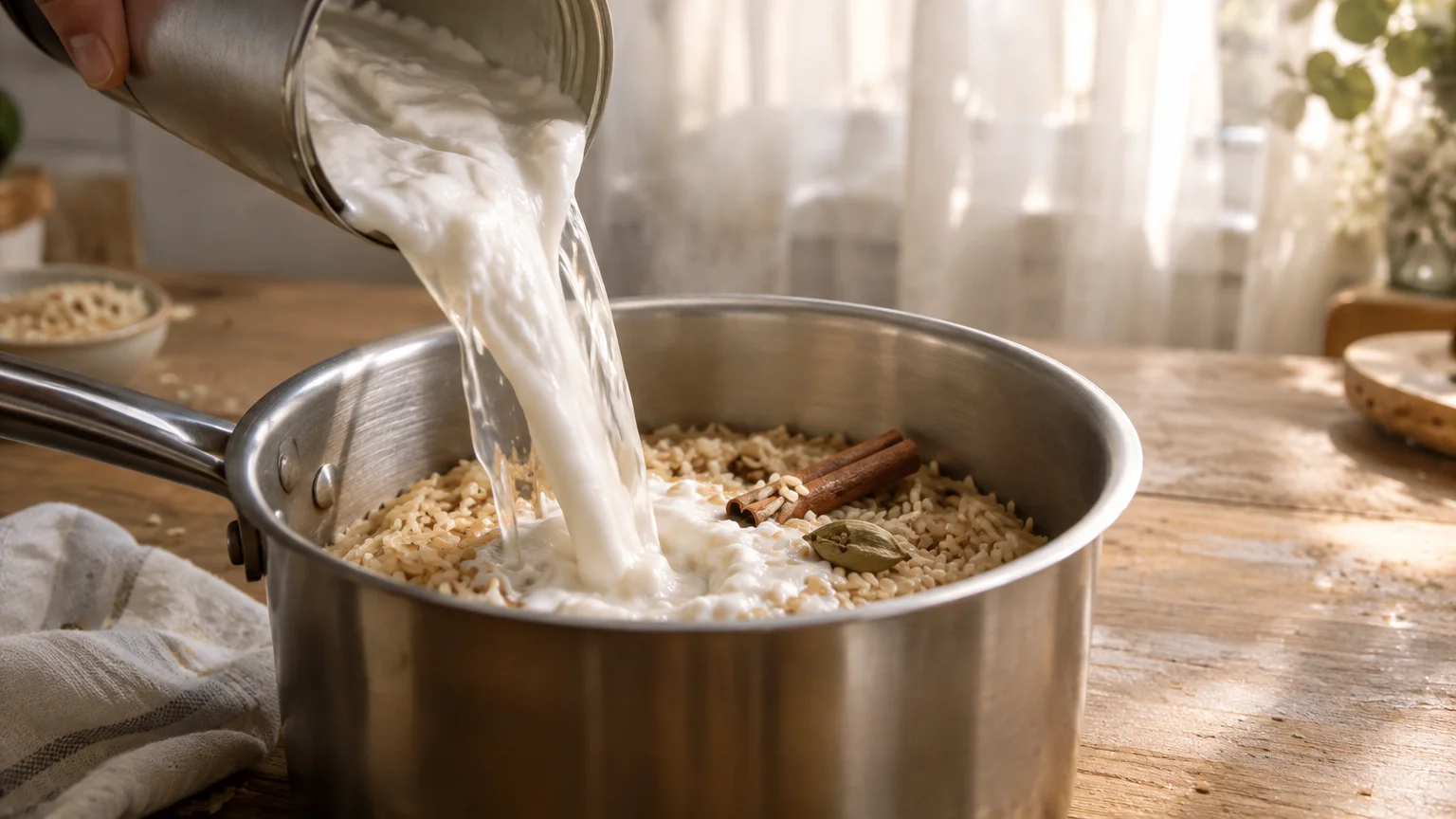
4. Canned Unsweetened Coconut Milk
Full-fat canned coconut milk creates luxurious, velvety grains with a delicate tropical aroma. This rich liquid provides an authentic foundation for Southeast Asian, Caribbean, and coastal Indian culinary styles.
Coconut milk is rich in medium-chain triglycerides, particularly lauric acid. Your gastrointestinal tract processes medium-chain fats differently than long-chain fats, rapidly transporting them directly to your liver for cellular energy production.
To achieve the ideal texture without burning, replace half of your required cooking water with well-shaken canned coconut milk. Using purely coconut milk without water can cause starches to scorch against the bottom of your pot.
Add a pinch of sea salt and a crushed cardamom pod or bruised slice of ginger to the simmering mixture. These warming aromatics cut through the unctuous richness of the coconut fats.
Once the rice finishes cooking, allow it to sit covered off the heat source for ten full minutes. This rest period lets the dispersed coconut oils stabilize, resulting in tender grains that do not feel greasy.
Coconut rice pairs magnificently with spicy curries, grilled shrimp, jerk chicken, or roasted black beans. The subtle creamy sweetness tempers sharp heat while coating the palate with gratifying richness.
Leftover coconut rice firms slightly in cold storage due to the solidification of natural saturated fats. Simply add a small splash of hot water when microwaving to restore its creamy, decadent consistency.
The medium-chain fats in coconut milk also support prolonged satiety by stimulating gut peptide release. A modest serving leaves you feeling comfortably full for hours after your meal.
5. Garlic and Extra Virgin Olive Oil
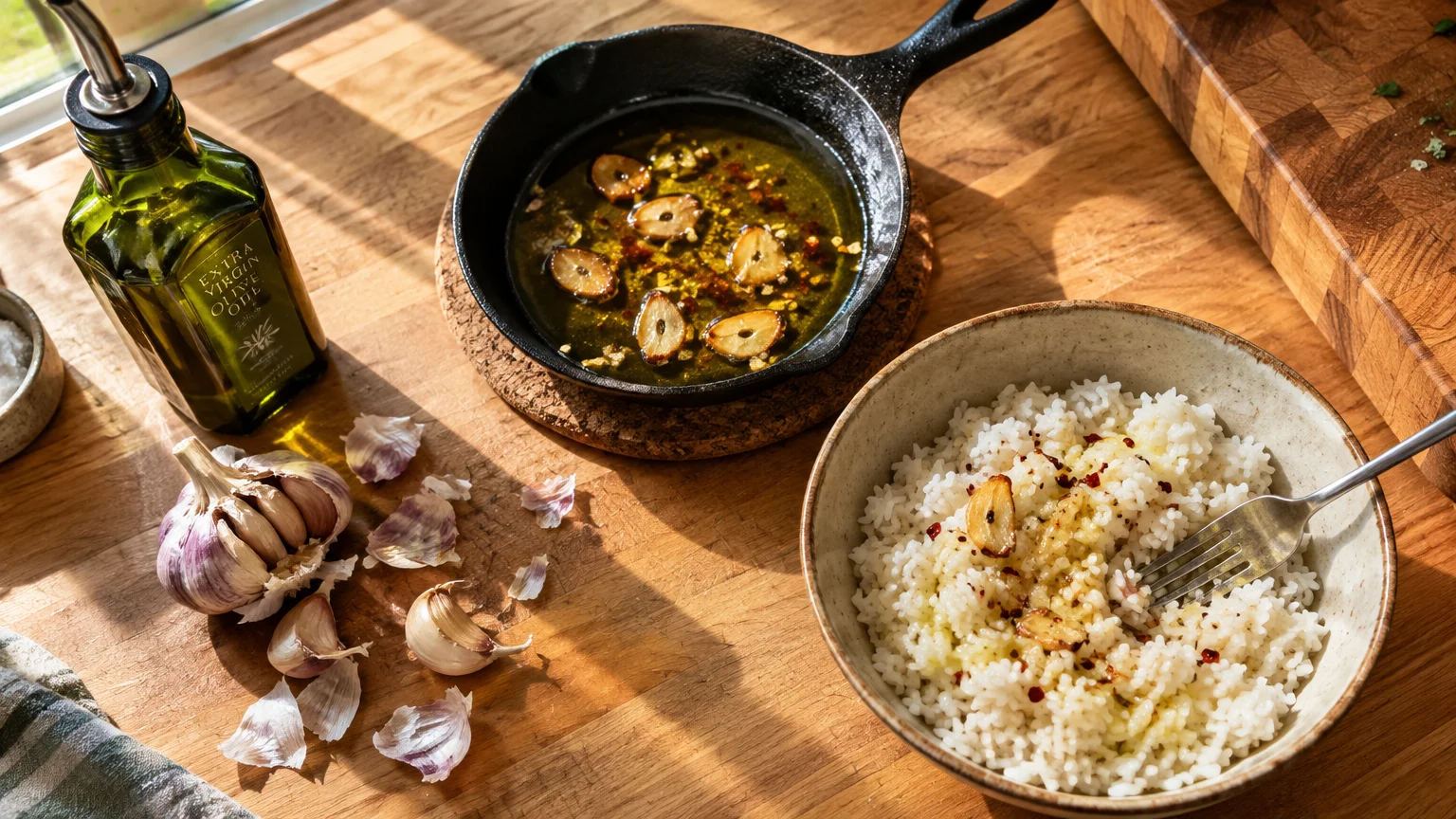
Infusing olive oil with fresh minced garlic forms the flavor backbone of classic Mediterranean and Latin American rice preparations. This combination delivers pungent aromatics alongside smooth, heart-healthy monounsaturated fatty acids.
Extra virgin olive oil provides oleic acid alongside phenolic antioxidants such as oleocanthal and hydroxytyrosol. Garlic delivers allicin, an organosulfur compound studied widely for supporting normal cardiovascular parameters and vascular flexibility.
Begin by warming two tablespoons of olive oil over low heat in your saucepan before adding the raw grains. Gently sweat minced garlic cloves for sixty seconds until fragrant, taking care not to brown the delicate alliums.
Toss your uncooked rice grains in the fragrant warm oil for two minutes prior to introducing boiling water. This brief toasting step coats the exterior starch layer, keeping individual grains distinct and fluffy after cooking.
The combination of monounsaturated fats and garlic creates a savory base that coordinates seamlessly with roasted vegetables, seafood, or fresh leafy herbs. You achieve restaurant-quality flavor using fundamental pantry components.
To build even deeper aromatic complexity, saute finely diced yellow onion or shallots alongside the fresh garlic. The natural sugars in the alliums soften into savory sweetness as the grains simmer.
You can also stir chopped flat-leaf parsley or fresh lemon zest into the warm rice right before serving. This bright burst of acidity and herbs balances the savory, rich garlic foundation.
Olive-oil-coated grains resist clumping in the refrigerator, making them an exceptional option for grain salads. Simply toss cold garlic rice with cherry tomatoes, cucumbers, and feta cheese for a quick meal.
6. Nutritional Yeast Flakes
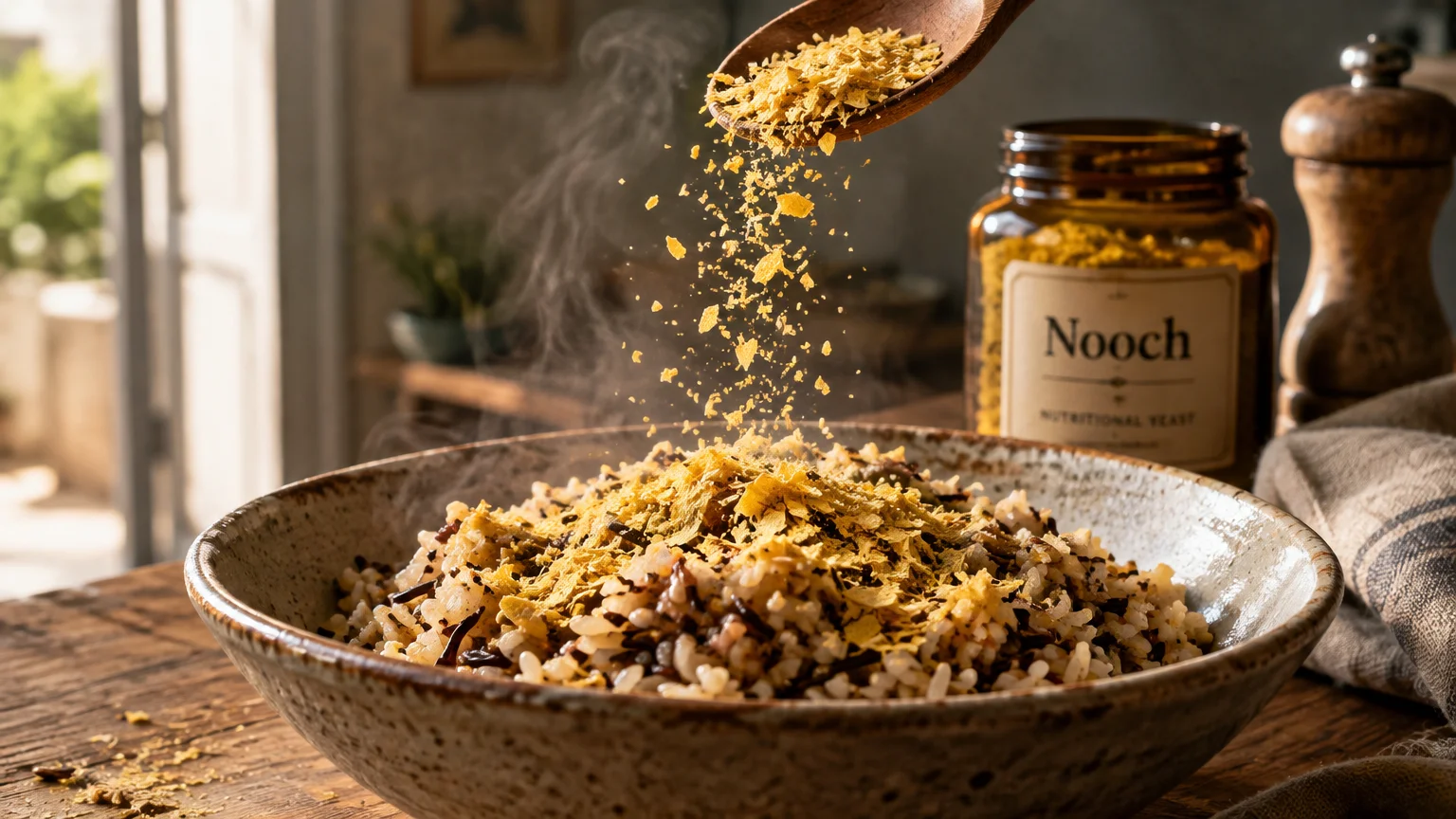
Nutritional yeast flakes provide a deeply satisfying, savory, cheese-like flavor profile without requiring any dairy products. Known colloquially as nooch, this deactivated yeast product functions as an exceptional flavor enhancer for grain dishes.
Beyond flavor, nutritional yeast delivers an impressive nutritional profile complete with all nine essential amino acids. Most commercial varieties come fortified with essential B-complex vitamins, including vitamin B12, riboflavin, and niacin.
The savory taste originates from naturally occurring free glutamates, which trigger umami taste receptors across your tongue. This sensory activation creates rich savory sensations without requiring elevated sodium concentrations.
Fold two tablespoons of nutritional yeast directly into hot, freshly cooked rice alongside a splash of warm water or oil. The flakes melt effortlessly into the warm grains, creating a silky and savory golden coating.
This addition proves exceptionally beneficial for individuals adhering to strictly plant-based dietary patterns who seek reliable sources of vitamin B12. It delivers immediate comfort-food appeal while supporting cellular methylation and energy production pathways.
Pair nutritional yeast rice with roasted broccoli, steamed kale, or baked tempeh for a comforting nutrient-dense bowl. The golden flakes impart a cheesy warmth that appeals to both children and adults.
Because nutritional yeast dissolves readily in warm lipids, you can combine it with melted plant butter or olive oil. This mixture creates an instant, dairy-free cheese sauce that glazes each tender rice grain.
Store your nutritional yeast in a cool, dark cabinet inside a tightly sealed container. Shielding the flakes from ambient light protects light-sensitive riboflavin molecules from photochemical degradation.
7. Dried Mushrooms (Shiitake or Porcini)
Dried culinary mushrooms represent one of the most potent umami sources in any well-stocked kitchen pantry. Dehydration concentrates their natural ribonucleotides, particularly guanosine monophosphate, which synergizes powerfully with dietary glutamates to amplify flavor.
Shiitake and porcini mushrooms supply prebiotic fungal beta-glucans, unique polysaccharide fibers that nurture beneficial gut bacteria. They also contribute trace minerals, including selenium, copper, and bioactive ergosterol.
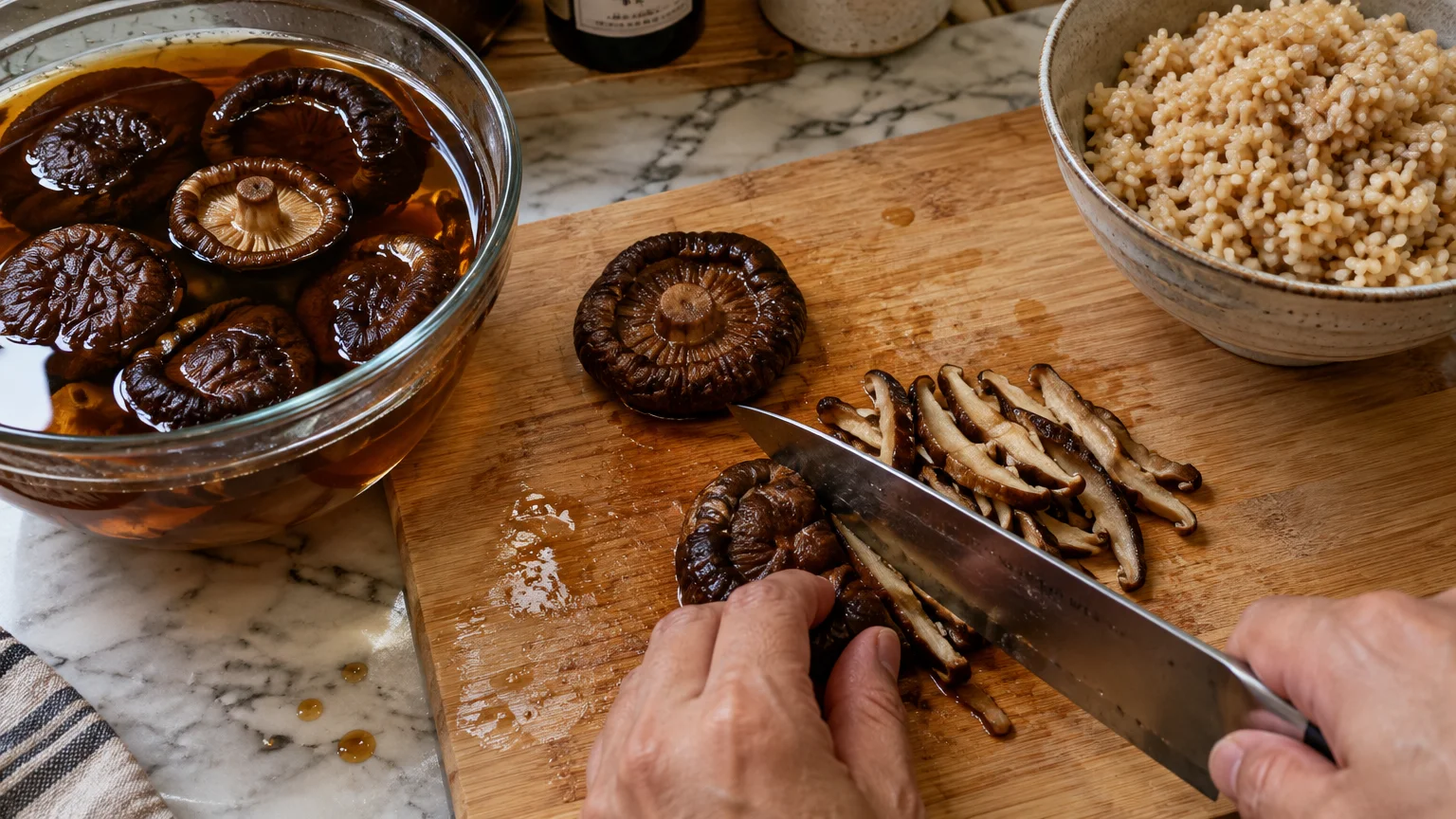
Place three or four dried mushroom caps into a heatproof bowl and cover them with boiling water for fifteen minutes. The rehydrating mushrooms release their deep, woodsy essence into the soaking liquid.
Strain the flavorful mushroom tea through a fine mesh sieve directly into your cooking pot to replace plain water. Finely mince the plump rehydrated caps and stir them straight into the grains as they simmer.
As the grains absorb the dark, earthy broth, they take on an exquisite savory depth reminiscent of slow-cooked risotto. You obtain gourmet results without the constant physical stirring that traditional risotto demands.
Mushroom-infused rice complements pan-seared steak, roasted root vegetables, or sauteed dark leafy greens. The earthy notes ground the entire plate in deeply comforting, forest-like aromas.
Dried mushroom powders offer another convenient shortcut for busy weeknights when soaking whole mushrooms is impractical. Stir one teaspoon of porcini powder straight into your boiling water for immediate umami enrichment.
These fungal compounds also enhance immune modulation by activating dendritic cells and macrophages within your intestinal lymphoid tissue. You nourish your immune system while elevating standard weeknight carbohydrates into culinary art.
8. Rice Vinegar and Toasted Nori Seaweed
Borrowing principles from Japanese sushi traditions, seasoning warm rice with mild fermented rice vinegar immediately enlivens the grain. Acetic acid cleanses the palate and introduces a crisp, refreshing dimension to everyday meals.
Research highlighted by the Centers for Disease Control and Prevention and metabolic researchers suggests mild dietary acids attenuate carbohydrate digestion rates. Vinegar consumption with meals helps stabilize postprandial glucose excursions.
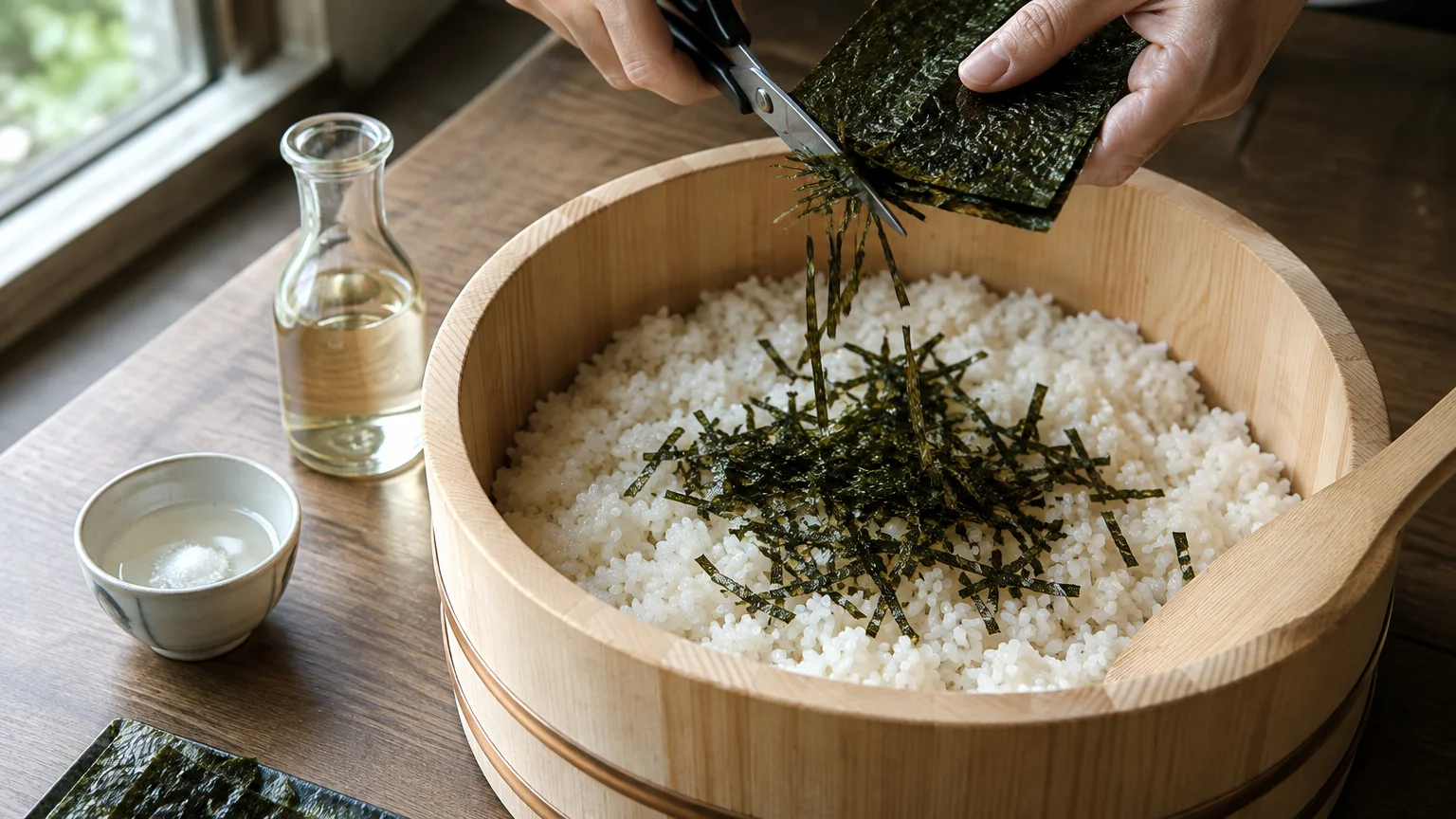
While your cooked rice remains hot, gently fold in one tablespoon of unseasoned rice vinegar using slicing paddle motions. Using unseasoned vinegar lets you bypass the heavy added sugars found in commercial seasoned sushi vinegar blends.
Snip sheets of toasted nori seaweed into thin ribbons and toss them across the dressed grains just before dining. Alternatively, use a commercial or homemade furikake blend containing sesame seeds and kelp flakes.
Seaweeds contribute critical marine trace minerals, most notably dietary iodine, which supports healthy thyroid hormone synthesis. The combination of bright acidity and briny oceanic crunch transforms mundane leftover grains into an exquisite dish.
This seasoned rice forms the ideal base for homemade poke bowls, canned wild tuna bowls, or chilled vegetable salads. It retains remarkable freshness and moisture balance even when enjoyed straight from the refrigerator.
For added complexity, sprinkle crushed toasted white sesame seeds alongside your nori ribbons. The contrasting textures of tender rice, crisp seaweed, and crunchy seeds deliver total sensory pleasure.
Nori also provides marine carotenoids and unique sulfated polysaccharides that support mucosal tissue health. Introducing sea greens into your grain rotation broadens your nutritional intake with zero culinary hassle.
Strategic Pillars for Rice Preparation
Consistently preparing flavorful, nutrient-dense rice requires combining culinary technique with nutritional forethought. By adopting specific kitchen habits, you turn routine batch cooking into an effortless health-promoting habit.
Pillar 1: Proactive Meal Planning
Batch cooking plain rice ahead of time establishes a reliable foundation for quick, balanced weekday meals. Cook a generous volume of long-grain jasmine, basmati, or brown rice during your weekend preparation window.
Portion the cooled rice into shallow, airtight glass containers and refrigerate them promptly. This practice not only saves valuable culinary time during hectic weeknights but also initiates beneficial starch retrogradation.
When you are ready to assemble a meal, retrieve a single portion and introduce distinct pantry ingredients. You might add turmeric and broth on Monday, then pivot to sesame oil and nori on Tuesday.
This dynamic modular approach prevents taste burnout while minimizing food waste. You never have to eat the same flavor profile two days in a row, even when using the exact same cooked base.
Keep your pantry pre-stocked with diverse vinegars, cold-pressed oils, and spices in visible labeled jars. When your seasonings are organized and within reach, healthy meal assembly takes less than five minutes.
Pillar 2: Functional Nutrient Focus
Every pantry addition should serve a deliberate dual purpose by enhancing sensory pleasure while elevating physiological nourishment. Think of your pantry seasonings as functional dietary tools rather than mere cosmetic additions.
When you pair carbohydrates with unrefined plant lipids, you slow down digestion and optimize energy delivery. Healthy fats blunt sharp blood sugar curves and promote sustained mental clarity throughout your afternoon.
Incorporating herbs, botanicals, and sea vegetables injects essential micronutrients and phytonutrients into an otherwise energy-dense carbohydrate source. These plant compounds supply vital cellular antioxidants that help neutralize oxidative stress.
Furthermore, managing sodium levels in your pantry additions allows you to enhance flavor without elevating cardiovascular strain. Using mineral-rich aromatics, herbs, and acids creates intense flavor perception with minimal added salt.
Focusing on nutrient synergy ensures your body extracts maximum benefit from every mouthful. The combination of black pepper with turmeric or lemon juice with dark greens represents smart functional eating in action.
Pillar 3: Sustainable Kitchen Habits
Culinary sustainability relies on keeping versatile, shelf-stable ingredients organized and readily accessible in your workspace. Keep whole spices, high-grade oils, and dried seaweeds at eye level in your primary preparation area.
Store cold-pressed oils and ground spices away from direct sunlight and radiant heat sources like stovetops. Heat and light oxidize delicate fatty acids and degrade volatile aromatic terpenes over time.
Invest in basic, durable culinary equipment such as a heavy-bottomed saucepan or a quality electric rice cooker. Reliable equipment produces consistent grain texture every single time, removing guesswork from home cooking.
Establish a habit of tasting your grains at multiple stages during the seasoning process. Mindful tasting trains your sensory intuition, helping you master balance between acidity, fat, and umami depth.
Rinse your raw rice thoroughly in a fine mesh strainer until the water runs clear before cooking. Rinsing removes surface starches that cause gummy grains, ensuring light, separate kernels that accept seasonings beautifully.

Expert Perspectives and Culinary Traditions
Registered dietitians emphasize that cultural grain traditions offer time-tested blueprints for metabolic balance and culinary pleasure. Around the world, traditional societies rarely consume plain, unadorned starches in isolation.
Clinical nutritionists point out that Mediterranean cultures traditionally cook rice alongside abundant extra virgin olive oil, alliums, and fresh herbs. This pairing supplies protective polyphenols and reduces the overall glycemic index of the collective dish.
Similarly, East Asian culinary heritage highlights the regular integration of fermented vinegars, sea greens, and toasted seed oils with warm grains. These traditional additions provide prebiotic fibers and marine minerals while aiding digestive comfort.
Culinary medicine practitioners note that sensory satisfaction is a fundamental component of dietary adherence. When food tastes exceptional, individuals feel deeply nourished and are far less likely to seek out hyper-palatable processed snacks.
Community home cooks often remind us that simple food cooked with deliberate care brings comfort and grounding to daily life. Transforming plain pantry grains into aromatic dishes honors both your health and your heritage.
Physicians specializing in lifestyle medicine advocate for culinary interventions that empower patients to cook at home. Mastering a few dependable pantry upgrades removes intimidation and builds lifelong culinary self-efficacy.
Safety, Allergies, and Dietary Adjustments
While pantry upgrades suit most individuals, specific medical conditions and personal dietary tolerances warrant mindful adjustments. Personalizing your approach ensures both culinary enjoyment and physiological safety.
Individuals managing hypertension or chronic kidney disease must carefully monitor their total sodium and potassium intake. If you manage these conditions, choose salt-free broths and consult the Academy of Nutrition and Dietetics for personalized renal guidance.
Sesame seeds and sesame oil represent common food allergens that can trigger severe allergic reactions in sensitized individuals. If you host guests or have seed allergies, substitute extra virgin olive oil or avocado oil.
Arsenic accumulation in rice represents another consideration for frequent grain consumers. According to data from the U.S. Department of Agriculture, rinsing raw grains thoroughly and cooking them in excess water reduces inorganic arsenic levels substantially.
For those managing diabetes or insulin resistance, portion size remains an essential factor alongside healthy fat additions. Combine your seasoned grains with lean proteins and non-starchy fibrous vegetables to ensure steady glucose curves.
Coconut allergies are relatively uncommon but do occur in certain sensitive populations. If coconut products cause adverse reactions, substitute broth or unsweetened almond milk to achieve a creamy texture without risks.
Always handle cooked rice with proper refrigeration hygiene to prevent the growth of Bacillus cereus bacteria. Cool leftover rice quickly and refrigerate it within two hours of cooking to preserve safety.
Frequently Asked Questions
Does cooking rice with healthy fat lower its glycemic impact?
Yes, introducing dietary lipids like olive oil or coconut milk slows the physical rate of gastric emptying into the small intestine. This delayed transit reduces the speed at which digestive enzymes break starches down into glucose monomers.
Additionally, cooking rice with fat and subsequently cooling it overnight promotes the formation of type-five resistant starch complexes. These starch complexes resist enzymatic breakdown, leading to lower postprandial glucose and insulin spikes.
Can you freeze cooked seasoned rice safely for later use?
You can freeze cooked seasoned rice safely for up to three months in moisture-resistant, airtight containers. Ensure that you cool the cooked grains rapidly before freezing to maintain optimal grain texture and food safety standards.
When you are ready to eat, reheat the rice thoroughly until it steams hot throughout the entire portion. Add a splash of water or broth before reheating to restore lost moisture and maintain fluffy separation.
How do you prevent rice from turning mushy when adding pantry liquids?
To avoid mushy grains, measure your total liquid volume precisely and treat broths or coconut milk as direct water replacements. Do not add supplementary liquids on top of the standard liquid-to-rice ratio specified for your grain type.
Furthermore, avoid stirring the rice while it simmers on the stovetop. Agitating grains during cooking ruptures swelling starch granules, releasing excess amylopectin that causes a sticky, gummy texture.
What is the best way to reheat seasoned rice without drying it out?
The most effective method involves adding one or two tablespoons of water or broth per cup of cold rice before reheating. Cover the container with a damp paper towel or lid to trap escaping steam during the heating cycle.
Alternatively, reheat the rice gently in a covered skillet over medium-low heat with a small teaspoon of olive oil. The gentle steam and circulating heat redistribute trapped moisture without scorching the bottom grains.
Take Your First Step Today
Upgrading your culinary routine does not demand hours of complex kitchen labor or exotic specialty ingredients. Your existing pantry already holds the simple tools needed to transform everyday staples into vibrant, nourishing meals.
Within the next twenty-four hours, cook a fresh batch of rice using one simple technique from this guide. Try swapping tap water for rich vegetable broth, or fold toasted sesame oil and seeds into warm grains.
Notice how subtle aromatic shifts elevate your meal satisfaction while providing steady, sustained physical vitality. Small, deliberate enhancements in your daily kitchen habits lay the foundation for lasting culinary enjoyment and vibrant health.
Embrace your kitchen as a welcoming space for nourishment, experimentation, and mindful self-care. With just a handful of dependable pantry staples, extraordinary daily flavor remains completely within your reach.