You can transform unpredictable digestive distress into comfortable, daily regularity by making strategic adjustments to your plate. When you choose foods that feed beneficial microbes and optimize transit time, your gut responds with steady reliability.
Over 61 percent of American adults experience weekly gastrointestinal complaints like bloating, abdominal cramps, and constipation. Fortunately, evidence-based nutrition offers immediate tools to restore comfortable gut motility and calm painful systemic inflammation.
Bridging your nutritional shortfalls does not require drastic dietary overhauls or expensive cleanses. By introducing nine everyday foods, you can effortlessly supply your digestive tract with the functional compounds it needs.
The Science of Digestive Motility and the American Fiber Gap
Your digestive tract relies on coordinated muscular contractions known as peristalsis to move food along smoothly. When meals lack proper bulk and hydration, intestinal transit slows, creating uncomfortable pressure and stagnation.
Findings from the National GI Survey revealed that over 60 percent of surveyed adults faced digestive distress during the prior week. Heartburn, abdominal pain, and bloating topped the list of frequent complaints.
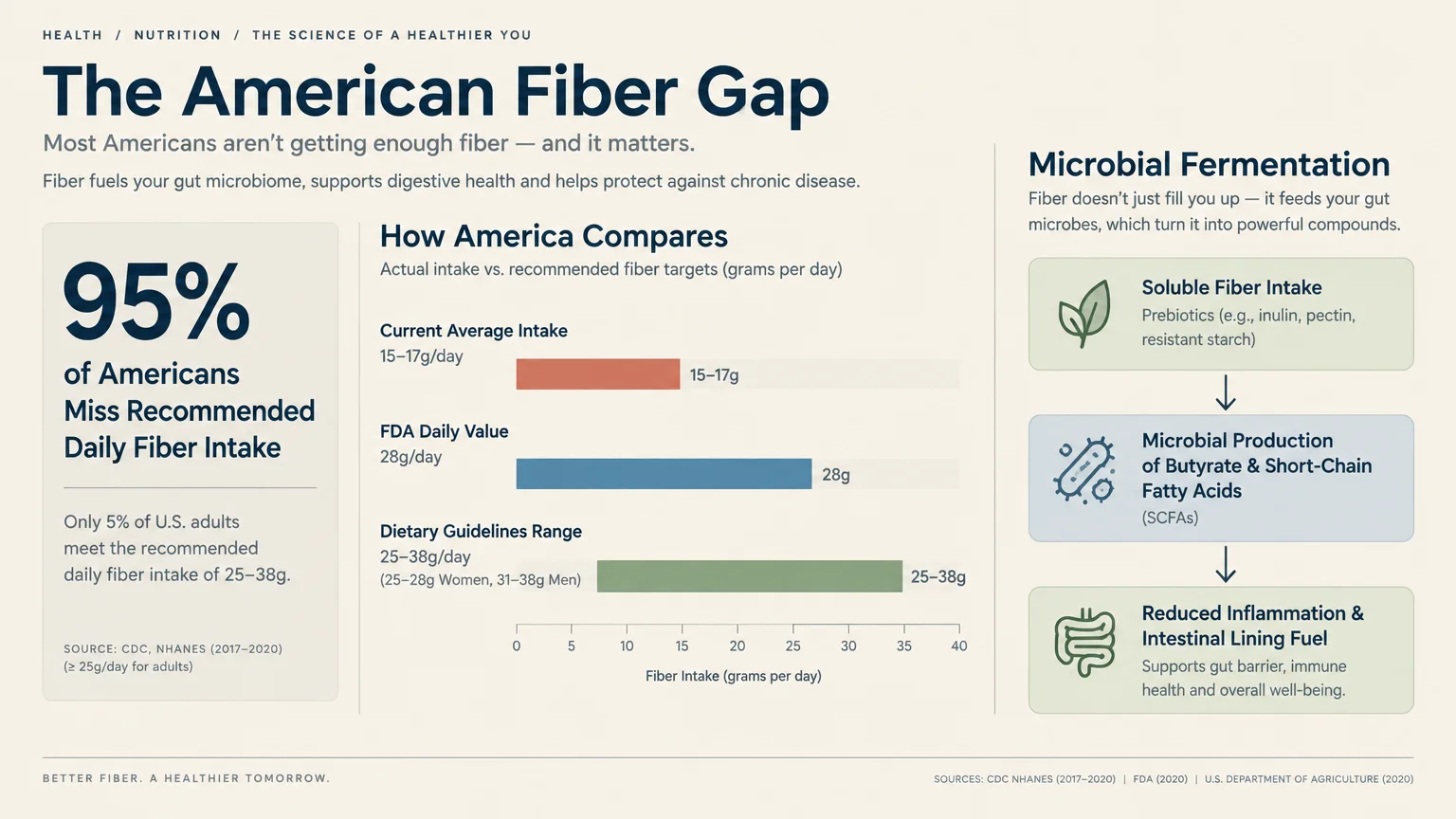
A major underlying driver of this widespread discomfort is our pervasive national fiber deficit. Federal dietary records indicate that approximately 95 percent of American adults fail to consume recommended daily fiber targets.
The average adult consumes roughly 15 to 17 grams of fiber daily. This falls drastically short of the 28-gram Daily Value established by the Food and Drug Administration.
According to the Dietary Guidelines for Americans, adults should consume 14 grams of fiber for every 1,000 calories eaten. This benchmark translates to 25 to 28 grams daily for women and 31 to 38 grams for men.
Fiber does far more than just keep you regular; it actively feeds your internal ecosystem. When gut microbes ferment soluble fiber, they generate short-chain fatty acids like butyrate that nourish your colon lining.
These microbial byproducts reduce intestinal permeability and dampen inflammation throughout your entire body. Conversely, insoluble fiber adds physical structure to stool, speeding up sluggish waste elimination.
Strategy Pillars for Long-Term Gut Regularity
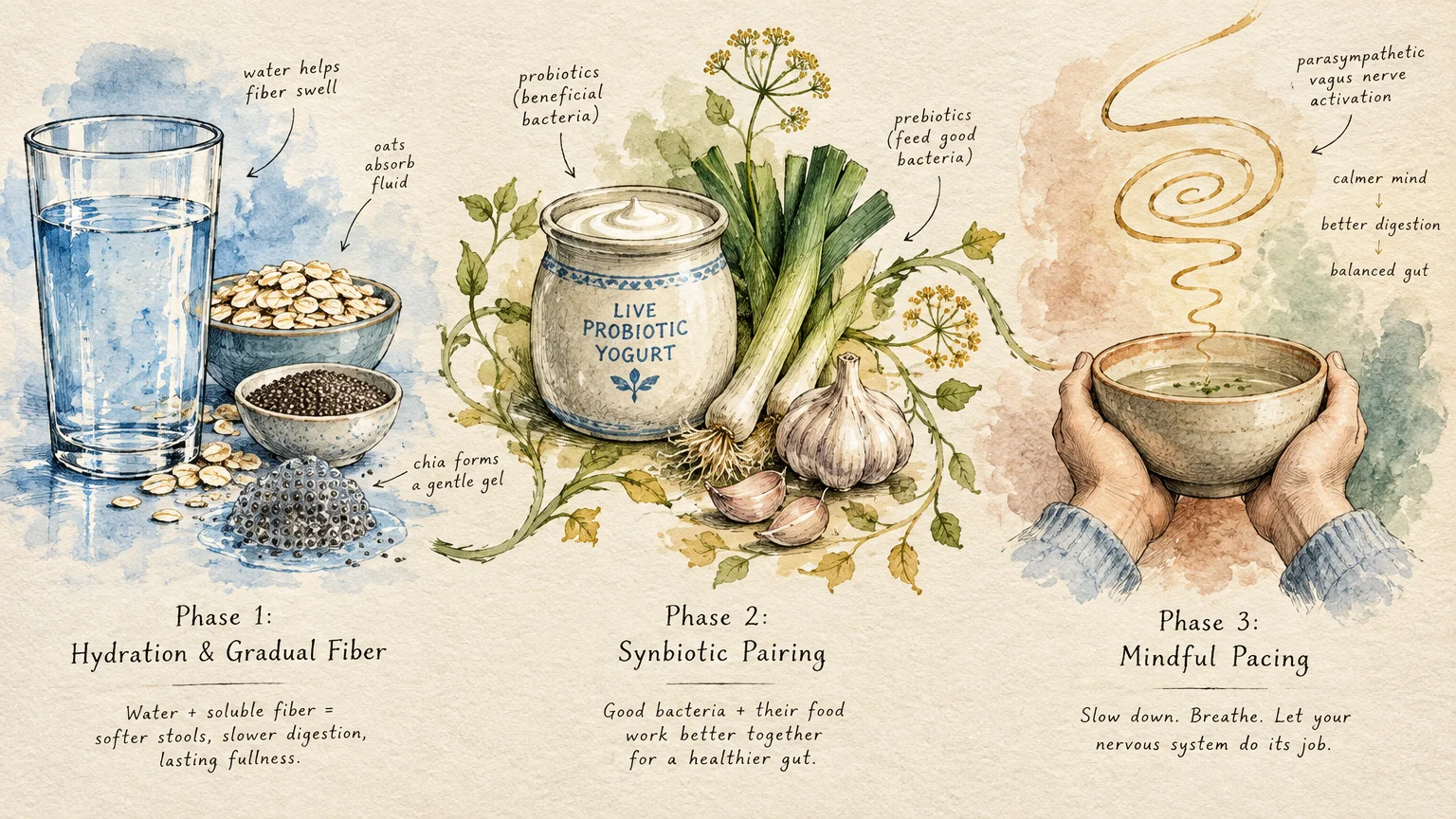
Pillar 1: Phased Fiber Integration
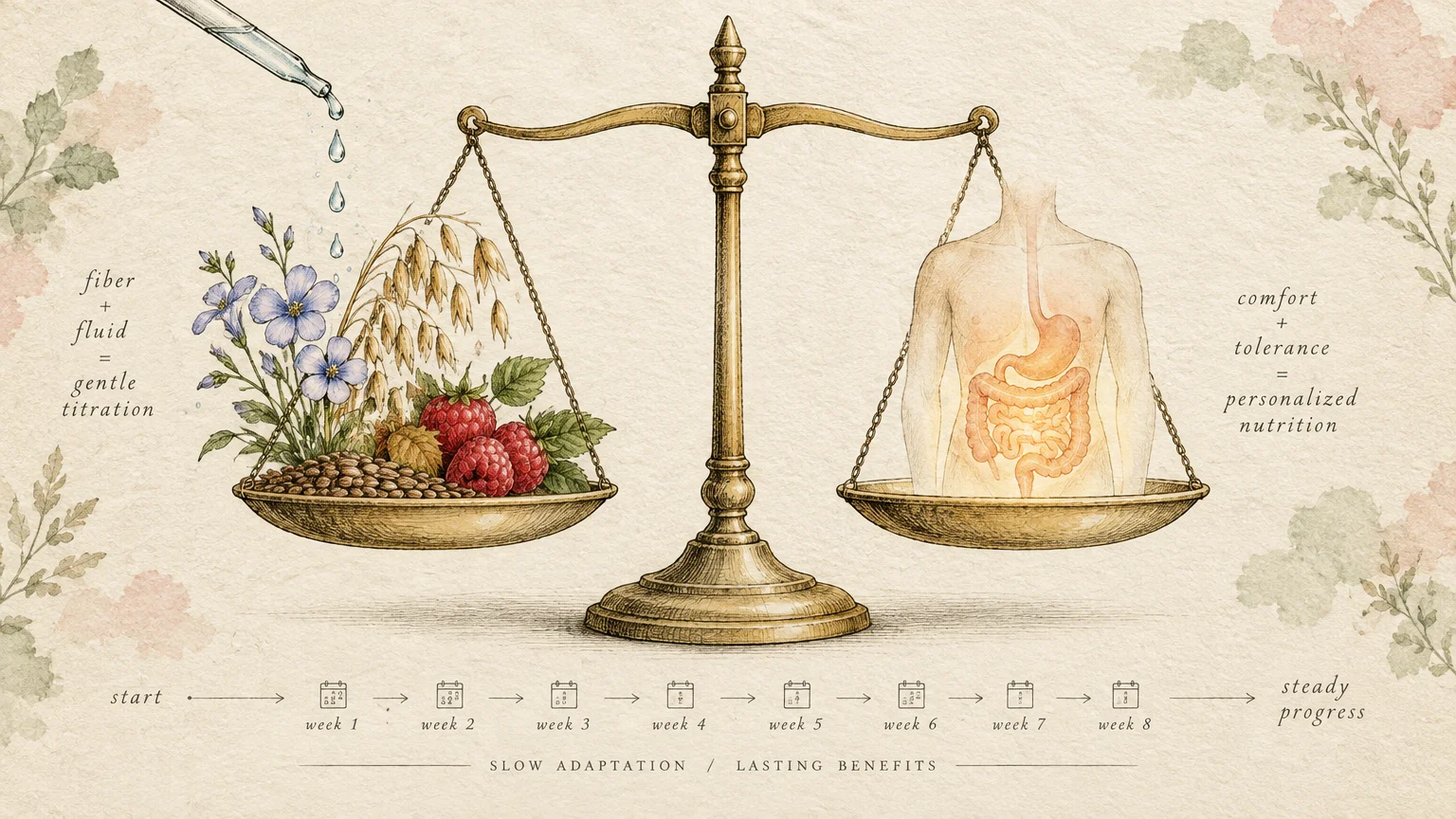
Increasing your fiber intake too abruptly can trigger excess gas, painful distension, and sudden cramping. You must ramp up intake gradually over several weeks to give gut bacteria time to adapt.
Pair every fiber increase with generous fluid consumption throughout the day. Soluble fiber absorbs water like a sponge; skipping fluids can inadvertently worsen constipation instead of relieving it.
Pillar 2: Prebiotic and Probiotic Synergy
Optimal digestion requires a cooperative relationship between living microbes and the fuel that sustains them. Probiotics deliver beneficial live bacteria, while prebiotic fibers nourish the microbes already residing inside your intestines.
Consuming both elements in the same meal creates a synbiotic effect that enhances microbial survival. This targeted combination fortifies your intestinal barrier and helps crowd out opportunistic, gas-producing pathogens.
Pillar 3: Mindful Eating Habits and Pacing
Your nervous system governs digestive efficiency through the vagus nerve and parasympathetic pathway. Eating while stressed or rushing halts digestive enzyme secretion and slows muscular contractions.
Chew each bite thoroughly to break down tough cell walls before swallowing. Thorough chewing eases the workload on your stomach and significantly cuts down on swallowed air.

9 Foods That Support Steady Digestion
1. Chia Seeds
Chia seeds pack nearly 10 grams of dietary fiber into a single two-tablespoon serving. That provides over 35 percent of your daily requirement in one concentrated dose.
These tiny seeds consist mostly of soluble mucilage that absorbs up to twelve times its weight in water. This process forms a soothing gel that lubricates your intestinal walls and softens stool consistency.
Stir chia seeds into morning oatmeal, blend them into smoothies, or make a refrigerated chia pudding. Let them hydrate in liquid for fifteen minutes before eating to maximize their gentle lubricating action.
2. Rolled Oats
Rolled oats deliver approximately 4 grams of fiber per half-cup dry serving, qualifying as a dependable digestive staple. Their primary active component is beta-glucan, a uniquely viscous soluble fiber.
Research highlighted by the National Institute of Diabetes and Digestive and Kidney Diseases demonstrates that beta-glucan enriches beneficial bacterial strains. These helpful organisms produce metabolic compounds that protect your mucosal barrier.
Prepare warm oatmeal with ground cinnamon or soak rolled oats overnight in milk or kefir. Overnight soaking pre-digests complex starches, making them exceptionally gentle on sensitive digestive tracts.
3. Cooked Lentils
Lentils offer remarkable digestive value by delivering 15.6 grams of total fiber per cooked cup. This amount fulfills more than 55 percent of your daily fiber benchmark in a single savory serving.
They provide a balanced combination of prebiotic soluble fibers and sturdy insoluble fibers. This structural duo feeds gut flora while ensuring consistent mechanical transit through the colon.
If legumes traditionally cause you gas, start with smaller portions of split red lentils. Red lentils break down faster during cooking, which makes them far easier to digest than whole brown varieties.
4. Prunes (Dried Plums)
Prunes have served as a trusted remedy for sluggish bowel motility for generations with solid scientific backing. A modest four-prune serving supplies roughly 3 grams of dietary fiber alongside naturally occurring sorbitol.
Sorbitol functions as an osmotic agent by gently drawing ambient water into the large intestine. This fluid influx softens dry stool and triggers natural peristaltic contractions without irritating sensitive tissues.
Dice prunes into plain yogurt, simmer them into warm compotes, or enjoy them as an afternoon snack. Pair them with a tall glass of water to activate their gentle osmotic properties.
5. Plain Kefir
Plain kefir is a fermented dairy drink that contains dozens of diverse probiotic strains. Its active microbial density far exceeds that of conventional yogurt, supplying robust colonizers for your microbiome.
The fermentation process breaks down natural milk sugars, making kefir virtually lactose-free and gentle on delicate stomachs. Its lactic acid also supports stomach acidity, facilitating better protein breakdown.
Drink a small glass of plain kefir with breakfast or use it as a creamy base for chilled dressings. Choose unsweetened varieties to prevent excess refined sugars from feeding undesirable gut microbes.
6. Fresh Ginger
Fresh ginger root contains bioactive gingerols and shogaols that exert potent prokinetic effects on the gastrointestinal tract. A prokinetic accelerates gastric emptying, ensuring food clears your stomach at a healthy rate.
By preventing delayed stomach emptying, ginger directly relieves upper gastrointestinal fullness, nausea, and post-meal heaviness. It also relaxes intestinal smooth muscle tissue, which helps disperse trapped pockets of abdominal gas.
Steep freshly sliced ginger root in hot water for ten minutes to create a restorative post-meal tonic. Alternatively, grate raw ginger into stir-fries, marinades, or blended vegetable soups.
7. Green Kiwifruit
Green kiwifruit contains actinidin, a natural proteolytic enzyme that accelerates the breakdown of dietary proteins. This unique enzyme assists your stomach and small intestine in digesting heavy meat and dairy meals.
Clinical trials show that consuming two kiwifruits daily improves stool frequency and eases defecation discomfort. Kiwifruit fiber possesses high water-holding capacity, which bulks stool without producing excessive intestinal gas.
Slice ripe kiwifruit into salads or scoop the flesh straight from the skin with a spoon. You can even eat the washed fuzzy skin to capture additional insoluble fiber.
8. Fermented Sauerkraut
Raw, unpasteurized sauerkraut delivers millions of live lactic acid bacteria alongside beneficial organic acids. These organic acids maintain an optimal acidic intestinal pH that discourages pathogenic microbial growth.
The cabbage fibers in sauerkraut undergo partial breakdown during fermentation, making them simpler to digest than raw cabbage. This transformation allows sensitive individuals to enjoy cruciferous benefits without uncomfortable bloating.
Add a forkful of refrigerated sauerkraut to grain bowls, sandwiches, or alongside roasted proteins. Never boil or heat raw sauerkraut, because high temperatures destroy its delicate probiotic cultures.
9. Roasted Sweet Potatoes
Roasted sweet potatoes provide an ideal balance of soluble pectin and insoluble cellulose that calms irritated intestinal walls. A medium baked potato delivers nearly 4 grams of nourishing, gut-soothing fiber.
They also supply beta-carotene and potassium, electrolytes that help regulate intestinal fluid balance and muscle contractions. Their easily digestible starches provide clean metabolic fuel without overburdening fatigued digestive organs.
Roast sweet potatoes with their skins intact to preserve maximum dietary fiber and vital micronutrients. Drizzle them with extra-virgin olive oil to facilitate the absorption of fat-soluble antioxidant carotenoids.

Expert Perspectives and Clinical Practice
Clinical dietitians emphasize that digestive wellness depends on consistent daily dietary patterns rather than short-term interventions. Gastrointestinal tissues replace their epithelial lining every few days, responding rapidly to positive nutritional inputs.
The Academy of Nutrition and Dietetics notes that food-first approaches establish more resilient gut microbiomes than synthetic supplements. Whole foods provide complex fiber matrices, polyphenols, and micronutrients that work synergistically.
Elena Gomez, a registered dietitian specializing in functional gastrointestinal health, observes that patients often experience dramatic relief through small, diverse additions. Gradual dietary variety trains microbial communities to process varied plant compounds without sparking painful spasms.
Many people assume their digestive tract is permanently fragile when they simply lack sufficient soluble fiber. Introducing soothing foods like oats and chia seeds gently re-establishes predictable motility within just a few weeks.
Safety, Contraindications, and Personalization
While fiber and fermented foods support gut health for most people, individual digestive physiology varies considerably. Those managing active Crohn’s disease or ulcerative colitis flares often require temporary low-residue diets to prevent mechanical irritation.
If you suspect small intestinal bacterial overgrowth, high-prebiotic foods like lentils and raw onions might exacerbate severe bloating. In these instances, you should personalize your plan under the guidance of a gastrointestinal specialist.
According to clinical guidelines from the Centers for Disease Control and Prevention, certain red-flag symptoms require prompt physician evaluation. Seek medical care immediately if you notice unintentional weight loss, persistent fever, rectal bleeding, or chronic nocturnal diarrhea.
These warning signs indicate potential structural pathologies that dietary modifications alone cannot resolve. Use nutrition as an empowering wellness tool alongside proper medical diagnosis and individualized clinical care.
Frequently Asked Questions About Digestive Health
How quickly will dietary changes improve my digestion?
You may notice improved stool consistency and easier transit within forty-eight to seventy-two hours after increasing water and soluble fiber. However, permanent shifts in your gut microbiome composition typically require three to four weeks of consistent dietary changes.
Should I use a fiber supplement instead of whole foods?
Supplements can help close acute dietary gaps, but whole foods provide vastly superior digestive benefits. Whole plants deliver synergistic combinations of polyphenols, vitamins, minerals, and varied fiber types that isolated supplements cannot replicate.
Why does eating more fiber cause gas and bloating?
When dormant gut bacteria suddenly encounter large amounts of fermentable fiber, their metabolic gas production surges rapidly. You can easily avoid this discomfort by increasing fiber portions gradually over several weeks while drinking plenty of water.
Can drinking more water alone cure constipation?
Hydration is essential, but water requires dietary fiber to form cohesive, well-shaped stool that moves smoothly. Without adequate dietary bulk, excess fluids simply pass through your urinary tract rather than softening stool in your colon.
Take Your Next Step Today
You do not need to overhaul your entire lifestyle overnight to build better digestive rhythm and vitality. Meaningful gastrointestinal transformation happens through small, steady choices repeated consistently over time.
Pick just one food from this list to add to your grocery basket within the next 24 hours. Whether you stir chia seeds into morning oats or enjoy a ripe kiwi after dinner, your gut will thank you.