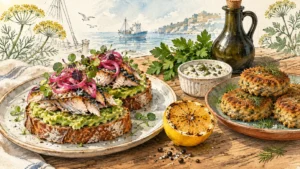
You can unlock remarkable cardiovascular and metabolic vitality by introducing oily fish into your weekly dinner rotation without facing an unpleasantly fishy flavor. Modern culinary techniques transform canned sardines and mackerel into vibrant, elegant meals.
High-acid marinades, toasted aromatics, and crunchy breading easily neutralize assertive seafood profiles. These simple approaches elevate humble tinned pantry ingredients into restaurant-quality lunches and weeknight dinners.
Incorporating small oily fish into your kitchen routine provides an affordable, shelf-stable way to achieve your health goals. You will effortlessly nourish your body while surprising your skeptical taste buds.
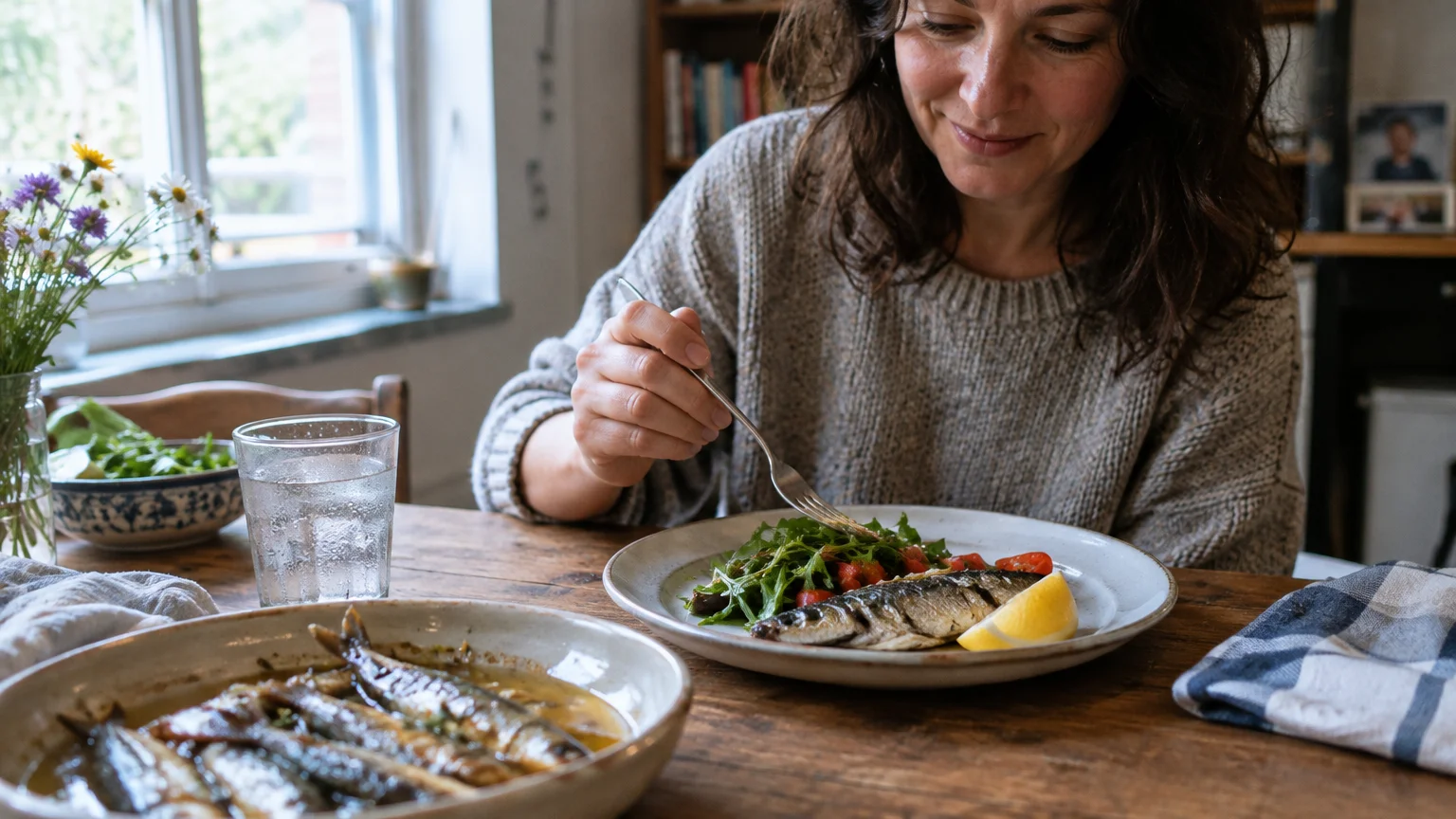
The Nutritional Science of Small Oily Fish
Small pelagic species like sardines and mackerel sit at the absolute pinnacle of nutrient density. Incorporating them into your regular meals delivers outsized health returns relative to their modest cost.
Federal health agencies recently recognized the urgency of increasing our seafood consumption. The updated Dietary Guidelines for Americans recommend a minimum of three servings of seafood per week.
These guidelines emphasize nutrient-dense whole foods over processed alternatives. They also raise daily protein targets to a range of 1.2 to 1.6 grams per kilogram of body weight.
Sardines offer an effortless way to reach these updated protein goals. Data from USDA FoodData Central shows that a single drained 3.75-ounce can of Atlantic sardines delivers 22.6 grams of protein and 191 calories.
A standard 100-gram portion of sardines provides between 1 gram and 1.4 grams of anti-inflammatory omega-3 fatty acids. These fatty acids support vascular tone, modulate systemic inflammation, and protect cellular membranes.
You also absorb valuable micronutrients from the soft, edible bones packed inside tinned sardines. That same 100-gram serving supplies 382 milligrams of bioavailable calcium, covering 38 percent of your daily requirement.
Sardines further bolster your energy metabolism by delivering 8.9 micrograms of vitamin B12, which represents 373 percent of your daily value. They also supply 53 micrograms of selenium, providing 96 percent of your daily target.
Atlantic mackerel matches this remarkable nutritional density while offering a richer, meatier flake. It provides an exceptional fatty acid matrix that actively supports brain and arterial health.
A standard 3-ounce cooked serving of Atlantic mackerel provides 20.3 grams of protein and 1.02 grams of combined EPA and DHA omega-3 fatty acids. This serving delivers 0.59 grams of DHA alongside 0.43 grams of EPA.
The National Institutes of Health omega-3 guidance highlights how EPA and DHA reduce blood triglycerides and defend cardiac rhythm. Your body integrates these essential marine lipids directly into cellular structures.
A 100-gram cooked portion of Atlantic mackerel supplies 19.0 micrograms of vitamin B12 and 51.6 micrograms of selenium. Raw mackerel portions supply up to 16 micrograms of vitamin D, satisfying 80 percent of your daily intake.
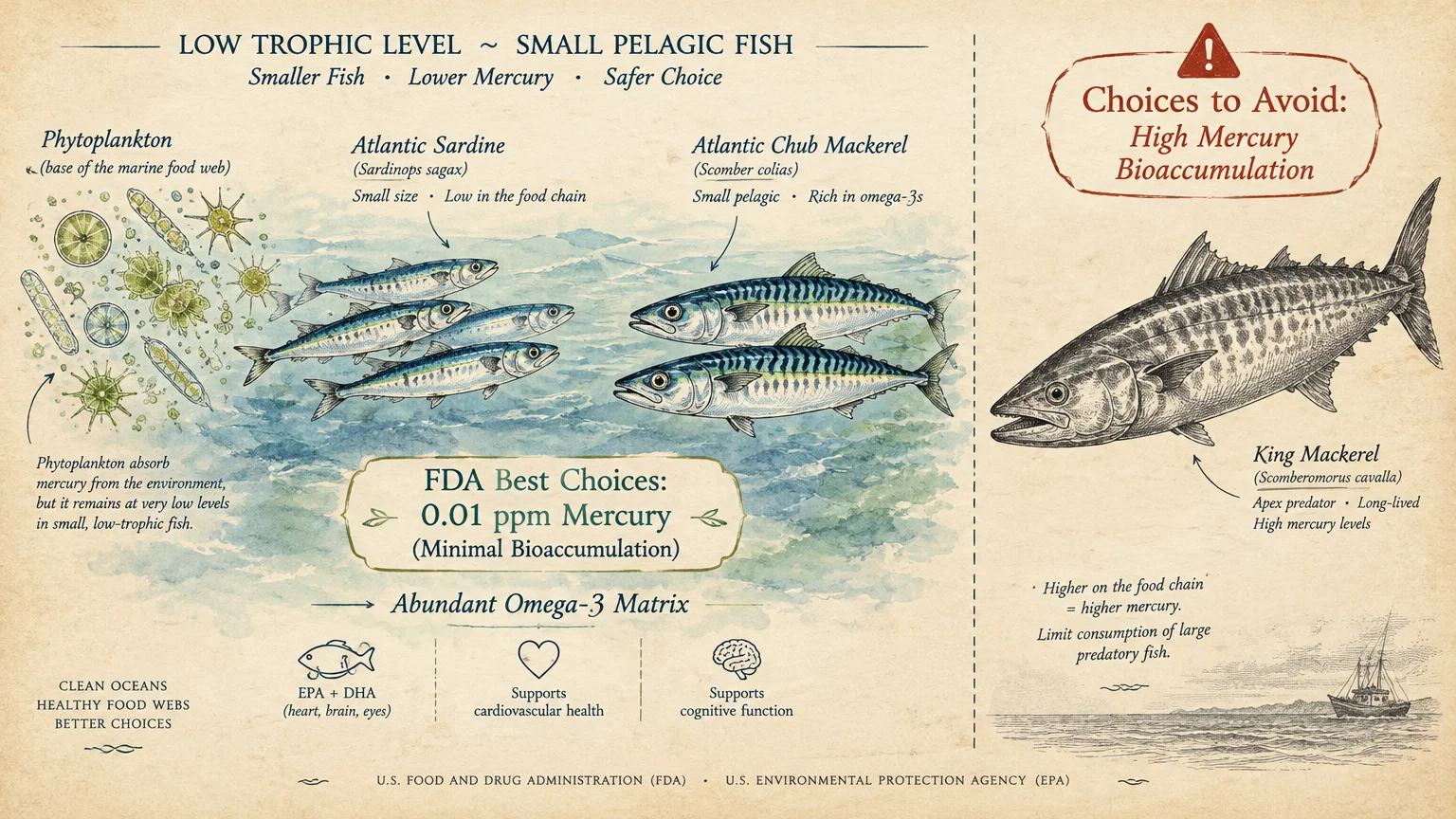
Environmental purity represents another major reason to embrace these smaller ocean fish. Because sardines and mackerel occupy low positions on the marine food chain, they do not bioaccumulate industrial heavy metals.
Under the joint FDA and EPA fish consumption advice, sardines and Atlantic mackerel belong to the Best Choices category. Sardines average a minuscule 0.01 parts per million of mercury.
Shoppers must distinguish between Atlantic or Pacific chub mackerel and predatory King mackerel. The FDA places King mackerel on the Choices to Avoid list due to high mercury accumulation.
Consumer interest in these nutrient-dense pantry staples continues to surge across the country. The North American canned seafood market grew from $13.83 billion in 2025 to an estimated $14.59 billion in 2026.
United States households account for 82.8 percent of this regional demand. More home cooks than ever are discovering that small fish combine exceptional nutrition with unprecedented convenience.
Three Strategic Pillars for Overcoming Fish Hesitation
Skeptics usually avoid sardines and mackerel due to fear of oily textures or pungent aromas. You can easily conquer these sensory barriers by mastering three strategic dietary pillars.
Pillar 1: Meal Planning and Pantry Versatility
Successful habit adoption begins with keeping the right products stocked in your pantry. Store high-quality sardines packed in extra-virgin olive oil alongside skinless, boneless Atlantic mackerel fillets.
Olive oil preserves the delicate meat while mellowing intense fish flavors during shelf storage. Water-packed varieties often taste flatter and dry out quickly during cooking.
Treat canned fish as a rapid-assembly protein rather than a standalone snack eaten straight from the tin. Folding small fish into warm grains, soups, and pasta dishes immediately neutralizes visual and textural intimidation.
Pillar 2: Nutrient Density and Cellular Health
Focusing on functional nourishment helps reframe how you perceive these unconventional seafood choices. Each forkful delivers concentrated doses of essential nutrients that support physical endurance, cognitive focus, and bone strength.
Sardines and mackerel provide preformed DHA and EPA that your body uses immediately without inefficient plant-based conversion steps. They nourish your cardiovascular system more effectively than isolated supplements.
Remind yourself that canned small fish supply bioavailable calcium, vitamin D, and selenium in a single, unadulterated package. This perspective turns every meal into a proactive health investment.
Pillar 3: Flavor Balancing and Habit Formation
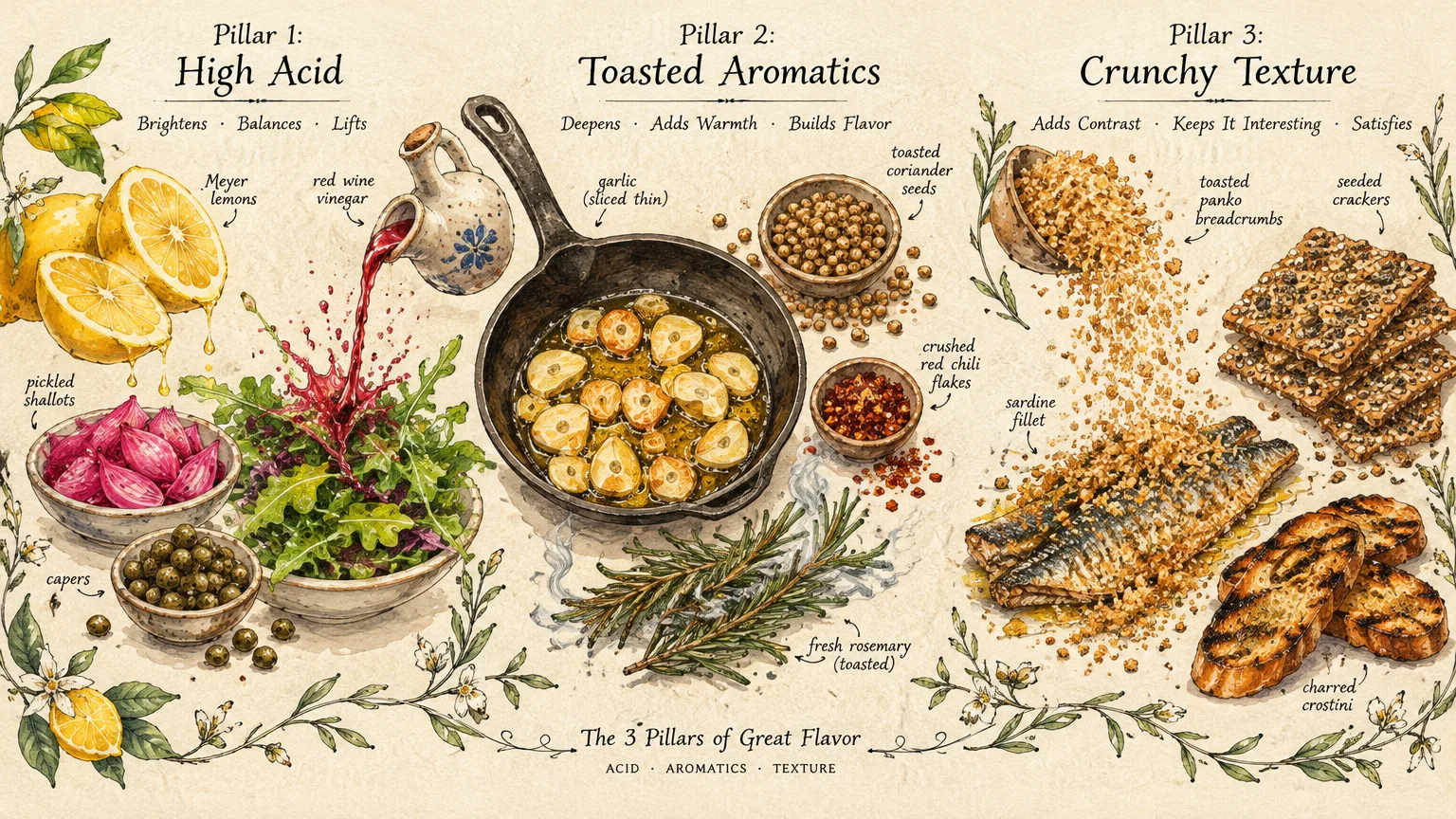
The culinary secret to enjoying oily fish lies in pairing bold fish fats with intense acids, crunch, and heat. Natural acids like lemon juice, capers, and red wine vinegar cleave through heavy marine richness.
Crispy elements like toasted breadcrumbs, crunchy slaws, and charred sourdough distract the palate from oily mouthfeel. Pungent additions like minced raw garlic, fresh herbs, and chili flakes create vibrant harmony.
Build familiarity gradually by blending small portions of flaked fish into complex sauces before attempting whole grilled preparations. Over time, your palate adapts, and your initial hesitation disappears completely.
11 Skeptic-Approved Sardine and Mackerel Recipes
These eleven kitchen-tested recipes rely on proven flavor combinations that tame strong fish flavors. Each dish highlights crisp textures, tangy sauces, and comforting aromatics to win over reluctant eaters.
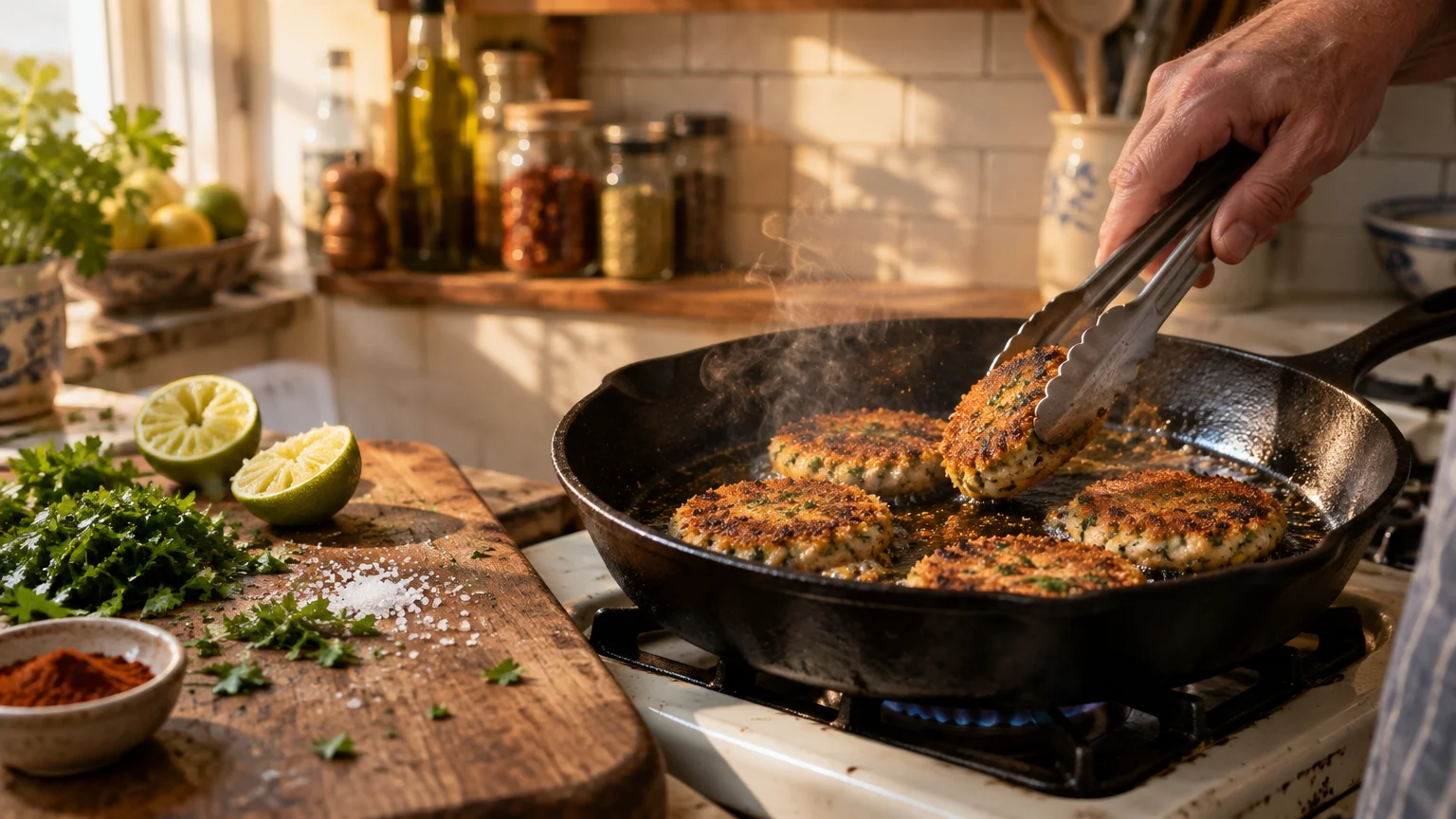
1. Crispy Lemon-Herb Sardine Patties
These pan-fried golden patties resemble classic Maryland crab cakes, making them the ultimate entry point for nervous eaters. Flaking the fish into seasoned panko breadcrumbs completely dismantles any unfamiliar visual appearance.
Drain two standard tins of sardines in olive oil and mash them thoroughly in a bowl with a fork. Combine the fish with one whisked egg, Dijon mustard, fresh lemon zest, minced flat-leaf parsley, and panko.
Shape the mixture into small round disks and pan-fry them in hot olive oil for three minutes per side. The exterior develops a crunchy crust that yields to a savory, herbaceous interior.
Serve the patties warm with garlic aioli or spicy tartar sauce alongside a fresh arugula salad. You will enjoy 22.6 grams of sardine protein wrapped in satisfying crunch.
2. Smoked Atlantic Mackerel and Whipped Ricotta Crostini
Smoked Atlantic mackerel features a firm texture and rich campfire depth that tastes remarkably similar to cured bacon. Whipping whole-milk ricotta creates a pillowy, luxurious barrier that softens the seafood flavor.
Blend whole-milk ricotta cheese with fresh lemon juice, sea salt, and cracked black pepper until completely smooth. Spread a thick layer of this whipped cheese across toasted artisan sourdough slices.
Flake tender pieces of smoked Atlantic mackerel across the creamy surface. Top each crostini with thinly shaved Persian cucumbers, fresh dill fronds, and drained capers.
The combination of cool dairy, crisp cucumber, and smoky fish makes an unforgettable appetizer. Even stubborn skeptics readily clean their plates when presented with this elegant spread.
3. Golden Pan-Seared Atlantic Mackerel with Citrus Chimichurri
Fresh Atlantic mackerel fillets feature tender meat that caramelizes beautifully when placed skin-side down in a smoking-hot skillet. High heat creates crispy skin that locks in moisture while rendering excess surface oil.
Score the skin of two fresh Atlantic mackerel fillets with shallow diagonal cuts, then season them with coarse salt. Sear the fillets in avocado oil over high heat for four minutes until golden and crisp.
Flip the fillets gently and cook for one additional minute before transferring them onto a warm platter. Immediately spoon a bright chimichurri made from minced parsley, garlic, red wine vinegar, and oregano over the hot fish.
The sharp vinegar and raw garlic cut straight through the fish fats on your palate. This restaurant-quality entree showcases how proper heat application transforms oily fish into culinary gold.
4. Sicilian Bucatini with Sardines, Fennel, and Toasted Breadcrumbs
This traditional southern Italian masterpiece uses wild fennel, sweet raisins, and briny sardines to create an intricate flavor profile. As the sardines simmer in olive oil with garlic, they melt into a savory sauce foundation.
Saute thinly sliced fennel bulbs, chopped sweet shallots, and two minced garlic cloves in extra-virgin olive oil until tender. Stir in drained sardine fillets, plump golden raisins, and toasted pine nuts.
Toss al dente bucatini pasta directly into the sauce along with half a cup of starchy pasta water. The emulsified sardine oil coats every pasta strand without producing an assertive fish taste.
Finish each plate with toasted, olive-oil-crisped breadcrumbs and fresh fennel fronds instead of grated cheese. The contrast of sweet raisins and crunchy breadcrumbs completely charms doubtful dinner guests.
5. Creamy Atlantic Mackerel and Ripe Avocado Salad Boats
You can effortlessly swap high-mercury canned albacore tuna for mild canned Atlantic mackerel in your favorite lunch salad. Combining flaked mackerel with buttery mashed avocado masks any residual fishiness with heart-healthy monounsaturated fat.
Flake one drained tin of boneless Atlantic mackerel fillets into a mixing bowl with half a mashed ripe avocado. Stir in diced celery, finely minced red onion, fresh lime juice, and a spoonful of mayonnaise.
Season the creamy salad with smoked paprika, sea salt, and chopped cilantro leaves until thoroughly blended. Spoon the finished mixture directly into hollowed avocado halves or crisp romaine lettuce leaves.
The crunchy celery and acidic lime juice deliver a clean, refreshing flavor profile that skeptics love. This fifteen-minute lunch packs over 20 grams of protein and a potent dose of daily omega-3s.
6. Mediterranean Sardine and Sun-Dried Tomato Flatbread
Baking sardines on flatbread alongside tangy sun-dried tomatoes, salty Kalamata olives, and melted mozzarella mimics gourmet pizza. High oven temperatures crisp the fish while melding its savory notes into bubbling cheese.
Brush a whole-wheat flatbread or pre-baked naan with garlic-infused olive oil and a thin layer of marinara sauce. Scatter shredded whole-milk mozzarella, chopped sun-dried tomatoes, sliced olives, and drained sardine fillets across the top.
Bake the flatbread at 425 degrees Fahrenheit for ten minutes until the cheese bubbles and develops golden brown spots. Remove the flatbread from your oven and immediately scatter fresh baby arugula and lemon juice across the top.
Skeptics will appreciate how the familiar pizza profile overshadows any hesitation about eating sardines. Each crispy slice delivers bone-building calcium and whole-food protein in an approachable format.
7. Sweet and Spicy Gochujang Atlantic Mackerel Rice Bowl
Korean cuisine excels at pairing rich oily fish with pungent fermented seasonings, fiery chilies, and sweet aromatics. Fermented red pepper paste, known as gochujang, acts as an incredible flavor bridge for dense mackerel fillets.
Whisk together gochujang, low-sodium tamari, grated fresh ginger, minced garlic, sesame oil, and a splash of rice vinegar. Simmer canned or pan-seared Atlantic mackerel fillets directly in this glossy sauce for four minutes.
Serve the glazed fish over a bed of warm brown rice or riced cauliflower. Arrange quick-pickled cucumbers, shredded carrots, kimchi, and toasted sesame seeds around the fish.
The intense ginger, fermented chili, and vinegar notes completely dominate the palate, silencing fishy undertones. This vibrant bowl transforms oily seafood into an addictive, spicy weeknight dinner.
8. Charred Sardine Tacos with Crunchy Lime Slaw
Tacos provide one of the easiest ways to convert seafood skeptics because vibrant toppings balance robust protein sources. Grilling or broiling sardines chars their skin, adding smoky caramelized notes that elevate the fish.
Broil whole oil-packed sardines on a foil-lined baking sheet for three minutes until their edges sizzle and darken. Warm corn tortillas on a dry skillet until pliable and slightly charred.
Assemble each taco with a layer of flaked charred fish, sliced radishes, and shredded cabbage tossed in fresh lime juice. Drizzle creamy chipotle crema and fresh cilantro across the assembled tacos.
The acidity of the lime juice alongside the smoky warmth of chipotle peppers masks all fishiness. You end up with a crunchy, zesty street taco that rivals traditional grilled fish varieties.
9. Fiery Puttanesca Pasta with Flaked Atlantic Mackerel
Classic Neapolitan puttanesca sauce relies on assertive ingredients like capers, crushed red pepper, and Kalamata olives. Adding tender flaked mackerel into this simmering tomato sauce enriches the dish with protein and savory depth.
Saute four thinly sliced garlic cloves, crushed red pepper flakes, and drained capers in olive oil until fragrant. Pour in crushed San Marzano tomatoes and simmer the mixture gently for fifteen minutes.
Gently fold two drained tins of flaked Atlantic mackerel into the simmering sauce during the final two minutes. The fish warms through, absorbing the spicy tomato juices while seasoning the entire sauce.
Toss the sauce with your favorite whole-grain spaghetti and garnish with fresh basil leaves. The intense brininess of olives and capers integrates the mackerel so naturally that skeptics never notice a fishy flavor.
10. Spanish Garlic Butter Sardines on Charred Sourdough
Inspired by Spanish tapas culture, this rustic preparation treats tinned sardines like luxurious confit seafood. Basting the fish in bubbling garlic butter removes sharp oceanic aromas and creates unmatched richness.
Melt two tablespoons of grass-fed butter with one tablespoon of olive oil in a small skillet over medium heat. Add three sliced garlic cloves and a pinch of smoked paprika, cooking until the garlic turns fragrant and soft.
Slide drained sardine fillets into the butter, gently spooning the sizzling oil over the fish for two minutes. Lift the warmed sardines onto thick slices of charred, grilled sourdough bread.
Pour the remaining garlic-infused butter directly over the bread and finish with coarse sea salt and fresh chives. The aromatic garlic butter softens the sardine taste into a comforting, savory spread.
11. Smoky Sardine and Cannellini Bean Stew
Stews provide an forgiving environment for oily fish because aromatic broths and tender legumes mellow strong flavors. Canned cannellini beans absorb savory juices while creating a hearty, satisfying texture.
Saute diced yellow onion, diced carrots, and chopped celery in olive oil until softened. Stir in fire-roasted diced tomatoes, vegetable broth, tender cannellini beans, and a generous pinch of smoked paprika.
Simmer the stew for twenty minutes before gently stirring in two cans of flaked sardines and chopped kale leaves. Cook for three additional minutes until the kale wilts and the fish warms through completely.
Serve this comforting stew with a squeeze of fresh lemon juice and warm crusty bread. The sweet root vegetables and smoky tomato broth create a balanced soup where sardines simply taste rich and savory.
Culinary Science: How to Mask and Balance Strong Fish Flavors
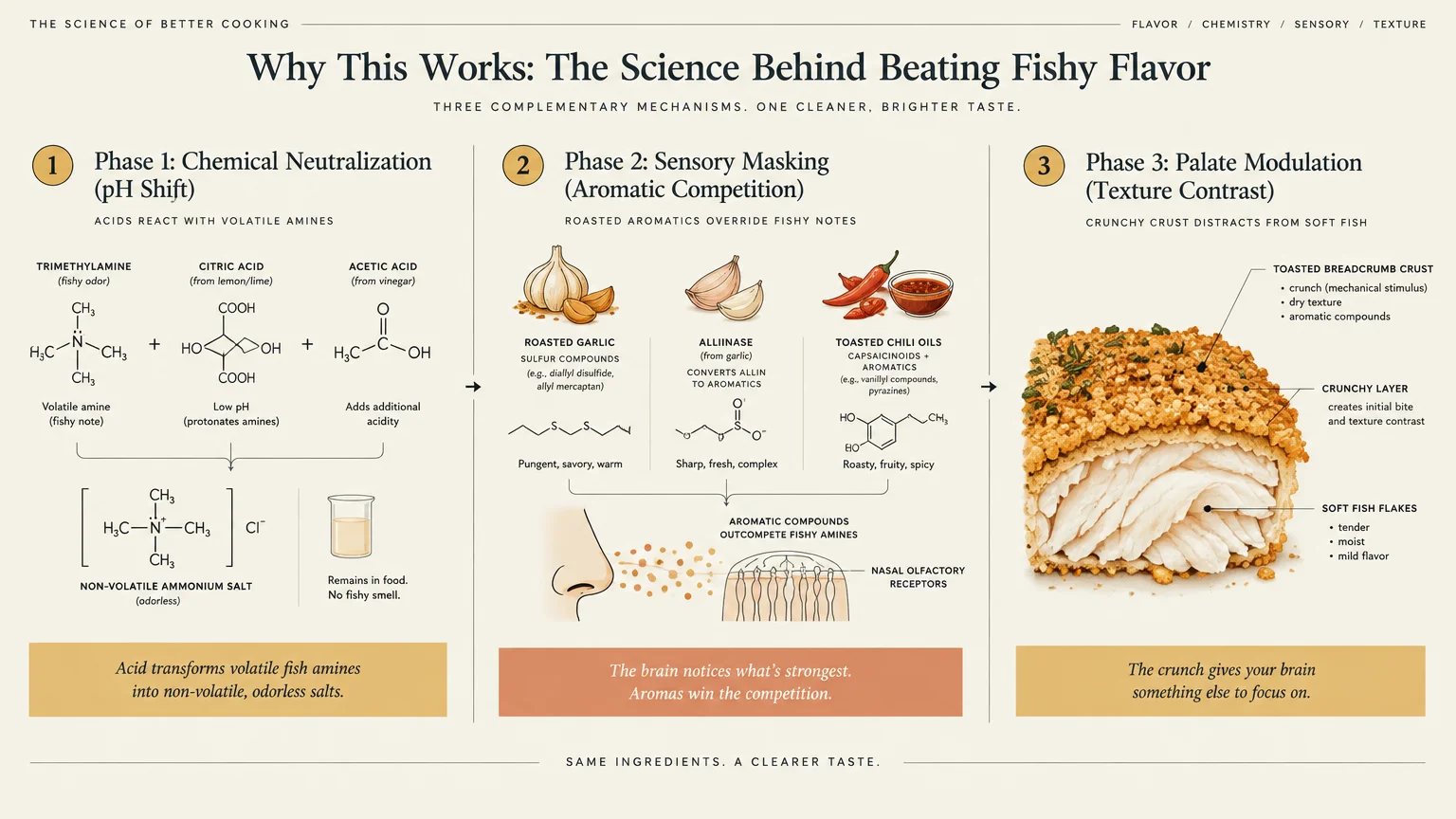
Understanding kitchen chemistry allows you to adapt any seafood recipe to suit reluctant palates. Oily fish taste strong because their delicate fats oxidize quickly when exposed to air.
Acids chemically transform trimethylamine, the primary compound responsible for unpleasant fishy odors. Squeezing fresh lemon juice, pouring apple cider vinegar, or adding capers converts this compound into an odorless salt.
High-heat cooking triggers the Maillard reaction, producing hundreds of complex new flavor compounds on the fish surface. Searing mackerel skin or broiling sardines creates savory char notes that easily overpower muddy or fishy flavors.
Emulsified fats and dairy products coat your taste buds, physically shielding sensory receptors from harsh marine notes. Whipped ricotta, ripe avocado, and mayonnaise soften the perceived intensity of oily fish oils.
Aromatic herbs and pungent spices contain powerful volatile oils that compete with seafood aromas in your nasal passages. Ingredients like raw garlic, ginger, smoked paprika, and fresh cilantro dominate your senses, ensuring an enjoyable dining experience.
Expert Perspectives and Real-World Transitions
Nutrition practitioners consistently encourage clients to shift toward sustainable, low-trophic seafood sources. Skepticism is completely normal, but kitchen education overcomes resistance faster than restrictive rules.
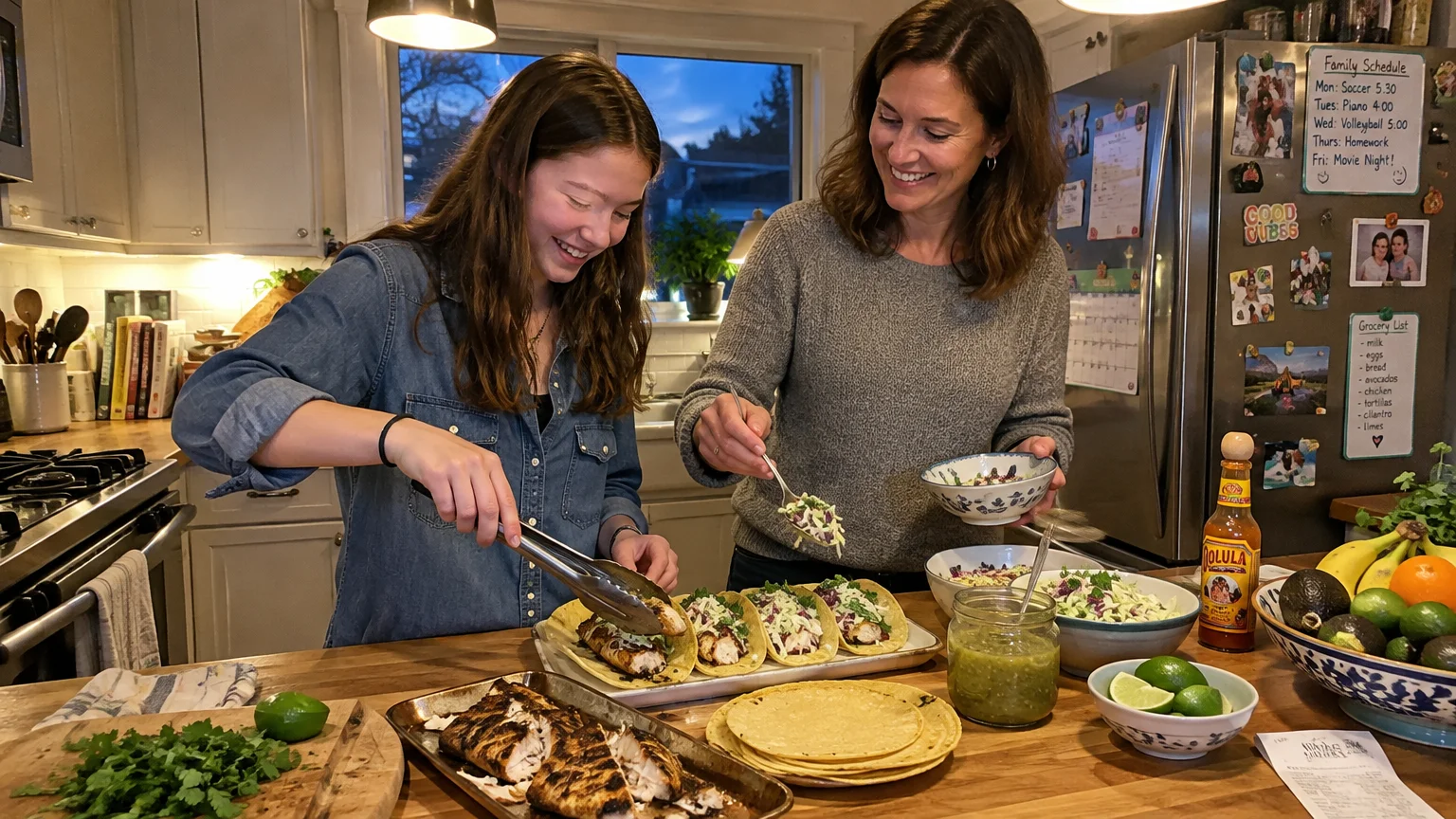
Registered dietitians aligned with the Academy of Nutrition and Dietetics advocate meeting eaters where they currently stand. Introducing small fish into familiar dishes like pasta, tacos, or dips removes psychological intimidation.
Clinical observations show that clients who replace red meat with oily fish experience noticeable improvements in lipid markers. Their compliance remains highest when meals emphasize bold spices and appealing textures rather than plain steamed fish.
Home cooks frequently report that tinned fish patties and mackerel salad boats became beloved weekly staples after initial apprehension. Once you experience how convenient and satisfying these pantry staples are, your kitchen confidence expands.
Safety, Quality, and Dietary Considerations
While sardines and mackerel provide exceptional nourishment, specific individuals must tailor their intake appropriately. Understanding quality indicators and health contraindications protects your wellbeing.
Always inspect tinned fish cans for dents, swelling, or compromised seals before opening them. Quality brands use non-BPA-lined tins and pack whole fish or boneless fillets in pure extra-virgin olive oil.
People managing gout or hyperuricemia must monitor their consumption of small oily fish carefully. Sardines and mackerel contain concentrated amounts of purines, which metabolize into uric acid inside your body.
Those on sodium-restricted diets for hypertension should check nutrition labels on canned seafood products. Rinsing water-packed fish or selecting no-salt-added tins helps you control your daily sodium intake effectively.
Individuals with documented finfish allergies must completely avoid sardines and mackerel to prevent life-threatening anaphylactic reactions. Always seek guidance from an allergist or clinical dietitian if you suspect adverse immune reactions.
Pregnant and nursing mothers can safely enjoy two to three servings of sardines and Atlantic mackerel weekly under federal guidance. However, they must strictly avoid high-mercury King mackerel to protect fetal neurological development.
Frequently Asked Questions
How do I eliminate fishy odor when cooking sardines or mackerel indoors?
Turn on your kitchen exhaust hood, open a nearby window, and rinse fish fillets in cold water before cooking. Incorporating citrus juice or vinegar into your pan actively neutralizes volatile odor molecules during heating.
Baking fish in parchment paper packets or pan-searing under an active splatter screen prevents aerosolized oils from settling on counters. Simmering a small pot of water with cinnamon sticks after dinner clears residual kitchen odors.
Are the bones in canned sardines completely safe to consume?
The tiny bones in canned sardines are entirely safe, soft, and digestible due to the high-heat commercial pressure-canning process. They easily crush between your fingertips and dissolve without scratching your throat.
Consuming these soft bones supplies exceptional amounts of bioavailable dietary calcium that strengthens skeletal density. However, if bones trigger sensory hesitation, you can easily purchase boneless and skinless canned sardine fillets.
Can I swap canned mackerel for fresh fillets in these recipes?
You can substitute canned Atlantic mackerel for fresh mackerel fillets across almost every recipe featured in this guide. Canned mackerel offers tender, cooked meat that works especially well in salads, pastas, and crostini spreads.
Fresh fillets perform best when pan-seared or grilled over high heat to render skin fat and achieve crispness. Adjust your cooking times downward when using canned fish, since tinned varieties require only gentle reheating.
How many times per week should I eat sardines or mackerel?
Consuming sardines or Atlantic mackerel two to three times weekly aligns perfectly with federal health recommendations. This frequency supplies adequate EPA and DHA omega-3s without exposing you to harmful contaminants.
Because these species contain tiny traces of mercury, you can safely enjoy them as regular menu staples. Varying your seafood choices with wild salmon and bivalves provides a broad spectrum of trace minerals.
Take Your First Step in the Next 24 Hours
Transforming your nutritional health does not require dramatic kitchen overhauls or unpleasant sacrifices. You only need the willingness to try one new preparation method using accessible pantry ingredients.
Visit your local grocery store tomorrow and purchase one tin of sardines in olive oil and one can of Atlantic mackerel. Commit to making the Crispy Lemon-Herb Sardine Patties or the Creamy Mackerel Avocado Salad Boats this week.
Notice how bright lemon juice, crunchy textures, and savory seasonings turn humble fish into an extraordinary meal. Your body will thrive on the concentrated omega-3s, and your skeptical palate will celebrate your newfound kitchen courage.