
You can slash your grocery budget and elevate your daily nutrient intake simply by reaching for nutritious canned foods. Modern preserving methods lock in peak nutrition while offering unmatched kitchen convenience.
Commercial canning seals whole foods at harvest; in fact, several shelf-stable staples deliver higher antioxidant availability than delicate fresh produce resting in your refrigerator.
Stocking the right cans ensures you always have wholesome pantry staples ready for rapid, balanced weeknight cooking. Here is why intelligent eaters rely on the humble can opener for optimal health.
The Modern Science of Canned Food Nutrition
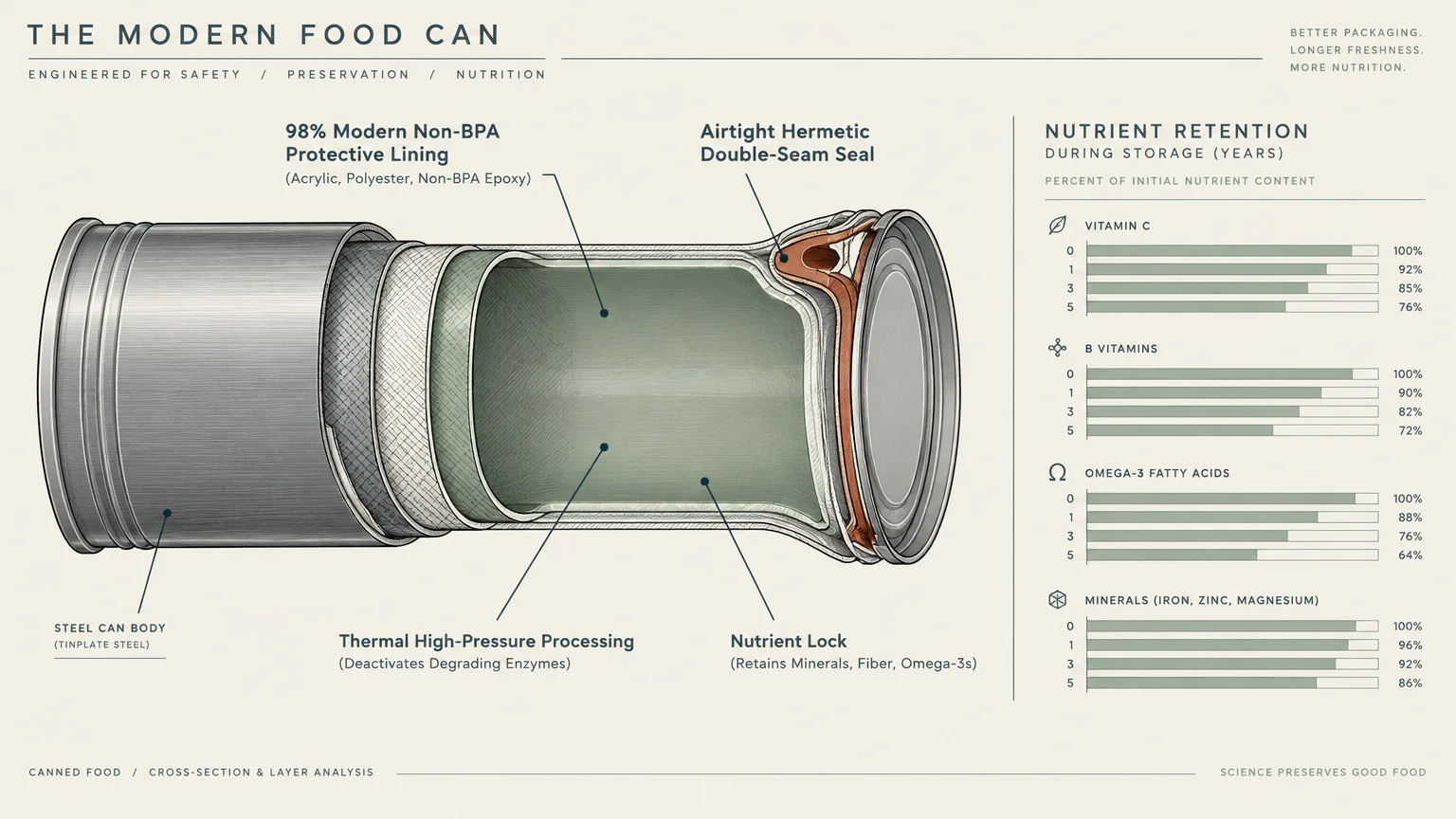
Canning seals fresh ingredients in airtight containers and heats them under intense pressure. This thermal process sterilizes food, deactivates degrading enzymes, and pauses biological decay at peak maturity.
While prolonged heat can degrade a fraction of delicate water-soluble vitamins, it preserves minerals, fatty acids, and dietary fiber intact. As a result, canned goods retain their fundamental nutritional integrity for years.
Packaging safety has also improved dramatically across the food supply over the past decade. According to the Can Manufacturers Institute, approximately 98% of food cans produced in the United States have transitioned to modern acrylic, polyester, or non-BPA epoxy coatings.
These updated protective linings ensure shelf stability without exposing your family to endocrine-disrupting chemicals. You can confidently build a healthy canned foods pantry without packaging concerns.
Managing Sodium: Research-Backed Kitchen Techniques
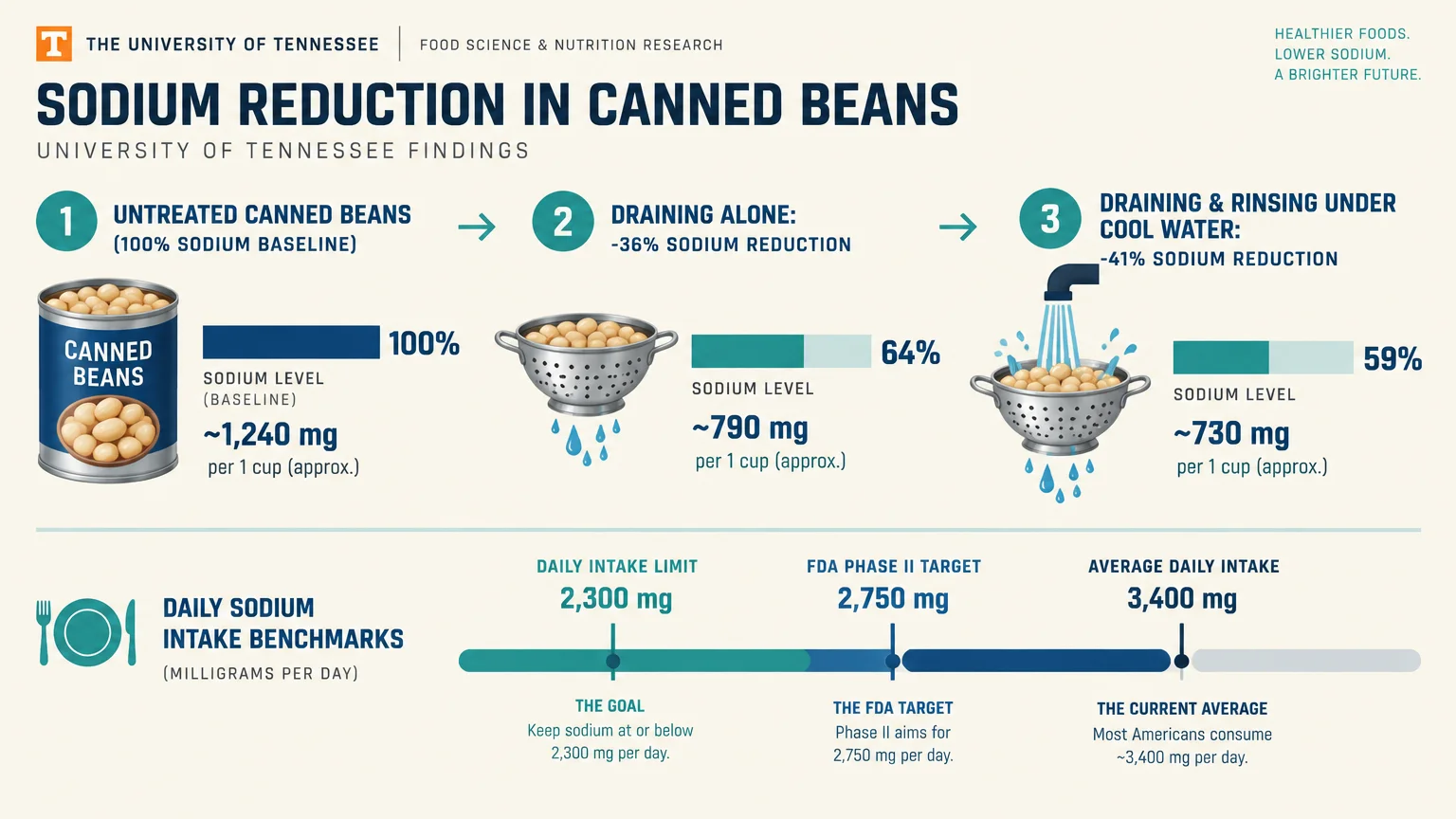
Excessive salt remains the primary dietary objection to canned goods. The average American consumes roughly 3,400 milligrams of sodium daily, far exceeding recommended thresholds.
The Dietary Guidelines for Americans recommends capping daily intake at 2,300 milligrams to safeguard cardiovascular health. More than 70% of dietary sodium originates from processed, packaged, and restaurant meals.
To address this public health challenge, the U.S. Food and Drug Administration issued Phase II Draft Guidance in August 2024. The federal initiative establishes voluntary 3-year targets across 163 food categories to shift average consumption toward 2,750 milligrams.
Fortunately, simple kitchen prep puts you in total control. A landmark University of Tennessee study revealed that draining canned beans cuts sodium by 36%, while draining and rinsing under cool water reduces sodium by 41%.
9 Nutrient-Dense Canned Foods to Keep in Your Pantry
Not every canned product on the grocery shelf supports balanced nutrition. Focus your shopping list on whole, minimally processed ingredients that deliver concentrated health benefits.
1. Canned Wild Salmon and Sardines
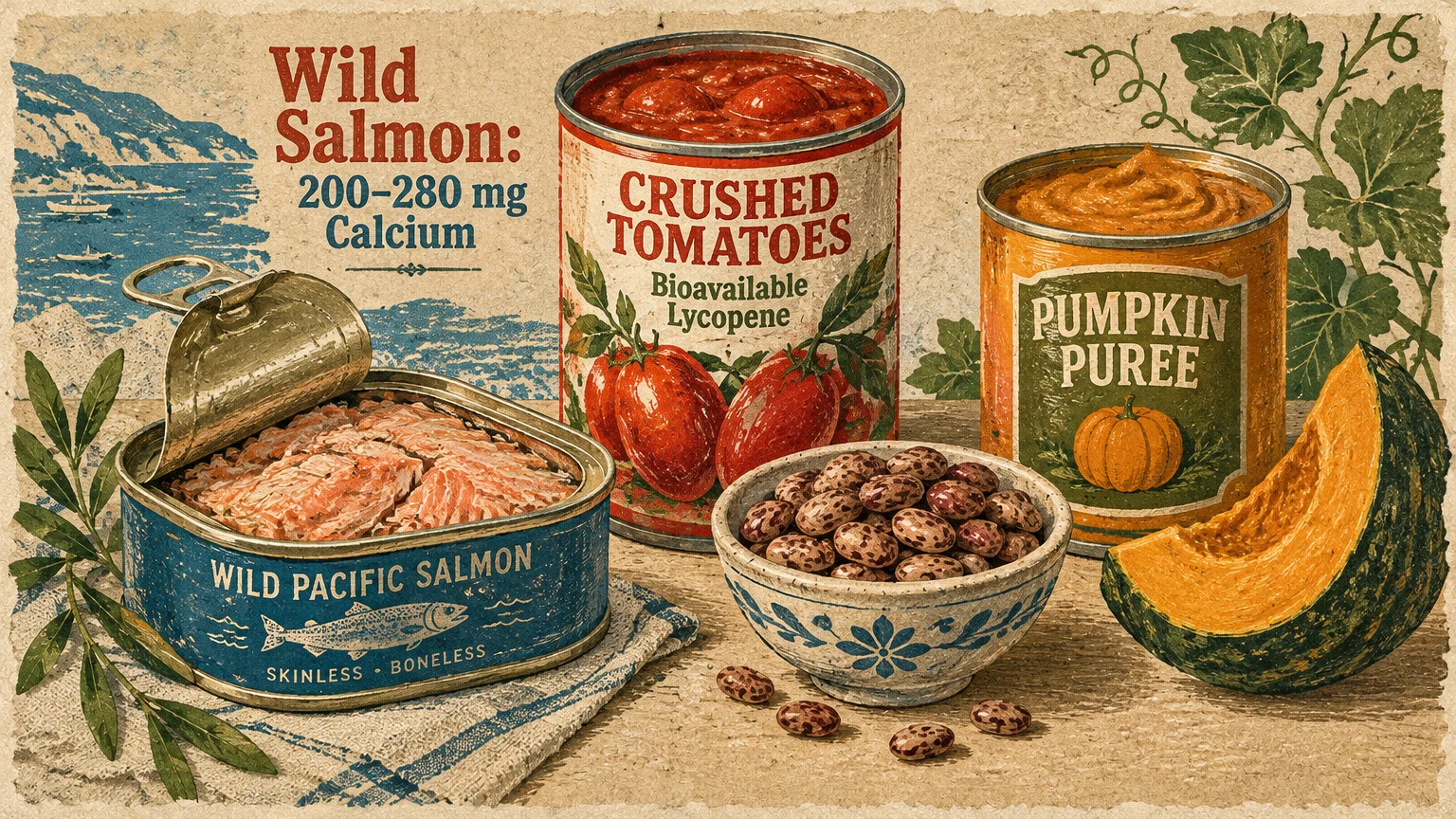
Canned fish nutrition rivals fresh seafood straight from the fish counter. High-heat pressure cooking softens fish bones until they become fully edible, yielding 200 to 280 milligrams of bioavailable calcium per 3-ounce serving compared to 10 to 40 milligrams in fresh fillets.
These oily fish deliver 1,000 to 1,500 milligrams of combined EPA and DHA omega-3 fatty acids per portion. Both species qualify as low-mercury “Best Choices” under FDA and EPA fish consumption guidance, making them safe for weekly meals.
2. Canned Crushed and Diced Tomatoes
Canned tomatoes represent a rare culinary instance where thermal processing improves nutrient bioavailability. Cooking breaks tough plant cell walls, converting antioxidant lycopene into highly absorbable cis-isomers.
According to findings in peer-reviewed nutritional research, your body absorbs this cis-isomer far more readily than raw tomato lycopene. Simmering crushed tomatoes with heart-healthy extra virgin olive oil enhances carotenoid uptake even further.
3. Canned Black Beans and Chickpeas
Canned legumes are among the most economical superfoods available to modern shoppers. A standard 15-ounce can costs between $0.80 and $1.20, delivering 6 to 8 grams of fiber and 7 to 9 grams of protein per half-cup.
Their soluble fiber feeds beneficial gut bacteria and stabilizes post-meal blood sugar levels. Rinsing them under running tap water eliminates 41% of processing sodium while preparing them for quick salads and stews.
4. Canned 100% Pure Pumpkin
Pure canned pumpkin is an everyday nutritional dynamo that extends far beyond seasonal pies. One cup of plain pumpkin puree delivers over 200% of your Daily Value for vitamin A via antioxidant beta-carotene.
That same cup provides 7 grams of prebiotic fiber and roughly 500 milligrams of potassium for only 83 calories. Stir a generous spoonful into morning oatmeal, blended smoothies, or savory pasta sauces.
5. Canned Artichoke Hearts
Canned artichoke hearts packed in water provide gourmet flavor and digestive support without tedious trimming or steaming. A half-cup serving delivers 4 to 5 grams of dietary fiber for under 40 calories.
Much of this fiber consists of inulin, a potent prebiotic fructan that feeds beneficial Bifidobacteria in your colon. A thriving microbiome promotes balanced metabolic signaling and stronger daily immune function.
6. Canned Brown and Green Lentils
Lentils offer remarkable nutritional density, but dry varieties demand extended soaking and boiling. Canned lentils deliver an immediate solution, supplying rich stores of non-heme iron, magnesium, and plant protein.
One drained cup provides nearly half of your daily folate requirement for cellular maintenance and DNA repair. Fold them into turkey burgers, grain bowls, or Mediterranean salads for instant texture and satiety.
7. Canned Spinach and Leafy Greens
Fresh spinach wilts quickly in your refrigerator, but canned spinach preserves delicate micronutrients in a concentrated, shelf-stable form. It provides abundant lutein and zeaxanthin, two macular carotenoids that protect your retinas against oxidative stress.
The Centers for Disease Control and Prevention highlights dark greens as essential defenses against chronic cardiovascular conditions. Drain canned greens thoroughly before folding them into morning frittatas, warm curries, or weeknight casseroles.
8. Canned Beets
Canned sliced beets eliminate the mess and lengthy cooking times required by raw roots. They supply inorganic dietary nitrates, which your vascular system converts directly into nitric oxide.
Nitric oxide dilates blood vessels, promoting arterial elasticity, healthy blood pressure, and athletic endurance. Canned beets also provide unique betalain pigments with documented antioxidant and anti-inflammatory properties.
9. Canned Oysters and Clams
Canned shellfish represents one of the most concentrated mineral reservoirs in the entire grocery store. Just a 3-ounce portion of canned oysters supplies over 500% of your Daily Value for zinc.
Research from the National Institutes of Health Office of Dietary Supplements affirms zinc’s critical role in immune cellular defense. Canned bivalves also deliver dense quantities of vitamin B12 and highly absorbable heme iron.
Three Strategic Pillars for Pantry-to-Plate Nutrition
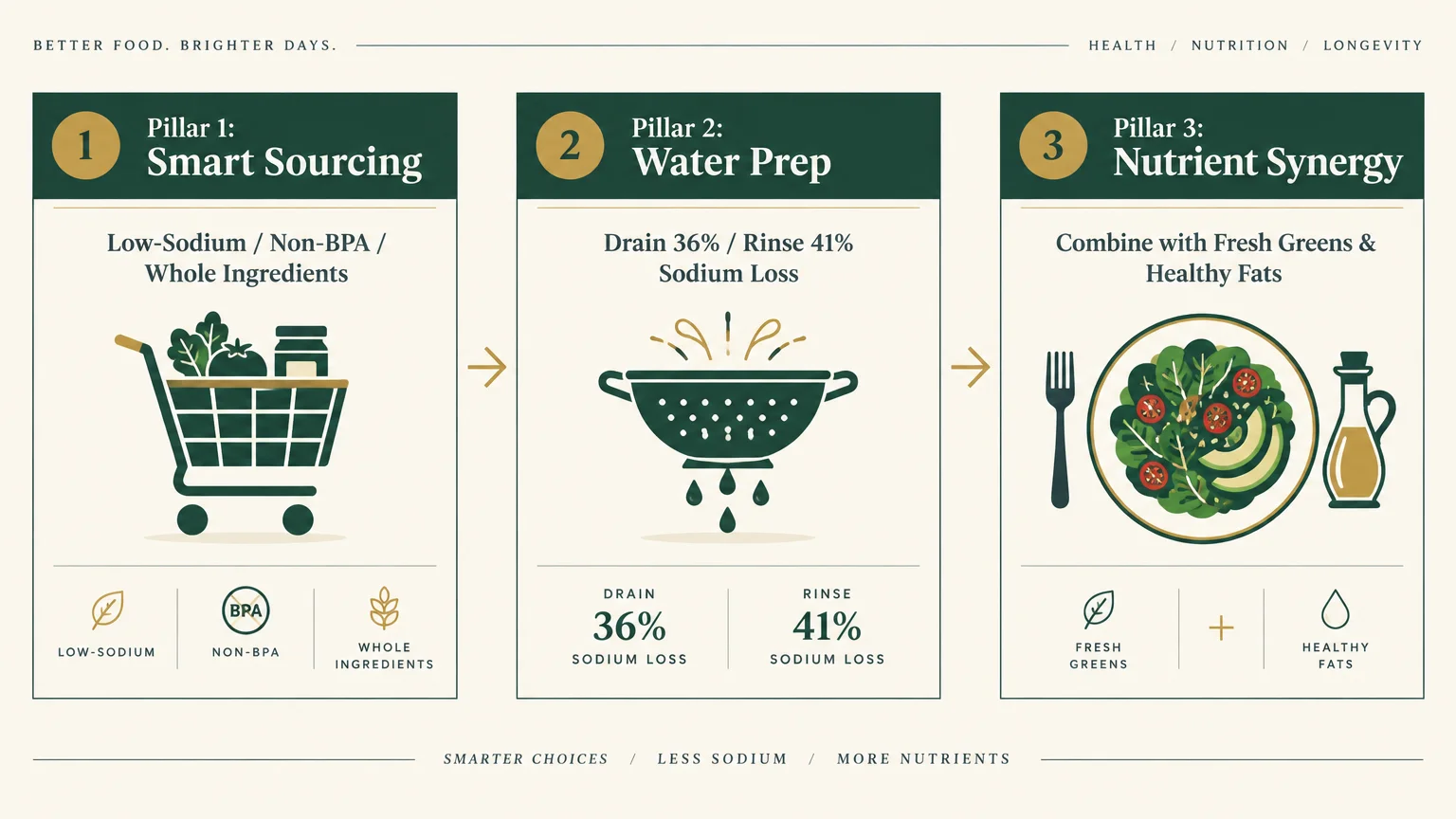
Transforming canned goods into wholesome meals requires an intentional culinary framework. Implement three structural pillars to maximize nutrition while streamlining your meal preparation routines.
Pillar 1: Proactive Meal Planning
Smart pantry stocking eliminates the urge to order expensive, high-sodium takeout after exhausting workdays. Group complementary ingredients together inside your cabinets so that balanced meals come together in minutes.
Pairing canned black beans with diced tomatoes and corn yields a vibrant chili in fifteen minutes. Similarly, combining canned wild salmon with artichoke hearts creates an elegant, nutrient-dense Mediterranean pasta.
Pillar 2: Micronutrient and Fiber Optimization
Combine canned vegetables with complementary macronutrients to optimize your body’s nutrient absorption. For example, pairing canned pumpkin or tomatoes with healthy fats—such as olive oil or avocado—substantially enhances carotenoid uptake.
Likewise, pair the plant-based non-heme iron in canned lentils with the natural vitamin C in canned crushed tomatoes. Ascorbic acid converts ferric iron into ferrous iron, boosting mineral bioavailability dramatically.
Pillar 3: Sustainable Habit Formation
Consistency matters far more than temporary kitchen perfection. Keep a stainless-steel colander beside your can opener as an automatic visual prompt to rinse your beans and vegetables.
Replace one processed red meat meal each week with canned sardines or wild salmon. That small, recurring habit replaces artery-clogging saturated fats with cardioprotective omega-3 fatty acids without increasing your grocery budget.

Voices from the Field: Clinical and Everyday Perspectives
Health professionals increasingly emphasize canned foods as practical tools for closing widespread nutrient shortfalls. Fresh produce quality and affordability fluctuate by season, whereas canned staples provide consistent year-round nutrition.
Preventive cardiology dietitian Marcus Chen notes that shelf-stable fish eliminates financial barriers to heart-healthy eating. He regularly recommends canned sockeye salmon as a convenient, dependable way for busy patients to hit omega-3 targets.
Everyday home cooks agree that accessible proteins and pre-cooked vegetables reduce kitchen friction. Nutritious canned foods prove that supporting your long-term health does not require exotic ingredients or complex culinary techniques.

Safety, Contraindications, and Personalization
While healthy canned foods benefit most diets, specific health circumstances call for tailored choices. Individualizing your approach ensures you reap the greatest nutritional rewards safely.
Individuals managing chronic kidney disease must monitor dietary potassium and phosphorus carefully. Canned legumes, pumpkin, and fish deliver substantial mineral concentrations that may require clinical personalization.
If you manage gout or elevated uric acid, moderate your intake of purine-dense bivalves and small oily fish. Consult your physician or registered dietitian before substantially increasing your consumption of these items.
Always inspect can integrity before purchasing or cooking. Never consume food from cans with deep dents, bulging lids, or leaking seams, as compromised packaging can foster dangerous pathogens like Clostridium botulinum.
Frequently Asked Questions
Does canning destroy heat-sensitive vitamins like vitamin C?
Thermal processing does degrade a modest percentage of water-soluble vitamins during canning. However, the airtight hermetic seal prevents further oxidative loss throughout extended shelf storage.
Fresh produce exposed to ambient air and heat often loses nutrients rapidly during transport and refrigeration. Canned vegetables maintain stable nutrient profiles from the cannery to your plate.
Is it safe to eat the bones in canned salmon and sardines?
The bones are completely safe, tender, and highly nutritious. The canning industry’s pressure-cooking method softens them until they crush effortlessly between your fingertips.
Consuming these softened bones provides hundreds of milligrams of bioavailable calcium for skeletal integrity. If the appearance bothers you, simply mash the fish thoroughly into patties or salads.
How much sodium do I eliminate by rinsing canned food?
Draining canned beans and vegetables eliminates approximately 36% of added sodium. Rinsing them thoroughly under cool running tap water removes 41% of total sodium.
Choosing cans labeled low-sodium or no-salt-added remains the ideal strategy for cardiovascular health. Rinsing standard cans offers a dependable secondary option when reduced-sodium alternatives are unavailable.
Can I store leftover canned food directly in the opened tin can?
It is best practice to transfer unused portions into an airtight glass or plastic container before refrigerating. Once exposed to oxygen, tin and iron linings can impart unpleasant metallic off-flavors to acidic foods.
Transferring food preserves fresh taste and protects against accidental contamination. Consume refrigerated canned remnants within three to four days for maximum flavor and safety.
Take Action in the Next 24 Hours
You do not need to overhaul your entire pantry overnight to experience real nutritional benefits. Start by checking your kitchen shelves today to see what nutritious canned foods you already own.
On your next shopping trip, pick up two cans of black beans and a can of wild salmon. Rinse the beans, flake the fish, and prepare a nutrient-rich dinner that supports your long-term vitality.