
Your digestive tract changes naturally over time, but targeted food choices can rapidly restore regularity, eliminate uncomfortable bloating, and enhance nutrient absorption after age sixty. By incorporating nutrient-dense, easily digestible foods into your daily meals, you actively support gut motility and protect beneficial microbiome diversity. Digestive shifts often stem from subtle physiological declines in stomach acid, digestive enzymes, and intestinal muscle contractions. Fortunately, small adjustments to your daily plate deliver noticeable relief within days. Whether you manage sluggish transit or occasional acid sensitivity, choosing ingredients tailored to the mature gastrointestinal system allows you to enjoy meals with confidence while fueling vibrant, long-term health.
Understanding Digestive Health and Gut Physiology After 60
Aging influences every stage of the digestive process, from the speed of stomach emptying to the microbial ecosystem within your colon. As you cross the sixty-year milestone, your stomach lining produces less hydrochloric acid and intrinsic factor. Clinical data from the NIH Office of Dietary Supplements reveals that an estimated 8% to 9% of adults aged sixty-five and older experience atrophic gastritis; this condition diminishes gastric acid output, impairing your body’s ability to extract protein-bound vitamin B12, iron, and calcium from whole foods. Concurrently, the smooth muscles lining your colon contract with less vigor, slowing colonic transit time and predisposing you to discomfort.
These biological shifts explain why chronic constipation affects roughly 16% to 20% of community-dwelling adults aged sixty and older—a figure that climbs past 30% in individuals over seventy, according to reports published by the National Institute of Diabetes and Digestive and Kidney Diseases. Reduced physical mobility, prescription medication side effects, and diminished thirst signals exacerbate these challenges. At the same time, the microbial diversity in your large intestine shifts; populations of beneficial, short-chain fatty acid-producing bacteria such as Bifidobacteria tend to decline, while opportunistic inflammatory microbes increase.
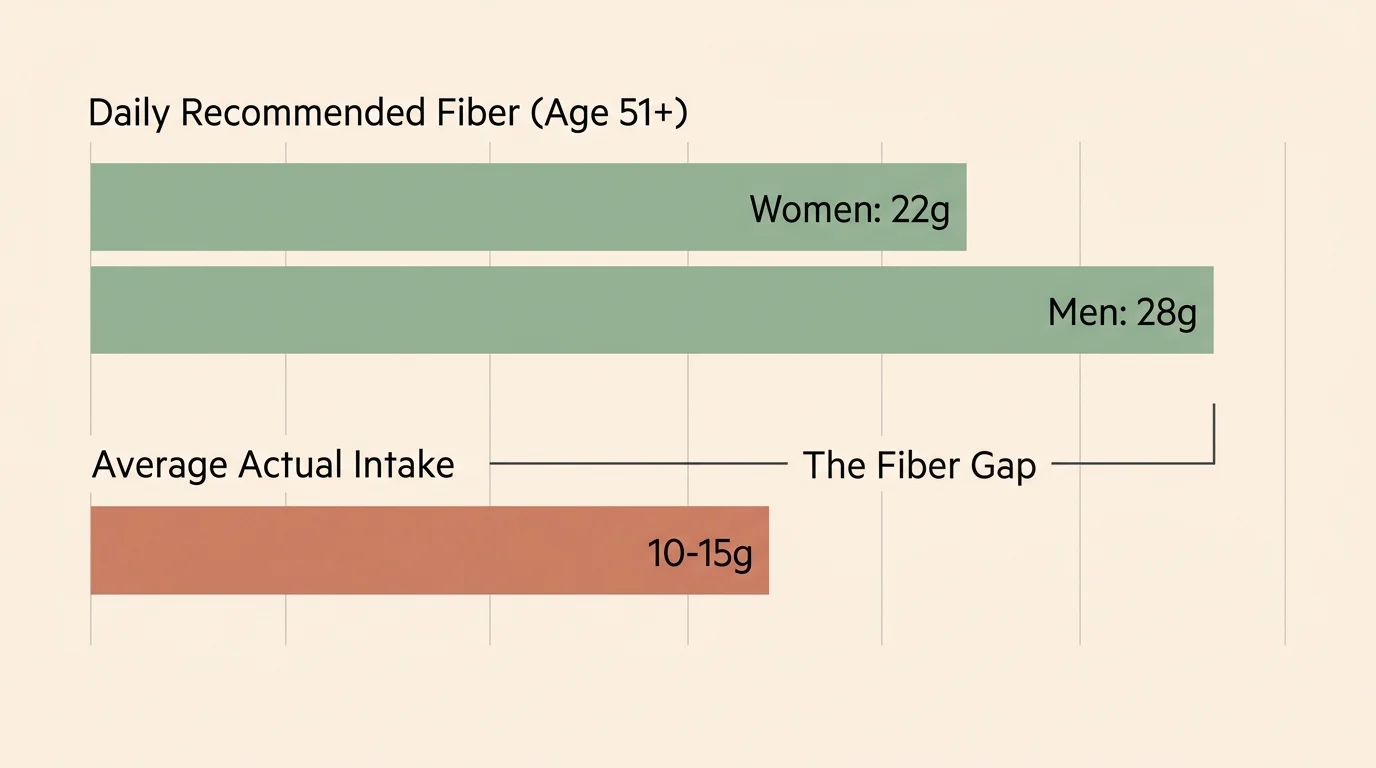
Closing the nutritional gap requires understanding your exact dietary targets. The official Dietary Guidelines for Americans recommend a daily fiber intake of 22 grams for women and 28 grams for men aged fifty-one and older. Despite these modest targets, national health surveys confirm that roughly 95% of American adults fail to meet their daily fiber goals, consuming an average of just 10 to 15 grams per day. Bridging this fiber gap with gentle, moisture-rich, and enzyme-supportive foods transforms your digestive comfort without causing distress.
8 Foods That Ease Digestion and Support Gut Health After 60
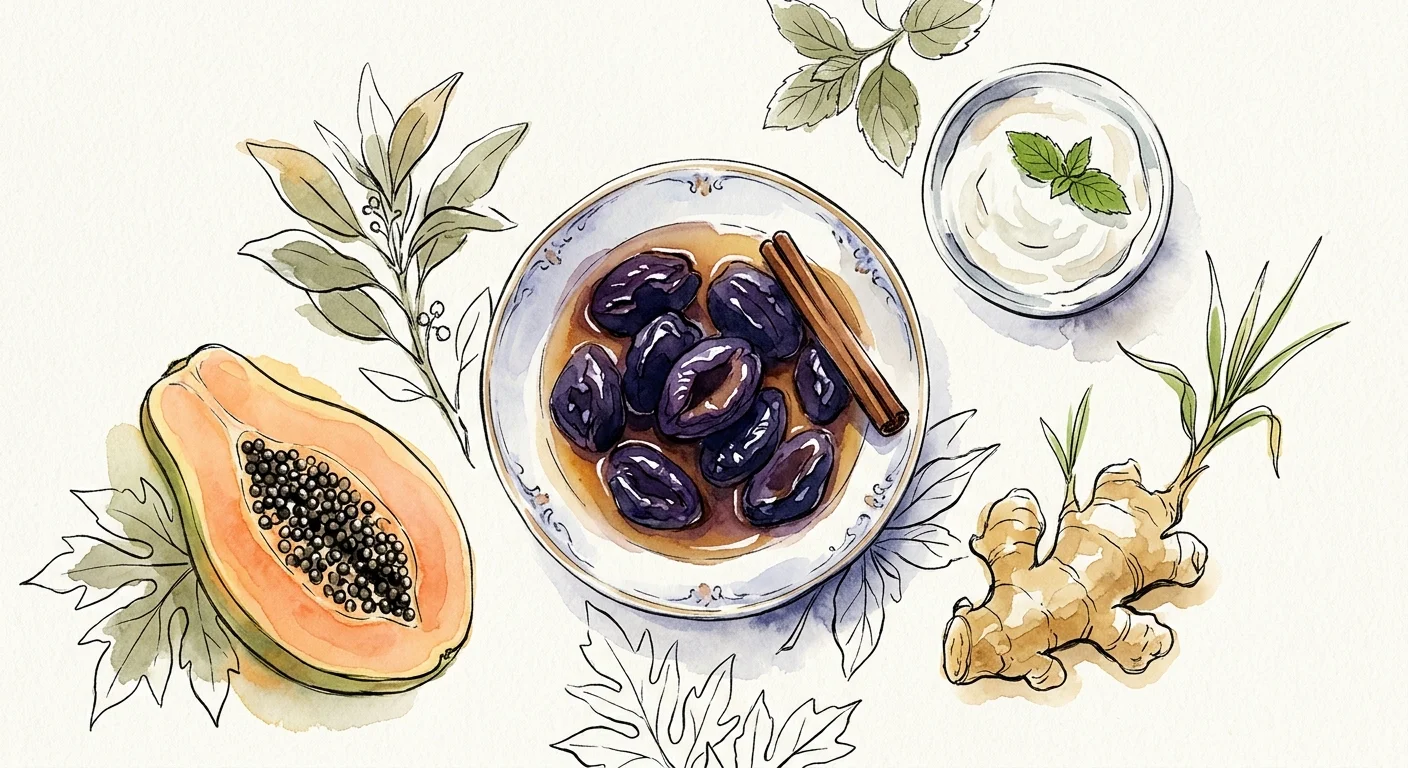
Selecting the right ingredients means prioritizing foods that provide gentle dietary fiber, natural digestive enzymes, beneficial microbes, and soothing hydration. Here are eight standout foods that nourish your digestive tract and optimize gastrointestinal function after sixty.
1. Stewed Prunes (Dried Plums)
Stewed prunes deliver a powerful dual-action benefit for sluggish bowels by combining soluble and insoluble fiber with sorbitol, a naturally occurring sugar alcohol. Sorbitol resists complete absorption in the small intestine, drawing water into the large bowel to naturally soften stool and stimulate gentle peristalsis. Simmering dried plums in warm water breaks down tough outer cellulose fibers, making them exceptionally easy on a sensitive stomach. Aim for three to four stewed prunes in the morning; pair them with a pinch of ground cinnamon over warm cereal or enjoy them as a standalone compote to encourage dependable morning regularity.
2. Plain Kefir and Cultured Whole Milk Yogurt
Fermented dairy products such as kefir and traditional cultured yogurt deliver billions of live, active probiotic organisms straight to your large intestine. The live bacterial cultures pre-digest most of the lactose during fermentation, allowing individuals with mild lactose sensitivity to enjoy these foods without cramping or flatulence. Kefir contains multiple diverse strains of Lactobacillus and Bifidobacterium, alongside beneficial yeasts that replenish depleted microbiome colonies. Consuming half a cup to one cup of unsweetened kefir daily helps crowd out gas-producing bacteria, strengthens the intestinal mucosal barrier, and supports efficient nutrient absorption.
3. Well-Cooked Rolled Oats
Oats provide an exceptional concentration of beta-glucan, a viscous soluble fiber that forms a soothing, protective gel as it travels through your gastrointestinal tract. This gentle gel slows carbohydrate absorption, feeds beneficial colonic microbes, and promotes the production of butyrate—a critical short-chain fatty acid that fuels and repairs the colon lining. Cooking rolled oats thoroughly in water or fortified plant milk creates a soft, easily chewed texture that demands minimal gastric effort. Stir in a teaspoon of ground flaxseed or stewed fruit to craft a satisfying breakfast that supports steady bowel movements throughout the day.
4. Hydrated Chia Seeds
Chia seeds possess a remarkable hydrophilic capacity, absorbing up to twelve times their weight in liquid to form a thick, mucilaginous gel. When consumed fully hydrated, this gel acts as a gentle internal lubricant that eases transit through the colon and prevents hard, dry stools. Chia seeds also provide anti-inflammatory alpha-linolenic acid (an omega-3 fatty acid) and bioavailable minerals that support intestinal muscle function. Never consume dry chia seeds; always soak one to two tablespoons in water, almond milk, or kefir for at least fifteen minutes to create a digestion-friendly pudding or smoothie booster.
5. Fresh Ripe Papaya
Papaya contains a natural proteolytic enzyme known as papain, which helps cleave tough dietary proteins into easily absorbed amino acids. Because natural gastric acid and pepsin secretions often decline after age sixty, eating foods rich in active plant enzymes provides valuable digestive support during or after protein-heavy meals. Ripe papaya also offers a soft, non-irritating texture, high water content, and soothing soluble fiber that calms upper gastrointestinal burning and reduces post-meal fullness. Enjoy half a cup of diced fresh papaya as a refreshing dessert or a mid-morning snack.
6. Simmered Split Red Lentils
While whole beans can trigger excessive gas due to tough seed coats and complex oligosaccharides, de-hulled split red lentils offer a remarkably gentle alternative. They break down rapidly during cooking into a smooth, creamy texture that provides high-quality plant protein, soluble fiber, and essential minerals like folate and iron. Red lentils feed the microbiome without overtaxing your digestive capacity. Simmer split red lentils with a pinch of ground cumin, turmeric, and ginger to create a warming soup or dahl that nourishes your colon lining while minimizing abdominal pressure.
7. Fresh Ginger Root
Ginger has served as a premier digestive remedy for centuries, and modern clinical research validates its prokinetic properties. The active phenolic compounds in ginger—gingerols and shogaols—stimulate saliva, bile, and gastric enzyme production while accelerating gastric emptying. If you frequently experience a sensation of food sitting uncomfortably in your stomach for hours after eating, fresh ginger offers rapid relief. Grate a half-inch knob of fresh ginger root into hot water for a post-meal tea, or incorporate finely minced ginger into stir-fries, marinades, and pureed vegetable soups.
8. Tender Steamed Dark Leafy Greens
Dark leafy greens such as baby spinach, Swiss chard, and Tuscan kale deliver vital micronutrients alongside gentle bulk that keeps the colon moving. Steaming or braising these greens wilts their fibrous cellular matrix, rendering them far easier to break down than coarse, raw salads. Cooked greens supply natural magnesium, a mineral that relaxes the smooth muscles of the digestive tract and draws moisture into the intestinal lumen to prevent constipation. Drizzle steamed greens with extra virgin olive oil and fresh lemon juice to maximize the absorption of fat-soluble vitamins and support bile flow.
Three Strategic Pillars for Lasting Digestive Comfort
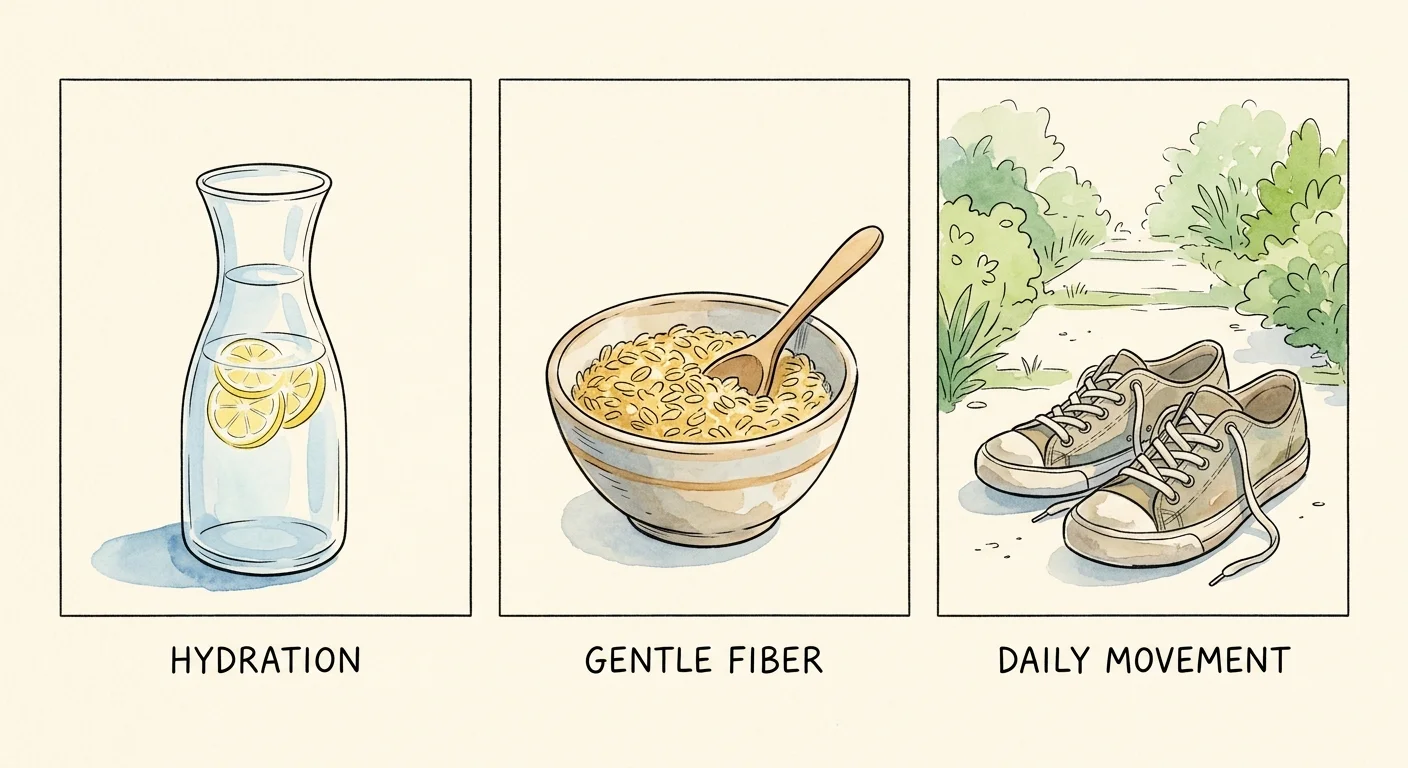
Implementing targeted foods yields the greatest benefits when you anchor them within consistent, supportive daily routines. Focus on these three practical strategies to build a resilient digestive system.
Pillar 1: Meal Timing and Textural Adaptation
Your digestive tract processes food most efficiently when you avoid massive, heavy meals late in the evening. Distribute your caloric and nutrient intake across three moderate meals and one small snack, allowing at least three hours between your final meal and bedtime to prevent nocturnal reflux. Adapt the physical texture of your food to match your chewing efficiency and digestive capacity. Steaming vegetables, pureeing soups, marinating lean proteins, and stewing fruits reduces the mechanical workload on your stomach while ensuring that nutrients remain bioavailable.
Pillar 2: Synergistic Hydration and Fiber Scaling
Increasing dietary fiber without simultaneously increasing fluid intake is a primary recipe for painful impaction and worsened constipation. Soluble fiber requires ample water to form the soft gels that carry waste effortlessly through the colon. According to baseline hydration standards from the National Academy of Medicine, total daily fluid intake from all foods and beverages should reach approximately 91 fluid ounces (about 11 cups) for women and 125 fluid ounces (about 15 cups) for men. Increase your fiber gradually by two to three grams every three to four days while sipping water, herbal teas, and broths consistently throughout the day.
Pillar 3: Mindful Chewing and Post-Meal Movement
Digestion begins in the mouth, where chewing activates salivary amylase and signals the stomach to release gastric juices. Chew each bite thoroughly, setting your utensils down between mouthfuls to avoid swallowing excess air that causes upper abdominal distension. Following your meal, avoid immediately collapsing into a recliner or lying flat on the couch. A leisurely ten- to fifteen-minute walk around your neighborhood or garden stimulates natural colonic peristalsis, prevents postprandial blood sugar spikes, and accelerates gastric clearing without causing cramping.
Clinical Perspectives and Real-World Applications
Gastroenterologists and registered dietitians who specialize in healthy aging consistently emphasize sustainable dietary shifts over aggressive cleansing protocols. Clinical experts note that mature adults often restrict their diets unnecessarily following isolated bouts of indigestion, which inadvertently starves their gut microbiome and worsens food intolerances over time.
Consider the experience of older adults across varied culinary traditions. In Mediterranean cultures, families routinely incorporate stewed seasonal vegetables, olive oil, and cultured yogurt into daily meals, maintaining remarkable digestive resilience into their eighties and nineties. Similarly, traditional East Asian dietary patterns emphasize easily digestible rice porridges (congee), fermented soy, and ginger-infused broths. You can adapt these time-tested principles to fit your cultural preferences, grocery budget, and personal palate by prioritizing cooked textures and natural fermentation.

Safety Considerations, Medications, and Red Flag Symptoms
While dietary adjustments resolve most common digestive complaints, you must evaluate your symptoms in the context of your overall medical profile. Certain prescription medications—including calcium channel blockers for hypertension, opioid pain relievers, iron supplements, and anticholinergic bladder medications—significantly slow intestinal transit. If you take these medications, work closely with your prescribing physician rather than relying solely on high-fiber foods, which might cause blockages if motility is severely suppressed.
Furthermore, distinguish between routine functional sluggishness and clinical warning signs. Schedule a prompt medical evaluation if you experience any of the following red flag symptoms: visible blood in your stool, dark tarry stools, unexplained and unintentional weight loss, persistent vomiting, difficulty or pain when swallowing (dysphagia), severe abdominal pain that wakes you from sleep, or sudden, drastic changes in your bowel habits that persist for more than two weeks. These signs warrant objective diagnostic testing to rule out inflammatory bowel disease, ulcers, or colorectal malignancies.
Frequently Asked Questions
Why do raw salads suddenly cause severe bloating and gas after age 60?
Raw vegetables contain rigid, insoluble cell walls composed of cellulose and hemicellulose that require robust mechanical chewing, high stomach acid output, and potent digestive enzymes to break down. As stomach acid and pancreatic enzyme secretions decline with age, these unyielding raw fibers enter the large intestine largely intact. There, colonic bacteria rapidly ferment them, producing copious hydrogen and methane gas that causes uncomfortable bloating, distension, and cramping. Lightly steaming, roasting, or braising your vegetables softens these cellular walls, allowing you to reap the micronutrient and fiber benefits without digestive distress.
How quickly should I increase my daily fiber intake to avoid side effects?
You should increase your daily dietary fiber slowly over a period of three to four weeks. If your current intake sits near the national average of 12 grams per day, jumping immediately to the recommended 22 or 28 grams will overwhelm your intestinal microbiome and lead to acute gas, cramping, and loose stools. Add just one fiber-rich serving—such as half a cup of cooked oats or two stewed prunes—every three days. This measured progression gives your bacterial colonies adequate time to adjust their metabolic activity to the increased prebiotic substrate.
Is it better to take an over-the-counter fiber supplement or eat whole foods?
Whole foods provide distinct advantages over isolated fiber powders because they deliver a complex matrix of soluble and insoluble fibers, prebiotic carbohydrates, essential vitamins, trace minerals, protective antioxidants, and water. While psyllium husk or methylcellulose supplements can serve as helpful temporary tools under clinical supervision, whole foods like chia seeds, split lentils, and cooked greens nourish a far broader spectrum of beneficial gut microbes while enhancing your overall nutritional status.
Does drinking water during meals dilute your stomach acid and harm digestion?
Moderate water consumption during meals—such as sipping four to eight ounces of room-temperature water—does not dilute stomach acid or digestive enzymes enough to impede digestion. In fact, small sips of fluid lubricate food boluses, ease swallowing, and assist the stomach in breaking solid food into chyme. However, avoid chugging large volumes of iced beverages with meals, as excessive liquid volume can distend the stomach prematurely and trigger acid reflux in susceptible individuals.
Take Action for Your Digestive Comfort Today
Restoring smooth, comfortable, and predictable digestion does not require restrictive regimens or expensive supplements. Your gastrointestinal tract responds remarkably well to consistent, gentle dietary support. Choose one actionable step to implement within the next twenty-four hours: prepare a small bowl of soaked chia pudding for tomorrow’s breakfast, swap a raw lunch salad for tender steamed greens with olive oil, or sip a warm cup of fresh ginger tea after dinner. By making steady, enjoyable additions to your plate, you empower your gut to function at its absolute best throughout every decade ahead.