Every step you take places forces up to four times your body weight onto your knee joints. Nourishing this resilient connective tissue requires specific dietary building blocks that protect against daily friction.
Targeted knee joint nutrition directly influences chondrocyte metabolism and matrix repair. By supplying key bioactive compounds, you preserve shock absorption and keep your joints moving smoothly.
Clinical studies confirm that nutritional interventions actively defend joint tissue against inflammatory degradation. Here is how you can use targeted nutrients for knee cartilage to rebuild and sustain your joint longevity.
Understanding Cartilage Health and Cellular Repair
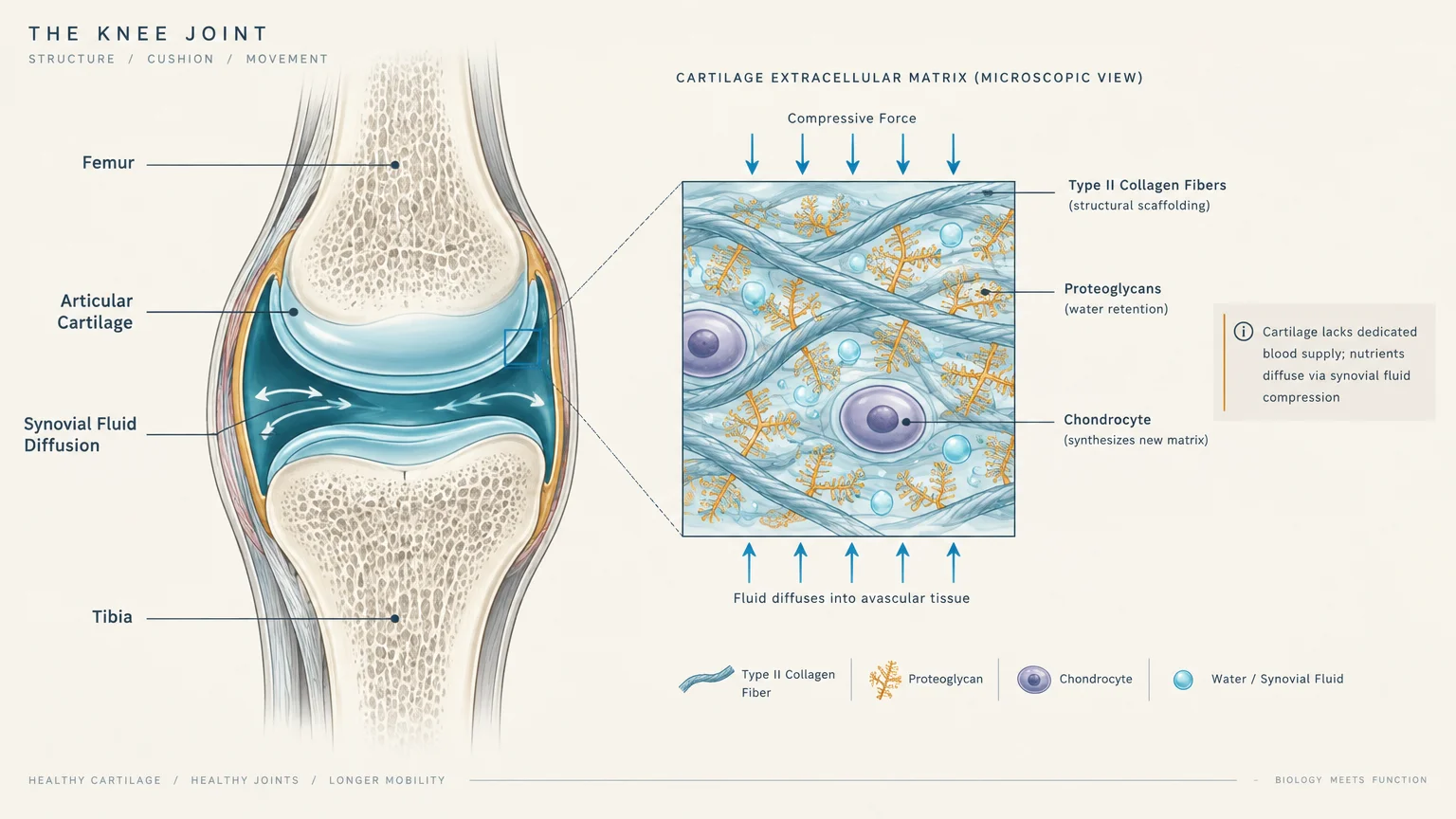
Articular cartilage functions as the slick, durable cushion covering the ends of your femur and tibia. This tissue absorbs mechanical impact and creates near-frictionless movement inside your knees.
Specialized cells called chondrocytes produce and maintain the surrounding extracellular matrix. This intricate scaffolding consists primarily of type II collagen fibers and water-binding proteoglycans.
Unlike muscles or skin, cartilage lacks its own dedicated blood supply. It receives critical nourishment through the diffusion of synovial fluid during physical compression and release.
Research published by the National Institutes of Health demonstrates that chronic low-grade inflammation disrupts chondrocyte activity. When degradation outpaces synthesis, the matrix thins and joint stiffness develops.
Delivering specific micronutrients enhances cellular resilience against oxidative stress. With consistent nutritional support, your body sustains proteoglycan synthesis and stabilizes joint structure.
The 8 Essential Nutrients for Knee Cartilage
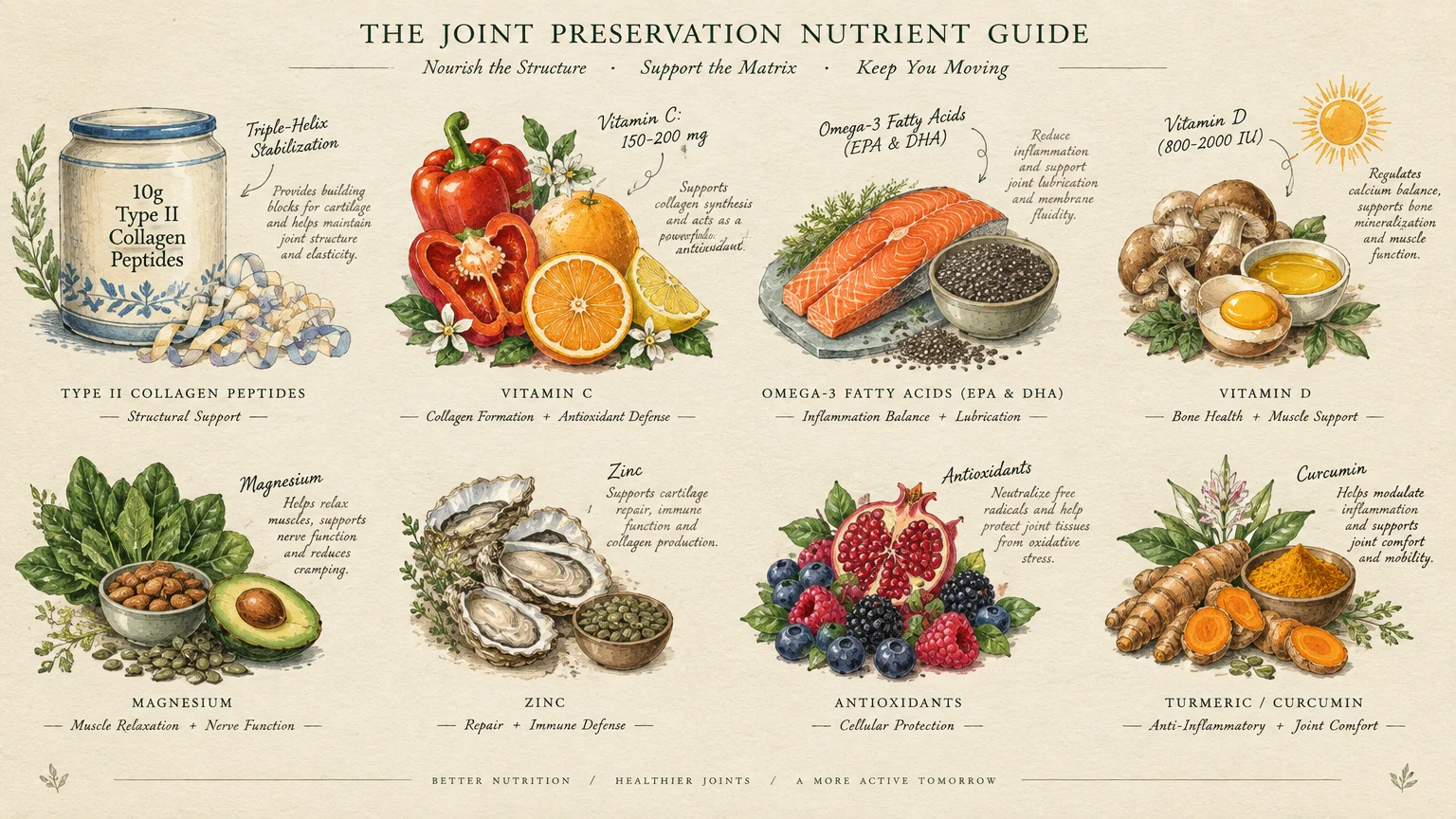
1. Type II Collagen Peptides
Type II collagen makes up roughly 90 percent of the total protein found in articular cartilage. Supplementing with hydrolyzed collagen peptides delivers bioavailable proline, glycine, and hydroxyproline directly to joint tissues.
Clinical trials highlight that collagen for knees stimulates chondrocytes to synthesize new extracellular matrix components. A randomized study in Applied Physiology, Nutrition, and Metabolism showed notable reductions in activity-related knee discomfort among athletes consuming ten grams daily.
You can consume hydrolyzed peptides as unflavored powders blended into morning oats or smoothies. Bone broths also supply natural gelatin, though standardized peptides offer superior and predictable absorption.
2. Vitamin C
Your body cannot synthesize collagen without sufficient ascorbic acid. Vitamin C serves as an indispensable enzymatic cofactor for prolyl and lysyl hydroxylase, which stabilize collagen’s triple-helix architecture.
Beyond structural assembly, vitamin C acts as a potent antioxidant within joint cavities. It neutralizes reactive oxygen species that accelerate cellular aging and degrade proteoglycans.
Aim for 150 to 200 milligrams daily through whole foods such as bell peppers, kiwi, strawberries, and broccoli. Pairing citrus slices with your collagen intake maximizes tissue uptake and enzymatic cross-linking.
3. Omega-3 Fatty Acids
Eicosapentaenoic acid (EPA) and docosahexaenoic acid (DHA) exert profound anti-inflammatory actions within synovial fluid. They displace arachidonic acid in cell membranes, curtailing the production of inflammatory prostaglandins.
Data from the Centers for Disease Control and Prevention underscores systemic inflammation as a major driver of joint degradation. Omega-3 fatty acids actively downregulate matrix metalloproteinases, which are destructive enzymes that dismantle cartilage matrix.
Incorporate wild salmon, sardines, or mackerel into your meals twice each week. If you follow a vegan lifestyle, choose algae-derived EPA and DHA oils to achieve equivalent biochemical protection.
4. Vitamin D3
Vitamin D receptors exist directly on human articular chondrocytes. Optimal serum levels help regulate proteoglycan production and maintain mineral density in the subchondral bone beneath your cartilage.
When subchondral bone weakens, it alters joint alignment and exerts uneven mechanical shear on overlying cartilage. Maintaining sufficient vitamin D preserves structural shock absorption throughout the entire knee joint complex.
Obtain regular morning sunlight exposure, or consume fortified dairy, egg yolks, and wild trout. Request a 25-hydroxy vitamin D blood test annually, aiming for a circulating level between 40 and 60 ng/mL.
5. Curcumin and Bioactive Polyphenols
Curcumin is the primary bioactive polyphenol extracted from turmeric root. It interrupts the nuclear factor-kappa B signaling pathway, effectively blunting the transcription of pro-inflammatory cytokines inside joint capsules.
Peer-reviewed investigations demonstrate that curcumin extracts perform similarly to standard anti-inflammatory drugs for easing knee discomfort, without inducing gastric distress. It preserves the integrity of chondrocytes subjected to heavy mechanical strain.
Because raw curcumin possesses poor oral bioavailability, choose formulas complexed with piperine or phospholipid phytosomes. Alternatively, whisk grated turmeric into warm olive oil during culinary preparation to boost intestinal absorption.
6. Glucosamine and Chondroitin Sulfate
Glucosamine and chondroitin are natural glycosaminoglycans that form the backbone of cartilage proteoglycans. These compounds attract and trap water molecules, generating the hydrostatic pressure that allows knees to withstand compression.
Clinical evaluations show that pharmaceutical-grade chondroitin sulfate helps prevent joint space narrowing over continuous multi-year periods. It inhibits aggrecanase enzymes that otherwise cleave critical matrix proteoglycans.
Standard therapeutic dosages range from 1,500 milligrams of glucosamine sulfate to 1,200 milligrams of chondroitin sulfate daily. Look for third-party certified joint health supplements to guarantee structural purity and absence of contaminants.
7. Magnesium
Magnesium participates in over 300 biochemical reactions, including the synthesis of nucleic acids and structural proteins. It acts as an essential cofactor for enzymes responsible for assembling proteoglycan aggregates.
Epidemiological studies indicate that higher magnesium intake correlates with thicker knee cartilage and lower odds of joint space loss. It counteracts systemic inflammation by lowering circulating C-reactive protein concentrations.
Nourish your tissues by eating pumpkin seeds, black beans, cooked spinach, and raw almonds. If supplementing, choose magnesium glycinate or malate for optimal absorption and digestive tolerance.
8. Sulfur and Methylsulfonylmethane (MSM)
Sulfur forms essential disulfide bonds that cross-link collagen strands and provide cartilage with its tensile strength. Without adequate organic sulfur, connective tissues lose their structural resilience and elasticity.
Methylsulfonylmethane provides an exceptionally bioavailable source of organic sulfur. Research confirms that this compound reduces oxidative stress biomarkers and speeds recovery after repetitive physical exertion.
You can obtain dietary sulfur from cruciferous vegetables, garlic, onions, and pasture-raised eggs. Supplementing with 1,000 to 3,000 milligrams of methylsulfonylmethane daily offers potent support for active knees.
Three Strategic Pillars for Joint Longevity
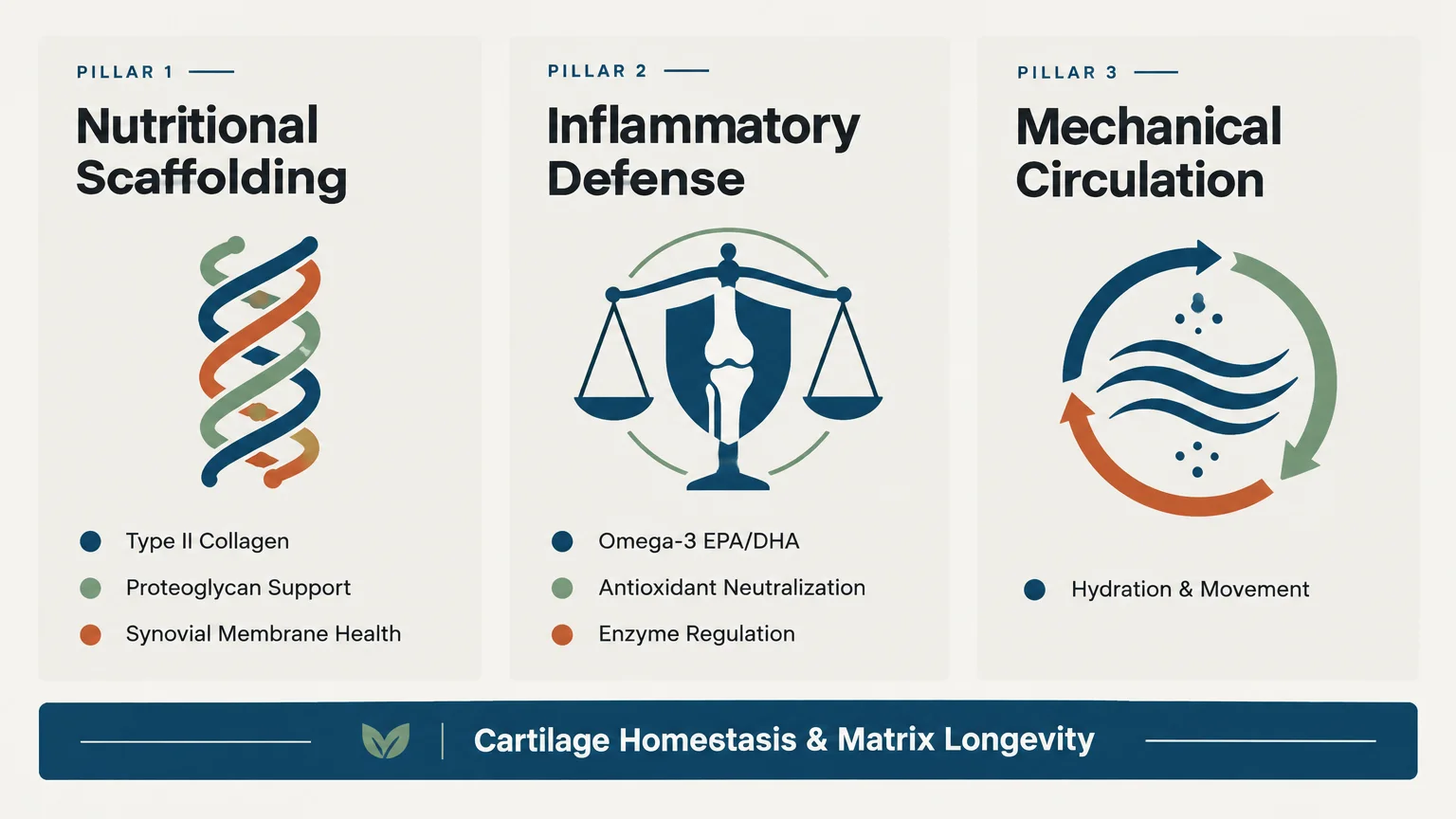
Isolating nutrients rarely yields optimal results; your body requires an integrated biological strategy. Combining dietary habits with targeted movement creates an environment where cartilage cells can flourish.
Pillar 1: Synergistic Meal Planning
Pairing specific nutrients enhances their biological absorption and functional efficacy. For instance, consuming vitamin C alongside your collagen peptides increases cross-linking density during matrix synthesis.
Fat-soluble vitamins such as D3 and hydrophobic compounds like curcumin require dietary lipids for adequate uptake. Enjoy these compounds alongside monounsaturated fats from extra virgin olive oil, avocados, or walnuts.
A comprehensive review from the Academy of Nutrition and Dietetics emphasizes that Mediterranean-style eating patterns decrease systemic inflammatory mediators. Anchor your meals around colorful vegetables, legumes, and lean marine proteins.
Pillar 2: Mechanical Movement and Synovial Hydration
Nutrients cannot reach avascular cartilage cells without regular joint mobilization. Low-impact rhythmic movement acts as a biological pump, driving nutrient-rich synovial fluid directly into porous matrix layers.
Stationary cycling, swimming, and brisk walking compress and decompress articular cartilage without subjecting your joints to harsh shearing forces. These repetitive motions promote metabolic waste clearance and nutrient delivery.
Hydration remains equally crucial; cartilage contains up to 80 percent water by weight. Drink adequate water throughout the day so proteoglycan molecules can retain the moisture required for mechanical shock absorption.
Pillar 3: Progressive Habit Formation
Connective tissue remodeling occurs at a deliberate, gradual pace over months rather than days. Establishing sustainable micro-habits guarantees the nutritional consistency necessary to influence chondrocyte gene expression.
Stack your joint health routine onto an existing behavior, such as taking your omega-3s with breakfast. By linking new habits to established cues, you bypass decision fatigue and maintain long-term compliance.
Track your physical comfort and mobility in a journal every two weeks rather than daily. Subtle improvements in morning stiffness and walking tolerance accumulate into dramatic structural protection over time.

Expert Clinical Insights and Lived Experiences
Sports dietitians frequently observe that athletes underemphasize connective tissue nutrition until injuries occur. Clinical practice shows that proactive nutritional support maintains joint space long before cartilage wearing causes functional limitations.
Orthopedic specialists emphasize that cartilage health requires an equilibrium between mechanical loads and biological recovery. Nutrition supplies the exact substrate materials that allow joints to recover from daily mechanical wear.
Consider Marcus, a 48-year-old recreational runner who experienced persistent bilateral knee stiffness after weekend trail runs. Rather than abandoning exercise, Marcus overhauled his dietary intake with an anti-inflammatory protocol.
He incorporated daily collagen peptides, tart cherry polyphenols, and wild-caught sardines while swapping refined snacks for walnuts and berries. Within twelve weeks, Marcus reported smoother morning movement and ran without post-workout knee soreness.

Safety Guidelines and Potential Interactions
While food-derived nutrients present minimal risk, concentrated dietary supplements require thoughtful administration. Always review your complete supplement regimen with your primary healthcare provider or registered dietitian.
High-dose omega-3 fatty acids and concentrated curcumin extracts exert natural mild antiplatelet effects. If you currently take prescription anticoagulant medications, your physician must monitor your blood clotting parameters.
Individuals with shellfish allergies must exercise caution when purchasing glucosamine supplements, as many preparations derive from crab or shrimp shells. Look for vegan glucosamine synthesized via corn fermentation instead.
If you experience persistent joint swelling, warmth, or sharp pain, seek a formal medical evaluation. Nutrition supports structural cartilage health, but acute mechanical tears or systemic auto-immune disorders require targeted clinical interventions.
Frequently Asked Questions
Can you regrow worn knee cartilage through diet alone?
Dietary nutrients cannot fully regenerate completely lost cartilage once an area has progressed to bone-on-bone friction. However, targeted nutrition preserves existing tissue, stimulates repair in compromised matrix zones, and substantially calms joint inflammation.
How long does it take for joint supplements to show noticeable benefits?
Cartilage possesses a slow metabolic turnover rate compared to other bodily tissues. Most clinical trials demonstrate measurable improvements in joint comfort and functional mobility after eight to twelve weeks of consistent supplementation.
Can plant-based eaters obtain adequate cartilage-building nutrients?
Yes, vegan individuals can thrive by emphasizing plant-derived amino acids alongside vitamin C, sulfur compounds, and minerals. You can also utilize algal omega-3 oils, fermented glucosamine, and plant-based collagen-boosting peptide blends.
Does bone broth provide the same benefits as hydrolyzed collagen peptides?
Bone broth supplies beneficial gelatin and amino acids, but its peptide concentrations vary widely across batches. Hydrolyzed collagen peptides offer standardized, low-molecular-weight molecules that your gastrointestinal tract absorbs more readily and consistently.
Your 24-Hour Action Plan
Transforming your joint health does not require a complex lifestyle overhaul starting tomorrow morning. Small, strategic nutritional changes compound into robust, lifelong physical resilience.
Choose one targeted action today: add a cup of vitamin C-rich berries and a scoop of collagen to your breakfast. Your knees absorb the forces of your daily life, and they deserve proactive nutritional care.