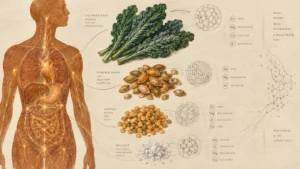
You can ease heavy, tight, and swollen legs by choosing foods that balance fluid levels and support vascular circulation. Strategic dietary shifts often provide noticeable, lasting relief within days.
Mild leg swelling, medically known as peripheral edema, frequently stems from prolonged sitting, high salt intake, or sluggish venous return. Gravity pulls excess interstitial fluid downward into your lower extremities.
Adding specific natural diuretics and potassium-rich options helps your kidneys flush accumulated fluid efficiently. Here is how evidence-based nutritional strategies can restore comfort to your legs and ankles.
Understanding Peripheral Swelling and Fluid Dynamics
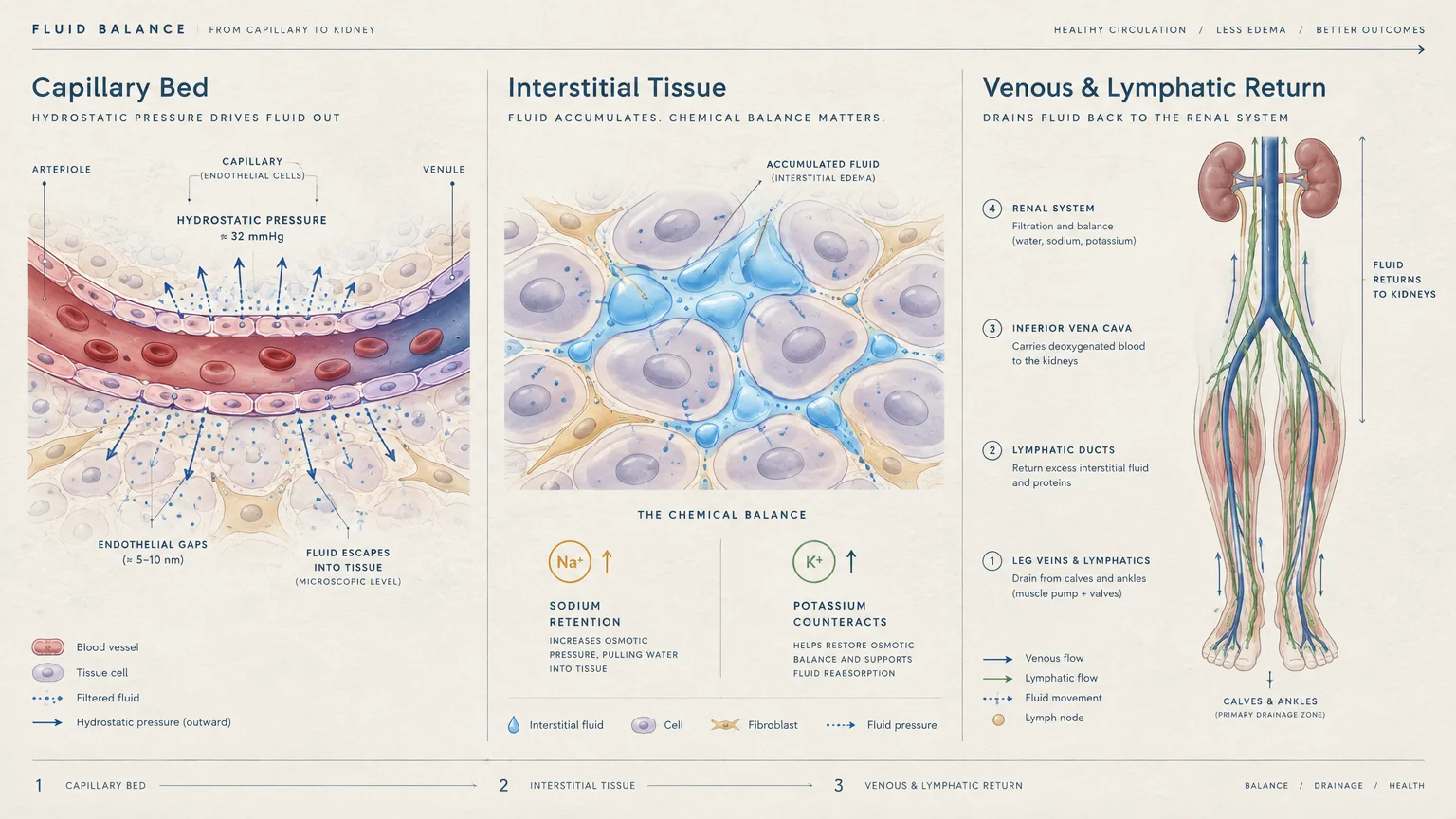
Fluid accumulation in your calves, ankles, and feet often results from an imbalance between capillary hydrostatic pressure and lymphatic drainage. When physical movement slows or dietary sodium climbs, interstitial tissues retain water.
Your vascular system relies on precise chemical signals to maintain fluid homeostasis. Minerals such as potassium and magnesium regulate cellular fluid exchanges by countering sodium-induced water retention.
According to the National Library of Medicine clinical overview of edema, localized fluid retention stems from small blood vessels leaking fluid into nearby tissues. Diet directly influences this capillary permeability.
Consuming hydrating foods loaded with electrolytes encourages your renal system to release trapped fluids. Phytochemicals found in specific plants also strengthen vein walls, preventing fluid from escaping into surrounding spaces.
8 Evidence-Based Foods to Counteract Leg Swelling
1. Cucumbers
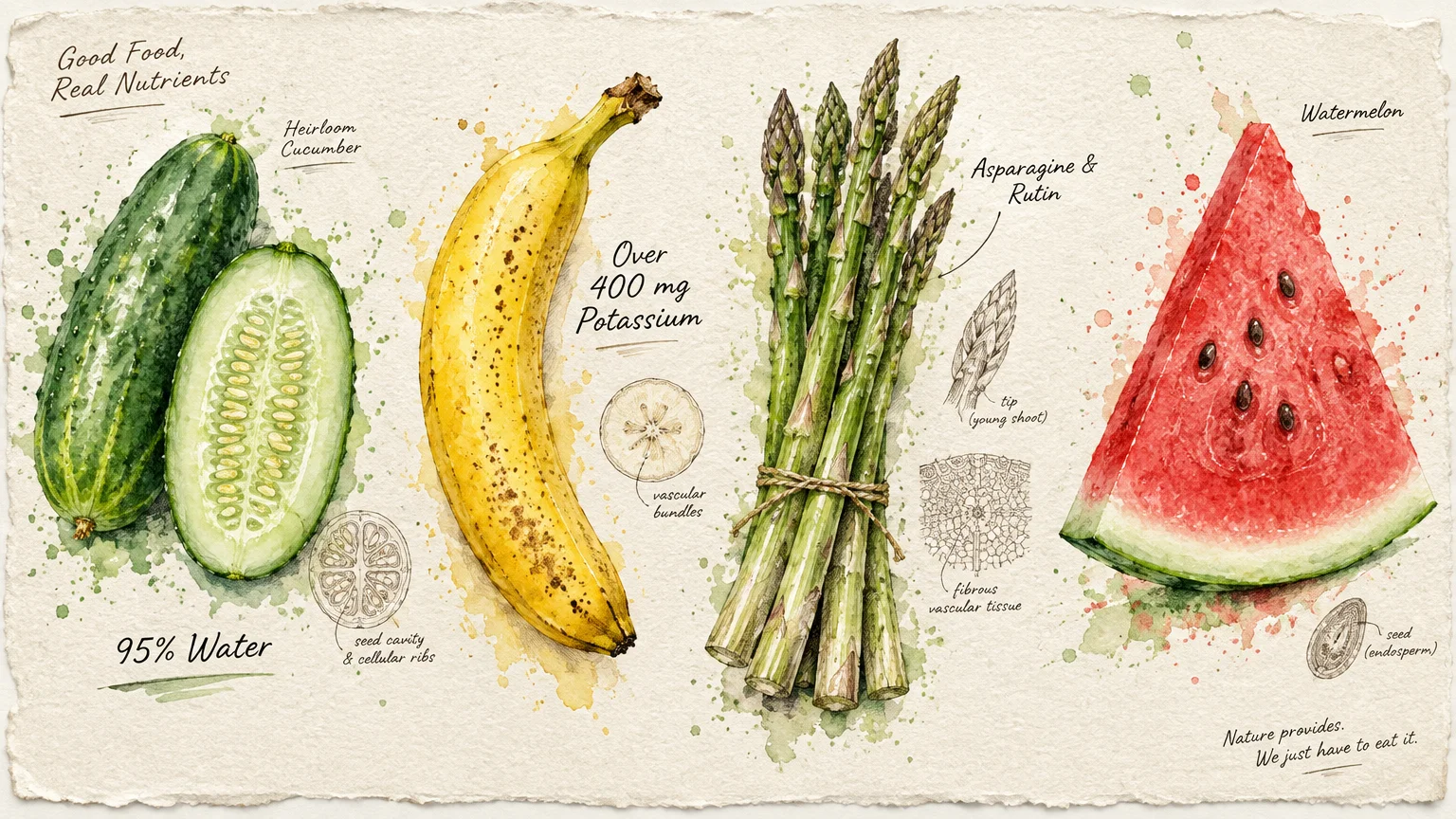
Cucumbers consist of roughly ninety-five percent water, making them an exceptional hydrating choice for clearing tissue stagnation. Their high water volume stimulates regular urination without exhausting your renal filtration pathways.
They also provide caffeic acid, an organic compound known to soothe vascular irritation. This antioxidant property works to reduce microvascular swelling throughout your lower extremities.
Slice fresh cucumbers into chilled water pitchers or toss them with lemon juice and cracked black pepper. Eating them raw preserves their sensitive enzymes and provides silica to reinforce connective tissue integrity.
2. Bananas
Bananas serve as a quintessential source of bioavailable potassium, providing over four hundred milligrams per medium fruit. This crucial mineral prompts your kidneys to excrete sodium through urine, decreasing overall fluid volume.
Research detailed in the National Institutes of Health potassium fact sheet demonstrates that adequate potassium intake mitigates sodium-driven water retention. Maintaining this mineral ratio relieves pressure on strained leg capillaries.
Pair sliced bananas with unsalted oatmeal, blend them into morning smoothies, or enjoy them as an afternoon snack. Their natural fiber and vitamin B6 stabilize digestion while delivering continuous fluid-balancing electrolytes.
3. Asparagus
Asparagus contains asparagine, an amino acid derivative renowned for its natural diuretic action on human kidneys. This compound enhances urinary output, helping your system discharge stored fluids and excess salt rapidly.
Beyond asparagine, asparagus delivers rich concentrations of rutin, a bioflavonoid that strengthens weakened capillary walls. Fortified capillary walls leak substantially less fluid into the interstitial spaces of your lower legs.
Steam young asparagus stalks with minced garlic and a drizzle of extra virgin olive oil. Avoid heavily salted butter preparations so you preserve the vegetable’s natural fluid-clearing benefits.
4. Watermelon
Watermelon features a ninety-two percent water profile combined with an array of electrolytes, particularly potassium and magnesium. This juicy combination gently flushes your urinary tract while replenishing vital intracellular minerals.
The vibrant red flesh contains concentrated levels of lycopene and L-citrulline, an amino acid that boosts nitric oxide production. Nitric oxide dilates blood vessels, enhancing venous return from your ankles toward your heart.
Enjoy chilled watermelon wedges as a refreshing snack or blend the fruit with fresh mint leaves. The crisp sweetness satisfies hydration cravings without requiring processed sweeteners that exacerbate inflammation.
5. Wild Salmon
Wild salmon stands out as an exceptional dietary source of long-chain omega-3 fatty acids, specifically EPA and DHA. These marine lipids directly curb systemic inflammation, which often underlies chronic capillary leakage and edema.
According to the American Heart Association recommendations on dietary fatty acids, regular fish intake promotes vascular health. Healthy endothelial function keeps excess liquid securely inside your vascular tree.
Bake wild salmon fillets with fresh herbs, crushed garlic, and lemon slices for an anti-inflammatory dinner. High-quality protein in salmon also supports serum albumin production, which prevents fluid from escaping into limb tissues.
6. Berries
Blueberries, blackberries, and strawberries boast intense pigmentation derived from anthocyanins, powerful polyphenols that protect blood vessels. These compounds shield delicate vascular walls from oxidative degradation and microvascular stress.
Strengthened microvessels maintain tight junction integrity, resisting the outward fluid seepage that manifests as ankle swelling. Regular berry intake also improves endothelial nitric oxide release, further supporting lower-body circulation.
Stir a cup of fresh berries into plain Greek yogurt or chia seed pudding for breakfast. Their low glycemic impact provides steady energy while offering potent vitamin C to reinforce venous collagen structure.
7. Celery
Celery provides phthalides, chemical compounds that relax the muscular tissues within your arterial walls. This relaxation broadens blood vessels, reducing arterial pressure and allowing blood to flow back upward effortlessly.
Celery also acts as a gentle natural diuretic due to its balanced potassium and sodium proportions. It prompts renal excretion of trapped fluids without causing an unsafe loss of essential body electrolytes.
Dip crunchy celery ribs into fresh hummus, or chop them finely into vibrant grain bowls and chilled salads. Incorporating celery provides significant hydration while delivering a satisfying crunch that replaces salty snack foods.
8. Leafy Spinach
Spinach provides rich reserves of dietary magnesium, a neglected mineral essential for neuromuscular function and fluid regulation. Magnesium deficiency frequently amplifies fluid retention and exacerbates troublesome muscle cramping in tired calves.
A single cup of cooked spinach supplies substantial magnesium and potassium, working in tandem to counterbalance sodium. This double-mineral action encourages renal filtration and alleviates gravitational water buildup around ankles.
Fold raw spinach into vegetable omelets, stir it into hearty bean soups, or sauté it gently with garlic. Its dietary nitrates enhance nitric oxide synthesis, facilitating smooth venous return throughout your lower body.
Nutritional Pillars for Lasting Fluid Balance
Pillar 1: Conscious Sodium Moderation
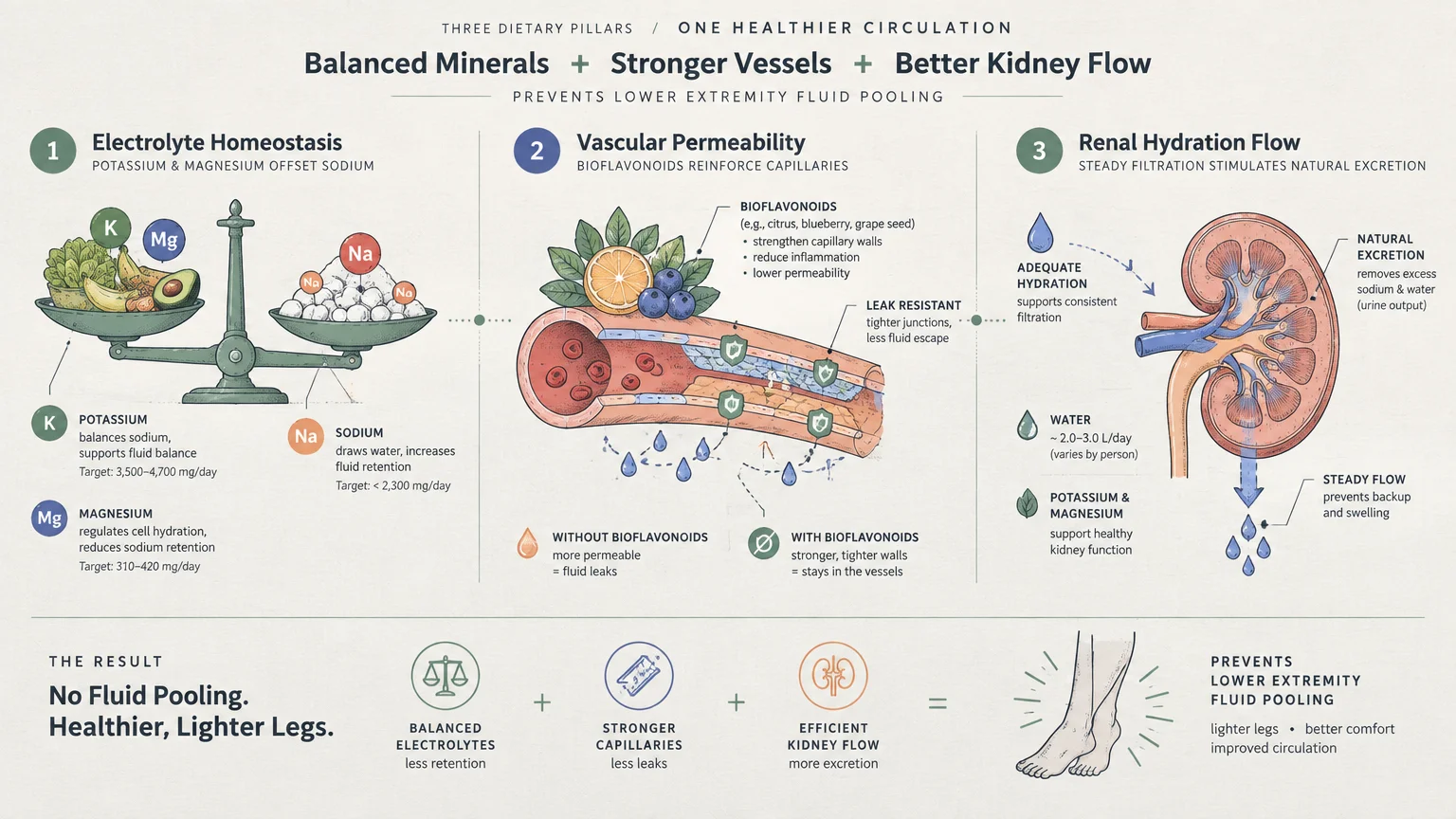
Excess sodium represents the single most prevalent dietary cause of harmless lower leg fluid retention. When sodium accumulates in your bloodstream, your body traps water to dilute the concentrated mineral.
The Centers for Disease Control and Prevention guidance on dietary sodium advises capping intake below 2,300 milligrams daily. Replace processed canned foods with home-cooked meals seasoned with aromatic herbs, citrus juices, and garlic.
Pillar 2: Strategic Hydration Habits
Counterintuitively, drinking insufficient water forces your kidneys to conserve fluid, compounding your lower extremity swelling. When you hydrate consistently, your body releases stored interstitial water with greater ease.
Reviewing Academy of Nutrition and Dietetics fluid recommendations highlights that baseline fluid needs vary based on activity and climate. Aim for pale straw-colored urine by sipping water infused with cucumber or mint across the day.
Pillar 3: Potassium-to-Sodium Optimization
Your cellular pumps require a high ratio of potassium relative to sodium to manage internal osmotic pressure. Modern diets typically invert this balance, supplying four times more sodium than potassium.
You can reverse this imbalance by filling half your plate with potassium-rich vegetables and fruits at every meal. Consistent potassium intake gives your renal system continuous support for flushing stubborn fluid accumulations.

Clinical Perspectives on Edema and Nutrition
Vascular medicine specialists emphasize that nutrition forms the foundational baseline of non-pharmacological fluid management. While movement and compression socks provide external support, dietary changes alter internal oncotic dynamics.
Registered dietitians often note that clients notice looser shoe fits within forty-eight hours of cleaning up their diet. Simply swapping salty takeout for whole foods frequently relieves several pounds of retained water weight.
Patients managing mild dependent edema frequently report renewed mobility and diminished calf tightness after adding diuretic vegetables. These dietary adjustments foster sustainable metabolic improvements, reducing systemic markers of vascular inflammation over time.
Important Safety Boundaries and Medical Considerations
While dietary interventions effectively relieve mild fluid retention from sitting or high-salt meals, swelling can signal serious disease. You must distinguish benign fluid pooling from systemic cardiovascular, hepatic, or renal complications.
Individuals diagnosed with chronic kidney disease or those taking potassium-sparing diuretics must exercise extreme caution. Consuming excessive potassium-rich foods like bananas or spinach could provoke dangerous hyperkalemia in these circumstances.
Seek immediate medical evaluation if leg swelling occurs suddenly, affects only one leg, or accompanies shortness of breath. Unilateral swelling combined with localized warmth or calf pain may indicate a deep vein thrombosis.
Similarly, persistent pitting edema—where pressing a finger leaves a prolonged depression—warrants comprehensive evaluation by your healthcare provider. Food acts as potent preventative support, but it cannot replace necessary medical therapy.
Frequently Asked Questions
How quickly will dietary changes reduce swelling in my legs?
Most people notice lighter legs and reduced puffiness within twenty-four to seventy-two hours after reducing sodium and increasing water intake. Your kidneys respond rapidly to mineral adjustments, accelerating fluid excretion almost immediately.
For long-standing dependent swelling, consistent whole-food nutrition over several weeks strengthens vascular walls and provides durable relief. Combining dietary shifts with regular leg elevation speeds up this restorative process.
Can drinking more water really reduce leg swelling?
Yes, increasing your water intake signals your body that fluid is plentiful, which halts hormonal fluid conservation mechanisms. Proper hydration prompts your kidneys to discard excess sodium and trapped interstitial water through urination.
However, ensure you hydrate with pure water or herbal infusions rather than sodium-laden sports beverages or sugary drinks. Excessive sugar and artificial ingredients can increase vascular inflammation and undermine fluid release.
Are over-the-counter water pills better than fluid-balancing foods?
Over-the-counter diuretic pills can dangerously deplete potassium, strain kidneys, and cause severe dehydration rebound effects. Whole foods provide balanced minerals and gentle diuretic compounds alongside vital antioxidants that protect blood vessels.
Prescription diuretics should only be used under direct physician supervision for diagnosed medical conditions. For general lifestyle swelling, dietary adjustments represent a far safer, sustainable, and nourishing strategy.
What foods should I avoid to prevent swollen ankles?
Avoid heavily processed meats, canned soups, frozen pre-packaged entrees, and salty snack foods like potato chips and pretzels. These items flood your system with sodium, instantly triggering acute water retention in lower extremities.
You should also limit refined carbohydrates and alcohol, which provoke systemic inflammation and disrupt fluid balance hormones. Cutting these inflammatory triggers creates a rapid improvement in lower extremity lightness and comfort.
Your Next Steps for Lighter Legs
Regaining comfortable, energizing lightness in your legs does not require an overwhelming overhaul of your entire lifestyle. Small, purposeful dietary upgrades create profound physiological shifts that ease tissue pressure and restore fluid harmony.
Choose one actionable step to implement within the next twenty-four hours to begin relieving fluid buildup. Slice a fresh cucumber into your water, add spinach to dinner, or skip salty processed snacks today.
Your vascular system responds remarkably fast to the nourishment and hydration you provide. Embrace these vibrant, fluid-clearing whole foods and enjoy the renewed freedom of light, comfortable steps tomorrow.