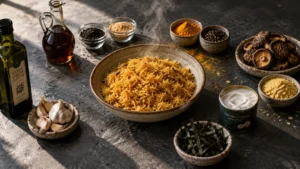
Your bones continuously renew themselves throughout your lifespan, making targeted daily nutrition the most effective way to preserve structural density and prevent debilitating fractures. While many people assume skeletal decline is an inevitable consequence of aging, strategic dietary habits actively stimulate bone mineralization and slow down age-related resorption. By supplying your skeletal framework with the precise combination of calcium, vitamin D, magnesium, and bioactive polyphenols, you fortify your structural foundation against micro-damage. Integrating specific nutrient-dense whole foods into your daily meals ensures that your body maintains optimal bone remodeling efficiency, keeping you agile, resilient, and fully mobile for decades.
The Biological Architecture of Bone Health and Remodeling
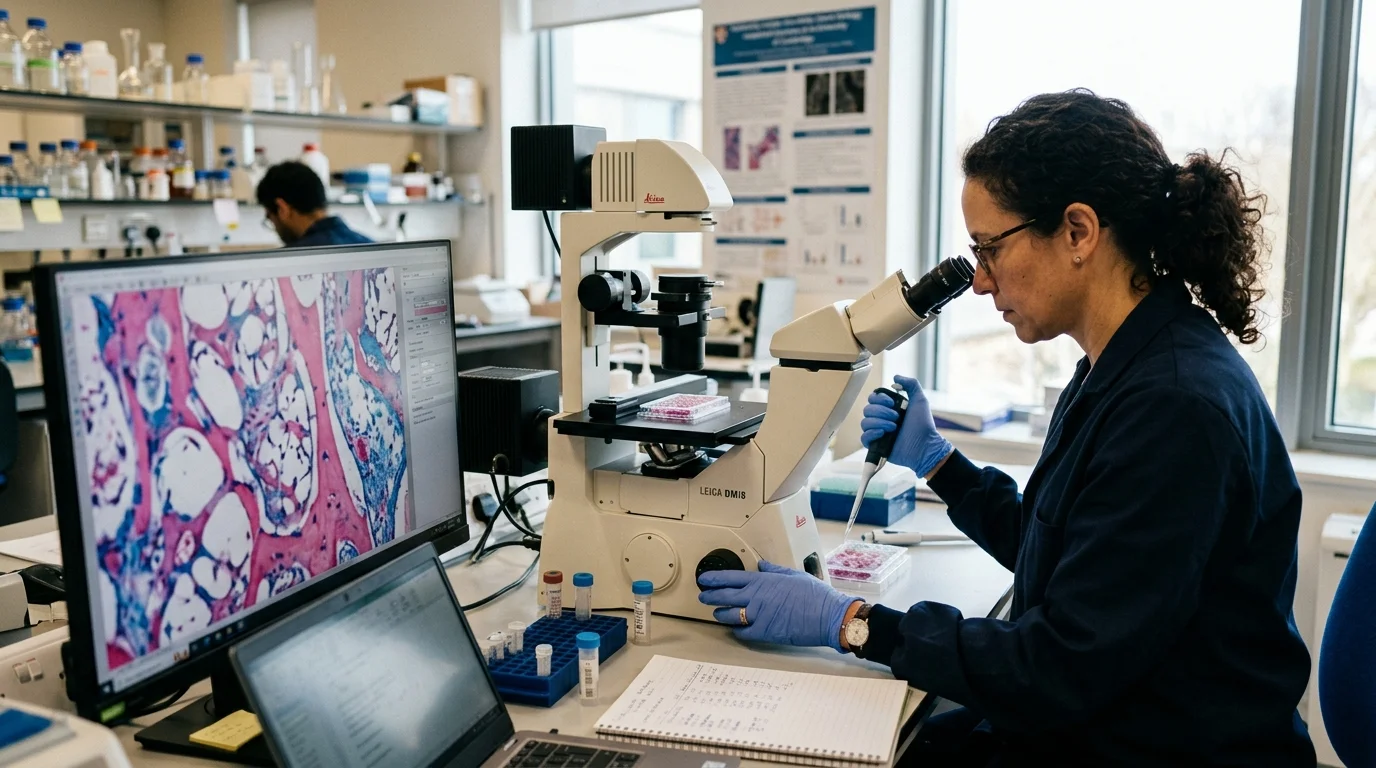
Bone is dynamic, living tissue that constantly undergoes a balanced cycle of breakdown and formation. Specialized cells called osteoclasts break down old, microscopic sections of bone matrix, while osteoblasts synthesize new collagen scaffolding and mineralize it with calcium and phosphorus crystals. When you consume adequate essential micronutrients, your osteoblasts keep pace with breakdown; however, nutritional shortfalls accelerate bone mineral loss over time.
The scale of skeletal vulnerability across the population underscores the urgency of proactive nutrition. According to data synthesized by the NIH Osteoporosis and Related Bone Diseases National Resource Center and the Centers for Disease Control and Prevention, approximately 10 million American adults aged 50 and older have osteoporosis, and another 44 million live with osteopenia, or low bone mass. Furthermore, real-world clinical data indicates that one in two women and up to one in four men over age 50 will break a bone due to osteoporosis in their lifetime.
Maintaining mineral density requires a coordinated partnership between calcium and vitamin D. Calcium provides the physical hardness of hydroxyapatite crystals within the skeletal matrix. Yet, your digestive tract cannot efficiently absorb dietary calcium without active vitamin D; without adequate vitamin D levels, your intestines absorb only 10% to 15% of dietary calcium, compared to 30% to 40% when your vitamin D status is optimal. Meeting the recommended dietary allowances—1,000 mg of daily calcium for adults up to age 50, and 1,200 mg for women over 50 and all adults over 70—creates the foundation for lifelong structural resilience.

Three Strategic Pillars for Sustained Bone Density
Pillar One: Nutrient Synergy Beyond Isolated Calcium
Effective bone preservation demands a wider spectrum of micronutrients than calcium alone. Magnesium acts as a crucial cofactor that converts vitamin D into its active circulating form, while phosphorus constitutes over half of the structural mineral mass in skeletal tissue. Additionally, vitamin K serves as an indispensable activator for osteocalcin, a primary non-collagenous protein that anchors calcium ions directly into the bone matrix. Structuring meals around diverse whole foods provides this mineral synergy naturally, optimizing bone quality alongside raw density.
Pillar Two: Meal-by-Meal Calcium Distribution and Bioavailability
Your digestive tract processes calcium through saturable active transport pathways that function most efficiently when you consume moderate doses throughout the day. Consuming your entire daily calcium requirement in a single large meal overwhelms intestinal transport proteins, causing excess minerals to pass unabsorbed. Aim to distribute your calcium-rich foods across your morning, midday, and evening meals in increments of 300 to 500 mg, maximizing absorption efficiency and ensuring steady bloodstream levels.
Pillar Three: Habit Formation and Mechanical Stimulation
Nutrition works hand-in-hand with physical activity to direct circulating minerals straight into skeletal tissue. When you perform weight-bearing activities—such as brisk walking, stair climbing, or resistance training—the mechanical impact generates mild piezoelectric signals within bone cells. These mechanical cues signal osteoblasts to absorb circulating calcium and amino acids, reinforcing micro-architecture precisely where your skeleton experiences daily mechanical stress.

7 Evidence-Backed Foods That Help Maintain Bone Strength
1. Plain Low-Fat Yogurt and Fermented Dairy
Plain low-fat yogurt stands out as one of the premier calcium rich foods for strong bones. According to the USDA FoodData Central database, a single 8-ounce cup of plain low-fat yogurt delivers approximately 415 to 450 mg of calcium, which supplies over a third of your daily requirement. Beyond its impressive mineral payload, yogurt provides roughly 12 grams of high-biological-value protein per cup, supplying the amino acid building blocks required to synthesize collagen.
Fermented dairy foods also supply natural lactic acid, which lowers intestinal pH and enhances passive calcium diffusion across the intestinal wall. If you manage mild lactose intolerance, traditional Greek yogurt or kefir often proves much easier on digestion because live active cultures partially break down lactose sugars during fermentation.
2. Canned Salmon and Sardines with Soft Bones
Canned fatty fish packaged with softened, edible bones represents a remarkable dual-action nutritional package for your skeleton. A 3-ounce serving of canned pink salmon with bones provides between 180 and 240 mg of calcium, accompanied by 400 to 570 IU of natural vitamin D. Similarly, a 3.75-ounce tin of sardines supplies between 350 and 400 mg of bioavailable calcium. Because very few non-fortified whole foods contain meaningful quantities of vitamin D, these canned fish provide rare, direct support for intestinal calcium transport.
Moreover, canned fatty fish deliver potent concentrations of eicosapentaenoic acid (EPA) and docosahexaenoic acid (DHA). These marine omega-3 fatty acids actively dampen systemic inflammatory pathways, down-regulating inflammatory cytokines that would otherwise overstimulate bone-resorbing osteoclast activity.
3. Calcium-Set Firm Tofu
Firm tofu prepared with calcium sulfate serves as an exceptional plant-based powerhouse for maintaining structural bone density. A half-cup serving of calcium-set firm tofu delivers between 250 and 430 mg of elemental calcium, matching the mineral concentration of cow’s milk while remaining entirely cholesterol-free. When purchasing tofu, always examine the ingredient panel to confirm the presence of calcium sulfate rather than magnesium chloride.
Tofu also supplies plant-based isoflavones, primarily genistein and daidzein. These naturally occurring phytoestrogens exert mild, selective estrogen-receptor modulating effects in human tissues, signaling bone-forming cells to maintain matrix production even during postmenopausal hormonal shifts.
4. Low-Oxalate Dark Leafy Greens (Collards, Bok Choy, and Kale)
While many people turn to spinach for plant calcium, its high concentration of oxalic acid binds tightly to minerals and prevents intestinal absorption. In contrast, low-oxalate dark leafy greens provide exceptional calcium bioavailability. One cup of cooked collard greens provides roughly 266 to 273 mg of calcium, alongside substantial amounts of vitamin K1. Bok choy and curly kale offer calcium absorption rates exceeding 50%, which significantly outperforms the 5% absorption rate typical of high-oxalate spinach.
Enjoying steamed collard greens or raw shredded kale salads with a small splash of olive oil improves your uptake of fat-soluble vitamin K. This vital nutrient facilitates the carboxylation of osteocalcin proteins, ensuring that absorbed calcium binds securely into skeletal hydroxyapatite lattices rather than depositing along arterial walls.
5. Fortified Plant-Based Milks
Fortified plant milks—including soy, almond, and oat varieties—offer an accessible, versatile avenue to secure critical bone-building nutrients. A single cup of quality fortified plant milk delivers roughly 300 to 450 mg of calcium and 100 to 120 IU of added vitamin D, mirroring or exceeding the micronutrient profile of dairy milk. Soy milk provides the added advantage of delivering 7 to 8 grams of complete plant protein per serving, reinforcing the collagen framework of your skeleton.
Because supplemental calcium compounds like tricalcium phosphate or calcium carbonate naturally settle at the bottom of liquid cartons, always shake fortified plant milks thoroughly before pouring. Incorporating fortified plant milks into morning oatmeal or post-workout smoothies ensures consistent, convenient mineral delivery for both vegan and omnivorous eating patterns.
6. Dried Plums (Prunes)
Dried plums, commonly known as prunes, possess unique, clinically validated osteoprotective properties that set them apart from other dried fruits. In a landmark 12-month randomized controlled trial published in The American Journal of Clinical Nutrition, researchers established that consuming 50 grams of prunes daily (approximately 5 to 6 prunes) preserved total hip bone mineral density and significantly reduced estimated fracture risk in postmenopausal women.
Prunes contain rich concentrations of bioactive polyphenolic compounds, potassium, and trace amounts of boron. These compounds mitigate oxidative stress in the bone microenvironment, suppress inflammatory signaling cascades, and reduce urinary calcium excretion, making them practical foods that prevent bone loss.
7. Chia Seeds and Cannellini Beans
Small seeds and hearty white legumes provide a robust dual punch of bone-supporting minerals and dietary fiber. Just two tablespoons of chia seeds supply between 150 and 180 mg of calcium, alongside generous amounts of magnesium, phosphorus, and plant-derived alpha-linolenic acid (ALA). Similarly, one cup of cooked cannellini beans delivers roughly 130 to 160 mg of calcium, paired with 15 grams of gut-nourishing prebiotic fiber and 17 grams of plant protein.
Adding chia seeds to overnight oats or folding cannellini beans into hearty vegetable stews elevates the mineral density of everyday dishes on any budget. The high magnesium content in both seeds and beans further optimizes the hormonal pathways that regulate parathyroid hormone and active vitamin D synthesis.

Clinical Insights and Practical Dietary Implementation
In clinical dietetics, long-term patient success hinges on culinary realism rather than rigid dietary restriction. Achieving consistent nutrition for maintaining bone density works best when you weave these seven foods into familiar cultural recipes and daily routines. For instance, you can easily blend chia seeds and fortified milk into breakfast smoothies, toss steamed bok choy with calcium-set tofu for lunch, or bake salmon fillets alongside garlic-sautéed collard greens for dinner.
Clients often find that replacing ultra-processed afternoon snacks with a daily serving of whole prunes and a handful of nuts provides sustained energy while directly supporting skeletal strength. Focusing on whole-food synergy rather than isolated supplements improves digestion, supports gut microbiome diversity, and prevents nutrient imbalances.

Safety Considerations, Nutrient Interactions, and Personalization
While maximizing dietary bone support is safe and beneficial for most individuals, personalized adjustments remain essential. The National Institutes of Health Calcium Fact Sheet for Health Professionals establishes the Tolerable Upper Intake Level (UL) for calcium at 2,000 to 2,500 mg per day from combined dietary and supplemental sources. Excessive intake driven by high-dose supplements can raise the risk of kidney stone formation, constipation, and vascular calcification, which makes food-first strategies the safest approach.
Pay close attention to potential medication and nutrient interactions. If you take thyroid hormone replacement therapies such as levothyroxine, separate high-calcium meals and fortified foods by at least four hours to prevent impaired medication absorption. Furthermore, if you take anticoagulant medications such as warfarin, maintain consistent daily vitamin K intake from dark leafy greens rather than making sudden, drastic shifts, and always review dietary modifications with your primary care physician or a registered dietitian.
Frequently Asked Questions About Nutrition for Bone Density
Why is spinach considered less effective for bone health than kale or collard greens?
Although raw spinach contains around 245 mg of calcium per cooked cup, it also contains high levels of oxalates. Oxalic acid binds tightly to calcium molecules in the digestive tract, forming insoluble calcium oxalate salts that your intestines cannot absorb. Low-oxalate greens like kale, bok choy, and collard greens have a vastly superior bioavailability rate, allowing your body to absorb up to ten times more usable calcium per serving.
Can you maintain strong bones on a completely vegan or plant-based diet?
Yes, you can build and preserve robust skeletal tissue on a 100% plant-based diet by intentionally planning your meals around high-calcium plant foods. Emphasize calcium-set firm tofu, fortified plant milks, low-oxalate greens like bok choy and collards, chia seeds, and legumes. Because plant foods do not naturally provide vitamin D, ensure you consume fortified foods or take a verified vegan vitamin D3 supplement according to your lab biomarkers.
Are calcium supplements safer and more effective than getting calcium from whole foods?
Whole foods remain vastly superior and safer than high-dose calcium pills for routine bone maintenance. Foods deliver a balanced matrix of co-nutrients—including magnesium, potassium, protein, and trace minerals—that guide calcium directly into skeletal tissue. High-dose calcium supplements cause rapid spikes in circulating blood calcium levels, which clinical research associates with kidney stones and arterial plaque accumulation, whereas dietary calcium absorbs gradually without adverse spikes.
How does dietary protein intake influence bone mineral density?
Dietary protein makes up roughly 50% of your bone volume and one-third of total bone mass, forming the essential collagen matrix upon which minerals crystallize. While older theories incorrectly suggested that high protein diets cause skeletal mineral leaching, modern research proves that adequate protein intake enhances intestinal calcium absorption and stimulates insulin-like growth factor 1 (IGF-1), an essential driver of bone synthesis and muscle maintenance.
Start Building Stronger Bones Today
Maintaining lifelong bone mineral density does not require complicated meal protocols or restrictive habits. Simple, deliberate dietary additions made today create measurable skeletal resilience for years to come. Choose one practical strategy right now: add two tablespoons of chia seeds to your morning breakfast, swap your afternoon snack for five nutrient-dense prunes, or incorporate a cup of sautéed collard greens into your dinner. Your skeleton works tirelessly to support your life; take your first step within the next 24 hours to supply it with the nourishment it deserves.