
Adding the right whole fruits to your daily meals strengthens arterial elasticity, lowers blood pressure, and reduces cardiovascular risk. Heart disease remains the leading cause of death across the United States, claiming nearly 940,000 lives each year.
That staggering total equals one cardiovascular death every 34 seconds; yet, targeted nutrition offers reliable daily defense. Despite these proven benefits, approximately 80 percent of Americans fail to eat the recommended 1.5 to 2 daily cups of fruit.
Preventive cardiologists advocate for nutrient-dense fruits packed with soluble fiber, potassium, and protective polyphenols. These twelve evidence-based fruits deliver powerful bioactive compounds that actively shield your heart and blood vessels.
Why Fruit Matters for Cardiovascular Health
Whole fruits deliver an intricate matrix of essential micronutrients, structural fiber, and bioactive phytochemicals. These compounds work synergistically to reduce systemic inflammation and support smooth arterial dilation.
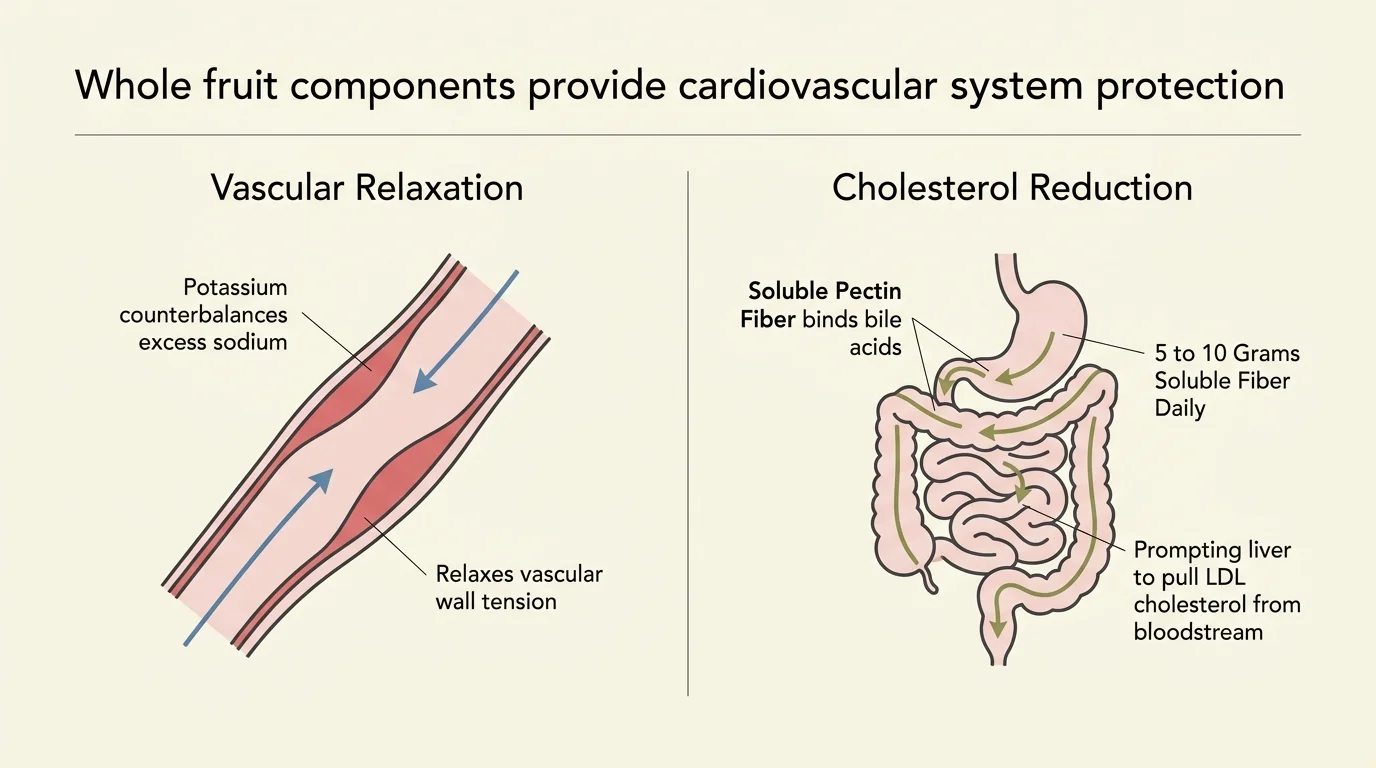
According to the American Heart Association, regular fruit intake provides potassium to counterbalance excess dietary sodium. Potassium eases vascular wall tension, directly lowering systolic and diastolic blood pressure readings.
Fruits also supply high amounts of soluble fiber, particularly pectin. Pectin binds to bile acids in your digestive tract, prompting your liver to pull circulating LDL cholesterol from your bloodstream.
Clinical lipid guidelines recommend consuming 5 to 10 grams of soluble fiber daily to achieve meaningful cholesterol reduction. Whole fruits make reaching this benchmark simple and delicious.
12 Best Fruits for Heart Health
1. Blueberries
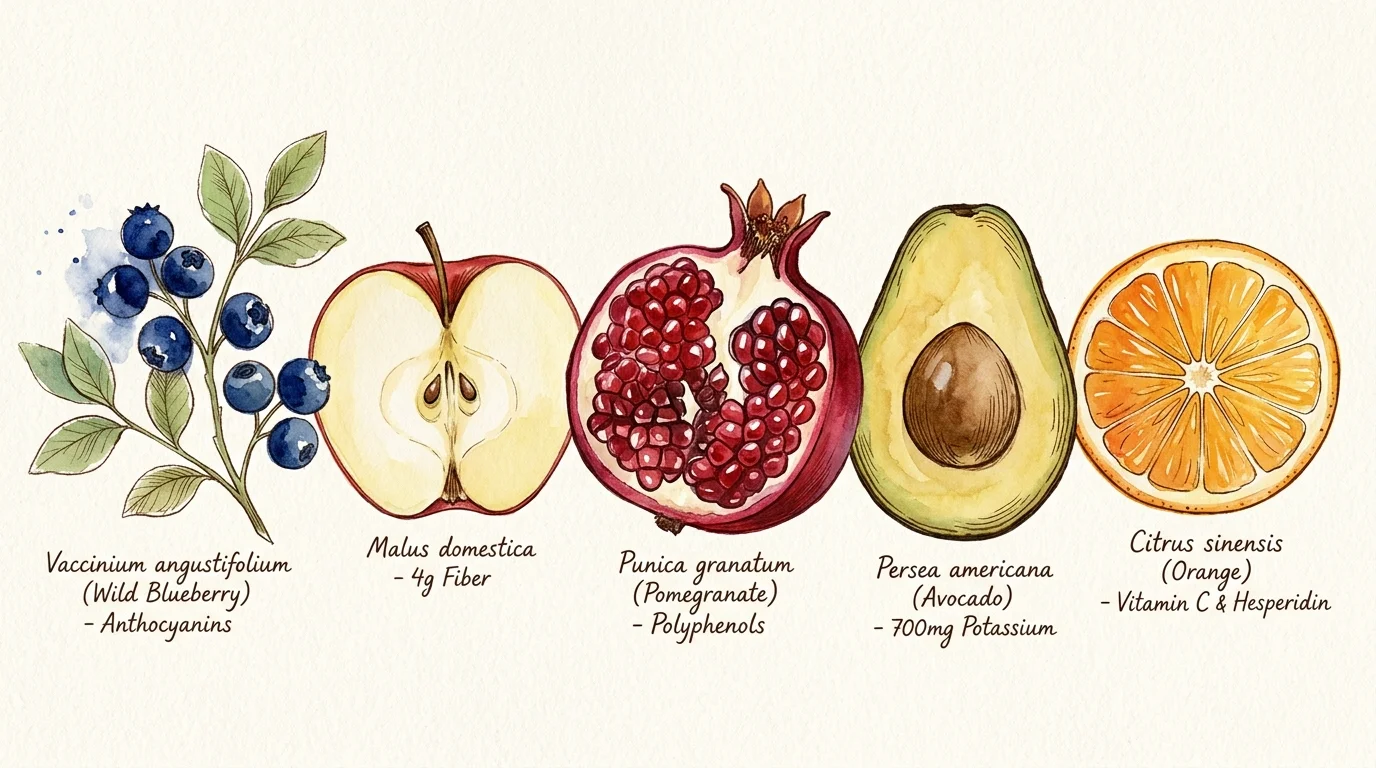
Blueberries contain exceptionally high concentrations of anthocyanins, the antioxidant pigments responsible for their deep blue hue. Clinical trials demonstrate that anthocyanins improve endothelial function by boosting nitric oxide production in blood vessel walls.
This mechanism relaxes stiff arteries and promotes healthy blood flow throughout your coronary circulation. Enjoy one cup of fresh or frozen wild blueberries daily in your morning oatmeal.
2. Apples
Apples serve as an exceptional source of soluble pectin fiber and the potent bioflavonoid quercetin. Quercetin inhibits vascular inflammation and prevents LDL cholesterol from oxidizing into dangerous plaque.
Keep the peel intact when you eat apples; the outer skin houses the highest concentration of protective polyphenols. One medium apple provides roughly four grams of dietary fiber.
3. Pomegranates
Pomegranates deliver potent ellagitannins known as punicalagins, which exhibit three times the antioxidant activity of green tea. Research published through the National Institutes of Health indicates punicalagins help retard carotid artery intima-media thickening.
These vibrant arils also inhibit serum angiotensin-converting enzyme, fostering healthy blood pressure control. Toss a quarter-cup of fresh pomegranate seeds over a crisp spinach salad.
4. Avocados
Botanically classified as single-seeded berries, avocados provide heart-healthy monounsaturated oleic acid alongside copious dietary potassium. Replacing saturated fats with monounsaturated fats reduces harmful LDL cholesterol while preserving protective HDL levels.
A single avocado supplies nearly 700 milligrams of potassium, exceeding the mineral content found in an average banana. Spread mashed avocado onto whole-grain sourdough toast for a satisfying, heart-smart breakfast.
5. Oranges
Oranges and other citrus varieties provide abundant hesperidin, a citrus flavonoid that enhances blood vessel responsiveness. They also deliver soluble pectin and ample vitamin C, which defends vascular walls against oxidative stress.
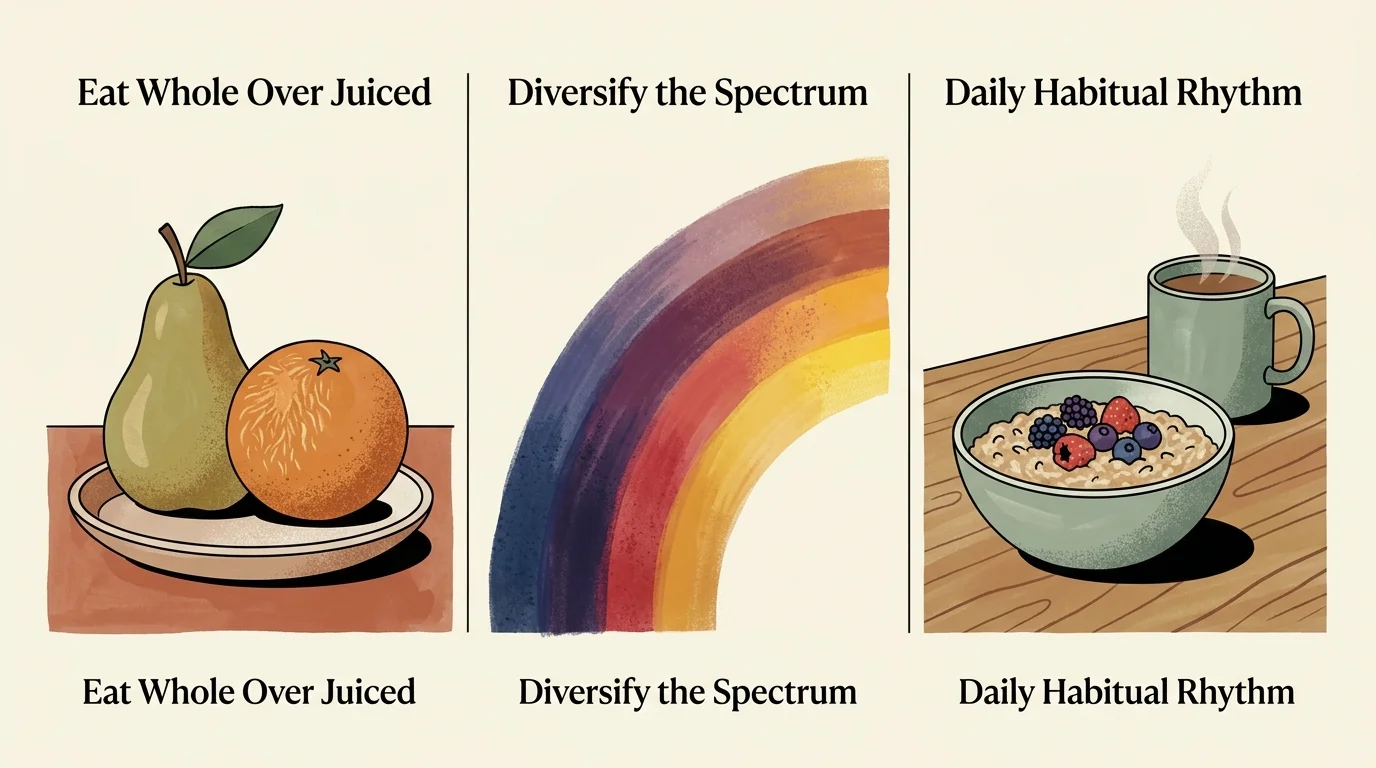
Always choose whole oranges over filtered juice to obtain beneficial structural fiber and avoid concentrated sugar surges. Slice fresh naval oranges into your midday lunch routine.
6. Blackberries
Blackberries rank among the highest-fiber fruits available, delivering eight grams of dietary fiber per single cup. Their dark purple pigments indicate rich stores of cyanidin-3-glucoside, an anthocyanin that stabilizes vulnerable arterial walls.
Their low glycemic index prevents sharp post-meal blood glucose spikes, reducing systemic vascular strain. Blend frozen blackberries into a post-workout protein smoothie for sustained vascular nourishment.
7. Red and Purple Grapes
Dark-skinned grapes contain resveratrol, a celebrated stilbenoid polyphenol that supports arterial elasticity. Resveratrol prevents blood platelets from clumping abnormally, which decreases the likelihood of hazardous intravascular clots.
Grapes also deliver beneficial flavonoids like catechin and epicatechin that protect against vascular inflammation. Snack on a chilled cup of dark red grapes between meals.
8. Papaya
Papaya provides abundant lycopene, a fat-soluble carotenoid linked to reduced rates of ischemic stroke and coronary artery disease. It also contains the digestive enzyme papain along with significant levels of vitamin C and beta-carotene.
This robust nutrient synergy prevents the oxidative modification of circulating lipoproteins within your blood vessels. Squeeze fresh lime juice over cubed ripe papaya for an invigorating tropical snack.
9. Bananas
Bananas are renowned for their bioavailable potassium, supplying roughly 420 milligrams per medium fruit. Dietary potassium helps your kidneys excrete excess sodium through urine, actively depressing high vascular tension.
Slightly green bananas also offer resistant starch, a prebiotic fiber that nourishes beneficial anti-inflammatory gut microbes. Slice a banana over unsweetened Greek yogurt to fuel your cardiovascular system.
10. Strawberries
Strawberries deliver high levels of ellagic acid, folate, and vitamin C to maintain optimal vascular integrity. Folate helps regulate homocysteine levels, an amino acid that can damage arterial linings when elevated.
Regular strawberry consumption improves systemic insulin sensitivity and curbs lipid peroxidation in adults with elevated cholesterol. Pair sliced fresh strawberries with raw walnuts for a polyphenol-rich afternoon snack.
11. Pears
Pears deliver an impressive six grams of fiber per medium fruit, with large proportions concentrated as soluble pectin. Pectin binds digestive cholesterol and promotes favorable short-chain fatty acid production inside your colon.
Eating whole pears with their skin improves metabolic markers and stabilizes ambulatory blood pressure measurements. Enjoy a crisp Bosc or Anjou pear alongside a handful of raw pumpkin seeds.
12. Watermelon
Watermelon contains L-citrulline, an amino acid that your kidneys convert directly into L-arginine. L-arginine serves as the foundational precursor for nitric oxide, which widens narrowed arteries and relaxes systemic blood pressure.
Watermelon also supplies dense concentrations of lycopene, outperforming raw tomatoes in overall bioavailable carotenoid content. Enjoy fresh chilled watermelon wedges during warm afternoons to stay hydrated and support vascular elasticity.
Three Essential Strategy Pillars for Heart-Healthy Eating
Pillar 1: Nutrient-Focused Pairing
Combine fresh fruit with healthy fats or lean proteins to moderate blood sugar response. Pairing apple slices with almond butter slows gastric emptying and stabilizes postprandial glucose levels.
Healthy dietary fats also enhance the intestinal absorption of fat-soluble antioxidants like lycopene and beta-carotene. This smart pairing ensures maximum cardiovascular benefits from every bite.
Pillar 2: Strategic Meal Planning and Accessibility
Meet your daily target of 1.5 to 2 cups of fruit by keeping multiple convenient formats available. Frozen berries and unsweetened canned fruits in 100% juice deliver identical nutrient profiles at a fraction of the cost.
Stocking shelf-stable and freezer-friendly options prevents spoilage and accommodates diverse household budgets. Pre-wash and portion fresh produce right after grocery shopping to eliminate preparation friction during busy workdays.
Pillar 3: Habit Formation and Daily Integration
Build consistent fruit consumption habits by anchoring new behaviors to existing daily routines. Add a handful of blueberries to your established morning oatmeal or blend half an avocado into your lunchtime protein shake.
Research from the Dietary Guidelines for Americans confirms that gradual, small dietary additions produce superior long-term adherence compared to restrictive diets. Celebrate steady daily progress rather than demanding rigid dietary perfection.

Expert Clinical Insights and Lived Realities
Cardiologists frequently observe that patients view heart health through a lens of strict dietary subtraction. Shifting toward proactive nutritional addition empowers you to focus on abundant, life-giving foods that taste wonderful.
Dr. Elizabeth Vance, a preventive cardiologist, notes that eating whole fruit transforms vascular compliance within weeks. She reminds patients that small, consistent dietary upgrades reliably outlast aggressive short-term diets.
Cardiovascular health encompasses varied cultural food traditions; embracing guava, plantains, and dragon fruit honors cultural heritage while boosting vascular health. Nutrition works best when it honors your personal background and daily lifestyle.
Clinical Safety and Medication Considerations
While whole fruits offer profound cardiovascular benefits, certain medical conditions and prescription medications require personalized dietary care. Always discuss significant dietary changes with your physician or registered dietitian.
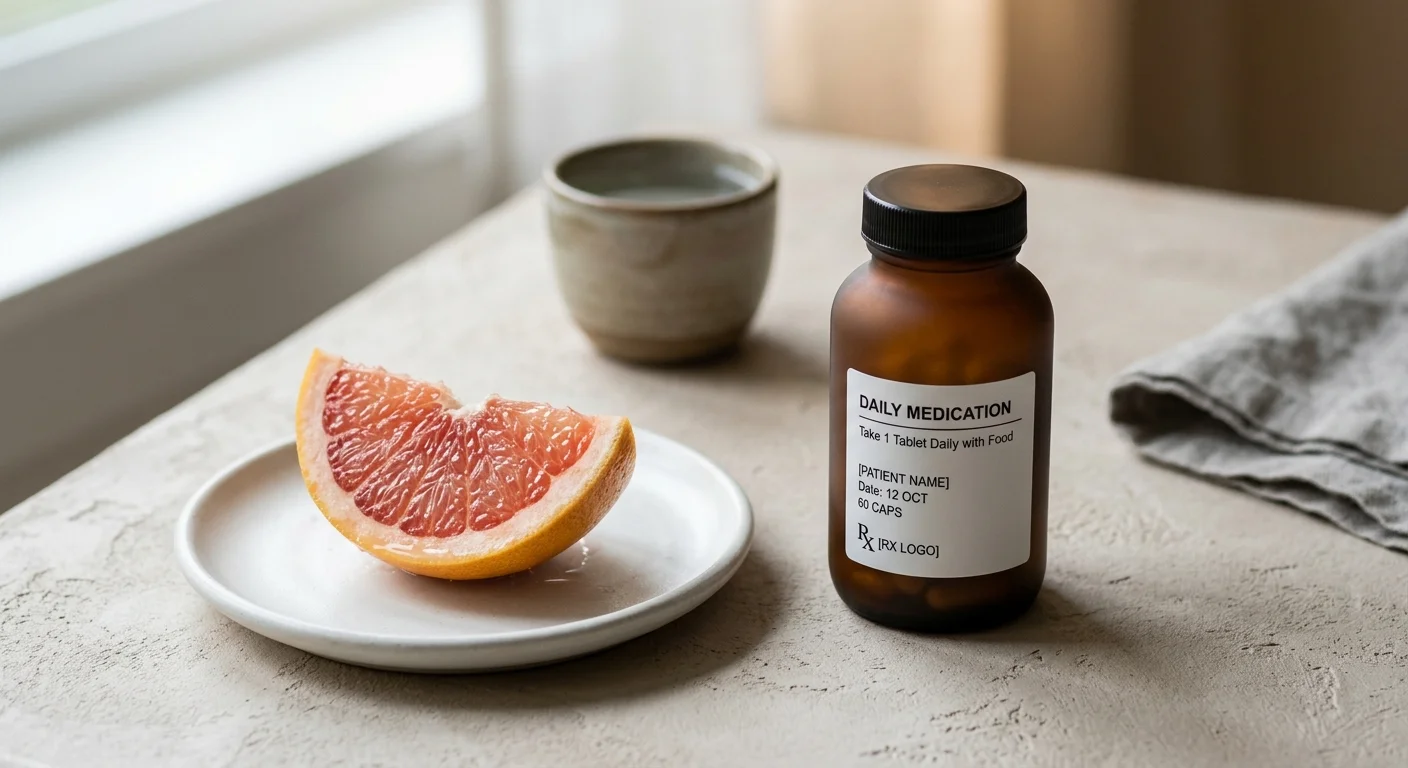
According to official warnings from the U.S. Food and Drug Administration, grapefruit and grapefruit juice inhibit the vital intestinal enzyme CYP3A4. This enzymatic disruption dangerously elevates blood concentrations of statins like atorvastatin and simvastatin.
Grapefruit also interacts with specific calcium channel blockers used for hypertension, such as nifedipine and felodipine. If you take these medications, choose oranges, tangerines, or berries instead.
Individuals managing chronic kidney disease or taking potassium-sparing diuretics must also monitor their daily potassium intake. The Centers for Disease Control and Prevention advises working with a renal dietitian to establish safe mineral thresholds.
Frequently Asked Questions About Fruits and Heart Health
Can people with type 2 diabetes safely eat these fruits?
Yes, individuals with diabetes can safely enjoy whole fruits due to their intact dietary fiber matrix. Fiber slows carbohydrate absorption, preventing sharp glucose spikes when you keep portions to half a cup per sitting.
Pairing whole fruits with protein or healthy fats further moderates post-meal glycemic response. Focus on high-fiber options like blackberries, strawberries, raspberries, and tart green apples.
Are frozen and canned fruits as heart-healthy as fresh fruit?
Frozen fruits are flash-frozen at peak ripeness, preserving identical polyphenol, vitamin, and mineral levels. They offer a cost-effective, zero-waste solution for year-round cardiovascular nutrition.
Canned fruits are equally beneficial provided you select varieties packed in 100 percent fruit juice or water. Avoid canned options submerged in heavy syrup, which add unnecessary refined sugars that inflame blood vessels.
How much soluble fiber do I need daily to lower cholesterol?
Cardiovascular guidelines recommend consuming 5 to 10 grams of soluble fiber daily to effectively lower LDL cholesterol. Reaching this target can decrease circulating LDL cholesterol by approximately five percent.
Eating two daily servings of pectin-rich fruits like apples, pears, and oranges provides three to five grams toward this goal. Complement these fruits with oats, chia seeds, and legumes to reach your daily benchmark.
Should I drink 100 percent fruit juice instead of eating whole fruit?
Whole fruit is far superior to fruit juice because juicing strips away essential structural insoluble and soluble fibers. Without dietary fiber, liquid sugars absorb rapidly, triggering rapid insulin surges and liver lipid accumulation.
Drinking fruit juice also fails to stimulate satiety cues, making caloric overconsumption much more likely. Eat whole, unrefined fruit to maximize vascular benefits and support metabolic equilibrium.
Take Your First Heart-Healthy Step Today
Protecting your cardiovascular system does not require complicated meal plans or drastic lifestyle overhauls. Adding just one serving of fresh berries or a crisp sliced apple initiates meaningful vascular protection.
Choose one fruit from this list and incorporate it into your meals within the next 24 hours. Your blood vessels, heart, and long-term vitality will thank you for making this simple, delicious choice.