You can transform weeknight cooking and protect your physical health simply by stocking the right baseline ingredients. A well-curated pantry eliminates mealtime stress, minimizes expensive takeout orders, and helps you assemble nourishing dinners in under twenty minutes.
When unexpected schedule changes disrupt your routine, shelf-stable staples preserve your healthy eating habits without requiring daily grocery runs. Having reliable choices on hand ensures that balanced nutrition remains effortless rather than complicated.
This expert guide outlines ten research-backed essentials that form the foundation of a disease-preventive, flavorful kitchen. You will learn how to stock smart, cut cooking times, and elevate your everyday nutrition.
Why a Strategic Pantry Transforms Your Nutrition
Modern schedules frequently undermine dinner plans, pushing many households toward ultra-processed convenience items. A stocked dry pantry serves as your best defense against nutrient deficiencies and impulsive eating.
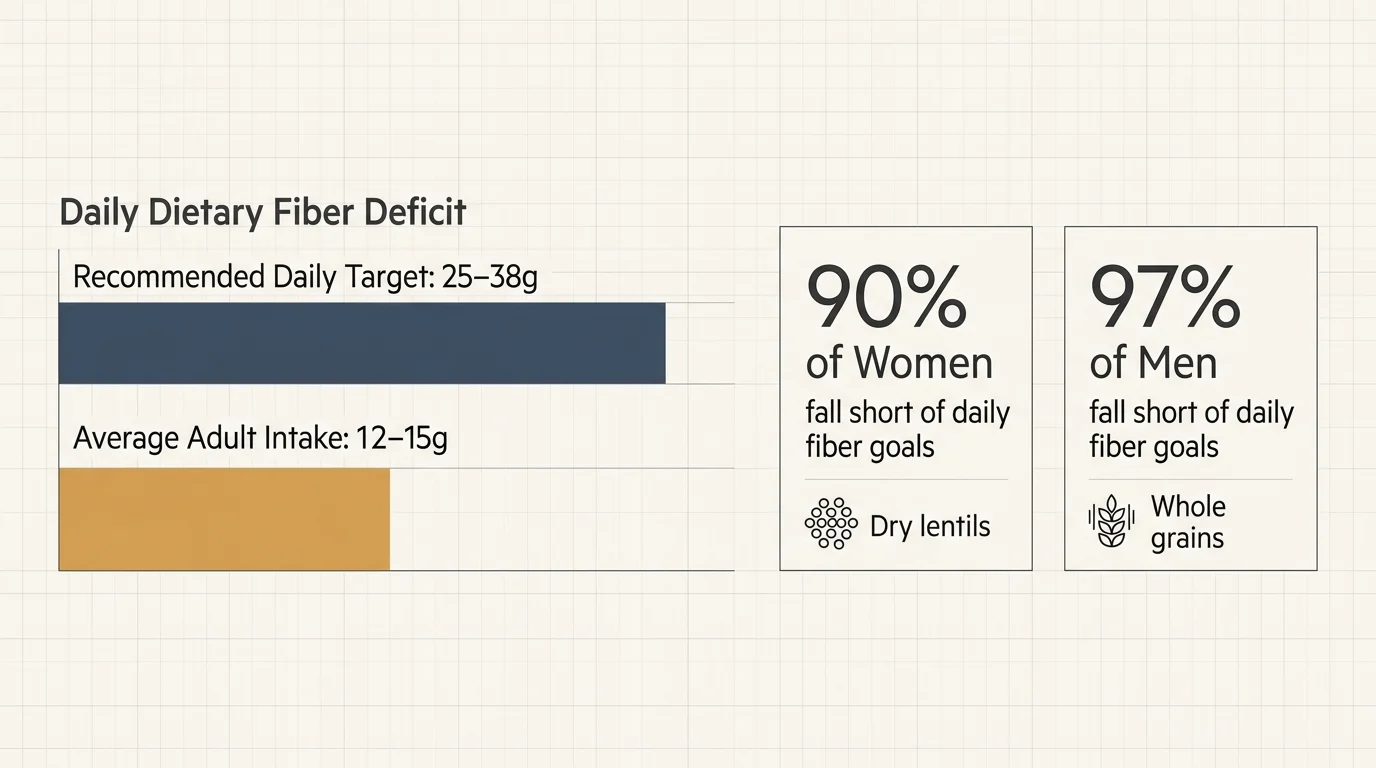
According to the Dietary Guidelines for Americans, over 90 percent of women and 97 percent of men fall short of recommended daily dietary fiber targets.
Most American adults consume barely half of the target 25 to 38 grams of daily fiber. Shelf-stable staples such as whole grains, seeds, and legumes deliver the exact prebiotic fibers needed to close this national nutrition gap.
Keeping nutrient-dense essentials in your cabinets also protects your metabolic health and curbs chronic inflammation. You gain total control over added sugars, refined fats, and sodium levels.

Three Pillars for Building Your Healthy Pantry
Building an exceptional pantry requires strategy rather than buying random items in bulk. You can streamline your kitchen using three functional pillars.
Pillar 1: Meal Planning Foundations
A great pantry functions as a modular system where single items support multiple dinner concepts. When staples crossover from Mediterranean bowls to Mexican stews, grocery runs become simple.
You eliminate dinner anxiety when reliable starches, proteins, and aromatics sit ready in your cupboards. This structure takes the stress out of busy weeknights.
Pillar 2: Nutrient Density and Diversity
Prioritize minimally processed staples that provide concentrated micronutrients and diverse dietary fibers. Choose foods with single-ingredient labels rather than products containing artificial stabilizers and synthetic additives.
Rotating varied plant foods through your pantry keeps your gut microbiome resilient. Different plant fibers feed distinct beneficial bacterial populations in your digestive tract.
Pillar 3: Sustainable Habit Formation
Lasting nutrition habits form when wholesome choices create less daily friction than ordering takeout. Arranging healthy staples at eye level reduces decision fatigue after an exhausting workday.
When nutritious food is the fastest option in your home, you consistently eat well. Thoughtful kitchen organization reliably outperforms temporary willpower.
The 10 Must-Have Pantry Items for Everyday Cooking
1. Canned and Dried Legumes
Black beans, chickpeas, and brown lentils provide substantial plant protein, complex carbohydrates, and iron. They form the versatile backbone of hearty soups, quick skillet meals, and fiber-packed bowls.
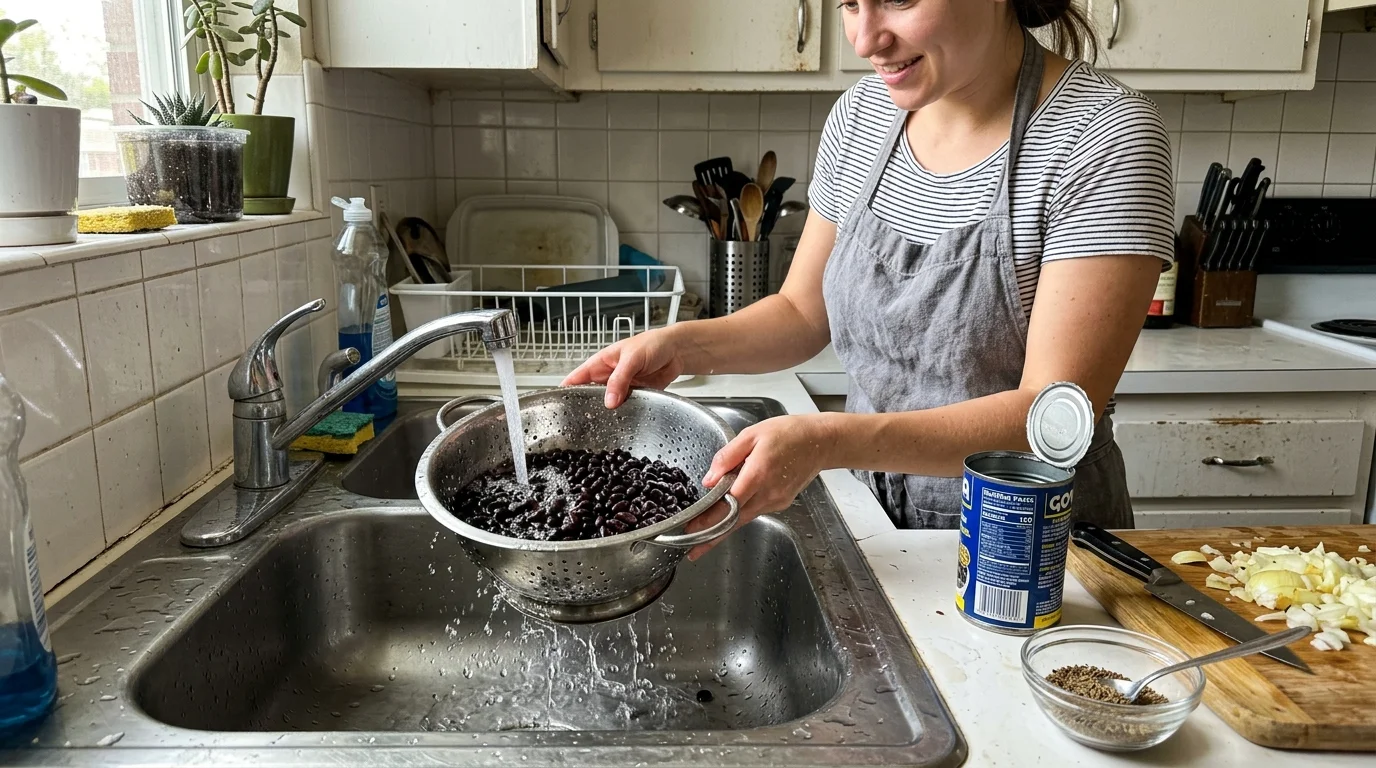
Draining and rinsing canned beans under cool tap water removes approximately 41 percent of the sodium content. This quick step makes convenient canned legumes ideal for low-sodium meal preparation.
Unopened canned legumes remain fresh for two to five years in your pantry. Keep multiple cans ready for rapid weeknight dinners.
2. Whole Grains and Oats
Whole grains like rolled oats, quinoa, and brown rice supply sustained energy without spiking blood glucose. Their soluble and insoluble fibers promote digestive regularity and prolonged satiety.
Consuming at least three grams daily of oat beta-glucan soluble fiber measurably lowers total and LDL cholesterol. A standard serving of rolled oats provides roughly 0.75 grams toward that goal.
Quinoa cooks in fifteen minutes and provides a complete plant protein with all nine essential amino acids. Store grains in airtight glass jars to guard against humidity.
3. Canned Fatty Fish
Canned wild salmon, sardines, and albacore tuna deliver premium marine protein and potent anti-inflammatory fats. They cost significantly less than fresh fillets and require zero defrosting time.
The American Heart Association recommends eating at least two 3-to-4-ounce servings of fish weekly, emphasizing oily fish rich in omega-3 fatty acids.
Low-acid canned seafood maintains peak quality for two to five years unopened. Refrigerate any leftovers immediately and consume them within three to four days.
4. Extra Virgin Olive Oil
Extra virgin olive oil is rich in heart-healthy monounsaturated fats and antioxidant polyphenols. These nutrients reduce arterial inflammation and improve the absorption of fat-soluble vitamins.
Use this oil for low-to-medium heat sautéing, roasting vegetables, and assembling homemade vinaigrettes. Its distinctive peppery taste enhances fresh produce.
The USDA FoodKeeper application notes that opened olive oil retains peak quality for three to five months. Store bottles in a dark cabinet far from stove heat.
5. Canned Diced and Crushed Tomatoes
Canned tomatoes provide concentrated lycopene, an antioxidant that supports cardiovascular health and cellular defense. Canning heat makes this valuable compound substantially more bioavailable than in raw produce.
Under FDA sodium regulations, low-sodium products contain 140 milligrams or less per serving. Selecting these versions ensures your pasta sauces and chilis remain heart-healthy.
Unopened high-acid canned tomatoes maintain prime quality for 12 to 18 months. Once opened, refrigerate leftovers in a glass jar and use them within five to seven days.
6. Whole Nuts and Seeds
Walnuts, chia seeds, and flaxseeds deliver alpha-linolenic acid, an essential plant-derived omega-3 fat. They also supply magnesium, zinc, and dietary fiber that support metabolic wellness.
Stirring chia or ground flaxseed into morning oatmeal adds four to five grams of fiber effortlessly. These seeds also add pleasant crunch to grain salads and yogurt bowls.
Polyunsaturated oils in nuts oxidize quickly when exposed to heat and light. Store opened nuts in airtight jars in the refrigerator or freezer to prolong shelf life.
7. Pure Nut and Seed Butters
Natural peanut, almond, and sunflower seed butters provide satiating fats and plant protein that steady your appetite. Spreading nut butter on apple slices creates an energized, balanced snack.
Federal standards mandate that authentic peanut butter must consist of at least 90 percent peanuts by weight. Products containing hydrogenated oils or chemical stabilizers are legally classified as spreads.
Choose jars listing only nuts and salt on the ingredient panel. Stir natural oil separation back into the butter and refrigerate the jar to prevent separation.
8. Low-Sodium Broth or Stock
Low-sodium vegetable, chicken, or bone broth provides an instant flavor foundation for grains and soups. Simmering whole grains in broth rather than water infuses them with rich savory depth.
Standard commercial broths contain over 800 milligrams of sodium per cup, rapidly consuming your 2,300-milligram daily allowance. Low-sodium broths keep your intake well within healthy limits.
Unopened shelf-stable broths last up to five years in your cabinet. Refrigerate opened containers immediately and use them within three to four days.
9. Dried Herbs and Single-Origin Spices
Dried herbs like oregano and thyme, alongside spices like turmeric and cumin, impart bold flavor without sodium. They supply concentrated polyphenols that defend your cells against oxidative stress.
Pairing black pepper with turmeric maximizes your body’s absorption of active curcumin. Spices transform plain beans and whole grains into enticing, restaurant-worthy meals.
Purchase smaller quantities of ground spices and replace them after twelve months. Whole spices retain their essential oils and potency far longer than ground powders.
10. Versatile Vinegars
Apple cider vinegar, balsamic vinegar, and rice vinegar add bright acidity that balances savory fats and earthy grains. A splash of vinegar enlivens vegetable soups without extra salt.
Clinical research shows that consuming acetic acid from vinegar before meals can blunt acute blood sugar spikes. This mechanism slows carbohydrate breakdown and supports glycemic stability.
Vinegars have an indefinite shelf life due to their high natural acidity. Whisk vinegar with olive oil and mustard for an instant salad dressing.
Dietary Safety, Contraindications, and Personalization
Personalize your pantry staples to respect individual medical conditions, food allergies, and metabolic goals. For instance, people with chronic kidney disease must monitor potassium and phosphorus levels in legumes and seeds.
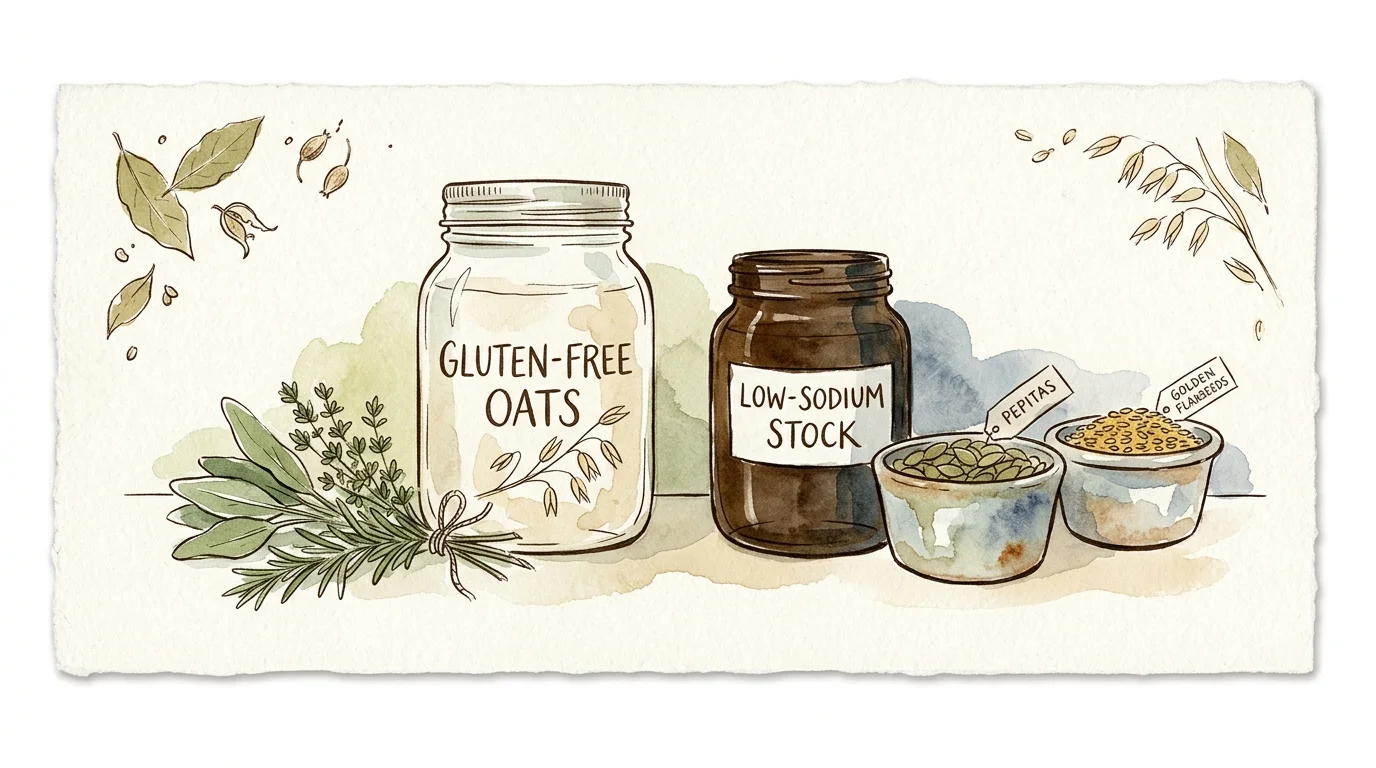
If you manage celiac disease, buy certified gluten-free oats to avoid agricultural cross-contact with wheat. Always review packaging labels carefully to verify safety.
Individuals with tree nut allergies can safely substitute sunflower seed butter or tahini. Both options deliver identical healthy fats, minerals, and plant proteins.
If you take blood-thinning medications like warfarin, keep dietary vitamin K intake consistent when cooking with herbs. Consult a registered dietitian or physician before making dramatic dietary changes.

Expert and Lived Perspectives from the Kitchen
Registered dietitians observe that meal preparation consistency stems from pantry organization rather than culinary complexity. When healthy ingredients are easily visible, cooking becomes an approachable daily habit.
Families with well-stocked pantries spend significantly less money on emergency takeout orders. Mastering a few staple ingredients builds lasting kitchen confidence and dietary independence.
Community nutrition educators emphasize that shelf-stable staples preserve grocery budgets and reduce household food waste. An intentional pantry protects your health and your wallet simultaneously.
Frequently Asked Questions
How long do unopened canned goods stay safe and nutritious?
Low-acid canned items like beans, broths, and fish maintain peak quality for two to five years unopened. High-acid foods like canned tomatoes remain fresh for 12 to 18 months.
Discard any cans with deep dents, bulging lids, leaks, or rust. Store your cans in a cool, dry pantry below 85 degrees Fahrenheit.
Can rinsing canned vegetables and beans actually remove sodium?
Rinsing canned beans and vegetables in a colander removes up to 41 percent of the sodium. Draining the canning liquid alone eliminates roughly 36 percent.
This simple rinsing habit makes conventional canned legumes completely suitable for low-sodium meal preparation.
What is the healthiest way to store nuts and seeds so they do not go rancid?
Keep nuts and seeds in sealed glass jars in a cool, dark cabinet for up to three months. Keep them away from warm appliances and direct sunlight.
For longer storage, place them in your refrigerator or freezer for up to twelve months. Chilling prevents fragile polyunsaturated fats from oxidizing and turning bitter.
How do I tell if my cooking oil has turned rancid?
Rancid oil emits a distinct stale odor resembling wet cardboard, crayons, or old putty. It also produces an acrid, sharp taste at the back of your throat.
Purchase oils in dark glass containers and use them within three to five months of opening. Store cooking oils away from the radiant heat of your stove.
Take Your First Step in the Next 24 Hours
Upgrading your daily nutrition does not require clearing out your entire kitchen tonight. Meaningful progress begins with small, strategic pantry improvements.
Within the next 24 hours, inspect your cupboards and add two items from this list to your shopping basket. Choose a low-sodium canned bean and a bag of rolled oats.
Stocking these reliable staples today ensures that your next meal is nourishing, budget-friendly, and completely stress-free. Take that single step now and build a kitchen that supports your long-term vitality.