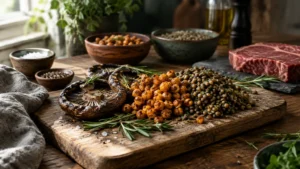
Feeling utterly drained before your workday begins often points to a quiet cellular fuel shortage. Iron creates hemoglobin, the vital transport protein that delivers life-giving oxygen directly to your brain and muscles.
When your internal mineral stores plummet, your energy collapses long before routine blood tests show clinical anemia. Identifying these subtle markers early protects your physical stamina, mood stability, and daily immune defense.
Discover the seven physical signs of low iron alongside research-backed dietary solutions to rebuild your vitality safely and effectively.
Understanding Iron Depletion: From Depleted Stores to Anemia
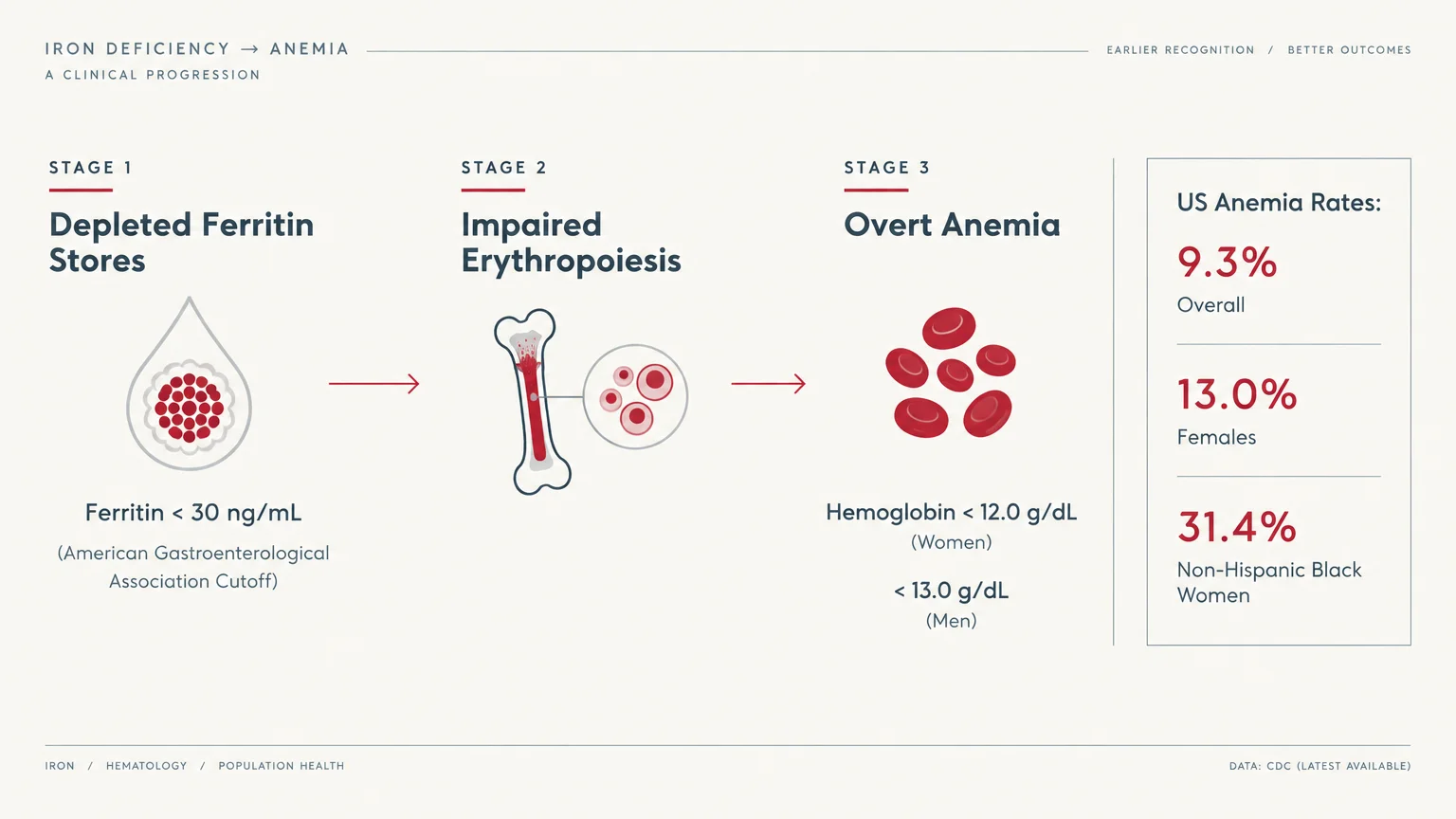
Iron powers cellular respiration; without it, your mitochondria cannot produce adenosine triphosphate (ATP). When daily losses exceed intake, your body gradually drains its backup ferritin savings.
The American Gastroenterological Association defines iron deficiency as a serum ferritin concentration below 30 ng/mL. This diagnostic cutoff provides roughly 92 percent sensitivity and 98 percent specificity for identifying depleted stores.
Left uncorrected, depleted ferritin impairs red blood cell production, causing hemoglobin to drop below 12.0 g/dL in women or 13.0 g/dL in men. This clinical decline marks the transition from simple iron depletion into overt anemia.
According to the Centers for Disease Control and Prevention, anemia affects 9.3 percent of Americans. Rates reach 13.0 percent in females, 5.5 percent in males, and 31.4 percent among non-Hispanic Black women.
Furthermore, roughly 18 percent of reproductive-age American females experience iron deficiency based on ferritin screenings. Recognizing physical symptoms empowers you to intervene before tissue oxygen starvation impairs your well-being.
7 Signs Your Body Is Low on Iron
1. Unrelenting, Deep Fatigue
Iron deficiency fatigue feels distinctly heavy and persistent compared to normal tiredness after poor sleep. Because iron forms the core of hemoglobin, depleted stores reduce oxygen delivery across all major organ systems.
Your heart and lungs work much harder to compensate, leaving you physically exhausted by midday. When chronic exhaustion persists despite adequate rest, request a full serum ferritin test from your physician.
2. Pale Skin and Washed-Out Inner Eyelids
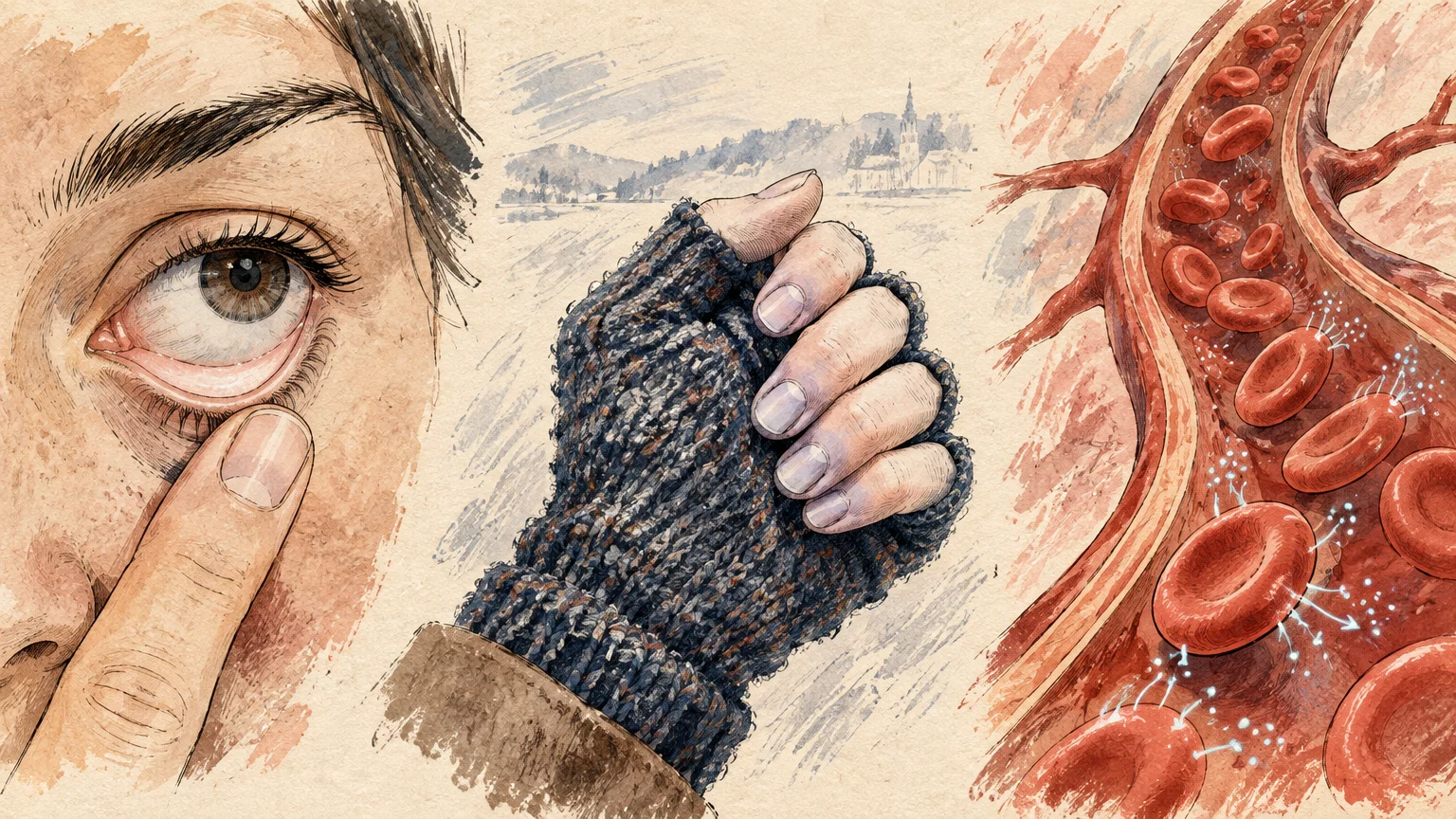
Hemoglobin gives red blood cells their crimson tint, which creates a healthy rosiness in human skin. Low iron impairs hemoglobin synthesis, causing your skin, gums, and nail beds to look visibly pale.
You can check this easily by gently pulling down your lower eyelid in natural lighting. A pale pink or whitish interior lining indicates reduced circulating hemoglobin and suboptimal red cell production.
3. Shortness of Breath and Heart Palpitations
When cellular oxygen levels drop, your breathing rate increases automatically as your lungs attempt to capture extra air. You might feel winded while walking up stairs or performing routine household chores.
Simultaneously, your heart beats faster to circulate oxygen through under-supplied tissues, triggering noticeable fluttering sensations or palpitations. Restoring your iron reserves relieves this cardiovascular burden and normalizes your resting pulse.
4. Chronically Cold Hands and Feet
Suboptimal tissue oxygenation prompts your nervous system to divert warm blood away from your extremities toward vital core organs. Consequently, your fingers and toes feel like ice even inside warm rooms.
Furthermore, iron is a critical cofactor for thyroid hormone synthesis, which regulates your baseline internal thermostat. Correcting a mineral deficit helps restore normal peripheral circulation and cold tolerance.
5. Recurring Headaches and Brain Fog
Your brain consumes roughly 20 percent of your body’s oxygen despite representing a fraction of total body weight. When oxygen levels drop, cerebral arteries swell, triggering throbbing tension headaches and lightheadedness.
Iron deficiency also disrupts the production of dopamine and serotonin, impairing cognitive speed and memory retention. You might struggle to maintain focus or experience an unsettling sense of persistent mental cloudiness.
6. Brittle Nails and Diffuse Hair Thinning
During nutrient scarcity, your body diverts minerals toward vital organs and away from peripheral tissues. Deprived hair follicles shift into shedding phases prematurely, while fingernails become dry, brittle, and easily cracked.
In advanced cases, nails flatten and develop raised ridges before curving inward into a concave, spoon-like shape called koilonychia. Reversing these structural changes requires several months of consistent nutritional replenishment.
7. Unusual Ice Cravings and Restless Legs
Iron deficiency frequently triggers pica, a condition marked by compulsive cravings to chew ice, clay, or starch. Craving ice specifically—known as pagophagia—serves as a primary clinical marker for depleted iron stores.
Additionally, diminished brain iron alters dopamine pathways, triggering uncomfortable tingling sensations in your calves known as restless legs syndrome. Patients typically experience complete relief once their serum ferritin returns to normal levels.
Three Dietary Strategy Pillars to Restore Your Iron Levels
Pillar 1: Master Bioavailability and Food Pairing
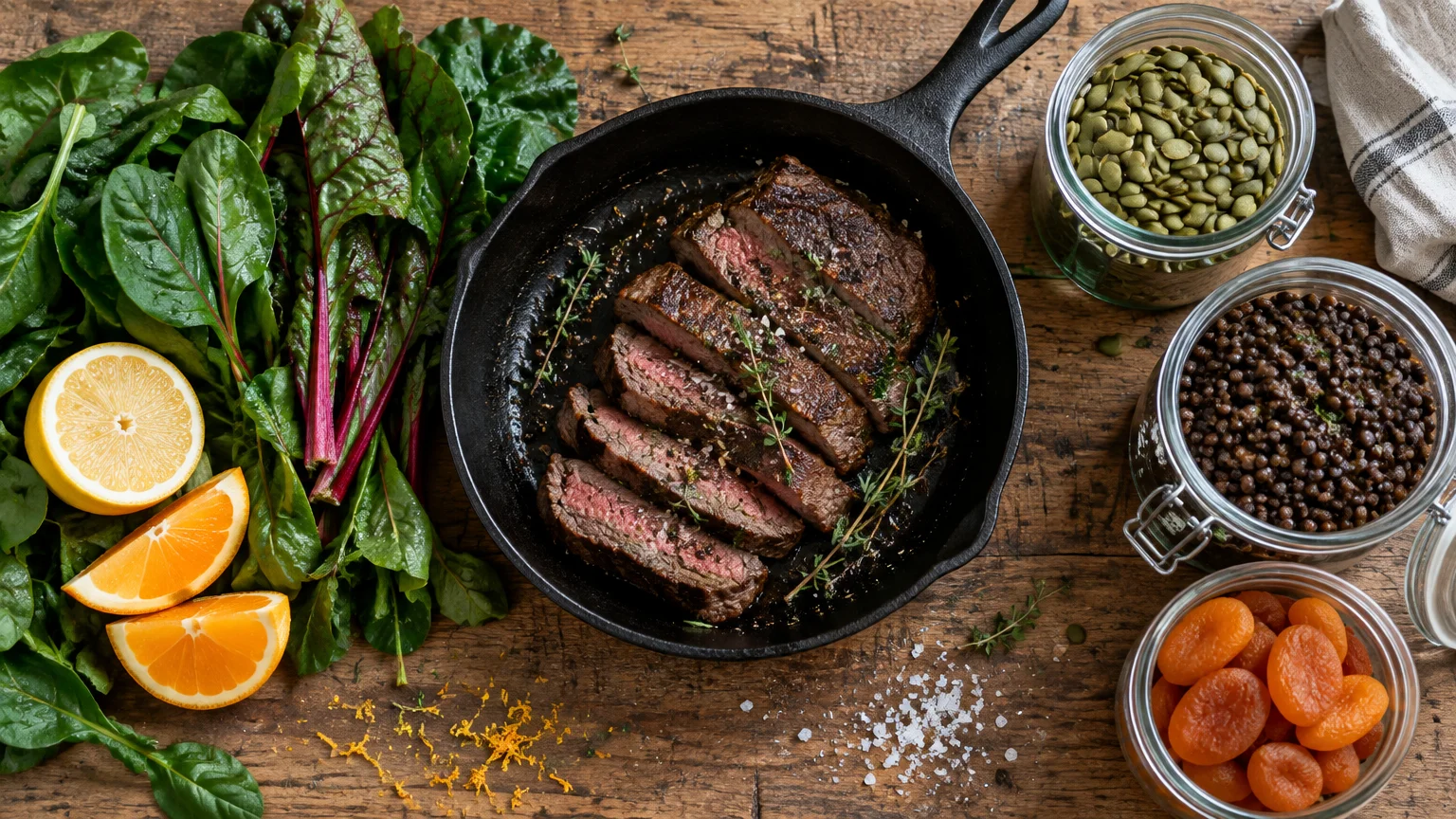
Dietary iron comes in two distinct forms: animal-based heme iron and plant-based non-heme iron. Your digestive tract absorbs heme iron efficiently at rates between 15 and 35 percent.
Plant non-heme iron absorbs at a lower rate of 5 to 12 percent. You can substantially boost non-heme absorption by pairing beans, lentils, or spinach with vitamin C foods like bell peppers, broccoli, or fresh citrus.
Ascorbic acid chemically reduces ferric iron into ferrous iron, which dissolves easily in the alkaline environment of your small intestine. Squeezing fresh lime over black bean soup instantly enhances its nutritional payoff.
Pillar 2: Strategically Time Dietary Inhibitors
Certain dietary compounds bind tightly to non-heme iron in your digestive tract, preventing intestinal absorption. Tannins in coffee and tea, alongside calcium in dairy products, can reduce iron uptake by over 50 percent.
Consume your favorite coffee, tea, and calcium-rich snacks at least one to two hours away from iron-focused meals. This simple timing shift allows your enterocytes to absorb iron without biochemical interference.
If you take calcium supplements or daily antacids, schedule them separately from your primary iron-rich meals as well. Protecting that digestive window ensures maximum mineral transport into your circulation.
Pillar 3: Build Practical Daily Cooking Habits
Cooking acidic foods like marinara sauce or chili in cast iron skillets transfers measurable amounts of bioavailable iron into your meals. Studies show this straightforward kitchen technique significantly increases the mineral content of daily dinners.
Additionally, soaking whole grains and legumes overnight activates phytase enzymes that break down phytic acid. Lowering phytates frees bound minerals, dramatically increasing non-heme iron availability from affordable pantry staples.
Embrace traditional fermentation methods, such as enjoying sourdough bread or fermented tempeh, to further deactivate mineral blockers. These simple culinary practices enhance nutrient bioavailability across your entire weekly menu.
Clinical Intake Targets, Safety, and Personalization
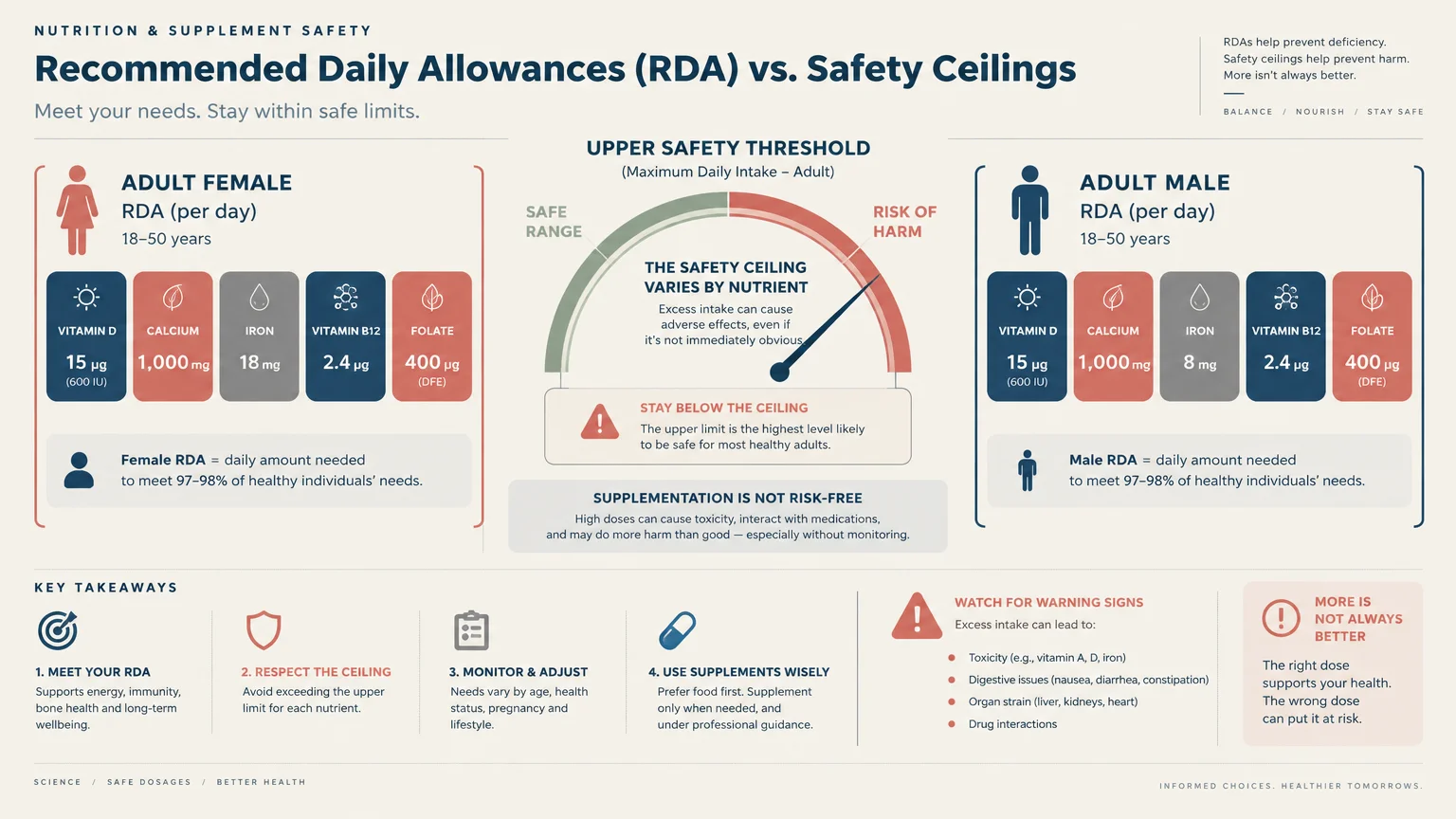
The National Institutes of Health Office of Dietary Supplements establishes precise Recommended Dietary Allowances (RDAs) across life stages. Adult men need 8 mg daily, while premenopausal women require 18 mg daily to balance menstrual losses.
Pregnant women require 27 mg daily to support fetal blood volume, whereas postmenopausal women need 8 mg daily. The standard U.S. Food and Drug Administration Daily Value (DV) on food labels is set at 18 mg.
Because non-heme iron has lower bioavailability, strict vegetarians and vegans require approximately 1.8 times more dietary iron. A plant-based woman of reproductive age should therefore target roughly 32 mg of daily dietary iron.
Always consult a medical professional before starting concentrated elemental iron supplements. The adult Tolerable Upper Intake Level (UL) is 45 mg per day, above which nausea, constipation, and cellular damage commonly occur.
Excess iron accumulates in organs like the liver and heart, particularly in individuals with undiagnosed hereditary hemochromatosis. Accurate blood testing ensures you target your unique physiological needs safely.
Voices from Practice and Clinical Insights
In clinical nutrition practice, dietitians regularly encounter active individuals whose routine blood work shows normal hemoglobin despite critically depleted ferritin. These clients often battle profound brain fog and lethargy that unaddressed mineral deficits explain.
According to the Academy of Nutrition and Dietetics, individualized dietary planning restores functional reserves without the severe gastrointestinal distress caused by high-dose pills. A food-first approach provides sustainable, well-tolerated results.
Many endurance runners and plant-forward eaters discover that strategic nutrient pairing doubles their daily energy without requiring aggressive pharmaceutical supplements. Small adjustments to your plate yield profound improvements in stamina.
Frequently Asked Questions About Iron Deficiency
How long does it take to rebuild depleted iron stores?
Replenishing bone marrow reserves generally requires three to six months of dedicated nutrition adjustments or clinical supplementation. Many people notice improvements in daytime energy and focus within two to four weeks.
Your clinician should retest your serum ferritin and complete blood count after three months to track progress. Maintain your targeted eating habits until your lab markers fully normalize.
Can you have low iron without being anemic?
Yes, you can experience non-anemic iron deficiency when serum ferritin drops below 30 ng/mL while hemoglobin remains normal. You may experience fatigue, hair thinning, and cold intolerance even with standard hemoglobin numbers.
Physicians detect this early deficiency stage by ordering a complete iron panel that includes ferritin and transferrin saturation. Treating low iron early prevents progression into full iron-deficiency anemia.
Why do conventional iron supplements cause digestive issues?
Unabsorbed elemental iron irritates your mucosal lining, leading to constipation, nausea, abdominal cramping, and darkened stools. High single doses overwhelm intestinal transporters, leaving excess unabsorbed mineral in the colon.
Dosing your supplement on alternate days improves hepcidin regulation and markedly lowers digestive side effects. Selecting chelated forms like iron bisglycinate also improves absorption while protecting delicate gastrointestinal tissues.
What foods deliver the most absorbable iron?
Heme sources like lean beef, sardines, and poultry offer the highest bioavailability for rapid cellular replenishment. For plant-based diets, lentils, firm tofu, pumpkin seeds, and cooked spinach provide concentrated non-heme iron.
Pair these plant staples with vitamin C rich vegetables like bell peppers or broccoli to maximize mineral absorption. This whole-food approach supports optimal blood building while delivering essential dietary fiber.
Your Immediate Next Step
Rebuilding your energy does not require complex meal overhauls; sustainable vitality begins with one deliberate choice today. Take immediate control of your nutrient absorption by pairing your next meal with bioavailable mineral boosters.
Within the next 24 hours, add half a cup of black beans and sliced bell peppers to your lunch bowl. Your energy, stamina, and cellular health will thank you for making this simple upgrade.