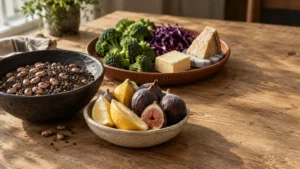
You can enjoy sweet, vibrant fruit every day without sending your blood glucose on a roller-coaster ride. Choosing the right varieties lets you stabilize energy levels while flooding your body with protective micronutrients.
Many people needlessly eliminate produce out of fear, yet specific fruits digest slowly and safeguard your metabolic health. Understanding how different fruits interact with your physiology gives you complete control over your daily wellness.
By learning which options digest steadily, you will transform fruit from a dietary question mark into a powerful ally. Here is the exact science behind smart fruit choices and steady glucose.
Understanding the Blood Sugar Spectrum in Fruits
Metabolic health shapes how your body processes every carbohydrate you eat. According to the CDC National Diabetes Statistics Report, roughly 40.1 million Americans live with diabetes, while another 115.2 million adults have prediabetes.
If you monitor your post-meal glucose, you might wonder whether sweet fruit still deserves a place in your diet. Many people assume all sweet flavors harm metabolic stability.
Federal guidance from the Dietary Guidelines for Americans recommends 1.5 to 2 cup-equivalents of fruit daily. Yet CDC surveillance data shows that only 12.3 percent of American adults achieve that goal.
Avoiding fruit out of glucose anxiety deprives you of essential polyphenols, potassium, and vitamin C. You do not need to avoid fruit; you simply need to understand how distinct fruit structures influence digestion.
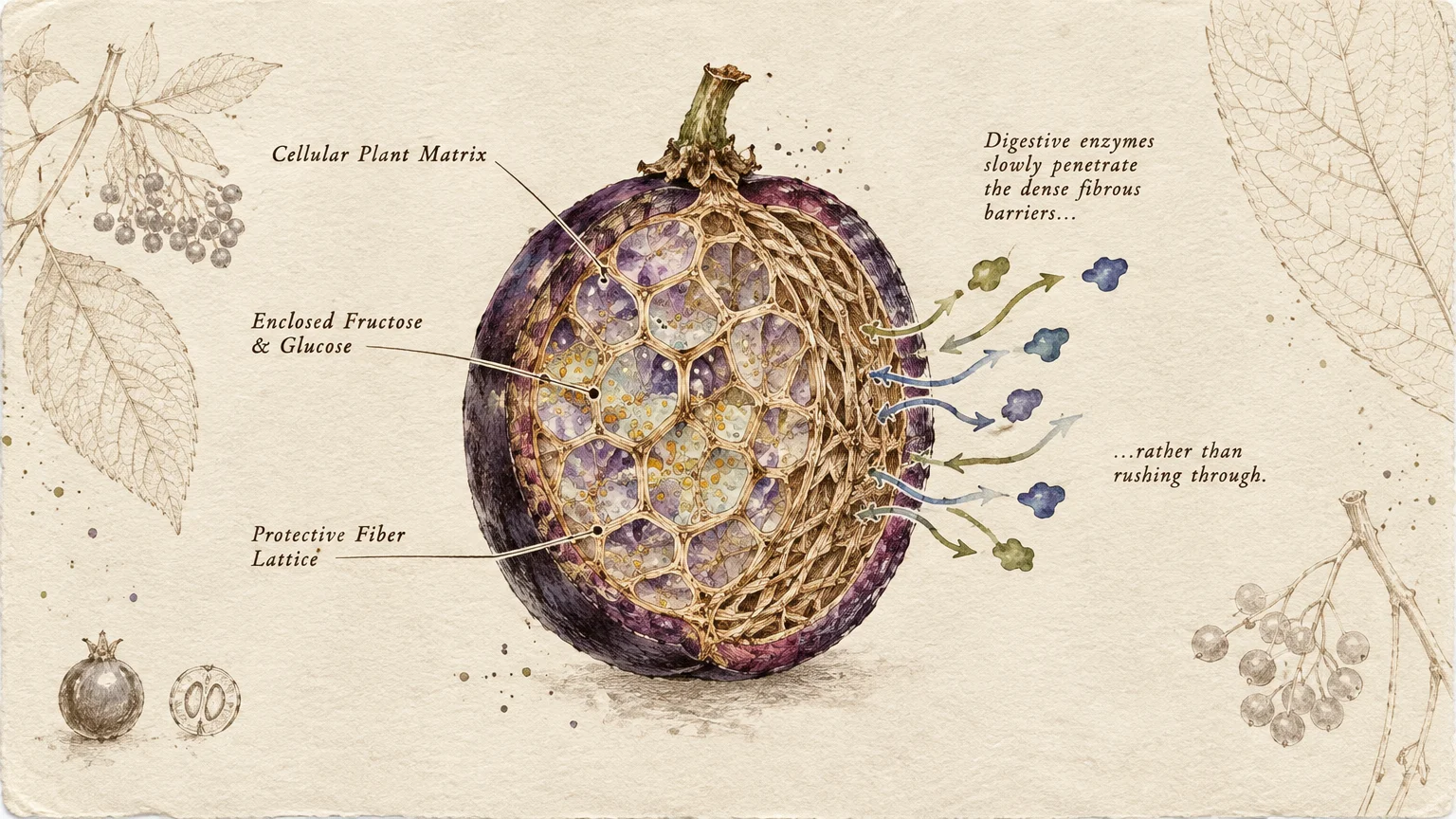
Every fruit delivers a unique mixture of fructose, glucose, and sucrose bound within a cellular plant matrix. That physical matrix dictates how quickly digestive enzymes release sugars into your bloodstream.
The Science of Glycemic Index and Glycemic Load
Clinical researchers evaluate carbohydrate foods using two distinct metrics: glycemic index and glycemic load. Understanding both tools allows you to predict your metabolic response accurately.
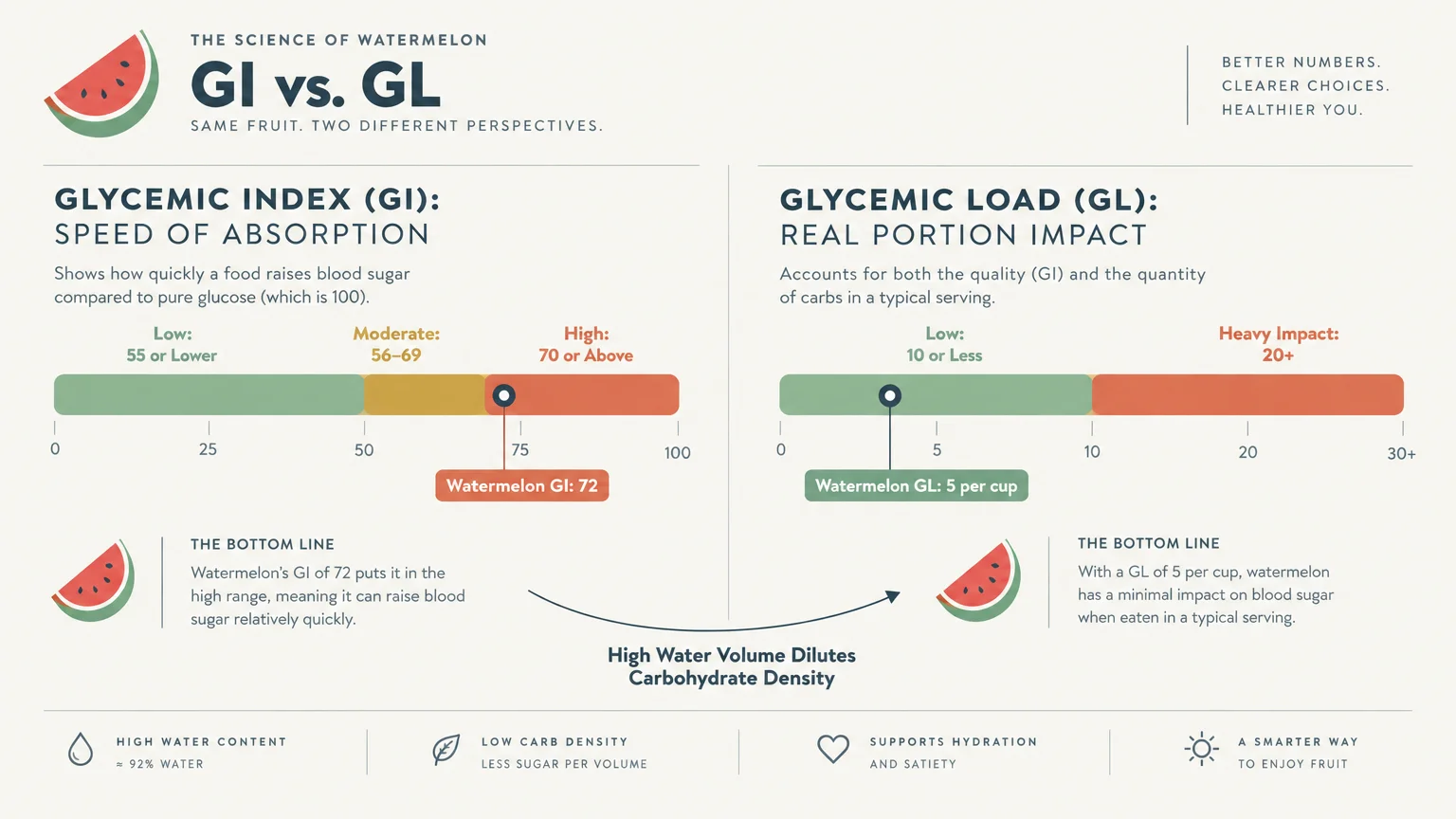
The glycemic index ranks foods on a scale from zero to 100 against pure glucose. Low-glycemic options score 55 or lower, moderate foods sit between 56 and 69, and high-glycemic selections reach 70 or above.
Educational resources from Harvard Health Publishing clarify that glycemic index only measures speed of carbohydrate absorption. It fails to account for how much carbohydrate a normal serving actually contains.
Glycemic load solves this puzzle by multiplying the glycemic index by total carbohydrate grams per serving. A score of 10 or less represents a low glycemic load, whereas 20 or higher signifies a heavy metabolic impact.
Watermelon provides the classic clinical example of this distinction. While watermelon registers a high glycemic index of 72, its high water content leaves it with a low glycemic load of just 5 per cup.
Paying attention to glycemic load ensures you do not eliminate deeply hydrating foods unnecessarily. You gain dietary freedom when you assess portion size alongside sugar absorption speed.
The Fiber Factor as Nature’s Glucose Anchor
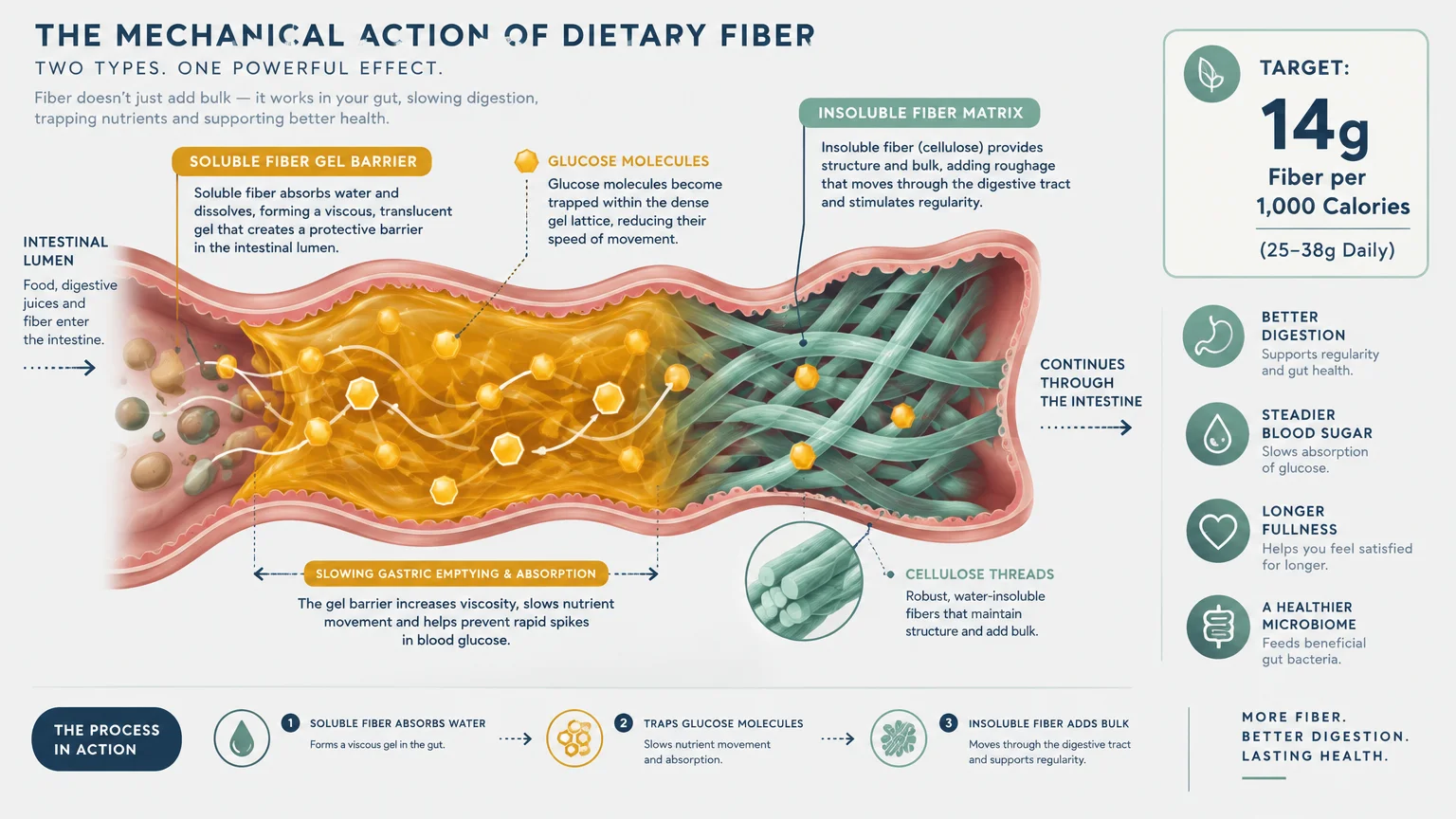
Dietary fiber serves as nature’s built-in braking system for carbohydrate absorption. Soluble fiber dissolves in digestive fluid to form a viscous gel that physically slows gastric emptying.
The National Academies recommend consuming 14 grams of fiber per 1,000 calories, which equals roughly 25 to 38 grams daily. Peer-reviewed research compiled by the National Institutes of Health confirms that adequate fiber intake blunts postprandial glucose surges.
Insoluble fiber adds structural bulk to your digestive tract, while soluble pectin directly delays sugar diffusion into intestinal capillaries. This combined dynamic prevents your pancreas from overproducing insulin.
Intact cell walls in whole plant foods also trap sugars inside microscopic plant compartments. Your body expends measurable energy breaking down these barriers before extracting the carbohydrates within.
Processing fruit strips this protective architecture away completely. When manufacturers pulverize or strain fruit, they dismantle the exact physical defenses that protect your metabolic equilibrium.
Low-Glycemic Champions to Fill Your Plate
Certain fruits provide abundant sweetness while keeping your blood sugar steady for hours. Stocking your kitchen with these steady performers simplifies healthy eating.
Berries for Potent Antioxidants and Fiber
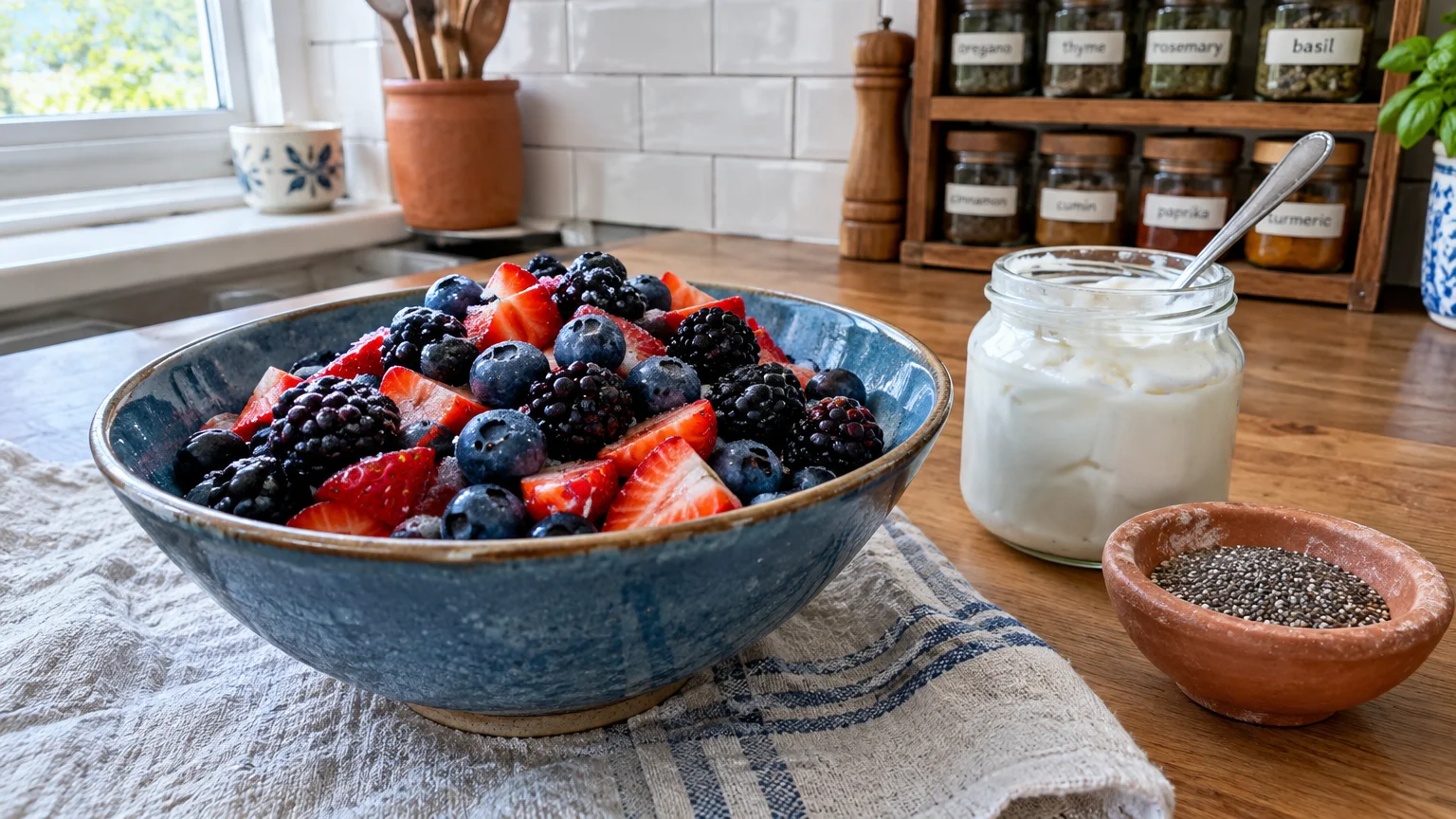
Berries stand at the absolute pinnacle of blood-sugar-friendly produce. One cup of fresh raspberries delivers 8 grams of dietary fiber against just 5 grams of natural sugar.
Blackberries offer an equally impressive 7.6 grams of fiber per cup along with deep anthocyanin pigments. These polyphenol compounds enhance peripheral insulin sensitivity and reduce systemic vascular inflammation.
Blueberries and strawberries also register low glycemic scores while providing essential cellular protection. Incorporating a cup of mixed berries into your morning routine supplies robust flavor without glycemic volatility.
Crisp Pome Fruits with Protective Skins
Medium apples and pears contain between 4.5 and 5.5 grams of fiber, primarily concentrated within their skins. That exterior peel contains dense insoluble cellulose and abundant pectin.
Peeling an apple removes more than half of its fiber and nearly all of its quercetin, an antioxidant that supports insulin function. Always wash your pome fruits and eat them with the skin intact.
Pears also boast an exceptionally low glycemic index score around 38. Their firm texture demands active chewing, which naturally paces your carbohydrate consumption.
Stone Fruits and Vibrant Citrus Options
Fresh cherries, plums, and peaches feature low glycemic values alongside luscious juiciness. Tart cherries contain unique anthocyanins that clinical studies link to improved glucose disposal.
Whole citrus fruits such as oranges and grapefruits provide soluble pectin and the bioflavonoid hesperidin. Eating a whole peeled orange delivers a modest glycemic load of 5, whereas strained orange juice spikes glucose rapidly.
Fruits That Require Greater Portion Awareness
You never need to declare any whole fruit forbidden. However, certain varieties possess higher concentrations of accessible carbohydrates that warrant conscious portion sizing.
Tropical Varieties and Ripeness Effects
Tropical favorites like mangoes, pineapples, and ripe papayas carry lower fiber concentrations relative to their total sugar content. Their glycemic index values frequently sit in the moderate zone between 58 and 68.
Fruit ripeness also shifts chemical composition dramatically. As a green banana turns yellow and develops brown spots, plant enzymes convert firm resistant starch into free glucose, fructose, and sucrose.
A slightly underripe banana with greenish tips contains substantial resistant starch that feeds beneficial gut bacteria without elevating blood sugar. If you choose ripe bananas, keep your serving to half a banana paired with protein.
The Hidden Density of Dried Fruits
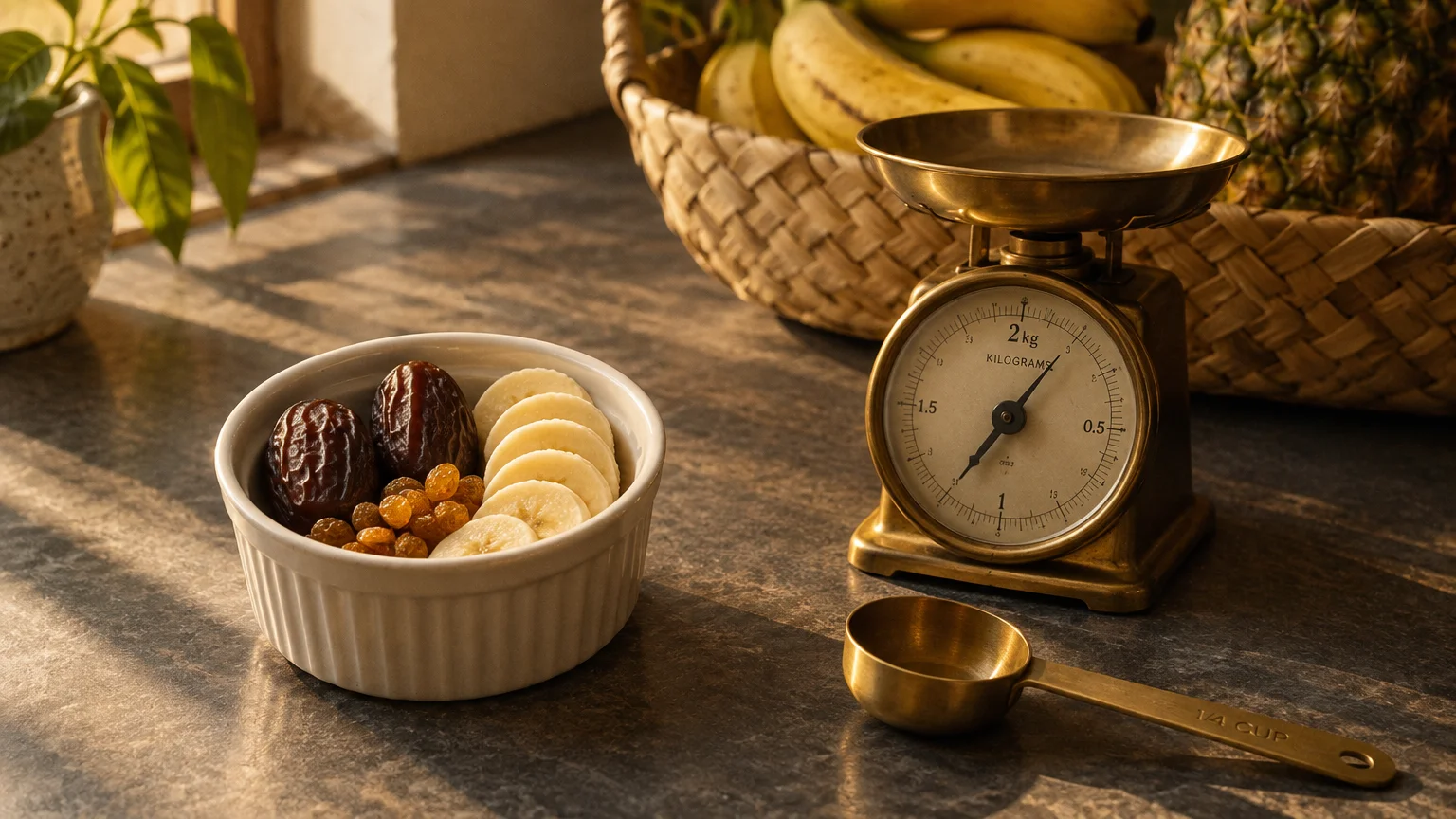
Removing water from fruit condenses caloric and sugar density into tiny packages. A single quarter-cup of raisins holds nearly 30 grams of fast-digesting carbohydrates with minimal water to promote fullness.
Commercial dried cranberries and dates often feature added syrups or naturally high glycemic loads. Measure strict two-tablespoon portions of dried fruit and combine them with raw nuts to moderate your glycemic response.
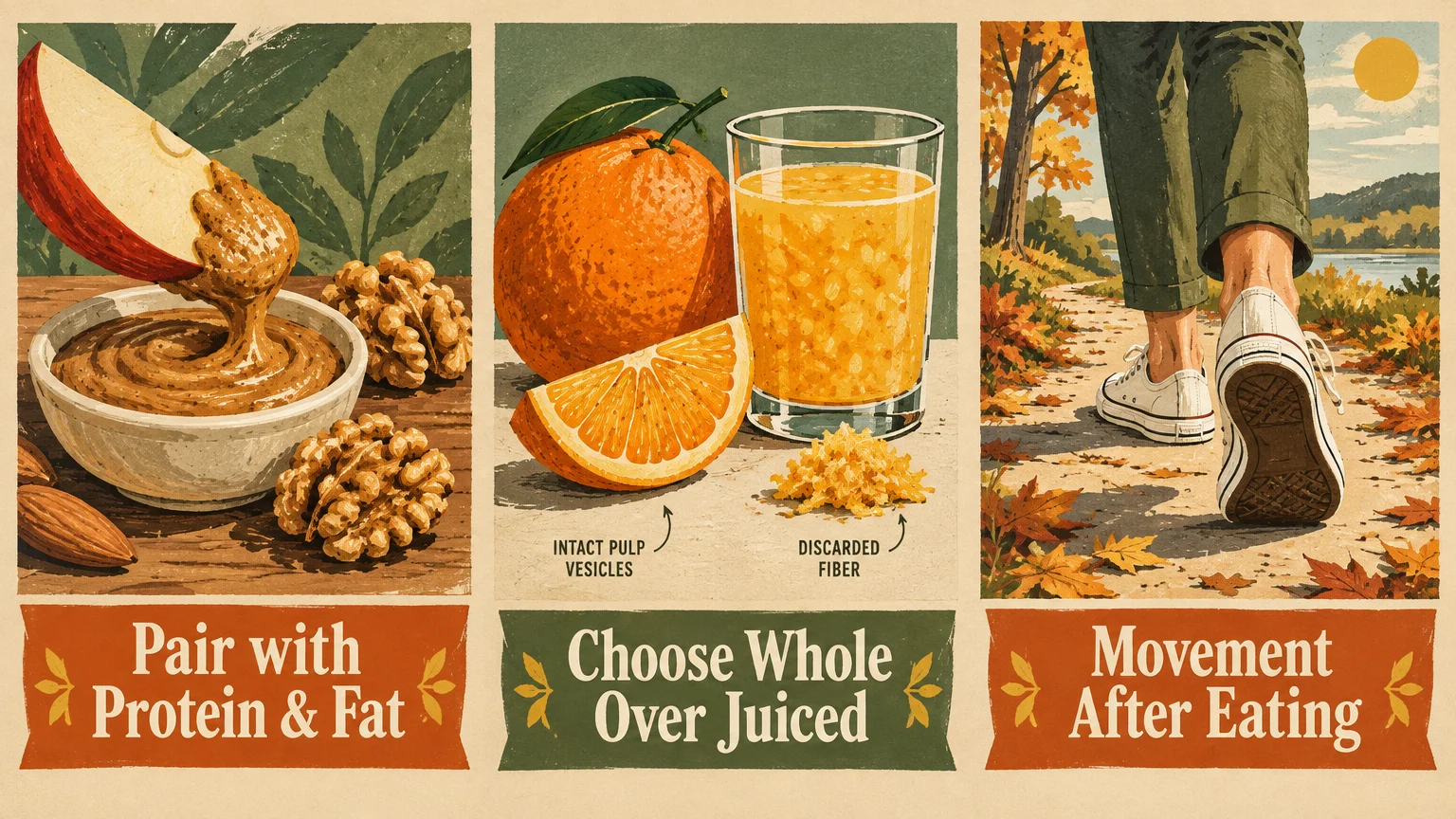
Three Strategic Pillars for Everyday Fruit Consumption
Managing your postprandial glucose does not require rigid deprivation. Implementing three reliable lifestyle pillars allows you to enjoy fresh fruit safely throughout your week.
Pillar One: Pair Carbohydrates with Protein and Fat
Never send carbohydrates into your digestive system alone. Combining fruit with dietary fats and proteins delays gastric emptying and flattens your post-meal glucose curve.
Dip crisp apple slices into unsweetened almond butter, or stir freshly crushed raspberries into plain Greek yogurt. The lipids and proteins act as metabolic buffers that keep insulin release steady.
Adding two tablespoons of raw pumpkin seeds or walnuts to sliced peaches creates a satisfying snack. This macronutrient balance also prevents sudden rebound hunger two hours later.
Pillar Two: Prioritize Whole Food Matrixes Over Liquids
The American Diabetes Association consistently encourages consuming whole fruits over commercial juices. Juicing extracts free sugars while discarding the insoluble fiber sponge that protects your liver from rapid fructose exposure.
Smoothies occupy a middle ground, but pulverizing blades shear plant cell walls apart. If you blend smoothies, keep fruit to one cup, retain edible skins, and incorporate leafy greens with unsweetened protein powder.
Chewing whole fruit stimulates digestive enzymes and improves satiety signaling to prevent unintentional overeating. The physical act of mastication gives your body time to register fullness.
Pillar Three: Optimize Timing Around Physical Activity
Skeletal muscle represents your body’s largest sink for circulating blood glucose. Muscle contractions stimulate glucose transporter proteins to move to cell membranes independent of insulin.
Eating a moderate portion of fruit within an hour before a brisk walk allows working muscles to burn that glucose immediately. Your activity clears sugar before it accumulates in your bloodstream.
A ten-minute walk following a fruit-containing meal produces a similar blunting effect on your post-meal glucose. This simple habit keeps your post-meal glucose readings within your target clinical range.
Culturally Diverse and Accessible Fruit Choices
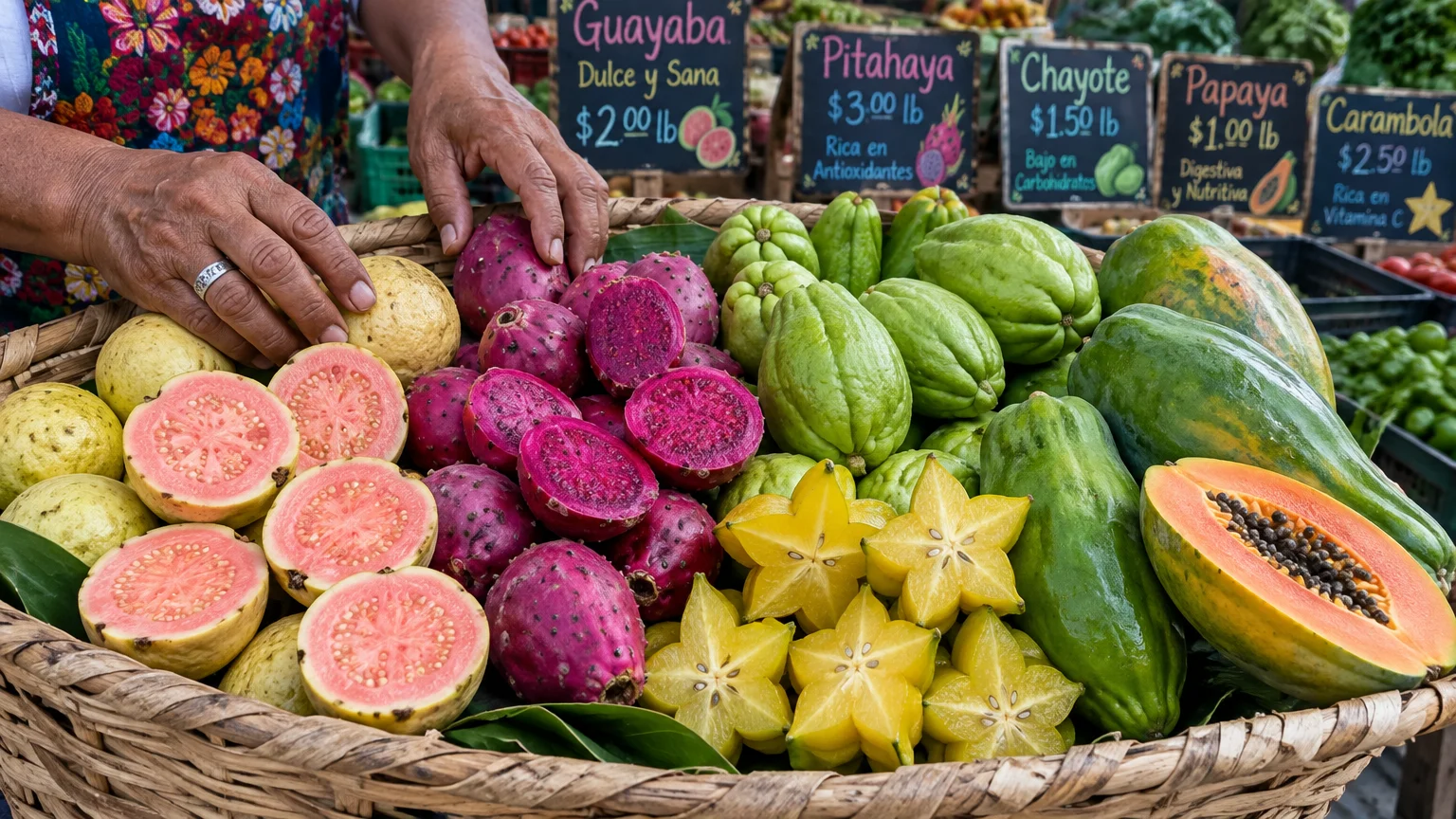
Healthy fruit choices should reflect your cultural traditions and fit comfortably within your household budget. You do not need expensive specialty produce to safeguard your metabolic wellness.
Guava is a cherished tropical staple across Latin American and Asian cuisines that packs 9 grams of fiber per cup with a low glycemic index. Prickly pear, known as tuna in Mexican cuisine, offers gentle glycemic effects and rich betalain pigments.
Plain frozen berries and unsweetened frozen cherries deliver identical nutritional value compared to fresh produce at a lower cost. Food processors flash-freeze berries at peak ripeness, preserving both delicate polyphenols and intact fiber.
Canned fruit packed in water also supports your metabolic health. Rinsing it under cool water removes residual syrups and reduces total carbohydrates further.

Clinical Voices and Real-World Experiences
Dietitians observe that many people experience sudden glucose improvements once they shift from restriction to strategic pairing. Completely banning fruit often triggers cravings that lead to high-glycemic snack binges.
Dr. Elena Martinez, an endocrinologist specializing in diabetes care, notes that fiber-bound sugars in whole fruit behave differently than concentrated liquid sweeteners. Intact cellular foods follow controlled digestive pathways.
One patient named Marcus discovered through continuous glucose monitoring that eating a plain banana raised his blood sugar to 165 mg/dL. When he paired half that banana with peanut butter and a short walk, his glucose peaked at 115 mg/dL.
These real-world observations demonstrate that your biology responds dynamically to food architecture. You can modify your glycemic response through small, sustainable habit shifts.
Safety Considerations and Medication Interactions
While fruit provides outstanding nourishment, certain clinical health conditions require customized dietary adjustments. Your individual metabolic health status always dictates personalized nutrition parameters.
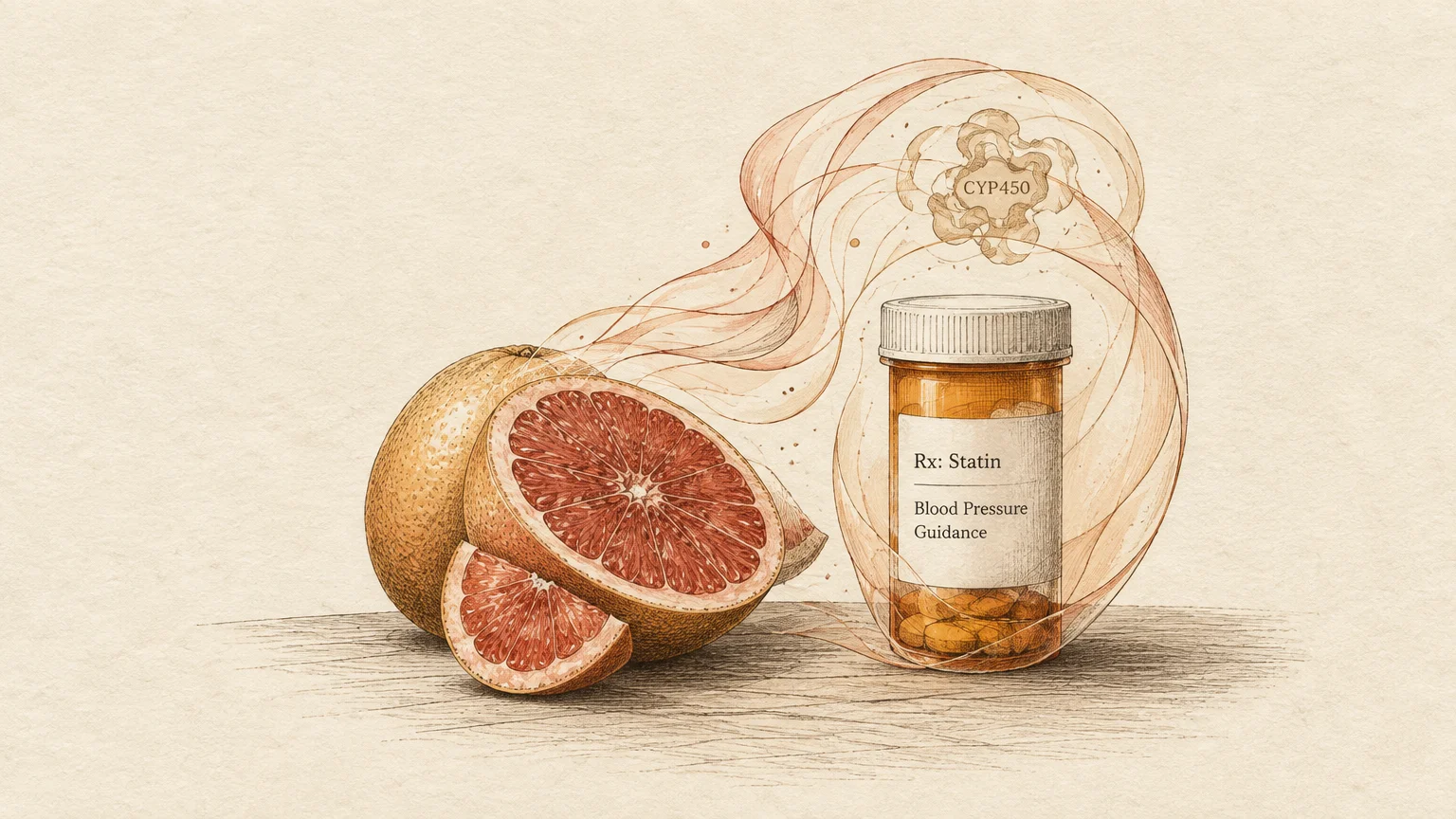
Grapefruit and Seville oranges contain natural furanocoumarins that block the cytochrome P450 3A4 enzyme in your gut wall. This interaction can dangerously elevate blood levels of common statins and blood pressure medications.
If you manage advanced chronic kidney disease, your kidneys may struggle to clear dietary potassium efficiently. In that situation, your nephrologist might advise limiting high-potassium fruits like bananas in favor of lower-potassium berries.
Individuals with irritable bowel syndrome may experience digestive distress from high-FODMAP fruits like apples, cherries, and mangoes. Consulting a registered dietitian ensures your meal choices respect your complete health history.
Frequently Asked Questions
Clear answers to common clinical questions help you navigate everyday food choices with total confidence. Here is what science says about everyday dilemmas.
Does natural fruit sugar harm your liver like high-fructose corn syrup?
Whole fruit does not overload your liver because its natural fructose arrives locked within structural fiber and water. That cellular matrix slows absorption to a rate your liver can comfortably process.
Should you completely avoid bananas if you have prediabetes or diabetes?
You do not need to eliminate bananas from your plate entirely. Choose smaller, slightly green bananas for their blood-sugar-friendly resistant starch, and pair them with healthy fats like walnuts or almond butter.
Is unsweetened fruit juice an acceptable alternative to whole fruit?
Unsweetened fruit juice lacks the physical fiber matrix necessary to moderate glucose absorption. Even 100 percent pure juice delivers an immediate flood of liquid sugar that triggers rapid insulin spikes, making whole fruit superior.
What is the best time of day to consume fresh fruit?
The optimal window to enjoy fruit is alongside balanced meals or immediately before physical activity. Consuming fruit as part of a meal containing protein and fat minimizes postprandial glycemic variability.
Take Action for Your Metabolic Health
You hold the knowledge to enjoy sweet, nourishing fruit while preserving optimal metabolic wellness. Nature designed these colorful foods with the exact fiber and micronutrient tools required to support your long-term vitality.
Put this science into practice over the next 24 hours. Replace one processed snack or sweetened beverage with a cup of fresh blackberries and a handful of raw almonds.
Notice how steady your energy feels across the afternoon when you prioritize natural fiber and balanced macronutrients. Your path toward resilient blood sugar begins with that simple, delicious choice today.