You unlock your refrigerator expecting a fresh dinner, only to find fuzzy growth coating yesterday’s leftovers. Breaking a factory seal exposes nutrient-dense foods to rapid microbial decay within hours.
Discarding spoiled groceries costs the average American household between $1,500 and $2,900 each year. Meanwhile, up to 40 percent of our total domestic food supply goes uneaten.
Mastering post-opening storage timelines safeguards your digestive tract and preserves your grocery budget. Understanding these perishable thresholds allows you to cook with complete culinary confidence.
The Science of Post-Opening Food Spoilage
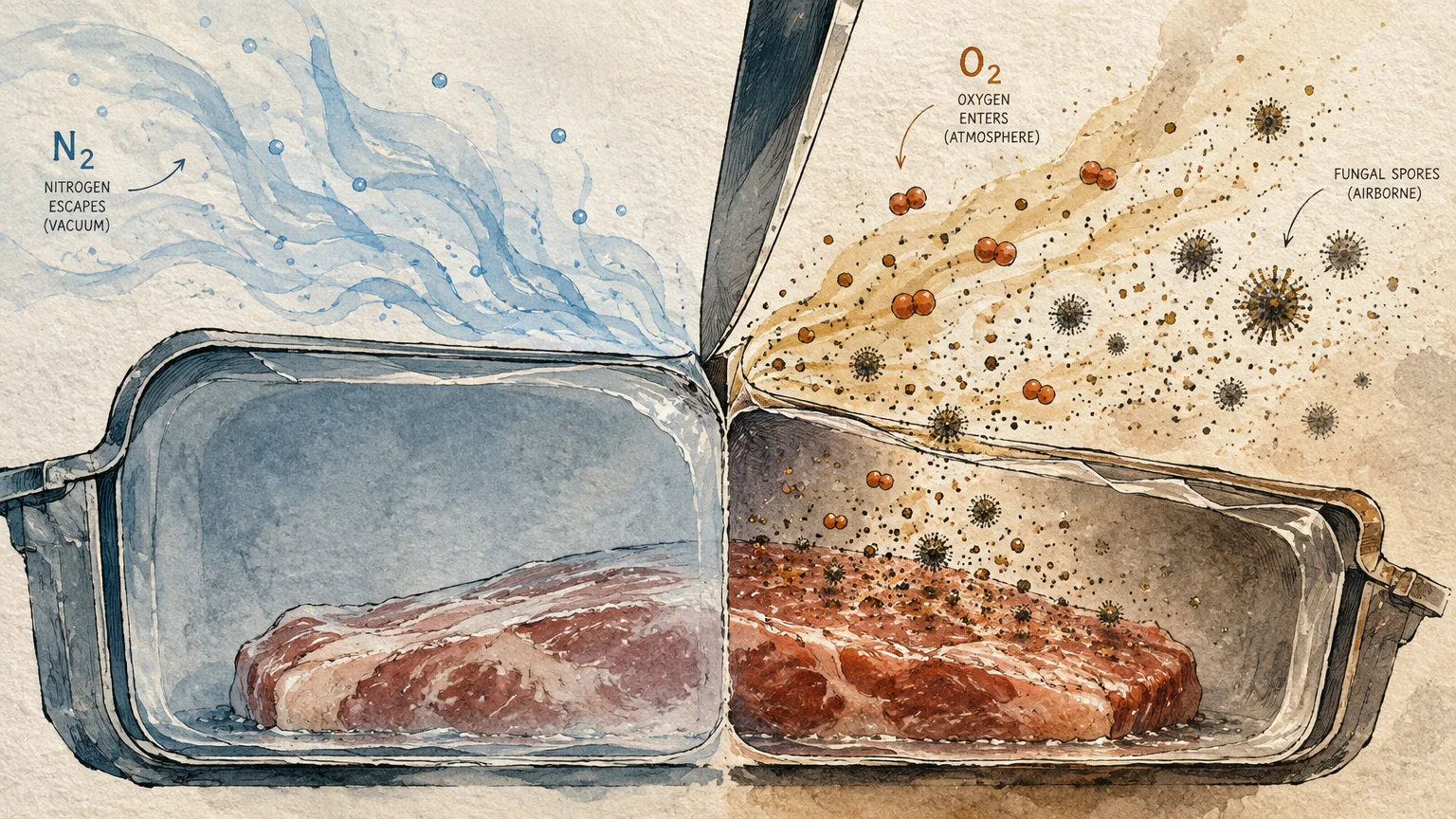
When manufacturers package perishable items, they often flush containers with inert nitrogen or create airtight vacuums. Breaking that sterile barrier instantly reintroduces atmospheric oxygen, airborne fungal spores, and ambient bacteria.
Water activity plays a decisive role in how quickly opened groceries deteriorate. High-moisture foods provide an ideal biological medium where micro-organisms multiply at an exponential rate.
Many consumers falsely assume that commercial date labels dictate safety after opening. According to the USDA Food Safety and Inspection Service, date stamps indicate peak sensory quality rather than safety.
Once you puncture a package, the printed expiration date becomes completely irrelevant. Refrigerated storage times must then guide your consumption habits to prevent foodborne illness.
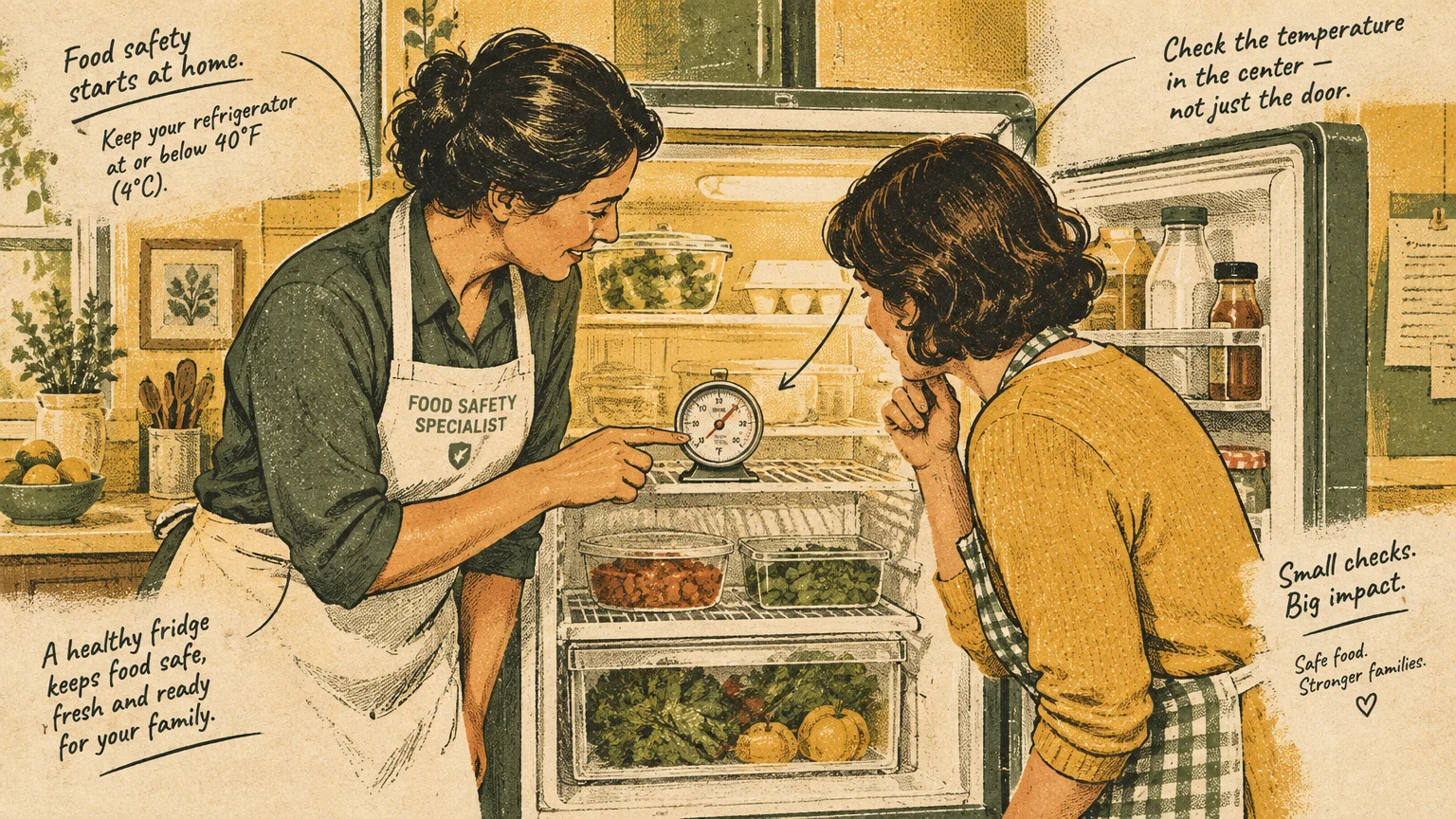
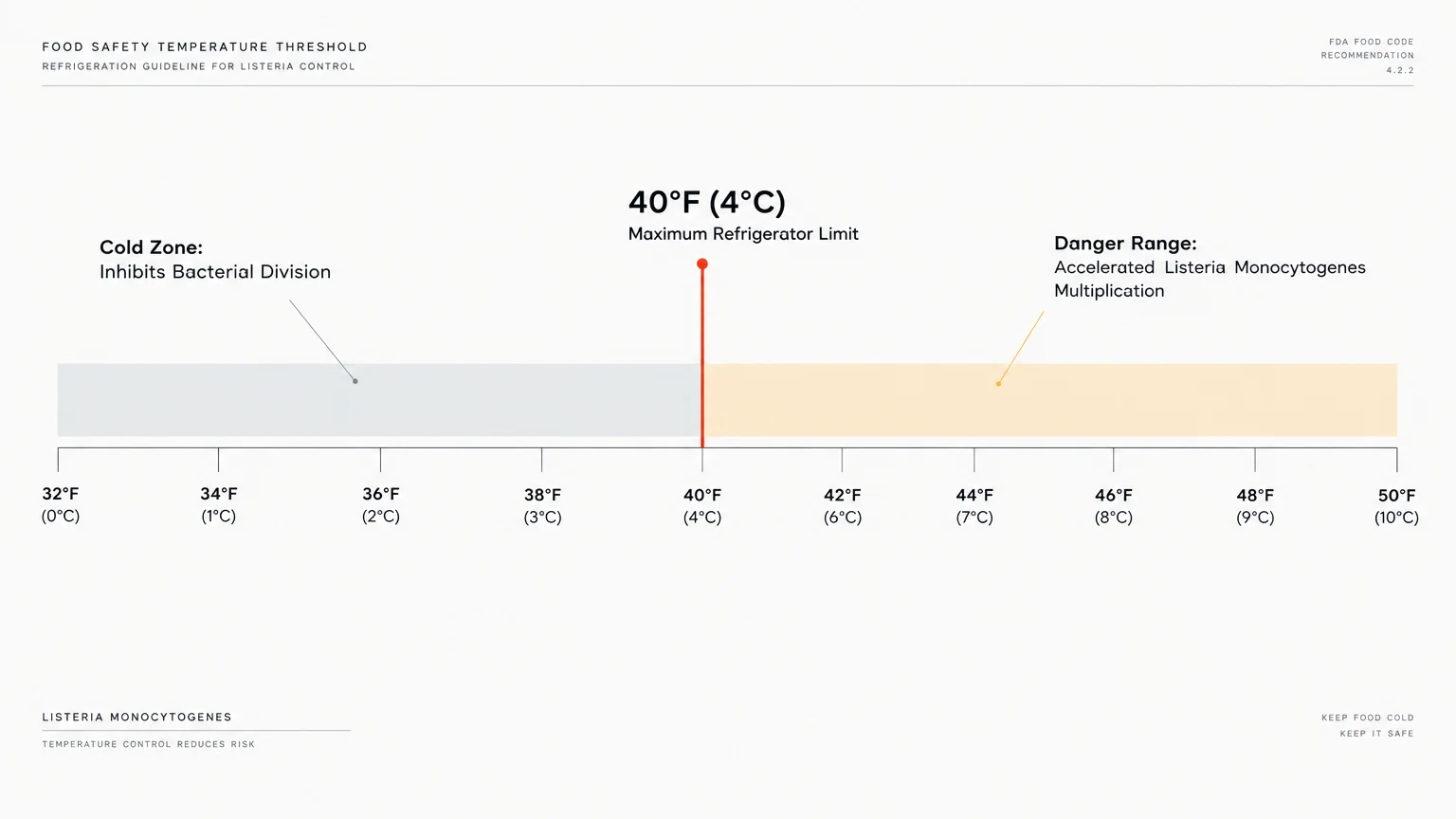
Temperature regulation inside your kitchen represents your primary defense against pathogenic invasion. The U.S. Food and Drug Administration mandates that home refrigerators operate at or below 40 degrees Fahrenheit.
Psychrotrophic pathogens like Listeria monocytogenes thrive in moist environments and continue multiplying slowly even in cold storage. Keeping appliances sufficiently cold delays their division and protects high-risk household members.
10 Grocery Items That Spoil Fastest After Opening
1. Opened Shellfish and Raw Seafood
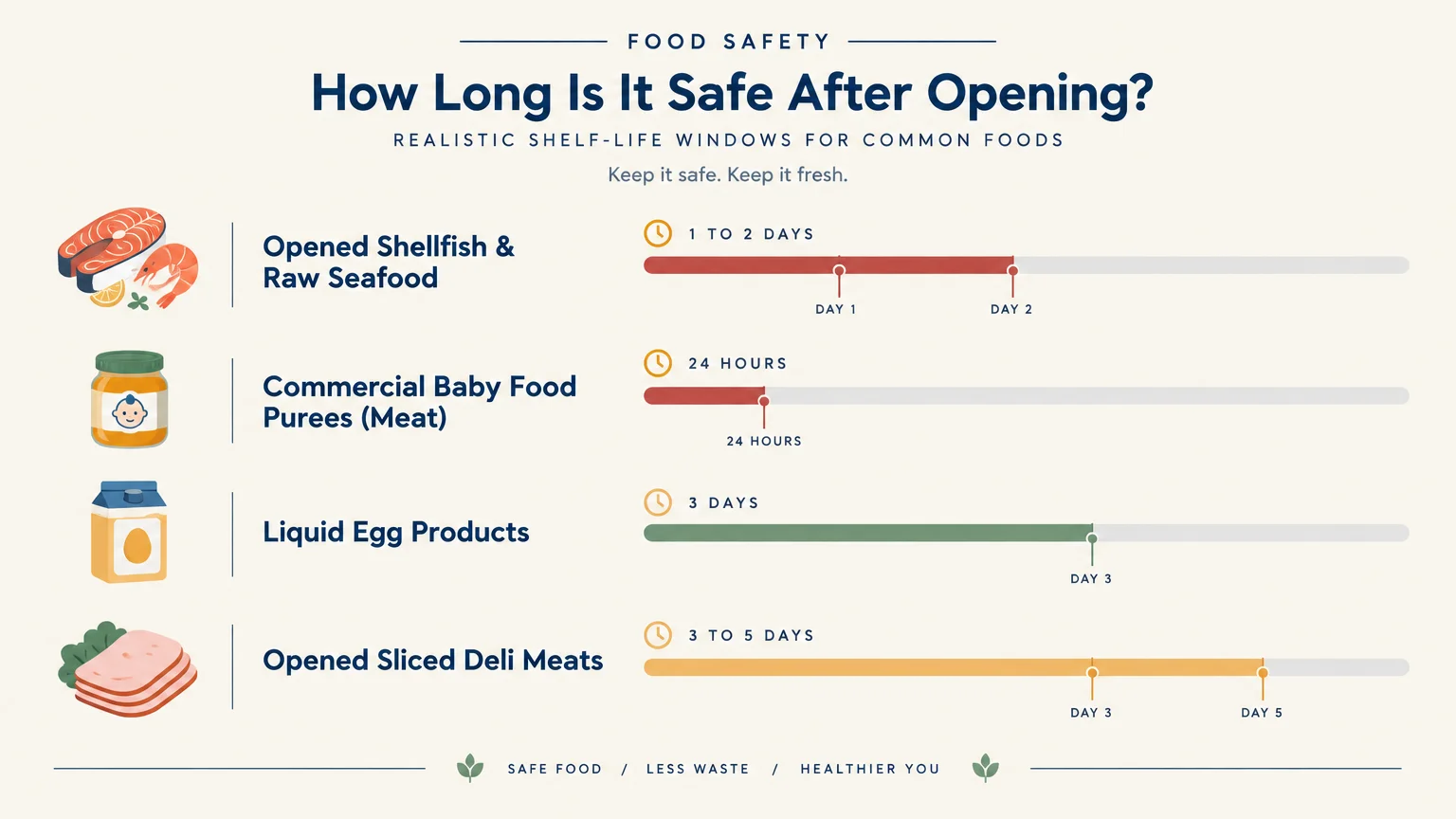
Raw seafood remains exceptionally delicate once exposed to air and must be cooked within one to two days. Marine proteins carry natural psychrophilic bacteria that degrade muscle tissue quickly under refrigeration.
Store raw fillets or opened shellfish in an airtight container resting directly on a bed of crushed ice. This targeted method maintains near-freezing temperatures and preserves delicate marine fats.
2. Liquid Egg Products and Separated Eggs
Pasteurized liquid eggs in pourable cartons offer convenience, but they spoil within three days of opening. Raw egg yolks or whites separated by hand last only two to four days before turning hazardous.
Without protective shells, liquid egg proteins present an open target for airborne contaminants. Cover separated whites with a tight seal or freeze them promptly in clean silicone trays.
3. Commercial Baby Food Purees
Commercial baby food lacks strong chemical preservatives to protect infant health, making opened jars vulnerable. Opened meat and egg purees remain safe for only 24 hours in cold refrigeration.
Opened fruit and vegetable blends survive slightly longer, lasting between two and three days. Never feed your baby directly from the jar if you intend to store remaining portions.
Salivary enzymes introduced from an infant’s spoon break down purees rapidly and seed bacterial colonies. Always spoon desired portions into a separate feeding bowl before serving.
4. Opened Deli Meats and Luncheon Meats
Sliced turkey, roast beef, and ham spoil within three to five days after breaking their vacuum packaging. The high surface area of sliced meat creates extensive contact zones for airborne pathogens.
Sliced meats provide a hospitable environment for Listeria, which thrives in salty, low-acid moisture. Wrap opened cold cuts in moisture-resistant foil or place them inside sealed silicone bags.
5. Boxed Broths, Stocks, and Gravy
Aseptic broth cartons sit happily on pantry shelves for months until the plastic cap twists open. Meat-based broths remain safe for three to four days, while vegetable varieties last four to five days.
Liquid broths feature high moisture and neutral acidity, providing optimal fuel for invisible mold growth. Pour leftover stock into labeled glass jars or freeze it in measured cubes for future sauces.
6. Low-Acid Canned Goods
Opened canned black beans, lentil soups, and canned fish remain safe for only three to four days. Low acidity levels fail to inhibit the proliferation of bacterial contaminants once air enters the vessel.
Leaving food inside an opened tin can also creates metallic off-flavors as tin leaches into acidic liquids. Always transfer canned contents into glass or food-grade storage containers before chilling.
Rinsing canned beans before refrigeration also removes excess canning liquid and surface starch. Store the drained legumes in fresh, clean water inside an airtight container to maintain ideal texture.
7. Prepared Dips and Deli Salads
Fresh hummus, egg salad, and tuna salad spoil rapidly and require disposal after three to five days. Mayonnaise-based dressings and blended legumes create dense environments that trap ambient heat and bacteria.
Repeated double-dipping introduces oral micro-organisms that accelerate souring and mold formation. Portion creamy dips into personal ramekins to preserve the master batch stored in your refrigerator.
8. Soft and Fresh Cheeses
High-moisture dairy products like ricotta, goat cheese, and fresh mozzarella last only five to seven days. Their elevated water content provides an easy pathway for mold spores to colonize the entire container.
Hard cheeses resist spoilage for weeks because low moisture levels deny microbes the hydration they need. Once you open soft cheeses, keep them submerged in brine or sealed in airtight tubs.
9. Canned Tomato Paste and Sauces
High-acid tomato paste resists many bacteria but succumbs easily to fuzzy fungal molds within five to seven days. The open surface of concentrated tomato paste invites airborne mold spores that multiply rapidly in cold air.
Scoop unused tomato paste onto parchment paper in single-tablespoon dollops and flash-freeze them completely. Transfer the frozen portions into a freezer bag for instant use during weeknight dinners.
10. Plant-Based Milk Alternatives
Shelf-stable almond, oat, and soy milks boast prolonged pantry lifespans until you snap the seal. Once opened, manufacturers and food safety standards recommend consuming plant milks within seven to ten days.
Emulsifiers and added vitamins break down after opening, leading to sour odors and thin, watery separation. Store plant beverages on interior refrigerator shelves rather than inside door compartments to maintain stable temperatures.
Never drink directly from a milk carton because introduced oral bacteria drastically accelerate souring. Always pour the liquid into a clean glass to keep the remaining carton contents fresh.
Strategic Pillars to Minimize Waste and Protect Health
Pillar 1: Proactive Meal Planning
Align your grocery purchases with a concrete culinary schedule to prevent ingredients from languishing unmonitored. Group rapidly spoiling groceries like fresh seafood and deli proteins into your earliest weekly dinners.
Plan sequential meals where one opened ingredient naturally flows into the next recipe. A carton of vegetable broth can hydrate Monday’s quinoa and simultaneously enrich Tuesday’s roasted carrot soup.
Batch-cooking perishables on the day of purchase converts vulnerable raw ingredients into stable prepared meals. Cooked dishes generally provide predictable safety windows when cooled quickly and stored correctly.
Pillar 2: Nutrient-Preserving Storage Tactics
Modern preservation hinges on controlling ambient temperature, surface oxygen, and moisture condensation. Invest in airtight glass containers that create physical barriers against opportunistic ambient spores.
Refrigerator zones experience distinct microclimates that influence the lifespan of delicate perishables. The door bins fluctuate several degrees each time you reach inside for a beverage or snack.
Position vulnerable items like soft cheeses, deli meats, and opened broths on lower interior shelves. This central area consistently maintains the coldest, most reliable temperatures inside your appliance.
Pillar 3: Habit Automation and Visual Cues
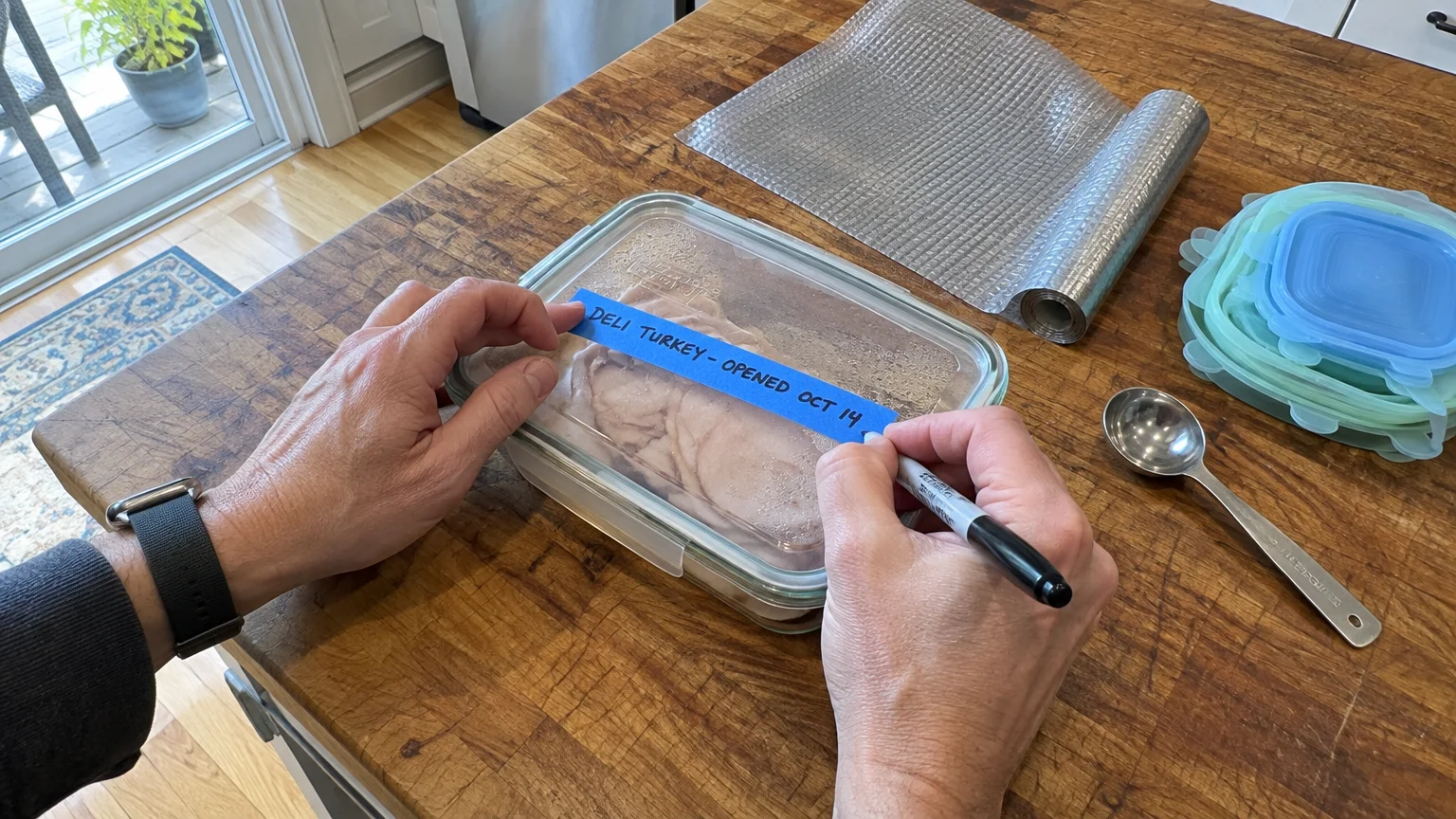
Visual prompts eliminate the guesswork of tracking when you opened specific cartons or jars. Place a roll of painter’s tape and a permanent marker right inside your primary kitchen drawer.
Write the date of opening directly onto every package before placing it into the refrigerator. This simple two-second behavioral cue prevents uncertain taste tests that put your gut at unnecessary risk.
Establish a dedicated first-in, first-out shelf inside your refrigerator to spotlight opened items. Grouping open dips and opened broths together guarantees you see them before opening duplicate containers.
Expert and Lived Voices in Food Safety
Registered dietitians consistently emphasize that food safety forms the foundation of proper nutritional wellness. According to the Academy of Nutrition and Dietetics, preventing foodborne pathogens preserves gut integrity and nutrient absorption.
Food waste also strains family budgets during times of fluctuating grocery prices and inflation. Environmental data from the U.S. Environmental Protection Agency shows that home kitchens generate the largest portion of food waste.
Many busy home cooks share that labeling opened containers transforms how their entire family eats. Seeing clear dates prevents household members from abandoning half-empty jars of pasta sauce or plant milk.
Clinical specialists remind us that sensory evaluation is fundamentally inadequate for determining food safety. Odorless bacteria can proliferate to dangerous levels without altering an ingredient’s scent, texture, or vibrant color.
Safety Guidelines and High-Risk Considerations
Certain household members face elevated risks from bacterial pathogens that multiply on opened groceries. Pregnant individuals, elderly adults, and immunocompromised patients must exercise heightened vigilance with opened foods.
The Centers for Disease Control and Prevention advises high-risk individuals to avoid cold deli meats completely unless heated to 165 degrees Fahrenheit. Reheating destroys sneaky Listeria colonies that survive refrigerator temperatures.
Food allergies also require rigorous post-opening protocols to prevent hazardous unintentional cross-contamination. Shared dipping sauces or open hummus containers can easily carry allergen traces from knives or crackers.
Always consult a registered dietitian or your primary physician if you suspect food poisoning symptoms. Persistent nausea, high fever, or severe abdominal cramps demand immediate and thorough clinical attention.
Frequently Asked Questions
Can you safely store food inside its original open can?
While modern food cans feature protective linings, transferring contents into glass or plastic remains ideal. Exposure to air can cause acidic foods to react with can linings, imparting metallic flavors.
Airtight glass containers also provide superior seals that keep moisture stable and lock out odors. This simple transfer step preserves taste and protects surrounding refrigerator items from flavor contamination.
What should you do if food smells normal past its storage limit?
Never rely solely on a sniff test to verify whether opened food remains safe. Pathogenic bacteria like Salmonella and Listeria produce no detectable odor, color change, or visible slime.
Spoilage organisms create off-flavors, but pathogenic organisms cause severe systemic illness without sensory warning signs. Discard perishables that exceed verified storage timelines regardless of how appetizing they appear.
Does freezing reset the post-opening clock for grocery items?
Freezing essentially pauses biological decay by immobilizing water molecules and putting microbial activity on hold. Once you thaw the ingredient, the original post-opening timeline resumes where it previously left off.
If broth sat open in the refrigerator for two days before freezing, use it within two days after thawing. Label frozen leftovers with both the opening date and the planned consumption deadline.
How does refrigerator placement impact food spoilage rates?
Refrigerator doors experience the highest temperature variations due to regular opening and closing throughout the day. Storing delicate items like broth, plant milk, or soft cheese in door compartments accelerates spoilage.
Keep rapidly spoiling groceries on central or bottom shelves where temperatures remain consistently cold. Reserve door compartments exclusively for condiments, high-acid preserves, and shelf-stable pasteurized items.
Take Action for a Fresh Kitchen
Reducing food waste and shielding your household from illness begins with one immediate adjustment. Grab an appliance thermometer today to confirm your refrigerator stays at or below 40 degrees Fahrenheit.
Next, label the opened cartons currently hiding on your refrigerator shelves with today’s date. Adopting this single habit transforms your kitchen into a safer, more economical, and nourishing environment.