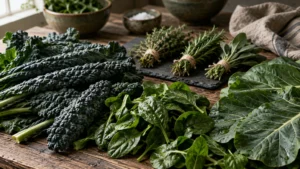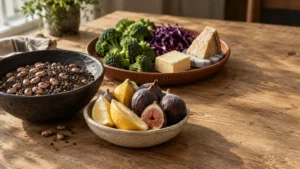
Persistent chest burning and sour regurgitation do not have to dictate your daily menu. Identifying your specific dietary triggers allows you to enjoy satisfying meals while protecting your esophagus from painful stomach acid.
Gastroesophageal reflux affects roughly twenty percent of adults in the United States, disrupting sleep and productivity. Fortunately, targeted adjustments to your plate can dramatically suppress uncomfortable reflux episodes.
By understanding which items irritate your digestive tract, you can reclaim mealtime confidence. Let us explore the eight primary foods that amplify reflux symptoms and the research-backed swaps that restore comfort.
The Science of Acid Reflux and Digestion
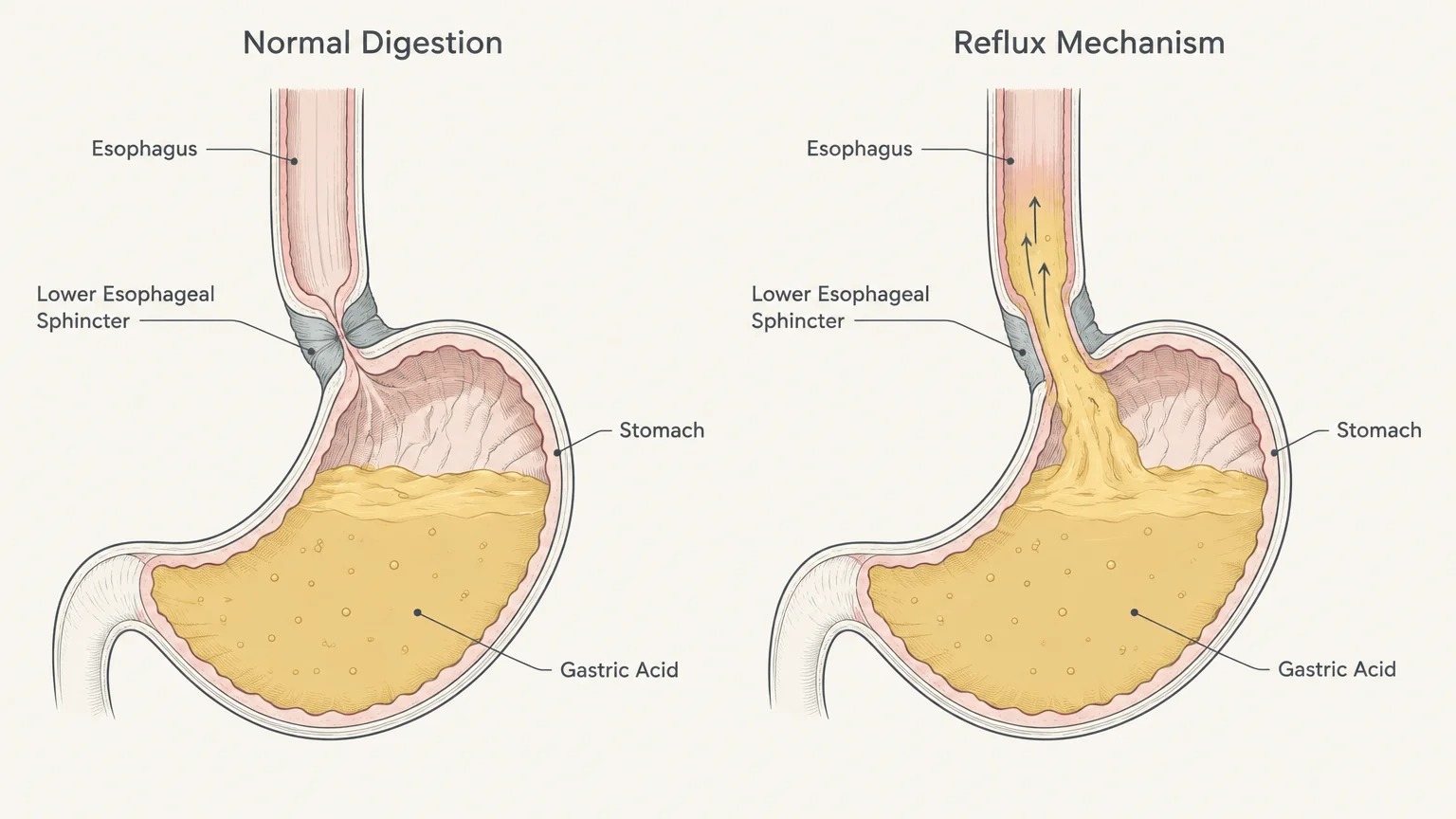
Your lower esophageal sphincter acts as a muscular valve between your esophagus and stomach. When this barrier relaxes inappropriately, gastric acid travels upward and inflames sensitive esophageal tissues.
Clinical evidence from the National Institute of Diabetes and Digestive and Kidney Diseases indicates that specific foods weaken this barrier or delay stomach emptying.
When gastric contents linger in your stomach, internal pressure builds steadily and forces juices backward. Other dietary culprits directly stimulate sensory nerve endings in your esophageal mucosal lining.
8 Primary Foods That Can Worsen Acid Reflux
1. Deep-Fried and High-Fat Foods
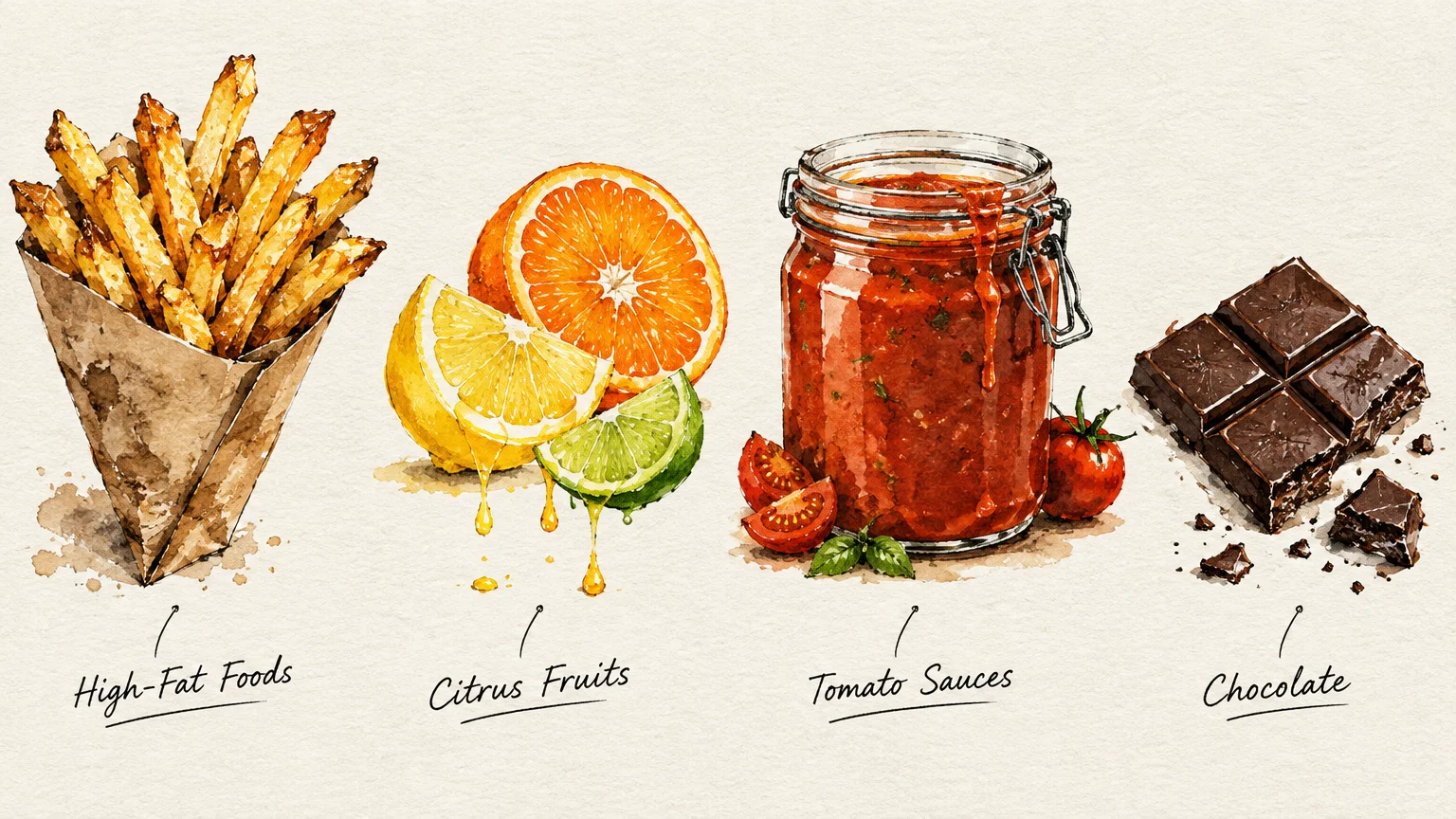
Greasy dishes like fried chicken, French fries, and fatty beef cuts require prolonged digestion. Dietary fats stimulate the release of cholecystokinin, a digestive hormone that delays gastric emptying.
As heavy food lingers in your digestive tract, it creates continuous upward pressure against your esophageal junction. Research documented by the National Institutes of Health confirms that high dietary fat intake correlates with increased reflux episodes.
Protect your digestion by choosing lean proteins such as skinless poultry, tofu, and white fish. Preparing meals through baking, steaming, or air-frying methods delivers rich flavor without the reflux penalty.
2. Citrus Fruits and Juices
Oranges, grapefruits, lemons, and limes deliver abundant vitamin C, but their high citric acid concentration poses challenges. While citrus does not relax your esophageal valve, it directly irritates an already inflamed esophageal lining.
Drinking concentrated citrus juice on an empty stomach creates an immediate burning sensation in many individuals. The low natural pH of these fruits activates digestive enzymes that aggravate sensitive throat tissues.
Substitute low-acid produce options like ripe papaya, cantaloupe, honeydew melon, and crisp pears to nourish your body safely. When you crave zesty flavor in savory dishes, use sumac or fresh herbs instead.
3. Tomato-Based Sauces and Products
Tomatoes contain natural malic and citric acids that irritate your gastrointestinal lining. Culinary staples like marinara sauce, tomato paste, ketchup, and canned soups concentrate these natural acids into potent digestive triggers.
Because culinary tomato sauces often simmer alongside garlic, onions, and cooking oils, their reflux potential multiplies quickly. This combination slows gastric emptying while bathing your stomach lining in concentrated acid.
Try crafting vibrant, stomach-friendly sauces from pureed roasted carrots, sweet beets, and mild butternut squash. These colorful root vegetables provide a velvety texture and rich flavor profile without provoking esophageal irritation.
4. Chocolate and Cocoa Products
Chocolate represents a triple threat for reflux sufferers because it combines high fat, natural caffeine, and theobromine. Theobromine is a natural methylxanthine compound that directly relaxes the smooth muscle fibers of your lower esophageal sphincter.
Simultaneously, the rich cocoa butter content slows digestion and encourages prolonged stomach fullness. Chocolate also stimulates serotonin release in your gut, which further loosens the protective esophageal barrier.
Satisfy your sweet tooth with roasted carob powder, which mimics the deep flavor of cocoa without methylxanthines. Blending ripe frozen bananas with carob and almond milk creates a decadent dessert that keeps your esophagus calm.
5. Peppermint and Spearmint
While herbal mint tea enjoys a reputation as a soothing digestive tonic, it can actively sabotage reflux management. The volatile menthol oils found in peppermint and spearmint exert a powerful relaxant effect on smooth gastrointestinal tissues.
When menthol relaxes the lower esophageal sphincter, it creates an open pathway for caustic gastric fluids to splash upward. Clinical guidelines from the American College of Gastroenterology caution reflux patients against using concentrated mint products.
Swap your post-meal mint infusion for brewed chamomile, licorice root, or ginger tea. Ginger naturally accelerates gastric emptying and settles nausea without reducing your protective esophageal muscle tone.
6. Raw Onions and Garlic
Allium vegetables like yellow onions, red onions, shallots, and fresh garlic add exquisite depth to global cuisine. However, raw alliums contain high concentrations of fermentable fructan fibers that draw gas into your digestive tract.
When gut bacteria ferment these fructans, the resulting gas expands your stomach and triggers frequent belching episodes. Each transient lower esophageal sphincter relaxation during a belch allows trapped stomach acid to escape upward.
Cooking alliums thoroughly softens their fibrous structure and reduces their capacity to provoke severe reflux flares. You can also experiment with garlic-infused olive oil to capture savory depth without problematic fructans.
7. Carbonated Beverages and Seltzers
Sparkling water, carbonated sodas, and fizzy tonics introduce pressurized carbon dioxide directly into your digestive system. As these bubbles warm inside your stomach, they expand rapidly and dramatically increase intra-gastric volume.
This mechanical inflation pushes stomach contents upward against the esophageal junction, inducing micro-belches that carry acid droplets. Many commercial sodas also contain phosphoric acid, compounding chemical irritation.
According to digestive health research published by the American Society for Nutrition, frequent intake of carbonated drinks correlates with increased nighttime reflux severity.
Quench your thirst with flat filtered water infused with sliced cucumbers or fresh basil leaves. Room-temperature herbal infusions also deliver hydrating refreshment without gaseous gastric distension.
8. Coffee and Concentrated Caffeine
Morning coffee jumpstarts your daily energy, but caffeine can compromise your body’s anti-reflux defenses. Caffeine acts as a natural smooth muscle relaxant that decreases lower esophageal resting pressure.
Beyond caffeine, coffee contains chlorogenic acids and roast chemicals that stimulate your stomach to produce excess gastric acid. This dual action floods your stomach with acid while weakening the barrier meant to contain it.
If coffee disrupts your mornings, transition toward roasted chicory root or dandelion root tea. These dark, earthy botanical brews deliver a robust sensory experience without caffeine or harsh gastrointestinal irritation.

Three Evidence-Based Strategy Pillars for Lasting Relief
Pillar 1: Meal Architecture and Volume Management
How you consume your daily food matters just as much as your specific ingredient selections. Large meals mechanically stretch your stomach walls, forcing the esophageal junction to open under intense internal pressure.
Shift your eating pattern toward four or five modest, evenly spaced meals throughout the day. This dietary pacing keeps gastric volume low and minimizes mechanical strain on your digestive valve.
Avoid eating within three hours of lying down to sleep or resting on the couch. Remaining upright gives gravity ample time to assist gastric emptying and clear residual acids from your stomach.
Pillar 2: Strategic Nutrient Swaps and Dietary Fiber
Elevating your intake of dietary soluble fiber helps absorb excess stomach acid and optimizes gut transit times. Soluble fiber forms a protective, viscous gel in your stomach that moderates digestive secretions.
Incorporate gentle, soothing whole foods such as rolled oats, chia seeds, steamed zucchini, and sweet potatoes. Research supported by the Academy of Nutrition and Dietetics emphasizes that dietary fiber supports mucosal protection and general digestive equilibrium.
Choose monounsaturated and omega-3 fats in measured amounts, substituting mashed avocado or walnuts for greasy animal lards. These anti-inflammatory fats provide critical cell nourishment while lowering overall digestive irritation.
Pillar 3: Habit Mechanics and Postural Support
Physical positioning during and after dining significantly impacts your intra-abdominal pressure dynamics. Avoid wearing constrictive belts, corsets, or tight waistbands that squeeze your abdomen while you digest.
If nocturnal reflux disrupts your sleep, elevate the head of your bed by six inches using sturdy bed risers. Wedge pillows also create an inclined angle that harnesses gravity to keep stomach fluids contained overnight.
Engage in a gentle ten-minute stroll after finishing your lunch or evening dinner. Light ambulation stimulates gastric motility and expedites stomach emptying without putting jarring stress on your core muscles.

Expert Perspectives and Real-World Experiences
Clinical gastroenterologists emphasize that acid reflux rarely follows an identical script for every individual. What triggers an immediate flare for one person might cause zero symptoms in another digestive tract.
Integrative dietitians encourage maintaining a detailed food and symptom journal for two consecutive weeks. Tracking your meals, stress levels, and symptom onset helps you pinpoint unique personal intolerances without unnecessary food fear.
Community members navigating chronic reflux often discover that social dining presents logistical challenges. Many find success by scanning restaurant menus in advance and requesting simple modifications like steamed preparations or separated dressings.

Clinical Safety and Personalization Considerations
Modifying your diet provides tremendous relief, but certain warning symptoms demand prompt medical attention. Severe chest pain, persistent difficulty swallowing, unintentional weight loss, and chronic coughing require thorough medical evaluation.
These red-flag manifestations may indicate structural complications, such as erosive esophagitis, strictures, or Barrett’s esophagus. Never ignore escalating symptoms or rely solely on over-the-counter antacids to mask chronic distress.
Furthermore, overly restrictive elimination diets can inadvertently lead to micronutrient deficiencies and unhealthy food anxiety. If you manage multiple chronic health conditions, collaborate directly with a registered dietitian nutritionist for personalized guidance.
Frequently Asked Questions
Can drinking milk quickly relieve acid reflux?
Milk provides temporary symptom relief because its alkaline fluid buffers acidic stomach juices immediately upon contact. However, the fat, protein, and calcium in whole milk stimulate your stomach to secrete additional acid shortly afterward.
This rebound acid secretion can leave you with intensified heartburn an hour later. If you desire a soothing drink, opt for unsweetened almond milk or oat milk instead.
How long does it take for reflux symptoms to improve after dietary changes?
Many individuals experience noticeable symptom reductions within three to five days of removing primary trigger foods. However, healing an inflamed esophageal mucosal lining typically requires several consecutive weeks of consistent dietary care.
Pairing trigger removal with stomach-soothing foods accelerates your recovery and restores digestive harmony. Patience and consistency remain your greatest allies during the healing process.
Does drinking apple cider vinegar cure acid reflux?
Scientific literature does not support drinking apple cider vinegar for gastroesophageal reflux relief. Introducing acidic vinegar into an already inflamed esophagus can irritate vulnerable mucosal tissues and worsen burning sensations.
While small amounts of vinegar used in culinary dressings may cause no harm, avoid drinking concentrated shots of acidic liquids. Focus instead on evidence-based strategies that reduce gastric pressure and protect your tissues.
Is decaffeinated coffee completely safe for reflux sufferers?
Decaffeinated coffee eliminates caffeine-induced sphincter relaxation, making it substantially gentler than conventional coffee. Nevertheless, decaf coffee still contains roasted acids that can trigger mild gastric secretions in sensitive individuals.
Test your personal tolerance with a single small cup enjoyed alongside a low-acid breakfast like oatmeal. If discomfort arises, explore naturally acid-free roasted herbal grain alternatives.
Take Your First Step Toward Lasting Digestive Ease
Reclaiming digestive comfort does not require overhauling your entire lifestyle overnight. Sustainable progress happens when you make small, deliberate changes that align with your body’s innate physiology.
Within the next twenty-four hours, choose just one problematic food item from this guide to swap out for a gentle alternative. Notice how your body responds to this mindful adjustment during your evening meal.
By honoring your digestive boundaries, you protect your esophagus and build a foundation for vibrant, pain-free living. Take this proactive step today and enjoy the peaceful digestion you deserve.