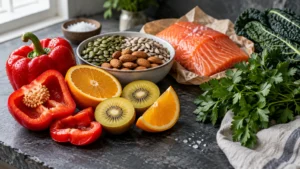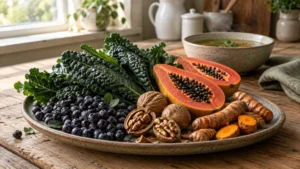
Your pancreas silently regulates your blood sugar stability and daily digestive capacity with every meal you consume. Choosing anti-inflammatory, nutrient-dense foods reduces metabolic workload and shields delicate pancreatic tissue from cellular wear.
Solid clinical research indicates that strategic dietary shifts lower systemic inflammation and support normal enzymatic output. When you supply your digestive system with targeted phytonutrients, you actively defend your metabolic longevity.
This comprehensive guide highlights seven research-backed foods to support pancreas function; it also provides practical strategies tailored to your everyday routine.
Understanding Pancreatic Function and Nutritional Demands
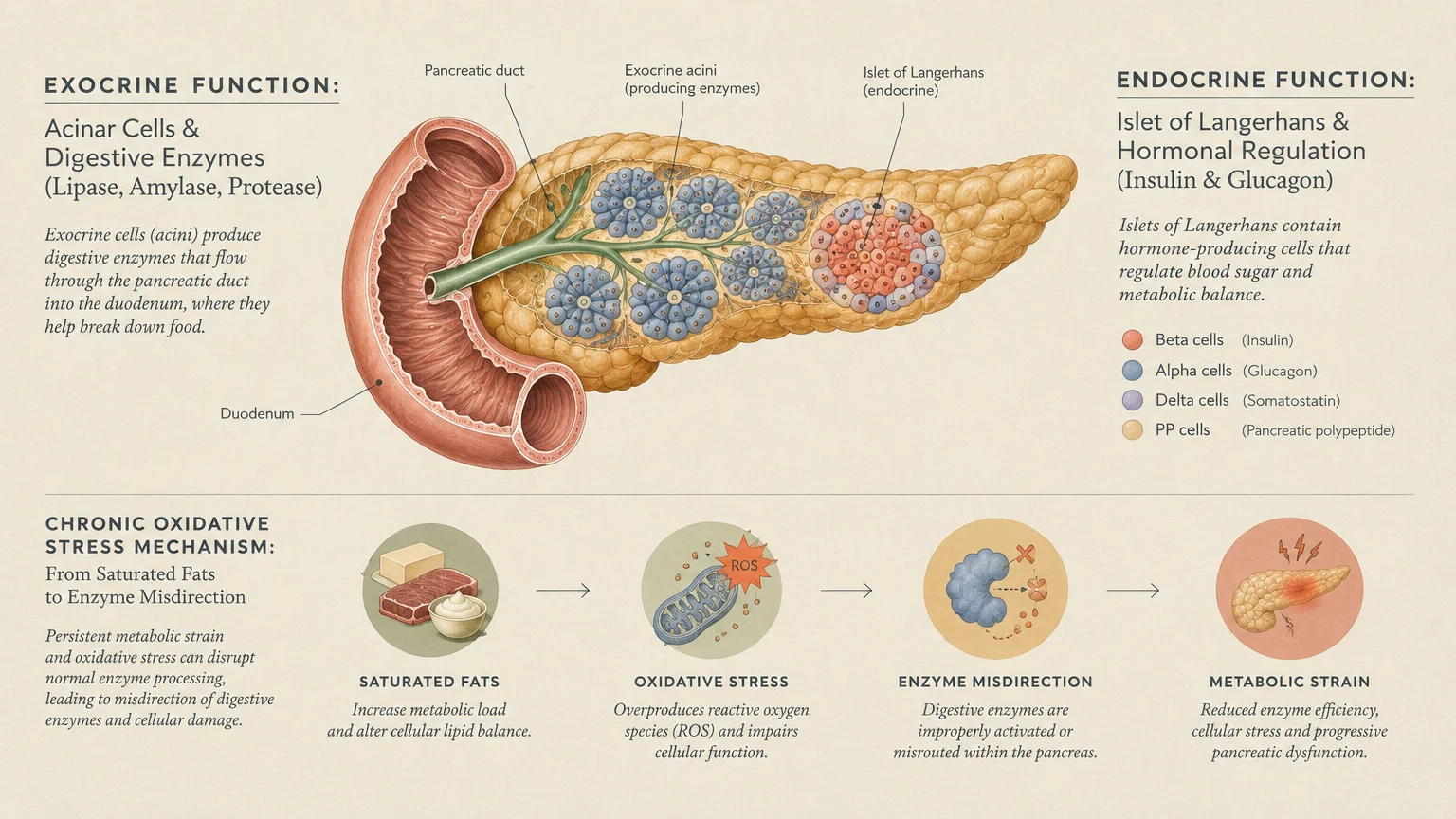
Your pancreas performs two critical physiological tasks around the clock. It produces powerful digestive enzymes to break down meals in your small intestine, while specialized endocrine clusters secrete insulin to regulate circulating blood sugar.
When you eat excessive amounts of saturated fat and refined sugars, you trigger acute oxidative stress within these delicate tissues. Over time, persistent metabolic strain can compromise acinar cell integrity and impair digestive enzyme synthesis.
If pancreatic ducts face chronic inflammation, digestive enzymes can become prematurely activated inside the organ itself. This destructive process harms healthy glandular tissue and significantly raises your risk of developing painful inflammatory episodes.
The National Institute of Diabetes and Digestive and Kidney Diseases emphasizes that sustained inflammation compromises overall glandular architecture. Supporting this organ requires foods that dampen oxidative damage while minimizing enzymatic overexertion.
Strategic Pillars for a Pancreas-Friendly Diet
Pillar 1: Strategic Fat Distribution and Meal Spacing
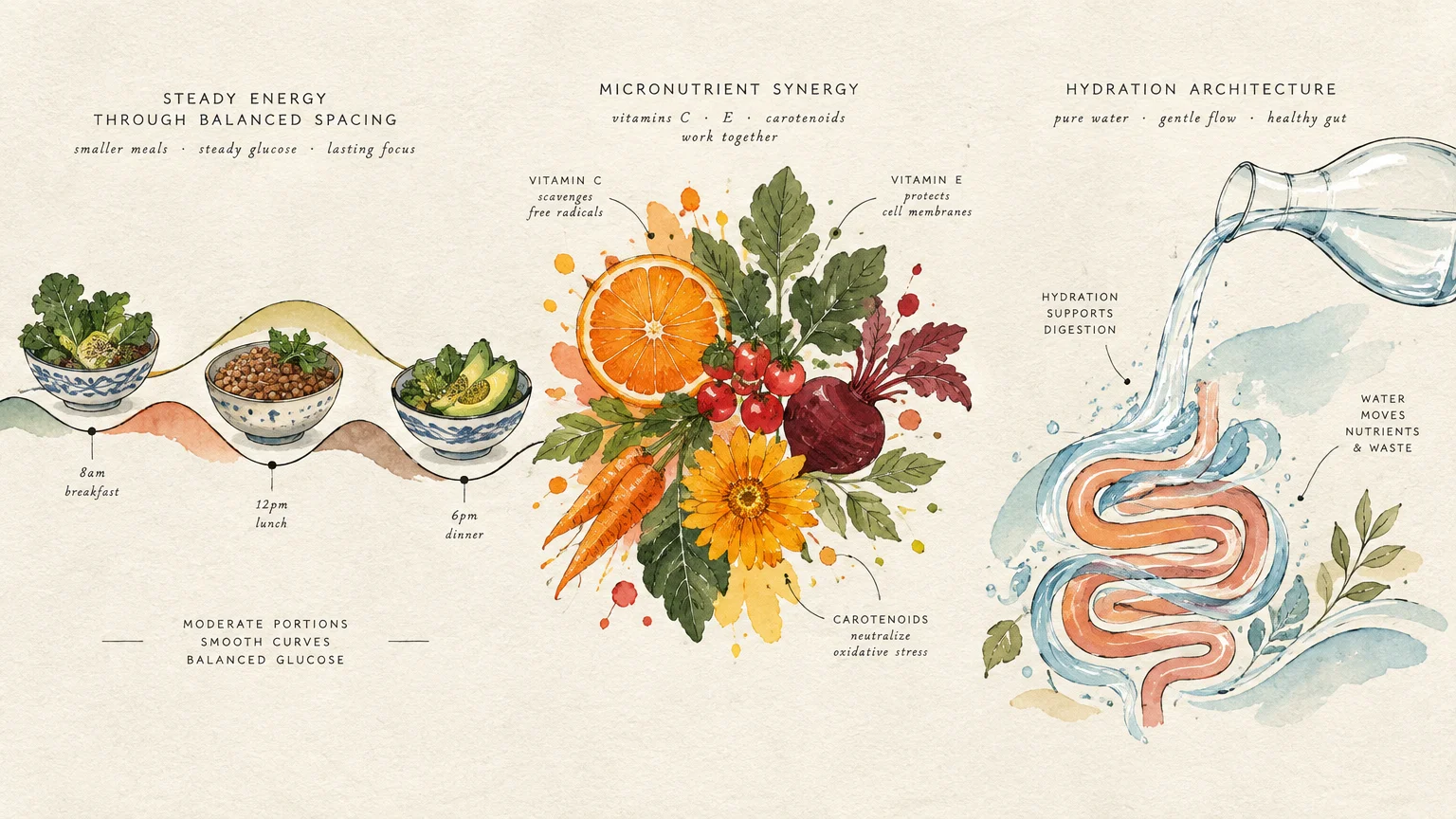
Large, high-fat meals demand massive surges of pancreatic lipase to break down complex triglycerides. Spreading moderate portions of healthy fats across four or five smaller meals spares your pancreas from intense digestive strain.
You can distribute calories evenly throughout the day to prevent sharp postprandial glucose spikes. This rhythmic eating pattern stabilizes insulin production and keeps your metabolic machinery running smoothly without exhausting your islet cells.
Avoid consuming concentrated fats in single sittings, particularly deep-fried foods and heavy cream sauces. Instead, prioritize small servings of whole-food fats that digest gently alongside lean proteins and complex carbohydrates.
Pillar 2: Antioxidant Density and Micronutrient Synergy
Oxidative stress plays a central role in pancreatic cell fatigue and chronic inflammation. By emphasizing vibrant, antioxidant-dense produce, you provide dietary scavengers that neutralize reactive oxygen species before they damage tissue.
Focus on vitamins C and E, along with selenium and dietary carotenoids. Evidence published in peer-reviewed biomedical research shows that these synergistic nutrients protect acinar and islet cells from progressive inflammatory injury.
Combining multiple plant pigments on your plate creates a cooperative defense network. These natural compounds protect cell membranes and foster continuous tissue renewal throughout your digestive organs.
Pillar 3: Habit Formation and Hydration Architecture
Hydration directly impacts the fluidity and transport of essential pancreatic secretions. Drinking adequate water throughout the day ensures that bicarbonate and digestive enzymes travel freely through the pancreatic duct into your duodenum.
Couple proper hydration with intentional, unhurried eating practices. Chewing your food thoroughly initiates enzymatic carbohydrate digestion in your mouth; this simple physical habit markedly reduces the mechanical workload placed on downstream organs.
Try to finish your final meal at least two to three hours before sleeping. Nighttime fasting allows your pancreas to rest and complete vital cellular maintenance rather than producing nocturnal digestive juices.
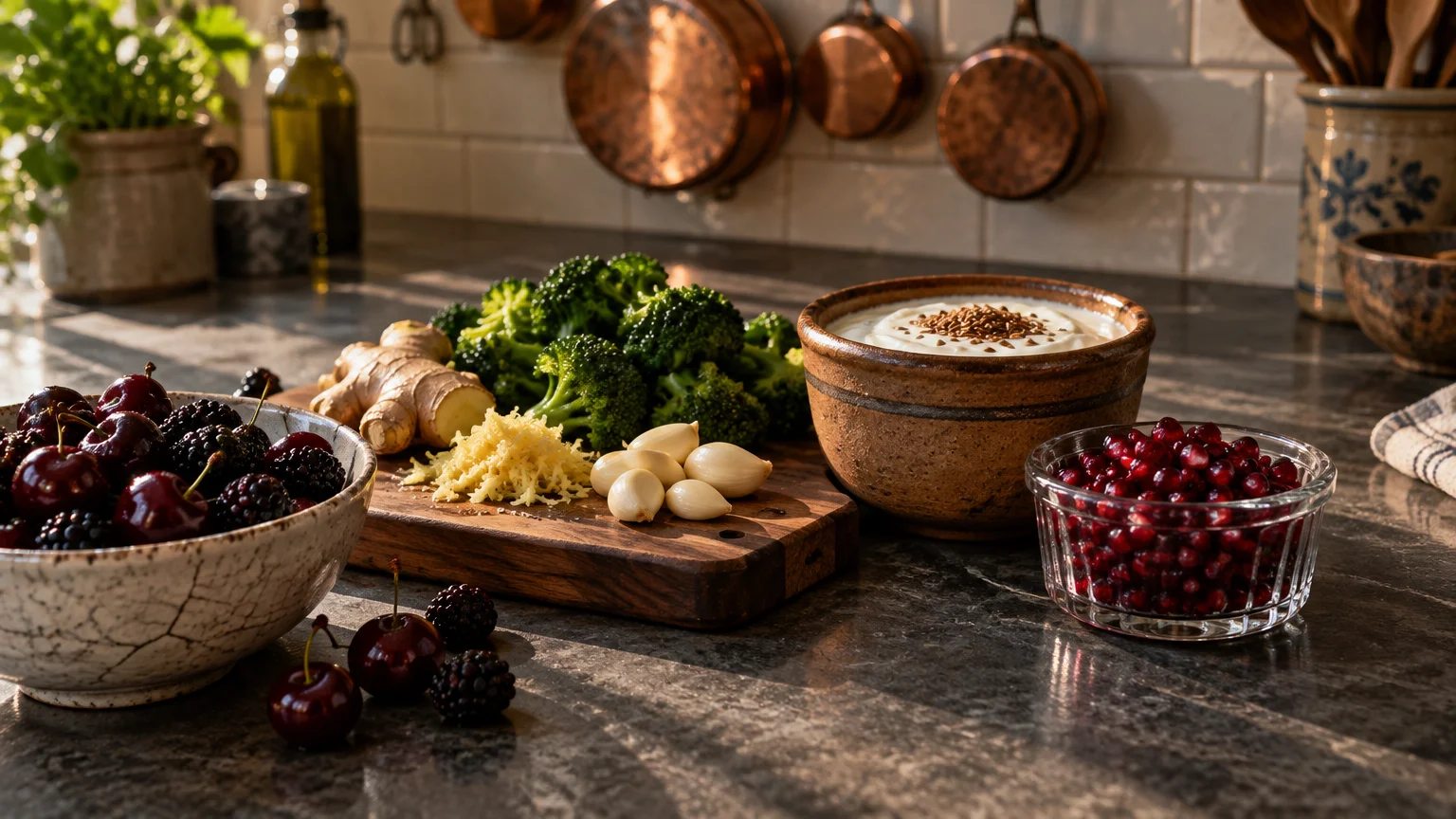
7 Foods to Support Pancreas Health
1. Spinach and Dark Leafy Greens
Dark leafy vegetables rank among the best foods for pancreatic health due to their dense concentrations of folate and antioxidants. Spinach, Swiss chard, and kale deliver remarkable concentrations of magnesium and fat-soluble carotenoids that assist cellular repair.
The rich antioxidant profile in leafy greens defends pancreatic tissue against lipid peroxidation. Regular consumption also contributes gentle plant fiber without forcing an excessive digestive enzyme response.
Blend raw baby spinach into morning fruit smoothies, or sauté tender greens in a light drizzle of olive oil alongside lean fish. These straightforward preparations preserve essential heat-sensitive micronutrients while accommodating delicate digestion.
2. Blueberries and Deep-Hued Berries
Deep-hued berries represent essential foods for pancreas health because their polyphenols defend against oxidative stress. Blueberries, blackberries, and raspberries owe their vivid pigments to anthocyanins, which actively scavenge free radicals and reduce chronic inflammatory signaling pathways.
Anthocyanins also bolster glucose homeostasis. According to the Centers for Disease Control and Prevention, keeping blood sugar in target ranges prevents the insulin-producing beta cells in your pancreas from becoming exhausted.
Scatter fresh berries over warm morning oats, or fold them into unsweetened cultured yogurt for a low-glycemic breakfast. You can also thaw frozen organic berries directly into chilled herbal teas.
Berries supply valuable fiber alongside their protective pigments, promoting a gradual absorption of carbohydrates. This controlled release protects your pancreas from sudden, stressful demands for rapid insulin secretion.
3. Garlic and Allium Vegetables
Garlic contains bioactive organosulfur compounds, including allicin, ajoene, and diallyl disulfide. These sulfur molecules possess powerful anti-inflammatory properties that shield pancreatic microvascular networks from chronic endothelial dysfunction.
Garlic consumption also supports systemic lipid balance and enhances cellular insulin sensitivity. By improving how peripheral tissues utilize glucose, allicin relieves your pancreas of the need to produce excessive insulin volumes.
Crush fresh garlic cloves and let them rest for ten minutes before cooking to maximize active allicin formation. Stir minced garlic into warm lentil soups, roasted vegetable medleys, or light broth-based grain bowls.
You can also incorporate leeks, shallots, and yellow onions to vary your allium intake across weekly meals. These aromatic vegetables provide prebiotic fibers that nurture beneficial gut bacteria and support indirect metabolic wellness.
4. Broccoli and Cruciferous Vegetables
Cruciferous vegetables—such as broccoli, Brussels sprouts, and cauliflower—contain glucoraphanin, the natural precursor to sulforaphane. Sulforaphane stimulates phase-two detoxification pathways and activates internal defense networks against cellular inflammation.
Research suggests that sulforaphane helps suppress inflammatory cytokine release in pancreatic acinar cells. This cellular shielding mechanism preserves optimal enzyme secretion and protects pancreatic tissue integrity.
Lightly steam broccoli florets until tender-crisp to preserve the heat-sensitive myrosinase enzyme that creates sulforaphane. Pair them with fresh lemon juice and a pinch of sea salt for a simple, therapeutic side dish.
If you experience bloating with raw crucifers, cooking them thoroughly softens their tough plant fibers. Pureeing steamed broccoli into a mild vegetable soup makes its potent phytonutrients remarkably gentle on your digestive tract.
5. Red Grapes and Resveratrol Sources
The skins of red and black grapes contain dense reserves of resveratrol, a natural polyphenol known for vascular and cellular preservation. Resveratrol modulates inflammatory cascades and guards pancreatic microcirculation against oxidative stress.
Laboratory investigations indicate that resveratrol protects islet beta cells from apoptotic damage under conditions of high glycemic strain. This targeted bioactivity fosters sustained metabolic equilibrium over decades.
Enjoy a cup of chilled red grapes as an afternoon snack, or slice them into a crisp arugula salad. Freezing grapes creates a naturally sweet, soothing treat that requires zero added sugars or digestive exertion.
Whole grapes offer far greater health value than grape juice because intact skins and pulp retain essential soluble fiber. Consuming the whole fruit prevents the rapid sugar rushes associated with strained juices.
6. Tofu and Plant-Based Legumes
High-protein animal foods often come bound with dense saturated fats that trigger heavy releases of digestive enzymes. Tofu, tempeh, and cooked lentils provide clean, complete plant protein without imposing heavy lipid burdens on your digestive system.
The Academy of Nutrition and Dietetics highlights plant-forward eating patterns for reducing digestive strain and fostering cardiovascular resilience. Choosing plant proteins lowers systemic inflammation while meeting your body’s structural needs.
Cube extra-firm tofu and bake it with low-sodium tamari and ginger until crisp. Alternatively, simmer red lentils into soothing, well-spiced soups that digest effortlessly while fueling your tissues.
Plant proteins also deliver essential trace minerals, such as zinc and magnesium, which your pancreas requires for hormone production. Swapping fatty cuts of meat for plant alternatives twice weekly yields significant digestive relief.
7. Rolled Oats and Soluble Fiber
Rolled oats and steel-cut groats are rich in beta-glucan, a viscous soluble fiber that slows gastrointestinal transit and modulates carbohydrate absorption. This gradual digestion prevents sudden surges in circulating blood glucose.
By smoothing postprandial glucose curves, beta-glucan spares pancreatic beta cells from rapid, erratic insulin spikes. Furthermore, gut microbes ferment this soluble fiber into short-chain fatty acids that suppress systemic inflammation.
Simmer rolled oats with water or unsweetened almond milk; then stir in crushed walnuts and cinnamon. This warming morning dish delivers sustained, low-glycemic fuel without taxing your digestive capacity.
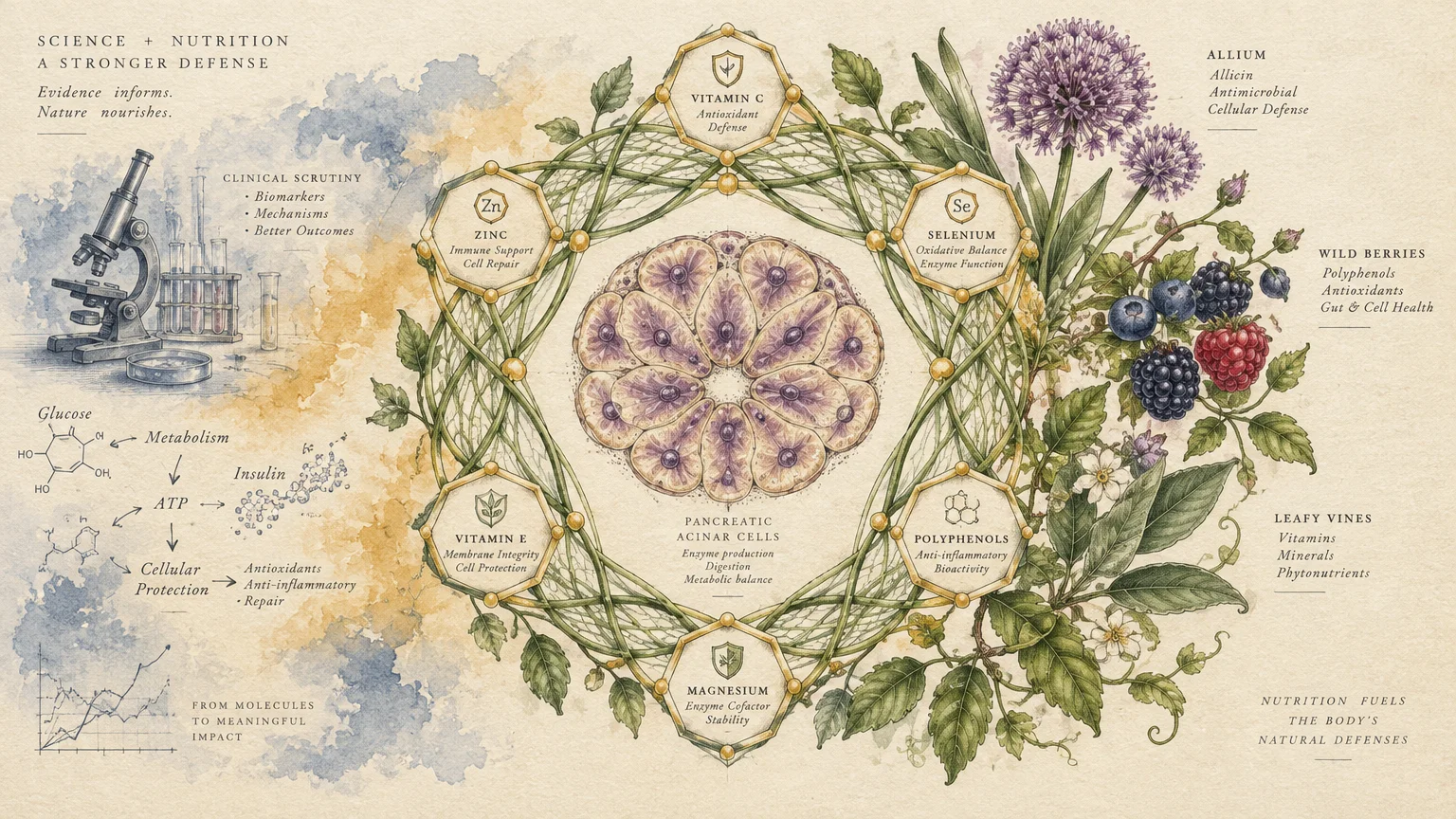
Expert Perspectives and Clinical Insights
Clinical gastroenterologists frequently observe that nutritional consistency forms the bedrock of long-term pancreatic wellness. Patients who transition toward lower-fat, plant-predominant meals experience fewer digestive flare-ups and more stable glycemic metrics.
Registered dietitians stress the concept of enzymatic conservation. When you select foods that digest easily and carry modest fat loads, your pancreas expends less metabolic capital generating digestive secretions.
Consider the lived experience of community members managing chronic digestive sensitivity. Many discover that shifting from three heavy meals to five smaller, nutrient-dense portions substantially eliminates post-meal discomfort and fatigue.
Adopting this therapeutic rhythm allows your digestive tract to operate within its natural physiological bandwidth. Your body thrives when you replace burdensome processed meals with nutrient-dense, real-food staples.

Practical Considerations, Safety, and Personalization
While these seven foods offer profound benefits for general health, individual tolerance varies depending on your medical background. Adopting a structured pancreatitis diet helps relieve gastrointestinal distress and prevents future complications if you manage clinical sensitivity.
If your physician has diagnosed you with exocrine pancreatic insufficiency, you may require prescription pancreatic enzyme replacement therapy alongside your meals. Whole foods nourish your cells, but they cannot replace essential medical therapies.
Individuals prone to gastrointestinal distress should introduce high-fiber cruciferous vegetables gradually. Cooking your vegetables thoroughly breaks down tough fibrous bonds, making their vital nutrients far easier to assimilate without bloating.
People with a history of calcium oxalate kidney stones should monitor their intake of high-oxalate greens like spinach. Swapping in lower-oxalate alternatives such as kale, bok choy, or Swiss chard provides equal pancreatic benefits safely.
Always listen to your body’s individual cues as you expand your grocery cart. Consult your primary healthcare provider or a registered dietitian before making sweeping dietary adjustments if you manage chronic medical conditions.
Frequently Asked Questions About Pancreatic Nutrition
Can dietary changes reverse chronic pancreatic damage?
Structural scarring from chronic pancreatitis cannot be completely reversed through food alone. However, an anti-inflammatory, low-fat dietary pattern stops ongoing cellular insults, manages painful symptoms, and preserves your remaining healthy tissue.
Consistently feeding your body protective foods minimizes metabolic stress on surviving acinar and beta cells. This therapeutic approach significantly improves digestive comfort and protects long-term metabolic health.
How much dietary fat is safe for pancreatic wellness?
Healthy individuals do not need to eliminate dietary fats, but prioritizing monounsaturated and polyunsaturated fats is essential. Aim for moderate portions of avocado, olive oil, and nuts spread across the day.
If you are recovering from a pancreatic condition, clinical guidelines often recommend capping total fat intake between thirty and fifty grams daily. Always tailor your specific fat ceiling to your personal clinical tolerance.
Do digestive enzyme supplements replace healthy food choices?
Over-the-counter enzyme supplements cannot substitute for a balanced, nutrient-dense diet. While they assist with food breakdown, they do not provide the essential vitamins, minerals, and polyphenols required to protect glandular tissue.
Furthermore, individuals with clinical enzyme deficiencies require medical-grade prescription enzymes calibrated by a gastroenterologist. Focus on wholesome, anti-inflammatory nutrition as the true foundation of your digestive strategy.
What beverages best support healthy pancreatic function?
Pure water remains the premier beverage choice because it preserves pancreatic secretion fluidity and prevents cellular dehydration. Unsweetened herbal teas, such as chamomile and ginger, offer soothing hydration alongside gentle antioxidant support.
Avoid excessive alcohol intake and high-sugar sodas entirely. Alcohol places direct toxic stress on pancreatic cells, while concentrated liquid sugars force intense, rapid insulin spikes from your islet cells.
Your Next Steps for Pancreatic Health
You do not need to overhaul your entire lifestyle overnight to make a meaningful difference for your digestive wellness. Small, deliberate nutritional upgrades accumulate into profound physiological protection over time.
Choose one pancreas-friendly staple from this list to add to your grocery basket within the next twenty-four hours. Your pancreas works tirelessly for you every single day; return the favor by fueling it with protective, nourishing foods.