
You can build a flavorful, nutrient-dense dinner in ten minutes without thawing frozen meat or ordering expensive takeout. Shelf-stable canned fish delivers premium lean protein and vital marine fats straight from your pantry.
These budget-friendly staples eliminate tedious kitchen prep while providing outstanding culinary versatility for hectic weeknights. You will enjoy rich textures and bold Mediterranean flavors with virtually no cleanup.
Keeping a variety of tinned seafood on hand ensures you always have a wholesome dinner ready when fatigue sets in. Here is how you can transform simple tins into satisfying, science-backed evening meals.
The Nutritional Science of Tinned Seafood
Federal nutrition targets recently experienced a major scientific update to reflect evolving metabolic research. The 2025–2030 Dietary Guidelines for Americans officially increased recommended seafood intake to a minimum of three servings per week.
The guidelines explicitly confirm that canned and pouched fish count toward these weekly benchmarks. You receive the exact same foundational nutrients from tinned fish that you would get from expensive fresh fillets.
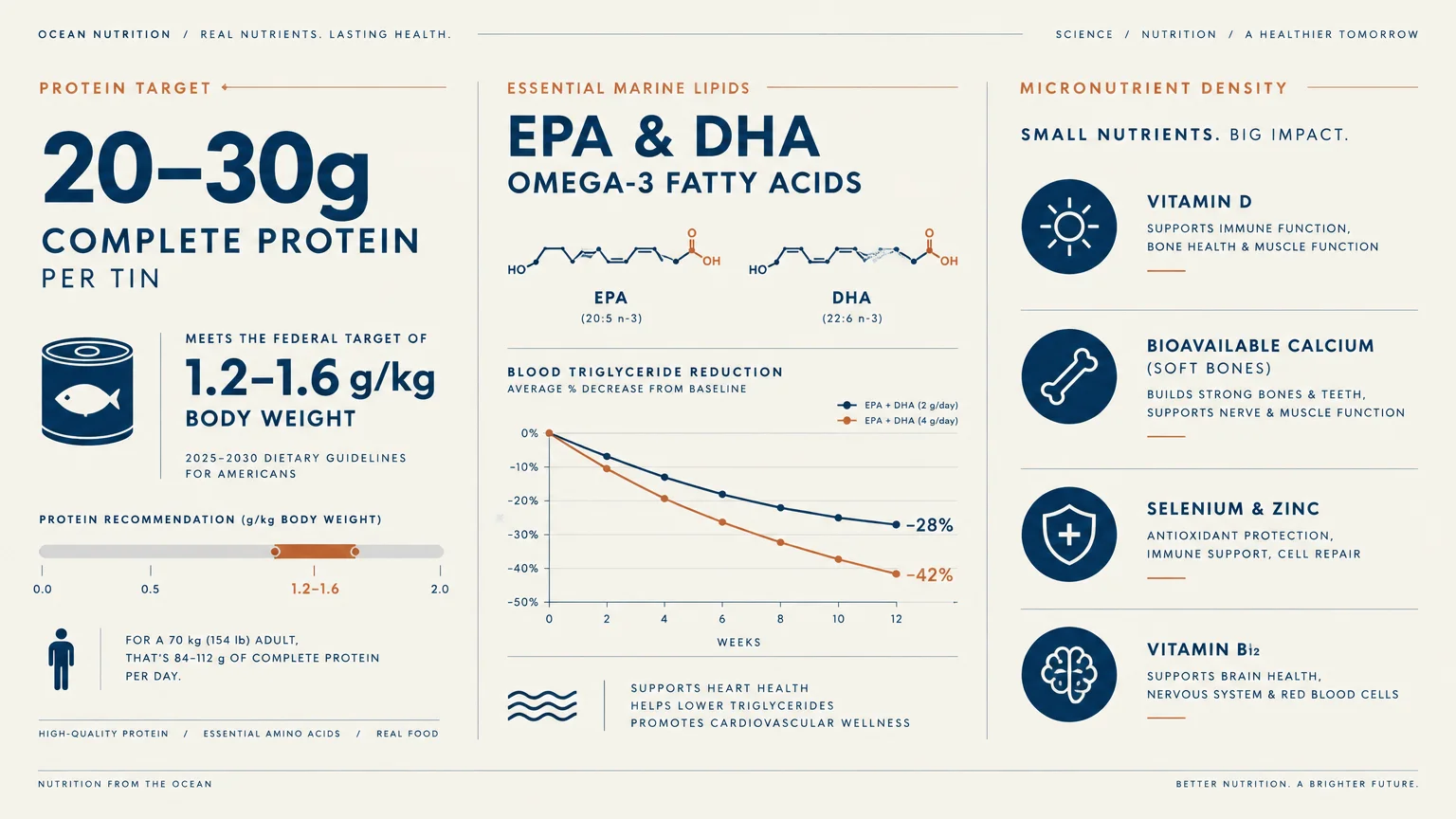
The updated dietary guidelines also raised daily protein targets to 1.2 to 1.6 grams of protein per kilogram of body weight. Reaching this elevated threshold helps maintain lean skeletal muscle mass and optimizes daily metabolic health.
Canned seafood serves as a convenient tool to meet these rigorous daily protein requirements. A single tin can supply between twenty and thirty grams of complete, high-quality dietary protein.
Beyond protein, cold-water marine fish provide high concentrations of eicosapentaenoic acid and docosahexaenoic acid. These essential omega-3 fatty acids integrate directly into your cellular membranes to support long-term physiological resilience.
Scientific data from the National Institutes of Health demonstrates that marine omega-3 fatty acids actively lower circulating blood triglycerides. These beneficial fats also promote vascular flexibility and modulate systemic inflammatory pathways.
Canned fish also provides essential micronutrients that are often difficult to obtain from land-based food sources. You will absorb meaningful quantities of natural vitamin D, bioavailable selenium, zinc, and vitamin B12.
Selecting bone-in options like tinned sardines or pink salmon delivers a remarkable dose of structural minerals. The soft, pressure-cooked bones break down effortlessly and supply bioavailable calcium to fortify skeletal bone density.
Understanding Mercury Guidelines and Smart Seafood Choices
Knowing how to select the right species allows you to enjoy tinned fish with complete confidence. The official FDA and EPA fish advice categorizes seafood species into distinct safety tiers.
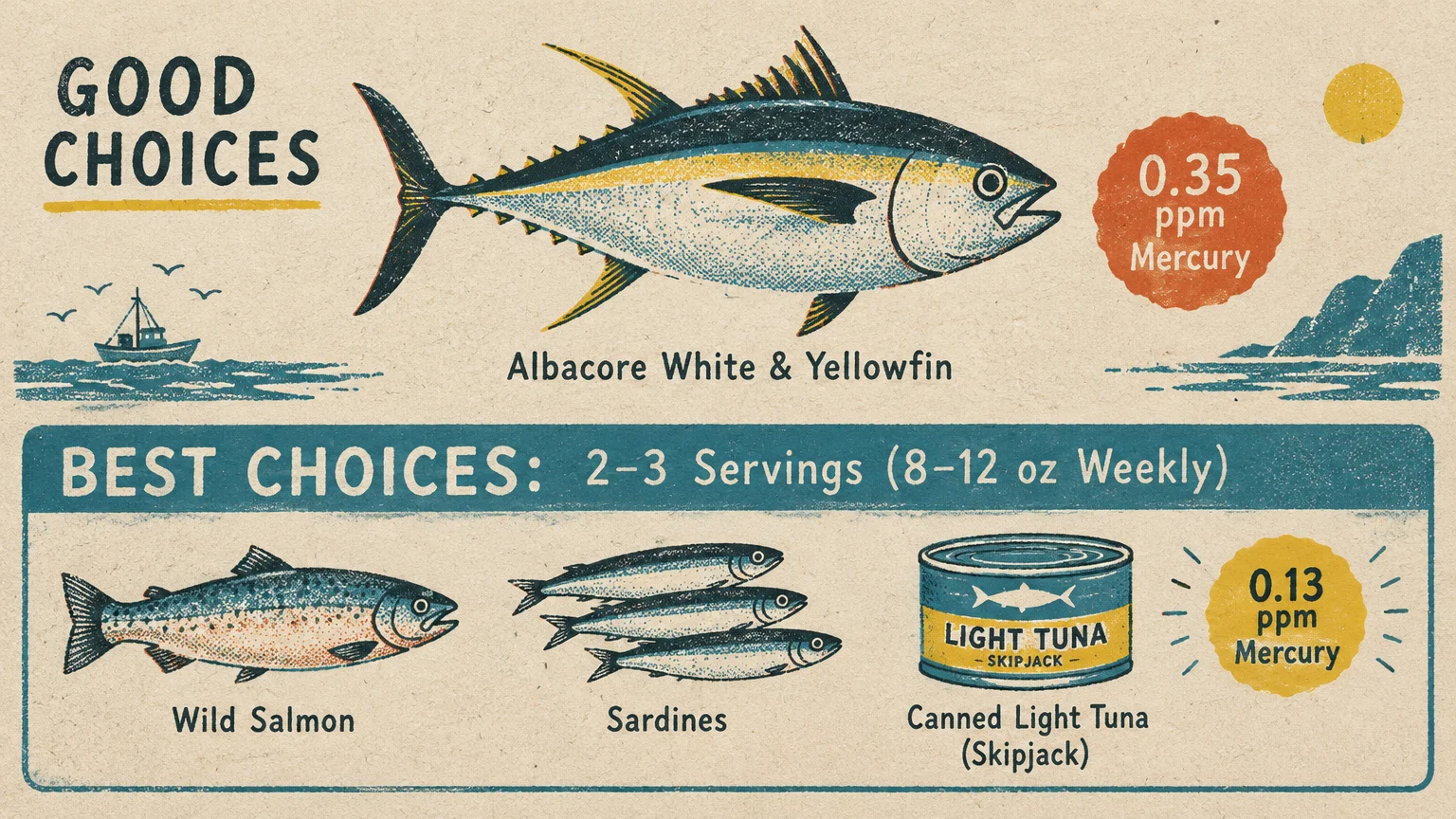
Under federal advice, Best Choices include wild salmon, sardines, and canned light tuna. Healthy adults can comfortably consume two to three servings, or 8 to 12 ounces, of these species every week.
Canned light tuna consists primarily of smaller skipjack tuna, which averages a low mercury concentration of 0.13 parts per million. Smaller fish accumulate far fewer environmental contaminants over their shorter life cycles.
Sardines and wild salmon occupy low positions on the aquatic food chain, resulting in exceptionally clean nutritional profiles. These species allow you to maximize your long-chain omega-3 intake while minimizing exposure to heavy metals.
Canned albacore white tuna and yellowfin tuna are classified under the Good Choices category. These larger apex predators average 0.35 parts per million of mercury due to their greater size and longer lifespan.
Federal guidelines recommend limiting albacore and yellowfin tuna consumption to one serving of 4 to 6 ounces per week. This strategic approach ensures you harvest marine nutrients while maintaining conservative safety margins.
Federal recommendations also emphasize establishing healthy dietary patterns early in life. The dietary guidelines recommend introducing nutrient-dense seafood to infants starting at 6 months of age to support neurological development.
Mashing mild canned salmon or light tuna into soft purees offers infants essential fatty acids that support brain architecture. Introducing diverse flavors early also expands a child’s culinary acceptance of nutrient-dense whole foods.
Strategic Pillars for Weeknight Pantry Cooking
Strategic Meal Planning and Inventory
Maintaining a well-curated seafood pantry eliminates the friction that often derails healthy dinner intentions. Store a balanced mix of light tuna for mild dishes and oily fish for robust, hearty meals.
Pair your tins with long-lasting whole carbohydrates like brown rice pouches, farro, and whole-wheat pasta. Having these shelf-stable components ready ensures you can assemble a complete, balanced plate in mere minutes.
Keep versatile canned legumes like chickpeas, black beans, and white beans stored directly alongside your fish. Combining legumes with seafood creates an unbeatable pairing of complex dietary fiber and complete animal protein.
Targeting Nutrient Density
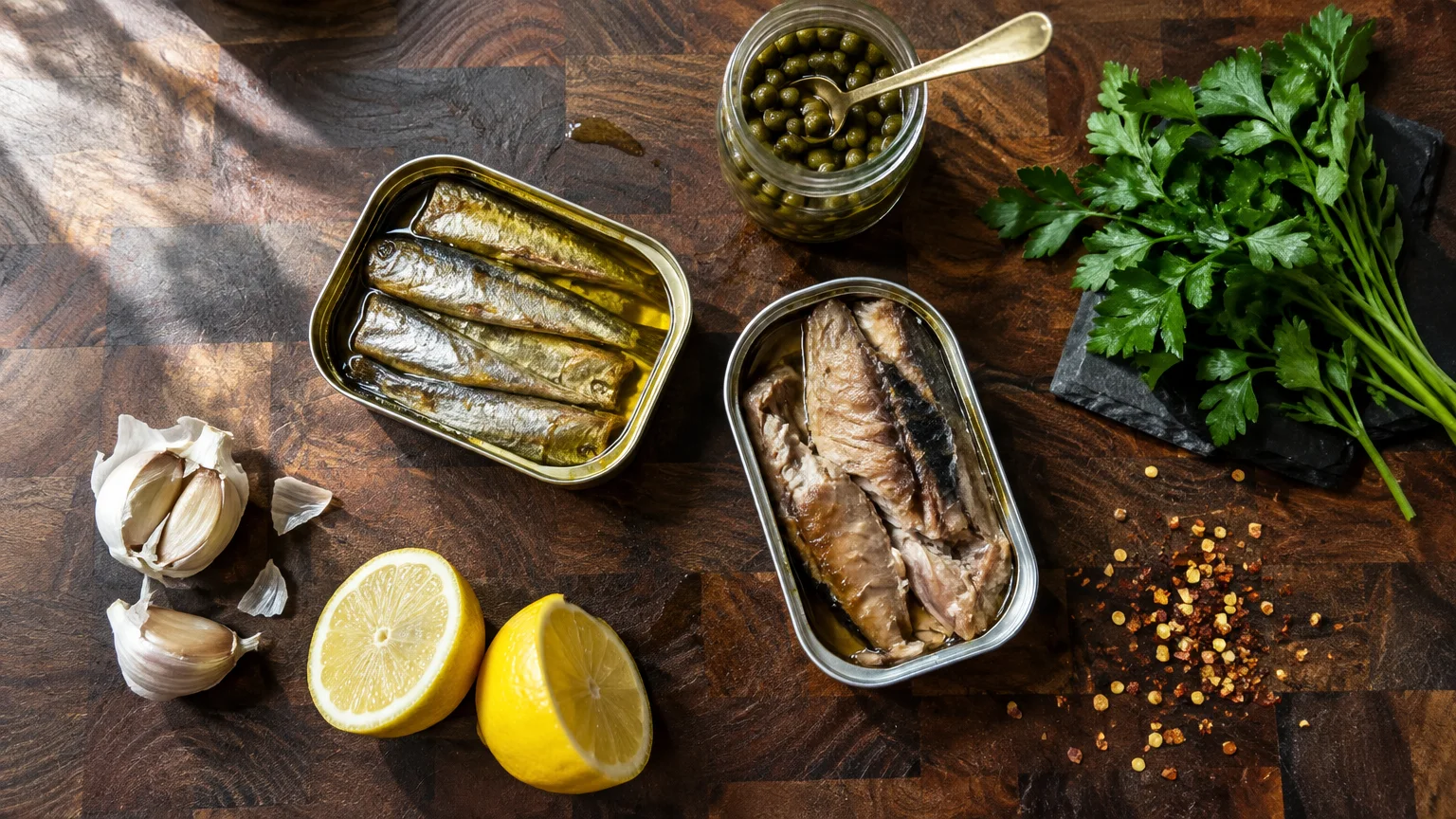
Tinned fish packed in cold-pressed extra virgin olive oil offers wonderful culinary richness and healthy monounsaturated fats. These wholesome culinary oils also improve your body’s absorption of fat-soluble vitamins like vitamins A and D.
Water-packed tins offer maximum flexibility when you prefer to control your added culinary fats manually. You can drain the water and toss the fish with cold-pressed avocado oil, tahini, or homemade dressings.
Prioritize whole, bone-in fish whenever your recipe permits flaking or mashing. The softened bones crush easily with a fork and dramatically increase your daily intake of bioavailable calcium and phosphorus.
Cultivating Effortless Kitchen Habits
Designate specific weeknights as dedicated pantry dinner evenings to streamline your grocery shopping and meal preparation. Removing choice overload helps you form consistent, health-promoting cooking habits that endure over time.
Build a specialized flavor arsenal containing acidic staples like fresh lemons, capers, red wine vinegar, and Dijon mustard. Acid provides an essential culinary counterpoint that cuts through rich marine oils and brightens every bite.
Stock aromatic herbs and pungent spices like smoked paprika, crushed chili flakes, dried oregano, and fresh garlic. Bold seasonings effortlessly elevate humble canned seafood into restaurant-quality weeknight creations.
10 Quick Dinners Using Canned Fish
1. Mediterranean Sardine Pasta Puttanesca
This classic Italian pasta dish relies entirely on pantry staples to produce an intensely savory, aromatic dinner. Sardines melt directly into warm simmering tomatoes, creating a luxurious sauce rich in marine omega-3 fatty acids.
Boil whole-wheat spaghetti until al dente while warming olive oil in a wide skillet over medium heat. Sauté minced garlic, capers, and pitted kalamata olives for two minutes until aromatic.
Add canned crushed tomatoes and a drained tin of sardines, flaking the fish gently into the sauce. Simmer for five minutes, then toss the cooked pasta directly into the skillet with fresh parsley and black pepper.
If you follow a lower-carbohydrate lifestyle, toss this rich puttanesca sauce with roasted spaghetti squash or tender zucchini ribbons. You will retain all the satisfying Mediterranean flavors while reducing overall starch intake.
2. Crispy Pan-Seared Salmon Patties
Pan-seared salmon patties offer a delightful contrast between a crisp golden crust and a tender, flaky center. Wild-caught canned salmon provides abundant protein alongside astaxanthin, a potent marine carotenoid that supports cellular integrity.
Drain one can of wild pink salmon and transfer the fish into a medium mixing bowl. Flake the salmon thoroughly with a fork, mashing any soft bones to seamlessly integrate their bioavailable calcium.
Combine the fish with one beaten egg, whole-wheat breadcrumbs, Dijon mustard, and chopped fresh scallions. Shape into compact patties and sear them in olive oil over medium-high heat for four minutes per side until golden brown.
Serve the warm patties over a bed of peppery baby arugula dressed with fresh lemon juice. Gluten-sensitive eaters can substitute almond flour or crushed gluten-free crackers for the traditional wheat breadcrumbs.
3. Tuscan White Bean and Tuna Skillet
This rustic Tuscan skillet combines tender canned light tuna with creamy cannellini beans for a fast, comforting dinner. Light tuna delivers lean skipjack protein while white beans supply soluble fiber that nurtures metabolic wellness.
Warm extra virgin olive oil in a skillet and cook thinly sliced garlic until aromatic and lightly golden. Stir in one can of rinsed white beans and two large handfuls of fresh baby spinach.
Once the spinach wilts, gently fold in one drained can of light tuna and fresh lemon juice. Season with sea salt, dried rosemary, and crushed red pepper flakes before warming over low heat for three minutes.
You can easily substitute chickpeas, great northern beans, or butter beans based on what rests in your pantry. A final drizzle of cold-pressed olive oil over the finished bowl adds luxurious aroma and mouthfeel.
4. Spicy Sardine and Avocado Sourdough Toast
Upgrading artisanal toast with buttery avocado and savory sardines creates a fast, nutrient-packed dinner when cooking feels overwhelming. Avocado provides monounsaturated fatty acids that synergize with seafood lipids to prolong satiety and fullness.
Toast two thick slices of whole-grain sourdough or sprouted seeded bread until firm and deeply browned. Mash half a ripe avocado across each slice of warm toast, seasoning lightly with coarse sea salt.
Open a tin of sardines packed in olive oil and arrange the fillets across the mashed avocado. Drizzle the residual tin oil over the toast, finishing with red pepper flakes and fresh lemon zest.
Pair this hearty open-faced meal with a crunchy cucumber salad or fermented kraut for extra digestive enzymes. For a grain-free alternative, layer the avocado and sardines over thick roasted sweet potato rounds.
5. Lemon Dill Salmon Quinoa Grain Bowl
Grain bowls deliver balanced macronutrients with minimal effort, especially when utilizing convenient pre-cooked whole grain pouches. Fluffy quinoa supplies complete plant protein and dietary fiber, pairing beautifully with flaky, omega-3-rich pink salmon.
Warm a pouch of pre-cooked plain quinoa in the microwave for ninety seconds and transfer it into your bowl. Top the warm grain base with flaked canned wild salmon, halved cherry tomatoes, and diced crisp cucumbers.
Whisk together plain Greek yogurt, fresh lemon juice, chopped dill, and minced garlic in a small dish. Drizzle this creamy probiotic dressing over the fish and grains to tie the vibrant ingredients together.
This bowl functions equally well warm or chilled, making any leftover portions an ideal lunch for tomorrow. You can swap quinoa for brown rice, farro, or riced cauliflower depending on your personal dietary preferences.
6. Savory Kimchi and Tuna Fried Rice
Fermented kimchi introduces lively acidity, gut-nourishing probiotics, and bold umami spice that balances the rich savory depth of tuna. Utilizing leftover refrigerated rice produces perfectly separated grains that crisp up beautifully in a hot skillet.
Heat toasted sesame oil in a wide nonstick skillet over medium-high heat, sautéing chopped kimchi and scallions until fragrant. Push the kimchi aside, scramble one egg in the clearing, and incorporate it into the vegetables.
Add cooked brown rice and one drained can of light tuna, breaking the fish into bite-sized flakes. Drizzle with low-sodium tamari or soy sauce, tossing continuously over high heat for two minutes until heated through.
Top the finished fried rice with toasted sesame seeds and sliced green onions right before serving. Swap traditional rice for riced cauliflower to craft a satisfying dinner with fewer total carbohydrates.
7. Sardine, Escarole, and White Bean Broth Stew
Warm broths gently rehydrate pantry ingredients, producing a deeply comforting peasant-style Italian stew in under fifteen minutes. Leafy escarole softens into tender greens that deliver folate, vitamin K, and valuable prebiotic fiber.
Warm olive oil in a saucepan, cooking minced garlic and red pepper flakes until fragrant before adding three cups of vegetable broth. Bring the liquid to a simmer, stirring in chopped escarole and one can of rinsed white beans.
Gently slip whole sardines into the bubbling broth during the final two minutes of cooking to heat through. Stir carefully to keep the tender fish intact while infusing the broth with rich marine flavors.
Finish each bowl with a squeeze of lemon juice, freshly ground pepper, and grated Parmigiano-Reggiano cheese. If escarole is unavailable, sturdy greens like curly kale, baby spinach, or Swiss chard perform admirably.
8. Classic Provençal Niçoise Dinner Salad
A composed Niçoise salad brings French culinary sophistication to your weeknight table using dependable refrigerator and pantry staples. Albacore tuna provides firm, steak-like texture that anchors the fresh vegetables with clean, muscle-building protein.
Layer crisp bibb lettuce leaves across a wide dinner platter to form an inviting green foundation. Arrange flaked albacore tuna, steamed baby potatoes, blanched green beans, halved hard-boiled eggs, and ripe cherry tomatoes in neat sections.
Whisk extra virgin olive oil, red wine vinegar, Dijon mustard, and minced shallots together in a small jar. Drizzle the sharp vinaigrette over the composed ingredients right before dining to preserve vegetable crispness.
This composed dinner requires zero cooking if you purchase pre-boiled eggs and canned steamed potatoes. It delivers a visually stunning, restaurant-quality meal that satisfies your appetite without causing post-dinner sluggishness.
9. Greek Yogurt Tuna Salad Stuffed Pitas
Traditional tuna salad often relies heavily on processed mayonnaise, but plain Greek yogurt provides luxurious creaminess with added nutritional perks. Strained yogurt supplies bioavailable calcium and gut-supporting cultures while significantly elevating the overall protein content.
Drain two cans of light tuna thoroughly and flake the meat into a medium mixing bowl. Mix in plain Greek yogurt, diced celery, minced red onion, fresh dill, Dijon mustard, and fresh lemon juice.
Warm whole-wheat pita pockets lightly, slice them open, and line the interiors with crisp romaine lettuce leaves. Spoon the chilled tuna mixture generously inside each pita until filled to the brim.
The whole-wheat pita delivers complex carbohydrates and dietary fiber that support balanced glucose absorption. Low-carbohydrate eaters can spoon this tangy filling inside crunchy bell pepper halves or crisp butter lettuce boats.
10. Spanish Sardine and Tomato Tapas Skillet
Drawing inspiration from Spanish tapas bars, this simple skillet dish highlights the natural affinity between oily sardines and sweet tomatoes. Simmered tomatoes release concentrated lycopene, a powerful dietary antioxidant that supports vascular and prostate health.
Heat olive oil in a wide skillet, adding thinly sliced garlic and sweet smoked paprika until aromatic. Pour in one can of crushed San Marzano tomatoes, simmering uncovered for seven minutes until thick and bubbling.
Nestle whole sardines directly into the warm sauce, spooning tomato puree over the fish to coat them completely. Cook for three minutes until the fish warms through, then sprinkle with chopped fresh flat-leaf parsley.
Serve this rustic dish directly from the skillet alongside warm sourdough bread for dipping into the rich sauce. For a lower-starch accompaniment, spoon the savory fish and tomato sauce over steamed cauliflower florets.

Perspectives From Dietitians and Everyday Cooks
Nutrition practitioners consistently highlight canned fish as an underutilized powerhouse in modern dietary counseling. Registered dietitians observe that many people avoid seafood purely because they feel intimidated by handling raw fresh fish.
Tinned seafood removes culinary anxiety by providing fully cooked, perfectly portioned fish that never spoils unexpectedly. You can practice new flavor combinations without the financial risk of ruining an expensive fresh seafood fillet.
Clinical nutritionists also appreciate the stable nutrient profile preserved during modern commercial canning methods. High-temperature steam cooking seals in essential marine lipids and trace minerals without requiring chemical additives or artificial preservatives.
Everyday home cooks praise canned fish for saving their family budgets amid rising fresh grocery costs. Keeping tinned salmon and sardines in the pantry ensures wholesome meals remain accessible during busy workweeks.
Working parents frequently note that keeping canned fish at home prevents impulsive fast-food drive-through runs. Having reliable protein ready in minutes allows families to sit down together for nutritious dinners despite hectic schedules.
Culinary experts also emphasize the gourmet resurgence surrounding tinned seafood across international gastronomic scenes. Treating canned seafood as an artisan pantry asset reframes weeknight cooking into an exciting, flavorful culinary exploration.
Quality Selection, Storage, and Dietary Safety
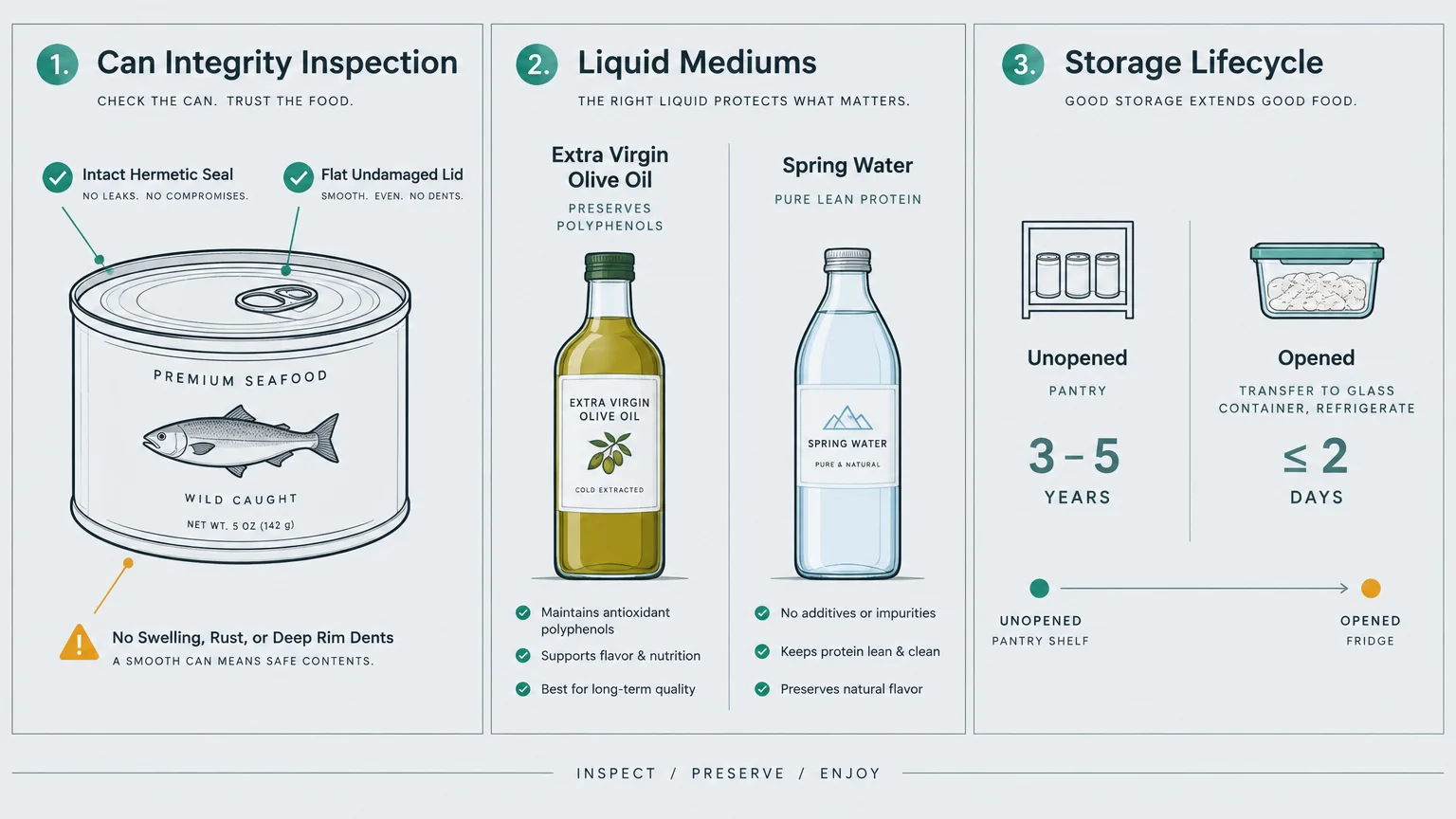
Selecting top-tier canned seafood requires careful label inspection to ensure you match your personal wellness priorities. Examine the sodium levels on the nutrition facts panel, especially if you monitor cardiovascular or blood pressure markers.
Many brands offer no-salt-added versions that contain solely the natural trace minerals found naturally within the ocean. Choosing low-sodium tins gives you complete culinary control over seasoning your dishes at home.
Look for tins labeled as BPA-free to minimize exposure to synthetic bisphenol compounds in food packaging linings. Leading tinned fish producers now utilize non-toxic protective coatings that safeguard food purity and chemical safety.
Support sustainable marine harvesting by seeking out packaging that features certified sustainable fishing credentials. Certifications from reputable marine councils confirm that fish stocks are harvested responsibly without damaging fragile seafloor ecosystems.
Store unopened tins in a cool, dark kitchen pantry away from direct sunlight or radiant heat sources. Unopened canned fish maintains peak culinary quality and nutritional potency for two to five years on the shelf.
Proper refrigeration is crucial once you break the airtight seal of any commercial seafood tin. Never store open tins directly inside the refrigerator, as exposed metal can rapidly degrade flavor quality.
Transfer uneaten fish immediately into a clean airtight glass or BPA-free plastic container before placing it in the refrigerator. Consume refrigerated leftovers within two days to maintain pristine freshness and microbiological safety.
Individuals with diagnosed finfish allergies must avoid canned fish entirely to prevent dangerous allergic reactions. Always consult your allergist or registered dietitian before introducing unfamiliar seafood varieties into an allergy-sensitive home.
If you take prescription blood-thinning medications, consult your prescribing physician before substantially increasing your dietary fish intake. Concentrated omega-3 fatty acids possess mild natural anticoagulant properties that your doctor may need to monitor.
Public health resources from the Centers for Disease Control and Prevention provide valuable guidance on safe food handling practices. Practicing clean food hygiene ensures your pantry-to-table meals remain safe and nutritious for your family.
Frequently Asked Questions
Does canned fish provide the same nutrients as fresh fish?
Yes, canned fish delivers identical protein, omega-3 fatty acids, and essential trace minerals compared to fresh fillets. The industrial canning process uses thermal cooking that preserves vital nutrients while ensuring complete shelf stability.
In fact, canned sardines and salmon often supply significantly more dietary calcium than fresh fillets. The high-pressure canning process softens the delicate bones until they become fully edible, bioavailable mineral sources.
You can rely on canned seafood as a nutritionally equivalent, cost-effective substitute for fresh fish counter options. Incorporating tinned fish regularly allows you to meet federal seafood recommendations easily without breaking your grocery budget.
How can I reduce the sodium in canned seafood?
You can purchase canned seafood varieties explicitly labeled as no salt added or very low sodium. These tins contain only the baseline sodium naturally present in wild ocean fish, keeping your levels minimal.
If you purchase standard salted fish, rinsing water-packed fish in a fine-mesh colander under cold water removes substantial surface salt. Drain the fish thoroughly and pat it dry with a paper towel before cooking.
Rely on fresh herbs, cracked black pepper, garlic, and citrus juices to enhance flavor without adding table salt. This culinary technique lets you enjoy bold savory tastes while keeping total sodium within recommended health limits.
How do I store leftover canned fish after opening?
Never leave uneaten fish inside its original metal can once exposed to the air. Oxygen reacts with the open metal lining, which can impart an undesirable tinny taste to the delicate seafood.
Always transfer leftover fish into an airtight glass container or food-grade storage bag right after opening. Seal the container tightly to lock in moisture and prevent seafood aromas from migrating into other refrigerator foods.
Store the container in the coldest zone of your refrigerator and consume the leftover fish within two days. If the fish develops an unpleasantly sour odor or off texture, discard it immediately for safety.
Which canned fish is best for beginners sensitive to strong flavors?
Canned light tuna and pink salmon provide the mildest flavors and firmest textures for seafood newcomers. Their subtle taste profiles blend effortlessly into salads, pastas, and patties without overwhelming sensitive palates with fishiness.
Boneless and skinless mackerel fillets packed in mild olive oil represent another superb introductory choice for skeptical eaters. Mackerel possesses a wonderfully tender, flaky consistency that mimics high-end white fish served at seafood restaurants.
Pairing canned fish with bright acidic elements like lemon juice, capers, or mustard also tempers strong marine flavors. Acid balances the natural richness of the fish, creating a harmonious and refreshing culinary experience.
Transform Your Dinner Routine Tonight
Upgrading your nutritional health does not require complicated cooking techniques or endless hours standing over a hot stove. A single humble tin of fish unlocks instant access to clean protein, restorative fats, and vital minerals.
Choose one appealing dinner recipe from this collection and prepare it within the next twenty-four hours. You will nourish your physical body, protect your budget, and discover the effortless brilliance of pantry-powered weeknight dinners.