Expanding your seasonal produce rotation unlocks vibrant culinary variety and floods your body with protective micronutrients. You can easily transform weeknight dinners without relying on sugary pumpkin treats or canned puree.
Surveillance data from the Centers for Disease Control and Prevention reveals that only 10.0% of American adults consume recommended daily vegetable targets.
Learning what is in season during autumn empowers you to bridge this nutritional shortfall. Exploring robust cool-weather crops will diversify your plate, boost daily dietary fiber, and elevate your home cooking.
The Science Behind Seasonal Autumn Produce
The federal Dietary Guidelines for Americans recommends that adults consume between 2 and 3 cup-equivalents of vegetables each day. Yet current surveillance data indicates that over 90% of women and 97% of men fail to meet baseline daily fiber targets.
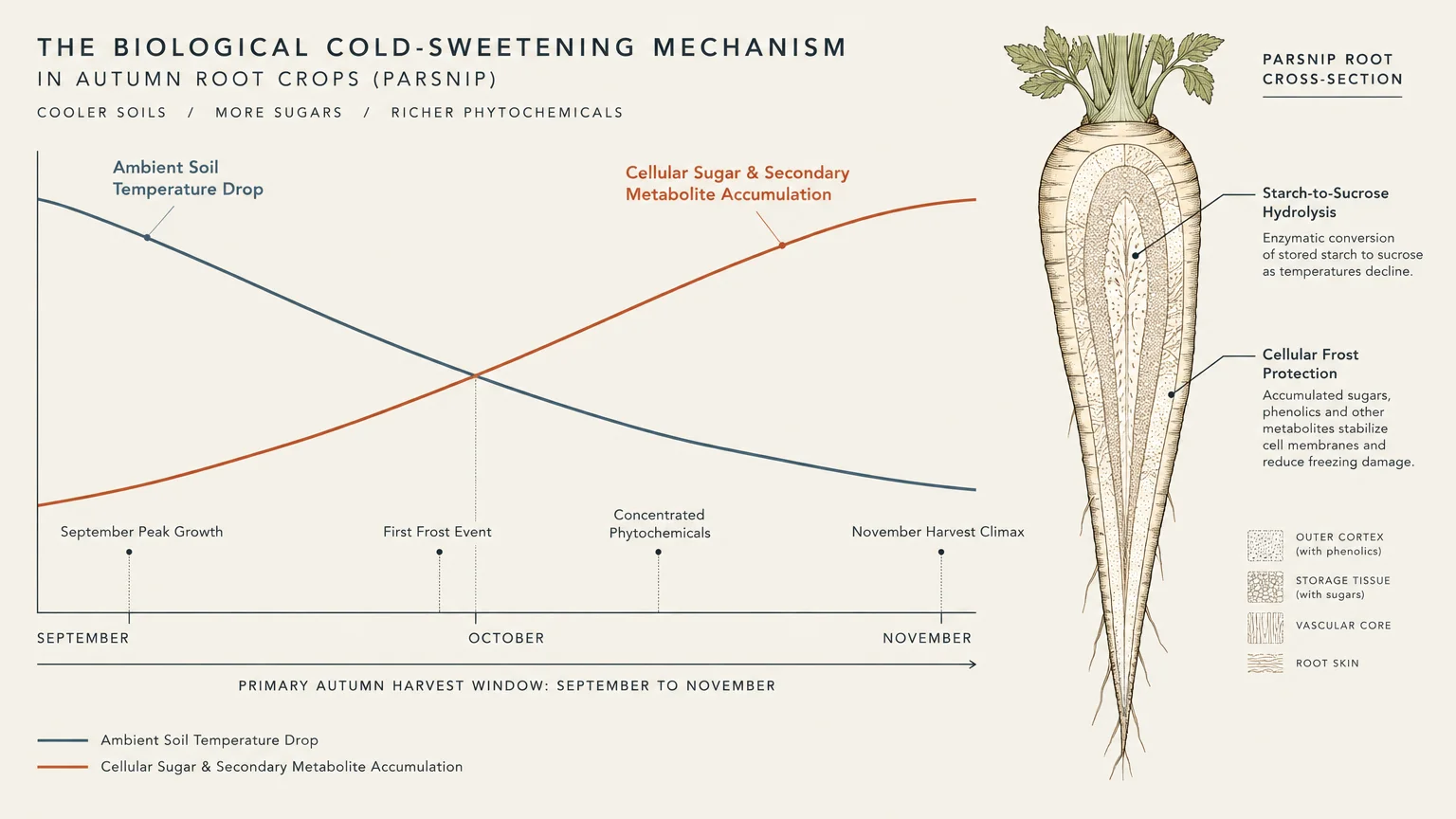
Autumn offers an exceptional window of opportunity to rectify these systemic dietary shortfalls. Shifting environmental temperatures trigger biochemical adaptations in cool-weather crops that enhance both flavor and nutrient profiles.
Cool-weather crops produce higher concentrations of natural sugars as frost approaches to protect their cellular structures. This physiological adaptation softens bitter notes, elevates natural sweetness, and concentrates valuable secondary plant metabolites.
According to the USDA SNAP-Ed seasonal produce guidelines, primary autumn harvests peak between September and November across the United States. Purchasing these seasonal vegetables autumn selections guarantees optimal freshness, robust nutrient retention, and economical grocery pricing.
Strategic Pillars for Fall Vegetable Cooking
Transitioning into autumnal cooking requires deliberate kitchen strategies rather than occasional impulse shopping. You can build sustainable healthy habits by mastering three fundamental culinary principles.
1. Proactive Meal Planning and Batch Preparation
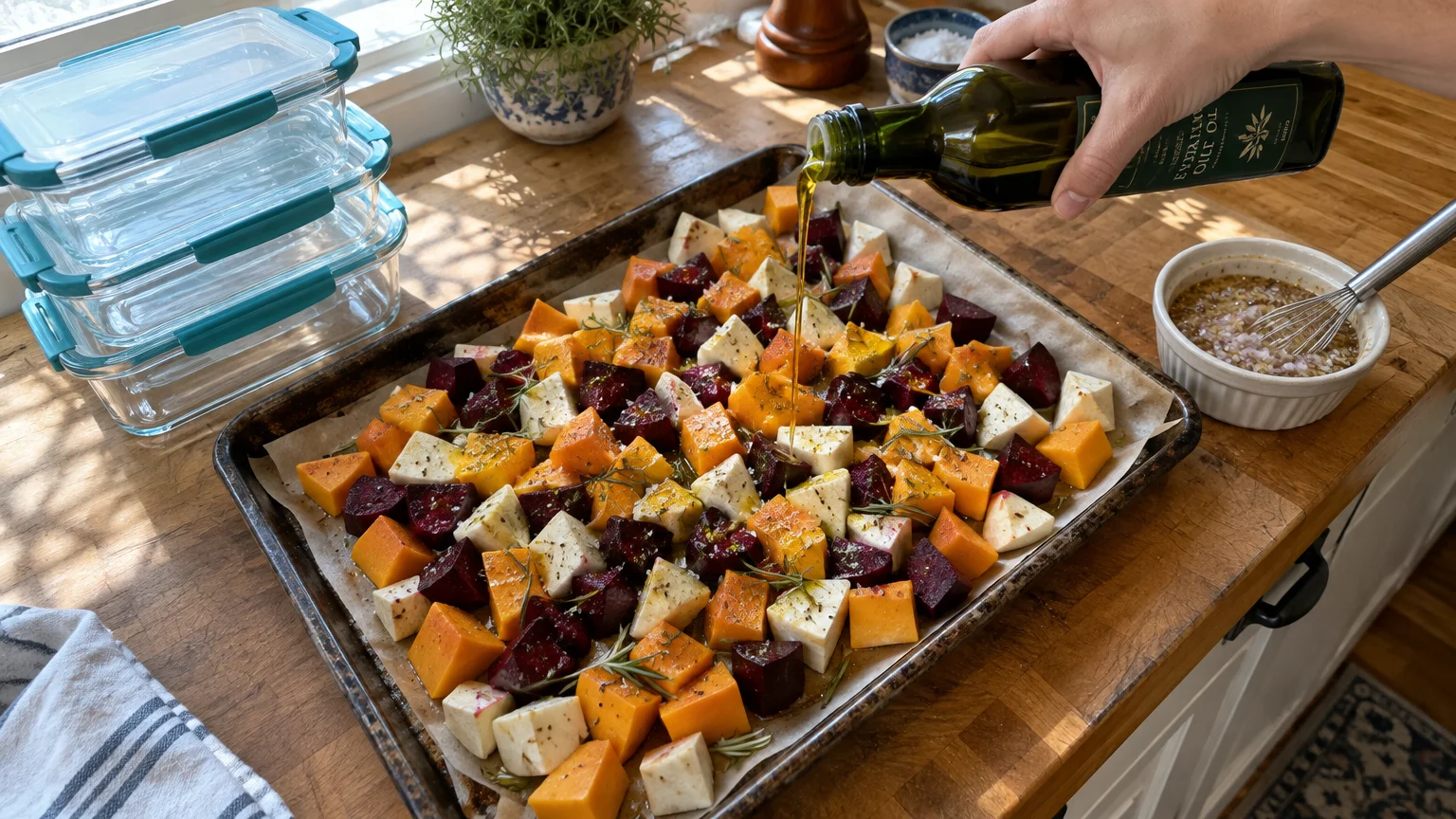
Dense autumn crops possess resilient cellular walls that tolerate extended storage far better than tender summer produce. You can roast large sheet pans of cubed tubers on Sunday afternoons without risking soggy textures later in the week.
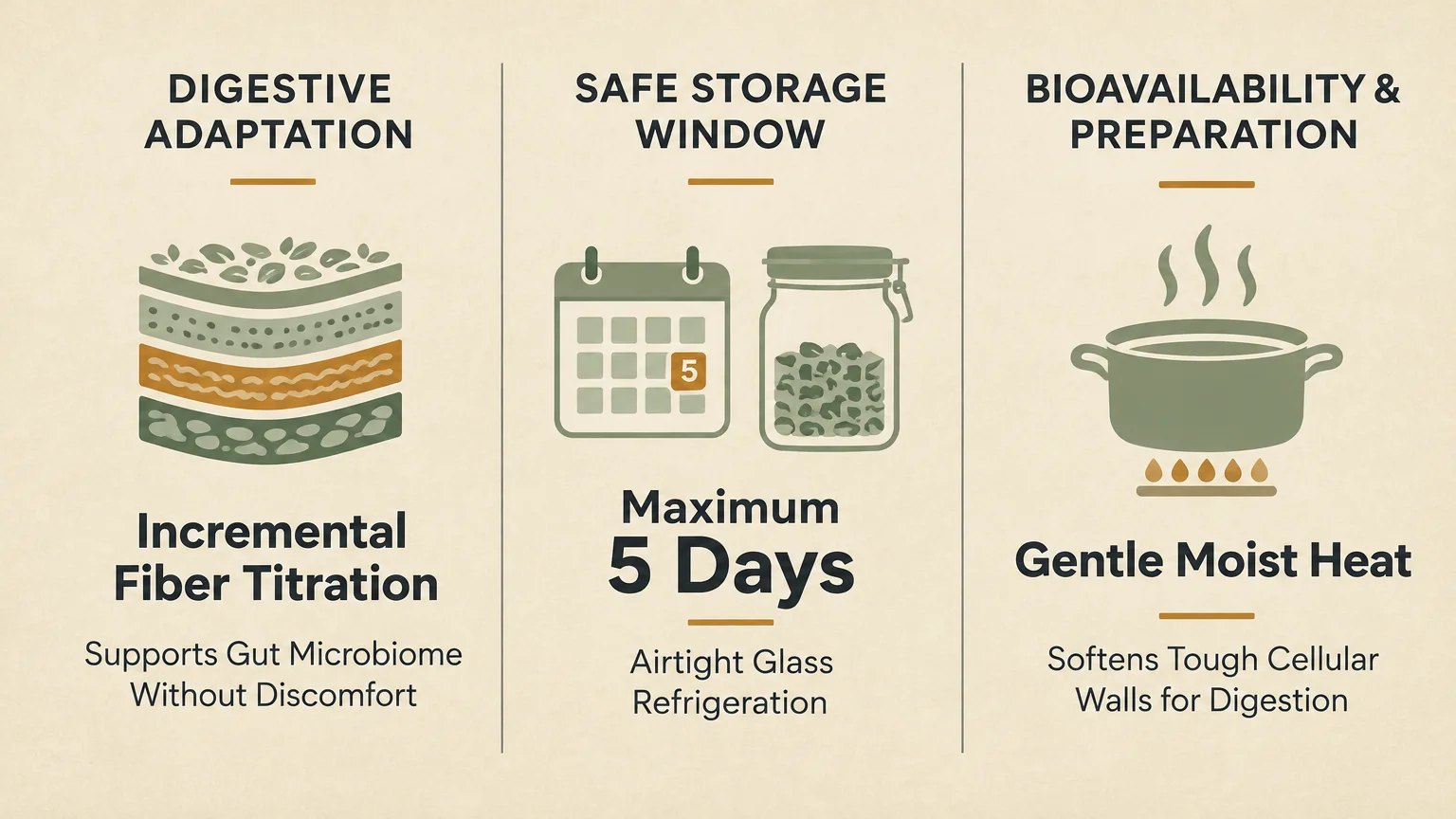
Store these roasted portions in airtight glass containers inside your refrigerator for up to five full days. Reheat them rapidly in a hot skillet or drop them directly into simmering grain bowls throughout busy workdays.
2. Targeted Micronutrient Focus
Fall vegetables offer dense clusters of fat-soluble vitamins, including substantial concentrations of provitamin A and phylloquinone. Pairing these vegetables with wholesome culinary fats accelerates your intestinal uptake of vital fat-soluble antioxidants.
Toss your chopped vegetables with extra virgin olive oil, avocado oil, or toasted walnut oil before roasting. Adding these dietary lipids guarantees optimal nutrient bioaccessibility while promoting deeply satisfying mouthfeel and caramelization.
3. Habit Formation Through Flavor Pairing
Many home cooks abandon autumn roots because they find their earthy notes uninviting or overly rustic. Overcoming this barrier requires you to balance intense earthiness with bright acids, fresh herbs, and pungent aromatics.
Whisk together apple cider vinegar, Dijon mustard, and minced shallots to create an invigorating finishing vinaigrette. Drizzling acidity over dense roasted roots cuts through natural sweetness and converts reluctant eaters into enthusiastic vegetable fans.
10 Nutrient-Dense Fall Vegetables to Cook Now
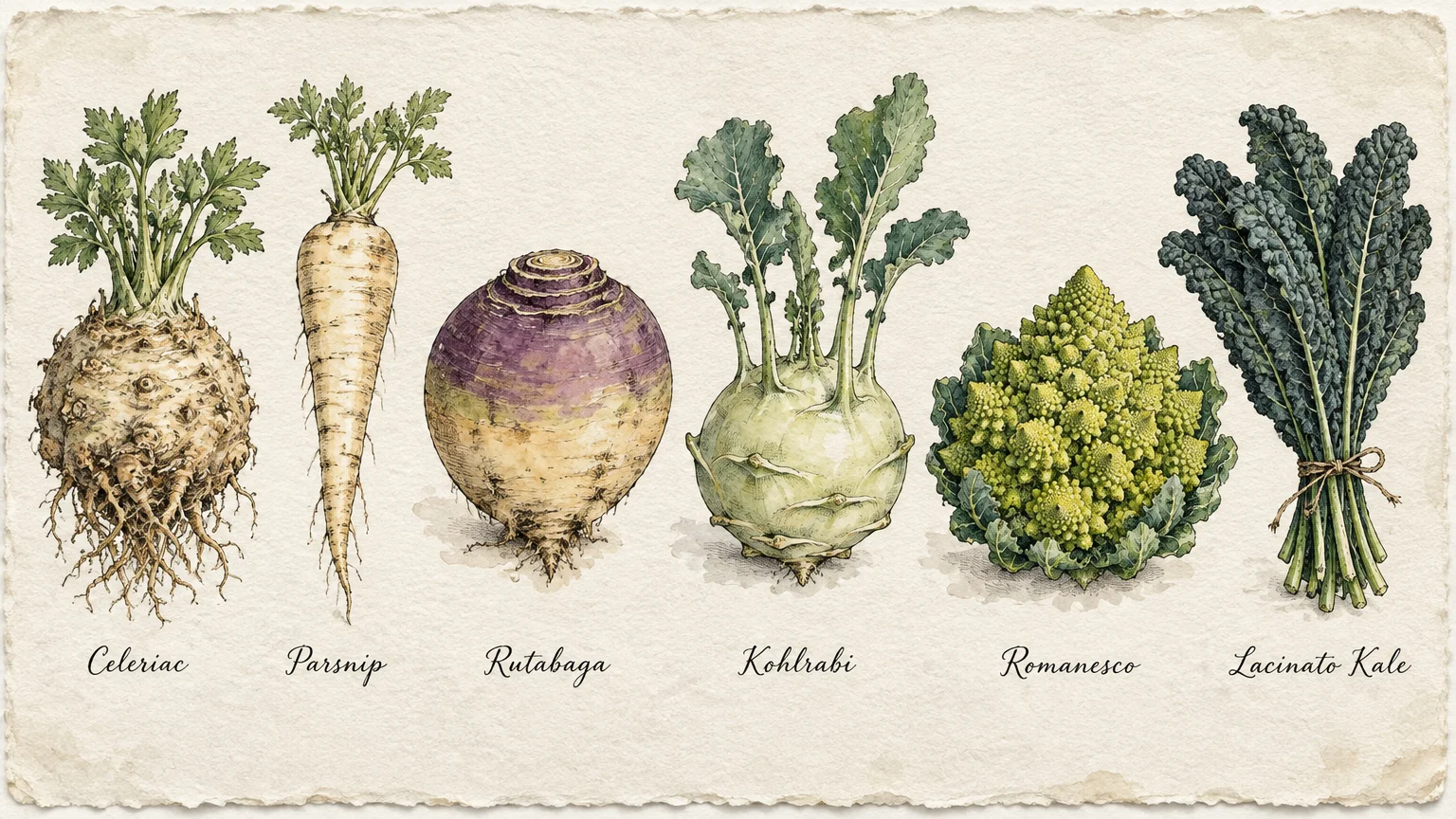
While pumpkin captures the cultural spotlight every autumn, grocery store aisles feature numerous superior culinary alternatives. These ten powerhouses offer diverse textures, remarkable nutrient densities, and exceptional kitchen versatility.
1. Butternut Squash
Butternut squash delivers a silky texture that outperforms pumpkin in savory soups, gratins, and autumn vegetable stews. Its dense, sweet flesh caramelizes rapidly when you roast it at high heat with extra virgin olive oil.
According to USDA FoodData Central, one cup of cooked butternut squash provides 1,144 micrograms of provitamin A carotenoids. This single serving delivers 127% of your daily value, which supports mucosal immunity and optimal cellular vision.
2. Brussels Sprouts
Modern Brussels sprouts offer incredible sweetness when sliced thin and exposed to aggressive dry heat rather than boiled. Charring halved sprouts in a smoking-hot cast-iron skillet eliminates bitterness and creates delightfully crispy outer leaves.
One cup of cooked Brussels sprouts provides over 100% of your daily value for vitamin K. That same portion supplies 80% to 100% of your daily vitamin C alongside protective glucosinolates that support cellular detoxification pathways.
3. Parsnips
Parsnips resemble pale carrots but carry an enticing spicy-sweet aroma with subtle herbal undertones. Their starch profile converts into sweet, nutty goodness once cold weather frosts kiss the autumn soil.
One cup of boiled parsnips contains 6.2 grams of dietary fiber, supplying roughly 22% of your recommended daily value. Simmer parsnips with garlic and blend them into a velvety alternative to mashed potatoes for your fall vegetable recipes.
4. Sweet Potatoes
Sweet potatoes provide an accessible carbohydrate foundation brimming with moisture and rich sweetness during peak autumn harvests. Roast them whole at 400 degrees Fahrenheit, then split and stuff the tender flesh with seasoned black beans and avocado.
A single medium baked sweet potato with skin delivers over 100% to 120% of your daily recommended vitamin A. Their vivid orange and purple pigments supply anthocyanins and beta-carotene that vigorously combat oxidative stress.
5. Beets
Beets offer deep, grounded sweetness alongside vibrant red betalain pigments that protect cells against oxidative damage. Wrap whole beets in parchment, roast until fork-tender, and toss the sliced rounds with goat cheese and balsamic vinegar.
Clinical studies indexed on PubMed demonstrate that beets contain over 250 milligrams of inorganic nitrates per 100 grams. Your body converts these dietary nitrates into nitric oxide, promoting systemic vasodilation and supporting healthy blood pressure.
6. Delicata Squash
Delicata squash stands out because its tender, thin exterior requires absolutely no peeling whatsoever before cooking. Simply slice the cylinder into scalloped half-moons, remove the central seeds, and roast until the ridges turn deeply golden.
Delicata supplies satisfying complex carbohydrates alongside lutein and zeaxanthin, two macular carotenoids that safeguard your retinal health against blue light. Its naturally rich flavor profile requires minimal embellishment beyond olive oil and sea salt.
7. Rutabagas
Rutabagas represent a hardy cruciferous root cross between a turnip and a wild cabbage. Their pale yellow flesh turns buttery gold during cooking, offering a mildly peppery flavor that excels in comforting autumn stews.
Rutabagas serve as an exceptional source of potassium, an essential electrolyte that regulates fluid balance and cardiovascular contractions. They supply generous quantities of vitamin C and fiber with substantially fewer carbohydrates than traditional white potatoes.
8. Turnips
Turnips provide a double culinary harvest because both the crisp white roots and spicy green tops are completely edible. Glaze tender halved roots in low-sodium broth while quickly sautéing the mineral-packed greens with garlic.
Turnip roots offer protective glucosinolates while remaining remarkably low in calories. Meanwhile, the dark leafy greens supply bioavailable calcium, magnesium, and folate to bolster your bone health and red blood cell production.
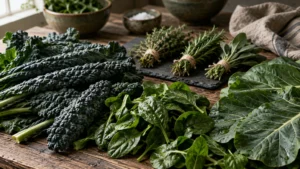
9. Tuscan Kale
Tuscan kale, also called Lacinato or dinosaur kale, reaches exceptional sweetness after autumn’s initial hard frost. Freezing temperatures trigger the plant to produce defensive sugars that soften fibrous cell walls and temper bitter flavors.
This dark leafy green delivers massive concentrations of vitamin K, lutein, and quercetin to support arterial elasticity. Strip the tough center ribs, slice the leaves into ribbons, and massage with lemon and olive oil for autumn slaws.
10. Celeriac
Celeriac hides a fragrant, creamy interior beneath an intimidating, knobby, and bulbous exterior. It delivers the aromatic freshness of celery with the satisfying culinary density of classic root vegetables.
Celeriac provides prebiotic fructooligosaccharides to nourish beneficial gut microbiota, along with apigenin, an anti-inflammatory plant flavonoid. Trim the thick peel, simmer the cubes with Yukon gold potatoes, and mash for an elegant autumn side dish.

Expert Perspectives and Culinary Realities
Registered dietitians emphasize that expanding your produce repertoire should not add unnecessary complexity to your weekly grocery shopping budget. Cool-weather vegetables often cost less per pound than fragile summer produce and maintain freshness for weeks in your refrigerator.
Clinical nutrition experts highlight that whole-plant variety supports a diverse microbiome far better than eating the same vegetables repeatedly. Introducing three new seasonal vegetables autumn staples per month builds robust metabolic flexibility over time.
Culinary educators also recommend adopting a flexible root-to-stem philosophy when preparing root vegetables recipes in your kitchen. Simmering squash trimmings, turnip tops, and celery root peels creates deeply aromatic, mineral-rich homemade vegetable broths at zero extra cost.
Safety Considerations and Individual Nutrition Needs
While autumnal vegetables offer tremendous health advantages, certain medical conditions require thoughtful portion control and clinical personalization. You must tailor your vegetable choices to match your unique metabolic and pharmacological requirements.
Individuals taking anticoagulant medications such as warfarin must monitor their dietary intake of vitamin K with extreme care. Large fluctuations in your consumption of Brussels sprouts or Tuscan kale can alter blood coagulation parameters and diminish medication efficacy.
Beets and beet greens contain considerable concentrations of soluble oxalates, which can contribute to kidney stone formation in susceptible individuals. If you have a clinical history of calcium-oxalate nephrolithiasis, consult a renal dietitian before dramatically increasing beet consumption.
Furthermore, rapidly elevating your daily intake of cruciferous vegetables can trigger temporary gastrointestinal distress, bloating, or excessive gas. Expand your daily fiber intake gradually over several weeks while drinking plenty of water to help your digestive tract adapt smoothly.
Frequently Asked Questions About Cooking Fall Vegetables
Do root vegetables cause unhealthy spikes in blood sugar?
Root vegetables contain complex carbohydrates alongside significant dietary fiber, which slows gastric emptying and prevents erratic blood sugar spikes. Pairing roasted roots with healthy fats and lean proteins blunts glycemic impact and ensures stable, sustained energy throughout your afternoon.
What is the secret to roasting fall vegetables without sogginess?
Preventing soggy roasted vegetables requires you to eliminate moisture and avoid overcrowding your baking sheet. Spread your chopped vegetables across the hot metal surface with visible space between each piece, and roast at 400 to 425 degrees Fahrenheit.
Can you safely eat the skin on all winter squashes?
While the thin skins of delicata, acorn, and honeynut squashes soften and become wonderfully edible, butternut and kabocha skins remain tough. You should peel butternut squash with a vegetable peeler, whereas delicata squash can be sliced and roasted skin-on without peeling.
How should you store fresh fall vegetables to maximize shelf life?
Keep whole root vegetables and unpeeled winter squashes in a cool, dark, and well-ventilated pantry rather than inside the refrigerator. Avoid washing your root vegetables until right before cooking, as excess moisture accelerates mold growth and premature rot during storage.
Take Action Tonight: Your 24-Hour Fall Produce Challenge
You do not need to overhaul your entire dietary routine overnight to reap the rewards of the autumn harvest. Lasting nutritional change blossoms from simple, concrete actions that you can execute in your home kitchen right away.
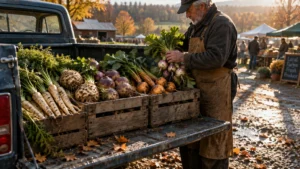
Within the next 24 hours, select one unfamiliar fall vegetable from your local grocery store or weekend farmers market. Roast a tray of cubed parsnips, char some halved Brussels sprouts, or braise tender turnip roots alongside your evening protein.
Notice how the earthy aromas and caramelized sweetness transform your dinner plate into a deeply comforting, nutrient-dense feast. Your body and your culinary palate will thank you for stepping boldly beyond pumpkin this season.