
Whole eggs provide far more than muscle-building protein; they deliver an unmatched reservoir of micronutrients that energize your brain and metabolism. Eating the entire egg supplies your body with nine critical compounds that standard diets routinely miss.
For decades, outdated dietary warnings frightened consumers away from the rich golden yolk. Fortunately, emerging metabolic science shows that skipping the yolk discards the most nutrient-dense portion of the food.
From sharpening cognitive focus to protecting long-term vision, these hidden compounds transform your everyday meals into potent preventive medicine. Let us examine what these powerhouse nutrients do for your health.
A Fresh Scientific Look at Whole Eggs
Nutritional guidelines have evolved dramatically to reflect decades of peer-reviewed human research. You no longer need to fear the cholesterol inside egg yolks as a primary driver of heart disease.
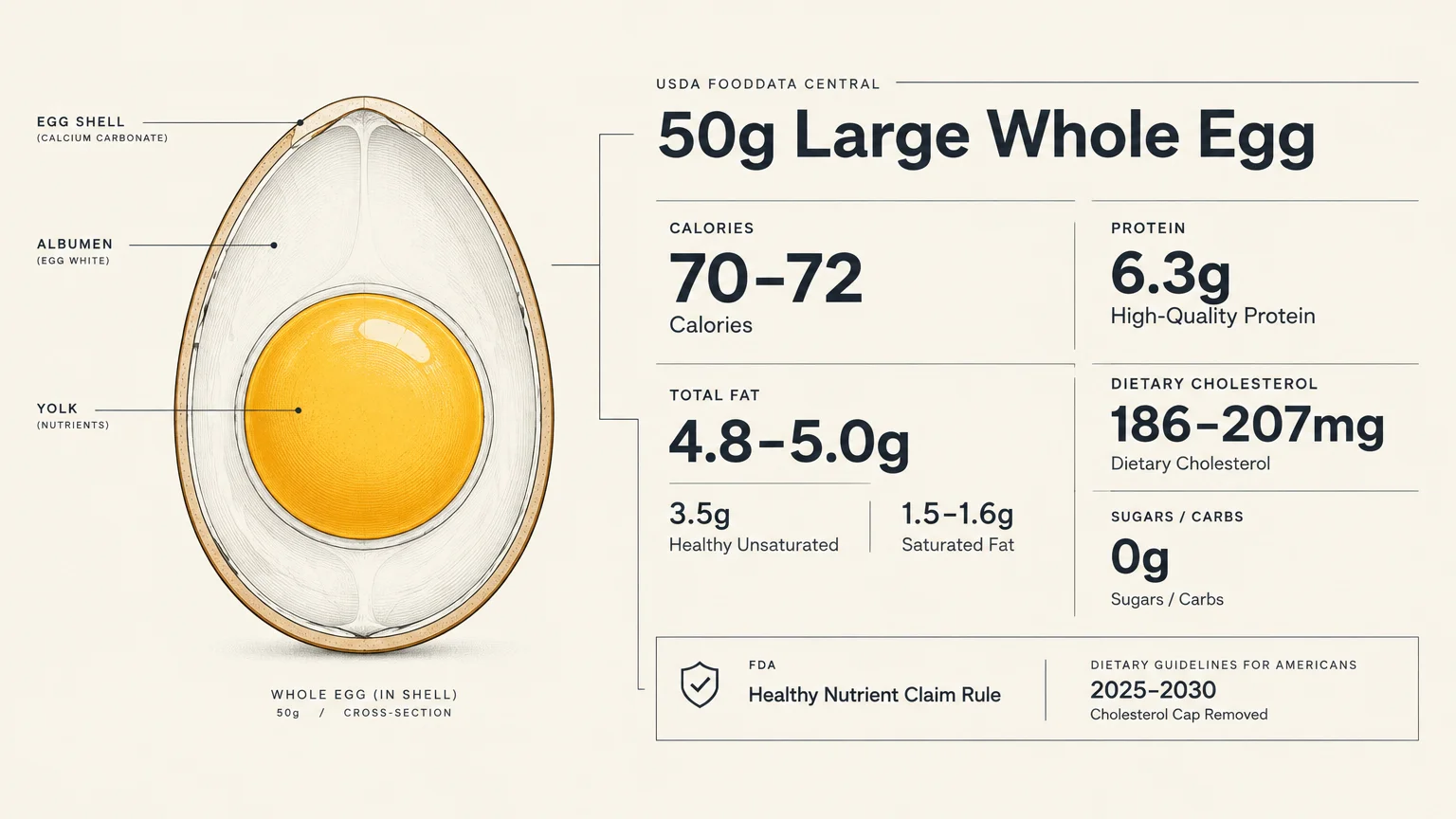
Under the updated regulatory definitions finalized by the Food and Drug Administration, whole shell eggs officially qualify to bear the healthy nutrient content claim on packaging.
This federal rule took effect on April 28, 2025, establishing mandatory manufacturer compliance by February 25, 2028. It represents a monumental shift away from flawed 1990s nutritional frameworks.
In January 2026, the federal government released the Dietary Guidelines for Americans, 2025–2030, reinforcing this modern perspective. The guidelines recognize whole eggs as a foundational, nutrient-dense whole food that delivers superior protein alongside healthy dietary fats.
Crucially, federal health agencies no longer impose the outdated numerical limit of 300 milligrams per day of dietary cholesterol. Instead, the Dietary Guidelines for Americans emphasize balancing overall dietary patterns.
You should still monitor your saturated fat intake to keep it below 10 percent of your total daily calories. Fortunately, whole eggs fit comfortably into this target when prepared without excessive butter or processed meats.
According to analytical data from USDA FoodData Central, one large whole egg weighing 50 grams supplies approximately 70 to 72 calories. That single serving provides 6.3 grams of high-quality protein containing every essential amino acid.
The same egg contains 4.8 to 5 grams of total fat, with roughly 3.5 grams consisting of healthy unsaturated fats. Only 1.5 to 1.6 grams represent saturated fat, alongside zero grams of carbohydrates or sugars.
That yolk also houses 186 to 207 milligrams of dietary cholesterol, which metabolic trials demonstrate has a minimal impact on blood cholesterol for most healthy adults. The yolk functions as a biological delivery vehicle for vital micronutrients.
While egg white powders provide isolated protein, they lack the fat-soluble vitamins and active phospholipids found exclusively within the yolk. Whole eggs offer a complete biological package that enhances overall nutrient assimilation.
The 9 Essential Nutrients Hidden Inside the Yolk
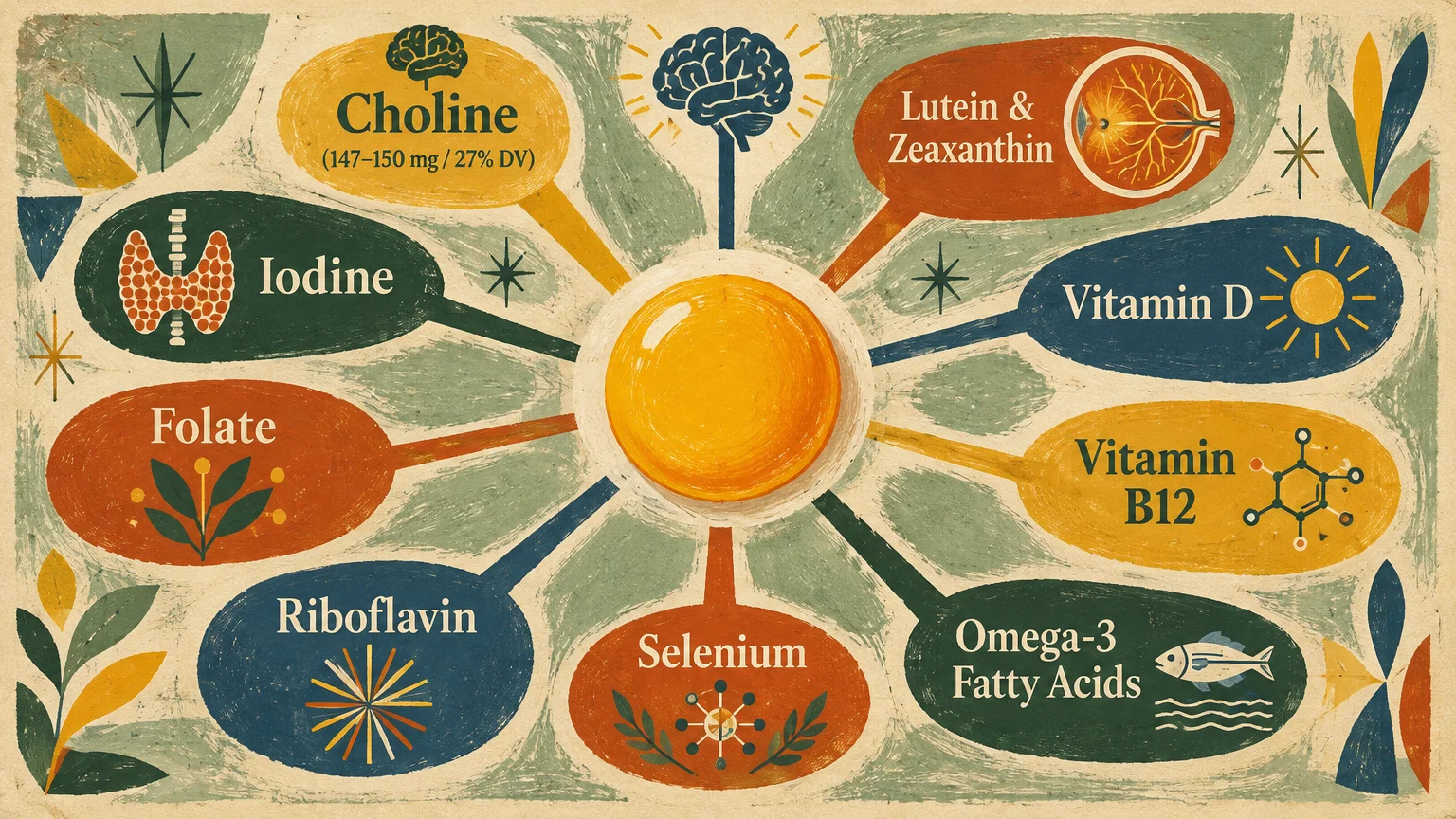
When you discard the yolk, you discard the biological engine of the egg. These nine distinct nutrients operate synergistically across your brain, eyes, thyroid, and cellular membranes.
1. Choline for Cognitive Function and Cellular Integrity
One large whole egg supplies roughly 147 to 150 milligrams of choline, providing about 27 percent of your Daily Value. Egg yolks represent one of the most concentrated, bioavailable food sources of this vital compound in the human diet.
Your brain requires choline to synthesize acetylcholine, an essential neurotransmitter that governs memory, mood regulation, and muscle control. Without adequate choline, your cognitive processing speed and memory retention suffer noticeable declines.
Choline also forms phosphatidylcholine, a structural building block that maintains the integrity and fluidity of every cell membrane in your body. Furthermore, your liver relies on choline to export lipids and prevent hepatic steatosis.
According to clinical data from the National Institutes of Health, roughly 90 percent of Americans fail to consume enough choline. This widespread shortfall presents major risks during crucial life stages.
Adult men require 550 milligrams daily, while adult women need 425 milligrams. Pregnant women must reach 450 milligrams daily to support fetal brain development and neural tube formation.
Enjoying two whole eggs at breakfast instantly covers more than half of your daily choline requirement. That simple habit provides neurological support that multivitamins often omit due to formulation constraints.
2. Selenium for Potent Antioxidant Defense
A single large egg delivers 15 to 15.4 micrograms of selenium, delivering roughly 28 percent of your Daily Value. This essential trace mineral works silently within your tissues to neutralize destructive free radicals.
Selenium incorporates directly into selenoproteins, which act as master antioxidant enzymes that protect your cell membranes from chronic oxidative damage. These enzymes preserve vascular health and reduce chronic systemic inflammation.
Your thyroid gland contains the highest concentration of selenium per gram of tissue in your entire body. Selenium-dependent enzymes convert inactive thyroid hormone into its active metabolic form, regulating your energy and body temperature.
Without adequate selenium, your immune cells struggle to mount an efficient response against common pathogens. Consuming eggs ensures your white blood cells maintain the metabolic tools required for defense.
When you combine whole eggs with whole grains or seeds, you optimize your total dietary antioxidant capacity. This simple combination helps shield your cells against oxidative stress caused by daily environmental pollutants.
3. Iodine for Thyroid Hormone Production
One large egg contributes 25 to 28 micrograms of iodine, fulfilling roughly 17 to 20 percent of your Daily Value. Many people overlook eggs as a dependable dietary source of this oceanic mineral.
Your thyroid gland traps circulating iodine to manufacture thyroxine and triiodothyronine, the primary hormones controlling your basal metabolic rate. Low iodine intake leads to lethargy, unexplained weight changes, and impaired thermoregulation.
Federal health agencies identify iodine as an underconsumed nutrient of public health concern, especially for pregnant and lactating individuals. Developing fetal nervous systems depend completely on maternal thyroid status during early gestation.
By pairing eggs with seasonal vegetables, you establish a nutrient-dense dietary pattern that supports steady hormone synthesis. This natural approach protects your metabolism without relying on synthetic interventions.
Because table salt iodization remains voluntary across many food brands, whole food sources of iodine have become increasingly critical. Incorporating eggs into your weekly routine provides reliable mineral security without excessive sodium.
4. Vitamin B12 for Nerve Conduction and Red Blood Cells
You receive 0.5 to 0.6 micrograms of vitamin B12 from a single large egg, satisfying 20 to 25 percent of your Daily Value. This water-soluble vitamin binds to protein structures within the yolk and white.
Vitamin B12 plays an indispensable role in erythrocyte synthesis within your bone marrow. Inadequate intake causes red blood cells to enlarge improperly, resulting in megaloblastic anemia, severe fatigue, and cognitive fog.
Beyond blood formation, vitamin B12 maintains the myelin sheath that insulates and protects your central nervous system pathways. Healthy myelin ensures rapid, accurate nerve signaling between your brain and peripheral muscles.
For ovo-vegetarians who exclude poultry, meat, and seafood, whole eggs serve as a cornerstone source of natural cobalamin. Incorporating eggs into a plant-forward diet prevents insidious neurological deficiencies from taking root.
Unlike synthetic cyanocobalamin supplements, the natural cobalamin in whole eggs integrates smoothly into your digestive physiology. This bioavailable form supports sustained energy levels throughout demanding workdays.
5. Riboflavin for Efficient Energy Metabolism
One whole egg provides 0.2 to 0.23 milligrams of riboflavin, also known as vitamin B2, supplying 15 to 18 percent of your Daily Value. This bright yellow micronutrient resides across both the yolk and the albumen.
Riboflavin functions as an essential component of two critical coenzymes: flavin mononucleotide and flavin adenine dinucleotide. These coenzymes drive the metabolic pathways that convert dietary carbohydrates, fats, and proteins into usable cellular energy.
Your cells rely on this continuous chemical turnover to produce adenosine triphosphate, the universal energy currency of human life. Without adequate riboflavin, your stamina drops, and cellular recovery slows down dramatically.
Riboflavin also protects your ocular tissues and preserves the structural integrity of your skin and mucous membranes. Regular consumption helps keep your epithelial barriers resilient against external stressors.
Athletes and physically active individuals experience heightened riboflavin requirements due to increased metabolic turnover. Starting your morning with whole eggs guarantees that your cellular energy pathways operate at peak efficiency.
6. Vitamin D for Bone Density and Immune Resilience
Whole eggs stand among the few natural, non-fortified dietary sources of vitamin D, delivering 1 to 1.24 micrograms per egg. That amount equates to 41 to 50 International Units, or about 5 to 6 percent of your Daily Value.
Vitamin D acts as a potent pro-hormone that enhances your intestinal absorption of calcium and phosphorus. By facilitating active mineral transport, it preserves bone mineral density and prevents skeletal thinning as you age.
Modern clinical immunology demonstrates that your circulating white blood cells express specific receptors for active vitamin D. Maintaining steady dietary intake supports both innate pathogen defense and balanced, regulated immune responses.
Because many individuals spend their working hours indoors, dietary sources of vitamin D have become increasingly important. Adding whole eggs to your breakfast routine supplies a continuous baseline of this vital compound.
Pairing egg yolks with calcium-rich foods like leafy greens or dairy creates an ideal environment for bone remineralization. This synergistic pairing ensures that your skeletal system absorbs and utilizes circulating calcium efficiently.
7. Lutein and Zeaxanthin for Lifelong Ocular Health
A large egg yolk provides roughly 250 to 252 micrograms of combined lutein and zeaxanthin. Although regulatory agencies have not established a Daily Value for these carotenoids, their biological benefits remain undeniable.
These natural plant-derived pigments concentrate directly within your macular tissue at the center of your retina. Once deposited, they act as internal sunglasses by absorbing and filtering high-energy, short-wavelength blue light.
Clinical trials indicate that higher macular concentrations of these compounds help lower your risk of cataracts and age-related macular degeneration. They scavenge photo-oxidative free radicals before cellular damage degrades your central visual acuity.
Crucially, the fat matrix of the yolk dramatically enhances the bioavailability of these carotenoids compared to raw vegetables. Your digestive system absorbs lutein and zeaxanthin far more efficiently when suspended in natural dietary lipids.
Modern screen usage exposes your eyes to unprecedented levels of artificial blue light throughout the day. Consuming bioavailable lutein and zeaxanthin from egg yolks acts as a proactive nutritional shield for your ocular tissues.
8. Phosphorus for Skeletal Strength and Cell Structure
One large egg supplies 86 to 99 milligrams of phosphorus, delivering 7 to 8 percent of your Daily Value. This abundant mineral ranks second only to calcium in total quantity throughout your body.
Approximately 85 percent of your internal phosphorus binds with calcium to form hydroxyapatite, the hard structural crystalline matrix of bones and teeth. The remaining portion circulates in soft tissues to perform critical biochemical work.
Phosphorus forms the structural backbone of your DNA and RNA molecules, enabling accurate genetic transcription and cellular replication. It also constitutes the phospholipid bilayer that encloses every single human cell.
Whenever your body repairs muscle tissue after strenuous exercise, it uses phosphorus to synthesize new structural proteins. Eating eggs after physical training provides the necessary minerals to rebuild resilient cellular foundations.
Phosphorus also assists your kidneys in filtering waste products and maintains optimal acid-base balance within your blood. This essential mineral ensures your body processes metabolic byproducts cleanly and smoothly.
9. Vitamin A for Vision and Epithelial Defense
You obtain 75 to 80 micrograms of retinol activity equivalents of vitamin A from one large egg yolk, covering 8 to 9 percent of your Daily Value. This nutrient exists primarily as preformed retinol.
Preformed retinol absorbs rapidly without requiring complex enzymatic conversions inside your intestinal lining. Your retina utilizes this direct vitamin A to synthesize rhodopsin, the pigment required for night vision and low-light visual acuity.
Vitamin A also regulates the growth and differentiation of epithelial cells throughout your respiratory, gastrointestinal, and urinary tracts. These healthy mucosal barriers serve as your first physical line of defense against invasive microbes.
When you consume whole eggs, you fortify your skin integrity and strengthen your immune barriers from within. Discarding the yolk removes this fat-soluble vitamin entirely from your breakfast plate.
Because preformed retinol does not depend on variable enzymatic conversion, your body utilizes it immediately upon absorption. This efficiency makes egg yolks a remarkably dependable source for supporting immune vigilance.

Clinical Perspectives and Lived Voices
Dietitians frequently celebrate eggs as nature’s original multivitamin because of their comprehensive nutrient density. Rather than relying on isolated synthetic pills, your gastrointestinal tract thrives when processing whole, bioavailable food matrices.
Cardiologists also view whole eggs through an updated, evidence-informed lens that prioritizes overall dietary context over single biomarkers. For the vast majority of patients, dietary cholesterol from whole foods produces minimal changes in cardiovascular risk profiles.
In clinical practice, physicians encourage patients to replace refined carbohydrates and heavily processed breakfast items with nutrient-dense whole eggs. This simple dietary shift stabilizes postprandial glucose levels and improves metabolic satiety.
From a household economics standpoint, eggs represent an accessible, budget-friendly source of premier nutrition for growing families. Parents can nourish multiple children with high-value choline, iodine, and trace minerals for only pennies per serving.
Community nutrition educators often highlight the practical versatility of eggs when counseling families on tight grocery budgets. A carton of eggs provides multiple nutrient-dense meals that satisfy hungry households without financial strain.
Cultural culinary traditions across Latin America, East Asia, and the Mediterranean have long celebrated whole eggs as everyday culinary staples. Integrating whole eggs honors diverse culinary heritage while supporting evidence-based health outcomes.
Global culinary history demonstrates that traditional cultures intuitively paired whole eggs with seasonal herbs and legumes. These time-tested food pairings provided complete nutritional profiles long before modern biochemical assays existed.

Three Strategic Pillars to Maximize Your Egg Nutrition
To harvest the maximum physiological benefit from these nine nutrients, you need an actionable, systematic approach to daily meal preparation. These three practical pillars will elevate your nutrition without creating kitchen stress.
Pillar 1: Smart Nutrient Pairing and Bioavailability
You can amplify the health benefits of whole eggs by pairing them strategically with fat-soluble and fat-requiring botanical compounds. The healthy lipids in the egg yolk serve as a biological carrier for external antioxidants.
When you sauté spinach, kale, or tomatoes in a skillet alongside whole eggs, your body absorbs substantially more fat-soluble carotenoids. The yolk fat unlocks the lycopene and beta-carotene trapped in plant cell walls.
Consider pairing your morning scramble with vitamin C sources such as bell peppers or citrus slices. While eggs contain rich iron and trace minerals, vitamin C enhances non-heme mineral absorption across your intestinal brush border.
Cooking methods also influence nutrient assimilation; soft scrambling preserves yolk lipids while making the egg white protein highly digestible. This balance maximizes your absorption of both fat-soluble vitamins and dietary amino acids.
Pillar 2: Culturally Diverse and Budget-Friendly Meal Planning
Expand your culinary repertoire beyond standard fried eggs by exploring flavorful dishes from global culinary traditions. Preparing diverse meals prevents palate fatigue and ensures consistent weekly micronutrient consumption.
Poach whole eggs directly in a simmering Mediterranean shakshuka filled with spiced crushed tomatoes, bell peppers, garlic, and onions. This aromatic dish provides rich antioxidant synergy alongside essential choline and selenium.
Alternatively, prepare a quick Asian-inspired stir-fry by tossing scrambled eggs with leftover brown rice, scallions, ginger, and sesame seeds. This affordable, satisfying meal delivers complete protein, trace iodine, and sustained metabolic energy.
You can also explore Mexican-style huevos rancheros served on warm corn tortillas with black beans, avocado, and fresh salsa. This vibrant meal combines fiber, potassium, and yolk micronutrients into a deeply satisfying breakfast.
You can also bake a vegetable frittata on Sunday evening using seasonal produce, herbs, and whole eggs. Slicing the frittata provides convenient, ready-to-eat breakfasts that support your brain health throughout busy workweeks.
Pillar 3: Sustainable Habit Formation for Busy Lifestyles
Consistency drives nutritional success far more effectively than short-lived dietary perfection. Establishing friction-free preparation habits ensures you hit your micronutrient targets even during hectic schedules.
Hard-boil a batch of six whole eggs every weekend and store them in your refrigerator for quick weekday grab-and-go nourishment. A hard-boiled egg serves as a portable, shelf-stable snack that crushes mid-afternoon energy slumps.
Keep frozen chopped vegetables and pre-washed greens in your freezer to assemble a nutritious scramble in under five minutes. Removing preparation friction makes healthy morning choices effortless and automatic.
Set a recurring calendar reminder each Sunday to check your refrigerator stock and boil eggs for the week ahead. Small structural habits eliminate decision fatigue and protect your long-term nutritional goals.

Safety, Allergies, and Personalized Considerations
While whole eggs offer exceptional nourishment, you must personalize your consumption according to your unique medical history and metabolic tolerance. Nutritional interventions should always adapt to your specific genetic makeup.
Egg allergy represents one of the most common food allergies among young children, although many outgrow it during adolescence. Symptoms range from mild cutaneous hives and oral itching to severe systemic anaphylaxis requiring immediate epinephrine.
If you suspect an egg allergy, seek evaluation from a board-certified allergist before consuming whole eggs or egg-containing foods. Never attempt oral food challenges without professional medical supervision.
Approximately 25 to 30 percent of the population qualifies as cholesterol hyper-responders, experiencing a modest rise in both LDL and HDL levels after eating dietary cholesterol. Individuals with familial hypercholesterolemia should consult their cardiologist regarding whole egg targets.
Remember that the Dietary Guidelines for Americans advise keeping saturated fat intake below 10 percent of total daily calories. Pay careful attention to how you prepare your eggs, opting for olive oil or poaching rather than large amounts of butter.
To minimize the risk of foodborne illness from Salmonella, follow storage and handling guidelines established by the Centers for Disease Control and Prevention. Always store shell eggs at temperatures below 40 degrees Fahrenheit.
Cook whole eggs until both the yolk and the albumen firm up completely, or purchase pasteurized shell eggs for recipes requiring runny yolks. Proper culinary heat neutralizes pathogenic bacteria while preserving the egg’s delicate micronutrients.
Always wash your hands and cooking surfaces thoroughly after cracking raw eggs to avoid cross-contamination in your kitchen. Maintaining clean food preparation environments ensures your meals remain both deeply nourishing and completely safe.
Frequently Asked Questions
Are egg yolks harmful to your cardiovascular health?
For most healthy adults, eating whole eggs does not adversely impact cardiovascular health or raise the risk of coronary artery disease. Your liver actively regulates internal cholesterol synthesis, producing less cholesterol when you absorb more from whole dietary sources.
Observational studies across diverse global populations demonstrate that moderate egg intake does not correlate with increased stroke or heart attack risk. Your overall lifestyle and fiber intake exert far greater influence.
However, individuals managing specific metabolic conditions or familial hypercholesterolemia should evaluate their individual blood lipid panels with their primary physician. Context matters far more than single dietary components.
Can you meet your daily choline targets without eating eggs?
You can obtain choline from plant sources such as soybeans, quinoa, and broccoli, as well as lean poultry and seafood. However, plant sources provide significantly lower concentrations per serving compared to whole egg yolks.
Because approximately 90 percent of Americans currently fall short of recommended choline targets, omitting whole eggs requires meticulous dietary planning. Vegetarians who avoid eggs often require targeted supplementation to meet daily metabolic demands.
If you follow a strict vegan diet, discuss choline supplementation with your healthcare provider. Meeting recommended Adequate Intake levels without eggs or animal proteins requires careful tracking of fortified foods.
Does heat or cooking destroy these delicate micronutrients?
Cooking whole eggs thoroughly does not significantly degrade core minerals like selenium, iodine, and phosphorus. It also leaves resilient compounds like choline and vitamin B12 largely intact.
High-heat frying or prolonged boiling can modestly reduce concentrations of heat-sensitive antioxidants like lutein and vitamin A. Gentle cooking methods—such as soft boiling, gentle scrambling, or poaching—preserve the highest possible micronutrient density.
To protect sensitive antioxidants, cook your eggs on low to medium heat rather than scorching them at high temperatures. Gentle heat ensures maximum nutrient retention while neutralizing potential foodborne pathogens.
How many whole eggs can you safely eat in a week?
Peer-reviewed clinical evidence supports consuming one to two whole eggs per day for most healthy adults without increasing cardiovascular disease risk. That equates to roughly 7 to 14 whole eggs per week within a balanced, plant-rich dietary pattern.
Consuming your eggs alongside fiber-rich vegetables, legumes, and whole grains further optimizes their metabolic benefits. A balanced plate ensures that dietary cholesterol remains within a heart-healthy whole-food matrix.
If you maintain elevated cardiovascular risk or manage diabetes, discuss your target intake with your registered dietitian. Your healthcare team can tailor egg consumption to match your specific lipid profile and daily caloric goals.
Take Your First Step Today
Transforming your everyday nutrition does not demand restrictive diets or complicated meal protocols. By welcoming the whole egg back to your table, you unlock an extraordinary array of micronutrients designed to energize your body.
Within the next 24 hours, try incorporating two whole eggs into one of your meals. Prepare them with a generous handful of colorful vegetables to fuel your brain, sharpen your vision, and support your metabolism.
Your body thrives when you supply it with authentic, nutrient-dense whole foods. Celebrate the simple, golden yolk as a foundational ally in your lifelong journey toward vibrant vitality.