
You can ease gout flare discomfort and support recovery by choosing foods that actively assist your body in clearing excess uric acid. Strategic nutrition works alongside your medical care to soothe joint inflammation and prevent further crystal deposition.
When sudden joint swelling and intense pain strike, selecting low-purine, nutrient-dense foods gives your kidneys the support they need to process metabolic waste. Your daily food choices directly influence how effectively your body recovers.
Targeted nutrition calms the inflammatory cascade during acute attacks while establishing long-term metabolic health. Making thoughtful adjustments to your plate helps you regain physical comfort and protect your joint function.
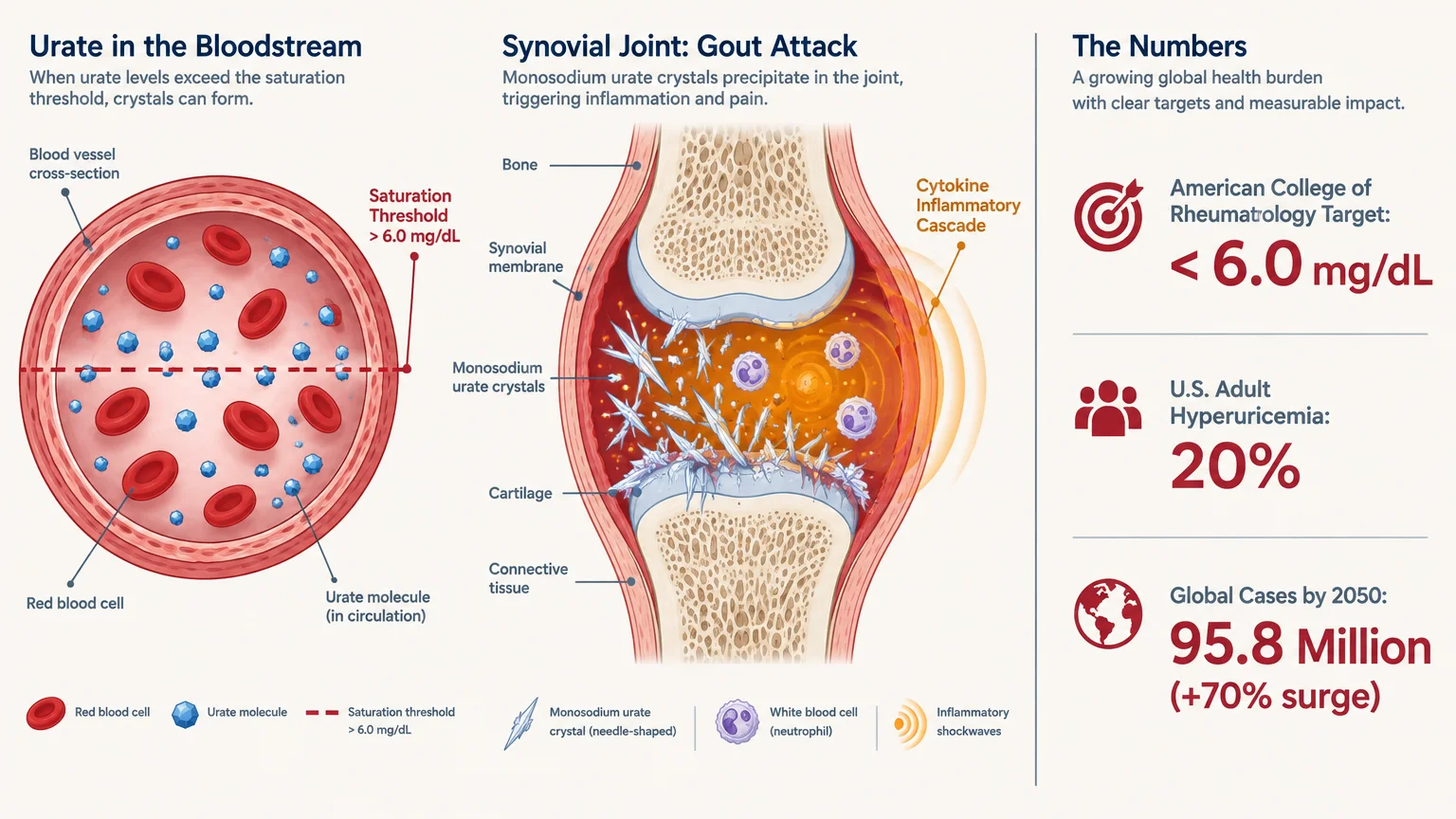
The Science of a Gout Flare: Uric Acid and Joint Inflammation
A gout flare begins when serum uric acid levels exceed their saturation point in your bloodstream. When this saturation occurs, needle-like monosodium urate crystals precipitate directly into joint spaces and surrounding connective tissues.
Your immune system perceives these microscopic crystals as invasive threats. White blood cells swarm the affected joint, releasing inflammatory cytokines that trigger sudden warmth, profound redness, and agonizing pain.
According to the Centers for Disease Control and Prevention, gout represents the most prevalent form of inflammatory arthritis in the United States. It currently affects approximately 3.9% to 5.1% of American adults.
That percentage equates to roughly 10.3 million to 12.1 million individuals living with the condition nationwide. Epidemiological surveillance indicates that national prevalence has roughly doubled over the last two decades.
The underlying driver of this condition is hyperuricemia, an abnormal accumulation of circulating urate in the blood. Approximately 20% of American adults exhibit hyperuricemic levels that place them at elevated risk for painful crystallizations.
This metabolic imbalance increasingly touches younger populations as well. Research demonstrates that nearly one-third of adolescents in the United States now show signs of hyperuricemia.
Global health forecasts indicate that gout will become significantly more common in coming decades. Projections published in The Lancet Rheumatology estimate that global prevalence will surge by more than 70% between 2020 and 2050.
That anticipated increase will lift total global cases to approximately 95.8 million people. Population aging, shifting dietary patterns, and rising metabolic disease rates drive this worldwide expansion.
Clinical standards emphasize precise biochemical targets to stop disease progression. The American College of Rheumatology recommends maintaining serum urate concentrations below 6 mg/dL to promote crystal dissolution.
Staying below this threshold helps shrink existing tophi and halts new crystal precipitation in synovial tissue. Yet many individuals struggle to maintain consistent medical oversight during painful disease flares.
A nationwide cross-sectional survey in ACR Open Rheumatology revealed that nearly 72% of gout flares in the United States go unreported to healthcare providers. Patients frequently attempt to manage sudden flares alone at home.
Understanding how specific foods influence purine metabolism and kidney clearance provides practical tools to support your joint health. What you place on your plate can make a tangible difference in managing inflammatory stress.
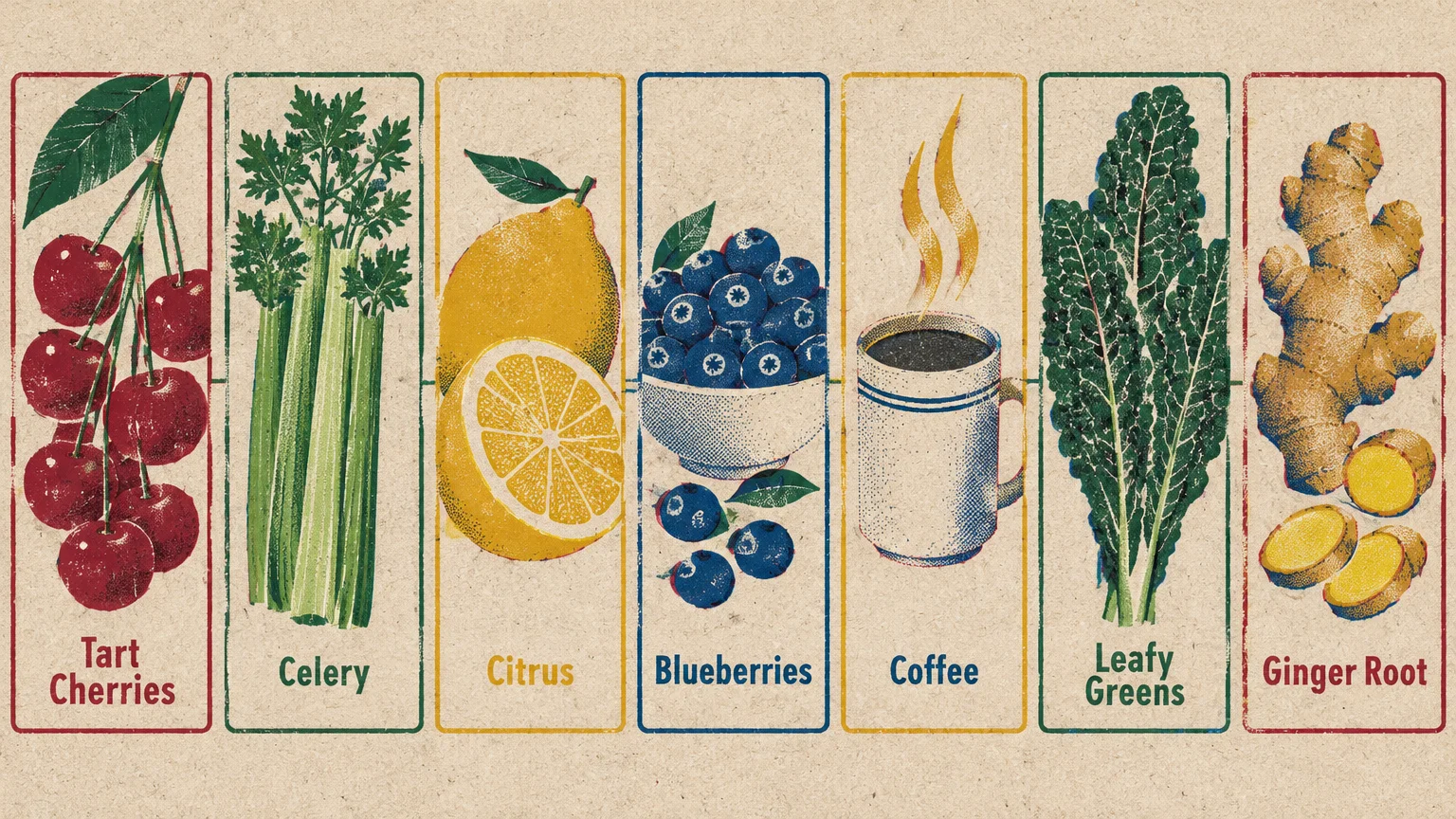
7 Foods That May Help During a Gout Flare
Nutritional therapy provides meaningful support during an acute flare by lowering the purine load on your kidneys. Choosing anti-inflammatory foods helps dampen immune reactivity while your body works to excrete circulating urate.
1. Sweet and Tart Cherries
Cherries represent one of the most thoroughly documented foods for supporting joint comfort during gout episodes. They contain rich concentrations of anthocyanins, deep red plant pigments that display powerful anti-inflammatory and antioxidant activities.
These anthocyanins help inhibit cyclooxygenase enzymes, mirroring the biological pathway targeted by common over-the-counter anti-inflammatory pain medications. This natural inhibition helps mitigate swelling in irritated synovial linings.
Clinical evidence strongly reinforces the benefits of cherry intake for individuals prone to painful joint attacks. A landmark investigation led by Zhang and published in a study in Arthritis and Rheumatism examined flare rates across hundreds of participants.
Consuming roughly 1/2 cup or 10 to 12 cherries per serving over a two-day period was associated with a 35% lower risk of gout flares compared to no cherry intake. This risk reduction remained significant even when controlling for other lifestyle factors.
You can consume sweet or tart cherries fresh, frozen, or as unsweetened tart cherry juice concentrate. Incorporating frozen tart cherries into a blended morning smoothie delivers anthocyanins alongside beneficial hydration.
Avoid commercial cherry pie fillings and canned fruits packed in heavy sugar syrup. Concentrated sugars, particularly high-fructose corn syrup, can accelerate uric acid production in your liver and counteract the fruit’s natural anti-inflammatory benefits.
Aim to enjoy a half-cup serving of fresh cherries twice daily when you feel initial joint stiffness or swelling. Keeping a bag of frozen cherries in your freezer ensures year-round availability whenever you need quick nutritional support.
2. Low-Fat Milk and Plain Yogurt
Dairy products have repeatedly shown an inverse relationship with circulating uric acid levels in clinical studies. Milk contains specialized intact proteins, specifically casein and lactalbumin, that promote the clearance of uric acid through your kidneys.
When your body metabolizes these dairy proteins, they exert a distinct uricosuric effect by encouraging renal tubules to excrete urate into your urine. This process helps lower circulating concentrations without increasing metabolic purine burdens.
Milk also contains a natural organic acid called orotic acid. Orotic acid inhibits the reabsorption of uric acid within renal nephrons, reinforcing your kidneys’ ability to purge metabolic waste.
Opt for low-fat or fat-free dairy products rather than whole-milk varieties during a flare. Saturated fats can aggravate systemic inflammatory cascades and reduce insulin sensitivity, which indirectly impairs kidney excretion.
Non-fat plain Greek yogurt serves as an outstanding breakfast option or midday snack during painful episodes. It delivers concentrated low-purine protein along with beneficial probiotic bacteria that support digestive balance and systemic health.
If you live with lactose intolerance, you can choose lactose-free skim milk without losing these benefits. Lactose-free cow’s milk retains the identical protein structure and orotic acid concentration found in standard dairy products.
Try blending a cup of low-fat kefir into your daily meal routine to diversify your probiotic intake. Consistent dairy consumption offers an accessible, affordable strategy to assist your kidneys in clearing excess urate.
3. Bell Peppers and Whole Citrus Fruits
Vitamin C plays a well-characterized role in facilitating the elimination of uric acid through your renal system. It competes with uric acid for specialized transport mechanisms in renal tubules, thereby promoting greater urinary excretion.
Clinical nutrition trials examining uricosuric responses have documented modest reductions in serum uric acid at intakes of 500 mg per day. Reaching this nutrient level supports healthy kidney clearance mechanisms over time.
The American College of Rheumatology conditionally recommends against relying on high-dose vitamin C supplements for chronic gout therapy due to mixed clinical efficacy. Obtaining vitamin C from whole-food sources provides a superior, naturally buffered approach.
Bell peppers, especially bright red and yellow varieties, rank among the richest dietary sources of natural vitamin C. A single cup of raw chopped bell pepper easily delivers your full daily requirement of this vital micronutrient.
Citrus fruits like oranges, grapefruits, and fresh lemons also provide abundant vitamin C bound within a complex matrix of protective bioflavonoids. These natural plant compounds provide synergistic antioxidant defense that calms inflamed joint tissues.
Squeeze the juice of fresh lemon into a tall glass of cool water each morning. This simple ritual supplies gentle citrus bioflavonoids while encouraging immediate hydration when you start your day.
Eat whole fruits instead of drinking commercial fruit juices. Whole citrus delivers dietary fiber that moderates fructose absorption, preventing the rapid hepatic metabolism that can trigger unintended uric acid spikes.
4. Moderate Black and Decaf Coffee
Epidemiological research reveals an intriguing protective association between regular coffee intake and lower blood uric acid concentrations. Both observational studies and clinical analyses link regular coffee consumption to a lower overall incidence of painful flares.
Coffee contains substantial concentrations of chlorogenic acid, a potent plant polyphenol with documented antioxidant properties. Chlorogenic acid helps neutralize damaging reactive oxygen species produced during intense inflammatory attacks.
Laboratory evaluations indicate that coffee polyphenols can weakly inhibit xanthine oxidase, the primary enzyme your body uses to generate uric acid from purines. This enzymatic inhibition mimics the fundamental mechanism of common urate-lowering pharmaceuticals.
Both caffeinated and decaffeinated varieties demonstrate these protective properties in large cohort investigations. This shared benefit confirms that beneficial plant phytonutrients, rather than caffeine alone, drive the physiological advantage.
Drink your coffee black or with a splash of skim milk to preserve its metabolic benefits. Adding sugar, sweetened syrups, or heavy cream can elevate circulating triglycerides and fuel metabolic inflammation.
Maintain moderate consumption patterns, typically between one and three cups daily, to avoid disrupting restorative sleep. Restorative sleep remains vital for modulating pain pathways and reducing inflammatory markers.
If you do not currently drink coffee, you do not need to start drinking it solely for gout management. However, existing coffee drinkers can comfortably maintain their daily morning habit without fear of triggering joint pain.
5. Tofu, Edamame, and Legumes
Older medical advice frequently warned individuals with gout against eating beans, peas, and soy products due to their purine content. Modern nutritional science has completely debunked this outdated dietary restriction through rigorous clinical evaluations.
Extensive clinical studies published through the National Institutes of Health confirm that plant-derived purines do not provoke gout flares. Purines sourced from plants carry a distinctly different biological impact than purines found in red meat or seafood.
Tofu and edamame serve as exceptional plant-based protein alternatives during an active flare. They provide complete amino acid profiles while generating minimal metabolic purine byproducts compared to animal tissue.
Soy foods also supply protective isoflavones like genistein and daidzein that exert systemic anti-inflammatory actions. These phytoestrogens help modulate inflammatory signaling pathways in vascular and joint tissues.
Lentils, chickpeas, and black beans provide hearty texture, sustaining protein, and dense amounts of soluble fiber. Fiber supports digestive health and fosters a balanced gut microbiome capable of degrading dietary purines naturally.
Replacing beef, pork, and shellfish with legumes directly slashes your dietary purine burden. This dietary shift protects your kidneys from processing heavy loads of animal-derived nitrogenous waste.
Prepare a soothing bowl of lentil soup seasoned with cumin and turmeric when joint pain flares. Plant-based proteins keep your body nourished and satisfied without triggering painful biochemical surges in circulating urate.
6. Cucumbers and High-Moisture Produce
Adequate hydration is critical for managing an active gout attack. Water-dense produce provides bioavailable fluids along with essential alkaline minerals that support kidney filtration.
Cucumbers consist overwhelmingly of water and contain virtually zero dietary purines. Snacking on fresh cucumbers helps expand your vascular fluid volume, allowing your kidneys to flush out dissolved urate crystals more readily.
Cucumbers also provide trace amounts of silica and potassium, which support connective tissue health and maintain mineral equilibrium. Their crisp texture makes them an appealing, refreshing snack during acute inflammatory episodes.
Celery provides another excellent high-moisture option that delivers natural phytochemicals called phthalides. Some preliminary laboratory models suggest that celery compounds may help dampen systemic inflammatory cascades.
Zucchini and summer squash supply gentle fiber and abundant water without challenging your digestive tract. You can steam them lightly or slice them raw into refreshing salads during flare episodes.
Pair sliced cucumbers and celery sticks with a low-fat Greek yogurt dip seasoned with garlic and dill. This combination delivers hydration, anti-inflammatory dairy proteins, and satisfying crunch without any flare-promoting purines.
High-water vegetables provide continuous cellular hydration between your standard glasses of water. Maintaining high urinary flow throughout the day prevents urate from concentrating into troublesome micro-crystals.
7. Steel-Cut Oats and Intact Whole Grains
Carbohydrate quality exerts a profound, often overlooked influence on circulating uric acid dynamics. Refined grains and processed sugars trigger rapid insulin spikes that impair your kidneys’ ability to clear metabolic waste.
Elevated circulating insulin stimulates renal transporters to reabsorb uric acid back into your bloodstream instead of releasing it into urine. Choosing low-glycemic, fiber-rich grains keeps insulin levels steady and preserves efficient renal clearance.
Steel-cut oats stand out as an ideal complex carbohydrate for sustaining stable glycemic control. They undergo minimal processing, which preserves their rich concentration of beta-glucan soluble fiber.
Beta-glucan forms a viscous gel in your digestive tract that slows glucose absorption and reduces systemic inflammatory markers. This stable metabolic state supports continuous, unobstructed kidney clearance throughout the day.
Quinoa, wild rice, and hulled barley provide additional whole-grain options packed with magnesium, phosphorus, and B vitamins. These intact grains supply steady energy without loading your system with refined starches.
Cook a batch of steel-cut oats on the stove and portion it for effortless morning meals. Top your warm oatmeal with thawed tart cherries and a small splash of skim milk for a synergistic anti-inflammatory breakfast.
Steer clear of instant oatmeal packets loaded with added brown sugar, artificial flavors, and dried fruits packed with sweeteners. Pure, minimally processed whole grains deliver the metabolic foundation your body needs to recover.
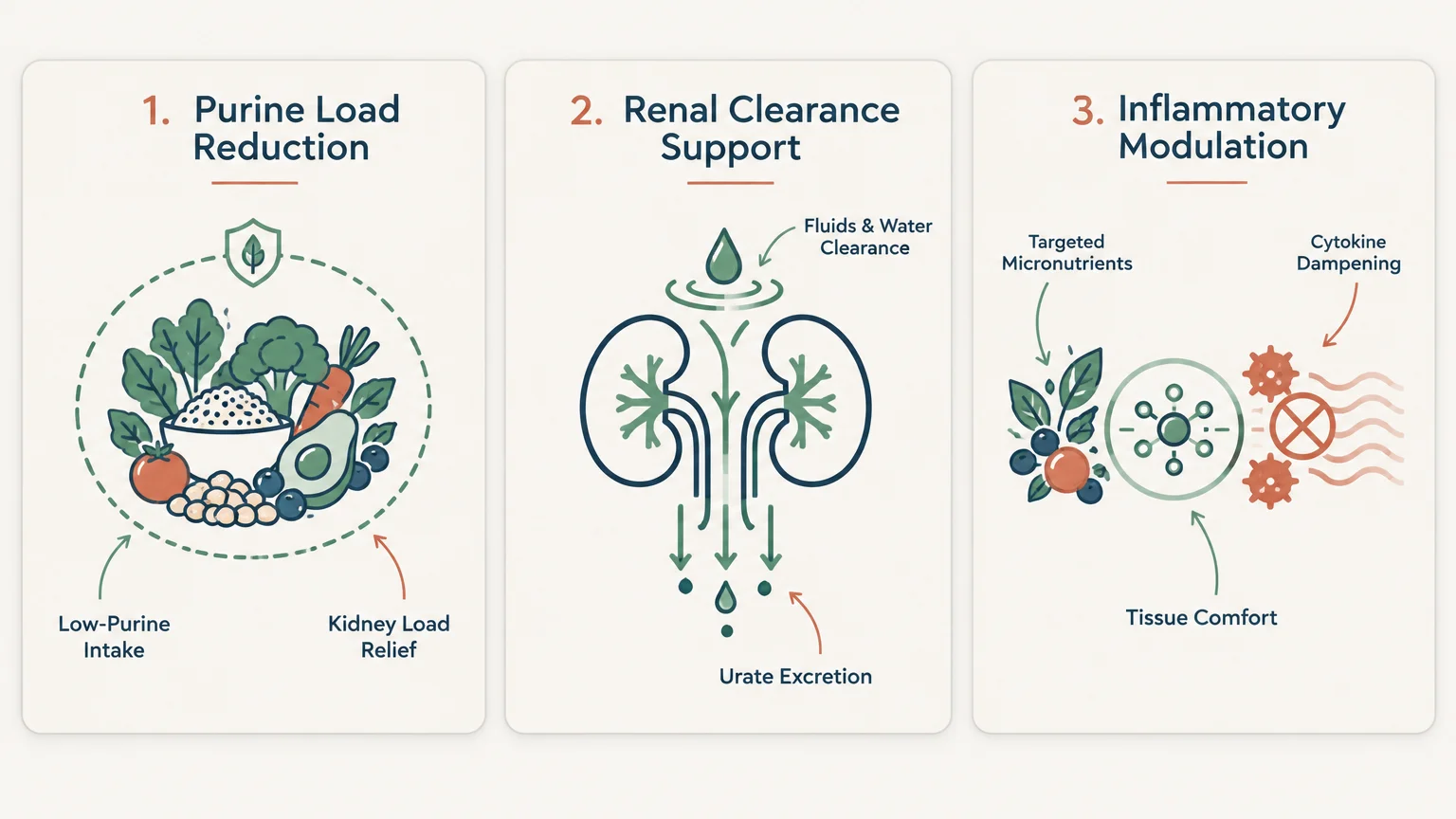
Strategy Pillars: Managing Nutrition and Uric Acid Effectively
Relieving gout discomfort requires more than choosing individual beneficial foods. You must integrate these items into a cohesive daily strategy that optimizes kidney clearance, minimizes purine inputs, and reduces systemic inflammation.
Pillar 1: Flare-Friendly Meal Planning
Design your daily plate around a balanced, anti-inflammatory architecture during a flare. Dedicate half of your plate to colorful, low-purine vegetables like cucumbers, zucchini, and bell peppers.
Fill one-quarter of your plate with plant proteins or low-fat dairy options, such as braised tofu or cottage cheese. Reserve the remaining quarter for intact whole grains like quinoa or steel-cut oats.
Avoid rapid weight loss or severe calorie restriction during an active attack. Fasting triggers ketosis, which produces acidic ketone bodies that compete directly with uric acid for renal excretion.
This metabolic competition causes rapid spikes in blood urate levels that can intensify and prolong joint inflammation. Eat consistent, nourishing meals at regular intervals throughout the day to keep your metabolism and blood chemistry balanced.
Pillar 2: Uricosuric Hydration Strategies
Water represents your body’s primary transport vehicle for removing metabolic wastes from circulation. Generous hydration dilutes the concentration of uric acid in your blood and keeps urine diluted, preventing crystal aggregation.
Distribute your fluid intake evenly across your waking hours rather than guzzling massive quantities in single sittings. Consistent hydration ensures that your kidneys maintain a steady filtration rate throughout the entire day.
Drink a full glass of water right before bedtime and another immediately upon waking in the morning. Nighttime dehydration creates concentrated urine, which often triggers painful flares in the early morning hours.
Avoid all beverages sweetened with high-fructose corn syrup, such as commercial sodas and sweet teas. Fructose metabolism rapidly consumes hepatic adenosine triphosphate, generating significant amounts of uric acid within minutes of ingestion.
Pillar 3: Habit Formation and Trigger Tracking
Building long-term resilience against gout requires careful observation of your body’s unique metabolic triggers. Keeping a detailed symptom and food log helps you pinpoint personal environmental, dietary, and lifestyle triggers.
Track your meals, hydration volume, alcohol intake, sleep quality, and physical stress levels alongside any subtle joint twinges. Over several weeks, you will identify patterns that precede localized inflammation.
Pay close attention to alcohol consumption, especially beer and distilled liquors. Beer presents a double hazard because it contains yeast-derived purines and alcohol metabolites that block renal urate excretion.
Transform healthy behaviors into automatic daily habits by pairing them with established routines. For instance, drink a glass of water while brewing your morning coffee or enjoy fresh cherries immediately after dinner.

Expert Perspectives and Lived Experiences
Managing gout effectively requires combining clinical expertise with the practical realities of daily life. Hearing from both clinicians and experienced patients provides a comprehensive understanding of long-term joint care.
Clinical Insights from Rheumatologists and Dietitians
Rheumatology specialists emphasize that dietary adjustments serve as a powerful adjunct to medical therapy rather than a standalone cure. Nutrition optimizes metabolic health, but it cannot override strong genetic predispositions toward urate retention.
Registered dietitians advise patients to focus on additive nutrition rather than punitive restriction. Introducing beneficial foods like cherries, skim milk, and cucumbers fosters sustainable habits that patients can comfortably maintain for decades.
Clinicians also stress the importance of patient communication during acute flares. Because nearly 72% of flares go unreported, clinicians encourage open dialogues so treatment plans can be adjusted promptly when breakthrough pain occurs.
Practical Wisdom from Long-Term Gout Patients
Individuals who have managed gout for years frequently emphasize the value of proactive kitchen preparation. Stocking your pantry and freezer with low-purine staples ensures that you have nourishing meals ready when mobility becomes difficult.
Patients often share that batch-cooking vegetable-lentil stews and freezing tart cherries removes mealtime stress during an attack. When walking hurts, having quick, anti-inflammatory nutrition within easy reach prevents reliance on inflammatory convenience foods.
Peer support groups also highlight the mental relief that comes with understanding personal dietary boundaries. Gaining clarity on which foods soothe symptoms empowers individuals to reclaim control over their physical wellbeing.
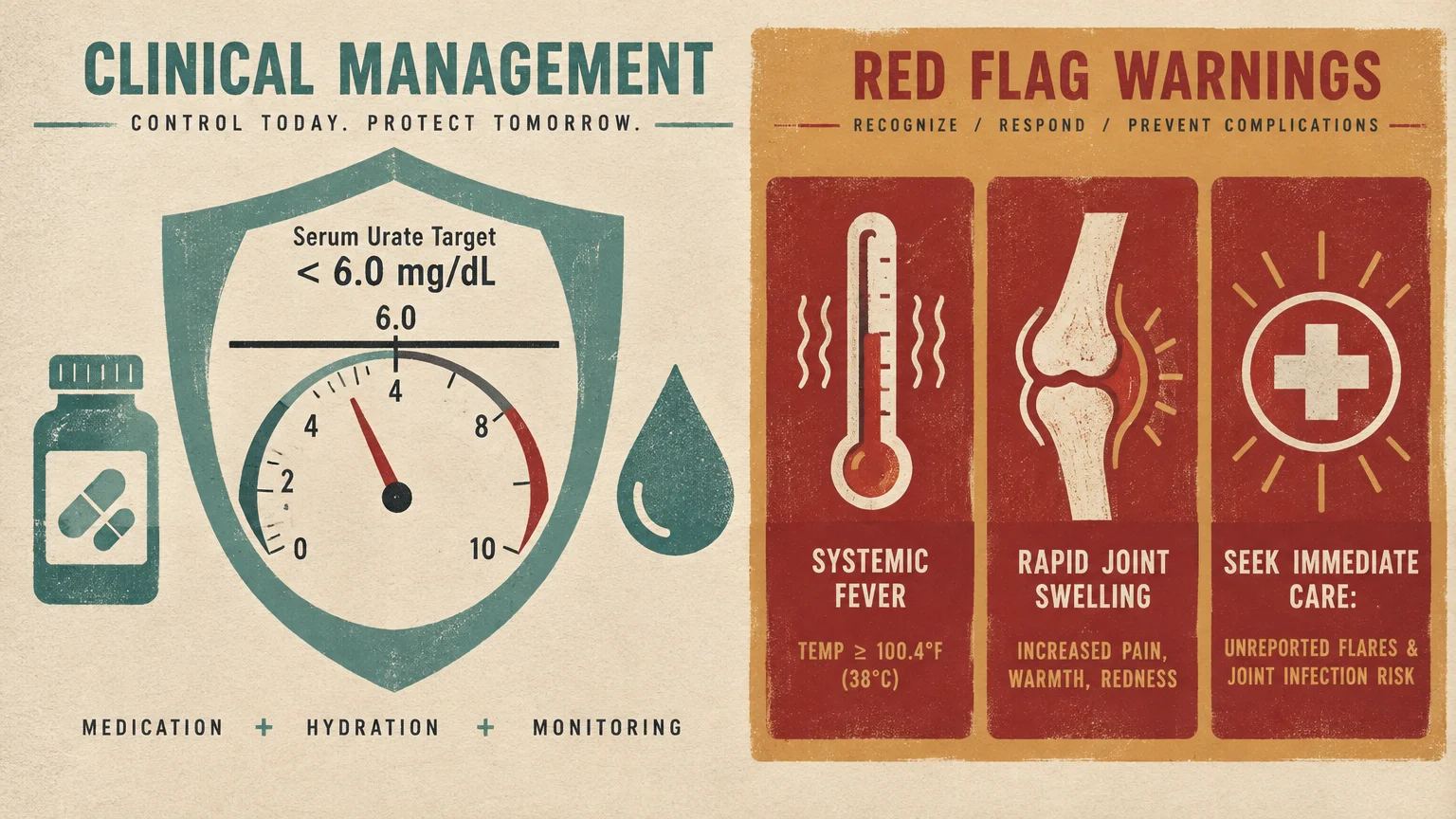
Safety Considerations, Medical Management, and Red Flags
Nutritional strategies provide tremendous support for your joints, but they must be applied safely within a comprehensive medical plan. Understanding clinical boundaries ensures you achieve relief without compromising other aspects of your health.
Medication First, Diet Second
The 2020 clinical guidelines from the American College of Rheumatology make it clear that diet should complement—not replace—prescribed urate-lowering medications. Medications like allopurinol and febuxostat address the fundamental enzymatic drivers of chronic hyperuricemia.
Dietary changes alone typically lower blood uric acid levels by modest amounts. While this reduction is valuable, it is rarely sufficient on its own to bring elevated levels below the recommended 6 mg/dL target.
During acute flares, doctors prescribe targeted anti-inflammatory drugs like colchicine, corticosteroids, or prescription NSAIDs to halt acute pain. Continue taking your daily medications exactly as prescribed by your physician throughout any dietary adjustments.
Kidney Health and Chronic Comorbidities
If you live with chronic kidney disease, you must exercise caution before dramatically altering your dietary fluid or mineral intake. Impaired kidneys may struggle to clear excessive potassium, phosphorus, or fluids found in certain healthy foods.
Consult your nephrologist or renal dietitian before drastically boosting your consumption of dairy, legumes, or hydrating beverages. They can help you tailor low-purine food choices to align safely with your specific stage of renal function.
Individuals managing diabetes must also account for the natural carbohydrate content in cherries, citrus, and whole grains. Balancing these complex carbohydrates with low-purine proteins keeps blood sugar stable while delivering essential anti-inflammatory phytonutrients.
When to Seek Emergency Medical Attention
While gout pain can be extraordinarily severe, certain acute symptoms demand immediate clinical intervention. Always contact a healthcare professional if you develop a high fever, systemic chills, or sudden nausea alongside joint swelling.
These systemic red-flag signs may indicate a septic joint infection rather than a standard gout attack. Septic arthritis requires emergency antibiotic treatment to prevent permanent cartilage destruction and life-threatening sepsis.
You should also seek urgent medical evaluation if severe pain persists without improvement despite several days of treatment. Professional guidance ensures an accurate diagnosis and protects your long-term mobility.
Frequently Asked Questions About Gout Nutrition
Navigating dietary choices during a painful flare often raises practical questions about specific foods and habits. Here are clear, evidence-based answers to common concerns about managing gout through nutrition.
Can drinking gallons of water immediately stop a gout flare?
Drinking plenty of water supports your kidneys and accelerates uric acid excretion, but it cannot dissolve existing crystal deposits instantaneously. Water acts as a supportive clearance mechanism rather than an instant cure for acute inflammation.
Consistent hydration helps shorten the overall duration of an attack and prevents new crystals from precipitating in joint fluid. Aim for steady, comfortable hydration throughout the day rather than forcing dangerous, excessive fluid intake.
Are purine-rich vegetables like spinach and asparagus truly safe?
Yes, research shows that purine-rich vegetables are completely safe and do not increase the risk of gout attacks. Extensive epidemiological studies have found no correlation between vegetable purines and elevated serum uric acid levels.
The beneficial fiber, vitamins, and antioxidants in vegetables help offset any theoretical purine content. You can confidently enjoy spinach, asparagus, peas, and mushrooms as part of an anti-inflammatory, joint-friendly diet.
Should you take high-dose vitamin C supplements during a flare?
Clinical guidelines conditionally recommend against high-dose vitamin C supplements for managing gout flares. Clinical trials have yielded mixed outcomes, and excessive supplemental doses can irritate your digestive tract or increase kidney stone risk.
Focus instead on obtaining natural vitamin C from whole foods like bell peppers, strawberries, and oranges. Whole foods deliver natural cofactors and bioflavonoids that enhance nutrient absorption without the risks of megadose supplementation.
Does drinking coffee aggravate or soothe gout symptoms?
Regular coffee drinking generally soothes rather than aggravates gout symptoms. Long-term studies associate habitual coffee consumption with lower average uric acid levels and a reduced incidence of painful joint flares.
The chlorogenic acid and plant polyphenols in coffee appear to support healthy kidney filtration and mildly suppress purine oxidation. As long as you drink it without heavy sugars or saturated creams, coffee is safe and beneficial.
Your 24-Hour Action Plan for Joint Relief
Taking proactive, manageable steps within the next 24 hours can help you regain comfort and support your body’s recovery. Small, targeted dietary adjustments provide immediate relief while setting the foundation for long-term joint health.
Start by drinking a tall glass of cool water infused with fresh lemon juice to kickstart kidney filtration today. Keep a refillable water bottle beside you to maintain steady, conscious hydration from morning until bedtime.
Add a half-cup serving of fresh or thawed tart cherries to your grocery list or pantry right away. Enjoy them alongside a bowl of non-fat plain Greek yogurt for a nutrient-dense, flare-friendly afternoon snack.
Commit to one plant-based protein dinner tonight, such as grilled tofu tossed with steamed vegetables and quinoa. This simple meal provides complete nourishment while giving your kidneys a break from heavy animal purines.
Pair these nourishing choices with your prescribed medical care and plenty of physical rest. Taking intentional, evidence-based steps today puts you back in charge of your comfort and long-term joint mobility.