
When a demanding workday triggers an overwhelming urge for salty chips or sugary treats, your body is executing a predictable biological response. Understanding these chemical signals allows you to regain control over your plate without relying on willpower alone.
Stress alters your nervous system, driving intense cravings for calorie-dense comfort foods that promise quick relief. These sudden appetite shifts reflect hormonal survival mechanisms rather than personal weakness or lack of discipline.
By exploring the underlying physiology behind stress eating, you can build practical dietary routines that nourish your brain and calm your body.
The Biology Behind Your Urge to Eat Under Pressure
Your body interprets emotional tension much like an acute physical threat. When stress strikes, internal signaling systems quickly reorganize your appetite to prepare for perceived challenges.
Understanding these biochemical shifts helps you replace self-blame with curiosity and effective physiological support.
Acute Stress and the Fight-or-Flight Response
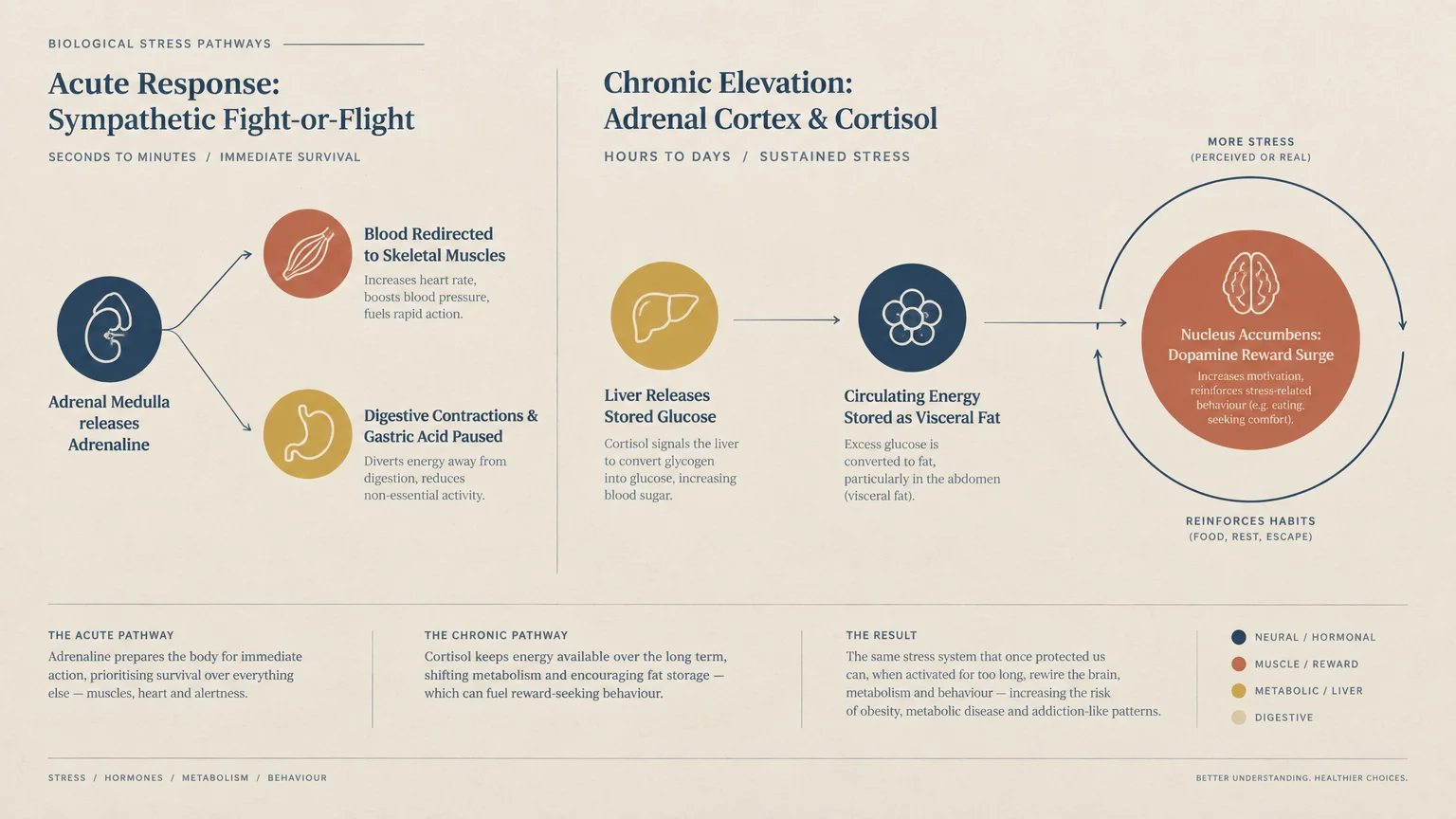
During acute emergencies, your sympathetic nervous system prompts your adrenal medulla to flood your bloodstream with adrenaline. This surge redirects circulation away from your gastrointestinal tract toward your skeletal muscles.
Digestive contractions slow down, and your stomach temporarily halts gastric acid production. In this high-intensity state, your brain suppresses appetite so you can confront immediate danger.
Once the immediate crisis passes, your autonomic nervous system attempts to re-establish physiological equilibrium. That shift frequently produces a sudden, urgent sensation of hunger.
If daily pressures prevent your nervous system from relaxing, your body transitions from acute defense to prolonged preservation.
Chronic Cortisol Elevation and Sustained Appetite
Ongoing work deadlines and family worries stimulate your adrenal cortex to release cortisol continuously. As highlighted by peer-reviewed research indexed by the National Library of Medicine, sustained cortisol elevation significantly drives prolonged appetite stimulation.
Cortisol prompts your liver to release stored glucose while signaling your cells that energy supplies are critically low. This ongoing biological signal makes high-calorie comfort foods seem exceptionally appealing.
Your ancient biology assumes you just expended enormous physical effort escaping a predator. It commands you to consume calorie-dense fuel to replenish depleted glycogen reserves immediately.
Because modern stress typically occurs while sitting at a desk, this mobilized glucose remains unburned. Your body subsequently stores that excess circulating energy as visceral fat.
The Brain Reward Pathway and Dopamine Seeking
Prolonged stress dampens the baseline responsiveness of your brain’s reward centers. In response, your nervous system seeks convenient methods to lift your emotional state.
Foods loaded with refined sugar and saturated fats stimulate an immediate surge of dopamine in your nucleus accumbens. This neurochemical release temporarily softens feelings of overwhelm and anxiety.
Your brain quickly associates these rich comfort foods with fast emotional relief. Each time you soothe emotional distress with a snack, you reinforce that neural connection.
You are not struggling with flawed willpower; you are responding to deep-seated neurological survival programming.
Why Specific Flavors and Textures Call to You
Notice how your stress cravings rarely focus on plain celery sticks or steamed chicken breast. Your body targets distinct flavor and texture combinations to meet specific physiological requirements.
Examining these flavor profiles clarifies why certain comfort foods feel so magnetic when you are depleted.
The Lure of Quick Carbohydrates and Serotonin
When exhaustion mounts, you likely gravitate toward refined carbohydrates like cookies, pastries, or white bread. These simple starches enter your bloodstream rapidly, causing a sharp elevation in blood glucose.
Your pancreas responds by secreting insulin, which clears competing amino acids from your bloodstream. This clearance allows tryptophan to cross your blood-brain barrier with minimal resistance.
Inside your central nervous system, tryptophan converts into serotonin—your essential mood-stabilizing neurotransmitter. This neurochemical shift generates a brief sensation of tranquility and emotional comfort.
Unfortunately, the subsequent drop in blood glucose often triggers renewed irritability and lethargy within two hours. This sudden dip restarts the craving cycle, prompting you to seek another sugary snack.
Pairing complex carbohydrates with lean proteins stabilizes this glycemic wave while supporting sustained serotonin production.
Craving Salty and Crunchy Textures
A sudden desire for salty pretzels, potato chips, or crackers often points to physical frustration. Chewing crunchy textures provides mechanical relief that dissipates pent-up tension in your jaw.
Many people involuntarily clench their masseter muscles while concentrating or managing interpersonal conflict. Biting down on firm, crisp foods helps release that accumulated muscular tightness.
In addition, prolonged stress taxes your adrenal glands, which govern electrolyte balance through aldosterone production. Minor shifts in hydration and sodium balance can subtly amplify your desire for salty snacks.
When you recognize this mechanical urge, you can swap processed chips for crisp baby carrots, radishes, or roasted pumpkin seeds.
These wholesome alternatives provide the satisfying crunch your jaw craves without burdening your vascular system with excess sodium.
Fat and Rich Creaminess for Emotional Grounding
Warm cheese, rich chocolate, and ice cream deliver a velvety mouthfeel that promotes psychological comfort. Dietary fats stimulate oral sensory nerves that send calming signals directly along your vagal nerve pathways.
Fat is your most calorie-dense nutrient, which your biology interprets as a protective shield against scarcity. When you feel emotionally vulnerable, your subconscious gravitates toward that energetic security.
Creamy and warm textures also evoke potent childhood memories of parental care and soothing family meals. These nostalgic associations offer psychological refuge during challenging adult moments.
You can satisfy this texture preference using nutrient-dense whole foods like creamy avocado, coconut milk soups, or Greek yogurt.
These options deliver smooth sensory comfort alongside essential micronutrients that actively support cellular repair.

Pillar One: Meal Planning to Stabilize Your Baseline
Inconsistent eating patterns amplify psychological stress by creating turbulent blood glucose spikes and crashes. A thoughtful meal planning routine establishes metabolic stability throughout your busiest days.
When your physiology receives reliable nourishment, your brain stops triggering emergency alarms for fast fuel.
Establishing Regular Meal Cadence
Skipping breakfast or delaying lunch forces your liver and adrenals to manufacture emergency glucose. This unnecessary metabolic strain primes you for intense, uncontrollable evening cravings.
Aim to nourish your body every three to four hours during your active waking period. This dependable schedule maintains steady circulating glucose and prevents sudden dips in energy.
Block out dedicated fifteen-minute meal breaks on your daily work calendar so meetings do not intrude. Treating nourishment as a non-negotiable appointment protects your energy and focus.
Keep portable, nutrient-rich snacks in your desk drawer, backpack, or vehicle for hectic days. Having walnuts, roasted chickpeas, or whole-grain crackers nearby ensures you never enter survival hunger mode.
Constructing the Protective Plate
Design each main meal around three essential pillars: dietary fiber, quality protein, and beneficial fats. Registered dietitians from the Academy of Nutrition and Dietetics advocate for this balanced combination to maintain steady glycemic control.
Fill half of your plate with colorful vegetables or whole fruits to secure prebiotic fiber and antioxidants. These plant fibers delay gastric emptying and prevent rapid blood sugar fluctuations.
Allocate one quarter of your plate to clean protein sources such as eggs, tofu, salmon, or lentils. Protein triggers the release of satiety hormones that quiet intrusive thoughts about food.
Dedicate the final quarter to slow-digesting carbohydrates like sweet potatoes, brown rice, or quinoa. Top your plate with a modest serving of extra virgin olive oil, avocado, or mixed seeds.
This harmonious plate architecture delivers sustained fuel for hours, effectively shielding you from reactive stress cravings.
Culturally Diverse and Budget-Friendly Prep
Nutritious meal preparation should embrace your cultural heritage while honoring your financial boundaries. Wholesome eating does not require expensive superfoods or complicated specialty products.
Batch cook affordable staples like black beans, red lentils, or pinto beans seasoned with garlic, cumin, and onions. Legumes provide exceptional protein and prebiotic fiber at a fraction of the cost of processed convenience foods.
Take advantage of frozen vegetables and canned wild fish to keep weekly grocery bills manageable. Frozen produce retains peak nutrient density and drastically shortens your evening meal preparation time.
Divide your prepared meals into clear glass containers and store them at eye level in your refrigerator. Visible, ready-to-eat meals eliminate decision fatigue when you arrive home exhausted from a demanding shift.
Celebrating your family’s favorite cultural seasonings ensures your meals bring genuine emotional satisfaction alongside balanced physical nourishment.
Pillar Two: Targeted Nutrients That Counteract Stress
Your body burns through critical micronutrients at an accelerated rate when managing chronic life tension. Replenishing these depleted reserves strengthens your biochemical defense against impulsive cravings.
Targeting specific stress-modulating nutrients supplies your central nervous system with the raw materials needed for emotional balance.
Magnesium for Neuromuscular Relaxation
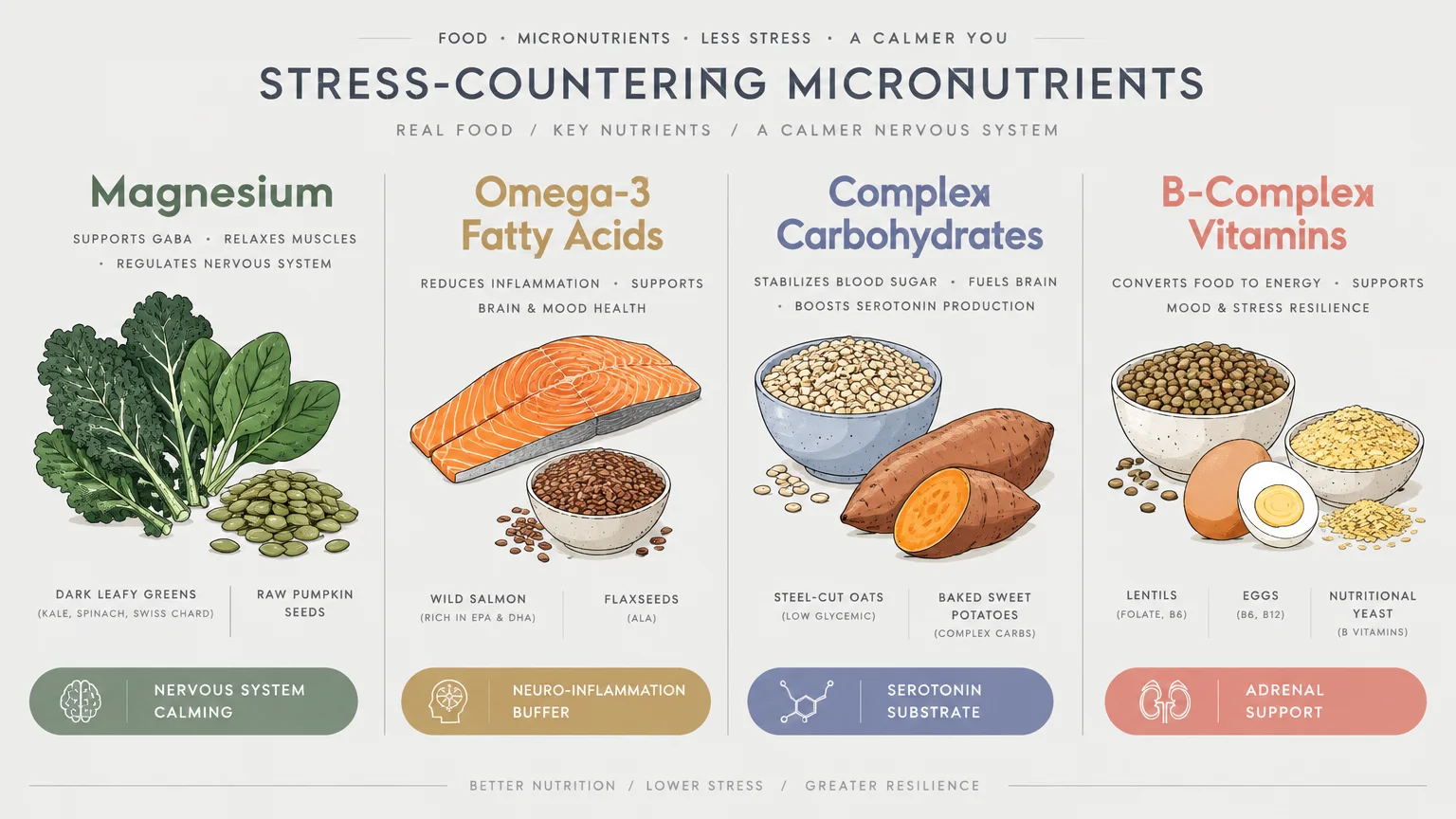
Magnesium serves as a cofactor in hundreds of enzymatic processes, including the regulation of your stress response. Mental fatigue prompts your kidneys to excrete this calming mineral more rapidly than usual.
Suboptimal magnesium stores manifest as muscle twitching, restless sleep, and persistent nervous tension. These uncomfortable physical symptoms often lead people to seek comfort in sugary, highly processed snacks.
Incorporate magnesium-dense whole foods like pumpkin seeds, chia seeds, black beans, and steamed spinach into your daily routine. Adding a handful of seeds to your morning breakfast delivers a substantial mineral boost.
Savor an ounce of dark chocolate with seventy percent cacao solids after dinner. Dark chocolate provides beneficial magnesium alongside calming flavanols, satisfying your sweet tooth in a nutrient-dense manner.
Maintaining optimal magnesium levels helps your body maintain a calm baseline, reducing urgent impulses for junk food.
Complex Carbohydrates and Fiber for Steady Neurotransmitters
Your central nervous system requires steady glucose delivery to maintain emotional composure and mental clarity. Complex carbohydrates break down gradually, supplying consistent fuel without triggering dramatic blood sugar valleys.
Incorporate steel-cut oats, pearled barley, wild rice, and roasted squash into your weekly meal plans. These unrefined starches facilitate steady tryptophan uptake, promoting dependable serotonin production all day long.
Dietary fiber also nourishes the trillions of beneficial microorganisms inhabiting your large intestine. A diverse microbiome produces short-chain fatty acids that communicate directly with your brain via the vagus nerve.
These microbial compounds help lower systemic inflammation and support your capacity to cope with daily life pressures. Supporting gut health directly translates to clearer thinking and calmer food selections.
Swap refined sandwich rolls for seeded rye or dense whole-grain sourdough. Notice how consistent physical energy reduces your desire for afternoon vending machine snacks.
Omega-3 Fatty Acids and Micronutrient Density
Brain cell membranes depend heavily on omega-3 fatty acids to maintain proper fluidity and signal transmission. Chronic stress fosters low-grade inflammation that interferes with normal neurotransmitter receptor function.
Cold-water oily fish such as wild salmon, Atlantic mackerel, and sardines supply potent amounts of protective fatty acids. These anti-inflammatory compounds support emotional balance and help stabilize mood swings.
Plant-focused individuals can obtain beneficial fats by consuming ground flaxseed, chia seeds, and raw walnuts. Blending two tablespoons of ground flaxseed into a morning smoothie provides effortless essential nourishment.
Complement these healthy fats with vitamin C powerhouses like bell peppers, kiwi, broccoli, and citrus fruits. Clinical resources from Harvard Health Publishing highlight how overall dietary quality influences emotional wellbeing.
Flooding your cells with protective micronutrients ensures your appetite reflects true biological needs rather than cellular depletion.
Pillar Three: Behavioral Habits That Break the Loop
Nutritional upgrades deliver the best results when paired with conscious behavioral techniques. Transforming automatic reactions into intentional choices restores your confidence around food.
Developing practical behavioral habits introduces a vital pause between feeling an emotional trigger and opening the pantry.
The Deliberate Pause Technique
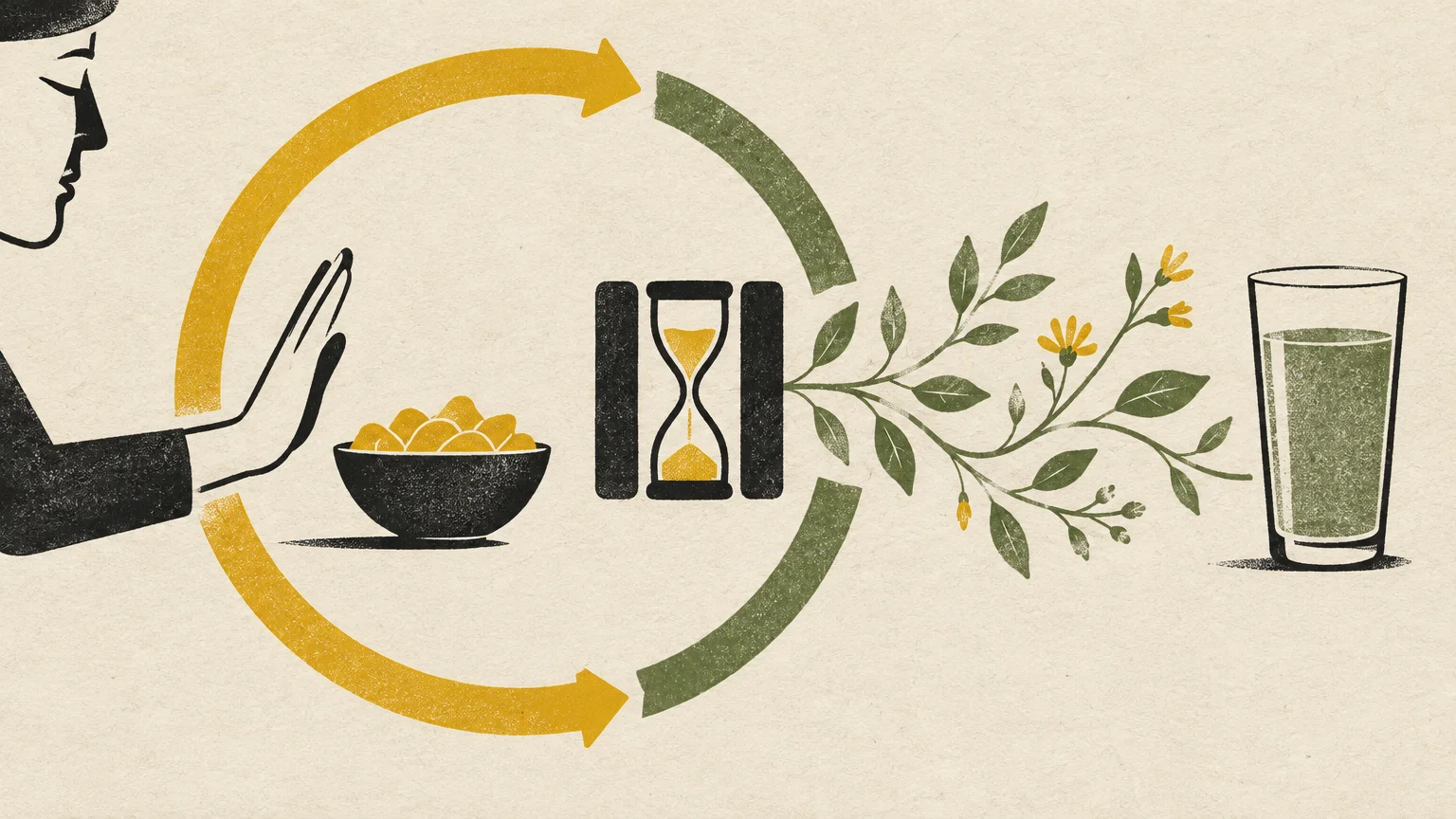
When an overwhelming craving strikes, commit to waiting ten full minutes before consuming any food. During this brief interlude, step away from the kitchen and observe your physical sensations without judgment.
Urges typically rise to a peak and begin to fade within several minutes. Permitting that wave to crest without reacting immediately softens the automated craving circuit in your brain.
Use this quiet interval to sip a large glass of filtered water or warm chamomile tea. Mild dehydration frequently masquerades as intense hunger, misleading your internal appetite signals.
Practice slow, diaphragmatic breathing by inhaling for four seconds and exhaling smoothly for six seconds. This breathwork stimulates your parasympathetic tone, reducing acute stress hormones in real time.
If you still desire the snack after ten minutes, enjoy it mindfully and without an ounce of guilt.
Differentiating True Hunger from Stress Cravings
Physiological hunger develops gradually in your digestive tract, accompanied by gentle stomach rumblings or slight energy dips. It remains open to diverse wholesome foods, including raw vegetables or simple proteins.
Conversely, emotional cravings arrive abruptly and demand an exact food item, such as frosted donuts or salty chips. These urges originate in your mind rather than your physical stomach.
Ask yourself whether an apple or a piece of baked chicken sounds satisfying right now. If those foods feel unappealing, you are likely experiencing an emotional desire rather than true physical hunger.
Pinpoint the underlying feeling driving the urge—whether it is loneliness, workplace frustration, boredom, or deep exhaustion. Naming the exact emotion allows you to select an appropriate, non-food solution to address it.
Emotional hunger cannot be satisfied with food; it requires genuine emotional care, rest, or healthy personal boundaries.
Designing a Supportive Environment
Your physical surroundings dictate your default choices when your willpower is drained at the end of the day. Streamline your kitchen environment to make healthy selections the easiest, most effortless option.
Position fresh fruit bowls, pre-sliced carrots, and raw nuts at eye level in your pantry and refrigerator. Store processed comfort foods in opaque containers on high, hard-to-reach shelves or leave them at the grocery store.
Establish a calm dining zone free from laptop screens, smartphones, and television distractions. Eating while distracted impairs your brain’s capacity to register fullness, leading to accidental overeating.
Design non-food comforting rituals in your home, like drawing a hot bath or lighting an aromatic candle. These sensory pleasures teach your nervous system to relax without relying on the kitchen pantry.

Perspectives from Clinical Practice and Real Life
Integrating scientific theory with the realities of daily living provides grounded, compassionate perspective. Observing clinical trends and individual experiences reveals that stress eating is an understandable, solvable challenge.
Examining these real-world insights empowers you to navigate your personal journey with confidence and self-compassion.
Clinical Observations from Dietetics
In clinical practice, registered dietitians frequently notice that daytime undereating triggers aggressive nighttime snacking. When clients skimp on protein and complex carbs during busy mornings, biological alarms sound by evening.
Practitioners also find that moralizing food choices intensifies cravings and emotional guilt. Labeling foods as strictly forbidden gives those items psychological power, making them irresistible during stressful moments.
Furthermore, clinicians emphasize that poor sleep amplifies stress-driven appetite by disrupting leptin and ghrelin balance. Prioritizing seven to eight hours of sound rest often resolves stubborn cravings more effectively than restrictive meal plans.
Public health agencies like the Centers for Disease Control and Prevention stress that sleep and stress regulation are fundamental to metabolic health.
Clinical consensus affirms that lasting freedom from emotional eating requires adequate nourishment, compassionate curiosity, and consistent self-care.
A Lived Perspective on Managing Evening Pantry Visits
Consider Marcus, a graphic designer who struggled with intense nighttime kitchen cravings after grueling client deadlines. Each evening, he found himself eating potato chips and chocolate bars while standing in front of his refrigerator.
Marcus realized his snacking was not driven by genuine hunger; it served as his sole emotional boundary after work. Eating provided immediate sensory stimulation that distracted him from unresolved project stress.
Collaborating with a nutrition counselor, Marcus introduced a satisfying afternoon snack of Greek yogurt, berries, and walnuts at four o’clock. This proactive meal ensured he arrived at dinner without intense biological hunger.
He also instituted an evening transition ritual that involved listening to music and taking a short neighborhood walk. Replacing mindless snacking with genuine rest eliminated his habitual nighttime pantry visits within weeks.
His experience proves that identifying and honoring your underlying needs leads to sustainable lifestyle freedom.
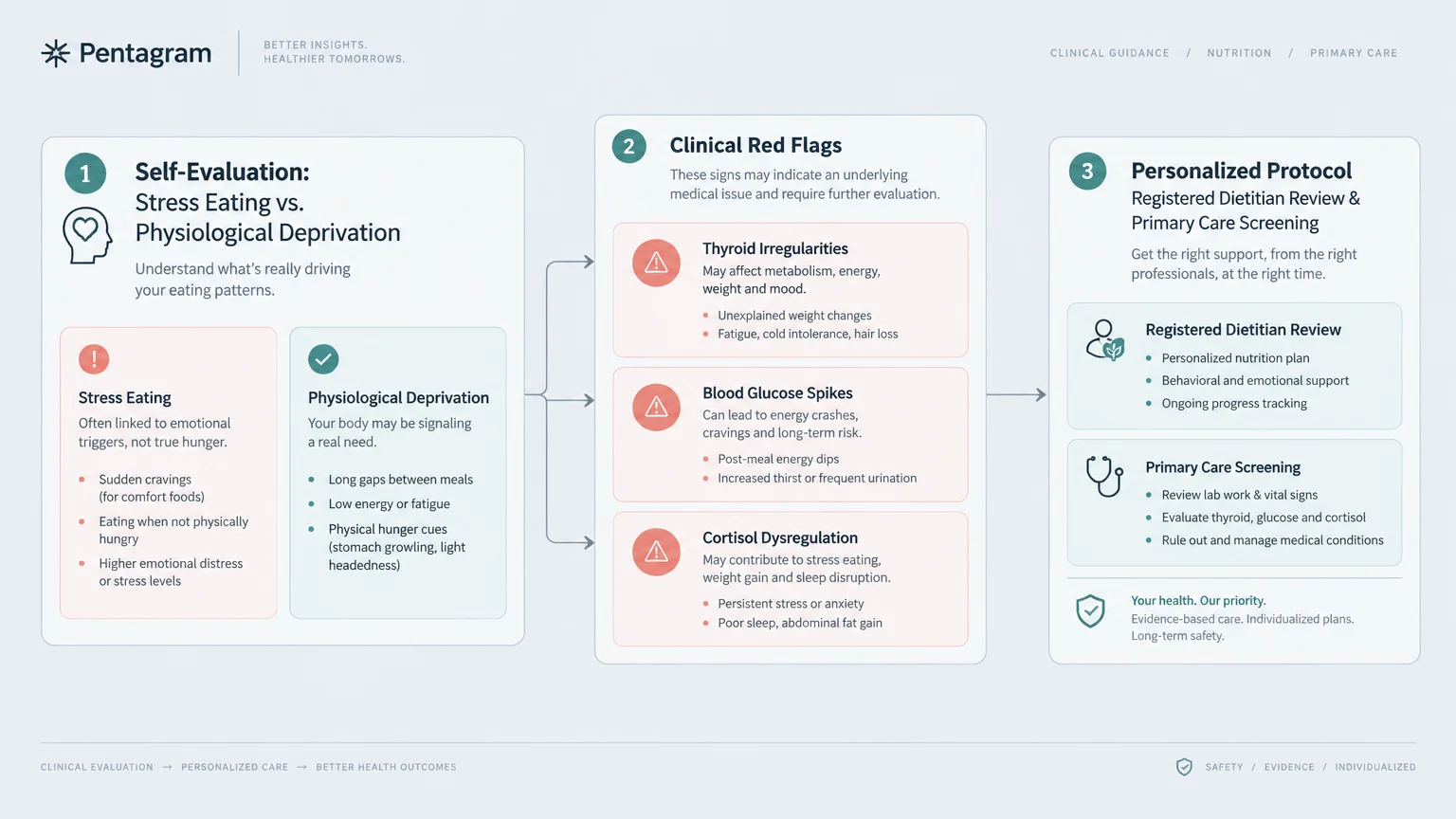
Safety, Medical Considerations, and Personalization
Nutrition guidance must always reflect your unique biochemical profile, existing health conditions, and personal medical history. What benefits one individual during stressful seasons may not suit your specific metabolic needs.
Tailoring these dietary strategies ensures you protect your physical wellbeing while building emotional resilience.
Navigating Dietary Restrictions and Allergies
When selecting stress-supporting whole foods, honor your personal food allergies and digestive tolerances. For instance, individuals with peanut or tree nut sensitivities can safely use pumpkin seeds, hemp hearts, or sunflower butter.
If you manage irritable bowel syndrome, increasing fiber too quickly can cause uncomfortable digestive bloating and cramping. Introduce high-fiber legumes, oats, and cruciferous vegetables gradually while drinking plenty of water throughout the day.
Those with celiac disease or gluten intolerance should always choose certified gluten-free whole grains like brown rice, buckwheat, and quinoa. Careful ingredient verification prevents gastrointestinal distress that could worsen your overall stress levels.
If you navigate diabetes or insulin resistance, partner with your medical team to personalize your carbohydrate distribution. Guidance from the American Psychological Association underscores that stress management and metabolic health are deeply connected.
Recognizing Clinical Signs That Warrant Specialized Care
Occasional stress-related snacking represents a normal human reaction to life challenges. However, chronic patterns of secretive, uncontrolled consumption accompanied by deep shame or guilt suggest a more serious condition.
If you frequently consume unusually large quantities of food while feeling powerless to stop, seek professional support. Binge eating disorder and related challenges respond best to compassionate, specialized clinical guidance.
Avoid turning to extreme cleanses, unverified detox supplements, or rigid diet protocols to fix stress eating. Extreme dietary restrictions almost always heighten anxiety, exacerbate food fixations, and trigger rebound binges.
Collaborate with a registered dietitian, licensed mental health therapist, or physician specializing in intuitive eating principles. Professional care provides a safe, personalized path toward lasting food peace and physical vitality.
Frequently Asked Questions About Stress Eating
Why do I crave sweet foods late at night when I am stressed?
Late-night sugar cravings typically result from cumulative mental fatigue, daytime underfueling, and elevated evening cortisol levels. When your cognitive energy is drained, your brain demands fast glucose to maintain functioning.
Nighttime is also the moment when daily distractions fade, allowing accumulated emotional stress to surface. Consuming sweets sparks an immediate dopamine release that temporarily numbs anxiety, loneliness, or frustration before sleep.
Enjoying a balanced dinner with complex carbohydrates and lean protein helps stabilize nighttime blood sugar and quiets evening cravings.
Can drinking water actually stop a stress-induced food craving?
Drinking water cannot cure genuine emotional distress, but it can clarify ambiguous internal signals. Mild dehydration produces fatigue and mild headaches that your brain easily misidentifies as a need for quick food.
Pausing to drink a glass of water also creates an intentional interlude in your behavioral routine. That short pause allows emotional urgency to settle, giving you space to make a conscious choice.
Does cortisol directly increase fat storage around the abdomen?
Cortisol mobilizes stored triglycerides and relocates them to deep visceral fat stores within your abdominal cavity. Abdominal fat tissue contains a higher concentration of cortisol receptors than fat located elsewhere on your body.
In addition, elevated cortisol stimulates lipoprotein lipase, an enzyme that accelerates fat accumulation in central tissues. Balancing your stress through regular nutrition, restorative sleep, and mindful boundaries helps regulate these hormonal cues.
How can I stop feeling guilty after I stress eat?
Guilt fuels a destructive emotional cycle that frequently triggers subsequent episodes of reactive eating. Reframe the situation by recognizing that your brain reached for food as a functional coping tool during distress.
Approach the event with objective curiosity rather than harsh judgment by asking what emotional need arose. Treating yourself with genuine compassion disrupts the shame loop, allowing you to resume balanced habits without delay.
Taking Action in the Next Twenty-Four Hours
Transforming your relationship with food does not require an overnight overhaul of your lifestyle. Lasting behavioral transformation grows from small, deliberate choices practiced consistently over time.
Select one actionable strategy from this article to test within the next twenty-four hours. You might add pumpkin seeds to your lunch, prep balanced snacks, or practice the ten-minute pause.
Observe how your body responds when you offer it reliable nourishment, adequate hydration, and compassionate patience. These manageable shifts build deep metabolic and psychological resilience that protects you during demanding seasons.
Trust your ability to navigate life’s inevitable pressures without depending solely on the pantry for emotional comfort. Take one grounding step today, and empower your body to reclaim its natural, vibrant balance.